Group Tour Agencies in Morocco: How to Pick the Right One
Compare Morocco group tour agencies by trip style, reviews, pace, transport and inclusions. Learn wh...
Read this article

Private, custom Morocco trips planned in Fez by AZ-ZDDINE, working in Moroccan tourism since 2012. Sahara, Atlas, medinas and coast, arranged around you.
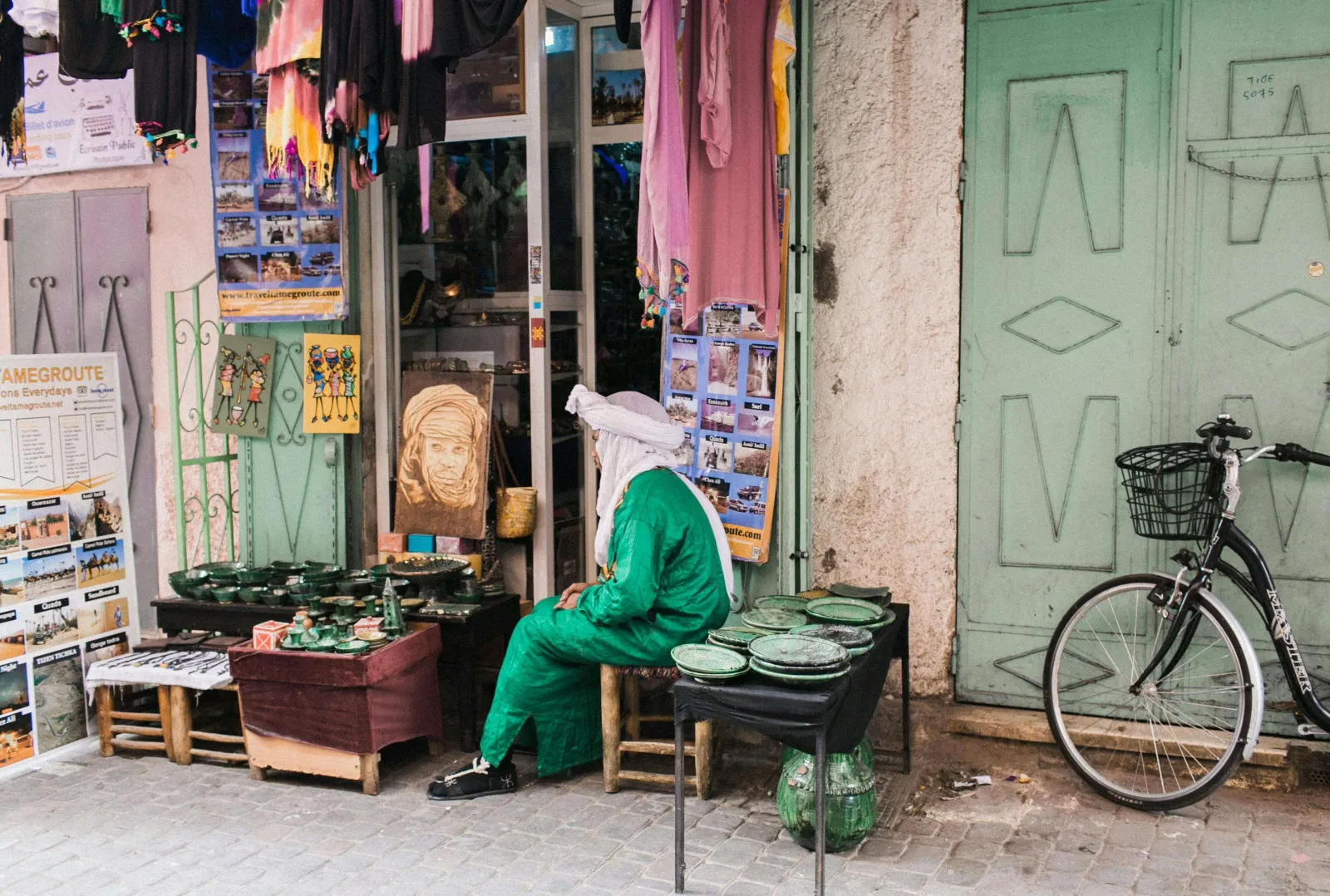
Three full days is the ideal minimum for exploring Marrakech itself—add more days if you want overnight trips to the Sahara Desert or deeper treks into the Atlas Mountains.
Structure your Marrakech itinerary strategically: Day 1 for the Medina icons (Djemaa el Fna Square, Koutoubia Mosque, Ben Youssef Madrasa, bustling souks), Day 2 for lush gardens, museums, and rooftop dining, Day 3 for palaces, Saadian Tombs, and an optional Agafay desert excursion or sunrise hot air balloon ride.
Walk and taxi your way through the city: Most of the historic city center is pedestrian-friendly, but you’ll want a petit taxi or private driver for Jardin Majorelle, Gueliz, and any desert or mountain trips.
Don’t leave without tasting the classics: Tagine, couscous, tanjia, pastilla, and Moroccan mint tea are essential—this guide names specific restaurants and food stalls where you can try them all.
Morocco Classic Tours can handle the logistics: From private drivers and guided medina walks to desert excursions, hot air balloon bookings, and handpicked luxury riads, a tailored 3-day stay is just one conversation away.
If you’ve ever wondered whether 3 days in Marrakech is enough to truly experience this vibrant city, the answer is a confident yes—with smart planning. Three full days (not counting arrival and departure) gives you the sweet spot between rushing through highlights and overstaying the sensory intensity that defines North Africa’s most famous red city.
What can you realistically cover? The historic Marrakech Medina with its labyrinthine alleys and bustling souks, iconic gardens like Jardin Majorelle, major palaces including Bahia Palace and El Badi, immersive food experiences from street food stalls to rooftop terrace dining, a traditional hammam session, and even a short desert or Atlas Mountains outing. That’s a complete first-time experience without feeling like you’re sprinting through a checklist.
Here’s the reality check: if you’re dreaming of an overnight Sahara Desert camp among the towering dunes of Merzouga, or a multi-day Atlas Mountains trek through Berber villages, you’ll need 5–7 days in Morocco. Marrakech works beautifully as a gateway for these adventures, but cramming them into a 3-day stay means sacrificing the city itself.
Morocco Classic Tours often builds 3-day Marrakech stays into longer custom Morocco itinerary packages, combining the charming city with Fez, the blue streets of Chefchaouen, Merzouga’s dunes, or the coastal vibes of Essaouira. But if Marrakech is your sole destination, three days lets you visit Morocco’s most famous city with depth rather than just scratching the surface.
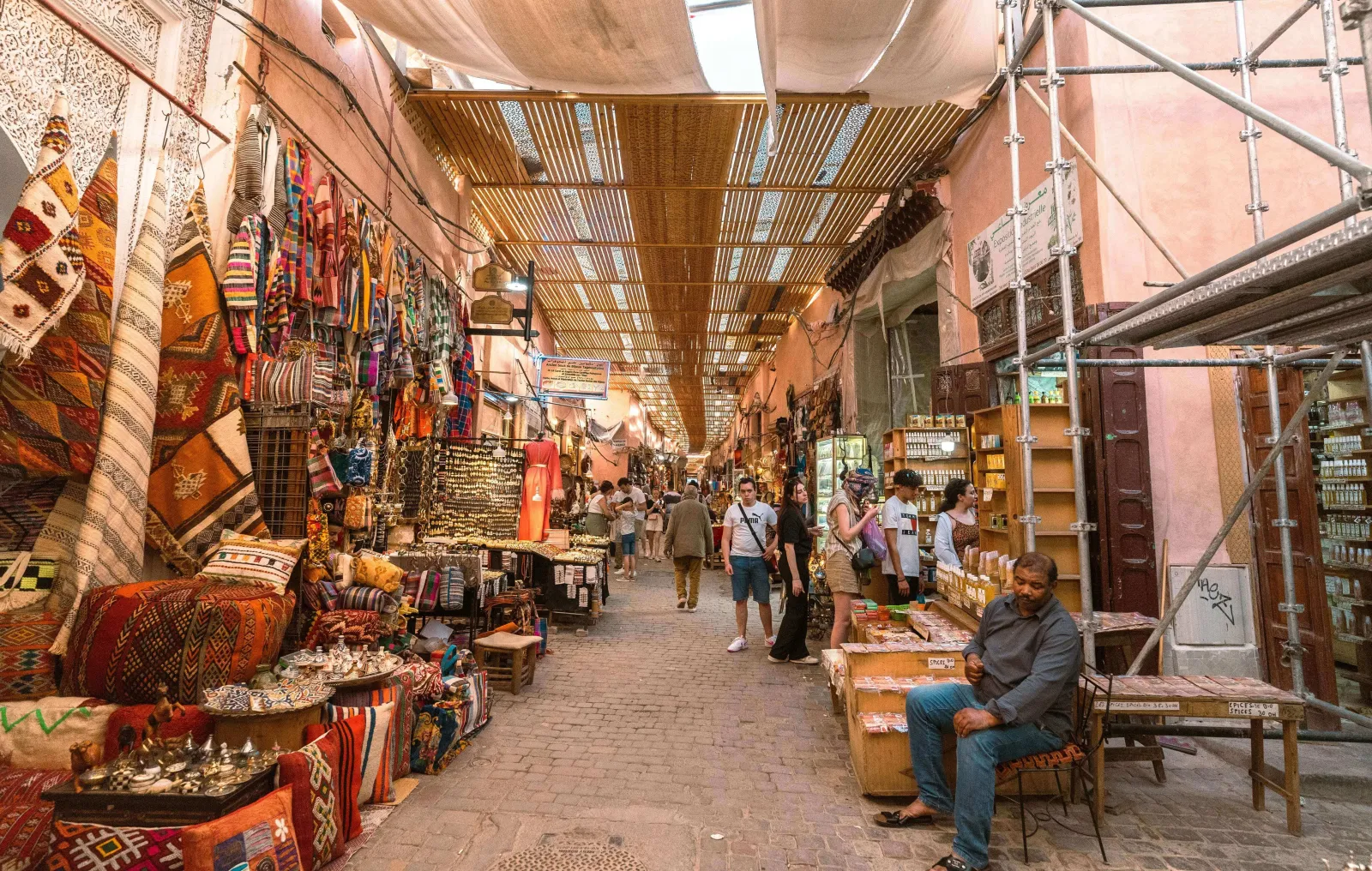
Before diving into the day-by-day breakdown, here’s how to structure your time for maximum impact and minimum exhaustion. This classic first-time route balances sightseeing with food exploration and strategic downtime by your riad’s rooftop pool or in a steam-filled hammam.
Your three days at a glance:
Day | Theme | Key Highlights |
|---|---|---|
Day 1 | Medina & Souks | Djemaa el Fna Square, Koutoubia Mosque, souk exploration, Ben Youssef Madrasa, sunset rooftop dinner |
Day 2 | Gardens, Museums & Rooftops | Jardin Majorelle, YSL Museum, Gueliz café culture, Dar El Bacha, hammam, rooftop couscous dinner |
Day 3 | Palaces, Tombs & Optional Adventure | Bahia Palace, El Badi Palace, Saadian Tombs, optional Agafay desert trip, or hot air balloon |
Each day’s section below includes specific stops with approximate opening times and prices in Moroccan dirham (MAD). These aren’t rigid schedules—Marrakech rewards wandering and spontaneity—but they’ll keep you oriented when the maze-like alleys threaten to swallow your sense of direction. | ||
The key is starting early (around 9 AM) to beat both the heat and the tour groups, then retreating to your private riad for a midday rest before emerging for evening adventures when the city truly comes alive.
Your first day in Marrakech should be an orientation immersion—jumping straight into the sensory chaos of the central Medina, the main square of Djemaa el Fna, and the nearby historical icons. Ideally, you’ll start mid-morning after checking into your Marrakech riad and enjoying a traditional Moroccan breakfast of msemen flatbread, fresh orange juice, and plenty of mint tea.
Here’s a valuable tip: consider booking a licensed local guide through Morocco Classic Tours for your first half-day. A knowledgeable guide helps you avoid the common scams (unsolicited “helpers” steering you to their cousin’s shop), understand the medina layout that will serve you for the rest of your stay, and discover hidden corners you’d never find alone. Think of it as an investment in independent exploration for Days 2 and 3.
Start your Marrakech adventure at Djemaa el Fna Square, the beating heart of the old city and a UNESCO World Heritage Site. By late morning, the square buzzes with fresh orange juice vendors (10 MAD per glass is standard), herbalist stalls piled with mysterious remedies, henna artists calling out to passersby, and storytellers performing for local crowds.
A few important notes for the square:
Animal exploitation warning: You’ll likely see snake charmers and handlers with monkeys posing for photos. Many travelers choose not to support these practices—if you engage, you’ll be expected to pay, and the animals’ welfare is questionable at best.
Agree on prices first: Whether it’s henna (expect 50-100 MAD for a design), photos with performers, or any service, settle the price before you begin to avoid aggressive demands afterward.
Best time for photos: Late afternoon light makes the square glow; sunset transforms it completely.
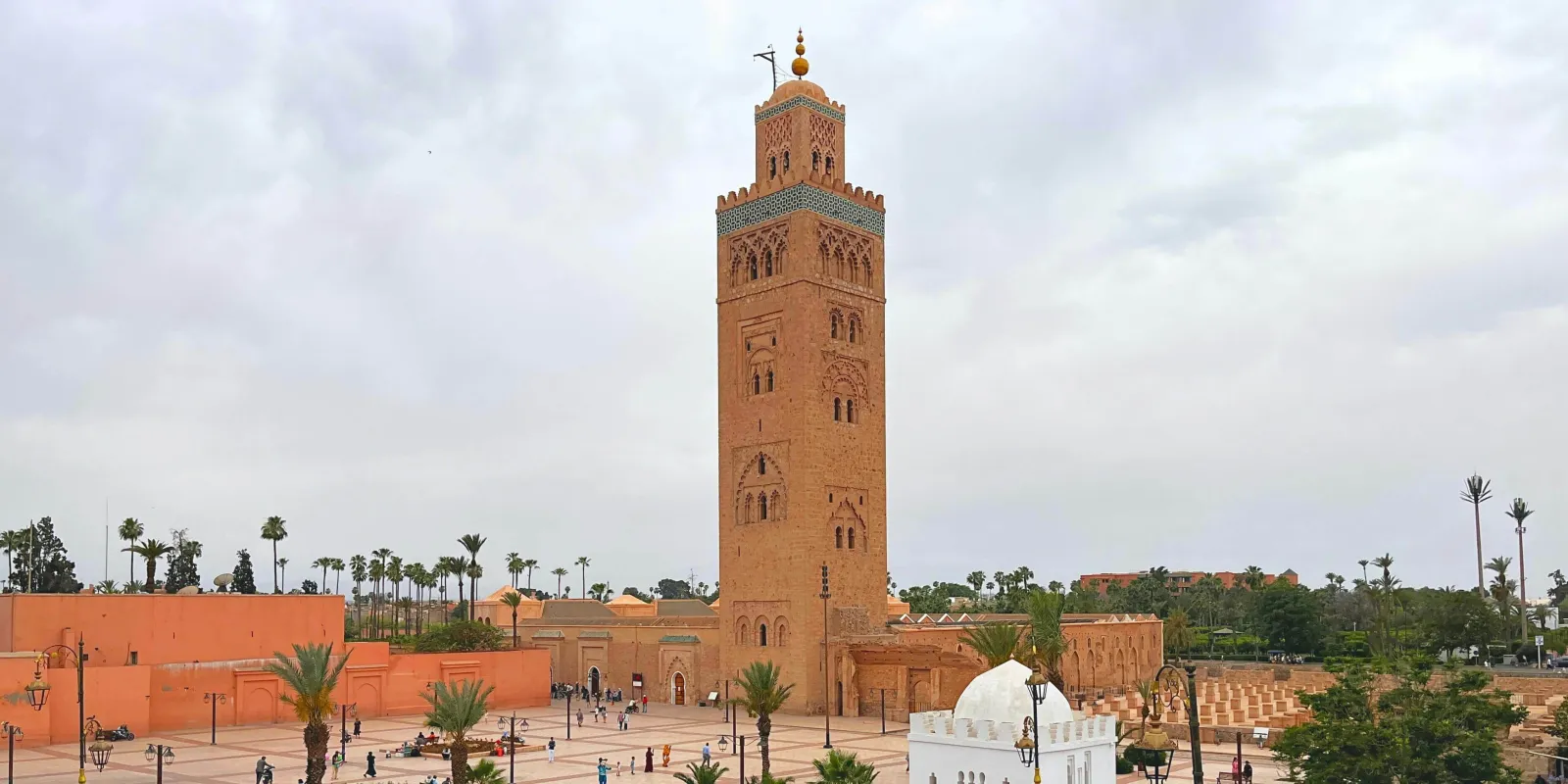
From the square, a 5-10 minute walk brings you to the Koutoubia Mosque, the city’s most iconic landmark. Its 77-meter minaret, built in the 12th century, served as the model for Seville’s Giralda tower and remains the tallest structure in the medina. Non-Muslims cannot enter the mosque itself, but the surrounding gardens with their orange trees and reflecting pools are peaceful, and the minaret makes an excellent navigation beacon when you’re lost in the souks. You’ll hear the prayer call five times daily—the sunset call is particularly atmospheric.
From Djemaa el Fna, enter the main souks through Souk Semmarine and let yourself get intentionally “lost” among the covered alleys. This is where the treasure trove of Marrakech reveals itself: brass lanterns throwing geometric shadows, soft leather babouche slippers in every color, hand-woven carpets, silver Berber jewelry, and bottles of argan oil.
Bargaining essentials:
Expect to negotiate—it’s part of the culture, not an insult
Start at roughly one-third of the first quoted price
Treat haggling as a friendly game; walking away often brings prices down
Shop owners expect back-and-forth; don’t feel pressured to buy immediately
Specific souks worth seeking out:
Souk Name | Specialty | What to Look For |
|---|---|---|
Souk des Teinturiers | Dyers’ market | Vibrant skeins of wool in electric blues and reds |
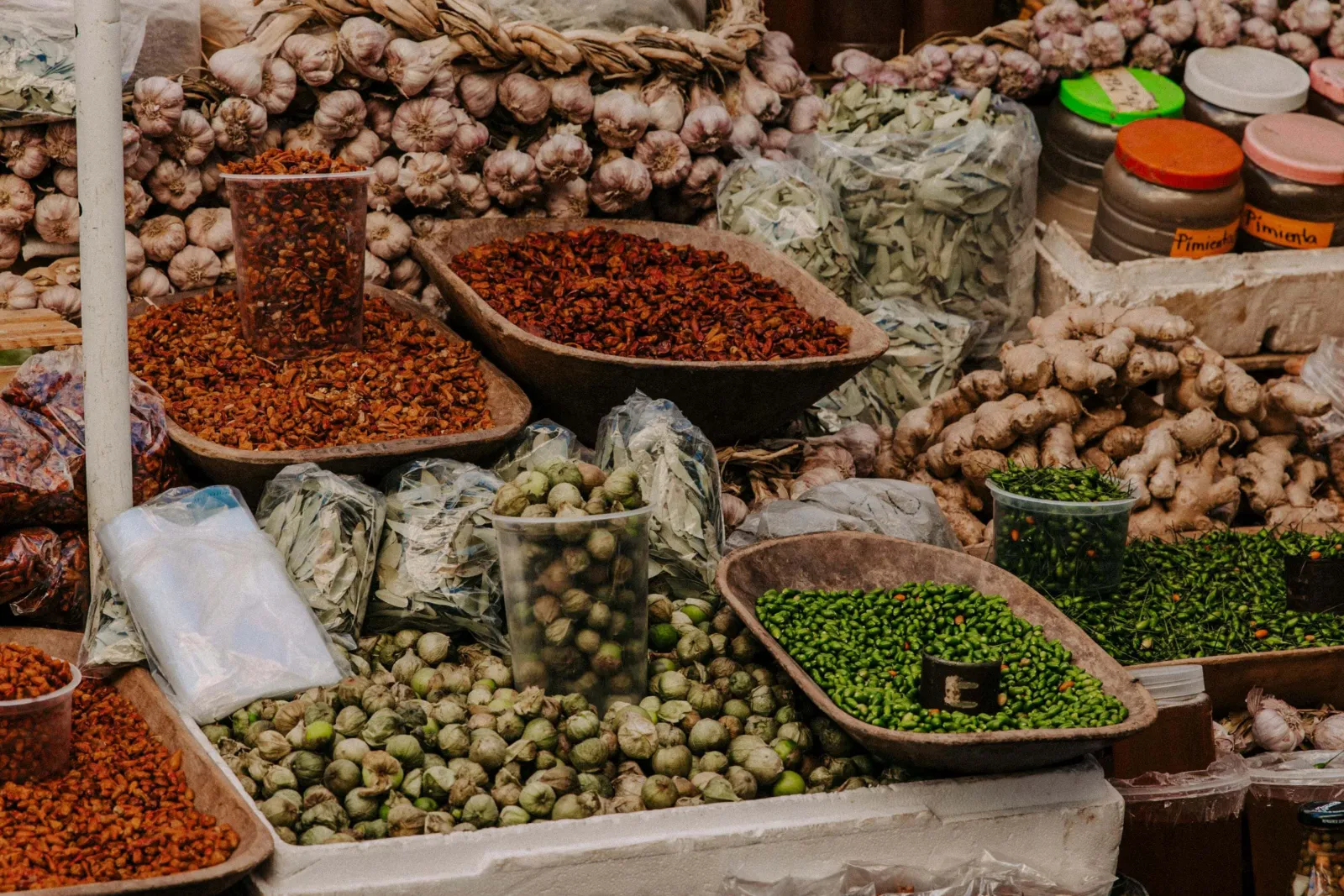
Souk El Attarine | Spices & perfumes | Pyramids of saffron, cumin, and ras el hanout |
Souk Semmarine | General goods | Brass lamps, leather goods, textiles |
Pro tip: Mornings before 11 AM are calmer, with less aggressive sales tactics. Afternoons bring crowds and intensified haggling energy. | ||
Morocco Classic Tours can pair you with vetted artisan workshops—leather tanneries, ceramic studios, and cooperative weaving centers—where demonstrations are genuine, products are higher quality, and the pressure to buy is significantly lower.
After your initial souk exploration, make your way to Ben Youssef Madrasa, one of the most beautiful examples of Islamic architecture in North Africa. This 14th-century Islamic college (rebuilt in the 16th century under the Saadians) was once the largest Quranic school on the continent, housing up to 900 students in tiny cells arranged around a stunning central courtyard.
What makes it unforgettable is the incredible architecture: intricate zellige tilework in over 26 colors, carved cedar wood, kufic inscriptions wrapping around every surface, and a serene courtyard that feels a world away from the chaos just outside the heavy wooden doors.
Practical details:
Opening hours: Approximately 9:00 AM – 6:00 PM daily
Ticket price: 40-50 MAD
Suggested visit time: 45-60 minutes
The contrast is striking—stepping from narrow alleys where you’re dodging scooters and calls of “my friend, come look at my shop!” into this oasis of geometric perfection and silence. Take your time here.
Nearby, consider adding the Maison de la Photographie for rooftop views over the medina rooftops and historical photographs of Morocco, or the lesser-known Le Jardin Secret with its restored gardens and beautiful architecture. Both offer respite from the souk intensity.
End Day 1 back at Djemaa el Fna Square for sunset, one of the essential Marrakech experiences. As daylight fades, the square transforms into a sea of food stalls, smoke from grilled meats, and hundreds of lanterns, creating a vibrant atmosphere unlike anywhere else on earth.
For the best view, head to a rooftop terrace overlooking the square. Popular options include:
Café des Épices near Place des Épices—casual, great for mint tea and people-watching
Le Grand Balcon du Café Glacier—panoramic views directly over the square’s action
Once you’ve captured your sunset photos, descend into the controlled chaos of the food stalls. This is your introduction to street food in Marrakech: grilled brochettes (skewered meat, 20-30 MAD), steaming bowls of harira soup (tomato, lentil, and chickpea, 20-30 MAD), and simple tagines served at communal tables under makeshift canopies.
Hygiene tips for the stalls:
Choose stalls with high turnover and visible crowds (locals know best)
Watch your food being cooked fresh
Agree on prices before sitting down
For a more guided introduction, Morocco Classic Tours can book you on an evening street-food tour where a local expert helps you sample dishes safely while explaining their origins and cultural significance—a perfect way to build confidence for solo food exploration on subsequent nights.
Day 2 shifts pace deliberately. After yesterday’s sensory immersion, today combines nature, art, and design in settings mostly outside the densest parts of the medina. Think of it as your Marrakech recovery day—one that still delivers stunning sights without the same intensity.
This day typically requires a short taxi ride (petit taxi, expect 20-30 MAD from the medina) or private car between areas like Gueliz (the Ville Nouvelle), Jardin Majorelle, and Dar El Bacha. Morocco Classic Tours can arrange seamless transportation so you’re not negotiating fares multiple times.
Arrive at Jardin Majorelle as close to opening (8:30 AM) as possible. This isn’t just time-management advice—it’s essential. By mid-morning, tour buses descend, and the narrow garden paths become congested. Early arrival means tranquil strolls through bamboo groves, 500+ species of cacti, and those iconic cobalt blue walls in relative peace.
The garden’s history adds depth to its beauty. French artist Jacques Majorelle created it in the 1920s, spending decades cultivating this 2-hectare oasis around his painting studio. After falling into disrepair, it was purchased and meticulously restored by Yves Saint Laurent and Pierre Bergé in the 1980s. Saint Laurent’s ashes are scattered here, and his influence on Moroccan culture runs deep.
What to combine with your visit:
Musée Yves Saint Laurent (across Rue Yves St Laurent): The stunning YSL Museum houses rotating exhibitions of the designer’s work—a must for fashion lovers
Pierre Bergé Museum of Berber Arts: Inside the garden, showcasing Amazigh jewelry, textiles, and artifacts tracing Berber heritage back 5,000 years
Practical details:
Combined ticket (garden + Berber Museum + YSL Museum): 150-200 MAD
Limited shade—bring a hat and water
Photography is popular, so early arrival helps you capture empty pathways
Morocco Classic Tours can pre-arrange transport and tickets, eliminating the queue that often stretches around the corner by 10 AM.
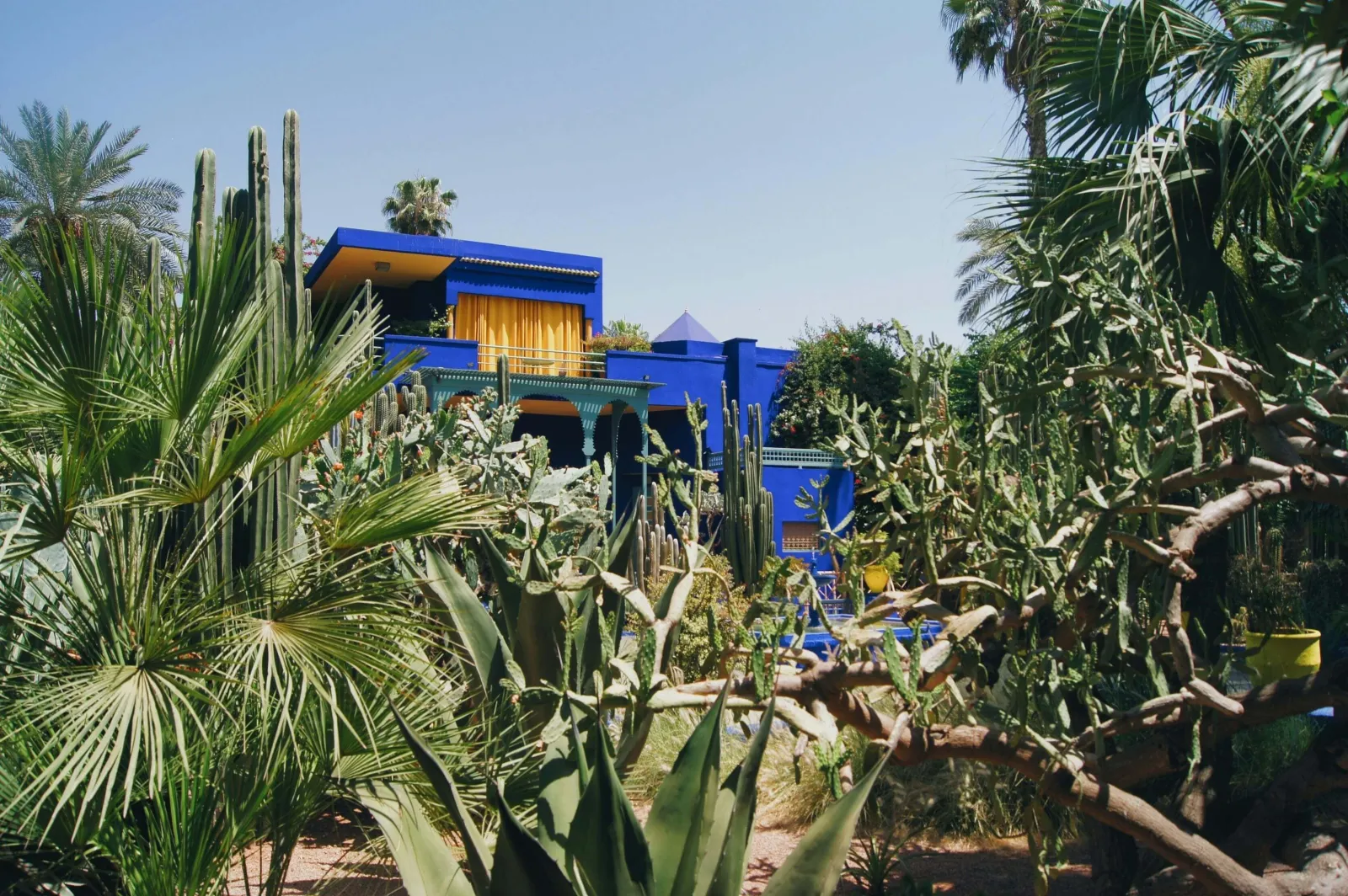
After the gardens, shift gears with a relaxed late breakfast or early lunch at a modern café in Gueliz or the area near Jardin Majorelle. This part of Marrakech feels distinctly more European—wide boulevards, contemporary boutiques, and galleries replace the narrow medina alleys.
Recommended spots include cafés known for quality coffee and light Moroccan-international dishes. You’ll find avocado toast alongside traditional pastries, strong espresso alongside fresh-squeezed juices.
What to look for in Gueliz:
Contemporary Moroccan design pieces (ceramics, textiles, home goods) at fixed prices—no bargaining required
High-quality argan products from reputable shops with transparent sourcing
Fashion boutiques like MORO Marrakech offer modern kaftans (500-2,000 MAD)
This is where you buy quality souvenirs without the souk pressure—perfect for travelers who find haggling exhausting rather than exhilarating.
By early afternoon, consider returning to your riad for a rest by the rooftop pool or courtyard. The Marrakech heat (especially in summer when temperatures exceed 40°C) makes midday breaks not just pleasant but necessary.
In the mid-afternoon, head to Dar El Bacha Palace (also known as the Museum of Confluences), one of Marrakech’s most beautifully restored palaces. Built in 1910 as the residence of Pasha Thami El Glaoui, it showcases Moroccan art, ceramics, textiles, and the fascinating confluence of Jewish, Arab, and Amazigh influences that define this country.
The gorgeous architecture speaks for itself: ornate courtyards, carved cedar ceilings, and tiled salons that photograph magnificently. Unlike some historical sites that feel empty, Dar El Bacha has been thoughtfully curated to tell Morocco’s story through its objects.
Practical details:
Opening hours: 10:00 AM – 6:30 PM
Ticket price: 70 MAD
Suggested visit time: 60-90 minutes
Inside the palace, Bacha Coffee has become a destination in itself—a glamorous café serving excellent coffee and pastries in a setting that feels like stepping into a 1920s dream. Note that queues can be long; you may receive a buzzer while you explore the museum, then return when your table is ready.
This stop works perfectly before the evening rush in the souks begins.
Schedule a late-afternoon hammam to decompress before dinner. The traditional Moroccan hammam is more than a bath—it’s a ritual of steaming, scrubbing (with black olive soap and a coarse kessa glove), and emerging reborn into the Marrakech evening.
Understanding your options:
Type | Experience | Price Range |
|---|---|---|
Public hammam | Gender-separated, local experience, intense scrub, basic facilities | 50-100 MAD |
Private spa hammam | More luxurious, English-speaking staff, gentler options available | 200-500 MAD |
Morocco Classic Tours can book trusted hammams near the medina, ensuring clear pricing, quality products, and English-speaking staff when needed—particularly valuable for first-timers uncertain about the protocol. | ||
Basic etiquette:
Wear a swimsuit or disposable underwear provided
Bring flip-flops (or they’ll provide them)
Expect the scrub to be vigorous—speak up if it’s too much
Finish with mint tea in the relaxation room
A 60-90 minute treatment leaves you thoroughly relaxed and ready for a special dinner.
Day 2’s dinner should be a highlight: a scenic rooftop terrace with views of the medina or Koutoubia Mosque’s illuminated minaret. This is your formal introduction to traditional Moroccan dishes in a setting that matches the experience.
What to order:
Chicken tagine with preserved lemon and olives: The classic, aromatic, and tender
Royal couscous with seven vegetables: Fluffy semolina topped with a mountain of vegetables and meat
Pastilla: Flaky pigeon or chicken pie with almonds, cinnamon, and powdered sugar—sweet and savory perfection
Top recommendations:
Nomad: Rooftop views over the square, excellent lemon-olive chicken tagine (110 MAD), reserve in advance
Le Jardin: Peaceful courtyard setting, vegetarian-friendly options (veggie tagine 85 MAD)
Café des Épices: Casual, perfect for a lighter meal
The typical structure of a Moroccan meal includes small salads, your main tagine or couscous, dessert, and mint tea. Dinner in Marrakech typically runs 7-10 PM, after the heat subsides.
Morocco Classic Tours can secure reservations at sought-after spots and arrange transfers so you’re not navigating unfamiliar alleys late at night with a full stomach.
Your final day offers a choice: dive deeper into Marrakech’s historical sites or add a nearby adventure while still fitting in key landmarks. Both paths create satisfying endings to your 3 days in Marrakech.
Option A – All-in-the-city: Spend the full day exploring the southern medina’s palace complexes (Bahia Palace, El Badi Palace, Saadian Tombs) and the old Jewish quarter (Mellah). Best for history lovers and those preferring a relaxed pace.
Option B – City + short adventure: Compress the palace visits into the morning, then add a half-day Agafay Desert excursion or sunrise hot air balloon experience. Best for couples seeking romance and adventurous families.
Morocco Classic Tours can arrange logistics for either path—private drivers, balloon bookings, desert camp reservations—so your limited time is maximized rather than spent coordinating.
Start early at the Bahia Palace, arriving close to opening to beat the tour groups that descend by mid-morning. This 19th-century Royal Palace, built for Grand Vizier Ba Ahmed, sprawls across 8,000 square meters of painted cedar ceilings, marble courtyards, and citrus gardens.
The palace’s name means “brilliance,” and it delivers: rooms designed to house the vizier’s four wives and 24 concubines, each with its own decorated salon. Only a portion of the 160 rooms is open to visitors, but what you see is stunning.
Practical details:
Opening hours: 9:00 AM – 5:00 PM
Ticket price: 70 MAD
Suggested visit time: 60-90 minutes
After the palace, explore the surrounding southern medina. The Mellah (old Jewish quarter) has a distinct character—once home to Marrakech’s thriving Jewish community, its buildings feature unique balconies and the restored Slat al-Azama synagogue tells the story of Jewish-Muslim coexistence in Morocco.
A local guide from Morocco Classic Tours brings these stories to life—context about viziers, sultans, and the communities who shaped this bustling city makes the stones speak.
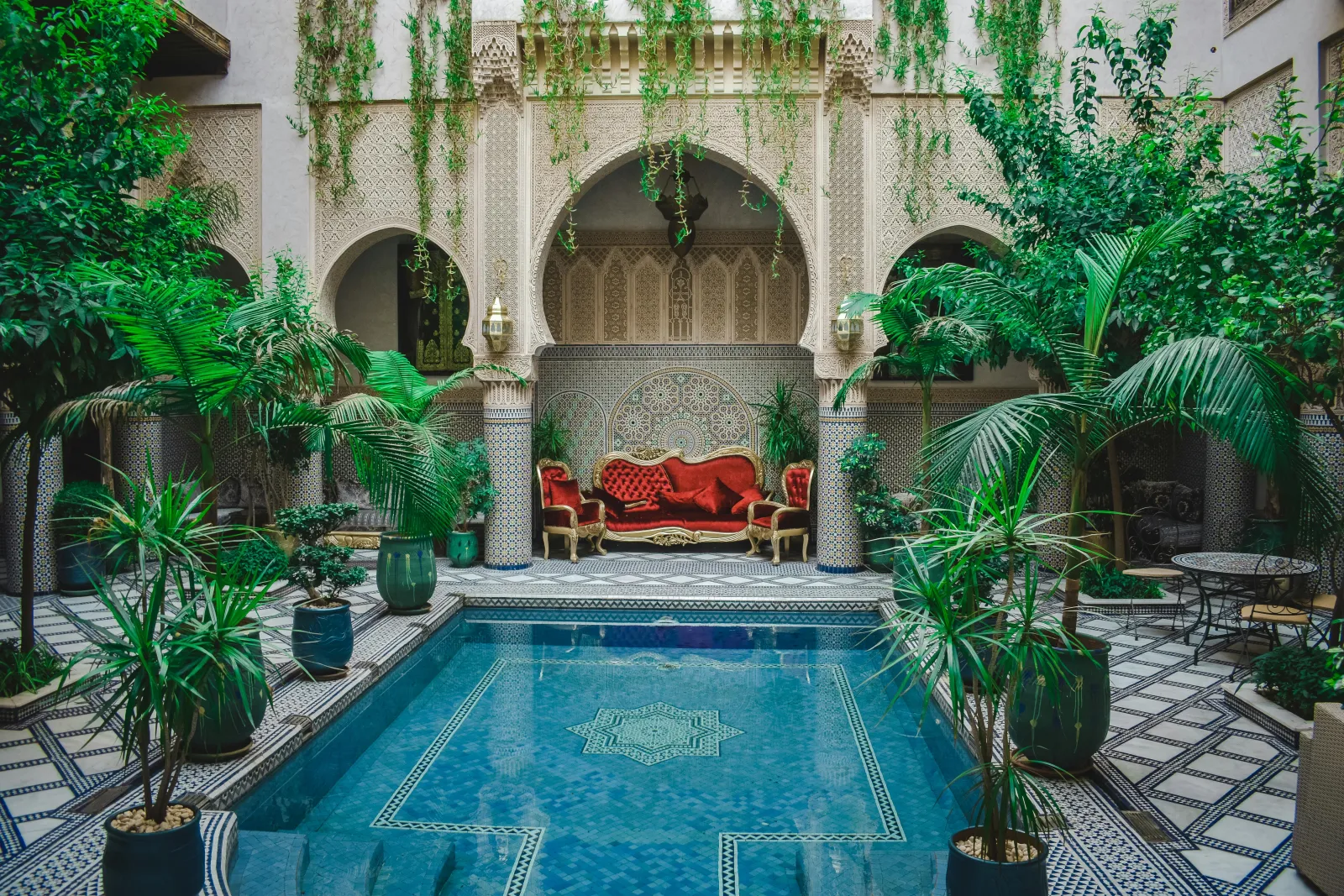
From Bahia, it’s a short walk to El Badi Palace, now mostly atmospheric ruins. Built in the 16th century to celebrate a victory over the Portuguese, it was once described as one of the world’s most beautiful palaces. Today, its massive courtyard (135 meters long), pinkish walls topped with stork nests, and underground passages vividly evoke Saadian power and ambition.
What makes it worthwhile:
The scale: Even in ruins, the grandeur impresses
Stork colonies: Nesting birds add life to the ancient walls
Terrace views: On clear days, the Atlas Mountains appear on the horizon
Suggested visit: 45-60 minutes, 70 MAD entry
Nearby, the Saadian Tombs are more intimate but equally impressive. Sealed for over 200 years, they were rediscovered in 1917, revealing ornate mausoleum chambers where 66 members of the Saadian dynasty rest. The Twelve Columns hall, with Carrara marble pillars and gilded stucco, is the highlight. This historical site takes only 30-45 minutes but leaves a lasting impression.
Timing tip: Visit both sites back-to-back in mid-morning or early afternoon, depending on the heat and your adventure plans for later.
For travelers who want a desert experience without the 10-hour drive to the Sahara, the Agafay Desert delivers. This rocky, lunar landscape sits less than an hour from Marrakech—close enough for a half-day escape that returns you to the city by dinner.
What to expect:
Activity | Duration | Approximate Cost |
|---|---|---|
Camel riding at sunset | 1-2 hours | 300 MAD/hour |
Quad biking | 1-2 hours | 500-600 MAD |
Buggy tour | 1-2 hours | 600-1,000 MAD |
Dinner at a desert camp | 3-4 hours | Included in many packages |
The experience typically works like this: pickup around 2 PM, drive to the desert, choice of activity (camel riding is the classic), followed by a Berber dinner under the stars with traditional music, returning to Marrakech by 9 PM. | ||
Morocco Classic Tours organizes private or small-group Agafay excursions with hotel pickup and drop-off, making it effortless to add a desert taste to your day trip without sacrificing the morning’s palace visits.
What to pack:
Layers for cooler evenings (temperatures drop to 15°C)
Closed shoes for quad biking
Sunglasses and a scarf for dust
For an early-morning alternative, a hot air balloon ride offers a completely different perspective. Pre-dawn pickup (around 4:30-5:00 AM, depending on season) takes you to the Palmeraie plains about 20km outside the city, where you’ll enjoy tea and Moroccan pastries as the balloon inflates.
The flight itself lasts 45-60 minutes, drifting over palm groves, Berber villages, and the plains with the Atlas Mountains as your backdrop. You’ll return to Marrakech by late morning—plenty of time for palace visits or final souk shopping.
Practical details:
Flight duration: 45-60 minutes
Total experience: 4-5 hours (including transfers and breakfast)
Cost: 2,500-3,500 MAD per person
Minimum age: Usually 6+ years (height restrictions may apply)
Cancellation rate: About 20% due to wind conditions
Morocco Classic Tours works with reputable, certified operators (French/EASA standards) and can coordinate pickup times with your overall itinerary. Book 1-4 weeks in advance during high season (October-May) when flights regularly sell out.
For your last night, Marrakech nightlife ranges from meditative rooftop terrace sessions to high-energy clubs with international DJs.
Quiet options:
Riad rooftops with shisha and mint tea (50 MAD for tea/shisha combo)
Corner cafe with gnawa music and candlelight
Wine bars in Gueliz for those seeking alcohol in a relaxed setting
Lively options:
Comptoir Darna: Dinner with belly dancing (500 MAD), peaks around 11 PM
El Fenn: Chic rooftop cocktails (100 MAD drinks), stylish crowd
Pacha Marrakech: DJ sets until 3 AM, 200 MAD entry
Lotus Club: Shisha lounges with music
Important notes:
Alcohol is served mainly in licensed hotels and bars (Morocco is a Muslim country)
Smart-casual dress codes apply at upscale venues
Use licensed taxis late at night (20 MAD typical fare within medina)
Women traveling together are generally safe, but should stay aware of their surroundings
Morocco Classic Tours can recommend nightlife options matching your style—from quiet wine bars to high-energy clubs—and arrange safe transport back to your boutique hotel or riad.
The Marrakech Medina is a UNESCO World Heritage Site, packed with centuries-old architecture, vibrant souks, and spiritual landmarks. Don’t miss:
Djemaa el Fna Square
Koutoubia Mosque (exterior and gardens)
Ben Youssef Madrasa
Bahia Palace
El Badi Palace
Saadian Tombs
Dar El Bacha (Museum of Confluences)
Le Jardin Secret
Maison de la Photographie
Each site offers a unique window into Morocco’s rich history and culture, from Islamic artistry to the legacy of sultans and viziers.
Food is central to exploring Marrakech. In three days, you can experience the full range of Moroccan cuisine—from street-side brochettes to elaborate multi-course riad dinners. This section covers what to eat, where to find it, and how Morocco Classic Tours can elevate your food experiences.
The essentials you shouldn’t miss:
Dish | Description | Typical Price |
|---|---|---|
Chicken tagine | Clay-pot stew with preserved lemon and olives | 80-120 MAD |
Lamb tagine | Slow-cooked with prunes and almonds | 100-150 MAD |
Vegetable tagine | Seven vegetables with warming spices | 70-90 MAD |
Royal couscous | Fluffy semolina with seven vegetables, meat | 90-140 MAD |
Tanjia | Marrakchi specialty: lamb slow-cooked 24 hours in a clay jar | 100-160 MAD |
Pastilla | Flaky pigeon/chicken pie with almonds and cinnamon | 120-200 MAD |
Harira | Tomato-lentil-chickpea soup (Ramadan staple) | 20-30 MAD |
Sweets and drinks:
Msemen: Anise-semolina pancakes, often at Moroccan breakfast (10 MAD)
Chebakia: Sesame-honey fritters (5 MAD per piece)
Fresh orange juice: Ubiquitous, refreshing (10-15 MAD)
Moroccan mint tea: Gunpowder green tea with spearmint and sugar (15-25 MAD)
Dietary notes: Vegetarian travelers will find abundant options—80% of menus easily adapt traditional Moroccan dishes to meatless versions. Gluten-free is trickier given couscous and bread’s centrality, but tagines with rice substitutes can usually be arranged.
The evening food stalls at Djemaa el Fna are an experience every visitor should have at least once. Smoke rises from dozens of grills, vendors call out their specialties, and you’ll eat elbow-to-elbow with locals and travelers alike.
How to choose a stall:
Pick busy stands with high turnover
Watch your food being cooked fresh
Agree on prices before sitting
Start with grilled meats, harira soup, or simple tagines
For a deeper experience, book a cooking class that includes a morning visit to a local market. You’ll buy your ingredients from the same shop owners who’ve supplied local kitchens for generations, then learn to prepare tagine, Moroccan salads, and perhaps pastilla under expert guidance.
Morocco Classic Tours works with vetted local chefs and home cooks, ensuring an authentic yet comfortable experience. You’ll eat what you cook (the best kind of lunch), and the recipes become lasting souvenirs you can recreate at home.
These spots consistently deliver on quality, atmosphere, and value:
For rooftop views:
Nomad (near Jemaa el-Fna): Modern Moroccan, excellent tagines, reserve ahead
Le Grand Balcon du Café Glacier: Views over the square, solid, delicious menu
For peaceful courtyards:
Le Jardin: Secret gardens vibe, vegetarian-friendly
Riad Kniza: Cooking classes and private dining
For an authentic local experience:
Café des Épices: Casual, affordable, great spice-market location
Sahbi Sahbi: Traditional Berber couscous (120 MAD)
Practical tips:
Lunch can be lighter—salads, msemen, fresh juice
Save heartier tagine and couscous for dinner (7-10 PM)
Most good restaurants are within walking distance of the main square
Reservations recommended for dinner, especially on weekends
Morocco Classic Tours can reserve tables as part of your itinerary, ensuring you don’t miss sought-after spots on your limited nights.
While Marrakech’s food scene is vibrant, some items are best approached with caution:
Unfiltered tap water: Always drink bottled or filtered water.
Raw salads from street stalls: Opt for cooked vegetables unless you’re sure of hygiene.
Unfamiliar meats or offal: If you’re not adventurous, stick to well-known dishes.
Shellfish and seafood: Unless you’re at a reputable restaurant, avoid them due to freshness concerns.
If you have food allergies or dietary restrictions, communicate clearly with your server or guide. Morocco Classic Tours can help arrange allergy-friendly meals and recommend safe dining options.
For a 3-day trip, staying in or near the medina is non-negotiable. You want to step out your door and immediately be immersed in Marrakech’s vibrant atmosphere—no taxi required to reach the souks, Djemaa el Fna, or major historical sites.
The traditional Moroccan house, known as a riad, offers the most atmospheric accommodation. These courtyard homes, often centuries old, have been converted into intimate guesthouses where you wake to birdsong around a central fountain, enjoy Moroccan breakfast on a rooftop terrace, and retreat from the chaos into your own private oasis.
What to look for in a luxury riad:
Plunge pool or rooftop pool for midday escapes
In-house dining for when you’re too tired to venture out
Air conditioning (essential in summer months)
Walking distance to Djemaa el Fna or a quieter medina corner if you prefer peace
Top recommendations:
Riad | Features | Price Range (per night) |
|---|---|---|
El Fenn | Rooftop pool, YSL-designed, souk-central location | 3,000-5,000 MAD |
Royal Mansour | Private hammam/pool per riad, ultra-luxury | 10,000+ MAD |
Riad Kniza | Plunge pool, cooking classes available, boutique feel | 1,500-2,500 MAD |
For travelers prioritizing resort-style pools, spas, and quieter surroundings, luxury hotels in Hivernage or the Palmeraie (like the legendary La Mamounia) offer those amenities—though you’ll sacrifice the immersive medina experience. | ||
Morocco Classic Tours handpicks riads and luxury hotels based on service, design, cleanliness, and location, and can combine both styles if you want two nights in the medina and one at a resort spa.
Most first-time visitors rely on walking plus short rides by taxi, tuk-tuk, or private driver. Renting a self-drive car for just 3 days in Marrakech makes little sense—parking is scarce, the medina is pedestrian-only, and traffic can be chaotic.
Morocco Classic Tours can include all transfers (airport, day trips, restaurant runs) in a package, eliminating the stress of negotiating fares and finding reliable transportation.
Walking is the best way to experience the Marrakech Medina, but those alleys are genuinely maze-like. Your first time through, you will get lost. That’s part of the experience—but some preparation helps.
Navigation tips:
Download offline maps via Google Maps before arrival
Orient by major landmarks: Koutoubia Mosque, Djemaa el Fna, main gates (Bab Doukkala, Bab Agnaou)
When lost, ask for “Jemaa el-Fna” or “Koutoubia”—everyone knows them
Keep valuables secure in a front bag or money belt
Step aside when you hear bikes or carts behind you (a horn or “balak!” means move)
Avoid staring at your phone in busy alleys—duck into a shop or corner cafe first
A guided walking tour on Day 1 through Morocco Classic Tours pays dividends: you’ll learn the medina’s logic and feel confident navigating independently afterward.
Petit taxis (red):
For journeys within city limits
Meter starts at 7 MAD per kilometer
Medina to Gueliz or Jardin Majorelle: 20-30 MAD
Always insist on the meter, or agree on a fixed price upfront
Apps like Careem exist, but cash remains king
Grand taxis (beige Mercedes):
Shared vehicles for longer routes or airports
Less relevant for a 3-day Medina-focused stay
Tuk-tuks and electric carts:
Useful for narrow streets with luggage or mobility needs
Expect 50 MAD for short Medina journeys
Negotiate before boarding
City buses:
ALSA network exists (5-10 MAD rides)
Route 11 connects the airport to Medina
Not intuitive for short stays—most visitors skip buses entirely
For families, small groups, or anyone wanting to maximize efficiency, a private driver offers significant advantages:
Fixed pricing: No haggling, no meter games
Door-to-door service: Hotel pickup for early balloon rides, desert trips
Air-conditioned comfort: Essential in summer heat
Insider timing: Good drivers know when to arrive at sites to beat crowds
Typical costs:
Full day (8-10 hours): 400-700 MAD
Airport transfer: 250 MAD
Majorelle round-trip: 150 MAD
Half-day Agafay: 800 MAD including waiting time
Morocco Classic Tours specializes in English-speaking drivers with modern, air-conditioned vehicles—particularly valuable when traveling with children or on tight schedules.
Self-driving? Not recommended for first-time visitors. Traffic patterns are unpredictable, parking in the medina is nearly impossible, and the mental energy saved by having a driver is better spent enjoying the city.
Before you arrive, a few practical considerations will smooth your experience. Marrakech is generally safe for tourists, but preparation makes everything more enjoyable.
Morocco is a Muslim country, and modest dress shows respect. Both genders should cover their shoulders and knees in public, especially in the medina and at religious or historical sites.
Practical clothing choices:
Lightweight, breathable fabrics (linen, cotton)
Sun hat for midday walking
Comfortable closed shoes or sturdy sandals for uneven Medina surfaces
Scarf for women (useful for covering shoulders, entering mosques’ courtyards, and desert dust)
Rule 490 is a Moroccan law that criminalizes sex outside of marriage. While enforcement is rare for tourists, it’s important to be aware of this law, especially for unmarried couples sharing accommodation. Most hotels and riads in tourist areas are accustomed to international guests and do not require proof of marriage, but discretion is advised.
Ask before photographing locals (many expect payment)
Avoid public displays of affection
Be discreet with alcohol consumption (drink in licensed establishments)
During Ramadan, be respectful of those fasting—eat and drink inside restaurants rather than on the street
Don’t accept unsolicited guiding or “help” in the medina—politely decline with “La, shukran” (no, thank you)
Don’t agree to services or photos without confirming the price first
Don’t follow strangers down empty alleys, no matter how friendly they seem
Don’t carry large amounts of cash or valuables
Marrakech is generally safe for solo and female travelers, but it’s wise to:
Stay aware of your surroundings, especially at night
Use licensed taxis for late-night transport
Dress modestly to avoid unwanted attention
Trust your instincts—if something feels off, walk away
Booking with Morocco Classic Tours significantly reduces scam exposure because most services are pre-arranged and prepaid. Your riad host and guides already know your itinerary, eliminating the opportunities that scammers exploit.
With only 3 days, focus on short trips that fit into a half day or early morning. The Sahara dunes and distant Imperial Cities deserve their own multi-day adventure—trying to squeeze them in dilutes everything.
Realistic options for 3 days:
Excursion | Duration | Distance | Best For |
|---|---|---|---|
Agafay Desert | Half day (afternoon-evening) | 50 km | Desert taste, camel riding, sunset |
Hot air balloon | Half day (morning) | 20 km | Sunrise views, romance |
Ourika Valley | Half day | 60 km | Mountains, Berber villages, waterfalls |
Morocco Classic Tours integrates these experiences seamlessly so you see Marrakech’s core while still adding adventure. | |||
The Atlas Mountains begin just an hour from Marrakech, and a half-day to Ourika Valley gives you scenic drives, terraced valleys, and traditional Berber villages without committing to a multi-day trek.
What you can fit in:
Drive through changing landscapes (red plains to green valleys)
Tea at a village home with mountain views
Short hike to waterfalls (1-2 hours round trip)
Traditional lunch in a riverside restaurant
Morocco Classic Tours works with local mountain guides who know the trails, weather patterns, and village customs—ensuring your visit is respectful and rewarding.
For serious trekking—multi-day hikes to Toubkal summit or through remote Berber villages—save those for a longer visit to Morocco and let Morocco Classic Tours build them into an extended itinerary.
Three full days is the ideal minimum to see the medina’s major sights, key gardens, main palaces, and enjoy at least one special experience like a hammam, rooftop dinner, or short desert trip. Travelers wanting overnight trips to the Sahara Desert dunes or multi-day Atlas Mountains treks should plan 5-7 days in Morocco, using Marrakech as one stop in a longer itinerary built by Morocco Classic Tours.
Reaching the classic sand-dune Sahara near Merzouga or Erg Chebbi requires 8-10 hours of driving each way—it’s a 3-day tour minimum, not a day trip. With only 3 days based in Marrakech, choose the much closer Agafay Desert (under an hour away) for a desert-like experience with camel riding and starlit dinners. Save the real Sahara for a longer Morocco adventure that Morocco Classic Tours can customize.
Marrakech can be family-friendly when days are paced sensibly. Plan plenty of pool breaks at your riad, shade time in gardens, and shorter walking segments rather than marathon souk sessions. Kids often enjoy camel riding in Agafay, balloon rides (age 6+, height permitting), exploring palace courtyards, and the sensory excitement of the square. Morocco Classic Tours arranges child-friendly guides and drivers who know how to keep young travelers engaged.
Yes—sunrise hot air balloons and well-reviewed Agafay camps frequently sell out during high season (October-May). With only 3 days, timing is tight, and last-minute scrambling wastes precious hours. Morocco Classic Tours secures spots before your arrival and coordinates pickup times with your itinerary, eliminating schedule conflicts and disappointment.
For first-time visitors, a riad inside or near the medina offers the richest experience. You’ll wake in a traditional Moroccan house with courtyard fountains, eat Moroccan breakfast on a rooftop terrace, and step directly into the vibrant city. Travelers prioritizing resort-style pools, spa facilities, and quieter surroundings may prefer modern luxury hotels in Hivernage or the Palmeraie. Morocco Classic Tours can combine both styles—two nights in the medina, one at a spa resort—for the best of both worlds.
Compare Morocco group tour agencies by trip style, reviews, pace, transport and inclusions. Learn wh...
Read this article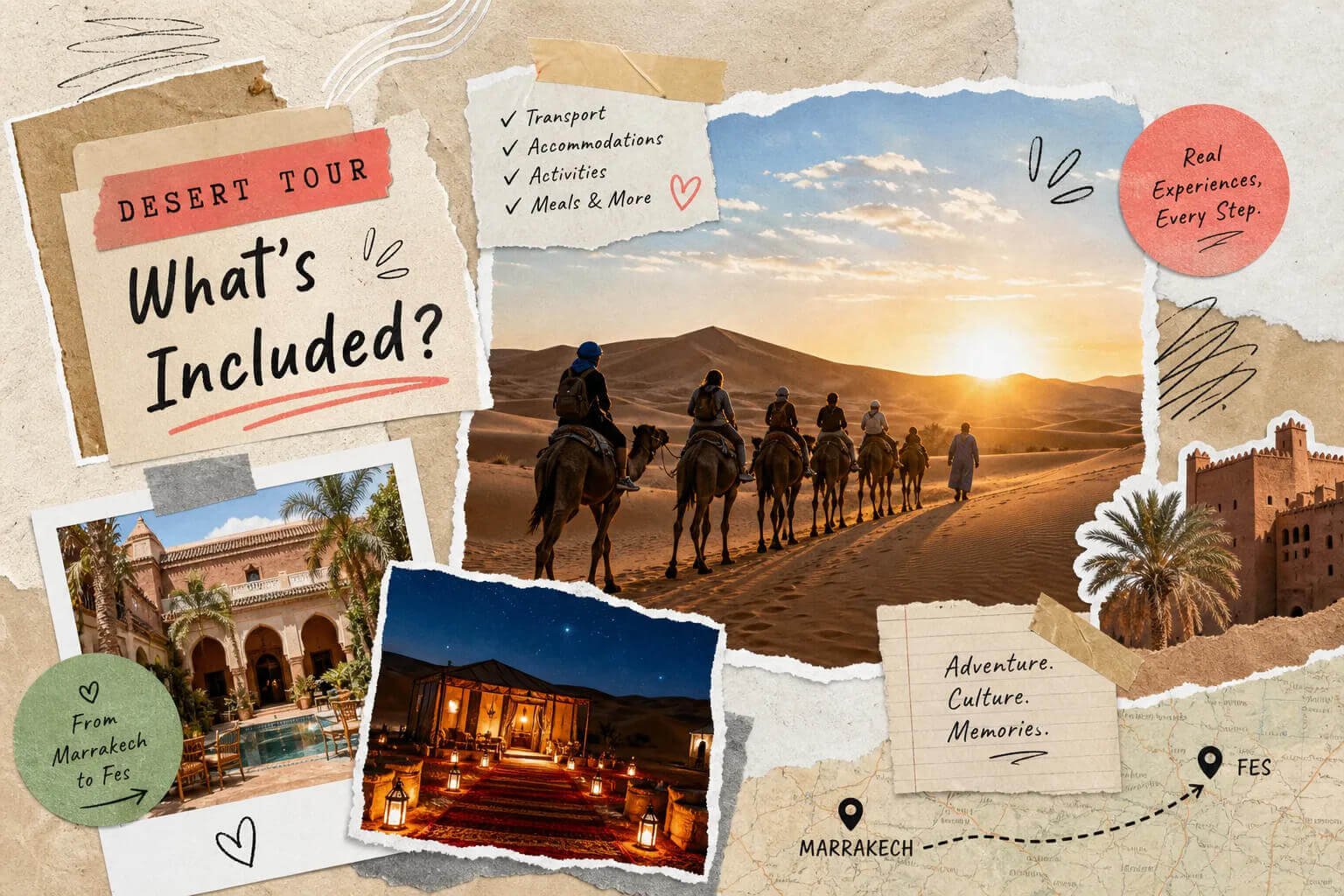
Uncover what a Marrakech to Fes desert tour offers, including camel rides, desert camps, and rich cu...
Read this article
Join our Merzouga Overnight Tour for an authentic desert experience. Enjoy camel rides, comfortable ...
Read this articleWant cool tour deals and tips about Morocco? Enter your email and we’ll send them to you each month!
