Group Tour Agencies in Morocco: How to Pick the Right One
Compare Morocco group tour agencies by trip style, reviews, pace, transport and inclusions. Learn wh...
Read this article

We’ve helped people travel around Morocco for more than 15 years. We offer fun and easy packages to see famous places like the mountains, desert, and more.
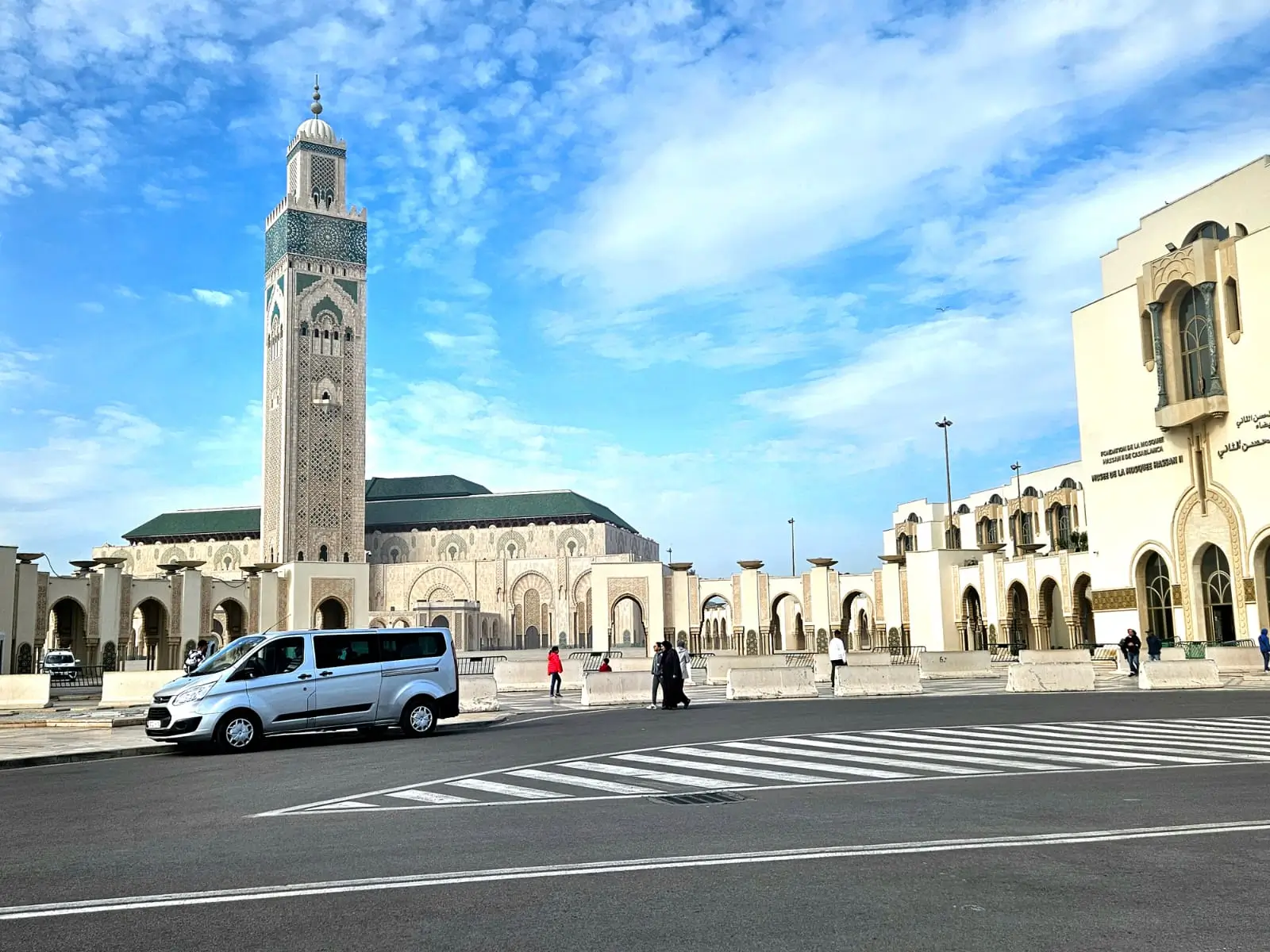
Live conditions in Casablanca right now, plus long-term averages for every month of the year. Plan your trip around the weather that suits you.
Live data from Open-Meteo · Updated when this page loads
Climate averages based on long-term means for Casablanca (Anfa station). Live data: Open-Meteo. © Morocco Classic Tours.
Casablanca enjoys mild, ocean-moderated weather year-round, with warm, dry summers (June–September) and cooler, wetter winters (November–February).
August is typically the hottest month (around 24–25°C / 75–77°F on average), while January is the coldest month (about 13°C / 55°F), with most rain falling in winter.
The best time to visit Casablanca is April–June and September–October for comfortable sightseeing; July–September offers the warmest sea temperatures for beach time.
Pack light layers and a jacket for spring and autumn; warmer layers with rain protection for December–February; and breathable, modest clothing for July–August.
Morocco Classic Tours can tailor private Casablanca and Morocco itineraries around the climate—city tours, beach days, and Sahara or Atlas extensions at the right time of year.
Casablanca, Morocco’s largest city and Atlantic gateway, enjoys a mild Mediterranean climate heavily influenced by the cool Canary Current. This oceanic moderation keeps temperatures pleasant year-round, rarely dipping to freezing or climbing to extremes seen in inland cities like Marrakech or Fez.
The annual average temperature ranges from about 13 C (55 F) in January to 24°C (75°F) in August. Most precipitation falls from late autumn to early spring (November–March), while summer months remain largely dry with abundant sunshine.
Compared to Marrakech, where summer heat often exceeds 40°C, Casablanca stays cooler and more humid thanks to the Atlantic coast breeze. This guide walks through Casablanca weather by month, plus sea temperature, rainfall, and packing advice so you can choose the best time for your trip.
Before diving into specifics, here’s a glance at the year. These are approximate long-term averages, not forecasts.
Season | Months | Avg High | Avg Low | Rainfall |
|---|---|---|---|---|
Winter | Dec–Feb | 17–18°C (63–64 F) | 9–10°C (48–50°F) | Wettest |
Spring | Mar–May | 19–23°C (66–73°F) | 11–15°C (52–59°F) | Decreasing |
Summer | Jun–Aug | 23–26°C (73–79°F) | 17–20°C (63–68 F) | Very dry |
Autumn | Sep–Nov | 19–24°C (66–75°F) | 12–18°C (54–64 F) | Increasing |
Humidity can feel high near the ocean in summer, but the Atlantic breeze keeps summer heat more comfortable than inland cities. Morocco Classic Tours can combine this monthly climate knowledge with tailored itineraries—pairing mild Casablanca days with desert nights. | ||||
 | ||||
January is generally the coldest month in Casablanca. Expect:
Daytime highs: 17–18°C (63–64 F)
Nighttime lows: 8–9°C (46–48°F)
Several rainy days with occasional heavier showers
Average sea temperature: 17°C (low 60s°F)
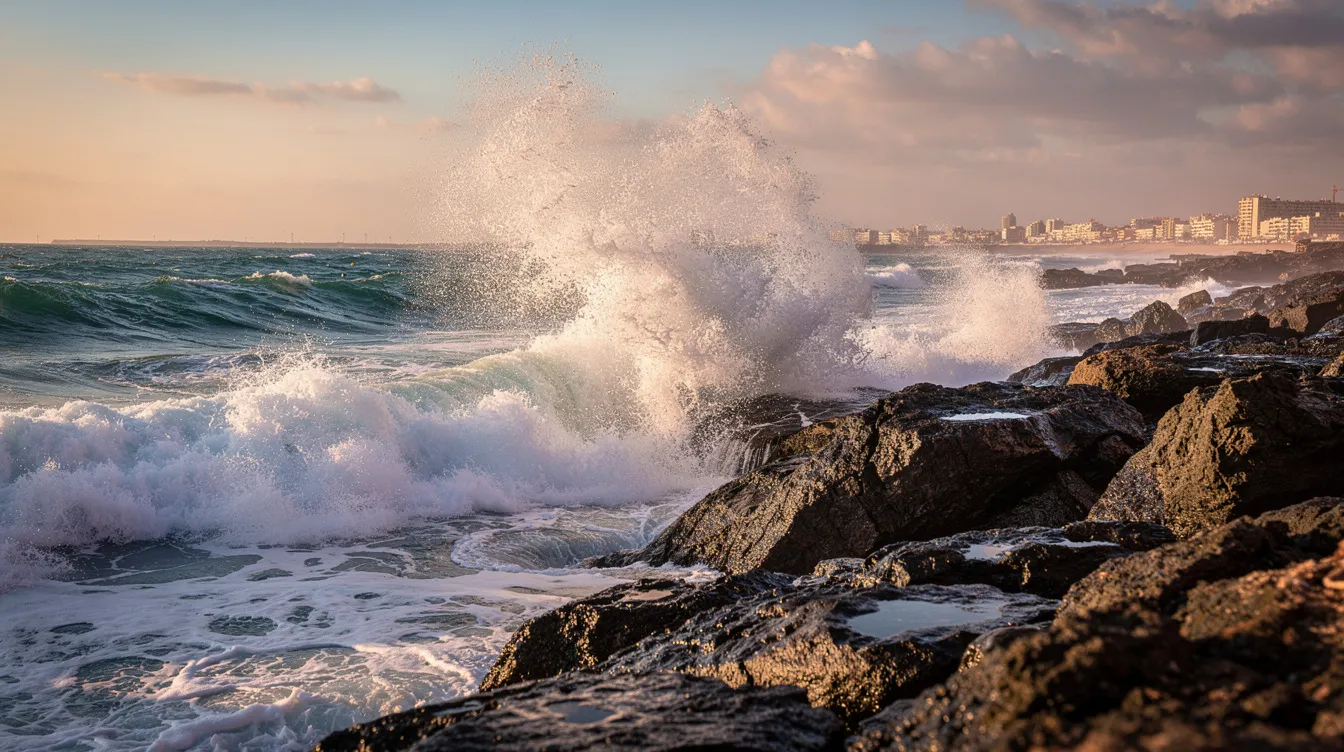
The Atlantic water is cool—not ideal for casual swimming, though surfers in wetsuits still enjoy winter swells. Streets can be damp and breezy along the Corniche.
Packing: Warm layers, a light-to-medium jacket, closed shoes, and a compact umbrella. Modest, layered clothing works well for visiting the Hassan II Mosque.
Activities: Morocco Classic Tours can arrange private city walks, food tours, hammam experiences, and indoor cultural visits rather than beach days.
February remains winter but is slightly milder than January. This is often the wettest month of the year, with approximately 70mm of rainfall.
Average high temperature: 18–19°C (64–66°F)
Average low temperature: 9–10°C (48–50°F)
Water temperatures: 16–17°C (low 60s°F)
Multiple rainy days and overcast periods
Beach time is better for walks than swimming. Pack similar to January: layers, a light sweater, a waterproof outer layer, and comfortable waterproof shoes for exploring the medina and Art Deco streets.
This is excellent for combining Casablanca with imperial cities like Rabat or Fez, avoiding peak tourist crowds and desert extremes.
March marks the transition to spring, with good weather becoming more frequent.
Daytime highs: 19–20°C (66–68 F)
Nighttime temps: 11–12°C (52–54°F)
Rainfall decreases, though occasional showers occur
Sea temp: around 16–17°C
Packing: Light layers with a thin jumper, jeans or light trousers, and a packable rain jacket for occasional showers.
Activities: Half-day city tours with local guides, coastal walks along the Ain Diab Corniche, and day trips to Rabat or nearby coastal towns.
April brings very pleasant weather, perfect for sightseeing.
Average high: 20–21°C (68–70 F)
Average low: 13°C (55 F)
Fewer wet days, many bright, dry periods
Atlantic remains cooler: 17–18°C (mid-60s°F)
Pack long-sleeved tops, a light sweater for evenings, sunglasses, and light rain protection. Comfortable walking shoes are essential.
April is great for Morocco Classic Tours to combine Casablanca with the green landscapes of the Middle Atlas or coastal escapes before summer heat builds inland.
May is one of the most pleasant months with mild temperatures and minimal rain.
Average high: 22–23°C (72–73°F)
Average low: 14–15°C (57–59°F)
Mostly dry with good sunshine hours
Sea temperature slowly rises: 18–19°C (mid-60s°F)
Packing: Light clothing (t-shirts, light trousers, summer dresses) plus a light jacket for evenings and modest clothing for religious areas.
May is prime time for Morocco Classic Tours guests wanting comfortable walking temperatures and cultural immersion without peak heat.
June marks the official start of Casablanca's summer with pleasantly warm conditions.
Typical highs: 23–24°C (73–75°F)
Lows: close to 17°C (63°F)
Minimal rainfall, long days with abundant sunshine
Sea temperature: 20–21°C (upper 60s°F)
Morning mist or fog off the Atlantic may appear, but it burns off quickly. Locals begin spending more time on beaches along the Corniche.
Packing: Light summer clothing, sun hat, sunglasses, sunscreen, and a light layer for breezy evenings.
June is excellent for blended itineraries: seaside relaxation in Casablanca plus early-summer excursions to the Atlas Mountains or Sahara before peak desert heat.
July brings warm summers with temperatures moderated by the ocean.
Average high: 24–25°C (75–77°F)
Nighttime: roughly 19°C (66°F)
Very dry with virtually no rain
Sea temperature: 21–22°C (about 70 F–72°F)
Humidity can make days feel muggy, but abundant sunshine hours (around 10 per day) make this a prime beach season. Conditions are ideal for surfing, paddleboarding, and coastal activities.
Packing: Breathable, light-colored clothing; a light scarf or shawl for modesty and sun protection; sandals plus comfortable closed shoes for city walks.
Cultural note: While evenings are lively, dress modestly away from resort venues. Morocco Classic Tours can advise on appropriate outfits and arrange evening transfers for safety.
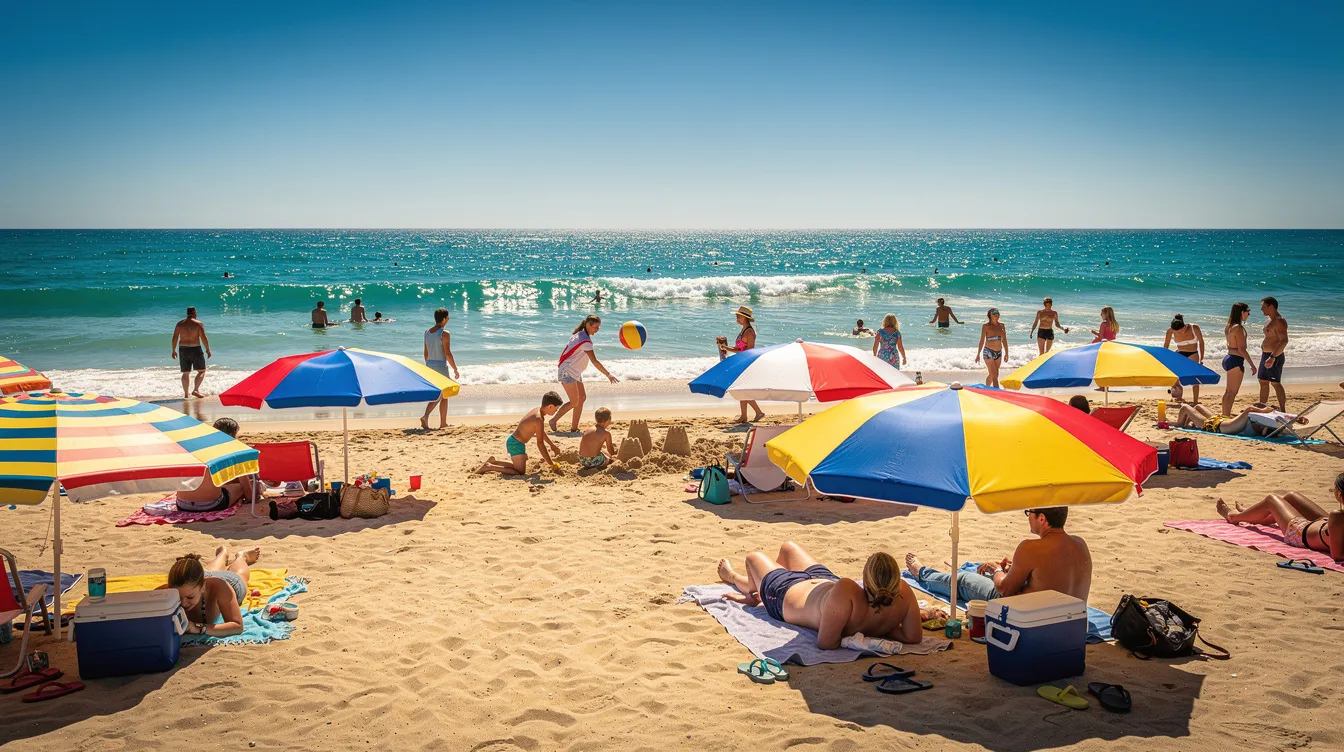
August is typically the hottest month in Casablanca with the warmest average sea temperature of the year.
Air temp averages: 24–25°C (75–77°F), sometimes higher
Humidity can be high, especially near the ocean
Average sea temperature: 22–23°C (72–73°F)—best for swimming
Sunshine: approximately 10 hours per day
The Atlantic breeze normally prevents intense heat felt in inland regions. This is the best month for comfortable swimming and long beach days.
Packing: Very light, breathable fabrics; sun hat; high-SPF sunscreen (UV index 10+); sunglasses; and modest beachwear suitable for both the Corniche and traditional areas.
Morocco Classic Tours can design August itineraries pairing cooler coastal time with carefully timed early-morning or evening activities in hotter inland destinations.
September offers pleasant late-summer conditions ideal for both sightseeing and beach time.
Average high: 24°C (74 F–75°F)
Average low: 18°C (64 F)
Low rainfall, though occasional showers may start later
Sea temperature stays warm: 22–23°C (low 70s°F)
Packing: Similar to August, but add one or two extra layers for cooler evenings later in the month.
September is one of the best months for Morocco Classic Tours guests, combining warm beaches and cultural tours with fewer summer-crowd pressures.
October brings mild, comfortable autumn weather.
Daytime highs: 22–23°C (72–73°F)
Lows: about 16°C (61°F)
Rainfall starts increasing, especially in the late months
Sea temperature: 21–22°C (about 70 F)
Many days remain dry and pleasant, allowing continued beach visits and coastal walks.
Packing: Light clothing for daytime, a light sweater or jacket, and a compact rain layer for shoulder-season flexibility.
October is great for culturally focused itineraries: private guided medina walks, art and food tours, and day trips to Rabat or El Jadida without the strong summer heat.
November signals the start of the cooler, wetter season.
Average high: 19–20°C (66–68 F)
Average low: 12–13°C (54–55 F)
Multiple rainy days throughout the month
Atlantic cools: roughly 19–20°C (mid-60s°F)
While some may still swim, most visitors focus on coastal walks rather than extended beach time. Dry, sunny days still appear between fronts.
Packing: Layers, a medium-weight outer layer or rain jacket, and closed waterproof shoes for exploring the Old Medina and downtown boulevards.
November works well for travelers wanting fewer crowds and comfortable daytime temperatures for city touring.
December is part of Casablanca’s mild winters with frequent precipitation.
Average high: 17–18°C (63–64 F)
Average low: 9–10°C (48–50°F)
Often among the wetter months with frequent showers
Sea temperature: around 18°C (mid-60s°F)
The shortest day of the year falls in December, with approximately 6 sunshine hours daily.
Packing for December: Warm sweater, medium-weight jacket, raincoat, closed waterproof shoes, light scarf, and an umbrella. Indoor-friendly outfits work well for cafés, restaurants, and galleries.
Morocco Classic Tours can design December trips focusing on Casablanca’s cultural and culinary side, with optional extensions to Fez, Rabat, or Marrakech using private transfers to avoid winter driving stress.
Casablanca’s climate features distinct wet and dry seasons:
Period | Monthly Rainfall | Notes |
|---|---|---|
Nov–Feb | 50–70mm | Wettest months; February often peaks |
Mar–May | 20–40mm | Decreasing; many dry days |
Jun–Sep | 0–10mm | Dry summers; negligible rain |
Oct | 20–30mm | Rain slowly returns |
Annual rainfall totals approximately 425mm—modest for a coastal city. Long stretches of fully rainy days are less common than alternating sunny and showery periods. | ||
Sunshine hours peak in summer at 10 hours per day in August and drop to 6 hours in January. Even winter has regular bright intervals between fronts. | ||
Travelers sensitive to rain may prefer April–June or September–October. Those who prefer cool air can choose December–February with proper rain gear.
For up-to-date monthly weather forecasts, consult apps like Meteoblue, AccuWeather, or The Weather Channel.
Here’s the yearly water temperature trend along Casablanca’s Atlantic Ocean coast:
Month | Sea Temperature |
|---|---|
Feb–Mar | 16–17°C (61–63°F) – Coolest |
Apr–May | 17–19°C (63–66°F) |
Jun–Jul | 20–22°C (68 F–72°F) |
Aug–Sep | 22–23°C (72–73°F) – Warmest |
Oct–Nov | 19–21°C (66–70 F) |
Dec–Jan | 17–18°C (63–64 F) |
The main comfortable swimming season runs from late June through late September. Outside peak months, the coastline remains attractive for walking, photography, and seaside cafés along Ain Diab and the Corniche. | |
Morocco Classic Tours can combine Casablanca beach time with visits to other Atlantic and Mediterranean coastal towns like Rabat, Essaouira, or Tangier. | |
Travelers planning surf or water sports should pack wetsuits in cooler months and consider local safety advice about currents.
For most travelers, April–June and September–October offer the ideal balance of mild temperatures, relatively low rainfall, and comfortable conditions for walking tours.
For warm weather and beaches: July–September provides warmer weather, the best sea temperatures, and plenty of sunshine, accepting slightly higher humidity and busier beaches.
For budget and culture: December–February attracts visitors who prefer cooler, less crowded cities and enjoy indoor cultural experiences, cafés, and shopping during mild winters.
Multi-destination planning: Pair a spring or autumn Casablanca stay with Sahara desert camps or Atlas Mountain hikes via Morocco Classic Tours to experience contrasting climates safely.
Shoulder seasons often bring good value in accommodations and tours. Morocco Classic Tours can help travelers choose dates aligning with both climate preferences and pricing.
Warm sweater
Medium-weight jacket
Raincoat and compact umbrella
Waterproof closed shoes
Light scarf for breezy Corniche walks
Light layers with a jacket
Light rain protection
Comfortable walking shoes
Sunglasses and light sun protection
Loose, breathable cotton or linen in light colors
Modest knee-length attire for non-beach areas
Sun hat, SPF 50+ sunscreen, sunglasses
Sandals for beaches, closed shoes for the city
Light shawl for evenings or mosque visits
Always bring: Comfortable walking shoes, a daypack, power adapters, and any medications for heat, sun exposure, or minor colds.
Morocco Classic Tours provides personalized packing checklists based on your final itinerary.
Safety: Central Casablanca is generally safe in busy areas like the Corniche, Boulevard Mohammed V, and Habous Quarter until late evening. Common-sense precautions apply:
Avoid dimly lit alleys after dark
Use official petit taxis (red, metered) or pre-arranged transfers
Keep valuables discreet
Consider private transfers for evening activities
Budget: Casablanca is more expensive than smaller Moroccan cities like Essaouira, but still affordable compared with European capitals. Meals at local restaurants run 50–100 MAD versus 30–60 MAD in smaller towns. Eating where locals eat and using Morocco Classic Tours’ local knowledge helps manage costs.
Trip length: 2–3 days is typically enough to see Casablanca’s main highlights:
Day 1: Hassan II Mosque, Medina, Rick’s Café
Day 2: Corniche beaches, Habous Quarter, markets
Day 3: Optional day trip to Rabat or El Jadida
What to avoid:
Unofficial “guides” offering fake tours
Unlicensed grand taxis (overcharge, less safe)
Drinking tap water
Very revealing clothing in traditional neighborhoods
Morocco Classic Tours handles private transport, vetted local guides, and curated experiences, making travel safer regardless of season.
Monthly temperature averages range from about 13°C (55 F) in January to 24–25°C (75–77°F) in August. Spring months (March–May) average 14–19°C, while autumn (September–November) ranges from 17–23°C. These are long-term averages—check forecasts before departure. Compared to Marrakech (summer highs exceeding 40°C), Casablanca stays much milder year-round thanks to Atlantic moderation.
Rainfall concentrates from November through March, with December and February often the wettest months (50–70mm each). Summer (June–August) is the driest season with negligible precipitation—often less than 10mm total. Even during the rainy season, rain typically comes as passing fronts rather than continuous downpours, so many days remain suitable for sightseeing. Pack light rain gear for winter visits.
July, August, and early September are best for travelers prioritizing warm air and sea temperatures and wanting maximum beach time. For warm but not hot conditions with fewer humid days, May, June, and October offer excellent compromises. Morocco Classic Tours can advise on balancing coastal stays with cooler or warmer regions elsewhere in Morocco based on your heat tolerance.
The Weather Channel app, AccuWeather, and Meteoblue all provide detailed monthly averages and 10–14 day forecasts for Casablanca. Cross-reference at least two sources and recheck a few days before flying, especially in winter when Atlantic systems shift quickly. Morocco Classic Tours staff monitor local conditions and can adjust activities if the weather changes during your trip.
Main areas like the Corniche, central boulevards, and popular districts remain active and reasonably safe until late evening. Avoid poorly lit side streets and quieter medina alleys after dark. Use official taxis or pre-arranged private transfers, especially after dinner events. Morocco Classic Tours arranges door-to-door evening transfers and local guides, adding comfort and safety for solo travelers or first-time visitors to the city.
Compare Morocco group tour agencies by trip style, reviews, pace, transport and inclusions. Learn wh...
Read this article
Uncover what a Marrakech to Fes desert tour offers, including camel rides, desert camps, and rich cu...
Read this article
Join our Merzouga Overnight Tour for an authentic desert experience. Enjoy camel rides, comfortable ...
Read this articleWant cool tour deals and tips about Morocco? Enter your email and we’ll send them to you each month!
