Group Tour Agencies in Morocco: How to Pick the Right One
Compare Morocco group tour agencies by trip style, reviews, pace, transport and inclusions. Learn wh...
Read this article

Private, custom Morocco trips planned in Fez by AZ-ZDDINE, working in Moroccan tourism since 2012. Sahara, Atlas, medinas and coast, arranged around you.
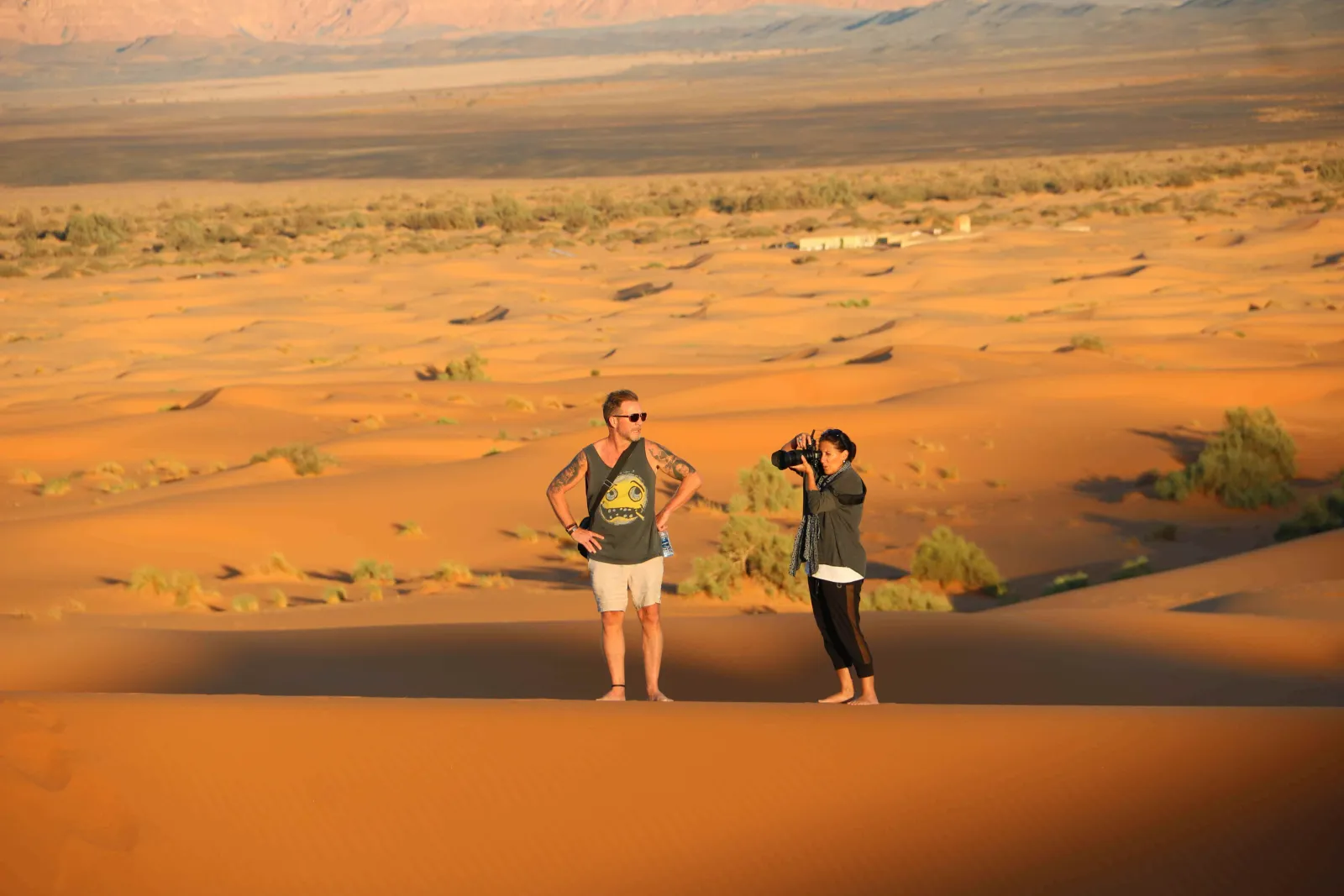
Planning a trip to Morocco from the US can feel overwhelming at first glance. Between navigating flight routes, choosing between the Sahara Desert and coastal towns, and figuring out internal transportation, there’s a lot to consider. This guide breaks everything down into clear, manageable steps so you can confidently plan your own trip to this fascinating corner of North Africa. This guide is designed for US travelers planning their first trip to Morocco, whether solo, as a couple, or with family. Morocco offers a unique blend of culture, history, and adventure, making it an increasingly popular destination for American travelers seeking an immersive experience.
Ideal trip length: Plan for 7 days minimum to get a surface-level taste, 10 days as the sweet spot for first-timers, or 14 days for families and deeper exploration.
Best time to visit: March through May and September through November offer the most comfortable weather for city sightseeing and desert tours, with temperatures around 75–85°F in Marrakech.
Entry requirements: US citizens don’t need a visa for stays under 90 days—just a passport valid for at least six months and a return ticket.
Getting there: Most flights route through New York (JFK), Atlanta (ATL), or European countries like Spain or France to Casablanca Airport (CMN) or Marrakech Menara Airport (RAK).
Simplified planning: Morocco Classic Tours can handle private transfers, desert camps, and city tours, so you don’t have to coordinate every detail yourself.
What’s ahead: This guide includes a sample 10-day itinerary, advice on renting a car, family travel tips, and how to find reliable guided tours throughout Morocco.
Morocco’s weather varies dramatically depending on where you go. The ancient cities of Marrakech and Fes can feel like ovens in summer, while the Atlantic Ocean coastline stays pleasantly breezy. Desert nights drop surprisingly cold year-round, and the High Atlas Mountains see snow in winter. Understanding these patterns helps you pick the right season for your entire trip.
For first-timers from the US, spring (March through May) and fall (September through November) deliver the most balanced conditions. Marrakech averages 75–85°F in April—warm enough for exploring colorful markets and narrow streets without overheating. Desert temperatures remain manageable, making sunrise camel ride excursions comfortable rather than exhausting.
October offers similar advantages with slightly lower tourist crowds. These shoulder seasons let you enjoy city sightseeing, Atlas Mountains hikes, and Sahara Desert camp experiences without extreme heat or cold.
June through August brings intense heat to Morocco’s major cities and desert regions—often reaching 100–110°F in Marrakech, Fes, and Merzouga. If you’re traveling with young children, the vast majority of desert activities become impractical during midday hours.
However, coastal destinations like Essaouira and Agadir remain pleasant at 70–80°F with ocean breezes. If summer is your only option, consider a coastal-focused itinerary and save desert excursions for early morning or evening.
December through February brings cooler weather throughout Morocco. Coastal areas may see occasional rain, while desert and mountain regions experience chilly nights dropping to 40°F or below. The High Atlas often receives snow.
Winter travel works fine with proper planning: book riads with heating, pack layers, and embrace the quieter atmosphere. Prices vary less during the off-season, and you’ll find fewer crowds at popular sites.
Morocco is a predominantly muslim country, and Ramadan affects daily rhythms significantly. During this month-long observance, many restaurants close during daytime hours, alcohol service becomes limited, and Medina energy shifts. However, evenings come alive with festivities and special foods.
Ramadan dates move approximately 10–11 days earlier each year. For 2026, expect it to fall around late February through March. If you prefer standard restaurant hours and daytime activity, plan your visit outside Ramadan. If you’re curious about local culture and don’t mind adjustments, experiencing Ramadan can be memorable.
Avoid late July and August if you want comfortable city sightseeing and desert tours. Target October or April for the best balance of weather, manageable crowds, and full access to activities. These months let you easily walk through medinas, hike canyons, and enjoy overnight stay experiences in the desert.
Morocco’s size surprises many first-time visitors. The distance between Marrakech and Fes covers approximately 7–8 hours by road or train. Driving from Marrakech to the Sahara Desert near Merzouga takes two full days with scenic stops. These long distances mean your trip length directly impacts what you can realistically see.
Trip Length | Best For | What You Can Cover |
|---|---|---|
7 days | First taste | Marrakech + one additional region (coast or Agafay desert) |
10 days | Optimal first trip | Casablanca, Fes, Sahara circuit, Marrakech, coastal town |
14 days | Deeper exploration | Add Chefchaouen, Atlas Mountains hiking, and extra relaxation time |
One traveler’s experience with five full days plus two half-days allowed only rushed visits to Marrakech, Fes, and Chefchaouen—highlighting that anything shorter than a week forces significant trade-offs. | ||
At minimum, allocate 2 full days to cover Marrakech essentials: Jemaa el-Fnaa square, the Bahia Palace, and the main souks. However, 3–4 days allows deeper immersion—hammam visits, a Moroccan cuisine cooking class, shopping without rushing, and potential day trips like a hot air balloon flight over Palmeraie (starting around 5 AM for sunrise).
Remember that cars are banned in the medina. You’ll need to explore on foot, which takes longer than Google Maps might suggest.
7-Day Route (Surface Level)
Days 1–2: Arrive in Casablanca, transfer to Marrakech
Days 3–4: Marrakech exploration
Days 5–6: Agafay desert overnight + return
Day 7: Departure
10-Day Route (Recommended First Trip)
Day 1: Arrive in Casablanca, Hassan II mosque
Days 2–3: Fes medina with a guide
Day 4: Transit via Midelt/Atlas to Merzouga
Day 5: Sahara camp, camel trek
Day 6: Dades/Todra Gorges to Marrakech
Days 7–9: Marrakech palaces, souks, food tours
Day 10: Essaouira or departure
14-Day Route (Family or Deep Dive)
Add Chefchaouen (2 nights)
Extra time in the Atlas Mountains
More relaxed pace with pool days and rooftop terrace evenings
Morocco Classic Tours can adjust pacing for couples seeking romance, families needing slower transitions, or small groups wanting flexibility. The key is matching your travel style to realistic daily distances—rushing through morocco cities creates exhaustion, not memories.
Before finalizing your planning process, you need clear answers about paperwork, safety, and health considerations. This section covers essentials for US visitors heading to Morocco in 2026.
US passport holders can visit morocco visa-free for up to 90 days. Your passport must have at least 6 months' validity beyond your entry date. While not strictly required, carrying proof of onward travel (your return ticket) is recommended and occasionally requested by immigration officers.
No advance paperwork needed—just show up with a valid passport and clear travel dates.
This question comes up constantly, and the answer requires nuance. Morocco’s tourism industry relies heavily on international visitors, and tourist areas—Marrakech, Fes, Chefchaouen, and desert routes—are generally safe with standard big-city precautions.
The main risks involve petty theft, scams, and aggressive touts in medinas. Violent crime targeting tourists remains rare. Before booking, check the US Department of State travel advisory for the latest updates, as regional geopolitics can shift.
Morocco is safer than many Americans perceive, especially when using licensed guides and reputable transport.
Stick to main streets after dark, particularly in unfamiliar medina areas
Use licensed guides for Medina walks—Fes especially requires navigation help through its maze-like alleys
Keep valuables in hotel safes rather than carrying them through crowded souks
Ignore street hawkers and aggressive touts who approach uninvited
Use reputable transport providers for transfers and desert tours, avoiding random, unmarked vehicles
Private transfers through established companies like Morocco Classic Tours eliminate many safety concerns, especially for families navigating between big cities.
Morocco doesn’t require specific vaccinations for US travelers, but standard travel health precautions apply:
Health Concern | Recommendation |
|---|---|
Water | Drink bottled water only (tap water contains bacteria unfamiliar to US systems) |
Vaccinations | Consider hepatitis A/B and typhoid; consult your doctor |
Sun protection | UV index exceeds 10 in the desert and mountains—bring high-SPF sunscreen |
Travel insurance | Essential for medical evacuation coverage; facilities vary outside major cities. |
Marrakech has excellent medical facilities, but remote desert and mountain areas offer only basic care. Travel insurance covering medical evacuation and trip interruption is strongly recommended—not optional. | |
Understanding flight routing helps you save money and minimize jet lag. Most US travelers connect through Europe or fly directly to Casablanca from East Coast hubs.
From New York (JFK), Atlanta (ATL), Chicago, or Los Angeles, expect either:
Direct flights to Casablanca Airport (CMN) via Royal Air Maroc from the East Coast (about an hour under 8 hours)
One-stop connections through Madrid, Paris, or Lisbon on carriers like British Airways, Iberia, or TAP Portugal
West Coast departures typically require longer layovers, sometimes overnight in Europe, before continuing to Morocco.
Affordable fares demand flexibility and planning:
Book 3–4 months ahead for spring and fall travel
Search midweek departures (Tuesday/Wednesday typically cheapest)
Use fare alerts on Google Flights or Skyscanner
Be flexible on dates by checking a range of departure windows
Expect $500–800 round-trip from East Coast cities during the shoulder seasons. Peak periods (Christmas, Easter) and last-minute bookings drive prices significantly higher.
Airport | Pros | Cons |
|---|---|---|
Casablanca (CMN) | More direct flight options; train connections to Fes/Rabat; good for northern morocco starts. | Extra 3-hour transfer to Marrakech |
Marrakech (RAK) | Direct access to the main tourist hub; immediate desert tour access | Fewer direct US flights; one-stop via Europe is typical |
A smart strategy: fly into Casablanca and out of Marrakech (or reverse) to avoid backtracking. This works especially well if your itinerary includes Fes and the Sahara before ending in Marrakech. | ||
When booking through European countries, ensure adequate connection time—2+ hours minimum for international transfers. Overnight layovers from West Coast departures are common; consider booking a hotel rather than sleeping in the airport.
If you’ve arranged a time-sensitive tour departure with Morocco Classic Tours, arrive a day early. Jet lag plus delayed flights create unnecessary stress when you have a 6 AM pickup.
You don’t need to drive to see Morocco’s highlights. Understanding your options—trains, buses, taxis, and private transfers—helps you choose the safest and most comfortable approach.
Morocco’s ONCF rail system offers comfortable travel between Moroccan cities. The Al Boraq high-speed trains connect Tangier–Casablanca–Rabat at 200 km/h, while intercity trains run the popular Casablanca–Marrakech route in about 3 hours.
First-class tickets cost roughly $20–40 and offer air conditioning, assigned seats, and reasonable legroom. Book online or at stations.
Best for: Casablanca–Marrakech, Casablanca–Fes, Tangier connections
CTM and Supratours operate reliable bus services reaching destinations that trains don’t cover. Marrakech–Essaouira takes about an hour to 3 hours on comfortable, air-conditioned coaches.
Best for: Marrakech–Essaouira, desert gateway towns, budget-conscious travelers
Within cities, petit taxi vehicles (usually color-coded by city—red in Fes, beige in Marrakech) handle short rides for roughly $2–5. Insist on the meter or agree on a price before departing.
Grand taxi vehicles operate fixed routes between smaller towns, carrying multiple passengers. Negotiate fares in advance—these work for shorter inter-town hops but aren’t ideal for families with luggage.
For first-timers and families, private drivers represent the safest transportation services within Morocco. English-speaking drivers pick you up door-to-door, handle navigation, and eliminate the stress of unknown routes.
Morocco Classic Tours arranges private transfers between all major destinations—Marrakech to Fes (about 7 hours), desert circuits, coastal excursions—with air-conditioned vehicles and local expertise. This option costs more than buses but delivers significantly better comfort and safety.
Situation | Best Choice |
|---|---|
Marrakech–Fes with luggage | Private driver or train |
Coastal road trip (Essaouira–Agadir) | Rental car works well |
Desert circuit with multiple stops | Private driver/tour |
Medina navigation | Walking only (cars banned) |
Families with young children | Private transfers |
Some travelers prefer driving at their own pace. Here’s how to rent a car for a Morocco trip from the US—and when it makes sense.
Reserve online before arrival through international brands (Hertz, Europcar) or local agencies. Airport locations at Casablanca and Marrakech offer the most options. Booking 2–4 weeks ahead typically secures better rates than walk-up pricing.
Requirement | Details |
|---|---|
License | Valid US driver’s license (International Driving Permit recommended) |
Age | Usually 21–23 minimum; young-driver fees ~$10–20/day |
Payment | Credit card for deposit (often $500–1000 hold) |
Insurance | Collision damage waiver essential; full coverage ~$20/day extra |
Car rentals in Morocco typically include basic collision damage waiver, but deductibles (franchise) can exceed $1,000. Paying extra for full coverage reduces your deductible to zero—worth considering on unfamiliar roads.
Review your US credit card benefits; some cover rental car insurance internationally, potentially saving money.
Main highways (like the N9 to Ouarzazate) maintain excellent condition. However:
City driving in Marrakech involves chaotic traffic, aggressive merging, and confusing signage
Medinas have no car access—park outside and walk
Night driving brings risks: unlit pedestrians, animals crossing, and poorly marked vehicles
Roundabouts follow European conventions
A road trip works well for:
Atlas Mountains loop from Marrakech
Coastal roads between Essaouira and Agadir
Flexible desert approaches with overnight stay flexibility
Avoid driving into Medina areas—park at designated lots on the edges and navigate narrow streets on foot.
If the idea of navigating Moroccan roads creates stress, Morocco Classic Tours can include a private driver and vehicle throughout your trip. You get flexibility without handling rentals, insurance, or navigation—particularly valuable for families and first-time visitors to the region.
The Sahara Desert represents Morocco’s most iconic experience. Understanding your options—true Sahara dunes versus closer alternatives—helps you plan accordingly.
Erg Chebbi (Merzouga): The “real” Sahara with golden dunes towering over 500 feet. Located approximately 8–9 hours from Marrakech, usually split across two driving days with scenic stops.
Agafay Desert: Rocky, Mars-like landscape about an hour from Marrakech. Perfect for shorter trips or travelers without time for the full Sahara circuit.
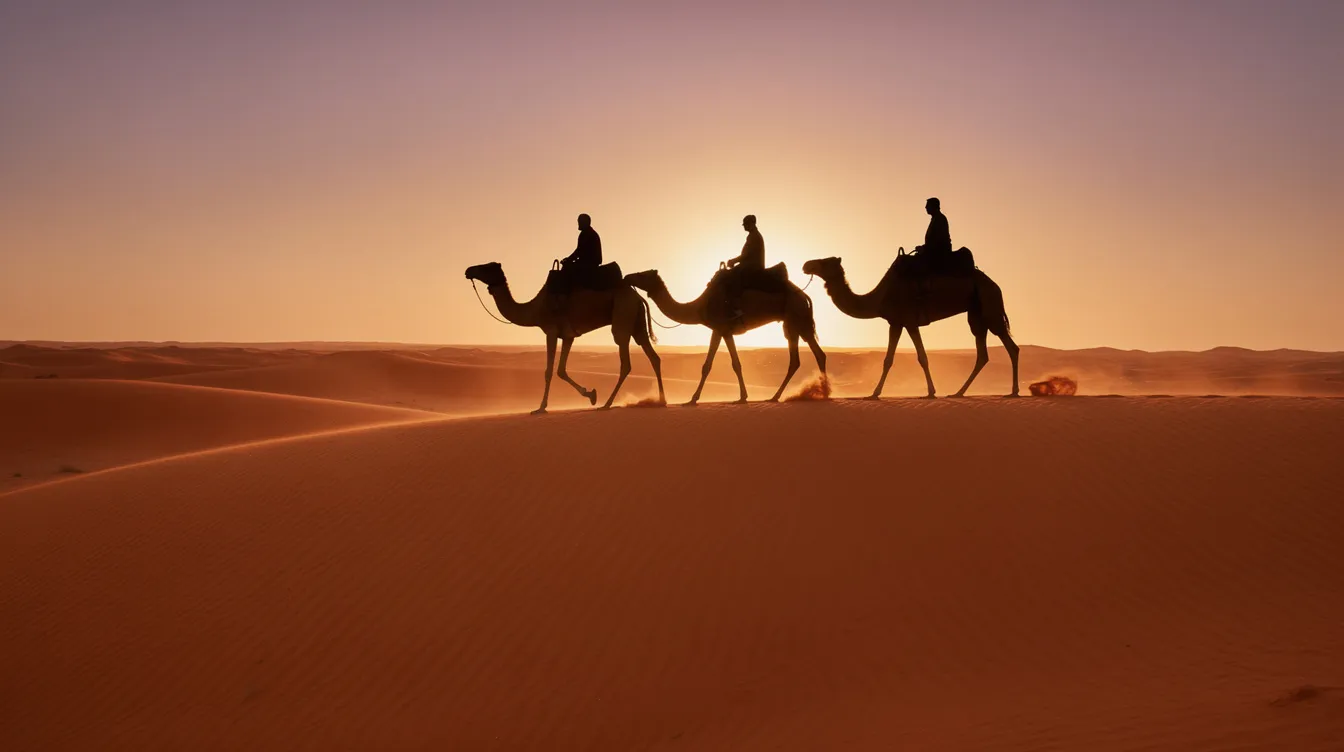
For Erg Chebbi, most travelers join 3–4 day circuits that include:
UNESCO-listed Ait Benhaddou (famous from Game of Thrones)
Dades Gorge with dramatic canyon walls
Todra Gorge for easy hiking
Sahara Desert camp overnight with camel ride
Return via a different route to avoid backtracking
For Agafay, 1–2 day packages offer:
Afternoon departure from Marrakech
Dinner under the stars
Overnight in luxury or basic camp
Morning activities (quad biking, camel ride)
Return by lunch
Look for packages covering:
Element | What to Expect |
|---|---|
Transport | Air-conditioned 4x4 with licensed driver |
Accommodations | desert camps with private or shared tents |
Meals | Dinner and breakfast included; traditional tagine cooked in a clay pot |
Activities | Sunset camel ride, sandboarding, stargazing |
Extras | Some include entertainment, mint tea ceremonies |
Pack warm layers: Desert nights drop to 40–50°F even in April/October
Bring closed shoes: Sandals work for camp, but not dune hiking
Avoid summer midday: Sand temperatures become unbearable
Book private: Shared group tours save money, but lose flexibility
Morocco Classic Tours operates private desert itineraries from both Marrakech and Fes. Options include luxury Sahara camp experiences with real beds and heating, family-friendly pacing, and ATV/quad biking additions. Private camps eliminate the shared-bathroom-with-strangers concern many travelers mention.
Whether you want a quick taste of desert life or a comprehensive Sahara circuit hitting all major kasbahs, custom itineraries match your timeline and travel style.
First-timers don’t need to see everything. Focus on 3–4 bases to avoid exhausting travel days and rushing through experiences.
Casablanca: Most international arrivals land here. The Hassan II mosque—one of the world’s largest—deserves a half-day visit. Otherwise, treat Casablanca as a transit point rather than a destination.
Fes: The ancient city contains the world’s largest car-free medina, a maze of narrow streets, tanneries, and religious schools. Absolutely requires a licensed guide for navigation. Plan 2–3 days.
Marrakech: The heart of Moroccan tourism. Jemaa el-Fnaa square, restored palaces, souks selling traditional Moroccan craftsmanship, and endless food options. Plan 3–4 days, including day trips.
Merzouga/Erg Chebbi: The final destination for Sahara seekers. Golden dunes, sunrise camel ride experiences, and Arabian Nights-style camps. Plan 1–2 nights.
Dades/Todra Gorges: Dramatic canyons between Marrakech and the Sahara. Often included in desert circuits as scenic stops.
Essaouira: Relaxed coastal small city with Portuguese fortifications, art galleries, and windy beaches. The Atlantic Ocean provides welcome relief after inland heat. Plan 2 days.
Chefchaouen: The famous “blue city” in northern morocco, ideal for photography
Rabat: The capital, with the Jewish cemetery and royal sites
Agadir: Beach resort town, good for families wanting pool/beach time
Morocco Classic Tours specializes in local tours that illuminate history and culture:
Guided medina walks through Fes and Marrakech
Food tours exploring Moroccan cuisine beyond tourist restaurants
Hammam visits for authentic spa experiences
Cooking classes, learning tagine and couscous preparation
Beyond city sightseeing:
camel ride excursions in Erg Chebbi or Agafay
ATV/quad biking on desert dunes
Atlas Mountains hiking (day trips or multi-day treks)
Surfing and kitesurfing in Essaouira
For 10 days, consider limiting yourself to:
Fes (2–3 nights)
Desert camp + transit (2 nights)
Marrakech (3–4 nights) with a day trip to the coast
This approach minimizes packing/unpacking, reduces long distances traveled in a single day, and allows genuine immersion rather than box-checking.
Morocco Classic Tours can recommend the ideal mix based on season—more coastal time in August, heat, more desert and mountains in April or October.
This recommended itinerary for a 10-day trip to Morocco works well with US flight schedules, minimizes backtracking, and balances major highlights.
Day | Location | Key Activities | Travel Time |
|---|---|---|---|
1 | Casablanca | Arrive at Hassan II Mosque, evening in Medina | — |
2 | Fes | Morning train/drive, afternoon Medina exploration | 4–5 hours |
3 | Fes | Full-day guided medina tour, tanneries, lunch in the souk | — |
4 | Midelt/Atlas | Drive through the Middle Atlas, cedar forests, and monkey sightings | 5 hours |
5 | Merzouga | Arrive at desert camp, sunset camel ride, dinner, stargazing | 4–5 hours |
6 | Dades Gorge | Morning in dunes, drive through Todra Gorge, evening at kasbah | 5–6 hours |
7 | Marrakech | Complete drive to Marrakech, evening in Jemaa el-Fnaa | 4–5 hours |
8 | Marrakech | Palaces, souks, an afternoon hammam, and a rooftop terrace dinner | — |
9 | Marrakech | Food tour or cooking class, shopping, free time | — |
10 | Essaouira/Departure | Day trip to the coast or departure from Marrakech | 2.5–3 hours to coast |
Days 3 (Fes medina) and 5 (desert camp) benefit most from local tours with knowledgeable guides. The Fes medina is genuinely confusing—even Google Maps struggles with its labyrinth. Licensed guides provide historical context and prevent getting lost.
Marrakech’s medina is more navigable independently, but food tours add enormous value, introducing dishes and restaurants tourists would never find alone.
For families with children, modify this itinerary:
Add extra nights in Marrakech (stay 4 nights instead of 3)
Book connecting rooms or family suites at riads
Replace one driving day with pool/rest time
Consider Agafay instead of Merzouga for a shorter desert transfer
Skip the Fes-to-desert leg entirely if the kids are young
This entire 10-day itinerary can be booked as a private tour through Morocco Classic Tours. The package includes:
Airport transfers
Private vehicle and driver throughout
Handpicked riads and desert camp
Licensed local guides in Fes and Marrakech
All entrance fees
The same framework adapts easily to 7-day (skip Fes or desert) or 12-day (add Chefchaouen or extra Atlas time) variations, depending on your flights and budget.
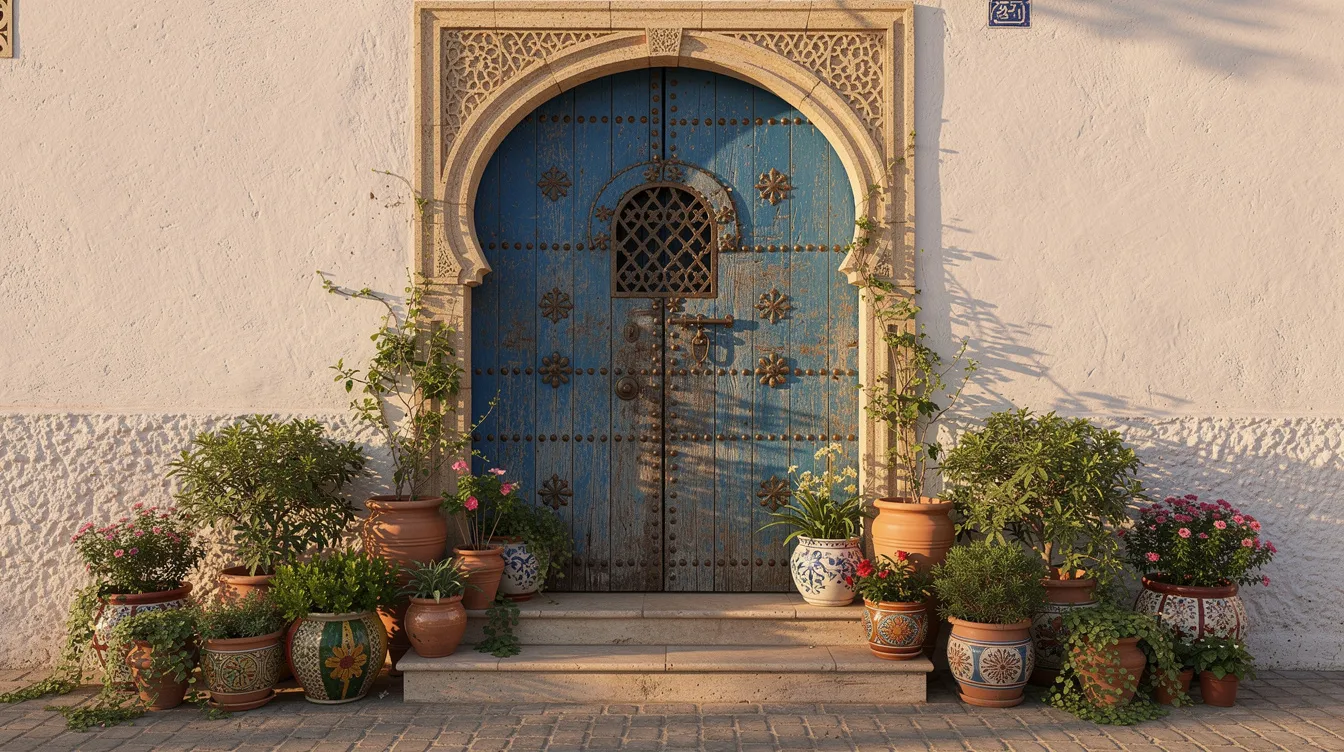
Where you sleep in Morocco contributes to the experience—this isn’t a destination for generic chain hotels. Traditional riads and desert camps offer an atmosphere impossible to replicate elsewhere.
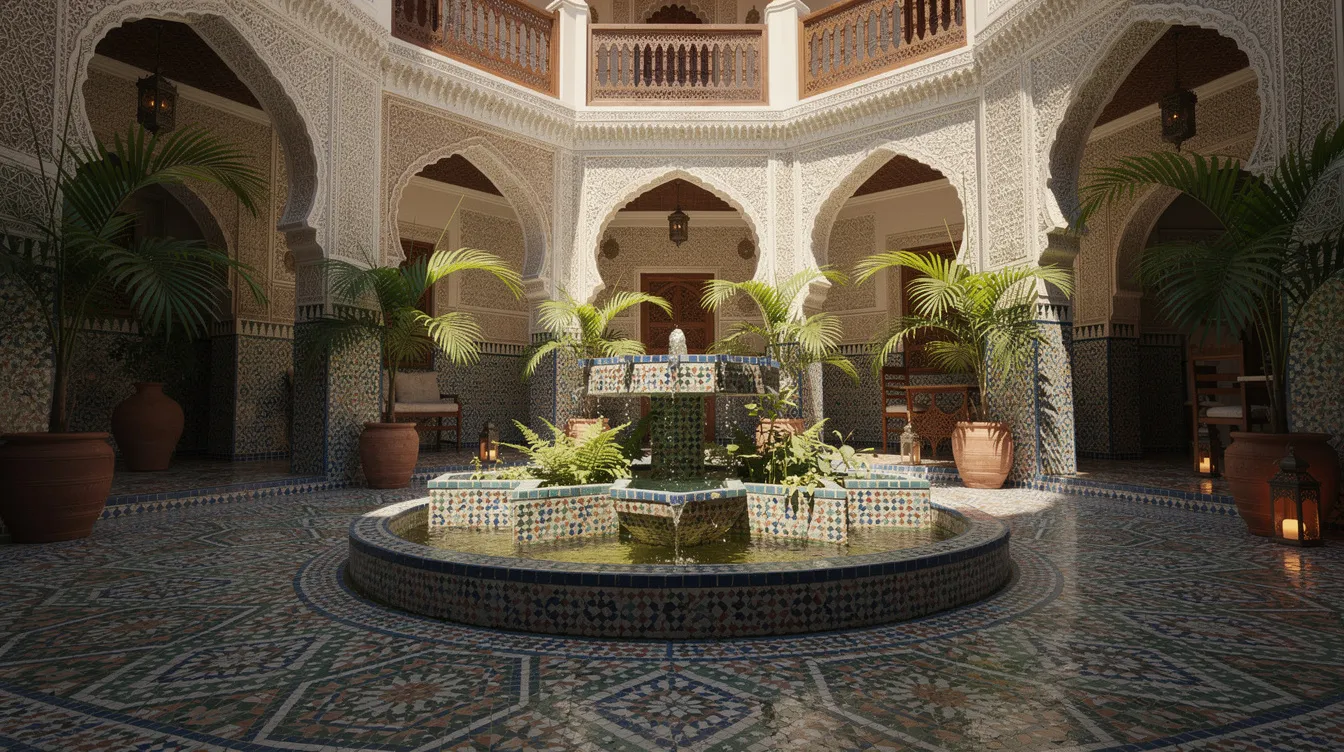
Riads are traditional Moroccan houses or palaces with an interior garden or courtyard, often featuring intricate tile work and architecture that reflects the country's rich history. Staying in a riad is considered a quintessential Moroccan experience, as these accommodations are typically located within the medinas, allowing easy access to local attractions and markets. Riads are traditional Moroccan homes built around interior courtyards, often featuring fountains, mosaics, and rooftop terrace spaces. Most have been converted to boutique hotel accommodations with 5–15 rooms.
Staying in a riad places you inside the medina walls, steps from souks and historical sites. The trade-off: getting your luggage there requires navigating narrow streets on foot or via porter.
Typical pricing: $80–120 per night for comfortable midrange options, including breakfast.
Type | Location | Best For |
|---|---|---|
Riad | City medinas | Authentic atmosphere, couples, first-timers |
Dar | City medinas | Similar to a riad, often smaller/more private rooms |
Kasbah | Atlas, Dades, desert edges | Fortress-style, dramatic settings, families |
Modern Hotel | New cities, beaches, airports | Easy access, parking, pools, familiar amenities |
Kasbahs are fortified structures traditionally used for defense, often made of mud-brick, and can serve as unique accommodations that provide insight into Berber culture.
Sahara camp accommodations range from basic shared tents to luxury private rooms with real beds, private bathrooms, and heating/air conditioning.
Standard camp features include:
Tent accommodations (private vs. shared)
Dining tent with traditional meals
Stargazing away from city lights
Morning coffee before departure
Luxury camps add electricity, hot showers, and amenities rivaling boutique hotels. Prices vary significantly—$50/person for basic shared, $200+ for luxury private tents.
When traveling with children:
Choose riads with pools or interior patios (kids need downtime)
Book interconnecting rooms or family suites
Avoid too many one-night stays—unpacking daily exhausts everyone
Confirm quiet hours expectations (some riads cater to late-night socializing)
Ask about crib/extra bed availability
Morocco Classic Tours curates handpicked riads and camps matching guest preferences—romantic couples’ retreats, family-friendly properties with pools, luxury experiences, or budget-conscious options without sacrificing quality. Their local relationships mean better room assignments and personalized touches.
Feeling confident navigating local culture enhances any trip. These guidelines help you show respect while avoiding common tourist mistakes.
Morocco is a muslim country, and modest dress shows cultural awareness:
Cover shoulders and knees in medinas, markets, and rural areas
Women: loose pants or long dresses, scarves optional but useful for sun and occasional mosque visits
Men: long pants preferred over shorts in cities
Beach resorts: standard Western swimwear is acceptable at pools and tourist beaches
Sandals work in most situations, but bring closed shoes for desert excursions
Dress code enforcement is relaxed in tourist areas, but locals appreciate it when visitors make an effort.
Islam shapes daily life: The call to prayer sounds five times daily—it’s atmospheric, not concerning.
Public displays of affection: Keep them minimal, especially outside resort areas
Alcohol: Legal but discreet. Most tourist hotels and licensed restaurants serve it; don’t drink alcohol openly in public spaces or local neighborhoods.
Friday prayers: Expect some businesses to close midday
The Moroccan dirham (MAD) is the local currency and a “closed” currency—you can’t buy it outside Morocco. Exchange at the airport or withdraw from ATMs upon arrival.
Situation | Payment Method |
|---|---|
Souks, small cafés | Cash only (small bills preferred) |
Riads, restaurants | Credit cards often accepted |
Taxis | Cash only |
Tips | Cash (small dirham notes) |
Current exchange: roughly 10 MAD = $1 USD. Check rates before departure. | |
Tipping expectations roughly mirror US customs:
Service | Typical Amount |
|---|---|
Restaurant meals | 10–15% |
Private guides | 100–200 MAD/day |
Drivers | 50–100 MAD/day |
Hotel staff | 20–50 MAD |
Riad housekeeping | 20–40 MAD/day |
Always ask before taking photos of people
Expect payment requests for staged photos in Jemaa el-Fnaa (snake charmers, henna artists)
Avoid photographing military installations, police, and government buildings
Be respectful around religious sites—ask guides about restrictions
Morocco welcomes families when you plan with realistic expectations. The key: appropriate pacing, child-friendly activities, and comfortable transport.
School-age kids (7+) and teenagers typically enjoy Morocco most. They can handle walking tours, appreciate cultural differences, and participate in adventures like camel rides.
Younger children require more adjustment:
Shorten driving days
Build in more pool/rest time
Avoid peak summer desert heat entirely
Consider Agafay over Merzouga for desert experience
Morocco offers plenty beyond adult-oriented medina shopping:
Activity | Location | Ages |
|---|---|---|
Camel rides | Merzouga, Agafay | 5+ (shorter rides for young ones) |
Easy Atlas hikes | Ourika Valley, day trips | 7+ |
Cooking classes | Marrakech, Fes | 8+ |
Pottery workshops | Various locations | All ages |
Quad biking | Agafay, Merzouga | 12+ (as a passenger younger) |
Beach time | Essaouira, Agadir | All ages |
Factor | Family Approach |
|---|---|
Nights per stop | 2–3 minimum (avoid one-night stays) |
Daily transfers | Under 5–6 hours when possible |
Afternoon breaks | Build in pool time or early evenings |
Late-night medina exploration | Save for adult trips |
Kids tire faster in unfamiliar environments. The personal experience of families who over-schedule is uniformly regretful—slow down. | |
Use private drivers instead of crowded buses (cleanliness, flexibility, bathroom stops)
Choose riads/hotels with strong cleanliness reviews
Plan mealtimes around kids’ routines rather than the late Moroccan dining culture
Bring familiar snacks for transition days
Pack children’s medications (pharmacies exist, but finding specific brands takes time)
Morocco Classic Tours designs private family itineraries with child-friendly guides who engage kids, safe and experienced drivers, and flexible scheduling that accommodates inevitable changes. Their team understands that family travel requires different pacing than couples’ trips—and plans accordingly.
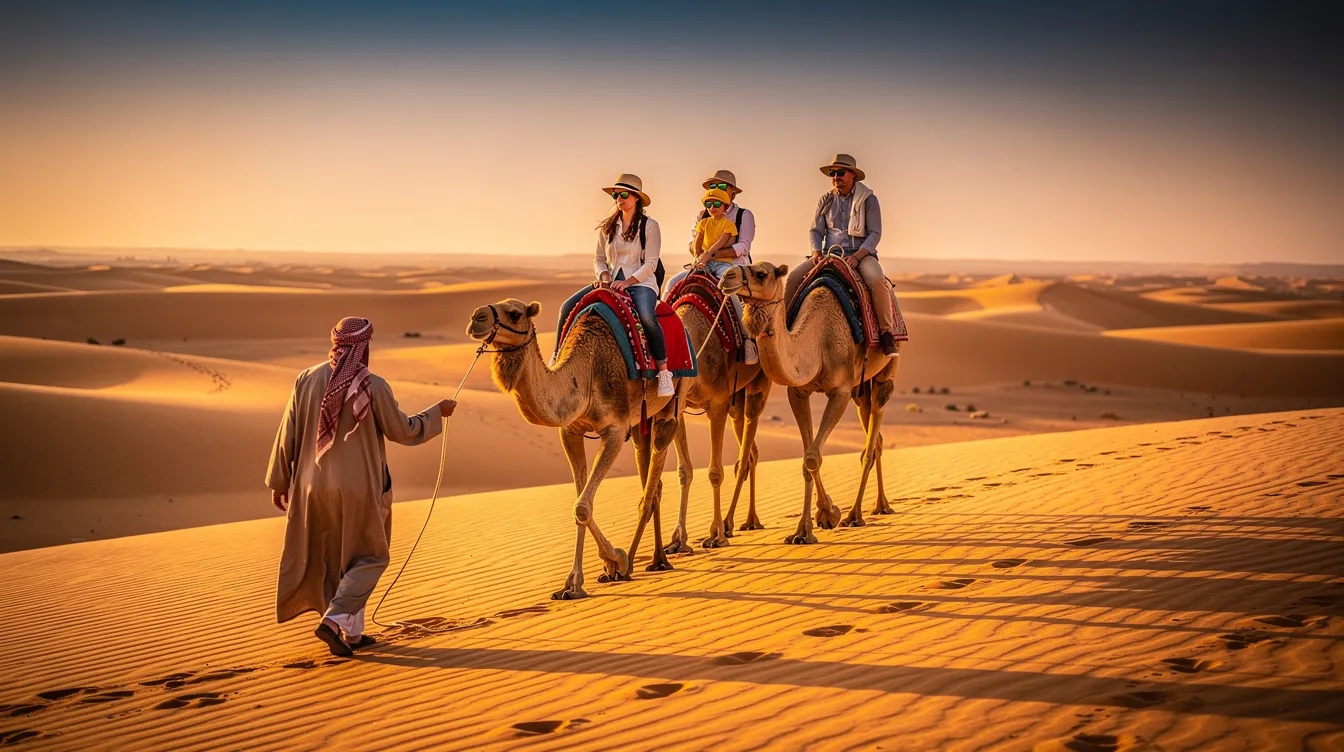
Guided tours enhance Morocco travel significantly. Local guides provide cultural context, navigate confusing medinas, and handle logistics you’d otherwise manage yourself.
Without a guide, Fes medina becomes frustrating rather than fascinating—its narrow streets genuinely confuse even experienced travelers. Marrakech is more manageable independently, but guided food tours reveal restaurants and dishes tourists never discover alone.
For desert circuits, group tours, or private packages handle driving, accommodations, and activities, eliminating the planning process burden.
When evaluating options:
Clear pricing: Understand exactly what’s included (transport, meals, entrance fees)
Licensed guides: Ask for license numbers or verification
Recent reviews: Check TripAdvisor, Google, and travel forums for current feedback
English fluency: Confirm the guide language matches your needs
Responsive communication: Slow replies before booking often mean poor service during
Be wary of:
Shopping tours: Cheap or free tours often exist to drag you through commission-generating shops
Street touts: Unlicensed individuals offering guide services in medinas
Last-minute desert deals: May involve unsafe vehicles or substandard camps
Unusually low prices: Quality costs money; extreme discounts hide compromises
Destination Management Companies like Morocco Classic Tours specialize in private and small-group trips, coordinating multiple services under one booking. Benefits include:
Single point of contact for cities, desert, and transport
Vetted local guides at each destination
Consistent quality standards
Emergency support if problems arise
Don’t leave these to chance:
Fes medina tour (3–4 hours, essential)
Marrakech city highlights
Food tours in either city
Multi-day desert tours from Marrakech or Fes
Confirm in writing:
Group size (4–8 people maximum for personal experience)
Exact pick-up points and times
Guide name and language
Emergency contact numbers
Cancellation and refund policies
While not legally required for entry, travel insurance is strongly recommended for US travelers. Comprehensive policies cover medical care (Moroccan hospitals may require payment upfront), trip cancellations, flight delays, and adventure activities like camel rides or quad biking.
Buy a policy as soon as you book flights or a Morocco Classic Tours package to maximize cancellation coverage. Expect to pay $100–200 for standard trip protection with medical evacuation.
You have several options to stay connected:
US carrier roaming: Works but expensive ($10+/day for most plans)
Local SIM/eSIM: Purchase at the airport from Orange, Inwi, or Maroc Telecom (~$10 for 10GB)
Hotel/riad Wi-Fi: Available at most accommodations; quality varies
Unlock your phone before departure if switching to a local SIM card. Download offline Google maps and translation apps in advance for areas with a weak signal.
Morocco is generally safe for solo female travelers using common-sense precautions. Dress modestly (shoulders and knees covered), stay in well-reviewed accommodations, and consider guided tours for Medina navigation.
Unwanted attention happens more frequently than in the US or Europe—firm disengagement typically works. Many solo women find joining guided city walks and desert tours through companies like Morocco Classic Tours adds comfort and local support.
Component | Recommended Lead Time |
|---|---|
International flights | 3–5 months (spring/fall); 6+ months (Christmas, Easter) |
Riads and desert camps | 2–4 months for popular routes |
Private tours (Morocco Classic Tours) | 2–3 months minimum |
High-demand experiences | 1–2 months |
Peak seasons and holidays book quickly. Waiting until the last minute limits options and increases costs. | |
Alcohol is legal in Morocco but less visible than in the US. Most tourist hotels serve it in their bars and restaurants, and licensed establishments in major cities cater to international visitors.
However, public consumption is inappropriate, and many local restaurants don’t serve alcohol. The vast majority of visitors discover that Morocco’s excellent mint tea, fresh-squeezed juices, and coffee culture provide satisfying alternatives—you might not miss alcohol at all.
Planning a trip to morocco from the US requires thoughtful preparation, but the reward is experiencing one of the world’s most captivating destinations. From the colorful markets of Marrakech to the golden dunes of Erg Chebbi, Morocco delivers sensory experiences unlike anywhere else.
The planning process becomes significantly simpler when you partner with experts who know the terrain. Morocco Classic Tours designs custom itineraries matching your timeline, budget, and travel style—handling the logistics so you can focus on the adventure.
Ready to start planning your Morocco journey? Contact Morocco Classic Tours for a personalized itinerary consultation and turn this blog post into your next great trip.
Compare Morocco group tour agencies by trip style, reviews, pace, transport and inclusions. Learn wh...
Read this article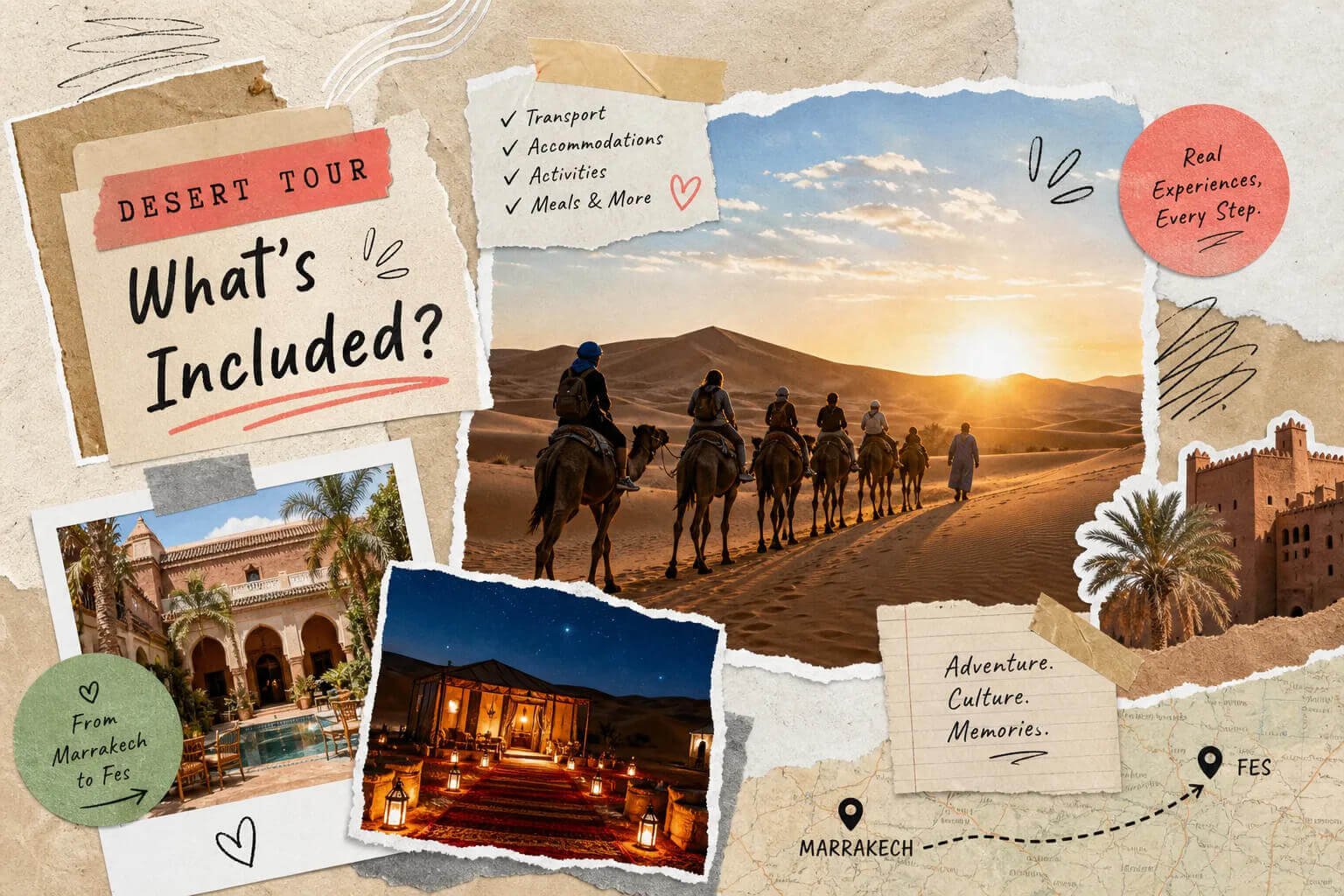
Uncover what a Marrakech to Fes desert tour offers, including camel rides, desert camps, and rich cu...
Read this article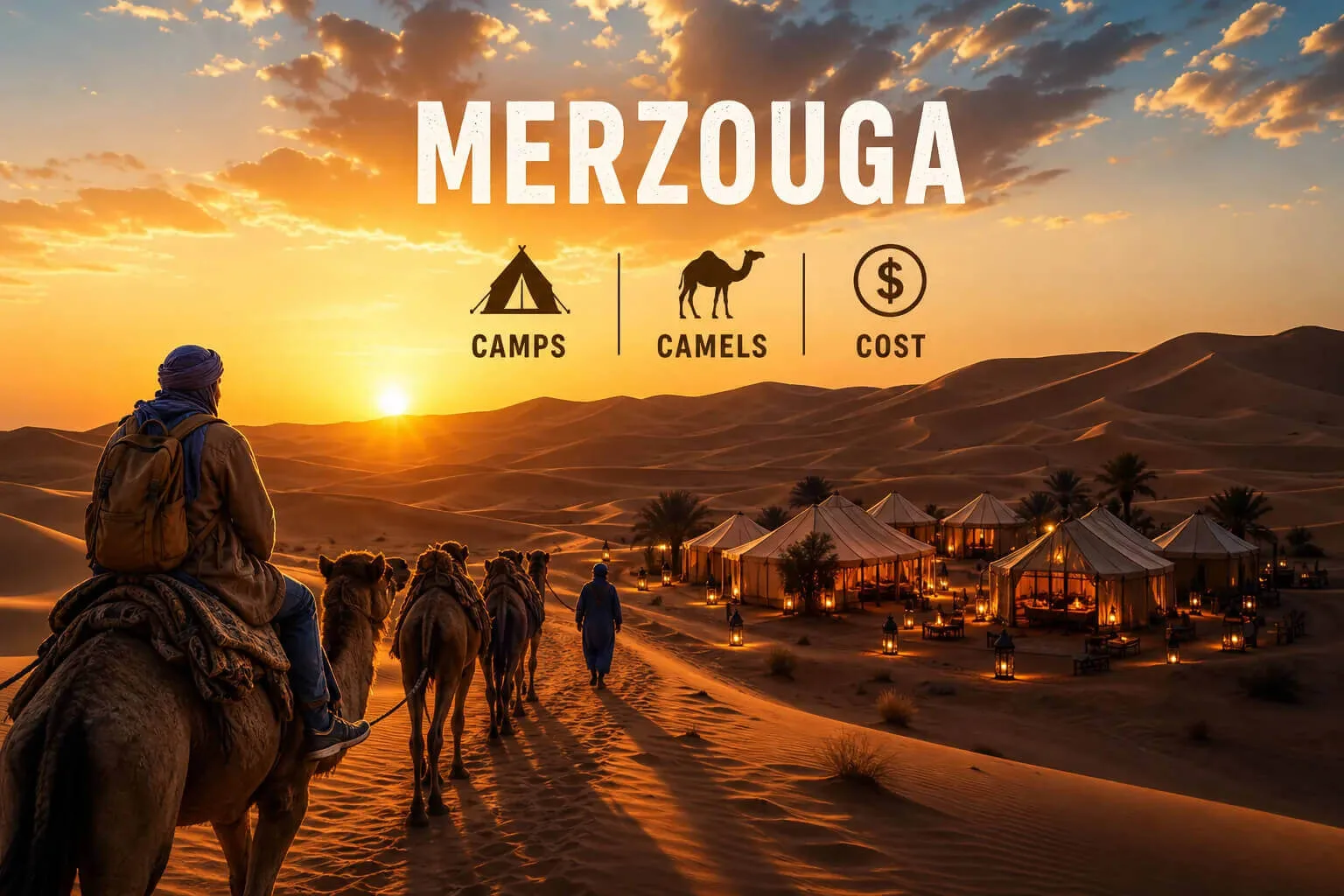
Join our Merzouga Overnight Tour for an authentic desert experience. Enjoy camel rides, comfortable ...
Read this articleWant cool tour deals and tips about Morocco? Enter your email and we’ll send them to you each month!
