Group Tour Agencies in Morocco: How to Pick the Right One
Discover how to choose the perfect group tour agency in Morocco. Get tips on what to look for and ma...
Read this article
We’ve helped people travel around Morocco for more than 15 years. We offer fun and easy packages to see famous places like the mountains, desert, and more.
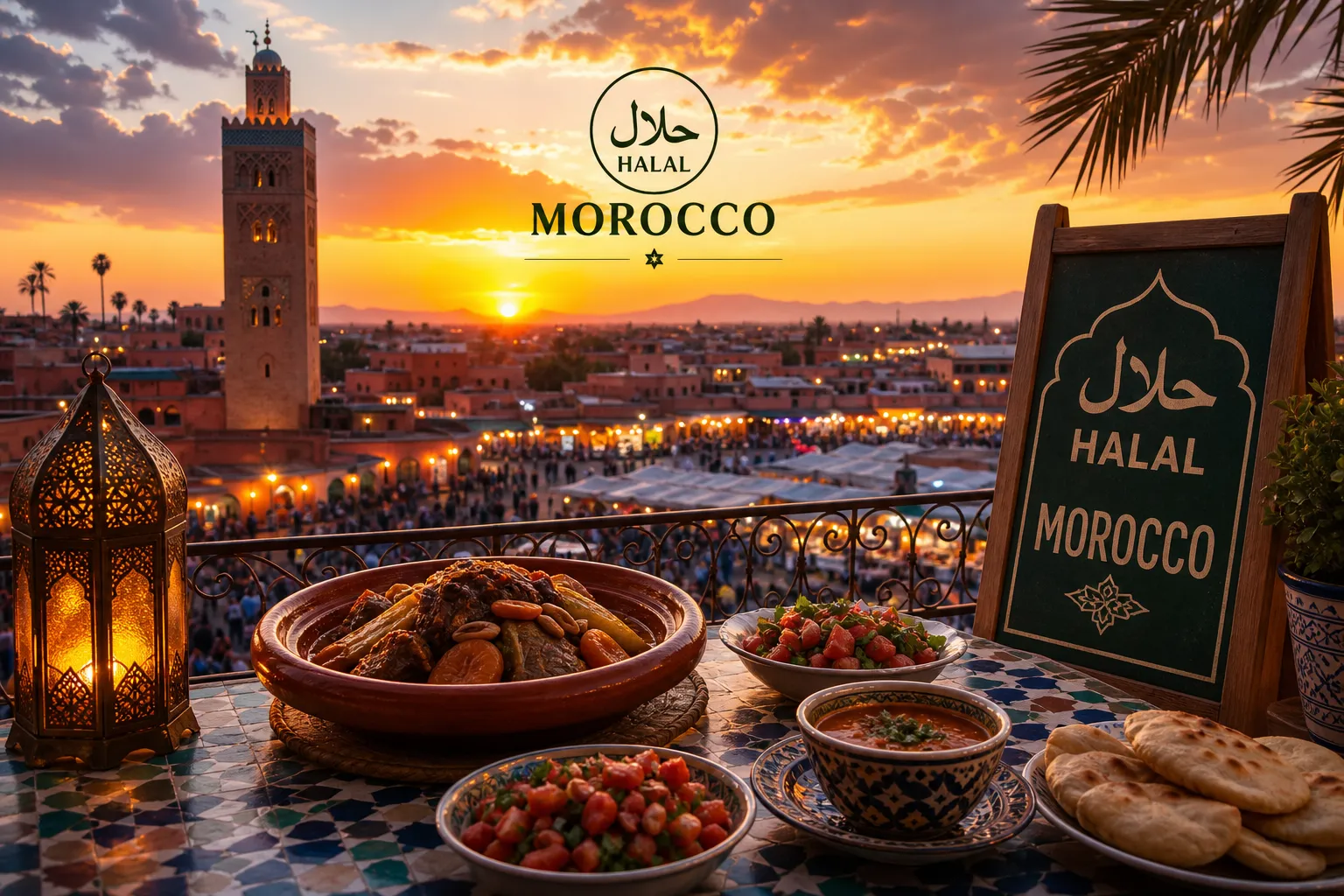
I still remember my first bite of tagine under the warm glow of lanterns in a Fez riad. I paused mid-spoonful and asked the server, "Is this halal?" With a friendly smile, he assured me that, here in Morocco, halal isn't a premium feature; it's the everyday standard. And that little moment of relief transformed my entire trip.
In Morocco, you don't hunt for halal the way you might in Europe or North America. From bustling souks to family-run cafes, Islamic tradition, government regulation, and local habits blend so seamlessly that almost everything on your plate is halal by default. The only places to watch out for? A handful of international hotels and upscale venues where pork or a splash of wine can sneak in, details you'll want to spot before you sit down.
Whether you're traveling with Morocco Classic Tours or striking out on your own, the next few minutes will equip you to order with confidence. You'll learn how Morocco's halal system works behind the scenes, which dishes are fail-proof, where surprises pop up, and the simple Arabic and French phrases that seal the deal.
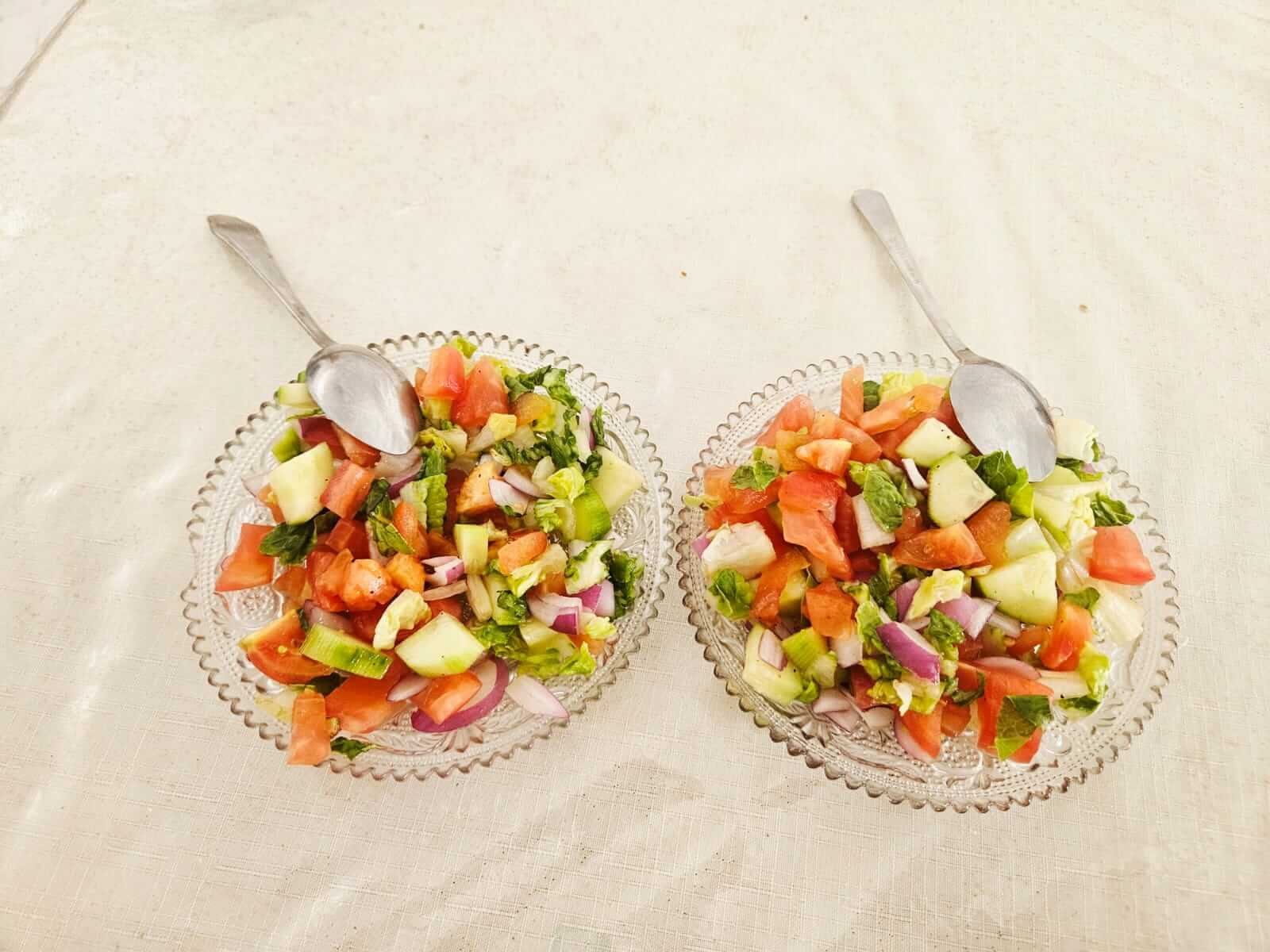
Let's peel back the layers: halal in Morocco isn't a sticker you see on a package; it's an unspoken promise. According to the USDA's own report, "virtually all meat processed in Morocco is assumed to be halal." There's no labeling requirement because locals never doubt it, just like you wouldn't tiptoe around meat at your neighborhood butcher in Fez or a roadside grill in the Drâa Valley.
It gets even more airtight with imports. Any U.S. beef or poultry entering Morocco must arrive with a certificate of halal slaughter certified by IMANOR, Morocco's official halal authority. That means every bite is backed by real rules and real oversight, a level many destinations can only dream of.
For Muslim American travelers, this foundation is gold. You start from a place of trust, not suspicion. Yes, exceptions exist, but they're easy to spot; no random surprises at every meal.
Imagine your plate arriving warm: a vibrant tagine bubbling with lamb, chicken, beef, or fish, scented with preserved lemon, olives, and spices, no wine, no pork, always halal. Steaming couscous piled high with tender veggies and halal meat, fragrant harira soup rich with lentils and chickpeas, and communal mechoui, whole lamb roasted until the skin crackles, are all built on halal principles.
Street-food lovers can sink their teeth into brochettes, grilled skewers of seasoned beef or lamb, and sip on mint tea sweetened just right. Two dishes deserve a quick double-take: Merguez, traditionally made from lamb and beef with no pork casing (just ask your vendor to be sure), and Pastilla, the flaky pie usually filled with chicken or pigeon but sometimes given a fancy twist in touristy spots; one question and you're set.
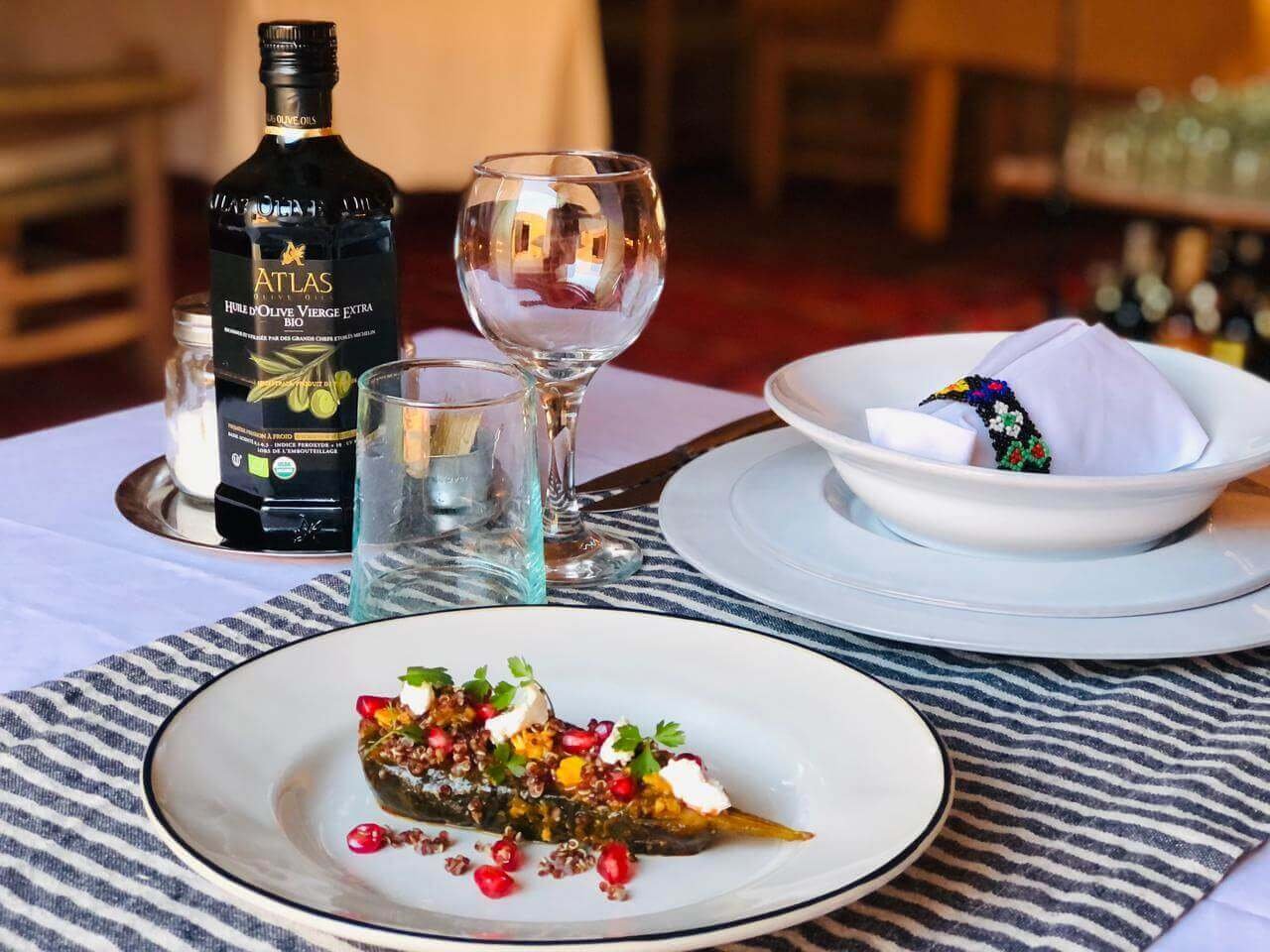
These exceptions aren't hiding in the shadows; they're clustered in clear zones. International hotel restaurants, French brasseries, and high-end venues in Marrakech, Casablanca, or Tangier might slip pork onto the menu or use wine reductions. The simple rule? Local traditional spots are your safest bet; upscale hotel dining menus are where you pause and ask.
Supermarkets also carry a few curveballs. Imported chocolate spreads, processed meats, and European sweets can contain gelatin or other non-halal ingredients. If it didn't originate in Morocco, take a moment to check the label; domestic products are almost always a safe bet.
Moroccan home-cooking itself doesn't use alcohol. Your tagines, stews, and sauces are built on water, stock, preserved lemon, and spice blends, not a drop of wine. So when you're tucked into a neighborhood eatery or sampling street food, feel free to dig in.
Knowing these details is great, but the real power move is asking in the local language. Moroccans appreciate the effort, and you'll get honest answers even if your pronunciation is a bit rough.
In Arabic (Modern Standard works everywhere):
In French (handy in cities):
You don't need to be fluent, just polite. Reading these off your phone shows you care, and you'll always get a straight answer.
Waiting until you land to sort food can work in Morocco, but imagine stepping off the plane knowing exactly which kitchens to trust. That's what a seasoned operator does: pre-selecting halal-vetted restaurants, crafting an itinerary around authentic Moroccan feasts, and briefing guides on your dietary needs before you even pack your bags.
Morocco Classic Tours, based in Fez for over a decade, lives and breathes this approach. Their local team hand-picks every dining spot, from hidden gems to family-run riads, so you spend your days savoring tagines and pastillas, not cross-examining menus.
Morocco might be one of the world's most welcoming destinations for Muslim American travelers with halal requirements. The system is halal by default, the cuisine is designed around it, and the exceptions are limited and predictable. Here's your quick on-the-ground guide:
With these simple habits, you'll spend your time in Morocco savoring the country's incredible flavors, not worrying about what's on your plate. And if you want every meal curated by people who know Morocco inside and out, contact Morocco Classic Tours to build your halal-aware itinerary. This trip should be about discovery and delight, not doubt.
Discover how to choose the perfect group tour agency in Morocco. Get tips on what to look for and ma...
Read this article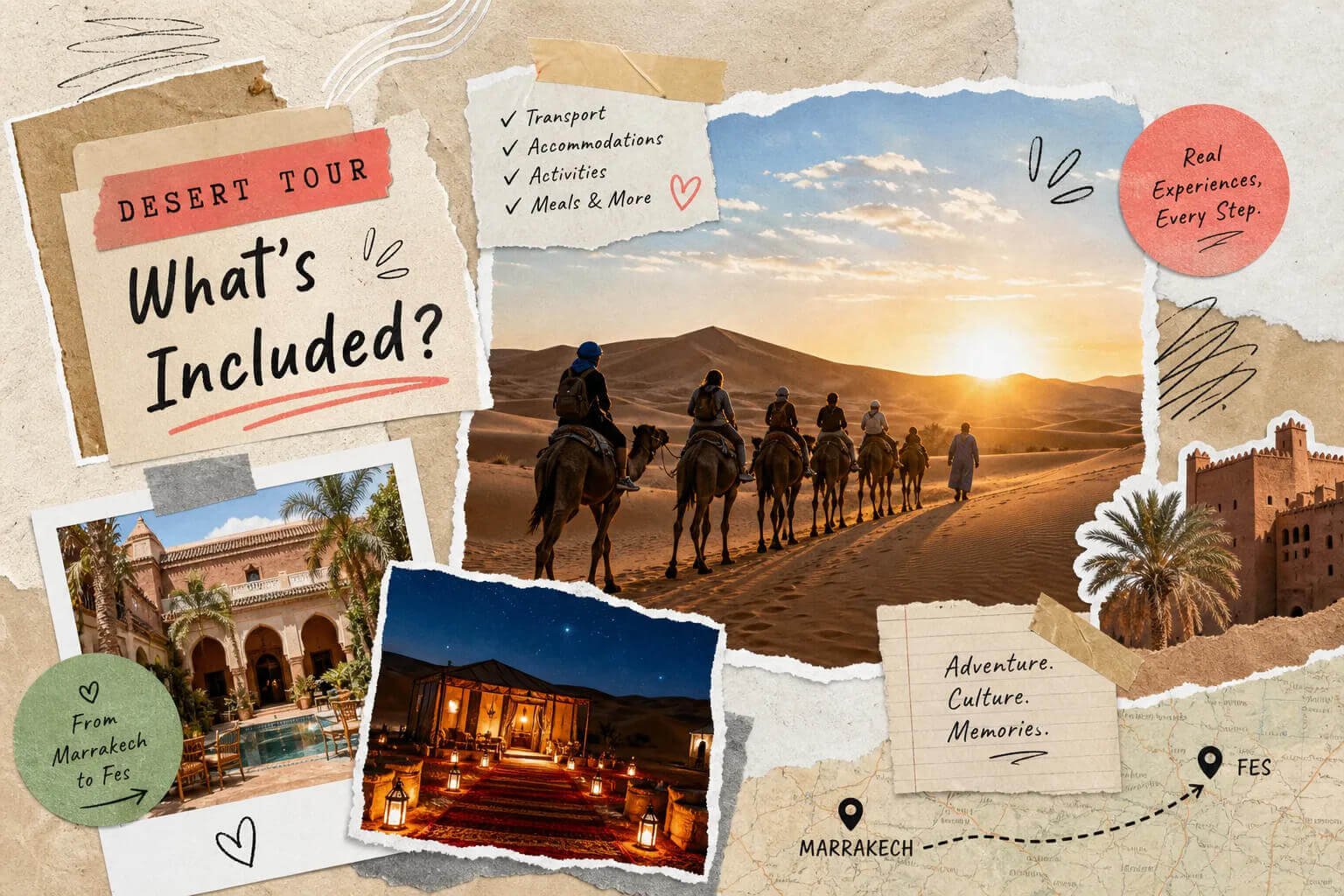
Uncover what a Marrakech to Fes desert tour offers, including camel rides, desert camps, and rich cu...
Read this article
Join our Merzouga Overnight Tour for an authentic desert experience. Enjoy camel rides, comfortable ...
Read this articleWant cool tour deals and tips about Morocco? Enter your email and we’ll send them to you each month!