Group Tour Agencies in Morocco: How to Pick the Right One
Compare Morocco group tour agencies by trip style, reviews, pace, transport and inclusions. Learn wh...
Read this article

Private, custom Morocco trips planned in Fez by AZ-ZDDINE, working in Moroccan tourism since 2012. Sahara, Atlas, medinas and coast, arranged around you.
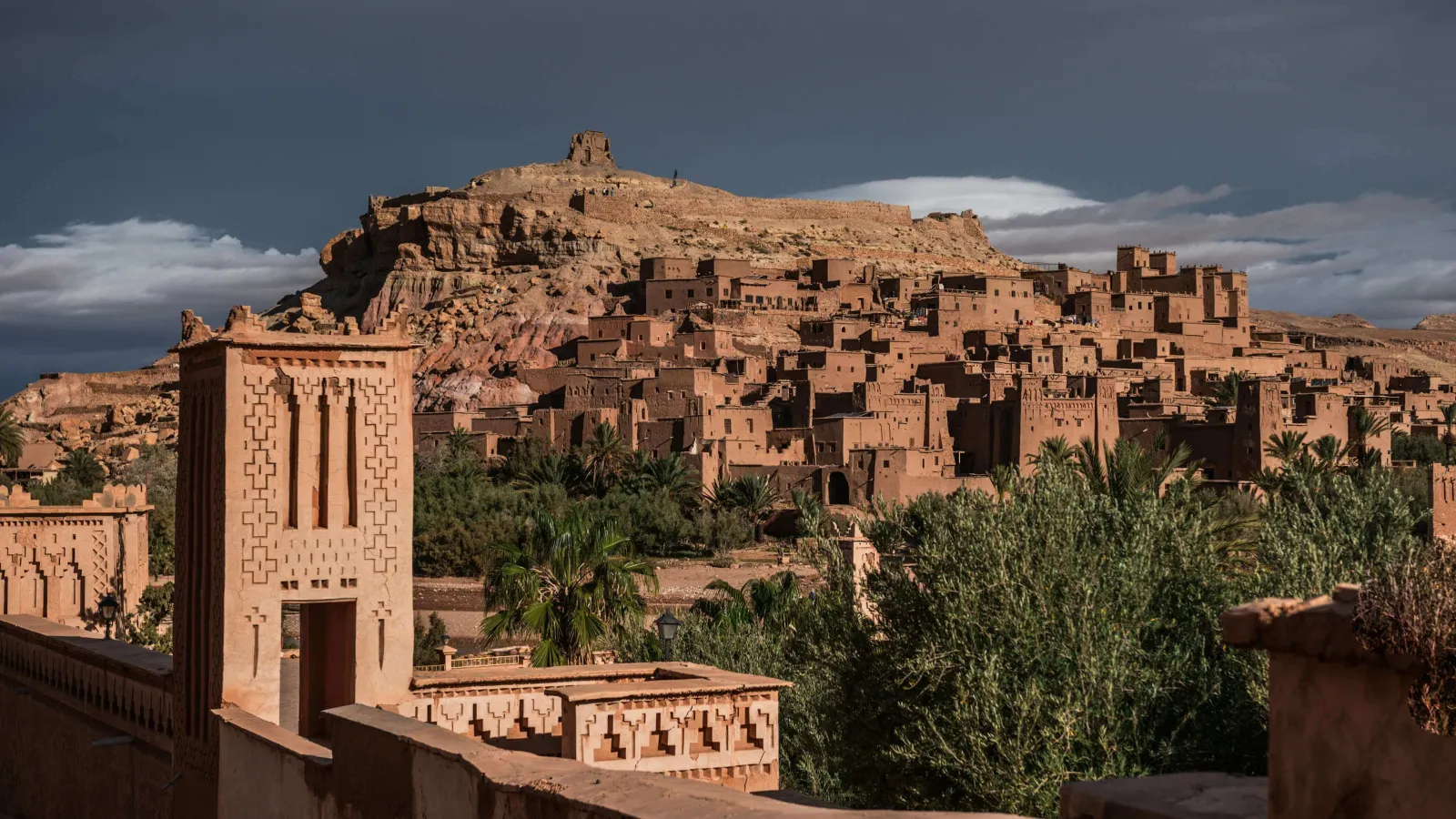
Most Game of Thrones Morocco scenes appear in Season 3, filmed primarily around Ait Ben Haddou (Yunkai), Ouarzazate with Atlas Studios, and Essaouira on the Atlantic coast.
Real Moroccan places stood in for Slaver’s Bay cities: Essaouira became Astapor, Ait Ben Haddou became Yunkai, and studio sets in Ouarzazate represented parts of Pentos and Astapor interiors.
To watch Game of Thrones in Morocco, download episodes before travel since rural connectivity varies widely—riads in major cities have good Wi-Fi, but desert camps do not.
A private driver and custom itinerary through Morocco Classic Tours is the easiest way to link all the Throne's filming locations with the Sahara desert camps, camel treks, and Imperial Cities.
Pack for variable conditions: lightweight layers for daytime heat, warm clothes for cool desert nights, sun protection, and comfortable walking shoes for kasbah steps.
Morocco became Essos brought to life. When the Thrones production company needed ancient slave cities, sun-baked ramparts, and desert encampments for Daenerys Targaryen’s Season 3 storyline, they found their perfect backdrop in southern Morocco. The result is a collection of amazing locations that fans can still visit today, largely unchanged from their on-screen appearances.
The main Moroccan hubs for Game of Thrones filming include Ait Ben Haddou (the fortified village that became Yunkai), Essaouira (the port city transformed into Astapor), Ouarzazate and its legendary Atlas Studios (home to Pentos interiors and expanded city sets), and the semi-desert area near Tazentoute. These two locations—and more—now draw many fans seeking a quick glimpse of the real-life places behind Westeros and Essos.
As a Morocco-based tour operator, Morocco Classic Tours creates private trips that blend these throne locations with Sahara desert camps, camel treks through golden dunes, and visits to historic Imperial Cities like Marrakech and Fes. We design itineraries where you can stand on the exact ramparts where Daenerys first viewed her Unsullied army, then sleep under the stars in a luxury desert camp that same week.
One fascinating footnote: Morocco was also used during the unaired pilot episode, including early footage of Khal Drogo and Daenerys’s wedding near the coast. However, that footage was later reshot in Malta for the official Season 1, so Morocco’s on-air contributions focus almost entirely on Season 3.
This article answers the questions travelers ask most often: where Game of Thrones was filmed in Morocco, where to watch the series while traveling, and what essential items you should pack for a desert tour of these iconic filming locations.
The main on-air Morocco filming occurred in Season 3, shot in the fall of 2012 and aired in 2013. The production focused on Daenerys’s storyline as she liberates the slave cities of Slaver’s Bay, starting with Astapor and continuing to Yunkai. These scenes required ancient-looking walled cities, sweeping desert plains, and weathered fortifications—all of which Morocco provided in abundance.
Episode | Title | Morocco Location | On-Screen City |
|---|---|---|---|
S3E1 | Valar Dohaeris | Essaouira | Astapor |
S3E3 | Walk of Punishment | Essaouira | Astapor |
S3E4 | And Now His Watch Is Ended | Ouarzazate/Essaouira | Astapor |
S3E10 | Mhysa | Ait Ben Haddou | Yunkai |
In “Valar Dohaeris,” Daenerys arrives in Astapor by ship, walks along the city walls, and views the Unsullied army for the first time. The ramparts of Essaouira’s Skala de la Ville provide the backdrop. The same episode features the harbor scene where she narrowly escapes assassination by a child assassin before Ser Barristan Selmy intervenes.
“Walk of Punishment” continues in Astapor, with the title referencing the line of crucified slaves. While the crucifixions themselves were composited digitally, the sea bastions and ramparts of Essaouira again provide the physical setting.
The “Mhysa” finale filmed at Ait Benhaddou captures one of the series’ most memorable moments: Daenerys emerging through the city gates as freed Yunkai slaves lift her above the crowd, chanting “Mother.” The production built a special gate for this sequence, though the stepped mud-brick silhouette behind Daenerys is the authentic ksar that visitors see today.
Quick answer for searchers: Morocco filming appeared primarily in Season 3, covering Daenerys’s Slavers’ Bay arc, including Astapor and Yunkai. The unaired pilot also used Morocco, but that footage was reshot elsewhere.
The digital armies and harpy statues have vanished, but the stone walls and alleys that visitors walk are the same ones that appeared on screen. CGI expanded the cities and crowds, yet the core streets, ramparts, and kasbahs remain essentially identical to their television appearance.
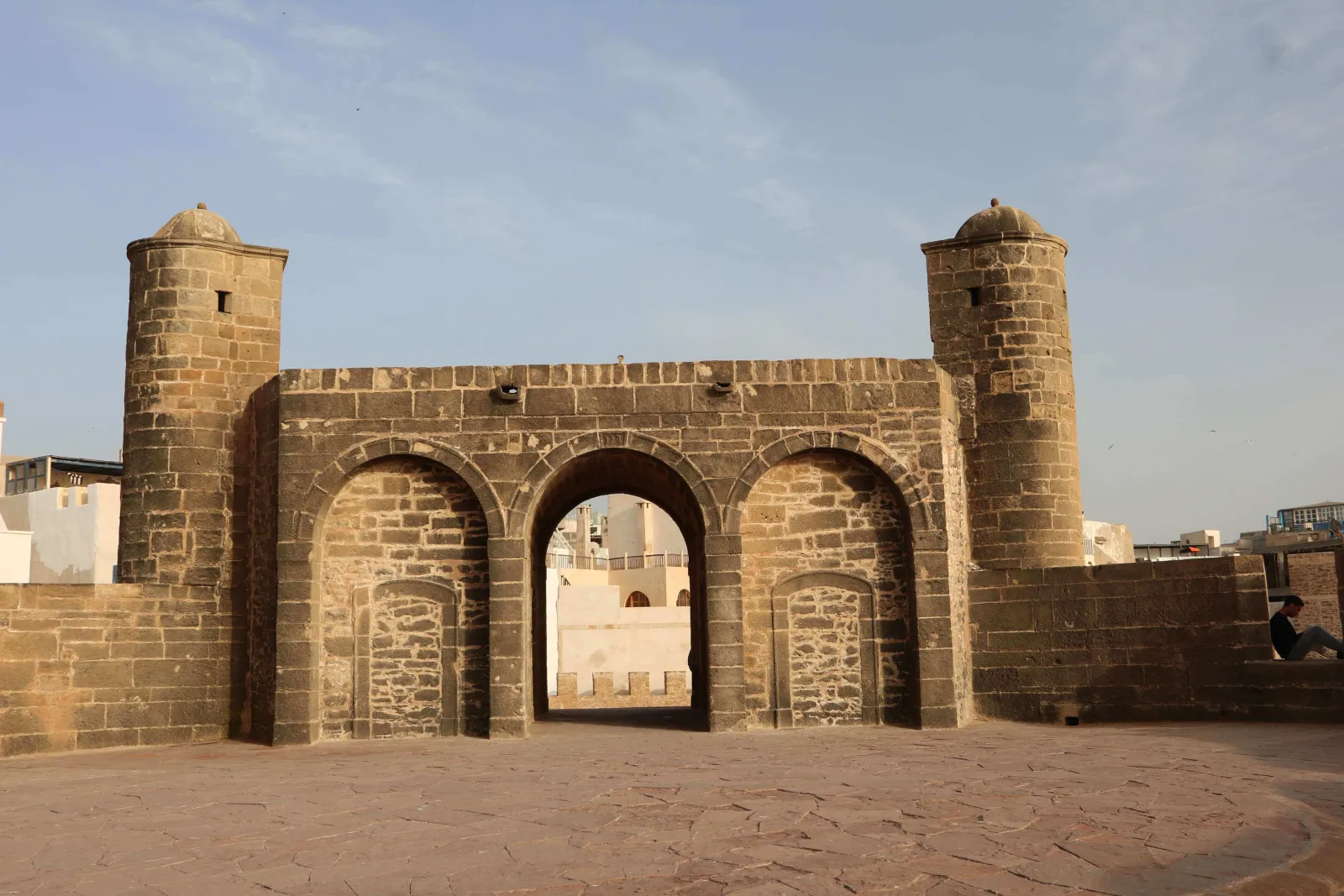
Ait Ben Haddou stands as Morocco’s most cinematic location and one of the country’s most impressive structures. This UNESCO World Heritage Site is a ksar—a fortified village made of earth and clay—perched on a hill above a seasonal river on the former caravan route between Marrakech and the Sahara. The settlement dates primarily from the 17th century, though the patterns of building here stretch back centuries earlier.
In Game of Thrones, the Ait Benhaddou scenes represent Yunkai, the yellow city in Slaver’s Bay. The production chose this location for several scenes across Season 3, including the aftermath of the Battle of Yunkai with Daario, Grey Worm, and Jorah victorious in the streets.
The “Mhysa” finale was filmed just outside the ksar. Daenerys’s army encamped on the open plain below the terraced buildings, and when the freed Yunkai slaves stream out to surround their liberator, the stepped silhouette of Ait Ben Haddou rises behind them. The production added CGI harpy statues and monumental gates, and built a special entrance for the crowd scene—but the terraced mud-brick houses and the agadir (granary) at the summit are exactly what visitors see today.
“The digital harpies have gone, but the stone walls and stepped alleys you walk are the same.”
The main bridge across the riverbed offers classic postcard views of the ksar that echo establishing shots for Yunkai. This is where you can imagine Daenerys’s army watching the city from their encampment.
Climb the winding path through narrow alleys to reach the granary at the summit. From the top, you’ll see the surrounding semi-desert and modern village across the river—an “over the city” perspective similar to aerial shots in the series.
The stepped alleys lined with mud-brick buildings and wooden doors provide the closest match to interior Yunkai shots, where guards run, and slaves pour into the streets during the battle sequences.
Ait Ben Haddou lies about 4 hours southeast of Marrakech via the Tizi n’Tichka Pass, one of Morocco’s most scenic mountain crossings. Morocco Classic Tours arranges private drivers who handle the winding roads while you enjoy views of the Atlas Mountains and Berber villages along the way.
Most guests combine Ait Ben Haddou with an overnight near the ksar or in Ouarzazate, avoiding a punishing same-day return to Marrakech. From there, many continue toward the Sahara desert camps in Merzouga or through the Dades and Todra Gorges.
What is the most famous Kasbah in Morocco? Among Morocco’s most famous fortified sites, Ait Ben Haddou consistently tops the list—though technically it’s a ksar (fortified village) rather than a kasbah (fortified residence). The nearby Taourirt Kasbah in Ouarzazate and Telouet Kasbah in the High Atlas also rank among Morocco’s most impressive. For Game of Thrones fans, Ait Benhaddou remains the must-visit destination.
Ouarzazate sits at the edge of the Sahara, a city located roughly 30 minutes from Ait Ben Haddou that has earned the nickname “Gateway to the Sahara.” But for film enthusiasts, it’s equally known as Hollywood’s favorite African backlot.
Atlas Studios sprawls across approximately 80 acres just outside Ouarzazate, making it one of the largest studio complexes in the world by land area. The facility maintains standing sets from dozens of productions: ancient temples, biblical cities, desert fortresses, and medieval compounds that can be redressed for any era or fictional world.
For Game of Thrones, the production reused and modified existing sets—including structures originally built for Kingdom of Heaven—to create parts of Pentos and Astapor. The unaired pilot filmed Illyrio Mopatis’s mansion here, and Season 3 used the studios for courtyard scenes, slave market interiors, and expanded city views that don’t immediately register as “Ouarzazate” to casual viewers.
These studio set environments blend seamlessly with Moroccan architecture when combined with CGI extensions. The tight framing and heavy production design transform the backlots into generic Essos rather than recognizable film sets.
Taourirt Kasbah sits on the edge of Ouarzazate itself, a massive earthen fortress that once served as a residence of the powerful Glaoui family. Its labyrinthine interior contains dozens of rooms with decorated ceilings and high mud-brick walls that closely resemble backgrounds used for Essos—and featured prominently in other productions like Gladiator and Kingdom of Heaven.
Visitors can tour interior rooms for a small entrance fee, and the crenellated towers and ochre walls provide excellent photo opportunities. Even if you can’t pinpoint exact scenes from the TV series, the atmosphere is unmistakably “Essos-like.”
Atlas Studios offers guided tours typically running 1–2 hours, walking visitors through open-air sets, prop warehouses, throne rooms, and palace interiors. While specific Game of Thrones signage may be limited, guides often point out where GoT scenes were filmed alongside locations from Gladiator, Ben Hur, and many movies spanning decades.
Morocco Classic Tours can pre-arrange entry times and provide a private driver who waits during your tour, then continues to Ait Ben Haddou, the Sahara route, or back to Marrakech.
One lesser-known location appears in Season 3’s tent negotiation sequence, where Daenerys receives Yunkai’s emissaries in a desert pavilion. This was filmed in the semi-desert area near Tazentoute, a small locality between Ait Ben Haddou and Ouarzazate. On screen, the scene is mostly interior shots, but when the tent flaps open, you see the tawny hills typical of this corridor.
Morocco Classic Tours can add a brief photo stop near Tazentoute when driving between Ouarzazate and Ait Ben Haddou, offering a “behind the scenes Slaver’s Bay” experience for dedicated fans.
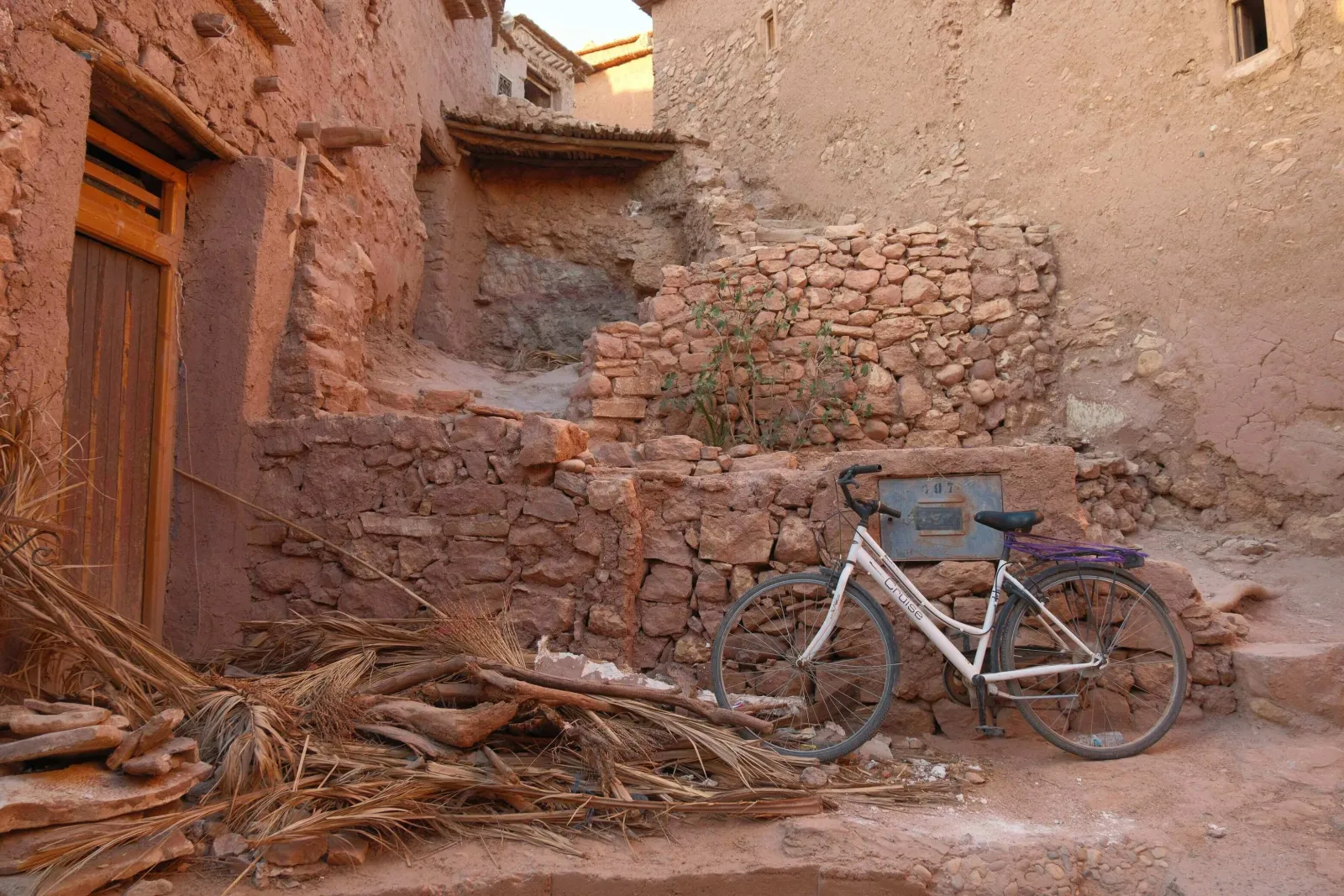
Essaouira is a white-and-blue Atlantic port city about 2–3 hours west of Marrakech, historically known as Mogador. Its medina, fortified in the late 18th century, earned UNESCO World Heritage status for being a well-preserved example of a fortified city blending North African and European urban styles. Today it’s also known as Morocco’s windy city, drawing surfers and kitesurfers to its breezy beaches.
For Game of Thrones, Essaouira became Astapor—the red city where Daenerys first encounters and ultimately frees the Unsullied army. The show used the town’s stone sea walls, bastions, cannons, and harbor as the core physical world of Astapor across several scenes in Season 3.
In “Valar Dohaeris” (S3E1), Daenerys arrives in Astapor by ship and walks along the city walls while debating the ethics of purchasing slave soldiers with Jorah. The harbor and waterfront sequence, where she’s almost assassinated before Ser Barristan Selmy intervenes also filmed here.
“Walk of Punishment” (S3E3) continues on Essaouira’s ramparts, with shots of the fortified walls serving as backdrop for Daenerys’s strategic discussions. While the crucified slaves were digitally composited, the sea bastions and cannons pointing toward the Atlantic are physically present.
Skala de la Ville / Bastion Nord: The iconic seaward ramparts with a line of bronze cannons provide the main walking area Daenerys uses throughout her Astapor scenes. This is the most recognizable Game of Thrones filming location in Essaouira.
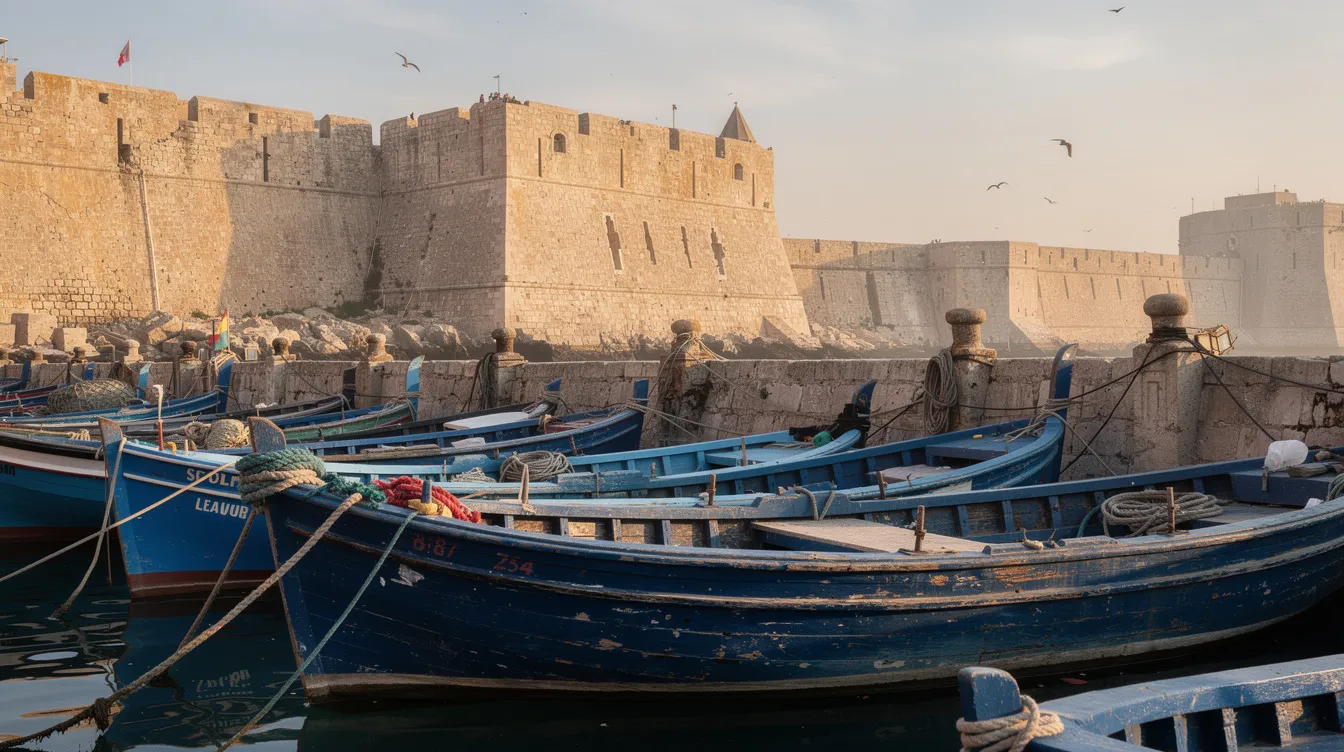
Sqala du Port and Harbor: The little harbor with iconic blue fishing boats beneath stone arches appears when Daenerys and Jorah stroll through Astapor. You can see these boats today, largely unchanged from their on-screen appearance.
Medina Streets Near the Ramparts: Short stretches of narrow alleys and market-like streets appear in Astapor sequences, though heavy production design—slave chains, banners, fire braziers—transformed everyday streets into the slave city.
Where was Game of Thrones filmed in Essaouira Morocco? Key locations include the Skala de la Ville / Bastion Nord ramparts, the Sqala du Port harbor area with blue fishing boats, and medina alleys near the ramparts.
Fans can walk the Skala de la Ville at sunset, looking over the Atlantic as Daenerys did when surveying Astapor. Look down at the blue fishing boats below the ramparts—they form the unmistakable background from Season 3 episodes. The compact, walkable medina makes it easy to explore all major Astapor locations in a few hours.
Morocco Classic Tours offers private day trips from Marrakech to Essaouira, often including stops at argan oil cooperatives in the argan tree region en route. We also design longer coastal extensions linking Essaouira with Casablanca and Rabat for travelers with more time along Morocco’s Atlantic coast.
Morocco Classic Tours specializes in private, customizable itineraries that integrate Game of Thrones filming locations with desert experiences, Imperial Cities, and coastal stays. Unlike rushed group schedules, our private tours give you time for photos at each location, flexible timing, and the ability to combine fan destinations with broader Moroccan highlights.
Route 1: Marrakech – Ait Ben Haddou – Ouarzazate – Sahara – Fes (5-7 days)
Day 1: Depart Marrakech, cross Tizi n’Tichka Pass, afternoon at Ait Ben Haddou (Yunkai), overnight near the ksar or in Ouarzazate
Day 2: Atlas Studios and Taourirt Kasbah, continue via Dades or Todra Gorges
Day 3-4: Merzouga/Erg Chebbi dunes, camel trek to desert camp, stargazing
Day 5+: Continue north via Midelt to Fes
Route 2: Marrakech – Essaouira – Casablanca/Rabat (3-4 days)
Day 1: Morning drive to Essaouira (Astapor), afternoon on the ramparts
Day 2: Leisurely coastal drive to Casablanca, then Rabat
Day 3+: Explore the Kasbah of the Udayas, return to Marrakech, or continue north
Several Moroccan tour companies now market thrones morocco locations, but Morocco Classic Tours stands out as a local specialist with deep knowledge of specific episode-to-location matches. We can arrange everything from Tazentoute photo stops to luxury desert camp upgrades, all with private driver-guides who understand both the filming history and the cultural context of each site.
When you book a private driver for a custom tour of Game of Thrones filming sites in Morocco, your experience includes:
Hotel/riad pickup: No navigating taxis or bus stations
Flexible timing: Adjust for sunset photography at Essaouira’s ramparts or golden hour at Ait Ben Haddou
Photo stops: Pause at viewpoints in the High Atlas, desert valleys, or lesser-known kasbahs
Scene-by-scene commentary: Guides can highlight specific filming spots while also explaining Moroccan history and culture
Ready to plan your Slaver’s Bay adventure? Contact Morocco Classic Tours to design a custom Game of Thrones itinerary with desert camp upgrades, camel treks, and sunrise over the Sahara dunes.
Private tours work especially well for couples, families, and small groups who want unhurried time at each filming spot rather than competing with crowds on a bus tour.
For thrones fan planning a themed trip, rewatching key episodes enhances the experience of visiting these locations. But where to watch Game of Thrones in morocco requires some planning.
Game of Thrones is an HBO property, available on streaming platforms that vary by region:
Max (formerly HBO Max): Available in many countries; check if your subscription works internationally
Regional partners: OSN+ covers the Middle East/North Africa, while Sky, Crave, and others serve different regions
Your home subscription: Many travelers simply use their existing service via roaming or VPN, subject to licensing terms
The most reliable approach: download episodes for offline viewing before you leave home. Max and similar platforms support offline downloads on mobile apps, ensuring you can watch regardless of local connectivity.
Marrakech, Fes, Casablanca, Rabat: Many riads and hotels offer strong Wi-Fi suitable for streaming
Ait Ben Haddou, Ouarzazate, Sahara desert camps: Connectivity can be slow, intermittent, or mobile-only—plan as if you’ll be offline
We recommend re-watching key Season 3 episodes before arriving: S3E1 “Valar Dohaeris,” S3E3 “Walk of Punishment,” S3E4 “And Now His Watch Is Ended,” and S3E10 “Mhysa.” Bring headphones and a tablet or laptop with downloaded content.
Travel tip: Check regional licensing terms for your streaming subscription before departure. Avoid unofficial streaming sites while in Morocco—stick to legal services or content downloaded from home.
Morocco Classic Tours can schedule relaxed evenings in riads or desert camps where you can enjoy an episode under the stars if you’ve brought a device with downloaded content.
Many thrones morocco locations—Ait Ben Haddou, Ouarzazate, Tazentoute—sit on the edge of the desert or in semi-arid zones. Essaouira presents the opposite challenge: strong Atlantic winds and cooler temperatures. Thoughtful packing makes the difference between comfortable exploration and a challenging trip.
Category | Items | Why |
|---|---|---|
Daywear | Lightweight long-sleeved shirts, trousers | Sun protection, modesty norms |
Evening layers | Fleece or sweater | Desert nights can be cold, even in the shoulder seasons |
Windbreaker | Light jacket | Essential for Essaouira’s winds and High Atlas mornings |
Wide-brimmed hat or cap
Sunglasses with UV protection (desert glare is intense)
High-SPF sunscreen (SPF 30-50), applied regularly
Lip balm with SPF
Light scarf or shemagh—doubles as sun protection and sand shield during camel treks.
Closed-toe walking shoes or trainers: Essential for uneven stone steps at Ait Ben Haddou and kasbah paths
Sandals or flip-flops: For riads, beaches in Essaouira, and relaxed evenings
Reusable water bottle
Small daypack for daily excursions
Power bank (charging points limited in desert camps)
Universal plug adapter (Morocco uses Type C and E/F European plugs, 220V)
Offline maps and episode lists for reference
Basic travel pharmacy: plasters, painkillers, rehydration salts
Hand sanitizer and tissues
Motion sickness medication (if prone, for mountain passes)
Personal medications with prescription copies
Morocco Classic Tours provides desert camp bedding, blankets, basic toiletries, and meals in remote areas. You mainly need personal clothing, electronics, documents, and any specialty equipment.
No. There is no known Moroccan town, village, or filming location officially named “Agapenta.” The name does not appear in Moroccan geographic databases or tourism records. It may be a mishearing of another name (Astapor, Pentos, Ait Ben Haddou) or a term from fan fiction unrelated to actual geography.
Stick to verified thrones filming locations: Ait Ben Haddou, Essaouira, Ouarzazate/Atlas Studios, and Tazentoute.
On-Screen City | Real Location | Notes |
|---|---|---|
Yunkai (Yellow City) | Ait Ben Haddou | Exteriors, “Mhysa” finale |
Astapor (Red City) | Essaouira + Ouarzazate sets | Ramparts, harbor, and some interiors |
Pentos | Atlas Studios sets | Reused Kingdom of Heaven structures |
CGI blended these real Moroccan locations with fantasy elements—harpy statues, extended walls, massive armies—but the core architecture visitors see today matches what appeared on screen.
Kasbah: Fortified residence or citadel, often belonging to a ruling family. Example: Taourirt Kasbah in Ouarzazate
Ksar (plural: ksour): Fortified village or communal complex. Example: Ait Ben Haddou
Medina: Historic walled old town with narrow alleys and souks. Example: Essaouira’s medina
Ramparts: Defensive walls surrounding a city or port
Skala/Sqala: Fortified sea bastion built for cannon defense
Some online lists incorrectly claim additional Moroccan locations for Game of Thrones. For authenticity, focus on confirmed sites: Ait Ben Haddou, Essaouira, Atlas Studios, and Tazentoute.
A thrones-themed itinerary doesn’t have to feel single-minded. These filming locations naturally intersect with Morocco’s most iconic experiences, creating journeys that satisfy both dedicated fans and travelers who’ve never watched an episode.
Start in Marrakech with two nights exploring the souks, Jemaa el-Fnaa square, and palaces. Drive to Essaouira for Astapor scenes and fresh seafood along the Atlantic. Return to Marrakech, then cross the High Atlas via Tizi n’Tichka to Ait Ben Haddou and Ouarzazate for Yunkai and studio sets. Continue to Merzouga for a Sahara desert camp with camel treks and stargazing. End in Fes, exploring the world’s largest car-free medina.
This route covers all the Game of Thrones filming locations while showcasing beautiful landscapes from coastal ramparts to mountain passes to desert dunes.
Tea with Berber families in Atlas villages
Argan oil cooperative visits between Marrakech and Essaouira
Cooking classes in riads
Music evenings with gnawa musicians in desert camps
Market visits in Imperial Cities
Spring (March-May) and Autumn (September-November) offer the ideal balance:
Comfortable temperatures in the desert and Ait Ben Haddou
Passable mountain passes without excessive heat or snow
Pleasant conditions in Essaouira
Summer (June-August): Very hot inland (35-45°C in Ouarzazate), though Essaouira remains cool. Winter (December-February): Sunny but crisp days, cold desert nights, potential snow on High Atlas passes.
Contact Morocco Classic Tours to customize trip length, choose between standard and luxury desert camps, and set the pace of your thrones location visits.
Essaouira is the simplest option, reachable as a comfortable day trip from Marrakech (2-3 hours each way). You can see the main Astapor ramparts and harbor in a few hours. Ait Ben Haddou is reachable as a long day trip via the High Atlas, though an overnight stay is more comfortable. Morocco Classic Tours commonly arranges private day tours to Essaouira and 2-3 day mini-tours covering Ait Ben Haddou and Ouarzazate.
It’s possible but challenging. Public buses connect Marrakech to Essaouira and Ouarzazate, but schedules are infrequent, and the final leg to Ait Ben Haddou requires shared taxis that may be sporadic. Tazentoute has no regular public transport. For a comprehensive circuit linking all filming locations with flexible timing and photo stops in the High Atlas and desert valleys, we recommend booking a private driver-guide with Morocco Classic Tours.
Essaouira’s medina and most ramparts are freely accessible, though some bastions like Sqala du Port charge a small fee (typically a few dozen dirhams). Ait Ben Haddou may involve small local fees or expectations of hiring a local guide for certain areas. Atlas Studios charges a set admission fee for guided tours. Carry Moroccan dirhams in cash for site fees, guides, and tips—card payments aren’t always accepted in rural areas.
Essaouira, Ouarzazate, and Ait Ben Haddou are generally safe and family-friendly. However, terrain varies: Essaouira is relatively flat, while Ait Ben Haddou involves climbing uneven earthen steps that can challenge young children or those with mobility concerns. Choose accommodations with easy vehicle access and air conditioning, visit exposed sites during cooler morning or late afternoon hours, and let Morocco Classic Tours adjust itineraries for shorter walking distances and extra rest stops.
Not at all. These are centuries-old kasbahs, coastal ramparts, and desert gateways with deep Moroccan history and rich history independent of any tv series. Ait Ben Haddou is a UNESCO World Heritage Site, Essaouira’s medina earned the same recognition, and the Sahara desert speaks for itself. Morocco Classic Tours guides tailor commentary for both dedicated fans who want scene-by-scene breakdowns and travelers who simply appreciate beautiful landscapes, ancient architecture, and authentic cultural experiences.
Compare Morocco group tour agencies by trip style, reviews, pace, transport and inclusions. Learn wh...
Read this article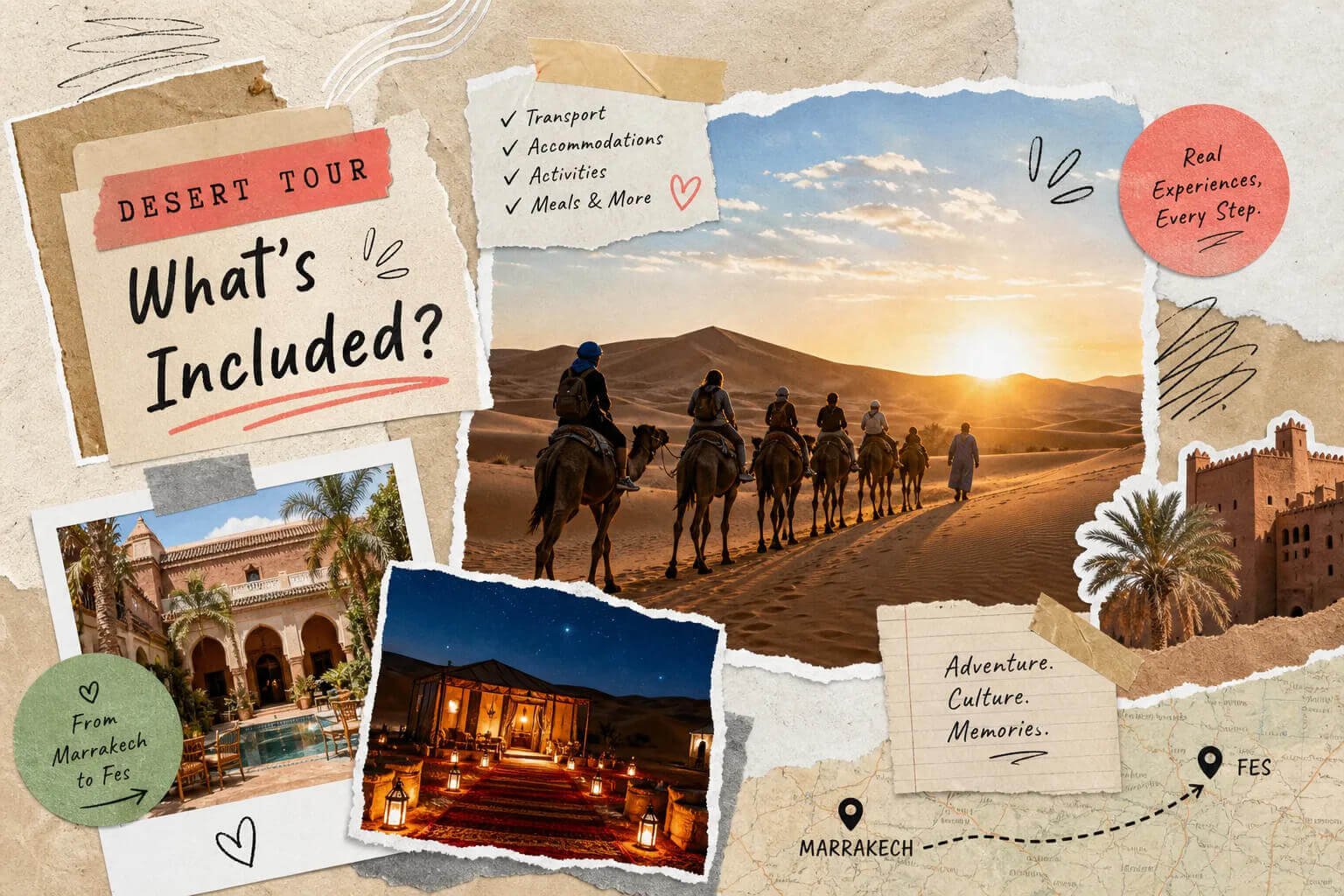
Uncover what a Marrakech to Fes desert tour offers, including camel rides, desert camps, and rich cu...
Read this article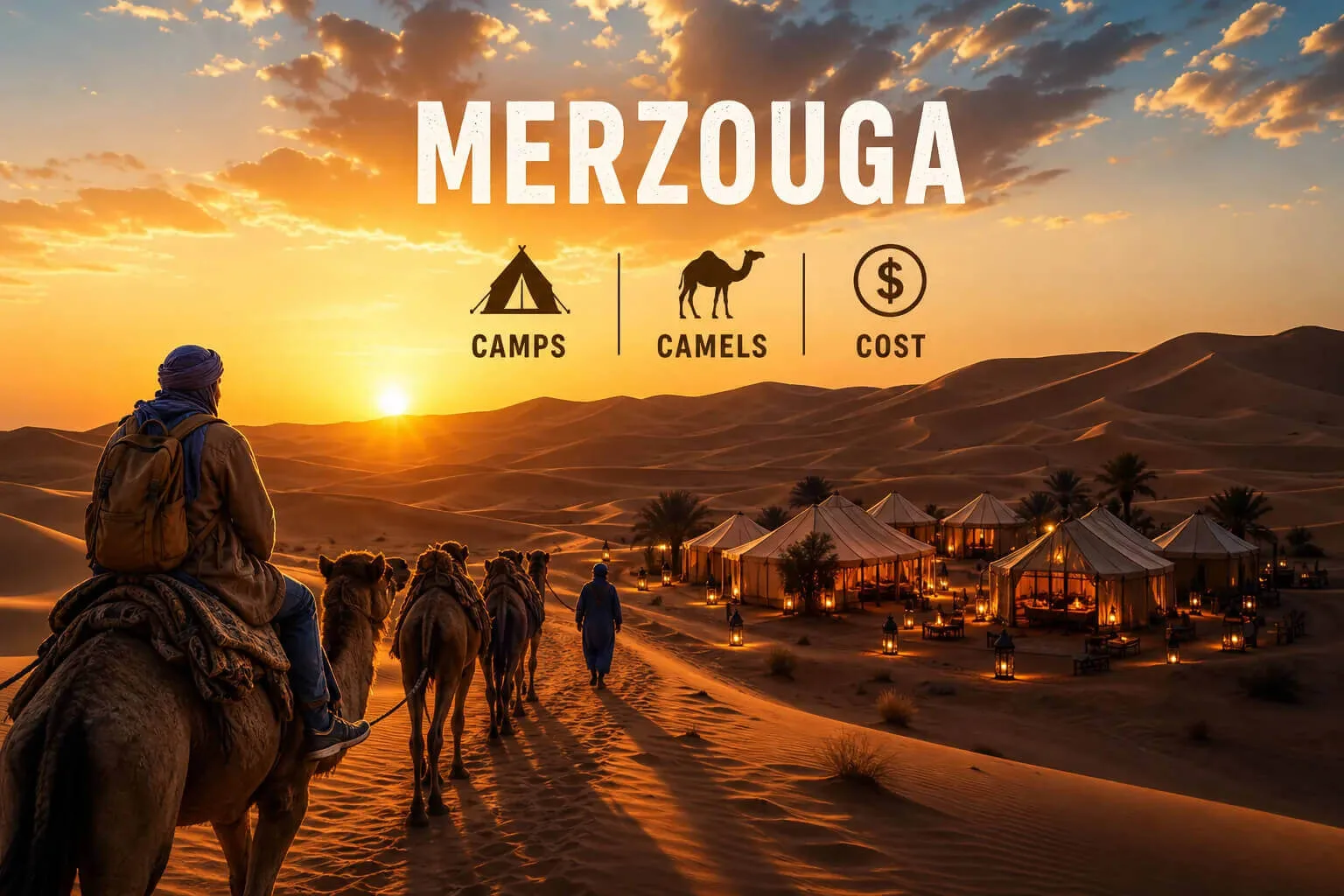
Join our Merzouga Overnight Tour for an authentic desert experience. Enjoy camel rides, comfortable ...
Read this articleWant cool tour deals and tips about Morocco? Enter your email and we’ll send them to you each month!
