Group Tour Agencies in Morocco: How to Pick the Right One
Compare Morocco group tour agencies by trip style, reviews, pace, transport and inclusions. Learn wh...
Read this article

Private, custom Morocco trips planned in Fez by AZ-ZDDINE, working in Moroccan tourism since 2012. Sahara, Atlas, medinas and coast, arranged around you.
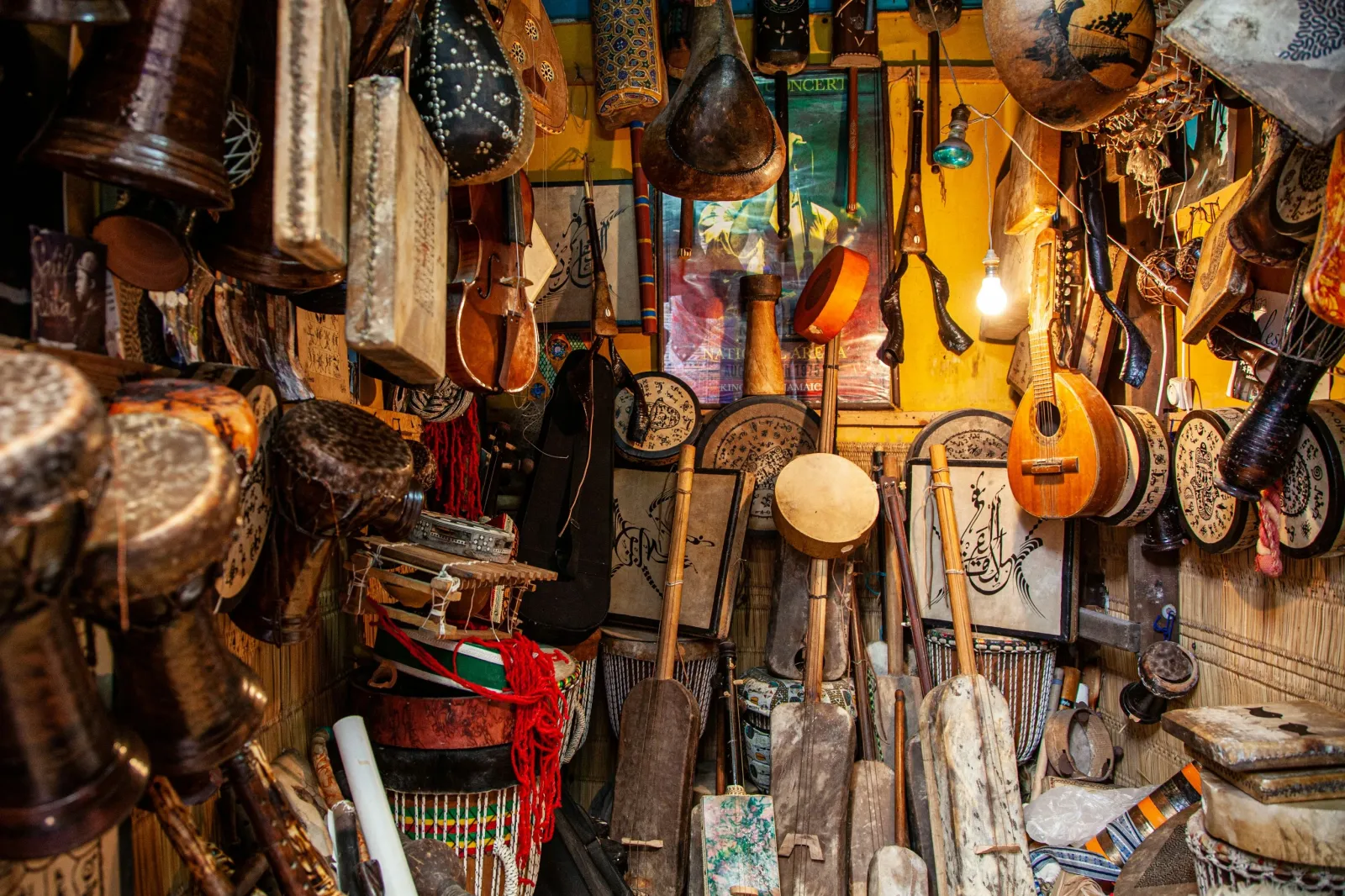
Moroccan traditional music is not a single genre but a rich mosaic rooted in Amazigh (Berber), Arab-Andalusian, Gnawa, Sufi, and Saharan heritage spanning over a thousand years.
Core styles include Andalusian al-ala, Berber village music (Ahidus, Ahwash, Aita), gnawa music, Chaabi folk-pop, and Sufi devotional chants.
Distinctive instruments like the oud, rebab, guembri, bendir, derbouka, qarqaba, and ghaita create Morocco’s unmistakable sounds.
Travelers can experience live performances in Fez, Marrakech, Essaouira, and Sahara camps with local guides from Morocco Classic Tours.
Streaming platforms, festivals, apps, and online courses now make Moroccan music accessible worldwide.
The music of Morocco has echoed through medinas, mountain villages, and desert camps for over a millennium. From the Idrisid dynasty in the 8th century through the Andalusian migrations between the 12th and 15th centuries, traditional Moroccan music evolved as a living tapestry woven from diverse threads—Amazigh chants predating Arab arrival, refined Andalusian court compositions, West African rhythms brought by Gnawa ancestors, and Sufi devotional songs seeking divine connection.
Key genres of traditional Moroccan music include classical Andalusian, spiritual Gnawa, popular Chaabi, and regional folk styles like Ahwash and Reggada. Each regional style signals specific tribal or geographic affiliations, reinforcing cultural identity. Moroccan music reflects the country's diversity and is shaped by centuries of cultural exchange.
This music accompanies every significant moment in Moroccan life. Weddings pulse with derbouka drums and violin melodies. Harvest festivals in the High Atlas fill valleys with bendir rhythms and collective singing. Saints’ festivals (moussems) draw pilgrims with Sufi hadra ceremonies. Even daily market life carries the sounds of itinerant musicians.
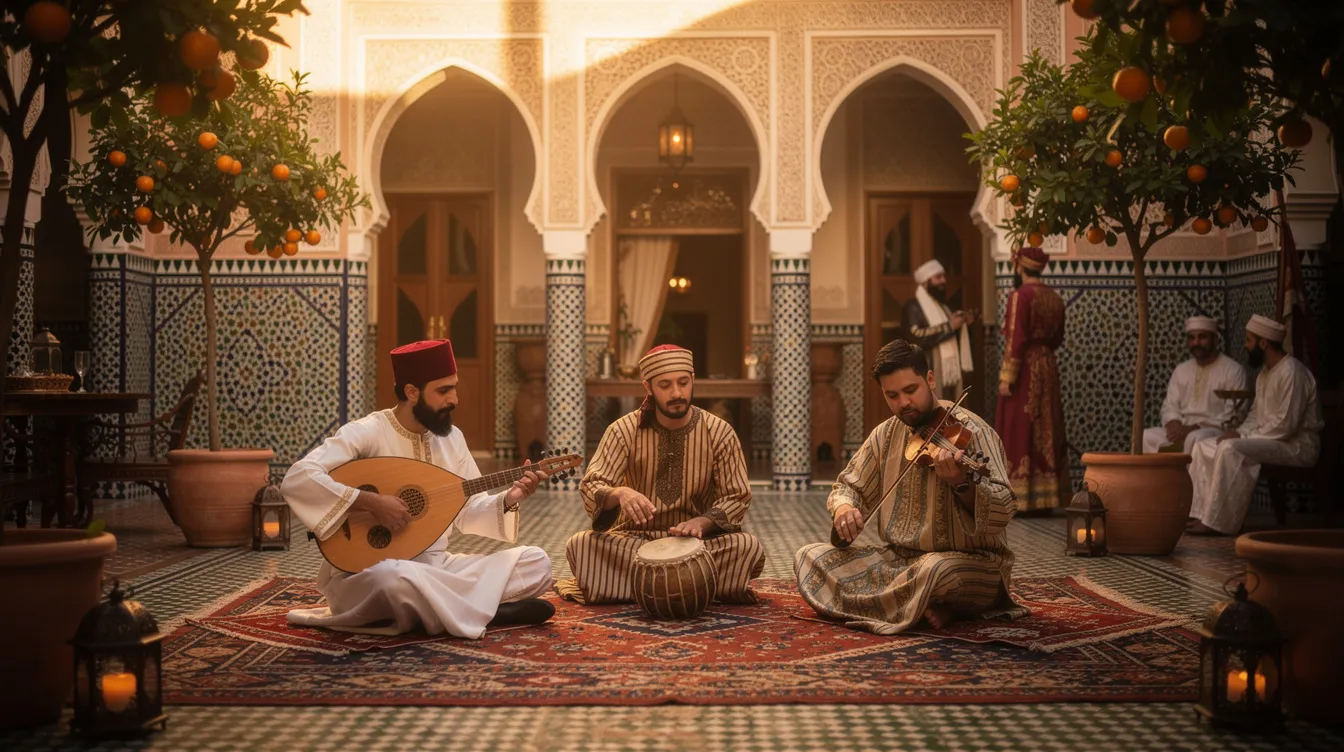
As a Fez-based travel agency, Morocco Classic Tours regularly weaves live music encounters into our itineraries—from Andalusian orchestras in ancient riads to village Ahidus performances and Gnawa nights in Essaouira’s medina, where qraqeb castanets echo off whitewashed walls.
What is the traditional music of morocco? Rather than a single genre, it encompasses multiple regional musical styles that have developed across the country’s diverse geography. The principal families include Andalusian al-ala (classical court music of northern cities), Berber music from Atlas and Rif communities, gnawa rhythms rooted in sub saharan africa, urban Chaabi and rural Aita folk songs, Sufi brotherhood chants, and Saharan desert traditions.
Moroccan folk music, as a term, typically refers to styles like Aita, Ahidus, Ahwash, and village Amazigh songs performed at weddings, harvests, and festivals. Since the late 20th century, these forms have fused with jazz, rock music, reggae, hip hop, and even heavy metal while preserving core poetry and rhythmic structures. Led Zeppelin guitarist Jimmy Page and jazz pioneer Ornette Coleman both drew inspiration from North African sounds, demonstrating Morocco’s influence on world music.
Moroccan Andalusian music arrived with Muslim and Jewish refugees fleeing Spain between the 12th and 15th centuries, establishing an elite classical music tradition in Fez, Tetouan, Rabat-Salé, and Oujda. This Andalusian music represents Morocco’s most refined musical heritage.
Al-ala is structured around extended suites called nuba, traditionally lasting six to seven hours and divided into five rhythmic modes (mizan). Each nuba features instrumental preludes and up to twenty vocal pieces drawing on Arabic poetry—muwashshahat and zajal forms from poets like Ibn al-Khatib. The innovations of Ziryab, a 9th-century musician in Córdoba, laid the foundations for this nuba form that influenced classical music across North Africa and the Middle East.
Typical orchestras feature oud (lute), rebab, violin played vertically on the knee, qanun, derbouka, and tar. Travelers can hear these ensembles at conservatories in Fez and Tetouan, or through Andalusian evenings, Morocco Classic Tours includes in cultural itineraries.
Amazigh folk music represents Morocco’s oldest musical roots, predating Arab arrival by millennia. These traditions thrive in communities across the Rif, Middle, and High Atlas, Anti-Atlas, and Souss regions.
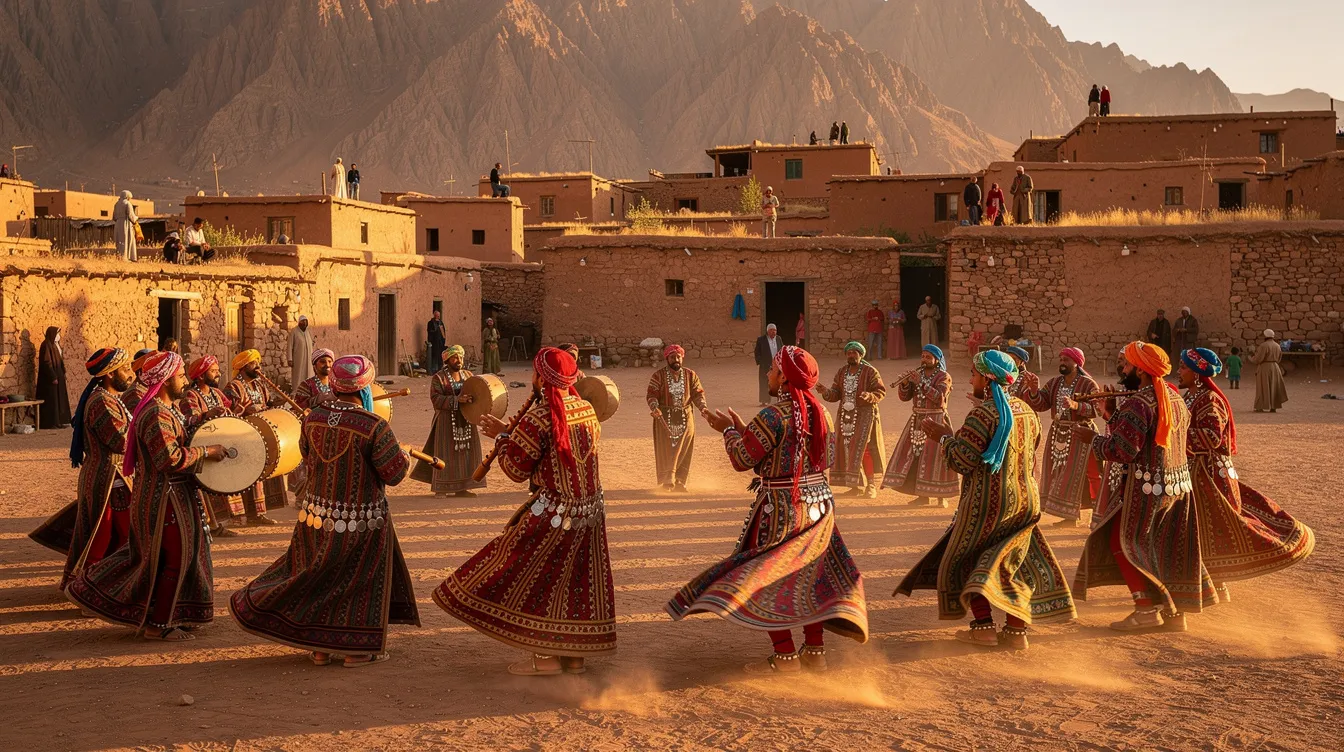
Ahidus features circle dances in the Middle and High Atlas where men and women stand shoulder-to-shoulder, accompanied by bendir drums and chanted poetry addressing love, bravery, and village life. The singing builds through call-and-response patterns, with the audience becoming participants.
Ahwash, found in southern morocco around Ouarzazate and Taroudant, presents larger theatrical performances—usually at night—with multiple rows of singers and dancers, complex polyrhythms, and intense percussion creating hypnotic rhythms that continue for hours.
Professional troubadours called Rwais travel the Souss region performing poetry accompanied by ribab (spike fiddle) or lotar, commenting on politics and history. Festivals like the Imilchil Marriage Festival showcase these traditions, and Morocco Classic Tours can route private trips through Atlas villages to witness live performances.
Gnawa music emerged from descendants of enslaved people brought from West Africa (Mali, Niger, Chad) to southern morocco from the 16th century onward, blending Islamic Sufism with ancestral ritual practices. This genre remains central to Morocco’s spiritual and musical identity.
The core ceremony, called lila or derdeba, is an all-night ritual led by a maâlem (master musician) playing the guembri (three-string bass lute). Gnawa musicians use qraqeb (metal castanets) to produce interlocking polyrhythms while invoking spirits (mluk) associated with different colors for healing and trance. These hypnotic rhythms build gradually, accompanied by chants to Sidi Bilal and other saints.
The Essaouira Gnaoua and World Music Festival, founded in 1998, has internationalized gnawa by pairing maâlems with artists like Marcus Miller and Carlos Santana. Contemporary producers sample gnawa grooves for jazz, funk, reggae, and electronic tracks. You can listen to gnawa on Spotify, Apple Music, and YouTube by searching dedicated playlists.
Morocco Classic Tours offers Gnawa experiences in Essaouira, Khamlia village near Merzouga, and desert camps where travelers hear live sintir and qraqeb around the fire.
Chaabi (meaning “popular”) is Morocco’s urban folk music, grown from rural Aita traditions into a staple at weddings, souks, and taxi rides across Casablanca, Rabat, and Marrakech. You’ll hear chaabi at virtually any celebration.
Aita originated on the Atlantic plains with shikhates (female singers) delivering powerful vocal “cries” accompanied by violin, lute, and frame drums. Songs narrate stories of love, revolt, and daily life through poetry passed down through generations. The music style typically moves from slow instrumental preludes to faster dance sections with clapping and audience participation.
Instruments in Chaabi include violin as lead melody, oud or banjo, electric guitars, and keyboard in modern groups, bendir, taarija, and derbouka. The ghaita shawm appears in processions. Neighboring Algeria’s Rai music also influenced northeastern morocco, particularly around Oujda, where these styles blend.
Sufi music serves the devotional practices of Moroccan Sufi orders, including the Boutchichiyya, Aissawa, Hamadsha, and Jilala. These groups use rhythmic dhikr (remembrance chants) to achieve spiritual ecstasy.
Hadra rituals feature call-and-response litanies, handclapping, bendir drums, and often the piercing ghaita shawm, leading participants into swaying trance states. Moussems like Moulay Idriss Zerhoun place sufi music at the center of pilgrimage and communal celebration.
The Fes Festival of World Sacred Music and Festival of Sufi Culture showcase these traditions alongside international spiritual musicians—events Morocco Classic Tours can incorporate into festival-focused itineraries.
Southern Morocco’s Saharan music reflects Arab, Amazigh, and Hassani (Moorish) influences alongside connections to Mali and Mauritania’s “desert blues.” Near Tafilalt, Draa Valley, and Zagora, distinct traditions flourish.
Guedra is a Saharan ritual dance built around a ceramic pot drum, performed by women using hand gestures and ululations in trance-inducing sequences. Hassani poetry, accompanied by tidinit lute and tbal drums, links Moroccan sounds with broader Sahelian repertoires.
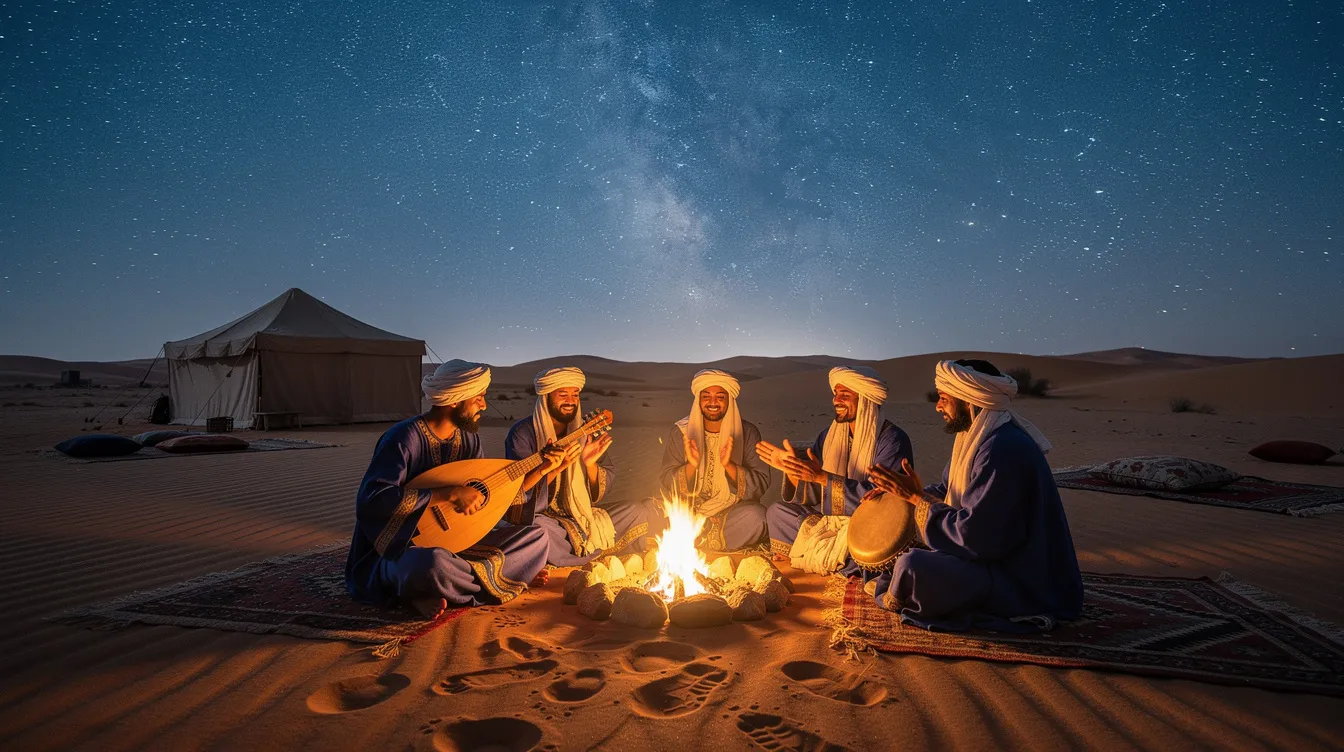
Morocco Classic Tours’ Sahara camps near Merzouga and M’Hamid host traditional percussion and song evenings where travelers experience authentic desert melodies under the Milky Way.
A compact family of instruments underpins most Moroccan musical styles:
Strings: Oud (lute), rebab (spike fiddle), violin, guembri/sintir, lotar
Percussion: Bendir (frame drum), derbouka (goblet drum), taarija, tbel, tar
Winds: Nay (flute), ghaita (shawm), mijwiz
Idiophones: Qarqaba/qraqeb (iron castanets)
The qarqaba is essential to Gnawa, producing interlocking rhythmic patterns. Travelers find authentic instruments in artisan workshops in Fez medina and Marrakech souks—Morocco Classic Tours can include instrument-shopping stops in city itineraries.
Modern listeners can explore traditional Moroccan music through multiple digital channels. Streaming services like Spotify, Apple Music, Deezer, and YouTube host playlists titled “Moroccan Traditional Music,” “Gnawa,” “Andalusian al-ala,” and “Amazigh/Berber Music.”
For learning, platforms like Udemy and Skillshare offer courses on oud, darbuka, and gnawa rhythms. Some Moroccan maâlems now teach via Zoom. Producers seeking samples can explore Loopmasters and Splice for “Gnawa” and “Moroccan percussion” packs.
To buy instruments online, look for specialized world music shops based in North Africa or Europe, favoring fair-trade artisan sellers over mass-produced replicas. Labels like Smithsonian Folkways still press CDs of Andalusian, Gnawa, and Amazigh recordings.
Morocco Classic Tours specializes in private, customizable cultural trips that weave traditional music into every itinerary. Our Fez tours can include evening concerts with al-ala orchestras and conservatory visits. Atlas excursions pass through villages where arranged Ahidus performances and tea with musicians create authentic connections.
Gnawa experiences range from guided visits to Essaouira’s musicians’ quarters to intimate shows in Khamlia during Sahara circuits. For Sufi music, we coordinate trips during the Fes Festival of World Sacred Music or arrange hadra attendance when culturally appropriate.
Our Sahara desert camps feature nightly drumming, songs, and storytelling around fires—integrated with camel rides, ATV experiences, and cultural city tours throughout morocco.
The core families are Andalusian classical (al-ala), Amazigh village music (Ahidus, Ahwash), Gnawa ritual music, Chaabi and Aita folk-pop, Sufi brotherhood music, and Saharan styles like Guedra. Each reflects a different regional history and serves distinct social functions, from weddings to spiritual healing.
Spotify, Apple Music, Deezer, YouTube, and Anghami host numerous playlists. Search “Gnawa,” “al-ala Andalusian,” “Moroccan Chaabi classics,” “Amazigh music,” and “Sufi Morocco.” Some Moroccan radio stations also stream folk channels live through their apps.
While few apps focus solely on Moroccan music, learners can use generic oud or darbuka apps plus YouTube tutorials and Udemy courses. Some Moroccan conservatories and maâlems offer Zoom lessons on guembri, derbouka, and Andalusian rhythms.
Yes—look for reputable world music instrument shops based in North Africa or Europe and artisan sellers on global marketplaces. Check the maker's reputation and material quality. Visiting with Morocco Classic Tours allows direct purchases from craftsmen in Fez and Marrakech.
Large festivals dedicated solely to Moroccan music are rare in the US, but Gnawa groups and Moroccan ensembles appear at world music, jazz, and North African cultural festivals in New York, Washington, DC, and Los Angeles. Check the university Middle East centers and cultural institutes for current schedules.
Compare Morocco group tour agencies by trip style, reviews, pace, transport and inclusions. Learn wh...
Read this article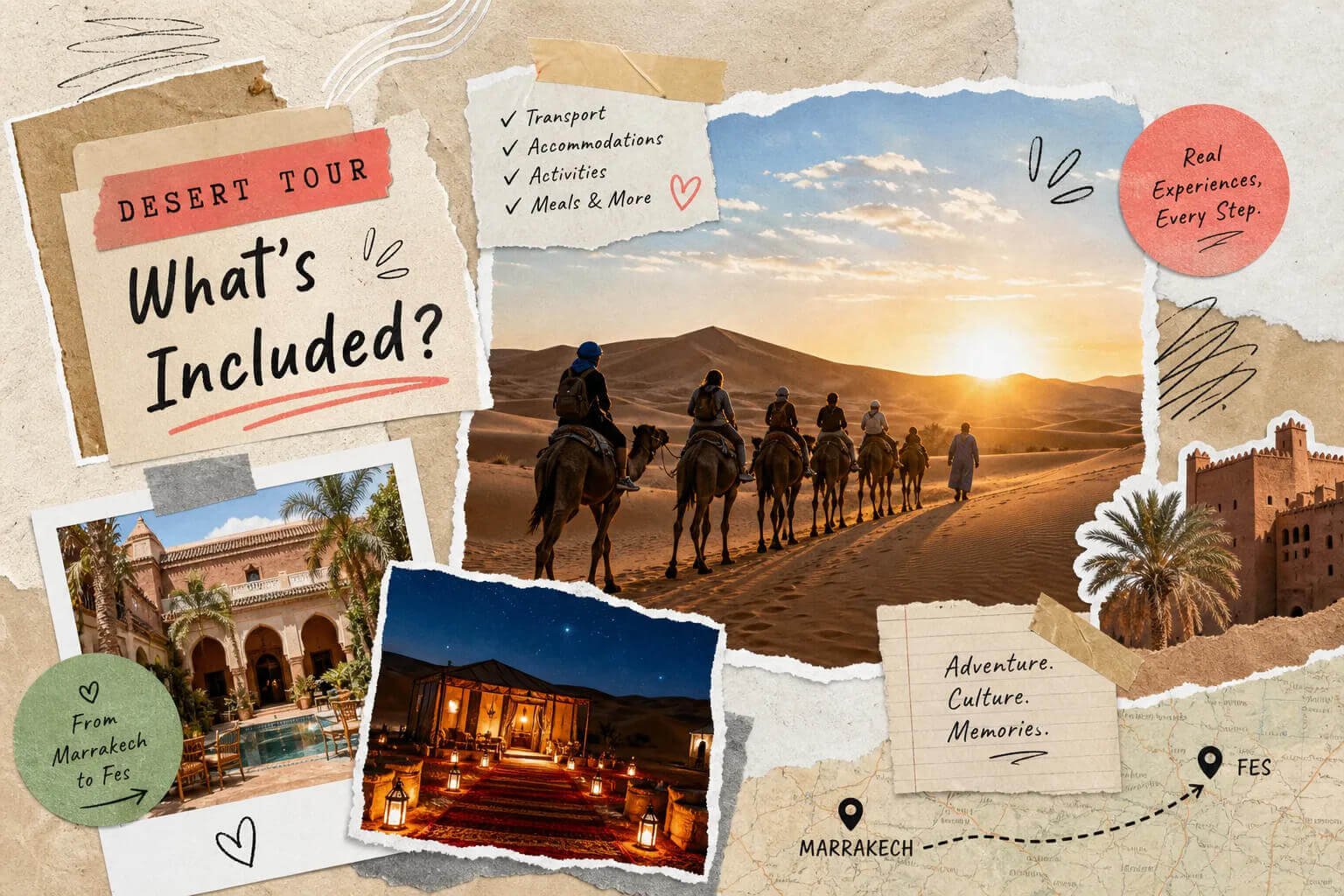
Uncover what a Marrakech to Fes desert tour offers, including camel rides, desert camps, and rich cu...
Read this article
Join our Merzouga Overnight Tour for an authentic desert experience. Enjoy camel rides, comfortable ...
Read this articleWant cool tour deals and tips about Morocco? Enter your email and we’ll send them to you each month!
