Group Tour Agencies in Morocco: How to Pick the Right One
Compare Morocco group tour agencies by trip style, reviews, pace, transport and inclusions. Learn wh...
Read this article

Private, custom Morocco trips planned in Fez by AZ-ZDDINE, working in Moroccan tourism since 2012. Sahara, Atlas, medinas and coast, arranged around you.
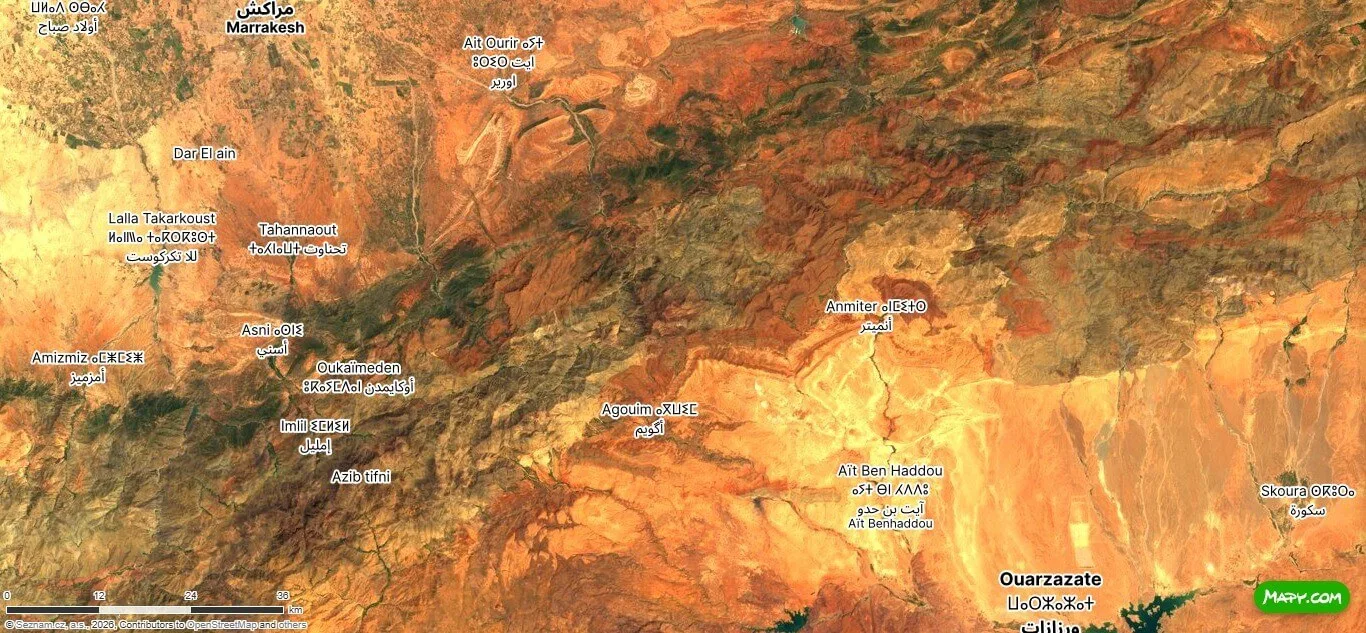
Morocco's Atlas Mountains stretch across North Africa for almost 2,500 kilometers, with the High Atlas near Marrakech, the Middle Atlas near Fes, and the Anti-Atlas in the southwest - each offering dramatically different landscapes and experiences.
Mount Toubkal (4,167 m) in the High Atlas is North Africa's highest peak and the main trekking goal for many visitors, usually climbed over 2–3 days from the village of Imlil.
The best time to visit the Morocco Atlas Mountains is generally March to November, with spring and autumn providing ideal hiking conditions. Summer months bring cooler temperatures than the lowlands, and winter coats the high passes in snow.
Top things to do include day trips from Marrakech to Ourika Valley or Imlil, multi-day treks, visiting traditional Berber villages, exploring dadès valley and todra gorge, and staying in mountain lodges such as Kasbah du Toubkal.
Morocco Classic Tours is a Fez-based specialist for private Atlas Mountains tours, offering transfers from Marrakech or Fes, local guides, and fully customizable trekking and cultural itineraries.
Picture snow-capped peaks rising above lush green valleys, mud-brick Amazigh villages clinging to hillsides, and red-rock gorges cutting through the earth between the Atlantic Coast and the Sahara Desert. That is the Atlas Mountains Morocco experience in a single frame.
The Atlas mountain range extends for almost 2,500 kilometers across North Africa - through morocco, eastern Algeria, and Tunisia - separating the Sahara Desert from the Mediterranean Sea. But it is morocco's section that draws the most visitors, with three distinct mountain ranges extending across the country: the High Atlas, the Middle Atlas, and the Anti-Atlas.
Where exactly are they? The High Atlas forms the central spine of morocco, stretching roughly from near Agadir through Marrakech and Ouarzazate toward Midelt. The Middle Atlas sits south of Fes and Meknes in central morocco. The Anti-Atlas mountains run between Taroudant, Tafraoute, and the fringes of the Sahara to the south.
Travel times from major cities are shorter than most people expect. Marrakech to the High Atlas foothills (Ourika or Imlil) takes about 1–1.5 hours by car. Fes to the Middle Atlas (Ifrane or Azrou) is roughly 1 hour. Agadir to key Anti-Atlas areas runs 3–4 hours. The Atlas Mountains are popular for year-round outdoor activities, making them accessible no matter when you visit.
At Morocco Classic Tours, we focus on private and small-group Atlas trips with local guides, flexible pacing, and authentic cultural encounters - the opposite of mass-tourism bus tours. Every itinerary is built around what you want to see, how far you want to walk, and how deep you want to go.
This guide is designed for travelers, trekkers, and anyone interested in exploring Morocco's diverse mountain landscapes, providing practical tips and cultural insights to help you plan your journey.
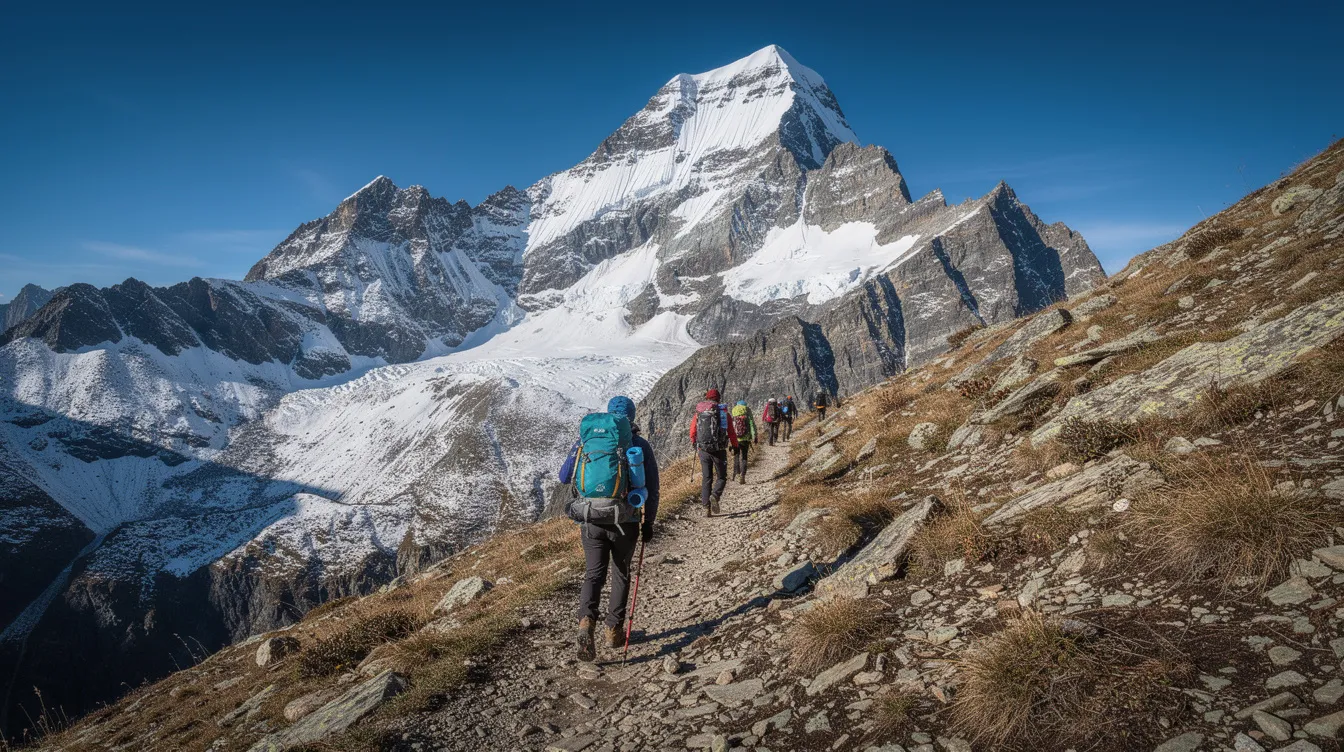
So what is so special about the Atlas Mountains? The answer sits at the intersection of nature, culture, and myth.
Geography and contrast. The Atlas range acts as a natural barrier between the Mediterranean and Atlantic climate zones and the Sahara Desert, creating a striking contrast of environments. Within a few hours' drive, you move from snowy summits through Atlas cedar forests to arid canyons. The mountains are also significant for water harvesting and irrigation - snowmelt from the High Atlas feeds rivers, aquifers, and fertile valleys that sustain agriculture across morocco's lowlands.
Biodiversity and scenery. The Middle Atlas holds cedar and oak forests alongside lakes and pastures. The High Atlas Mountains offer alpine meadows, several peaks above 4,000 m, and breathtaking landscapes of rock and ice. The Anti-Atlas presents stark red granite formations and drought-resistant flora, including argan oil–producing trees. The scenery shifts constantly.
Cultural depth. The mountains are the ancestral home of the Berber people, whose Amazigh civilization dates back over 8,000 years. Stone-and-pisé villages with terraced fields and transhumant herding traditions are not museum displays - they are living communities you can walk through, eat with, and learn from.
Myth. In Greek mythology, the Titan Atlas was condemned by Zeus to hold up the heavens for eternity, a punishment placed at the western edge of the known world - northwestern Africa. Over time, the Titan's story merged with the landscape, and the mountains took his name. This myth coexists with rich local Amazigh folklore passed down through generations.
For many travelers, an Atlas Mountains Morocco trip is a way to escape busy Marrakech or Fes and feel off-the-beaten-path, yet remain within comfortable reach of good infrastructure and experienced guides.
Morocco's three main sub-ranges differ in altitude, climate, and character. Understanding them helps you pick the right trip.
The High Atlas is the central section of the Atlas Mountains and is the most dramatic section of the range. The High Atlas is the central section and the most dramatic part of the Atlas Mountains range. Running southwest to northeast, it contains North Africa's most imposing peaks: Jebel Toubkal at 4,167 meters (the highest point in North Africa), M'Goun at approximately 4,071 m, and Ouanoukrim with several peaks above 4,000 m. Main access towns include Marrakech, Imlil, Ouarzazate, and Azilal. The High Atlas offers winter sports opportunities, notably skiing at Oukaimeden when snow allows.
Located south of Fes and Meknes, the Middle Atlas is lower and greener than the High Atlas. It is known for its green valleys and cedar forests, and towns like Ifrane - sometimes called "the Switzerland of Morocco" - sit among forested hills and lakes around Azrou and Dayet Aoua. The region is home to endangered species like the Barbary macaque, which you can spot in the cedar groves. The Middle Atlas receives more rainfall than the southern ranges, keeping the northern slopes lush year-round.
The Anti-Atlas Mountains are the oldest and most eroded range, characterized by arid and rocky terrain. Stretching from Taroudant through Tafraoute toward the Sahara, the Anti-Atlas features dramatic red rock, palm-filled valleys, and quieter trails near the Ameln Valley. The highest summit in this range is Jbel Sirwa at around 3,304 m. The climate is milder in winter, making the Anti-Atlas a great destination for trekking and rock climbing from October to April.
Climate differences at a glance:
Range | Winter | Summer | Best For |
|---|---|---|---|
High Atlas | Snow above 2,500 m, cold nights | Cool at altitude, hot in valleys | Spring/autumn trekking, winter skiing |
Middle Atlas | Snow possible, icy roads | Mild (18–25°C) | Cedar forest walks, wildlife |
Anti-Atlas | Mild, generally above freezing | Hot at lower altitudes | Winter trekking, rock formations |
Morocco Classic Tours typically combines ranges in custom itineraries - for example, Fes to Middle Atlas to Sahara desert camp to High Atlas to Marrakech - allowing travelers to explore the full diversity of North Africa's landscapes in one journey. | |||
The northern section of the broader system is known as the tell atlas range, while the easternmost portion extends into the aurès mountains in eastern algeria and the saharan atlas further south. Morocco's section, however, remains the most accessible and popular for international visitors.
Is it worth visiting the Atlas Mountains from Marrakech? Without question. The High Atlas foothills begin less than 90 minutes from the city, and within that short drive you'll find cooler air, mountain villages, and some of the best hiking in North Africa.
Imlil is the main base for trekking Mount Toubkal. About 90 minutes' drive south of Marrakech, this Berber village sits at roughly 1,740 m and offers guesthouses, equipment hire, muleteers, and panoramic views of Toubkal's snowy summit in winter and spring. Berber villages dot the surrounding valleys, connected by mule tracks and footpaths.
Mount Toubkal is the highest peak in North Africa at 4,167 meters above sea level. The trek to Mount Toubkal can be completed in two days, though most people opt for a 2–3 day itinerary from Imlil. The standard route passes through Sidi Chamharouch to the Toubkal refuges (around 3,200 m), then an early-morning summit push. Summer and early autumn are the most popular seasons, while winter ascents require crampons, an ice axe, and an experienced guide. The Three Peaks Challenge, which includes Toubkal and Ouanoukrim summits, is a popular option for fit trekkers seeking more than one peak in North Africa.
Perched above Imlil at around 1,820 m, Kasbah du Toubkal is an atmospheric eco-lodge often used as a base by travelers seeking comfort before and after trekking. Its terraces offer panoramic views toward Toubkal, and the traditional architecture - stone walls, carved ceilings - makes it feel like a mountain fortress. It sits within Toubkal National Park, surrounded by the kind of scenery that makes you want to extend your stay.
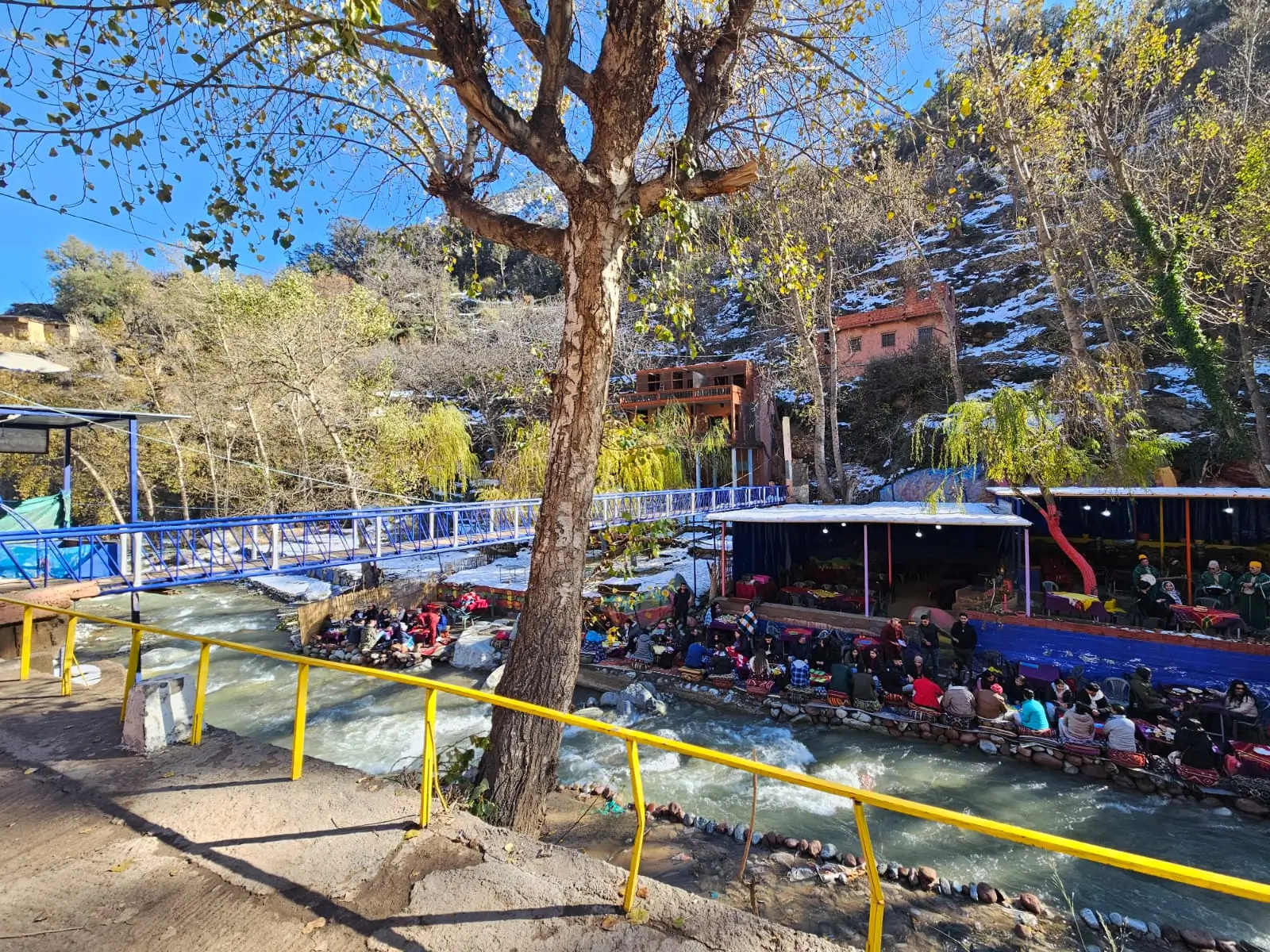
The Ourika Valley lies just over an hour's drive from Marrakech. The Ourika Valley features terraced fields and waterfalls, including the popular Seven Waterfalls at Setti Fatma. Cherry and almond orchards line the picturesque riverside, and in March–April the blossoms transform the valley. The Ourika Valley is popular for day hikes to seven waterfalls and makes a refreshing escape from summer heat.
The Ouirgane Valley is known for its warm climate and fruit trees, supporting a rural way of life with agriculture. These lower-altitude valleys southwest of Imlil feature red hillsides, green fields, and Amazigh villages - ideal for easier hikes, winter walks, and less-crowded Atlas Mountain experiences.
Other High Atlas attractions accessible with Morocco Classic Tours include passes like Tizi n'Tichka on the road to Ouarzazate, remote valleys such as Aït Bouguemez near M'Goun, and the Ouzoud Waterfalls - the tallest waterfall in Morocco, dropping 110 meters.
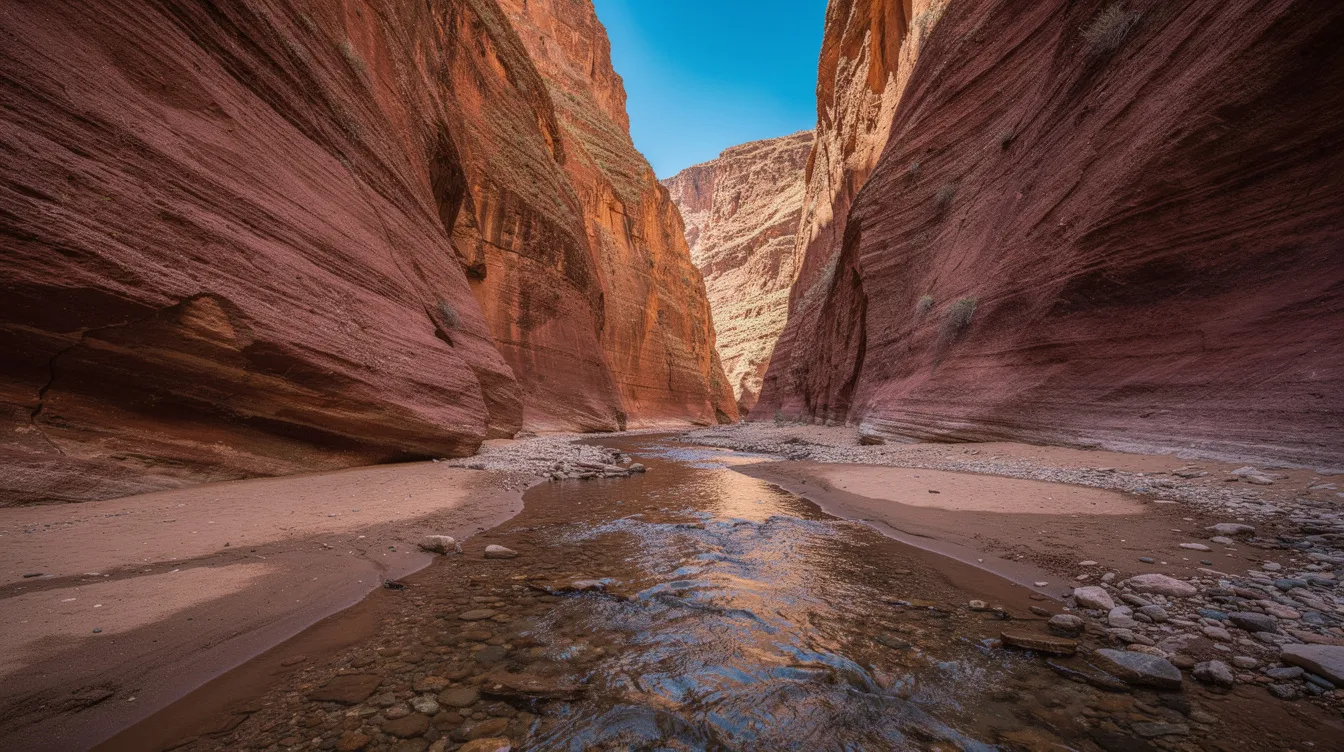
The southern side of the High Atlas shifts from green valleys to semi-desert canyons and serves as a gateway to the Sahara Desert - perfect for road trips combining mountains and desert camps.
The dadès valley is carved by meltwater from the High Atlas, featuring dramatic rock formations like the "Monkey Fingers," tight bends on the famous switchback road above Ait Ouffi, and traditional villages and kasbahs along the river. The valley works for both driving and trekking - scenic viewpoints are accessible by car, while side hikes lead into narrow gorges and along irrigation channels.
East of Dadès sits Todra Gorge, a narrow limestone canyon with towering cliffs. The Todgha Gorges are a series of limestone river canyons up to 300 meters high, making them a magnet for rock climbing as well as short walks on the canyon floor. Easy access from the road makes it family-friendly.
Both dadès valley and todra gorge are commonly combined with Sahara Desert trips. Routes via Tinghir and Erfoud lead to Merzouga's golden dunes, allowing travelers to see snow-topped High Atlas peaks, green oases, and sand seas in 2–3 days. Aït Ben Haddou, a UNESCO World Heritage site located in the High Atlas foothills, is a common stop on the route between Marrakech and Ouarzazate - its fortified earthen architecture is unmistakable against the dry southern end of the mountains.
Morocco Classic Tours organizes private transfers, local guides, and boutique accommodations in these valleys, balancing driving days with time for photography, village visits, and gentle hikes.
One of the most rewarding parts of atlas mountains morocco triMorocco Atlas Mountainsps is meeting Amazigh communities and understanding mountain life firsthand.
Village character. Amazigh villages feature traditional flat-roofed homes made of stone, stacked on hillsides with narrow alleys, communal bread ovens, and terraced fields of barley, potatoes, and almond orchards irrigated from mountain streams. Amazigh people primarily farm and herd livestock in the mountains, maintaining a traditional way of life that has endured for millennia.
Language. What language is spoken in the Atlas Mountains? Most villagers speak Tamazight dialects as their mother tongue - Tachelhit in the High Atlas and Anti-Atlas, Central Atlas Tamazight in the Middle Atlas. Moroccan Arabic (Darija) and some French are used for trade and tourism. In popular trekking areas, basic English is common among guides. The original inhabitants of these mountains, the Berber people, are the region's living cultural foundation. The region historically blends Berber traditions with Arab and European influences, visible in architecture, cuisine, and daily life.
Cultural experiences Morocco Classic Tours can arrange:
Tea ceremonies with local families - Amazigh tea, known as "Berber whiskey," is commonly served to guests
Hands-on bread baking in traditional clay ovens
Simple Amazigh cooking classes
Seasonal farm work demonstrations
Music evenings with traditional instruments
Amazigh culture is known for its warm hospitality towards visitors, and that Berber hospitality is something you feel immediately upon entering a village home. Respectful travel practices matter: modest dress, asking before taking photos, using local guides and muleteers, and staying in family-run guesthouses to ensure tourism income supports mountain communities.
Many mountain lodges and kasbahs now focus on sustainable tourism - solar power, local sourcing, reduced plastic - which aligns with slow, immersive travel in the Atlas Mountains.
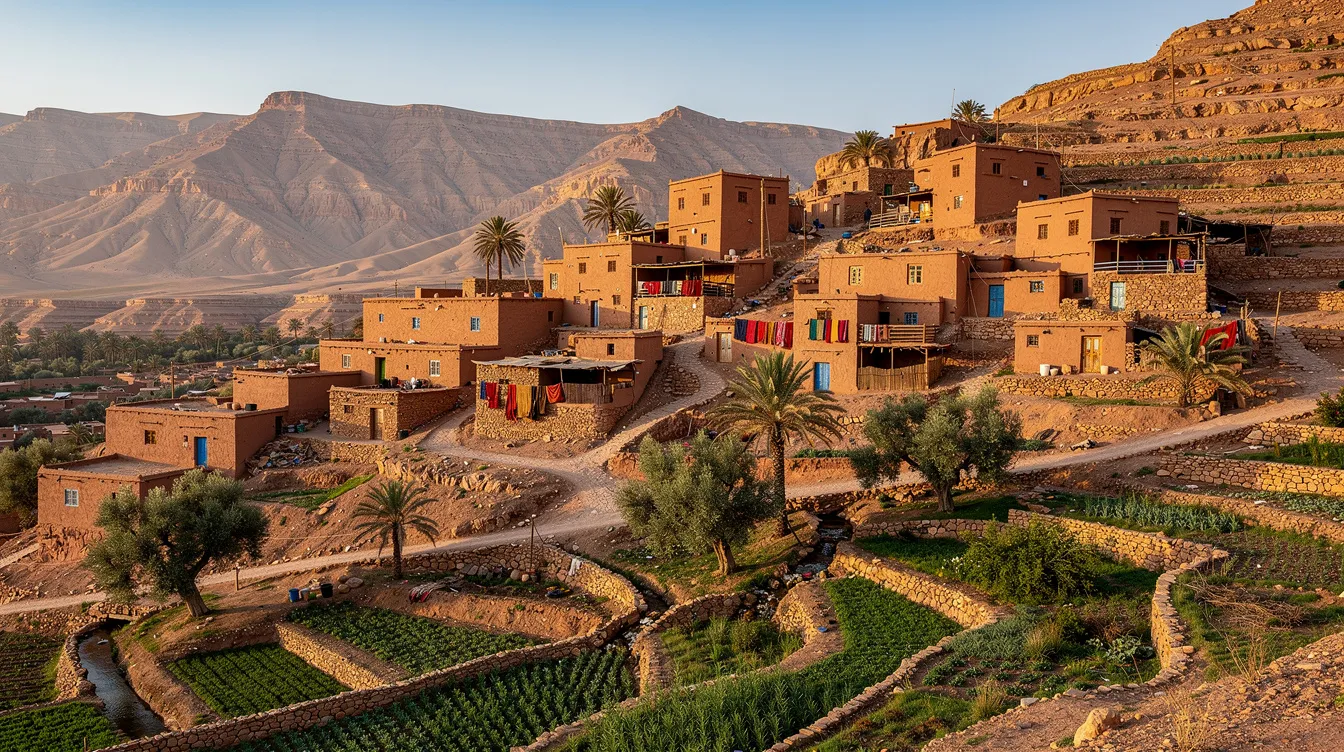
The climate of the Atlas Mountains features warm summers and snowy winters, with conditions varying dramatically by altitude and range.
Spring (March–May): Generally the best all-round season. Snow remains on higher mountains until May, valleys are green with wildflowers, and comfortable daytime temperatures sit around 15–25°C at mid-altitude. This is peak time for trekking the Moroccan Atlas Mountains.
Summer (June–August): Temperatures can exceed 40°C in summer lowlands, but higher villages like Imlil and Aït Bouguemez stay noticeably cooler. During the summer months, mid-day sun at altitude is intense - early-morning and late-afternoon hikes work best.
Autumn (September–November): Another excellent trekking window with stable weather, harvests in mountain villages, and cooling temperatures. Late autumn can bring the first snows above 3,000 m.
Winter (December–February): Snow blankets the High Atlas above 2,500–3,000 m, and Mount Toubkal is frequently snow-covered. Some travelers should avoid visiting from December to March due to snow on high passes and closed tracks. However, lower altitudes and the Anti-Atlas stay milder, making them good choices for winter trekking. The Middle Atlas around Ifrane and Azrou can see snow and icy roads.
The best time for trekking in the Atlas Mountains is spring and autumn, and ideal hiking conditions run from April to October. The best time for trekking is between April and October, though the broader best time to visit is March to November.
Always check detailed forecasts and consult Morocco Classic Tours when planning, especially for high-altitude routes where conditions can change rapidly.
This section covers Morocco Atlas Mountains things to do - from gentle day trips to serious alpine objectives.
Classic trekking. Trekking in the Atlas Mountains ranges from easy walks to challenging multi-day treks. Options include 1-day hikes from Imlil or Ourika, 2–3 day Mount Toubkal ascents, and 4–7 day village-to-village circuits like Imlil–Azzadene–Ouirgane or the Aït Bouguemez loop in the High Atlas.
Gentler walking and photography. Strolls through Middle Atlas cedar forests, walks along rivers in Ouirgane or Ourika Valley, sunset viewpoints over dadès valley, and the granite landscapes near Tafraoute in the Anti-Atlas all reward photographers and casual walkers.
Adventure sports:
Rock climbing in Todra Gorge (limestone walls up to 300 m)
Mountain biking in the dadès valley and Aït Bouguemez
Winter skiing or snowshoeing in Oukaimeden and around Toubkal with qualified guides
Cultural and culinary activities. Visits to weekly mountain souks, tasting traditional tagines and couscous, Amazigh bread baked in clay ovens, and food-focused day trips from Marrakech or Fes. Local culture runs deep in every meal and market encounter.
Experiential add-ons Morocco Classic Tours offers: combining Atlas trips with Sahara camel rides, luxury desert camps, quad biking (ATV experience) near Agafay or Merzouga, and beach breaks on the Atlantic coast for varied itineraries. The country has something for every pace and interest.
How do you get from Marrakech to the Atlas Mountains? Common routes by private transfer include:
Destination | Distance from Marrakech | Drive Time |
|---|---|---|
Ourika Valley | ~60 km | ~1 hour |
Imlil | ~65 km | ~1.5 hours |
Ouirgane | ~60 km | ~1.5 hours |
Ouarzazate (via Tizi n'Tichka) | ~200 km | ~3.5 hours |
Dadès / Todra | ~300+ km | ~5–6 hours |
Shared taxis and buses exist but are limited and impractical for remote villages. Private cars with Morocco Classic Tours offer comfort, flexibility, and local knowledge. | ||
Imlil - for trekking Mount Toubkal and High Atlas hikes
Ouirgane - gentler walking, lower altitudes, fertile valleys
Ourika - short day trips from Marrakech
Aït Bouguemez - quieter, longer treks away from crowds
Tafraoute - Anti-Atlas exploration, rock formations, remote Berber villages
Which luxury hotel is in the Atlas Mountains, Morocco? Notable options include Kasbah du Toubkal in Imlil, Kasbah Tamadot near Asni (owned by Virgin Limited Edition, roughly 37 rooms), stylish lodges in Ouirgane, and boutique auberges in dadès valley. Morocco Classic Tours can include these in tailor-made itineraries.
Do Moroccan mountain huts in the Atlas have hot water? High-altitude refuges near Mount Toubkal offer basic dorm-style accommodation, shared bathrooms, and hearty meals. Hot water may be limited or time-restricted - do not expect long hot showers at high altitude. For comfort, many trekkers book lodges before and after the trek and use refuges only for the summit push.
How much should you tip your Atlas Mountain guide? For a full-day guide, 100–200 MAD per group is standard. For half-day services, 50–100 MAD per person works. Muleteers and support staff typically receive separate tips of 50–100 MAD per person per trip. Bring small denominations of Moroccan dirhams. Tipping depends on group size, trek length, and satisfaction - discuss expectations with your operator beforehand.
Hiring a local guide is highly recommended for trekking in the Atlas Mountains, especially on unfamiliar or high-altitude routes. Essential packing includes:
Sturdy hiking boots
Layered clothing (warm jacket and hat, even in summer for evenings)
Sun hat, sunglasses, high-SPF sunscreen
Refillable water bottle
Basic first-aid kit and personal medications
In colder months: gloves, thermal layers, gaiters
For winter Toubkal: crampons and ice axe (rentable locally)
Travel insurance covering trekking at altitude
Morocco Classic Tours sends a detailed packing checklist to guests before Atlas treks and can help arrange missing equipment on arrival.
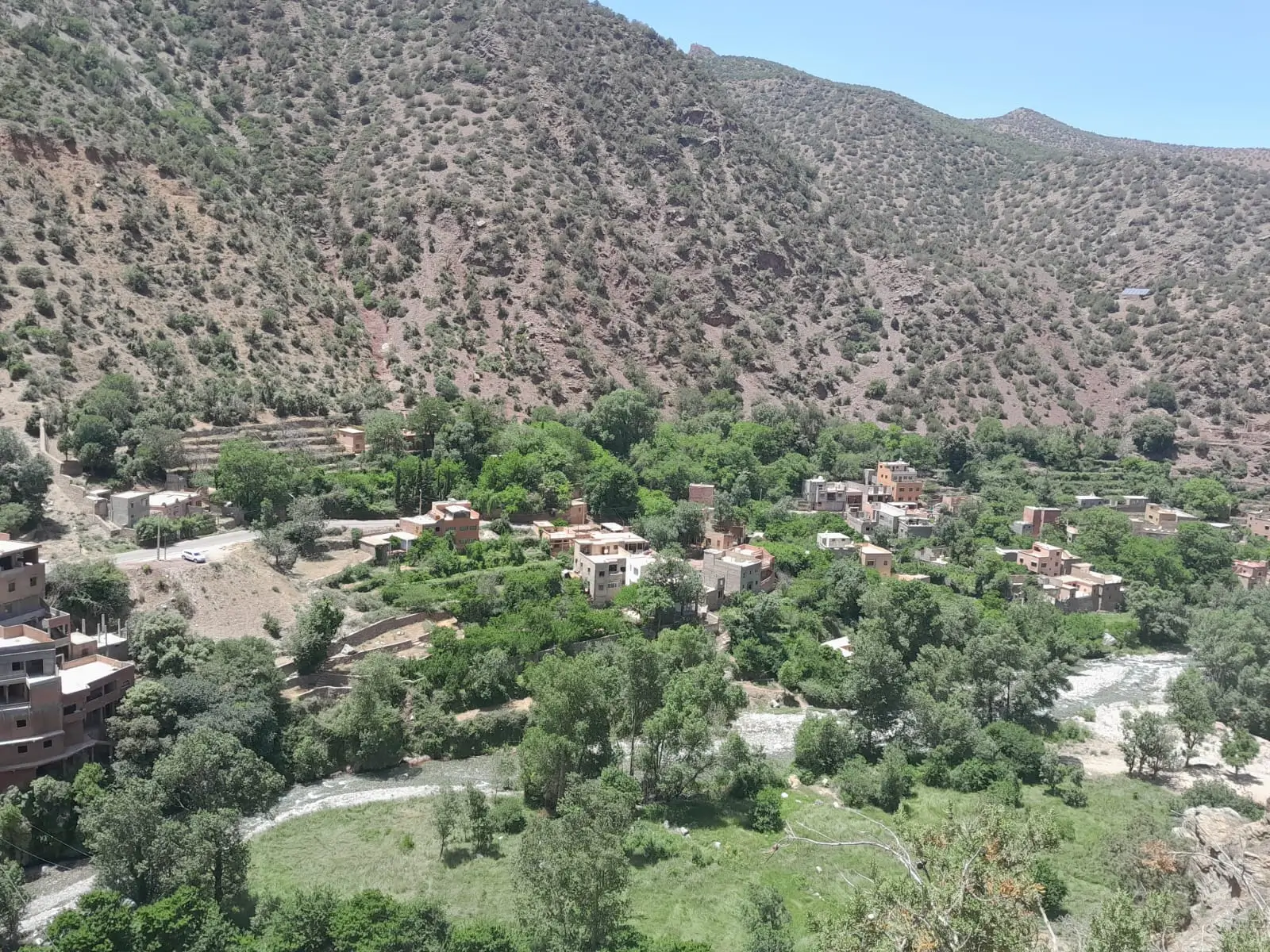
Morocco Classic Tours is a Fez-based, locally run operator specializing in private and small-group trips that combine the Atlas Mountains, imperial cities, and Sahara Desert experiences.
Typical tour options include:
1-day High Atlas excursions from Marrakech (Ourika, Imlil, or Ouirgane)
2–3 day Toubkal trekking packages with guide and refuge stays
3–5 day circuit tours linking High Atlas, Dadès, Todra, and Merzouga dunes
Longer itineraries of 7–12 days connect Fes, the Middle Atlas (Ifrane, Azrou), Sahara desert camps, High Atlas passes, and Marrakech - letting travelers explore the eastern part and southern end of Morocco's landscapes alongside the western ranges.
Customization is central. You can adapt difficulty level (from gentle walks to challenging treks), upgrade or simplify accommodation, add food tours or city medina explorations, and design family-friendly routes. Every trip is built around your interests, fitness, and timeline.
Feeling inspired by Morocco's Atlas Mountains? Contact Morocco Classic Tours or browse suggested itineraries online to start planning a tailored journey with local experts who know every trail and Berber village in these mountains.
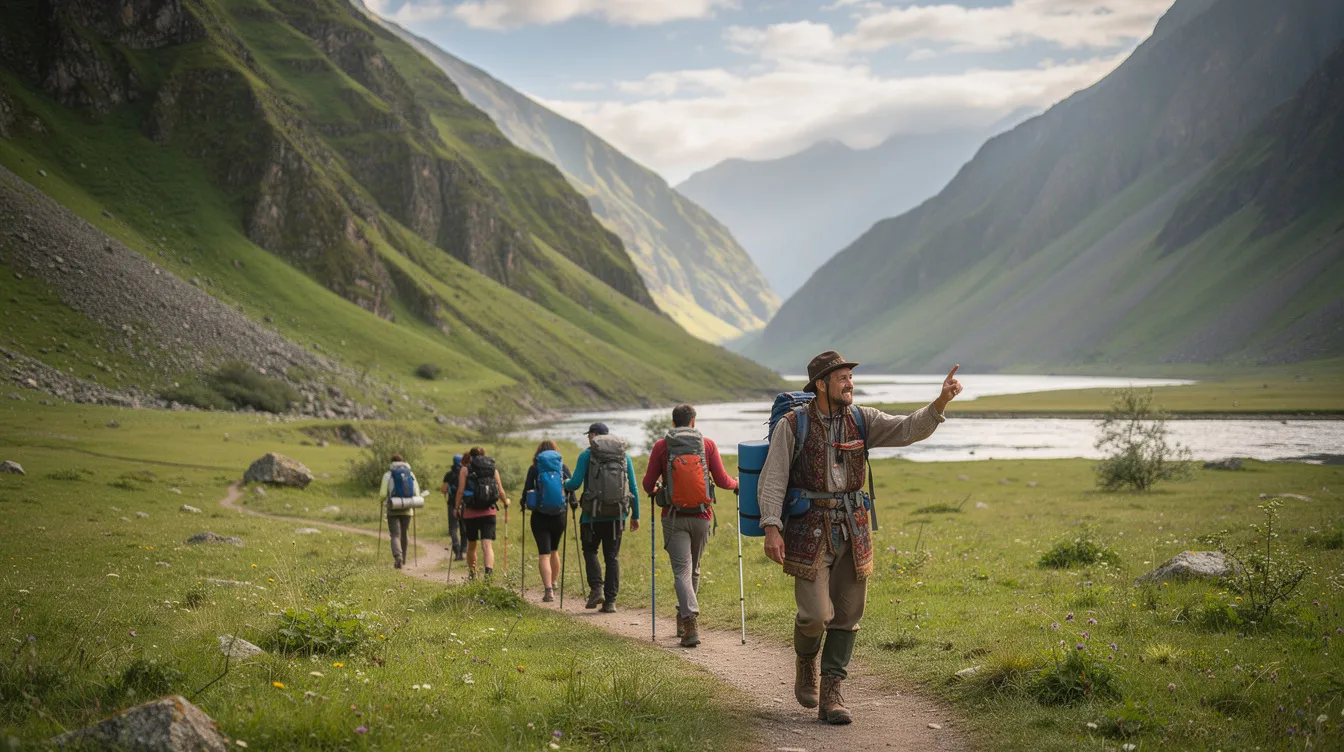
This FAQ covers practical questions not fully answered above, focused on logistics for first-time visitors.
Easy village walks from bases like Imlil or Ourika Valley take 2–4 hours. Classic Mount Toubkal treks usually take 2–3 days, while more in-depth High Atlas or M'Goun circuits run from 4 to 7 days or longer. Trekking Morocco Atlas Mountains does not require technical climbing for most routes, but good fitness is needed for multi-day treks with sustained ascents and descents, especially at altitude. Morocco Classic Tours helps match trek length to fitness level, time available, and season, ensuring realistic daily walking times (typically 4–6 hours per day for moderate trekking).
Yes, absolutely. In around 1–1.5 hours, you can reach Ourika, Ouirgane, or Imlil, enjoy cooler air, panoramic views of the High Atlas, and short hikes, then return to Marrakech in the evening. A day trip is ideal for travelers short on time, while overnight stays allow for sunset and sunrise views and deeper cultural immersion. Morocco Classic Tours runs private day tours with hotel pick-up, local mountain guides, and flexible itineraries depending on your interests - whether that is hiking, food, photography, or village visits.
The main language spoken in the Atlas Mountains is Tamazight (Amazigh), but many guides and accommodation owners also speak Moroccan Arabic and French. In popular trekking areas, basic English is common. You do not need to be fluent in local languages if you travel with a guide or organized tour, though learning a few simple Amazigh or Arabic greetings is appreciated and enhances connections with villagers. Morocco Classic Tours provides English-speaking guides where requested and assists with any language barriers during the trip.
Many parts of the morocco Atlas Mountains are family-friendly, especially gentle walks around Ouirgane, Ourika Valley, and short hikes from Imlil, as well as Middle Atlas excursions to see Barbary macaques near Azrou. Families with younger children may prefer shorter day hikes, mule rides, and cultural visits instead of strenuous multi-day treks to Mount Toubkal. Morocco Classic Tours designs slower-paced itineraries with child-friendly accommodation, appropriate walking distances, and flexible daily schedules.
Essentials include sturdy hiking boots, layered clothing (including a warm jacket and hat, even in summer for evenings), sun hat, sunglasses, high-SPF sunscreen, refillable water bottle, basic first-aid kit, and personal medications. In colder months or for higher-altitude treks, gloves, thermal layers, and gaiters are recommended. Specialized winter gear like crampons and an ice axe for Mount Toubkal in the snow season can often be rented locally. Morocco Classic Tours sends a detailed packing checklist to guests before Atlas treks and can help arrange any missing equipment on arrival.
Compare Morocco group tour agencies by trip style, reviews, pace, transport and inclusions. Learn wh...
Read this article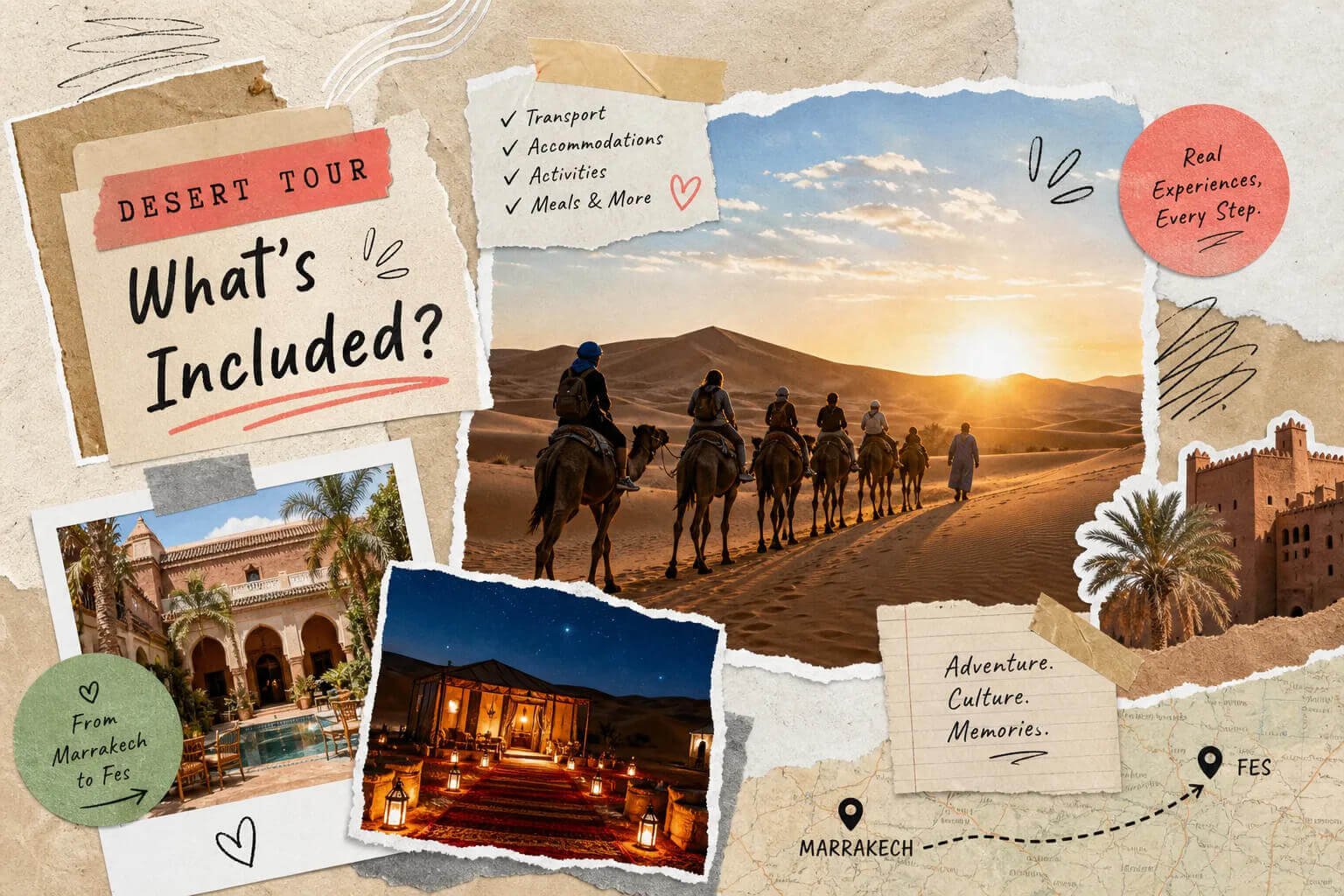
Uncover what a Marrakech to Fes desert tour offers, including camel rides, desert camps, and rich cu...
Read this article
Join our Merzouga Overnight Tour for an authentic desert experience. Enjoy camel rides, comfortable ...
Read this articleWant cool tour deals and tips about Morocco? Enter your email and we’ll send them to you each month!
