Group Tour Agencies in Morocco: How to Pick the Right One
Discover how to choose the perfect group tour agency in Morocco. Get tips on what to look for and ma...
Read this article

Suspendisse interdum consectetur libero id. Fermentum leo vel orci porta non. Euismod viverra nibh cras pulvinar suspen.
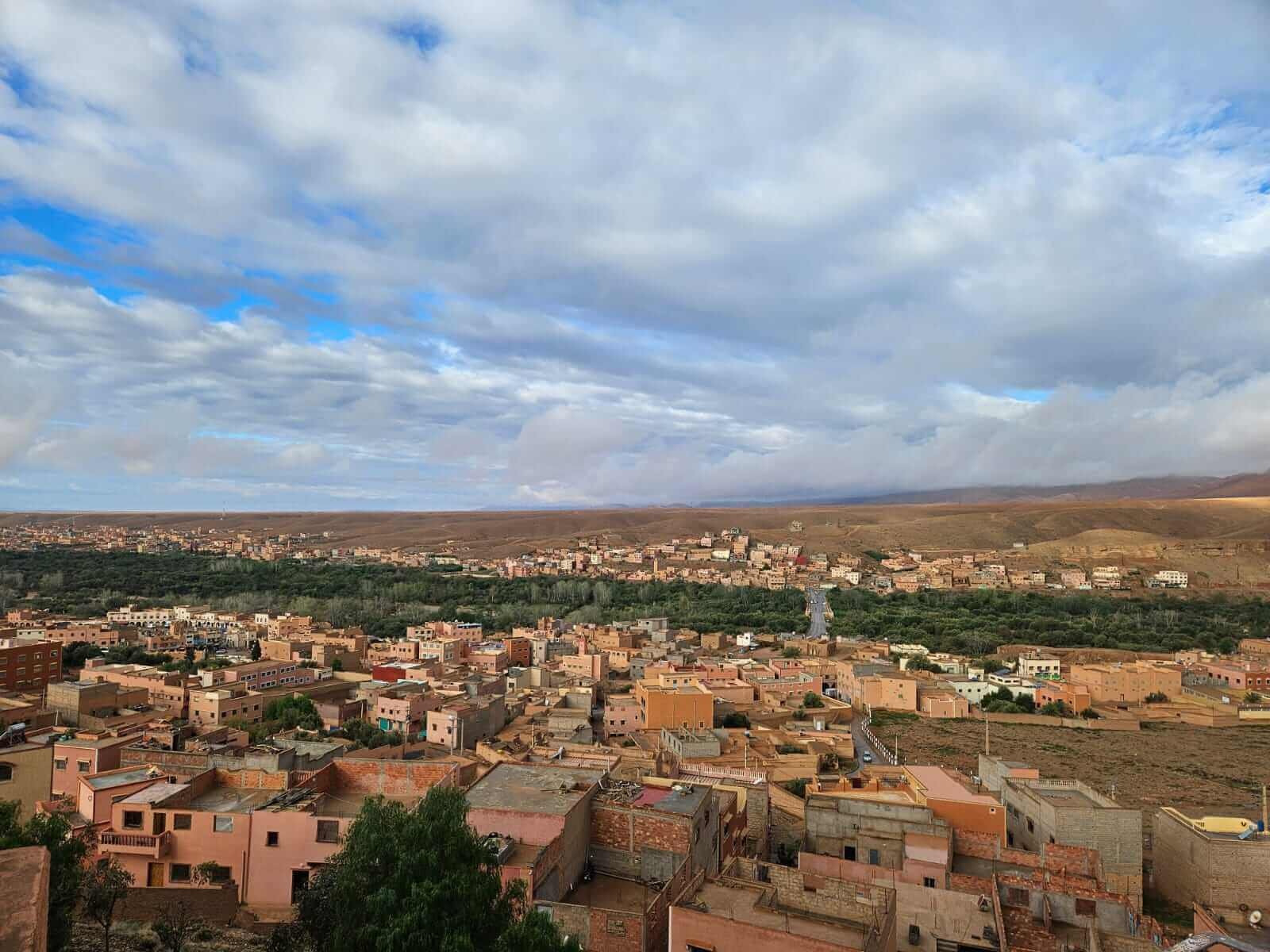
Morocco is a country that defies expectations. Tucked into the northwest corner of Africa, it holds snow-dusted peaks, towering dunes, palm-filled river valleys, wild ocean cliffs, and blue-washed mountain villages, all within a single day's drive of each other. This post is your complete guide to the stunning landscapes that make Morocco one of the most visually rewarding destinations on earth.
Morocco's diverse landscapes range from the High Atlas Mountains and Anti Atlas Mountains to the vast Sahara Desert, Atlantic beaches like Legzira Beach, and lush valleys such as the Draa Valley and Ounila Valley.
Morocco is not "just desert." It is a mosaic of mountains, oases, palm groves, coastal cliffs, waterfalls, and canyons, all within short driving distances of major cities.
Travelers can explore many of these beautiful landscapes on weekend getaways or short private trips from Marrakech, Fez, and Casablanca with Morocco Classic Tours.
Geographic superlatives include Jbel Toubkal as the highest mountain in North Africa at 4,167 m, the Draa Valley as home to one of the biggest palm groves in Morocco, and the Sahara dunes of Merzouga and M'hamid as iconic desert experiences.
This post answers practical questions: how long it takes to reach the desert from Marrakech, where to find the best views in Chefchaouen, how to get to the Akchour waterfalls, and whether Morocco is mostly desert or mountains.
Morocco sits between the Atlantic Ocean to the west, the Mediterranean Sea to the north, and the Sahara Desert to the south and east. That geography alone explains why Morocco's diverse landscapes attract photographers and travelers from every continent. Morocco's geography includes mountains, deserts, plains, and coastlines, and Morocco experiences a range of climates from arid deserts to snowy mountains, all packed into roughly 446,300 square kilometers.
The main landscape types break down as follows:
Mountain ranges: High Atlas (Morocco's highest range), Middle Atlas (forested, cooler), Anti Atlas (older, rockier), and the Rif in the north.
Deserts: True sand ergs in the southeast (Merzouga, M'hamid), rocky hamadas like Agafay, and pre-Saharan steppe.
Valleys and oases: The Draa Valley, Dades Gorges, Ounila Valley, Skoura Oasis, and Tafilalet region around Erfoud.
Coasts: Atlantic beaches from Tangier to Agadir, Mediterranean coves near Al Hoceima. Morocco has both Mediterranean and Atlantic coastlines.
Forested highlands: Cedar and oak forests in the Middle Atlas and Rif, lush with waterfalls and wildlife.
Is Morocco mostly desert or mountains? While the southeast is true Sahara, most of the country is mountainous, plateau, agricultural, or forested. Major cities like Fez, Meknes, and Marrakech sit on interior plains and valleys rather than in the desert. Climate zones shift from Mediterranean in the north to oceanic along the west coast, continental in interior highlands, and Saharan in the south, and that shift is exactly what creates the variety travelers discover on the ground.
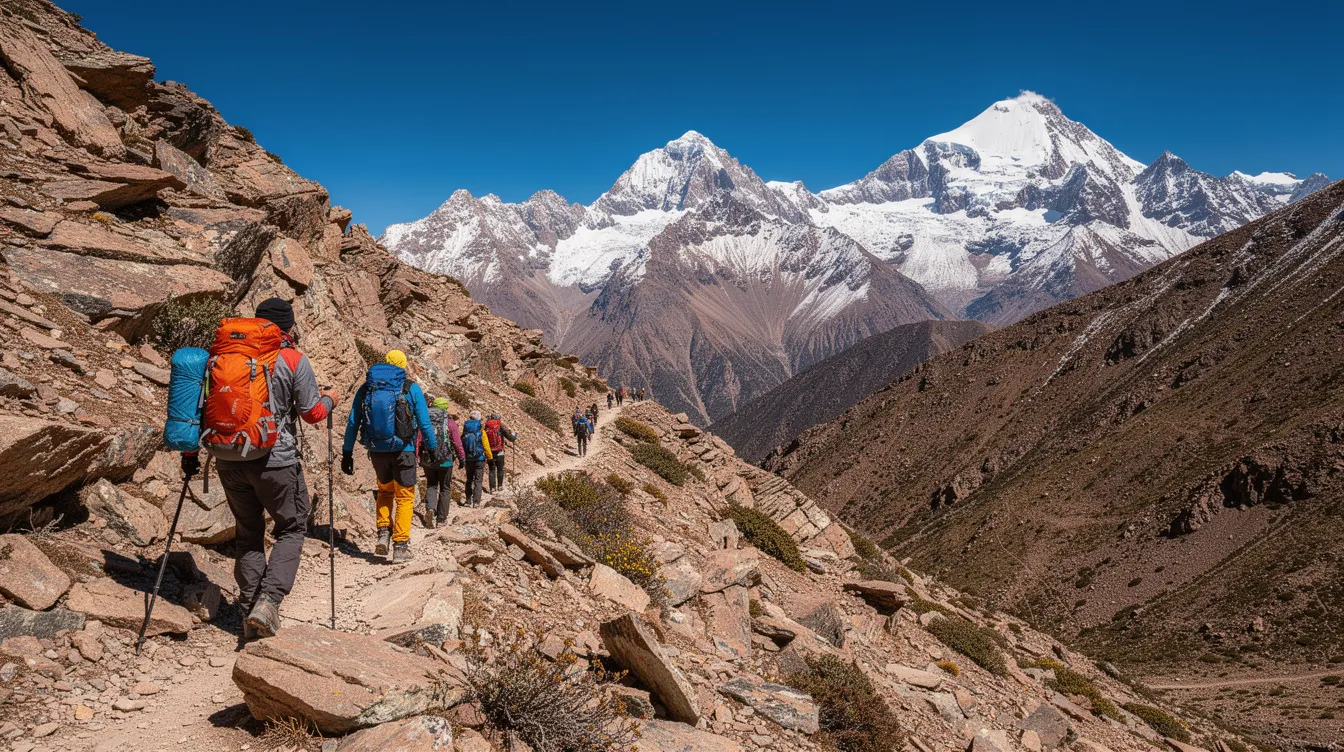
The Atlas Mountains form Morocco's backbone, running roughly northeast to southwest and splitting into three distinct ranges: the High Atlas Mountains, the Middle Atlas, and the Anti Atlas Mountains. Each offers a different landscape and a different kind of adventure.
The High Atlas Mountains are the highest range in Morocco and home to the country's most dramatic peaks. Priority destinations include:
Imlil and Toubkal National Park: The gateway to Jbel Toubkal, the highest peak in North Africa at 4,167 meters. A non-technical summit takes about two days from Imlil, best attempted between late April and October. On clear days, views stretch from Alpine ridges to the distant Sahara Desert line.
Ourika Valley and Ouirgane: Easier day-trip destinations from Marrakech with terraced gardens, small village walks, and cool river pools.
Ait Bouguemez ("Happy Valley"): A quieter, less-visited valley inspired by traditional Berber farming life, ideal for multi-day trek routes.
The Anti Atlas Mountains are lower and older than the High Atlas, with surreal pink granite domes around Tafraoute and narrow valleys like Ait Mansour. The Anti-Atlas Mountains provide serene hiking opportunities far from crowds, where the land feels ancient, and the silence is complete.
Other highlights include:
Tizi n'Tichka pass (~2,260 m): The scenic gateway between Marrakech and Ouarzazate, filled with hairpin turns and panoramic overlooks.
Tizi n'Test: A wilder, less-trafficked route toward Taroudant.
Middle Atlas forests: Cedar groves around Azrou and Ifrane, where you can expect Barbary macaques and winter snow at higher elevations.
You can experience these mountains through guided day hikes, multi-day treks, village homestays, or 4×4 road trips. Morocco Classic Tours organizes private Atlas Mountain tours with local Berber guides who know every trail and every small village along the way.
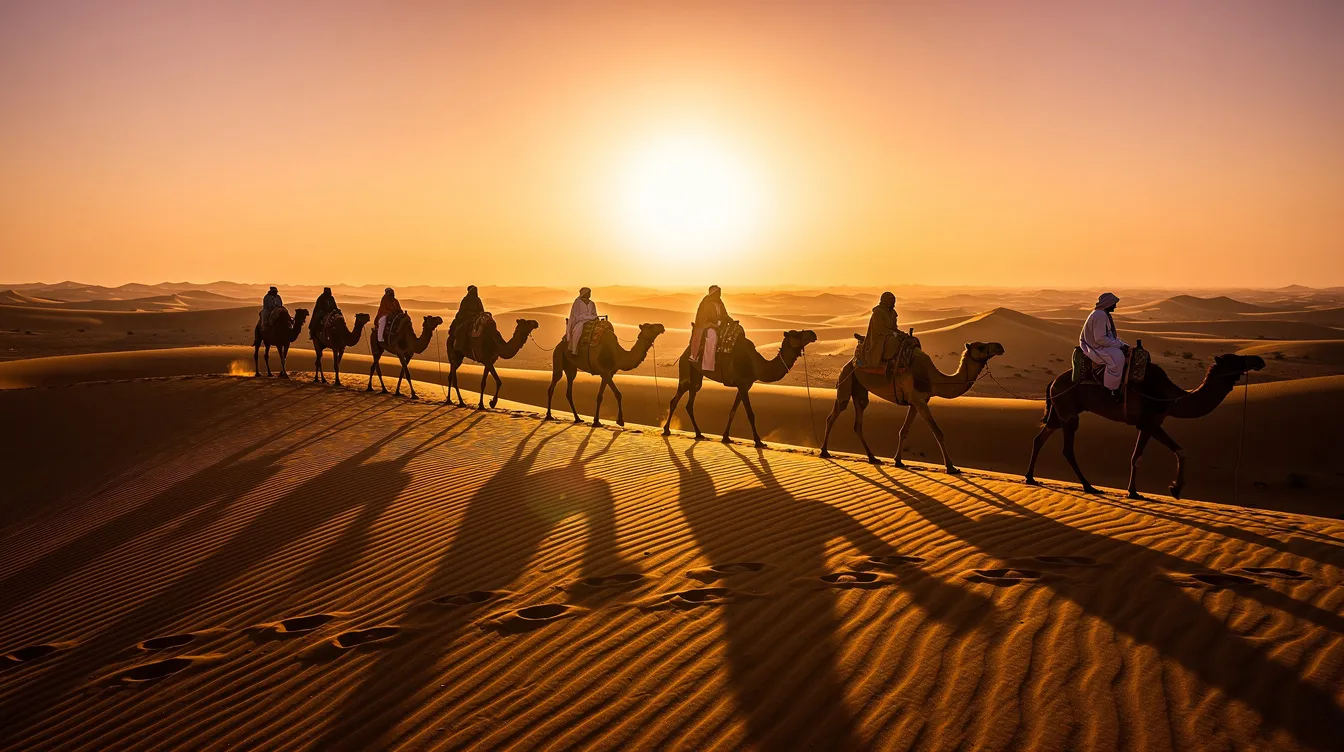
Morocco's desert landscapes range from true Sahara sand seas to stone plateaus minutes from Marrakech. Understanding the difference helps you plan the right trip.
Yes. The Moroccan Sahara contrasts busy cities with its stark quietness and dark blue skies, and two main entry points bring you face-to-face with it:
Erg Chebbi near Merzouga: Merzouga is known for its towering Erg Chebbi dunes, some reaching up to 160 meters high. The Sahara Desert features vast red dunes up to 160 meters high that glow gold and copper at sunrise. Activities include camel treks, sandboarding, and overnight camps under unpolluted skies.
Erg Chigaga near M'hamid: More remote, less touristy, accessible only by 4×4 for the final stretch.
Destination | Distance | Drive Time (Non-Stop) | Recommended Format |
|---|---|---|---|
Merzouga (Erg Chebbi) | ~550 km | 9–10 hours | |
Zagora region | ~360 km | 6–7 hours | 2–3 day trip |
Agafay Desert | ~35 km | 45–60 minutes | Half-day or overnight |
The Agafay Desert is not a true sand desert. It is a hamada, a stone and hard-packed clay plateau covering about 400 square kilometers at 600–700 m elevation. Expect lunar hills, gravel expanses, and High Atlas views on the horizon. It works perfectly as an overnight escape for visitors short on time, with luxury desert camps just 45 minutes from Marrakech by car.
2-day loop: Marrakech → Agafay overnight camp → return via High Atlas foothills.
3–4 day circuit: Marrakech → Ait Ben Haddou → Dades Gorges → Merzouga Sahara camp → return. Morocco Classic Tours provides customizable Sahara desert camps and private transfers for each route.
Morocco's rivers and underground water sources create surprisingly lush valleys and oases that contrast sharply with surrounding rock and desert. These are some of the most photogenic corners of the country.
The Draa Valley is known as the Valley of a Thousand Palms, stretching over 200 km from Agdz to M'hamid with roughly two million date palms lining both banks of the Draa River. Key towns include Agdz, Tamnougalt, and Zagora. Travelers see mudbrick ancient kasbahs, date plantations, and shifting light on surrounding plateaus. It is among the biggest palm groves in Morocco and once served as a major trans-Saharan caravan route through the region's history spanning decades.
The Ounila Valley between Telouet and Ait Ben Haddou is a colorful, less-traveled route with red cliffs, terraced fields, and small Berber villages. Ait Ben Haddou has been a UNESCO World Heritage Site since 1987, and the approach through the Ounila Valley is arguably more rewarding than the main road. This is a journey that feels like stepping back into caravan-era Morocco.
Dades Gorges are famous for their unique rock formations, a twisting road with the iconic "car commercial" hairpin viewpoint, red sedimentary walls, and fig and almond trees in the valley floor. Dades Gorges offer incredible hiking trails and lush oases, making them a must for any adventurous traveler.
Other valleys worth a visit:
Ait Bouguemez: Remote, terraced, and filled with traditional life.
Ait Mansour near Tafraoute: Narrow palm-filled canyon in the Anti Atlas.
Amtoudi: A fortified granary perched above a river gorge.
A strong weekend getaway option is a 2–3 day Marrakech–Ait Ben Haddou–Ounila Valley–Dades loop with guided hikes arranged by Morocco Classic Tours.
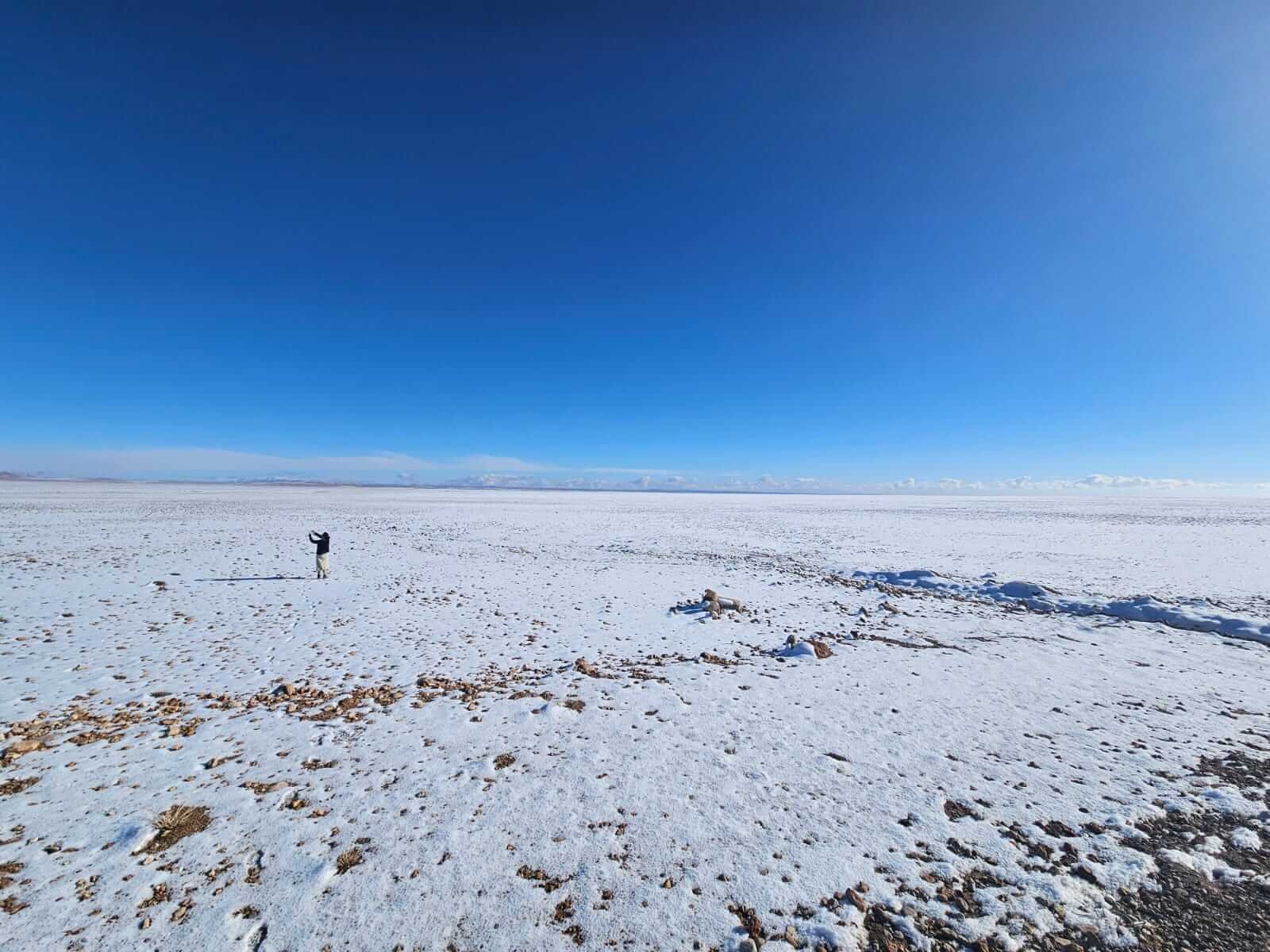
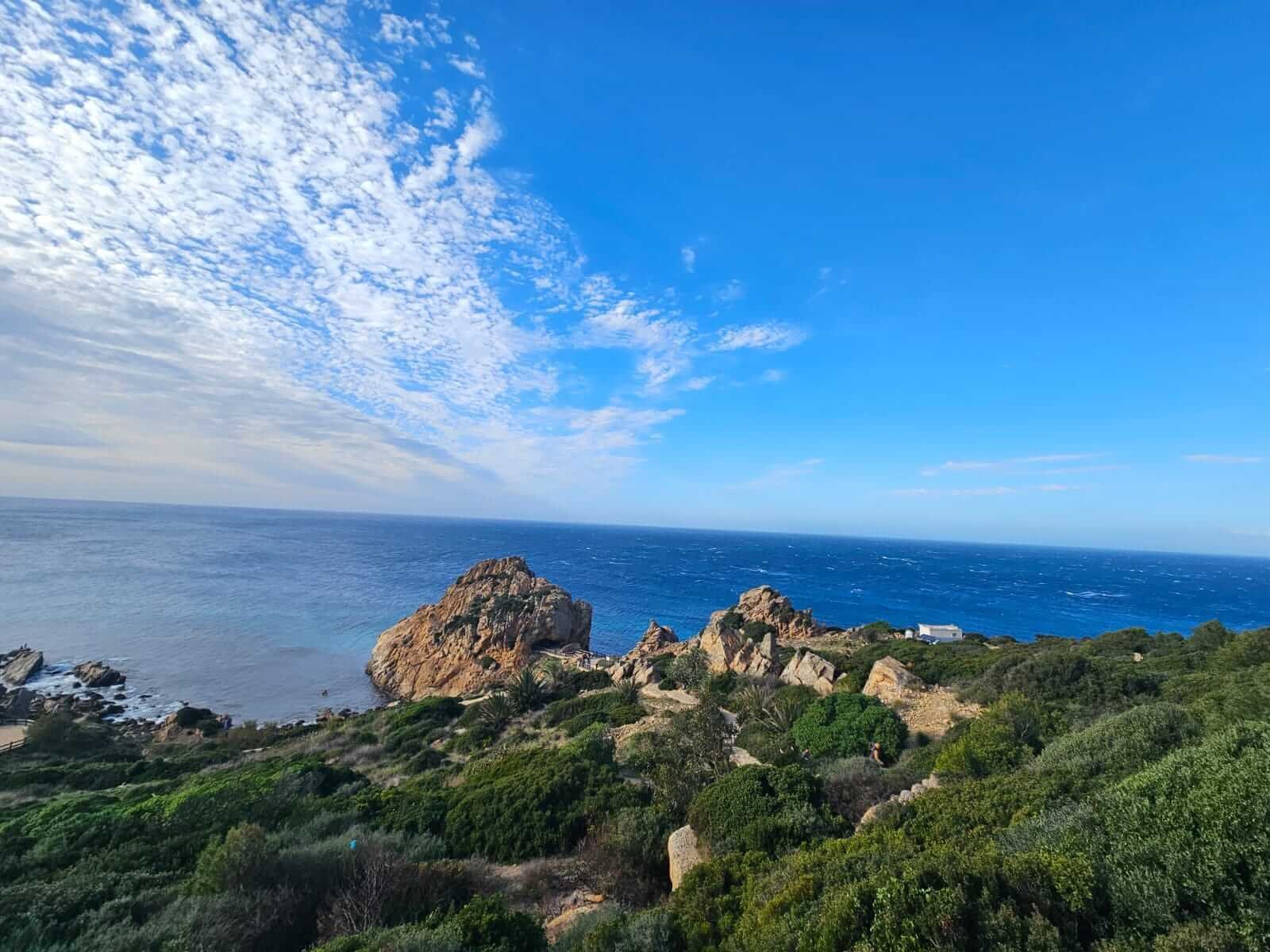
Morocco's coastline stretches over 1,800 km along the Atlantic and Mediterranean, offering seascapes that range from surf beaches to wild stone cliffs. The Atlantic Coast features sandy beaches and dramatic cliffs along its entire length.
Legzira Beach is known for its natural arches and stunning views. Located south of Agadir, Legzira Beach features natural arches formed by erosion over millennia, with reddish cliffs meeting the sea in one of the world's most striking beach settings. It remains relatively quiet and free of crowds, with basic local facilities and a slow, unhurried pace.
Essaouira: A historic port with wind-swept ramparts, famous souks, and reliable Atlantic breezes. Ideal for eating fresh seafood and enjoying a cooler climate.
Imsouane: A surf village with a crescent-shaped bay, perfect for beginners.
Al Hoceima: Mediterranean coves with turquoise water, less visited by tourists.
Coastal regions offer cool breezes, foggy mornings, and mild winters, making them ideal weekend getaways from Marrakech, Casablanca, or Fez. Morocco Classic Tours can combine coastal stops like Legzira Beach or Essaouira with inland Atlas or desert itineraries for travelers who want both sea and dunes in one trip.
The Rif Mountains in northern Morocco are greener and more forested than the Atlas, with landscapes of limestone peaks, deep gorges, and Mediterranean views. The Rif Mountains are characterized by lush landscapes and fertile valleys that feel worlds away from the Sahara.
From Chefchaouen, Akchour is about 30 km away, roughly 45 minutes by grand taxi (20–35 MAD per seat) or private transfer. Two main trails begin at the village trailhead:
God's Bridge (Pont de Dieu): ~1.5–2 hours each way, moderate difficulty.
Grand Cascade: ~2–2.5 hours each way, steeper terrain.
A complete day combining both trails takes 7–8 hours. The trail is manageable without a guide, though signage is basic. Start early to save daylight and avoid afternoon heat.
Spanish Mosque viewpoint: A 45–60 minute hike above town with about 200 m of elevation gain. Best at sunset, when warm light fills the blue medina below.
Medina rooftops: Many riads and cafés offer terraces looking back toward the Rif ridges.
Ridgeline walks: Head toward Talassemtane National Park for panoramic views over forested valleys.
Other north highlights include Talassemtane's pine and cedar forests, coastal cliffs near the Strait of Gibraltar, and the city of Tangier as a gateway to begin or end a northern circuit. These landscapes provide a cooler counterpoint to the south, making them ideal for spring and summer escapes.
A weekend itinerary: 2–3 days combining Chefchaouen, Akchour waterfalls, and a scenic drive through the Rif. Morocco Classic Tours offers private drivers and local mountain guides in this region.
Morocco's landscapes support distinct ecosystems, from cedar forests and high-mountain pastures to argan groves, palm oases, and Saharan hamadas. We should acknowledge the ecological richness that underpins the scenery.
Yes. Wild argan forests are endemic mainly to southwestern Morocco, between Essaouira, Agadir, and Taroudant. The UNESCO-protected Arganeraie Biosphere Reserve spans nearly 2.5 million hectares and contains over 20 million individual trees. Argan trees withstand extreme heat and drought, their deep roots helping prevent desertification. Argan oil production supports local communities, especially women's cooperatives where visitors can learn about the traditional extraction process and even join a workshop.
The biggest palm groves in Morocco include the Draa Valley, Skoura Oasis near Ouarzazate, and the Tafilalet region around Erfoud and Rissani. Walking or biking through these groves with a local guide reveals irrigation channels that have functioned for decades, date-harvest traditions, and gardens hidden behind mud walls.
Notable wildlife includes Barbary macaques in the Middle Atlas near Azrou, migratory birds along Atlantic wetlands, and desert-adapted species in the Sahara. Morocco Classic Tours promotes responsible travel by using local guides, respecting protected areas, and supporting community-based tourism in argan and palm grove regions.
Morocco Classic Tours is a Fez-based specialist in private Morocco trips that connect all these landscapes in customized itineraries. Whether you want a weekend escape or a two-week grand tour, every journey is built around your pace, interests, and comfort level.
Atlas Mountain tours and summit treks
Sahara desert expeditions with overnight camps
Coastal and beach excursions
Northern Rif and waterfall trips
Combined desert–mountain–coast circuits
Short weekend getaways from Marrakech and Fez
Route | Duration | Key Landscapes |
|---|---|---|
5–7 days | Cedar forests, Sahara, gorges | |
Marrakech → High Atlas → Ait Ben Haddou → Draa Valley → M'hamid | 4–5 days | Mountains, kasbahs, palm groves, dunes |
2–3 days | Stone desert, surf, Atlantic cliffs |
Experiential options include camel rides at sunset, overnight Sahara camps, village homestays in the High Atlas, food tours in Fez and Marrakech where you can discover what Moroccans eat for breakfast, and ATV experiences near the Agafay Desert.
Ready to explore? Contact Morocco Classic Tours or book online to design a journey across Morocco's most beautiful landscapes with local guides and private transfers.
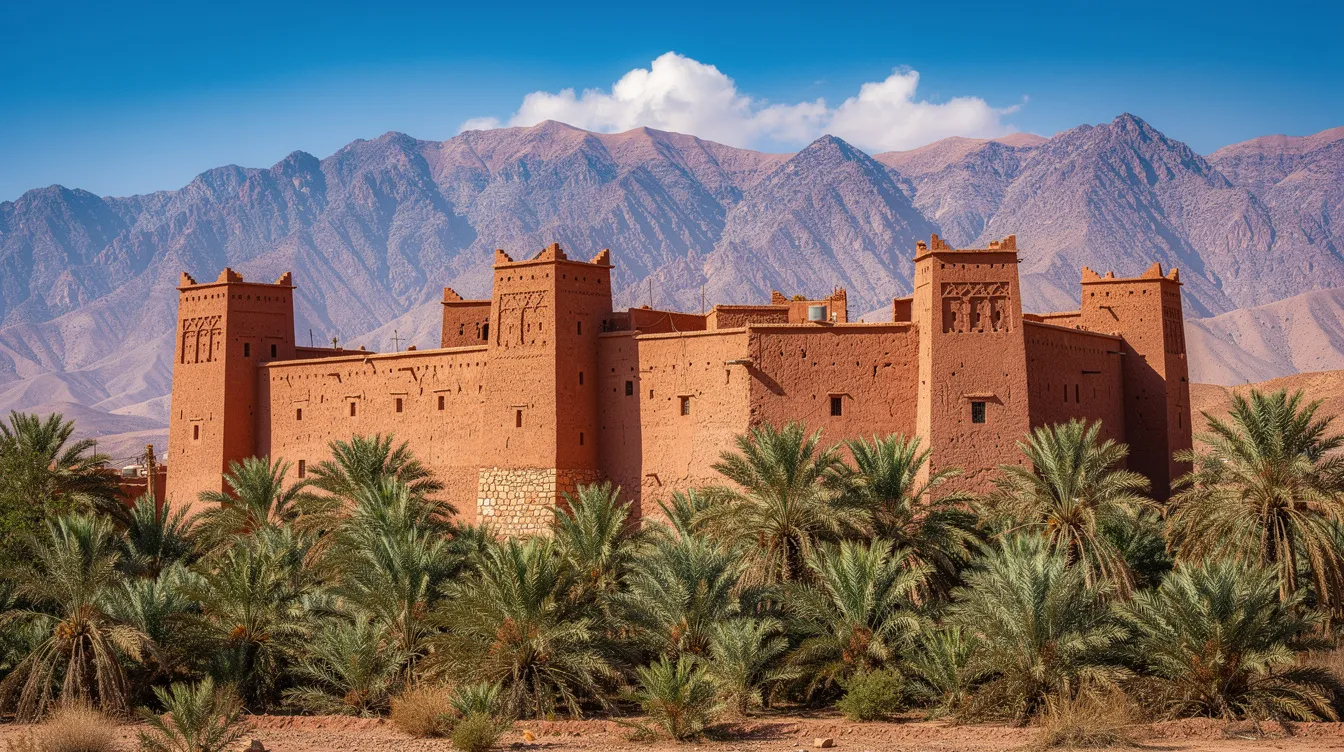
Morocco contains mountain ranges (High Atlas, Middle Atlas, Anti Atlas, Rif), Sahara dunes and rocky hamadas, coastal zones along the Atlantic and Mediterranean, fertile plains and rolling farmland in the north and west, river valleys and palm groves (Draa, Ziz, Ounila, Skoura), and forested highlands with cedar and oak. This variety is what makes Morocco one of the most geographically diverse destinations in North Africa.
Absolutely. A 7–10 day itinerary can realistically combine the Atlas Mountains, Sahara Desert, and Atlantic coast. A popular route runs Marrakech → High Atlas → Merzouga → Dades → Ait Ben Haddou → Essaouira → Marrakech. Morocco Classic Tours can customize the pace and route to match your fitness level and travel style. For help deciding how many days in Morocco you need, check our itinerary guide.
While Morocco borders the Sahara and has large arid zones, much of the country is mountainous or hilly. The Atlas and Rif ranges cover a significant portion of the territory, and many major cities and agricultural areas lie in valleys and coastal plains rather than in true desert. Only the extreme south and southeast are dominated by sand or stone desert.
A few concrete ideas: Marrakech to the Agafay Desert and High Atlas day hikes; Fez to Middle Atlas cedar forests and lakes; Casablanca or Rabat to Atlantic beaches and coastal cliffs; Tangier to Chefchaouen and Rif viewpoints. Morocco Classic Tours can arrange private transfers and guided day hikes for each.
Spring (March–May) and autumn (late September–November) offer balanced temperatures across both mountains and desert. Summer is best for cooler Atlantic and Rif escapes. Winter brings snow-capped High Atlas scenery and milder desert days, though you should prepare for cold nights in the Sahara and at high altitudes. For tips on what to pack, see our guide on what clothes to wear in Morocco.
Discover how to choose the perfect group tour agency in Morocco. Get tips on what to look for and ma...
Read this article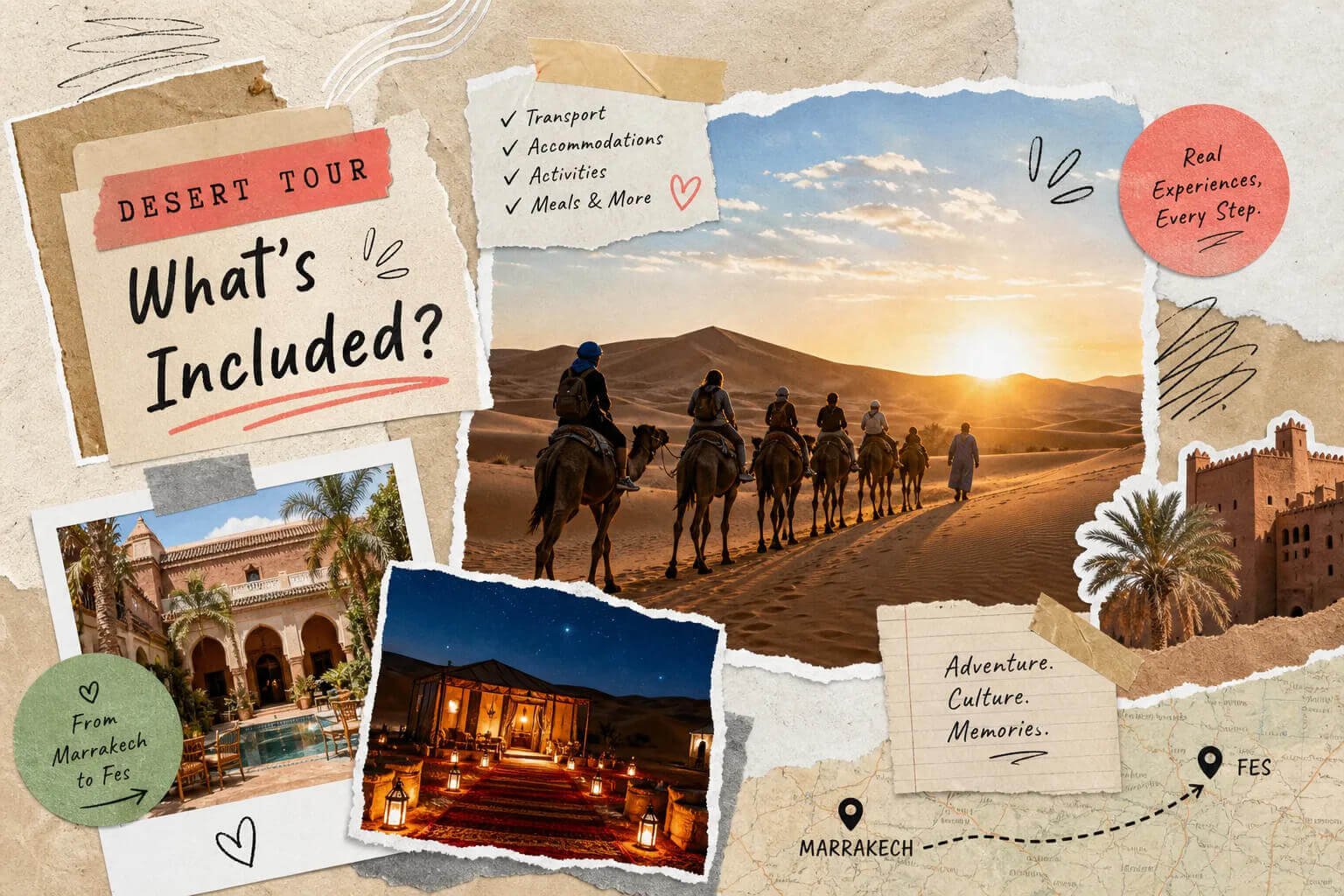
Uncover what a Marrakech to Fes desert tour offers, including camel rides, desert camps, and rich cu...
Read this article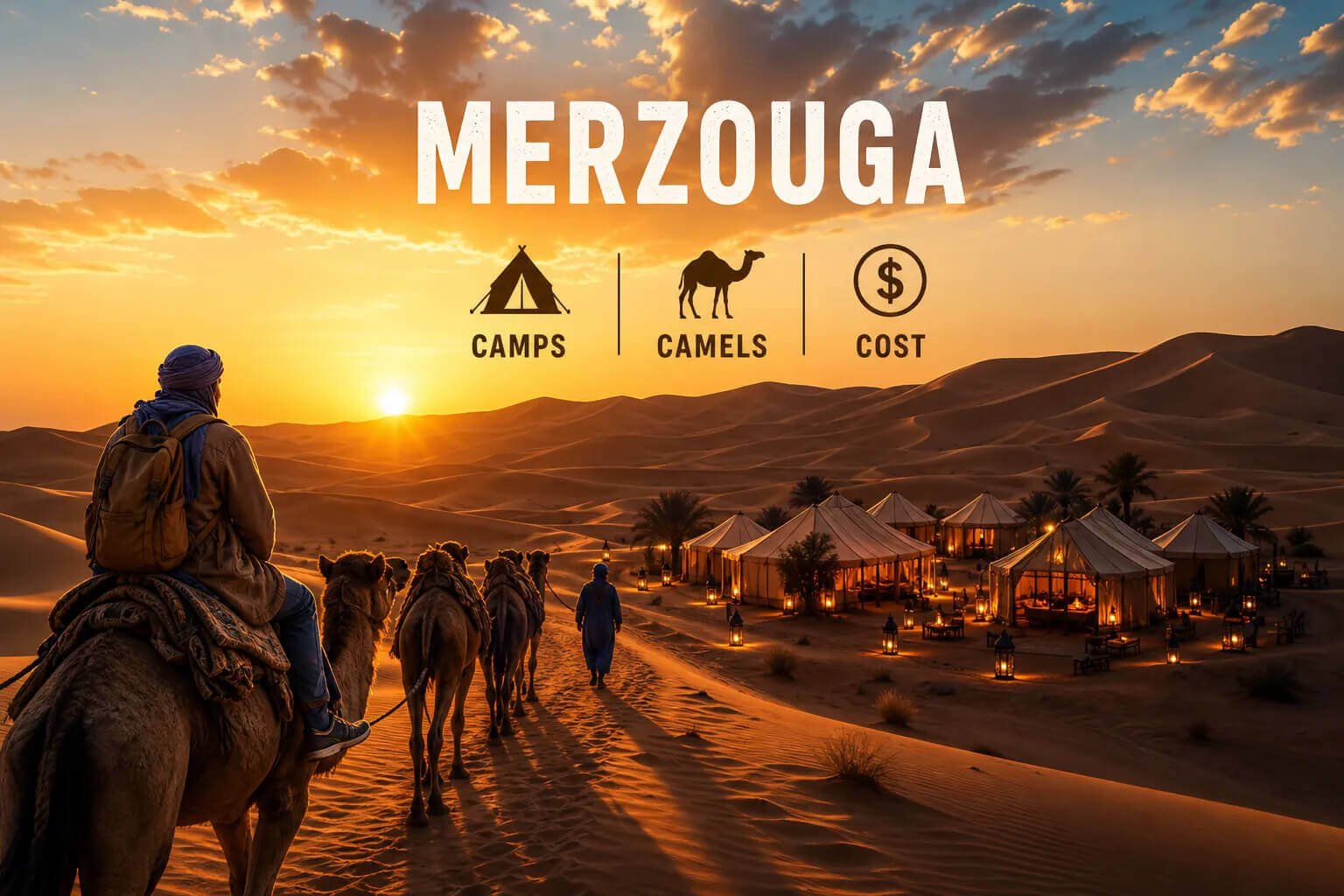
Join our Merzouga Overnight Tour for an authentic desert experience. Enjoy camel rides, comfortable ...
Read this articleWant cool tour deals and tips about Morocco? Enter your email and we’ll send them to you each month!