Essential Guide to the Best Morocco Travel Plug Adapter for Your Trip
Discover the best Morocco travel plug adapters to keep your devices powered during your trip. Read o...
Read this article
Suspendisse interdum consectetur libero id. Fermentum leo vel orci porta non. Euismod viverra nibh cras pulvinar suspen.
Morocco’s portion of the Sahara Desert offers some of the world’s most accessible and spectacular desert experiences, combining vast golden dunes with rich Berber culture just hours from major cities. This comprehensive guide covers everything you need to know about exploring the desert in Morocco, from the towering dunes of Erg Chebbi to luxury desert camps under star-filled skies. Morocco features two main types of deserts: the Sahara and the rocky Agafay Desert.
The scenery, camp experiences, and overall desert adventure in Morocco are truly amazing, offering awe-inspiring moments that make every trip unforgettable.
The Moroccan Sahara provides an immersive experience into one of Earth’s most dramatic landscapes, where traditional camel caravans still traverse ancient trading routes and nomadic families live in harmony with the harsh desert environment. Whether you’re seeking adventure sports, cultural encounters, or simply the transformative experience of sleeping under the world’s clearest night skies, Morocco’s desert regions deliver unforgettable memories. For those seeking a different kind of adventure, cycling tours through the Sahara Desert offer a unique way to explore the diverse landscapes, combining physical challenge with breathtaking scenery.
Morocco’s portion of the Sahara Desert covers the southeastern region, spanning approximately 720,000 square kilometers of diverse landscapes that extend from the southern edge of the Atlas mountains to the borders with Algeria and Western Sahara. This vast expanse represents the westernmost reach of the largest hot desert system on Earth, the Sahara, which stretches for more than 3,000 miles across North Africa, making it the largest hot desert in the world. Both continental climate patterns and Atlantic maritime influences shape the unique characteristics of this desert.
The Moroccan Sahara features two main dune systems that dominate the tourist experience: Erg Chebbi near Merzouga and Erg Chigaga near M’Hamid El Ghizlane. Erg Chigaga, the largest dune field in Morocco, is accessible primarily by 4x4 vehicles or multi-day camel treks. These massive dune fields represent just a fraction of the total desert area, which also includes extensive rocky plateaus called hamada, gravel plains known as reg, and scattered oasis settlements that have sustained life in this arid environment for centuries. The best desert tours focus on the dunes of Erg Chebbi or Erg Chigaga, offering visitors a chance to experience the most iconic landscapes.
The desert landscape encompasses golden dunes reaching heights of 150-250 meters, creating some of the most photogenic scenery in North Africa. These formations shift constantly under wind action, while the underlying geology reveals ancient lake beds and fossil deposits that tell the story of a dramatically different climate thousands of years ago. The Sahara Desert is characterized by low average annual rainfall, usually 100 millimeters or less per year, contributing to its arid and unique environment.
Located south of the High Atlas Mountains, the desert region begins approximately 500 kilometers from major cities like Marrakech and Fez. The transition from Mediterranean climate zones to full desert conditions occurs gradually, with the Atlas ranges acting as a natural barrier that creates distinct rain shadow effects contributing to the extreme aridity of southern Morocco. It is recommended to dress in light-colored clothing to reflect the sun’s rays in the Sahara Desert.
Climate conditions in the desert vary dramatically between seasons and times of day. Summer temperatures can exceed 45°C during midday hours, while winter nights may drop below 5°C, creating temperature swings of 40°C or more within 24-hour periods. For those interested in experiencing desert camps in Marrakech, annual rainfall rarely exceeds 100mm, falling in brief but sometimes intense storms that can create temporary watercourses and flash flooding.
The Sahara Desert is considered a great place to visit because of its unique and captivating environment, adventure opportunities like camping and dune activities, and the unforgettable experiences it offers to travelers seeking authentic exploration.
Erg Chebbi spans 22 kilometers long and 5 kilometers wide, with dunes reaching 150 meters in height near the Algerian border. This iconic dune field sits adjacent to the village of Merzouga, making it the most accessible major dune system for tourists visiting Morocco. The dunes display spectacular color variations throughout the day, shifting from pale gold at dawn to deep orange at sunset, creating optimal conditions for photography and camel tour experiences.
The formation consists primarily of fine sand particles carried by prevailing winds from the interior Sahara, creating smooth-sloped dunes ideal for activities like sandboarding and camel ride adventures. Vegetation around Erg Chebbi includes drought-resistant acacias and tamarisks, while the area supports small populations of desert-adapted wildlife, including fennec foxes, sand cats, and various reptile species.
Erg Chigaga covers 40 kilometers of dunes with peaks up to 300 meters, located 45 kilometers from M’Hamid town in the Draa Valley region. The closest city to Erg Chigaga is Ouarzazate, which serves as a major hub for travelers heading to the Sahara. This more remote and larger dune system offers a wilder desert experience compared to the busier Erg Chebbi area. Access requires 4x4 vehicles due to rough terrain, but this isolation provides opportunities for more authentic encounters with traditional nomadic life. The closest town to Erg Chebbi is Merzouga, around 341 miles (550km) to the southeast of Marrakech, making it a key gateway for desert adventures.
The dunes of Erg Chigaga stretch in multiple parallel ridges, creating a more complex landscape pattern that experienced desert travelers often prefer for extended camel expeditions. The area receives fewer visitors than Erg Chebbi, making it ideal for those seeking solitude and pristine desert conditions away from tourist crowds.
Smaller desert areas include Erg Lihoudi, Tinfou Dunes, and Erg Znigui, offering alternative desert experiences for travelers with limited time or seeking less commercialized environments. Tinfou Dunes, located near Zagora, provide an easily accessible taste of the Saharan landscape just a few hours’ drive from Marrakech, making them perfect for day trip excursions.
The Agafay Desert, technically a stone desert rather than the true Sahara, lies just 40 kilometers from Marrakech and offers desert-style experiences, including camel rides and luxury camp stays without the long journey to the actual Sahara. Its lunar-like landscape makes it an ideal destination for quick visits from Marrakech, providing a taste of desert adventure for those with limited time.
These alternative desert destinations are ideal for travelers looking to explore off the beaten path and discover unique, less-traveled landscapes.
Desert Area | Distance from Major Cities | Dune Height | Accessibility | Tourist Density |
|---|---|---|---|---|
Erg Chebbi | 560km from Marrakech | 150m | Easy road access | High |
Erg Chigaga | 580km from Marrakech | 300m | 4x4 required | Medium |
Tinfou Dunes | 350km from Marrakech | 100m | Easy road access | Medium |
Agafay Desert | 40km from Marrakech | Rocky terrain | Easy access | High |
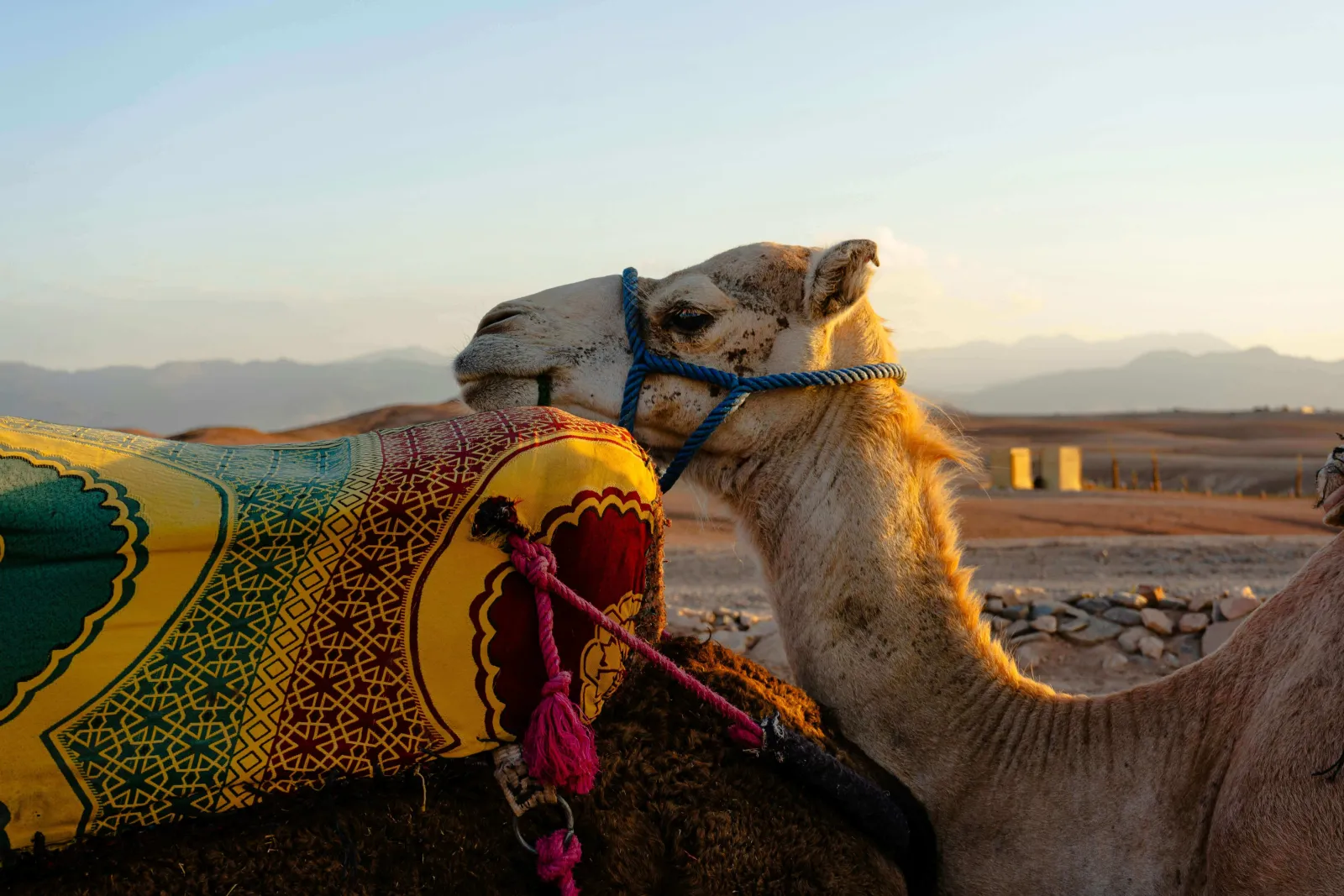
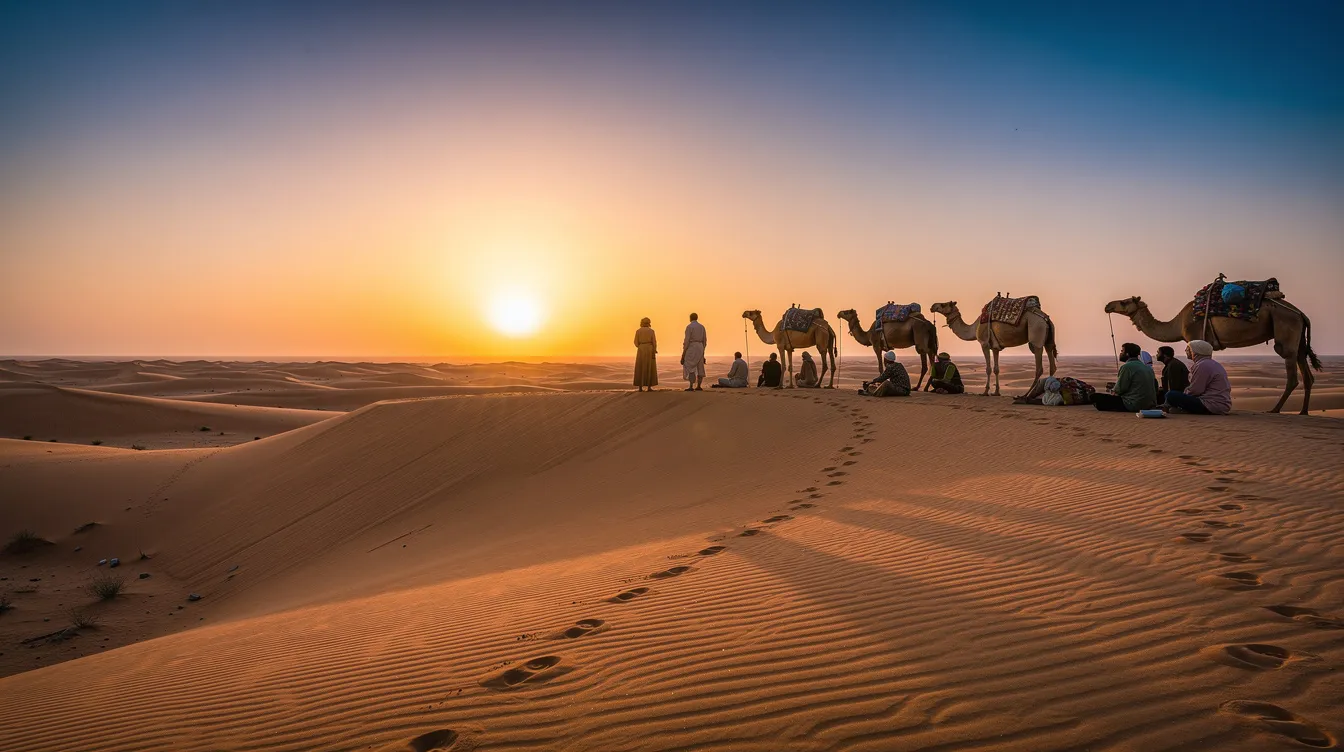
Traditional camel treks remain the quintessential Sahara desert experience, ranging from 1-hour sunset rides to 7-day expeditions across the dunes that follow ancient caravan routes. Camels are essential for desert travel, as they are uniquely well-adapted to the harsh environment, making them the ideal companions for traversing the vast Sahara. Popular routes include Merzouga to Erg Chebbi summit (2-3 hours) and M’Hamid to Erg Chigaga crossing (6-8 hours), with experienced local guides leading small groups through landscapes virtually unchanged for centuries. Camel trekking, 4x4 safaris, sandboarding, and stargazing are among the best desert activities in Morocco.
The camel ride experience typically begins in late afternoon to avoid the intense midday heat, allowing travelers to witness the spectacular transformation of dune colors as the sun sets over the Sahara. Professional camel guides, often from Berber families who have worked with these animals for generations, ensure both safety and cultural authenticity while sharing traditional knowledge about desert navigation and survival techniques.
Best practices for camel trekking include wearing long pants and closed shoes to prevent sand irritation, bringing plenty of water for hydration, and following the guide's instructions for proper mounting and dismounting techniques. The gentle swaying motion requires some adjustment, but most travelers find the rhythm meditative and uniquely suited to the desert environment’s timeless pace.
Seasonal variations affect camel trekking availability and pricing, with peak season from December through March offering comfortable temperatures but higher costs due to increased demand. Summer months see limited tour availability due to extreme heat, while spring and fall provide excellent conditions with moderate pricing and fewer crowds.
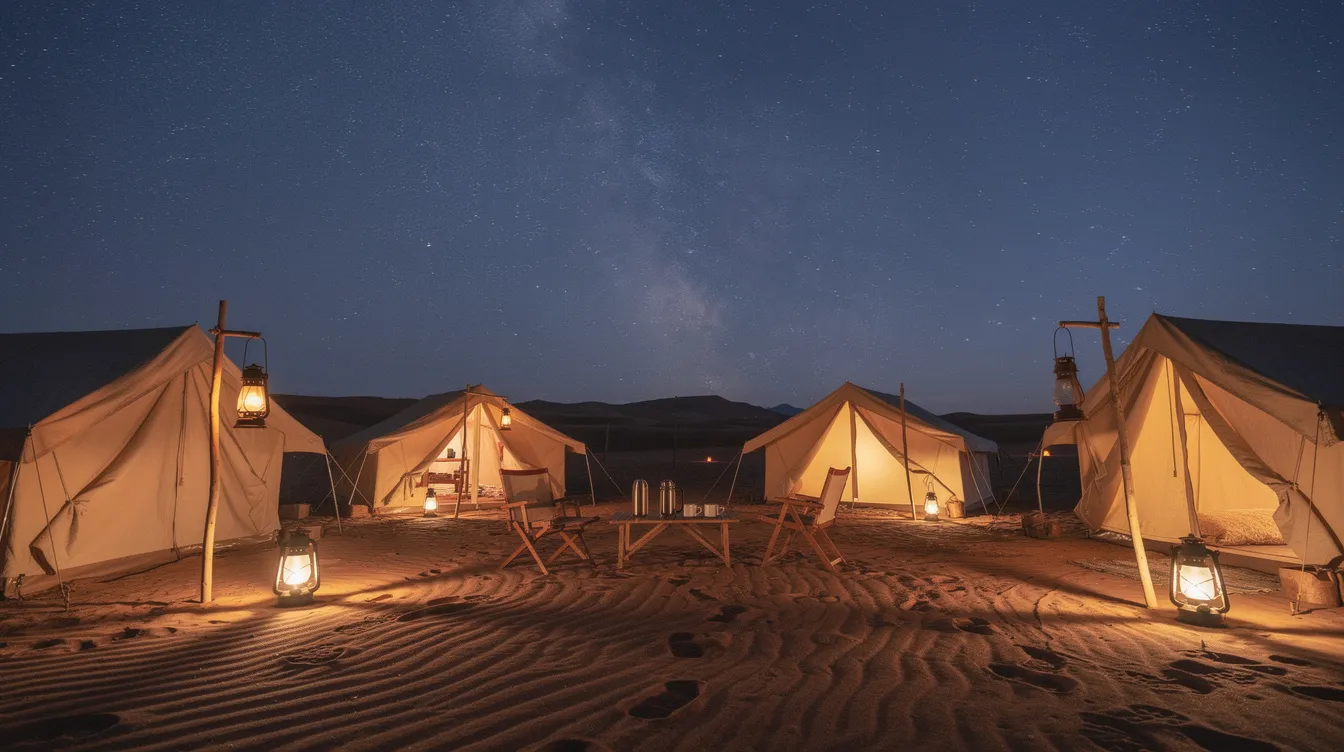
Desert camps range from basic Berber tents to luxury facilities with private bathrooms and air conditioning, accommodating every budget and comfort level. Traditional camp experiences feature authentic goat-hair tents arranged around communal areas where guests gather for evening meals, storytelling sessions, and musical performances that showcase centuries-old desert culture.
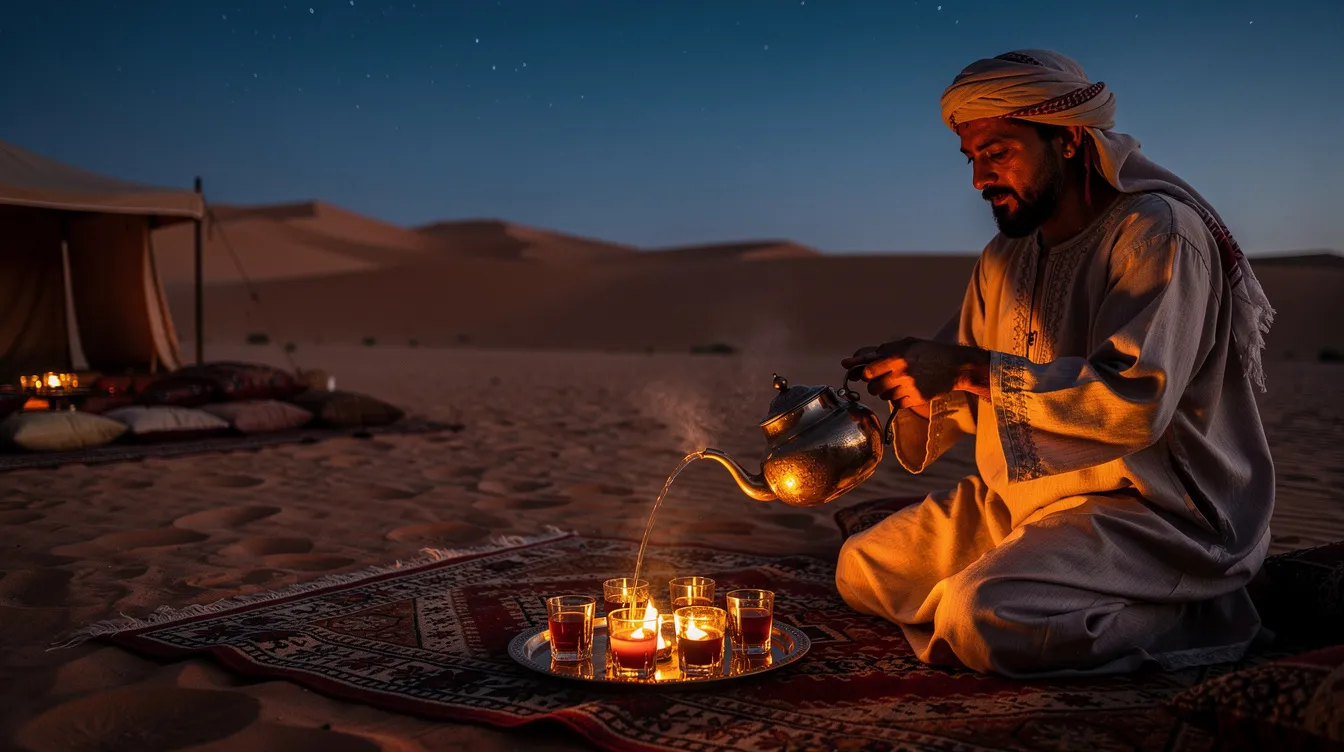
A typical overnight stay includes arrival by camel caravan at sunset, followed by traditional tagine dinners prepared over open fires and seasoned mint tea ceremonies that demonstrate Berber hospitality customs. Evening entertainment often features drumming sessions where guests can participate alongside local musicians, creating an immersive cultural experience under the remarkable clarity of Saharan night skies.
Luxury desert camp options provide private tented accommodations with full bathroom facilities, air conditioning for summer comfort, and gourmet dining that combines traditional Moroccan cuisine with international standards. These high-end facilities often include amenities like private terraces for stargazing, spa services, and guided astronomy sessions, taking advantage of the desert’s minimal light pollution.
Camp locations vary from edge-of-dunes positions accessible by regular vehicles to deep desert sites requiring 4x4 transfers, with more remote locations offering enhanced solitude and authentic nomadic experiences. Many camps operate year-round, though summer months may see reduced occupancy due to extreme temperatures.
Sandboarding on the slopes of Erg Chebbi and Erg Chigaga dunes provides thrilling alternatives to traditional desert activities, with equipment rental and instruction available through most tour operators. The sport works similarly to snowboarding but requires different techniques to account for sand’s unique properties and the challenge of climbing back up dune faces between runs.
Quad biking and buggy tours across desert terrain typically last 2-4 hours with guided routes that showcase diverse landscapes beyond the famous dunes. These motorized adventures allow exploration of rocky plateaus, dried riverbeds, and small village areas that would be difficult to reach on foot or by camel, providing a broader perspective on desert ecosystem diversity.
Rock formations in nearby Todra Gorge feature 400-meter limestone cliffs with over 100 established climbing routes suitable for various skill levels. This dramatic canyon, carved by seasonal water flow, offers spectacular morning climbing conditions and serves as a popular overnight stop for desert tour group itineraries combining multiple adventure activities.
Desert photography workshops focus on sunrise and sunset lighting techniques that capture the Sahara’s dramatic color transitions and vast scale. Professional instructors teach composition methods specific to desert landscapes, including techniques for photographing star trails during the remarkably clear night conditions common in this arid climate.
This small village with 1,200 residents sits directly on the edge of Erg Chebbi dunes, 50 kilometers from the regional center of Erfoud. Merzouga, located near the Algerian border, is known as the gateway to the Erg Chebbi dunes and serves as the primary launching point for Sahara desert camp experiences and camel tour adventures, with some accommodations offering direct views of the towering sand formations from their terraces and rooftops.
Accommodation options include over 40 hotels, guesthouses, and auberges ranging from 200-1,500 MAD per night, catering to every budget level from backpacker hostels to boutique riads. Many establishments provide package deals combining accommodation, meals, and desert excursions, simplifying planning for visitors who prefer organized experiences.
Local services include numerous tour operators specializing in desert camps and camel ride experiences, 4x4 rental agencies for self-drive adventures, and traditional craft shops selling Berber textiles, jewelry, and pottery. The village maintains its authentic character despite tourism development, with many businesses operated by local families who have lived in the region for generations.
Access points to the dunes lie within walking distance of most accommodations, allowing guests to climb smaller dunes for sunrise viewing or short camel rides without joining formal tour groups. This proximity makes Merzouga ideal for travelers who want flexibility in their desert experience timing and duration.
M’Hamid El Ghizlane represents the last town before the desert frontier, with a population of 7,000 people located 98 kilometers south of Zagora in the Draa Valley. This authentic settlement maintains traditional mud-brick architecture and serves as the mandatory departure point for Erg Chigaga adventures, offering a more genuine Saharan town atmosphere with fewer tourist crowds compared to Merzouga.
Traditional architecture dominates the town center, where narrow streets wind between ancient buildings that demonstrate centuries-old construction techniques adapted for desert climate conditions. Local markets offer opportunities to purchase supplies for desert trips and experience daily life in a working Saharan community rather than a tourism-focused village.
Mandatory 4x4 transfer from M’Hamid to Erg Chigaga takes 45-60 minutes across rocky terrain and smaller dune fields, adding adventure elements to the journey itself. This access requirement means visitors must plan for guided tours or arranged transportation, but also ensures the dune area maintains its remote character and pristine condition.
The International Nomads Festival, held annually in March, celebrates traditional desert culture with music, poetry, and demonstrations of traditional crafts and survival skills. This event provides unique opportunities to experience authentic nomadic traditions and meet families who continue seasonal migration patterns across the broader Sahara region.
Ouarzazate, a major city with 70,000 residents known as the “Gateway to the Sahara,” sits 196 kilometers from Marrakech via the dramatic Tizi n’Tichka pass through the High Atlas mountains. Located on a bare plateau south of the Atlas Mountains, this strategic location makes it an essential stopover point for desert-bound travelers, offering urban amenities and tour organization services before heading into more remote desert regions.
The city serves as Morocco’s film industry hub, featuring the famous Atlas Studios where internationally recognized movies, including Gladiator, Lawrence of Arabia, and Game of Thrones, filmed desert and historical sequences. These film studios offer tours that showcase elaborate sets and provide insight into how filmmakers recreate historical and fantasy landscapes in real desert environments.
Luxury hotels, restaurants serving international and traditional cuisine, and professional tour operators make Ouarzazate an ideal base for organizing desert expeditions with reliable logistics support. The city’s infrastructure includes reliable internet, banking services, and medical facilities that provide security for travelers before venturing into more isolated desert areas.
Nearby attractions include the UNESCO World Heritage site of Aït Benhaddou, a spectacular fortified village that demonstrates traditional Saharan architecture, and the Skoura palm groves that showcase traditional oasis agriculture techniques still practiced in desert regions throughout southern Morocco. Ait Ben Haddou is a recommended stop for travelers journeying from Marrakech to the Sahara, offering cultural and historical insights as one of Morocco’s best-preserved kasbahs.
Optimal months for desert experiences span October through April, when daytime temperatures range from 20-25°C and nighttime lows stay between 5-15°C, creating comfortable conditions for camel trekking, camping, and other outdoor activities. Spring (March to May) is considered one of the best times to visit due to comfortable weather and blooming desert vegetation following winter rains. This period coincides with Morocco’s tourist high season, resulting in higher accommodation prices and increased booking requirements.
The spring season, from March through May, offers the additional benefit of blooming desert vegetation following winter rains, though this period also sees peak tourist numbers and maximum pricing for desert tours and luxury desert camp accommodations. Wildflowers and green growth create photographic opportunities not available during other seasons. The Sahara Desert can be visited year-round, with spring (March to May) considered one of the best times due to comfortable weather.
Summer months from June through September feature extreme heat reaching 45-50°C during midday hours, with very limited tour availability and many camps closing operations entirely. Travelers who visit during summer must plan activities for early morning and evening hours, with midday rest periods essential for safety and comfort.
The winter period from December through February provides the most comfortable daytime conditions but requires warm clothing for very cold nights when temperatures can drop to 5°C or below. Clear skies during this season offer exceptional stargazing conditions, while lower humidity levels create ideal photography lighting throughout the day.
Month | Day Temp (°C) | Night Temp (°C) | Tourist Level | Activity Availability |
|---|---|---|---|---|
January | 20-22 | 5-8 | Medium | Full |
April | 25-28 | 12-15 | High | Full |
July | 45-50 | 25-30 | Very Low | Limited |
October | 28-32 | 15-18 | Medium-High | Full |
Essential clothing for desert visits includes light-colored long-sleeve shirts and breathable pants that provide sun protection while allowing air circulation for temperature regulation. Loose-fitting long-sleeved tops, such as linen shirts, are ideal for desert conditions. Wide-brimmed hats shield the face and neck from intense solar radiation, while closed-toe shoes prevent sand entry and protect feet from hot surfaces during midday hours. Comfortable closed-toe shoes are recommended for walking in Morocco's desert terrains.
Sun protection requires SPF 30 or higher sunscreen applied frequently throughout the day, UV-protective sunglasses to prevent eye damage from intense reflected light, and lightweight scarves that can cover the face during sandstorms or provide additional neck protection when temperatures peak.
Night essentials become critical during cooler months when temperatures drop dramatically after sunset. Warm layers, including fleece jackets, thermal underwear, and warm sleeping gear, ensure comfort during overnight desert camp stays when desert conditions can feel surprisingly cold compared to daytime heat. A merino base layer and a lightweight down jacket are suggested for chilly evenings in the desert, providing effective insulation against the sharp temperature drops.
Practical items include reliable headlamps or flashlights for navigating camps after dark, portable power banks to maintain device charge in remote locations, wet wipes for personal hygiene when water is limited, and plenty of water bottles since hydration needs increase significantly in arid climate conditions. Travelers should stock up on bottled water before heading into the desert to ensure they remain hydrated during their journey.
Additional considerations include bringing cash in local currency since remote areas lack ATM access, protecting electronic devices from sand infiltration with sealed bags, and packing light since camel transport and desert camp logistics favor minimal luggage loads.
Selecting the perfect desert camp is a key part of planning your Sahara Desert adventure in Morocco. With a wide variety of desert camps scattered across the Moroccan Sahara, your choice will shape the entire experience—from the level of comfort to the types of activities available. Erg Chebbi and Erg Chigaga are the most sought-after locations for desert camps, each offering a distinct atmosphere. Erg Chebbi, near Merzouga, is known for its accessibility and range of options, from basic Berber tents to luxury desert camps with all the modern comforts. In contrast, Erg Chigaga appeals to those seeking a more remote and adventurous trip, with camps nestled deep among the dunes and fewer crowds.
When choosing a desert camp, consider what matters most to you: Do you want a luxury desert camp with en-suite bathrooms, gourmet meals, and air conditioning, or are you looking for a more rustic, authentic experience under the stars? Proximity to the dunes is another important factor-some camps are set right at the foot of the towering dunes, offering direct access for sunrise walks or camel rides, while others are located further out for added tranquility. Many camps offer immersive experiences such as guided hikes, camel treks, and cultural evenings with local music and mint tea. Reading reviews and checking the camp’s reputation can help ensure you select a camp that matches your expectations and enhances your journey through the Sahara. Whether you’re drawn to the golden dunes of Erg Chebbi or the wild beauty of Erg Chigaga, the right camp will make your desert trip truly unforgettable.
For travelers seeking the ultimate blend of adventure and comfort, a luxury desert camp in the Sahara Desert is a great option. Imagine waking up in a beautifully appointed tent, complete with plush bedding, private bathrooms, and sweeping views of the Erg Chebbi dunes. Many luxury desert camps in southern Morocco go above and beyond, offering amenities such as air conditioning, Wi-Fi, and even swimming pools—an oasis of relaxation in the heart of the desert.
Your day might begin with a gourmet breakfast before setting out on a private tour of the dunes, perhaps on a camel ride or even horseback. Some camps offer a range of activities, from guided hikes and desert safaris to horse riding and quad biking, allowing you to explore the stunning landscapes at your own pace. After a day of adventure, unwind with a traditional mint tea as the sun sets, followed by a candlelit dinner under the stars and live Berber music around the campfire. Many luxury desert camps also offer wellness experiences such as yoga sessions, spa treatments, and meditation, making it easy to relax and rejuvenate after a day of exploring the Sahara.
Whether you’re celebrating a special occasion or simply want to treat yourself, a luxury desert camp near Erg Chebbi or Erg Chigaga offers an immersive experience that combines the magic of the desert with the comforts of a boutique hotel. It’s the perfect way to enjoy the best of Morocco’s Sahara in style.
Driving from Marrakech to the major desert areas takes 9-11 hours via the N9 highway through Ouarzazate and Tinghir, crossing the spectacular High Atlas mountains through the Tizi n’Tichka pass at 2,260 meters elevation. This route offers stunning mountain and valley scenery but requires careful attention to weather conditions, especially during winter months when snow can affect high-altitude sections. The drive from Marrakech to Merzouga takes about 9 hours, but can take longer due to the variety of landscapes and sights along the way, making it a journey filled with diverse experiences. The journey from Marrakech to the desert is a long drive, so careful planning and rest stops are essential for a safe and comfortable trip.
The journey passes through diverse climate zones from Mediterranean conditions in Marrakech to semi-arid steppes and finally full desert environments, showcasing Morocco’s remarkable geographic diversity within a single day’s travel. Key stops include Aït Benhaddou for historical architecture and Ouarzazate for services and overnight accommodation if breaking the journey.
Domestic flights provide faster but more expensive alternatives, with Royal Air Maroc operating a daily Casablanca-Errachidia service that reduces total travel time to approximately 2 hours flight plus 2 hours driving to reach Erg Chebbi. This option works well for travelers with limited vacation time or those preferring to minimize long-distance road travel.
Bus transportation through CTM and Supratours offers budget-friendly options with daily services to Merzouga (approximately 15 hours from Marrakech) and Zagora (approximately 7 hours). While economical, bus travel requires patience and flexibility, as schedules may adjust for weather or mechanical issues, and comfort levels vary significantly from private transport. It is advisable to bring small coins or bills to tip at roadside bathrooms in Morocco. Public transport options to the Sahara include buses operated by Supratours and CTM, which connect major cities to desert destinations, making it accessible for travelers on a budget. The bus system in Morocco, primarily run by CTM and Supratours, links cities like Fes and Marrakech to Merzouga and Erg Chigaga, providing an affordable way to reach the desert, though the journey can be long and tiring.
Private helicopter transfers represent the ultimate luxury option, available from Marrakech directly to desert camps for approximately $10,000 return trips. This exclusive service provides aerial views of the Atlas Mountains and Sahara approach while eliminating ground travel time, though obviously targeting high-end travelers with substantial budgets.
For self-drive adventures, rental cars offer maximum flexibility for exploring the country at your own pace. The drive from Marrakech follows well-maintained highways, though travelers should ensure their rental agreement covers off-road driving if planning to visit more remote areas where regular cars drive might not be suitable. Be aware that Google Maps may not always be accurate in remote desert areas, so it is wise to seek local advice or use a dedicated GPS device for navigation.
Tour duration options accommodate various schedules and interests, from 2-day express trips perfect for first-time visitors to 7-day comprehensive desert expeditions that include multiple camp sites and extensive exploration of different desert regions. Standard 3-day packages provide an optimal balance between time investment and experience depth for most travelers.
Joining a group tour is a convenient and cost-effective way to experience the Sahara, especially for solo travelers or those seeking a social experience.
Group tours typically accommodate 8-16 people starting from $200 per person for basic packages, while private tours range from $400-800 per person depending on accommodation level and included activities. Private tour options allow customized itineraries, flexible scheduling, and more intimate experiences with guides and local families who share insights into traditional desert life.
Luxury desert camps feature private tented accommodations with full bathroom facilities, air conditioning for summer comfort, and gourmet dining that combines traditional Moroccan tagines with international cuisine standards. These premium facilities often include amenities like private terraces for stargazing, spa services, and professional astronomy guides who take advantage of the Sahara’s exceptional night sky visibility.
Budget camping options with shared facilities and basic meals start from $50 per night, including transportation, camel rides, and traditional entertainment. These authentic experiences provide excellent value while maintaining cultural elements like Berber music, storytelling around campfires, and traditional meal preparation methods that showcase centuries-old desert survival techniques.
Immersive experience packages focus on cultural exchange opportunities, including visits to Berber families who live in small village communities, traditional craft workshops, and participation in daily activities like bread baking, textile weaving, and animal care. These programs provide a deeper understanding of how people adapt to and thrive in challenging desert environments.
Many tour operators offer specialized packages for specific interests, including photography workshops that take advantage of optimal lighting conditions, astronomy tours during new moon phases when star visibility peaks, and adventure packages combining desert exploration with activities in nearby mountain regions like the Dades Gorges and Todra Gorge.
Accommodation booking recommendations vary by season, with reservations essential during peak months from December through March when luxury desert camp availability becomes limited. Summer months offer significant discounts but require careful attention to heat management and may have reduced activity options during the hottest parts of the day.
Transportation logistics typically include pickup from gateway cities like Marrakech, though some operators offer meeting points in desert-adjacent towns like Ouarzazate or directly at camps for travelers with independent transport. Return trip arrangements should be confirmed in advance, especially for travelers continuing to other destinations rather than returning to their original departure point.
Exploring the Sahara Desert is an incredible adventure, but it’s important to prioritize safety and take sensible precautions to ensure a smooth and enjoyable trip. The desert environment can be unpredictable, with extreme temperatures, strong sun, and occasional sandstorms. Always choose a reputable desert camp or tour operator that provides experienced guides, well-maintained equipment, and clear safety protocols. Guides are trained to handle the unique challenges of the Sahara and will help you navigate the dunes safely, whether you’re on a camel ride or a walking tour.
Personal preparation is equally important. Protect yourself from the sun with high-SPF sunscreen, a wide-brimmed hat, and light, long-sleeved clothing. Staying hydrated is crucial—carry plenty of water, especially during activities in the heat. When participating in activities like camel rides, follow your guide’s instructions carefully and use any provided safety gear. Be mindful of the risks associated with climate change, such as rising temperatures and shifting weather patterns, and adjust your plans if necessary to avoid extreme conditions.
Respect the desert environment and local customs, and always listen to the advice of your guides and camp staff. By taking these precautions, you’ll be able to fully enjoy the wonders of the Sahara Desert while keeping yourself and others safe.
Visiting the Sahara Desert is a privilege, and responsible travel practices help protect this unique environment and support the communities that call it home. When choosing a desert camp, look for those that prioritize sustainability—many eco-friendly camps in the Moroccan Sahara use solar power, minimize plastic waste, and implement water-saving measures. Supporting desert camps that hire local staff and source food and materials from nearby villages helps strengthen the local economy and preserve traditional ways of life.
As a visitor, be mindful of your impact: conserve water, avoid leaving litter, and respect the fragile desert ecosystem. Participate in activities that promote cultural exchange, such as learning about Berber traditions or enjoying local music and cuisine. Responsible desert camps often offer opportunities to engage with local communities, providing insight into how families live and adapt to the desert’s challenges.
By traveling responsibly, you help ensure that the Sahara Desert remains a vibrant and welcoming destination for generations to come. Your choices—whether it’s staying at a sustainable camp, supporting local artisans, or simply treading lightly on the dunes—make a real difference in preserving the beauty and heritage of the Moroccan Sahara.
The desert in Morocco represents one of the world’s most accessible and rewarding Sahara experiences, combining spectacular natural landscapes with rich cultural traditions just hours from modern cities. From the golden dunes of Erg Chebbi to the remote wilderness of Erg Chigaga, Morocco’s portion of the largest hot desert offers adventures suitable for every travel style and budget. The Sahara Desert passes through 11 African countries, including Morocco.
Whether you choose a luxury desert camp with gourmet meals and private bathrooms or an authentic Berber tent experience with traditional mint tea ceremonies around the campfire, the Moroccan Sahara delivers transformative experiences that connect visitors with both stunning natural beauty and centuries-old cultural wisdom. Staying overnight in a desert camp allows visitors to experience the desert's transformations at sunset and sunrise, creating memories that last long after the journey ends.
Start planning your desert adventure today by choosing your preferred region, booking accommodations in advance for peak season travel, and preparing for temperature extremes that can range from afternoon highs of 45°C to nighttime lows near freezing. The trip to Morocco’s desert may require some logistical planning and physical preparation, but the reward of experiencing one of Earth’s most dramatic landscapes makes every effort worthwhile.
Discover the best Morocco travel plug adapters to keep your devices powered during your trip. Read o...
Read this article
Discover the ultimate 4-day desert tour from Marrakech to Fes. Experience breathtaking landscapes an...
Read this article
Discover essential tips for exploring Aït Benhaddou, a UNESCO World Heritage site. Plan your visit ...
Read this articleWant cool tour deals and tips about Morocco? Enter your email and we’ll send them to you each month!