Group Tour Agencies in Morocco: How to Pick the Right One
Compare Morocco group tour agencies by trip style, reviews, pace, transport and inclusions. Learn wh...
Read this article

Private, custom Morocco trips planned in Fez by AZ-ZDDINE, working in Moroccan tourism since 2012. Sahara, Atlas, medinas and coast, arranged around you.
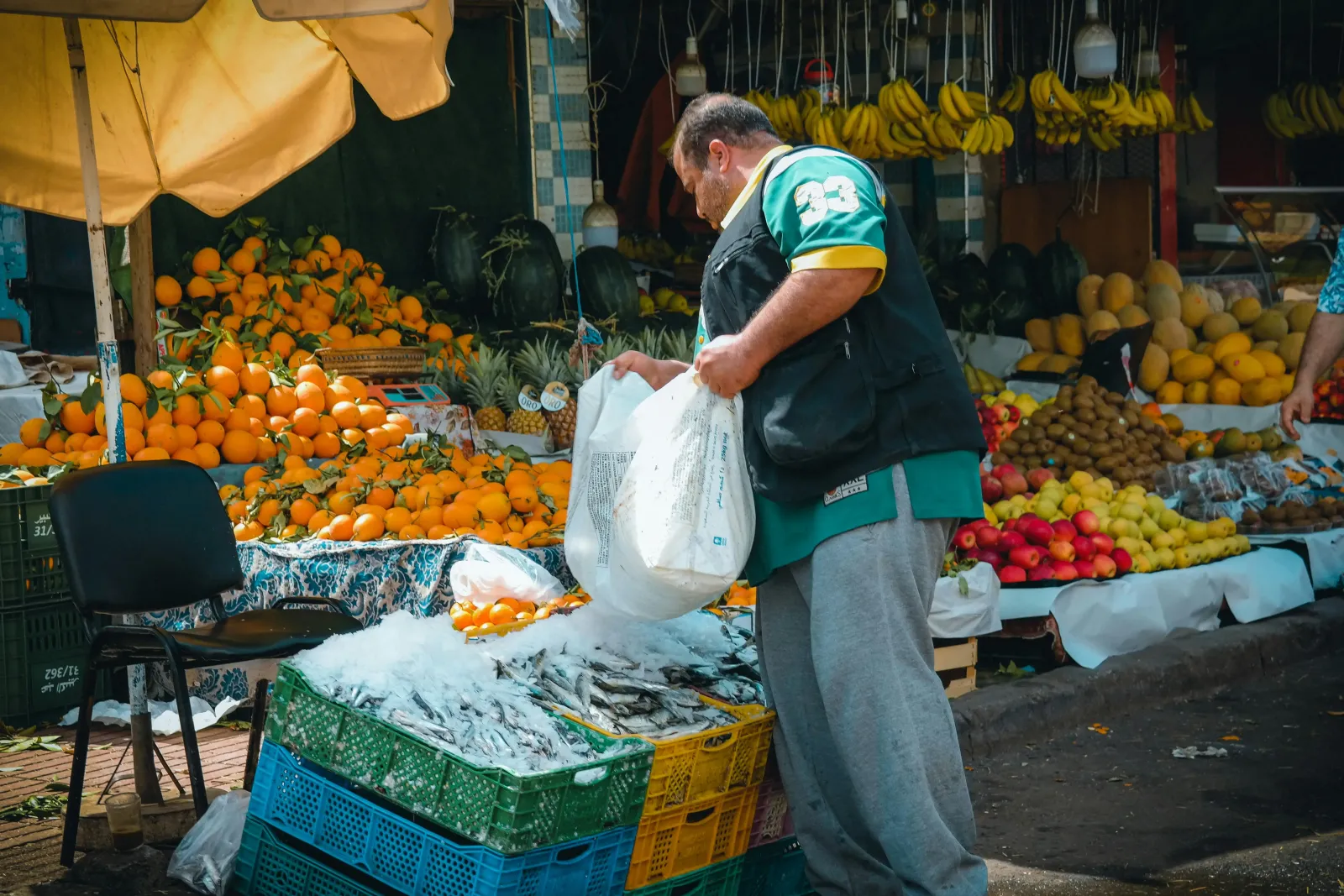
Family is the backbone of Moroccan society, with multi-generational households common in both bustling cities like Marrakech and Casablanca and quiet Atlas Mountain villages.
Moroccan families typically include parents, children, grandparents, aunts, uncles, and cousins living together or nearby, with deep respect for elders guiding daily interactions.
Many young adults remain with their parents until marriage, reflecting cultural values that prioritize family bonds and financial stability over independence.
Daily routines revolve around shared meals eaten from communal dishes, mint tea rituals, religious observances like Ramadan and Eid al-Fitr, and strong connections between neighbors.
Morocco Classic Tours helps visitors experience authentic family traditions safely through home-style meals, tea ceremonies, desert camps, and child-friendly private tours designed for families traveling with children.
Religious and Cultural Rhythms: Eid al-Fitr and Everyday Faith
Family-Friendly Travel in Morocco (Tours, Desert Trips and Holiday Packages)
Practical Tips for Visiting or Moving to Morocco with a Family
Morocco family life is rooted in strong traditions that shape every aspect of daily living, from the way homes are organized to the rituals that bring people together. This guide is designed for readers—whether travelers, researchers, or those curious about North African culture—seeking a comprehensive understanding of Moroccan family life and its importance in society. Family life in Morocco extends beyond the nuclear family, encompassing parents, children, grandparents, aunts, uncles, and cousins, often living together or nearby. The family is the primary social unit in Morocco, providing identity, solidarity, and support.
In Moroccan society, extended families typically live together, and multiple generations often share a home, reflecting a strong sense of community and collectivism. Collectivism in Moroccan culture places the well-being of the family unit above individual desires, influencing behaviors and actions. The family is viewed as a collaborative unit, where everyone has a role, and family is considered sacred, serving as a pillar of social structure.
Hospitality, frequent family gatherings, communal meals, and laughter are culturally central practices. Meals are eaten from a shared plate to reinforce unity and respect, and guests are embraced as part of the family, offered mint tea, bread, and heartfelt smiles. Elders are not isolated; they are honored, listened to, and cherished, playing a crucial role in guiding younger members. Children are considered the heart of Moroccan family life, representing joy and continuity, and often live at home until marriage, with a responsibility to care for their parents in old age.
Economic challenges, such as high living costs, urbanization, and migration, impact family structures and dynamics, but the core values of togetherness and mutual support remain strong. Understanding these traditions helps visitors, expats, and anyone interested in Morocco connect more meaningfully with the people they meet and appreciate the warmth that defines this North African nation.
Having set the stage for the significance of Morocco family life, we now turn to the broader cultural context that shapes these family dynamics.
Moroccan culture is a vibrant tapestry woven from Arab, Amazigh (Berber), African, and Mediterranean influences. At its heart lies a deep reverence for family, hospitality, and community. The sacred nature of family is reflected in every aspect of daily life, from the way homes are structured to the rituals that mark important milestones.
Collectivism is a defining feature of Moroccan society. This means that the well-being of the family unit is prioritized above individual desires, guiding behaviors and decisions. The family is viewed as a collaborative unit, where everyone—regardless of age or gender—has a role to play in maintaining harmony, providing support, and upholding traditions.
Family relationships are the most important component of social life in Morocco. The family is not just a group of related individuals but a sacred institution that provides identity, solidarity, and support. This sense of sacredness is evident in the way families gather, celebrate, and care for one another, making family life the cornerstone of Moroccan culture.
With this cultural foundation in mind, we can better understand the specific structures and dynamics that define Moroccan family life.
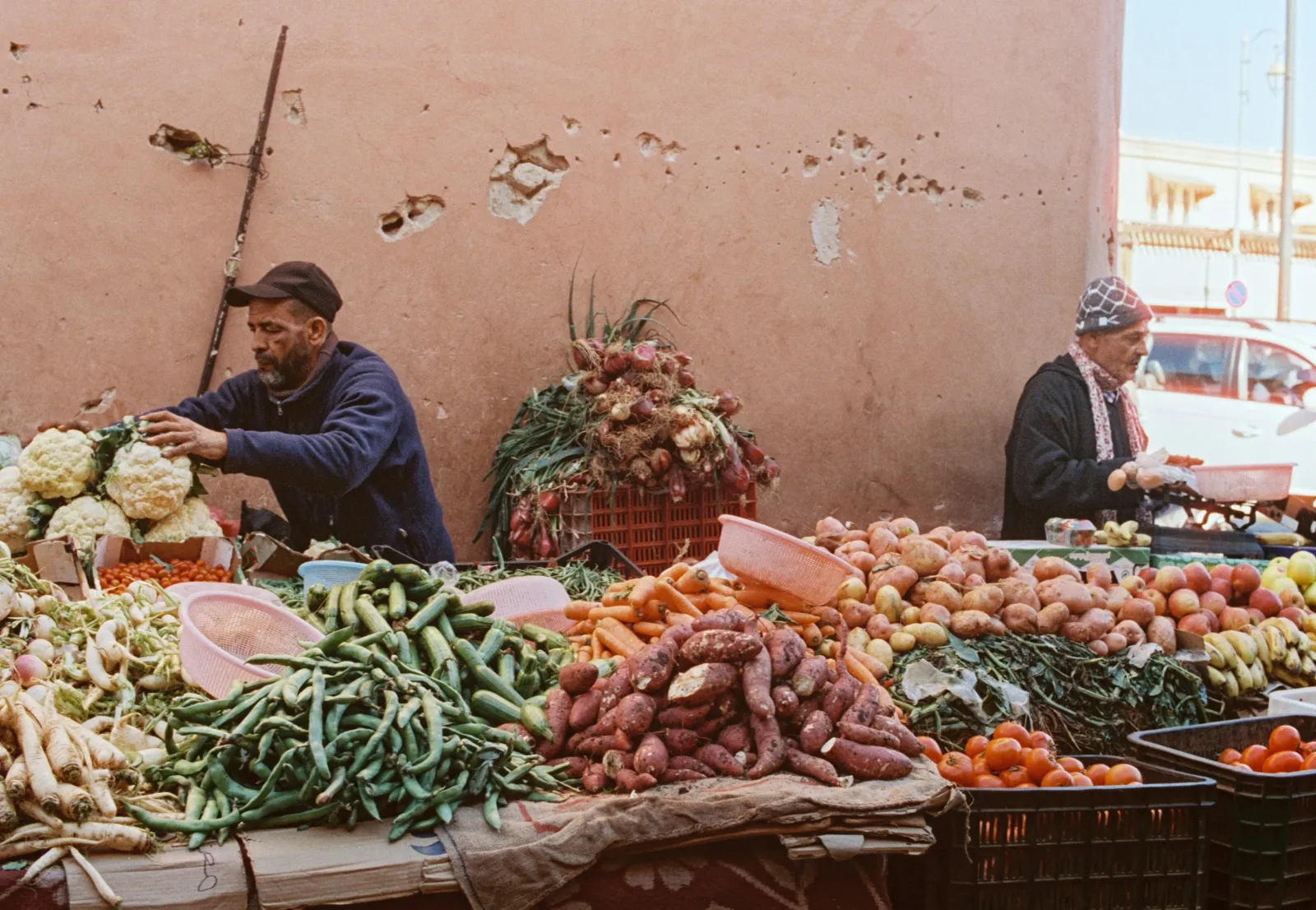
A typical Moroccan family consists of two parents with several children, but it is common for multiple generations to share the same living space. Unlike the nuclear family structure prevalent in many Western countries, Moroccan families embrace extended relatives as immediate family members. Grandparents, aunts, uncles, and cousins often live under one roof or nearby, creating households where wisdom and traditions pass naturally between generations.
Urban Areas: Multi-story apartments where different family branches occupy separate floors.
Coastal Cities: Apartment buildings with extended family nearby.
Rural Areas: Homes organized around central courtyards shared by multiple family units.
Small Towns: Traditional houses with connected family quarters.
Children in Morocco often live at home until marriage and have a responsibility to care for their parents in old age. They are considered the heart of Moroccan family life, representing joy, hope, and continuity. Elders are not isolated; they are honored, listened to, and cherished, playing a crucial role in guiding younger members and maintaining family traditions.
The Moroccan family operates as a collaborative unit, where each member has defined roles and responsibilities. Collectivism ensures that the needs of the family take precedence over individual ambitions, fostering a strong sense of belonging and mutual support.
Family gatherings are frequent and filled with stories, laughter, and shared meals that keep relationships vibrant and unbreakable. Hospitality is one of the most cherished values in Moroccan family life. Guests are embraced as part of the family, offered mint tea, bread, and heartfelt smiles. Meals are moments of connection where conversation flows freely, and laughter fills the room.
Having explored the framework of Moroccan family relationships, we next examine how these bonds influence daily routines and cultural practices.
Building on the understanding of family roles, daily life in Moroccan households weaves together tradition and togetherness in unique ways. The rhythms of the day are shaped by shared responsibilities, communal meals, and rituals that reinforce family bonds.
Early morning rush as children prepare for school and adults head to work.
Children often walk or take shared taxis to class, sometimes accompanied by older siblings or cousins.
Breakfast is typically a light meal shared with family members.
Lunch is the heartiest meal of the day, often featuring traditional dishes like tajine or couscous.
Family members regroup at home for lunch whenever possible, reinforcing the importance of shared meals.
During hot months, long breaks are common, with most shops closing between 2 p.m. and 5 p.m.
Families gather for dinner, watch television, and visit relatives.
Weekends are spent watching football matches together, strolling in public squares, or visiting extended family.
Laughter and conversation are central to these gatherings, strengthening emotional bonds.
To share food is to share friendship and respect in Moroccan culture. Meals are eaten from a communal dish, with everyone using pieces of bread instead of silverware. This practice reinforces unity and the collaborative nature of family life.
Extended family members provide crucial support networks. When weddings occur, the entire extended family contributes financially and practically. When someone purchases a house, relatives pool resources. When young people migrate abroad for work, they send money home to support parents and siblings. This interconnectedness fosters a strong sense of belonging that defines everyday life in Morocco.
Having detailed the daily rhythms and support systems, we now turn to the division of responsibilities within Moroccan families.
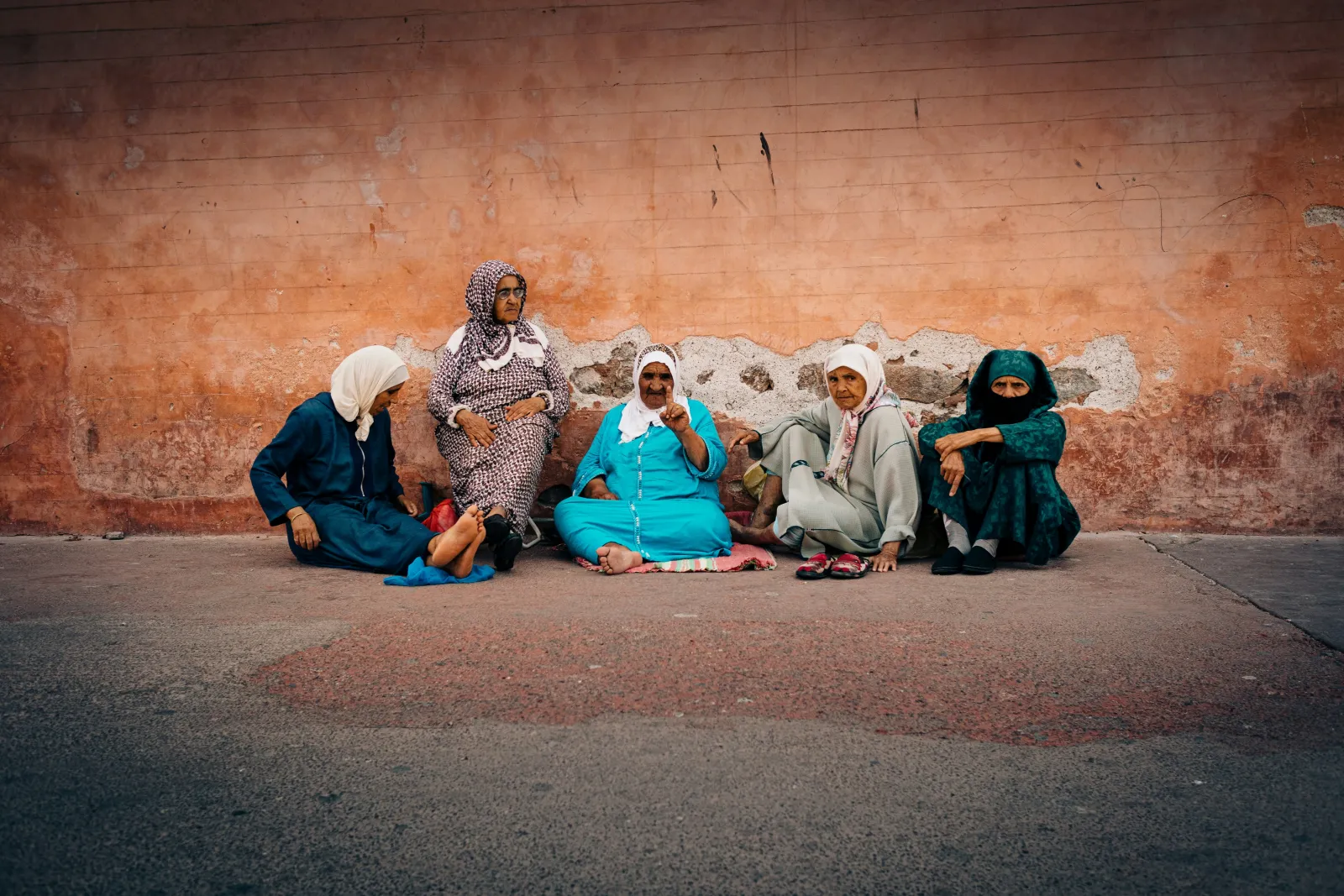
Morocco blends traditional gender expectations with gradual modernization, particularly in major cities following the 2004 family code reforms known as the Moudawana. These reforms expanded women’s rights in marriage, divorce, and custody, though traditional practices remain influential in many communities.
Men: Typically head the household and are responsible for providing financially. They work in offices, shops, tourism, agriculture, and trades.
Women: Traditionally manage the home and care for the children. In rural families, women are primarily responsible for cooking, cleaning, and childcare, and often participate in cooperative work, such as producing argan oil, to contribute to the family's income.
Girls: Often expected to assist with household chores and childcare from an early age.
Many women in Casablanca, Rabat, and Marrakech work as teachers, doctors, lawyers, shop owners, and in tourism-related positions. In the Souss-Massa region, women run argan oil cooperatives that have become important income sources for their families.
Community cafés and street life are often dominated by men, while the Moroccan home serves as the primary social hub for women and children. Women play central roles in maintaining family relationships, organizing celebrations, and transmitting cultural practices to the next generation.
Women in some homes may dress more conservatively when unrelated male guests are present.
Follow your host’s cues regarding interaction between genders.
Modest dress is appreciated, especially outside major tourist areas.
With a clear understanding of gender roles and responsibilities, we now explore how religious and cultural rhythms further shape Moroccan family life.
Most Moroccan families are Muslim, and religious practices shape daily routines, celebrations, and values such as charity, hospitality, and respect for parents. Morocco’s official religion is Islam, with approximately 99% of the population identifying as Muslim, primarily Sunni.
During Ramadan, the Islamic holy month, families observe fasting together from dawn to sunset. The atmosphere transforms across the country:
Preparation of special dishes like harira soup (tomato-based with lentils and chickpeas) and chebakia pastries (honey-coated fried cookies).
Breaking the fast at sunset (iftar) as a family gathering.
Heightened charitable activities and community spirit.
Later evening prayers and social visits.
Eid al-Fitr celebrations following Ramadan involve beautiful family traditions:
Early morning prayers at neighborhood mosques.
New clothes for children, typically djellabas and kaftans.
Family visits throughout the day.
Exchanging sweets and pastries.
Distributing “eidiyya” (money gifts) to children.
Eid al-Adha: The Feast of Sacrifice, commemorating Ibrahim’s faith.
Friday prayer (Jumu’ah): Weekly congregational prayers.
Life events: Family gatherings for Qur’an recitations during births, weddings, and funerals.
Travelers with Morocco Classic Tours may witness these traditions respectfully when visiting during Ramadan or Eid. Guides provide etiquette guidance on dress, photography permissions, and the appropriate timing of visits to ensure comfortable and meaningful cultural exchange.
Having explored the spiritual and celebratory dimensions of Moroccan family life, we now turn to the central role of food and communal meals.
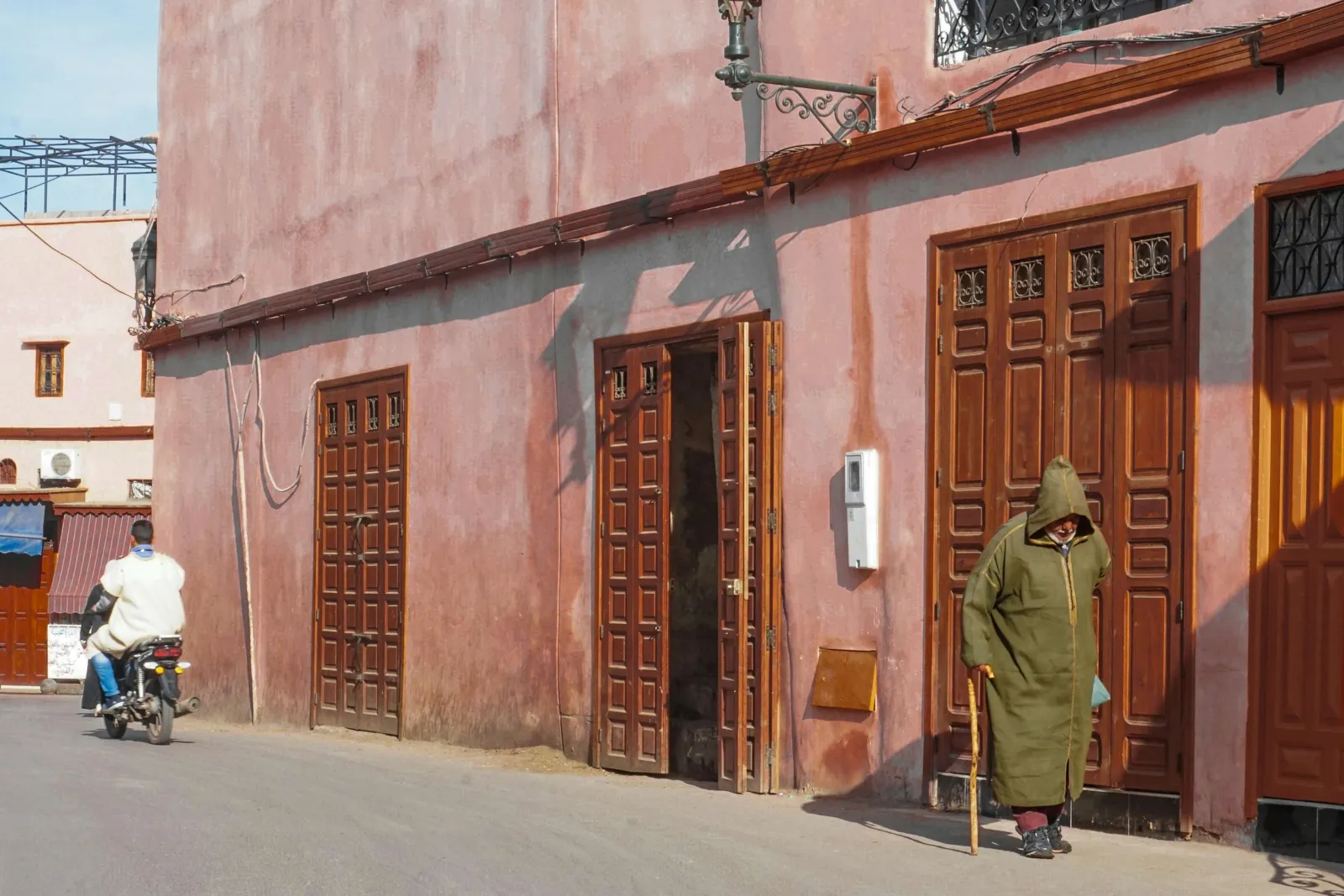
Communal meals sit at the center of Moroccan culture and family relationships. Family members gather around a low, round table, sitting on cushions on the floor, everyone reaching into a single large dish of steaming tajine using pieces of fresh bread instead of silverware. This style of eating—intimate, shared, unhurried—reinforces the family bonds that define Moroccan society.
Dish | Description | When Served |
|---|---|---|
Chicken and preserved lemon tajine | Slow-cooked in earthenware, aromatic with olives | Regular family meals |
Vegetable couscous | Steamed semolina with seasonal vegetables | Traditionally on Fridays |
Kefta meatballs | Spiced ground meat in tomato sauce | Weeknight dinners |
Harira soup | Tomato-based with lentils and chickpeas | During Ramadan |
Msemen | Layered flatbread | Breakfast |
Breakfast: Light fare of fresh bread, olive oil, olives, soft cheese, and mint tea.
Lunch: The heartiest meal, often featuring tajine or couscous.
Dinner: Lighter than lunch, served later in the evening.
Bread holds special significance. In old medinas like Fez and Meknes, families bring dough to communal ovens for baking—a daily tradition that involves children who are sent to drop off and pick up the family’s bread.
The mint tea ceremony is a cherished tradition, symbolizing hospitality and respect. The ritual involves:
Using a decorative silver or brass teapot.
Adding fresh mint and sugar.
Pouring tea into ornate glasses.
Performing a characteristically high pour to aerate the tea.
Offering tea represents hospitality and deep respect. Refusing tea can be seen as impolite, so accepting at least a small glass shows appreciation.
Cooking classes in Marrakech: Children can knead bread and roll couscous alongside parents.
Home-cooked lunches in Fez: Arranged through Morocco Classic Tours.
Traditional riad dinners: Many accommodations serve family-style meals.
Market visits: Shopping for ingredients with local guides.
Basic table etiquette for guests:
Wash hands before eating (the “rassel” ritual with communal pitcher).
Wait for the host to begin.
Reach only into the section of the dish closest to you.
Use only your right hand.
Accept at least a small glass of tea.
With food and hospitality at the heart of family gatherings, we now explore the role of children, education, and expat family life in Morocco.
Moroccan parents place enormous value on education, often making significant sacrifices so that children can attend quality schools in cities like Rabat, Casablanca, and Tangier. This investment in young people reflects the belief that education provides pathways to financial stability and opportunity.
Children are considered the heart of Moroccan family life, representing joy and continuity. They often live at home until marriage and have a responsibility to care for their parents in old age. This tradition reinforces the family’s role as the primary social unit, providing identity, solidarity, and support.
Type | Language | Availability |
|---|---|---|
Public schools | Arabic or French | Nationwide |
Private schools | Arabic, French, or bilingual | Major cities |
International schools | English, French, or American curriculum | Rabat, Casablanca, Marrakech |
Rabat hosts several well-regarded international and French- or English-curriculum schools attractive to diplomatic and expat families. These schools offer curricula aligned with British, American, or French systems, making transitions easier for internationally mobile families.
Early start times (typically 8:00–8:30 a.m.).
Walking to school or taking shared taxis.
Returning home for lunch in some neighborhoods.
After-school Quran lessons, tutoring, or language classes.
In urban areas, computer or sports activities.
Childcare norms in Morocco differ from Western patterns:
Traditional approach: Toddlers looked after by grandparents, aunts, or trusted neighbors.
Urban options: Private nurseries in areas like Casablanca’s Maârif or Bourgogne districts.
Marrakech: Modern districts offer private nursery options for expat and local families.
Hiring help: Some families employ nannies for in-home care.
For foreigners seeking childcare:
Ask school communities and parent groups for recommendations.
Connect with embassy networks (many have resource lists).
Consult long-term expats through social media groups.
Visit nurseries in person to assess cleanliness and safety.
Confirm staff-to-child ratios and language capabilities.
Request written policies and references.
Children adapting to life in Morocco benefit from:
Learning basic Moroccan Arabic (Darija) phrases for greetings and simple interactions.
Joining local sports teams or arts activities.
Understanding that discipline and parenting styles may be more direct than familiar approaches.
Adapting to later mealtimes and bedtimes.
Participating in local celebrations like Eid.
Discipline in Moroccan society emphasizes respect for elders and good manners. Community members may play a role in child-rearing that feels unfamiliar to Western families—neighbors and extended relatives often participate in guiding children’s behavior.
With children at the heart of family life, we next look at how Moroccan families care for their health and well-being.
Morocco’s climate—sunny and dry in interior regions, humid along coastal cities—influences family routines around skincare, bathing, and self-care. These practices represent more than hygiene; they are cultural traditions passed down through generations.
The hammam (public bathhouse) serves as a weekly or bi-weekly family ritual embedded in Moroccan culture. Women and men attend separately for:
Deep cleansing in steam rooms.
Exfoliation with a kessa glove.
Relaxation and socializing.
Beauty treatments have been passed down through generations.
This shared experience strengthens family bonds while maintaining important self-care routines. The hammam functions as a community gathering place as much as a bathing facility.
Product | Origin/Source | Use |
|---|---|---|
Argan oil | Souss region cooperatives | Hair and skin moisturizing |
Black soap (savon beldi) | Traditional production | Deep cleansing |
Rhassoul clay | Atlas Mountains | Face and body masks |
Rose water | Valley of Roses near Kelaat M’Gouna | Toner and fragrance |
Olive oil | Various regions | Moisturizing |
These products are used across generations, with mothers teaching daughters techniques and recipes for family beauty routines.
For families seeking authentic products:
Purchase from reputable women’s cooperatives rather than tourist-oriented shops.
Look for gentle formulations suitable for children.
Avoid heavily perfumed items marketed primarily to tourists.
Morocco Classic Tours can include visits to cooperatives and hammams where travelers safely purchase traditional products.
Cities: Pharmacies are widely available; modern clinics and hospitals are available in major centers.
Small towns: Basic clinics with limited services.
Travel insurance: Essential for visiting families to ensure access to quality care if needed.
With well-being and self-care addressed, let’s explore how Morocco welcomes families through travel and tourism.
Morocco is generally safe and welcoming for families, offering child-friendly experiences from gentle camel rides to easy hikes and relaxed beach days. The country attracts family visitors from the UK and across Europe, drawn by direct flights, fascinating culture, and landscapes that captivate children and adults alike.
Morocco Classic Tours arranges customizable journeys that balance adventure with comfort:
Itinerary | Highlights | Best For |
|---|---|---|
Marrakech and Atlas Mountains | Souks, gardens, easy mountain walks | All ages |
Fez and Imperial Cities | Ancient medinas, historical sites | Older children |
Coastal (Essaouira or Agadir) | Beaches, seafood, relaxed pace | Families with young children |
Sahara Desert Adventure | Camel treks, desert camps, stargazing | Ages 5+ |
A desert trip from Marrakech with Morocco Classic Tours is structured for families:
Shorter drive segments with stops for stretching and snacks.
Overnight stays in comfortable camps with private tents.
Early-evening camel treks (avoiding midday heat).
Sandboarding activities for older kids.
Stargazing is adapted to children’s ages and bedtimes.
Morocco Classic Tours addresses family needs:
Private vehicles with child seats available on request.
Flexible schedules accommodating nap times.
Riads and hotels selected for pools and family rooms.
Guides experienced with children.
Many Morocco Classic Tours guests arrive from the UK via direct flights to:
Marrakech (3–4 hours)
Agadir
Fez
Casablanca
Customized Morocco family holiday packages can be designed through the agency’s website, combining destinations based on children’s ages and interests.
Cooking classes: Kids knead bread and roll couscous.
Pottery workshops near Fez.
Ourika Valley walks: Easy, scenic, close to Marrakech.
Guided medina tours: Tailored to shorter attention spans.
Camel interactions: Gentle introductions for young children.
Having seen how Morocco welcomes families, let’s compare how family life differs between urban and rural settings.
Life in a rural village near the Atlas Mountains feels vastly different from life in a busy city like Casablanca, yet both are fundamentally centered on family. Understanding these contrasts enriches any visit to Morocco.
Aspect | Rural Family Life | Urban Family Life |
|---|---|---|
Economy | Reliance on farming, livestock, and seasonal work | More women are participating in paid work outside the home; job scarcity is a challenge |
Water | Shared wells or water sources used by neighbors | Modern plumbing in apartments and villas |
Bread | Communal ovens where families drop off dough for daily baking | Supermarkets and bakeries |
Electricity | Basic service in some villages, none in remote areas | Reliable electricity and modern amenities |
Community | Strong neighborly ties; everyone knows each child by name | High-density neighborhoods; more anonymity |
Social Life | Family gatherings, agricultural work, and religious observances | After-school classes, shopping in malls, and cultural activities |
Housing | Homes organized around courtyards, multiple generations under one roof | Apartments or modern villas, sometimes with extended family on separate floors |
Challenges | Limited access to healthcare and education | Increased living costs, job scarcity, and urbanization impact family interactions. |
Migration | Young people may leave for cities or abroad for work | Migration creates a disconnect from traditional family values and practices |
Many urban Moroccan families maintain strong roots in their native villages. They return for weddings, religious holidays, and summer breaks with extended relatives, reinforcing intergenerational bonds and keeping traditional culture alive even among cosmopolitan city dwellers.
With these comparisons in mind, let’s move to practical advice for families visiting or relocating to Morocco.
Thousands of foreign families successfully make Morocco home each year, while many more visit for extended holidays. Whether your stay is brief or permanent, understanding social norms and practical realities makes the transition smoother.
Language: Learning basic Moroccan Arabic (Darija) phrases dramatically improves connections with local families.
Greetings: Understand customs including handshakes, cheek kisses between same genders, and asking about family.
Timing: Adapt to later mealtimes (lunch around 1–2 p.m., dinner after 8 p.m.) and bedtimes.
Approach | How It Helps |
|---|---|
Connect with local parents at schools and playgrounds | Practical advice, friendship for children |
Join expat groups in Rabat or Marrakech | Shared resources, social activities |
Participate in neighborhood Eid celebrations | Integration into the community |
Attend school events and parent meetings | Understanding local education culture |
When researching international and bilingual schools in Rabat and other major cities, consider:
Curriculum (British, American, French, IB)
Primary language of instruction
Class sizes and teacher qualifications
Extracurricular offerings
Community and parent involvement
For families seeking nursery or nanny arrangements in Casablanca or Marrakech:
Visit facilities in person—observe cleanliness, safety, and engagement.
Confirm staff-to-child ratios meet your expectations.
Ask about daily schedules and educational philosophy.
Request written policies on illness, emergencies, and discipline.
Speak with current families for honest references.
Modest dress for parents and teens, especially outside tourist areas.
Teach children basic etiquette in mosques (remove shoes, speak quietly, avoid prayer areas during services).
In souks, hold children’s hands in crowded passages.
In rural villages, ask before photographing people or homes.
Morocco Classic Tours staff can share local insights for families planning both short-term trips and exploratory visits before a potential move. Their on-the-ground knowledge helps navigate the practical details that make all the difference.
Moroccan hospitality is genuinely easier to experience with children along, not harder. If you are travelling as a family we would usually suggest a slower family itinerary with fewer stops and longer stays.
These frequently asked questions address common practical concerns about Moroccan family life and family travel that complement the information above. If you have additional questions, Morocco Classic Tours is happy to provide personalized guidance.
Morocco can be very child-friendly, with welcoming Moroccan people, short flights from Europe (just 3–4 hours from the UK), and many gentle activities suited to young travelers. Camel rides, beach days in Essaouira or Agadir, easy hikes in the Ourika Valley, and interactive cooking classes all appeal to kids.
However, families should plan around heat (especially in summer months), travel times between destinations, and nap schedules. Morocco Classic Tours arranges private vehicles, flexible itineraries, and family-oriented accommodations to make travel with toddlers and young children significantly easier. The key is realistic pacing—Morocco rewards slow exploration over rushed itineraries.
Being invited to a Moroccan home is a genuine honor. Visitors should:
Bring a small gift such as sweets, dates, or flowers (avoid alcohol).
Dress modestly.
Remove shoes if the host does.
Greet elders first.
Accept tea and at least a small taste of food offered.
Taking photos should happen only after asking permission, especially when women or children are present. Expect to stay for tea or a full meal—quick visits are not socially acceptable in Moroccan hospitality culture. Your hosts will likely insist you eat more than you thought possible; polite acceptance shows respect.
Most families speak Moroccan Arabic (Darija) at home—a dialect quite different from Modern Standard Arabic used in media and formal settings. Amazigh (Berber) languages such as Tamazight are common in many regions, particularly the Atlas Mountains and rural areas.
French is widely used in education, business, and among urban professionals. In northern Morocco near Tangier, Spanish also appears. Visitors who learn a few Darija phrases for greetings (“salam,” “labas?”) and thanks (“shukran”) find that even children and adults with limited language skills can connect more meaningfully with local families.
Parenting styles vary across Moroccan society, but respect for elders and good manners are universally emphasized. Discipline tends to be more direct and communal than in many Western cultures—extended family members, neighbors, and community members may participate in guiding children’s behavior. This reflects the collective nature of child-rearing in Morocco rather than individual parenting.
Guests are not expected to discipline others’ children and should follow local parents’ lead, especially in shared spaces and during family gatherings. What might seem like a harsh correction to Western visitors often reflects different cultural practices around child development rather than ill intent.
While a brief visit cannot fully capture the rhythms of daily life, travelers can experience key aspects of Moroccan family life through thoughtful planning. Homestay-style riads, home-cooked meals arranged through local contacts, market visits with guides, and cultural experiences all provide genuine glimpses into family traditions.
Morocco Classic Tours arranges visits to family homes, cooking classes, and village excursions that respect local privacy while giving guests an honest, comfortable introduction to Moroccan family traditions. These experiences transform tourism into meaningful cultural exchange—the kind of connection that friends remember and share for years to come.
Compare Morocco group tour agencies by trip style, reviews, pace, transport and inclusions. Learn wh...
Read this article
Uncover what a Marrakech to Fes desert tour offers, including camel rides, desert camps, and rich cu...
Read this article
Join our Merzouga Overnight Tour for an authentic desert experience. Enjoy camel rides, comfortable ...
Read this articleWant cool tour deals and tips about Morocco? Enter your email and we’ll send them to you each month!
