Group Tour Agencies in Morocco: How to Pick the Right One
Compare Morocco group tour agencies by trip style, reviews, pace, transport and inclusions. Learn wh...
Read this article

Private, custom Morocco trips planned in Fez by AZ-ZDDINE, working in Moroccan tourism since 2012. Sahara, Atlas, medinas and coast, arranged around you.
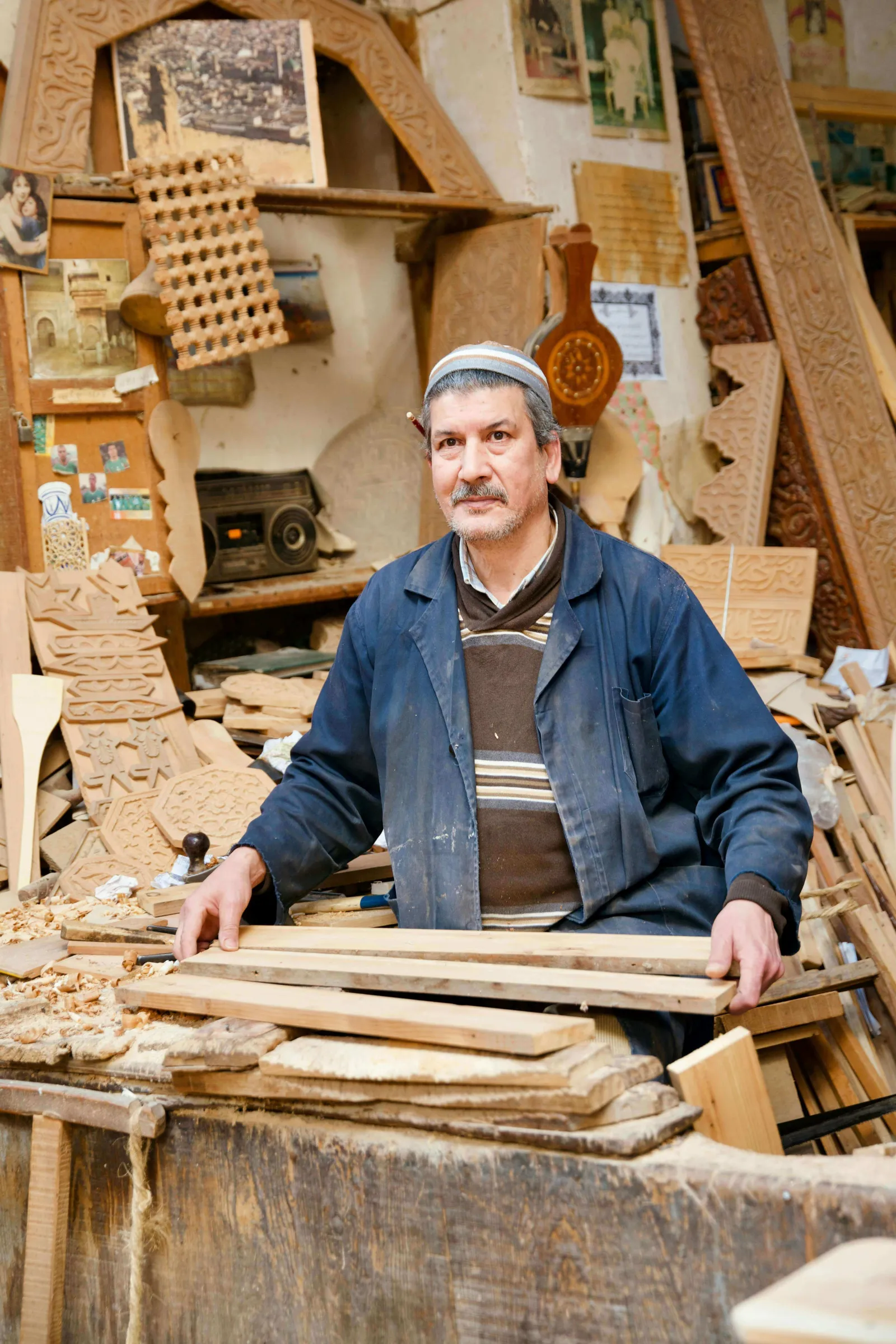
Moroccan culture blends Arab, Amazigh (Berber), Andalusian, and African influences, creating a unique tapestry that visitors experience through language, religion, food, architecture, and daily life.
Arabic and Tamazight are official languages, Islam shapes the daily rhythm and calendar, and family, hospitality, and respect for elders remain core values in social interactions.
Moroccan cuisine—including tagines, couscous, street food, and mint tea—alongside traditional crafts like carpets, zellige tiles, and metalwork form central pillars of the country’s cultural identity.
Morocco Classic Tours offers private tours, desert camps, and city experiences designed to immerse travelers in authentic Moroccan culture and traditions across the imperial cities, Sahara Desert, and Atlas Mountains.
Morocco sits at a geographic and cultural crossroads where Europe meets sub-Saharan Africa, and where Arab, Amazigh, Andalusi, Mediterranean, and Saharan influences have merged over more than a thousand years. This North African nation has absorbed traders, scholars, refugees, and conquerors—each leaving traces in the language spoken on street corners, the spices that perfume the souks, and the geometric patterns adorning palace walls.
What is the culture of Morocco? At its heart, it centers on hospitality—welcoming guests with sweet mint tea poured from a height—and on community life that unfolds in ancient medinas, bustling souks, and neighborhood cafés where most Moroccans gather to discuss everything from football to family news. Religion and family anchor daily routines, from the five calls to prayer echoing across cities to Friday couscous shared around a communal dish.
Morocco Classic Tours is based in Fez and specializes in custom itineraries that connect travelers with local people, markets, home-cooked meals, and traditional music. Whether you’re wandering through Marrakech’s Jemaa el-Fna square or sharing tea in an Amazigh village high in the Atlas Mountains, the company’s local guides help bridge cultural gaps and unlock experiences that guidebooks can’t provide.
Historic medinas in Fez, Marrakech, and Meknes contrast with modern life in Casablanca and Rabat’s contemporary districts
Traditional dress like the djellaba and caftan coexists with Western fashion in urban areas
Ancient craftsmanship continues alongside growing contemporary art scenes in major cities
Morocco’s population numbers around 37 million people, predominantly Arab-Amazigh, with historically significant Jewish communities and sub-Saharan African populations whose descendants still influence music, cuisine, and spiritual practices. This diverse heritage creates a cultural richness that surprises many visitors expecting a monolithic Arab culture.
Amazigh (Berber) people were the first known inhabitants of this land, spread across regions like the Rif Mountains in northern Morocco, the Middle and High Atlas ranges, and the edges of the Sahara Desert. Since the early 2000s, Amazigh identity has experienced a strong cultural revival—Tamazight gained official language status in 2011, and young people increasingly embrace traditional motifs, music, and customs their grandparents feared would disappear.
Morocco’s African cultural links run deep. Gnawa communities, with roots in sub-Saharan Africa, maintain spiritual music traditions particularly strong in Essaouira and Marrakech. Saharan nomadic traditions persist in the southern provinces and western Sahara regions, while historic trade routes once connected Fez and Marrakech to Timbuktu, carrying gold, salt, and cultural exchange across the desert.
Moroccan culture is both Arab and African—a point visitors discover when they encounter:
Gnawa music blending Islamic devotion with African rhythms
Hassani culture in the south, where Arabic poetry meets Saharan traditions
The annual Gnaoua World Music Festival in Essaouira, drawing artists from around the world
Traveler’s insight: Meeting a Gnawa band performing in Marrakech’s Jemaa el-Fna square or visiting Amazigh villages during an Atlas Mountains hiking tour with Morocco Classic Tours offers firsthand encounters with this dual identity that defines the country.
Morocco’s linguistic landscape reflects its complex history. Modern Standard Arabic and Tamazight (Amazigh) are official languages, while Darija (Moroccan Arabic) and regional Amazigh dialects fill the streets, homes, and marketplaces where daily life unfolds.
Official and everyday languages:
Modern Standard Arabic: Used in news broadcasts, religious contexts, administration, and formal writing; rarely spoken in casual conversation
Darija: The everyday spoken Arabic, rich in Amazigh, French, and Spanish loanwords; the language you’ll hear in Casablanca markets and Rabat cafés
Tamazight: Written in the ancient Tifinagh script; officially recognized in the 2011 constitution and widely spoken across Rif, Middle Atlas, and High Atlas regions
Foreign languages commonly used:
French: Still important in business, higher education, administration, and tourism, especially in Casablanca, Marrakech, and Agadir; many Moroccans code-switch between Darija and French mid-sentence
Spanish: Present in the north (Tangier, Tetouan, Chefchaouen) and in Western Sahara coastal areas due to historical ties with Spain
English: Increasingly common among young people and in tourism services, though less widely spoken than French
Tips for visitors: Learning a few greetings goes a long way. Try “Salam alaykum” (peace be upon you), “Shukran” (thank you), and “Saha” (to your health, often said after meals). Morocco Classic Tours’ local guides help bridge language barriers on private tours, translating not just words but cultural context that makes interactions meaningful.
Islam—predominantly Sunni of the Maliki school—shapes Morocco’s calendar, values, and daily rhythm. The call to prayer sounds five times each day across cities and villages, from the predawn Fajr to the evening Isha, punctuating work, meals, and family time.
Major Islamic holidays:
Holiday | Timing | Key Practices |
|---|---|---|
Ramadan | Ninth month of Islamic lunar calendar | Fasting dawn to sunset; nightly iftar meals with harira soup, dates, and chebakia; altered business hours |
Eid al-Fitr | End of Ramadan | Family visits, special sweets, new clothes for children, charity |
Eid al-Adha | ~70 days after Eid al-Fitr | Commemorates Abraham’s sacrifice; animal sacrifices, shared meals, charity to the poor |
Mawlid (Eid al-Mouloud) | Prophet’s birthday | Religious chants, special gatherings, sweets |
Amazigh and folk celebrations:
Yennayer (Amazigh New Year): Celebrated around January 12-14 in Amazigh regions with special dishes and family rituals
Ashura: Mix of religious remembrance and local customs, including children’s bonfires and toy drums in some cities
Moussem festivals: Local saint festivals combining pilgrimage, souks, and traditional music—examples include Moulay Idriss Zerhoun near Fez and the famous Imilchil engagement moussem in the Atlas Mountains
Morocco’s small but historically important Jewish community maintains traditions like Mimouna, a post-Passover celebration with roots in cities like Fez and Rabat, featuring special sweets and open-door hospitality.
Morocco Classic Tours can arrange itineraries that let guests experience major festivities respectfully—being hosted for iftar during Ramadan, visiting Yennayer celebrations in Atlas villages, or attending a moussem with local guides who explain the significance of what you’re witnessing.
Moroccan society centers on family, with deep respect for elders, strong ties between urban and rural relatives, and frequent multi-generational households where grandparents, parents, and children share daily life under one roof.
Family dynamics:
Traditionally, the father serves as head of household while women manage the home and children—though women increasingly participate in education and the workforce, especially in larger cities since the 2000s
Extended family gatherings on Fridays and during religious holidays bring relatives together for couscous and conversation
Family honor and reputation influence social decisions, from marriage arrangements to business partnerships
Essential etiquette for visitors:
Dress modestly, especially in smaller towns, holy places, and family homes—shoulders and knees covered
Remove shoes when entering many private homes or carpeted rooms
Wait for the host to say “Bismillah” before eating; eat with the right hand, typically from a communal dish
During Ramadan, avoid eating, drinking, or smoking in public during daylight hours out of respect for those fasting
Tipping is customary for guides, drivers, and service staff
Hospitality traditions:
Moroccan people take hospitality seriously. Offering mint tea to guests signals welcome and respect—refusing entirely can cause offense, though taking just a small amount is acceptable. Morocco Classic Tours often arranges home-hosted meals or riad stays so travelers experience genuine Moroccan hospitality, sitting with families around low tables and sharing dishes passed hand to hand.
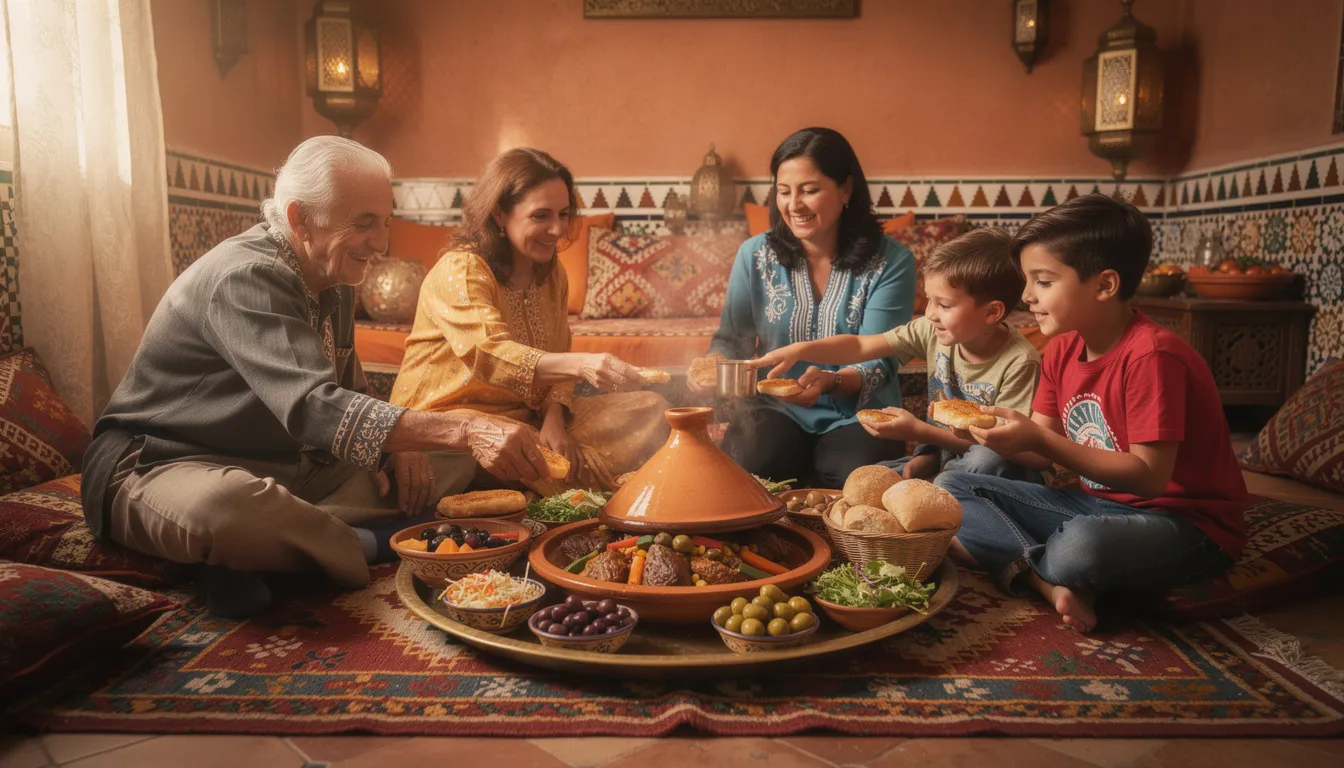
Moroccan cuisine balances sweet and savory flavors through slow cooking techniques and communal eating traditions shaped by Amazigh, Arab, Andalusi, and sub-Saharan influences over centuries. Food here isn’t just sustenance—it’s an art form, a family bond, and a window into regional identity.
Staple dishes and ingredients:
Dish | Description | Cultural Context |
|---|---|---|
Tagine | Slow-cooked stew of meat or vegetables with spices like cumin, ginger, saffron, and preserved lemons | Regional variations include chicken with olives (Marrakech style) and lamb with prunes (Fez style) |
Couscous | Steamed semolina served with vegetables and meat | Traditionally prepared on Fridays after prayer; a family dish symbolizing solidarity |
Pastilla (Bastilla) | Flaky pastry filled with pigeon or chicken, almonds, and cinnamon | Iconic in Fez, served at celebrations and special occasions |
Harira | Tomato-based soup with lentils, chickpeas, and vermicelli | Essential for breaking the Ramadan fast at sunset |
Street food | Kefta, brochettes, sfenj doughnuts, msemen pancakes, grilled sardines | Found throughout medinas and especially along the Mediterranean coast and Atlantic ports |
The Moroccan diet includes:
Common meats: lamb, beef, and chicken (pork is generally avoided due to Islamic dietary rules, and non muslims should be aware of this when dining)
Widespread use of olive oil, preserved lemons, olives, almonds, dates, and seasonal vegetables
Bread (khobz) as essential at nearly every meal—used to scoop food from communal dishes
Drinks and café culture:
Mint tea—“atay b’naanaa”—serves as the national drink, poured from a height into small glasses to create a frothy top and served very sweet. The ritual of preparing and serving tea, sometimes called Rezza, demonstrates hospitality and often extends for hours during social gatherings.
Moroccan coffee culture thrives in cities like Casablanca and Marrakech, where long café sessions involve socializing, watching street life, and discussing everything from politics to football. While alcohol is available in many hotels, restaurants, and some riads, public consumption remains discreet and regulations vary by city.
Morocco Classic Tours integrates culinary experiences into itineraries: home-cooked meals with local families, food-focused medina tours in Marrakech or Fez, cooking classes where you learn to prepare tagine and pastilla, and market visits where guides explain spices and bargaining customs.
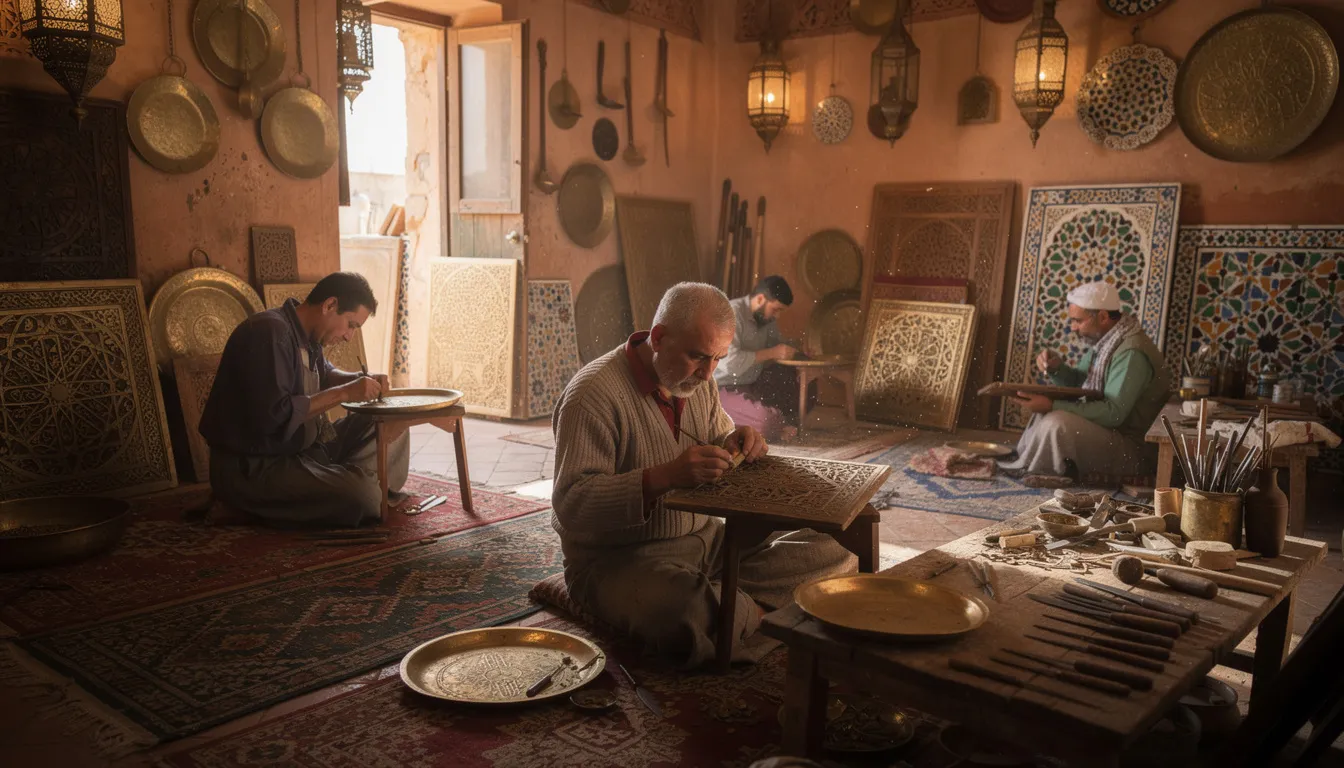
Traditional craftsmanship represents living heritage in Morocco, with skills passed down through families and guilds across centuries in cities like Fez, Marrakech, Meknes, and Tetouan. These moroccan crafts aren’t museum pieces—they’re part of daily commerce and domestic life, from the slippers on people’s feet to the tiles covering courtyard walls.
Major craft traditions:
Carpets and textiles: Beni Ouarain rugs from the Middle Atlas feature geometric black-on-white designs woven by Amazigh women; Kilim flatweaves from the High Atlas display bold colors; hendira (heavily decorated wool cloaks) provide warmth in snowy mountain areas
Leather: The tanneries of Fez—particularly Chouara Tannery—produce dyed leather for slippers (babouches/balgha), bags, and poufs using techniques unchanged for centuries
Metalwork and woodwork: Brass lamps, hammered trays, and cedarwood carving in Fez and Marrakech, often decorated with Arabic calligraphy or intricate patterns derived from Islamic geometry
Ceramics: Blue-and-white pottery from Fez and colorful glazed pieces from Safi and Marrakech, used for tagine pots, plates, and zellige tiles
Architecture and domestic space:
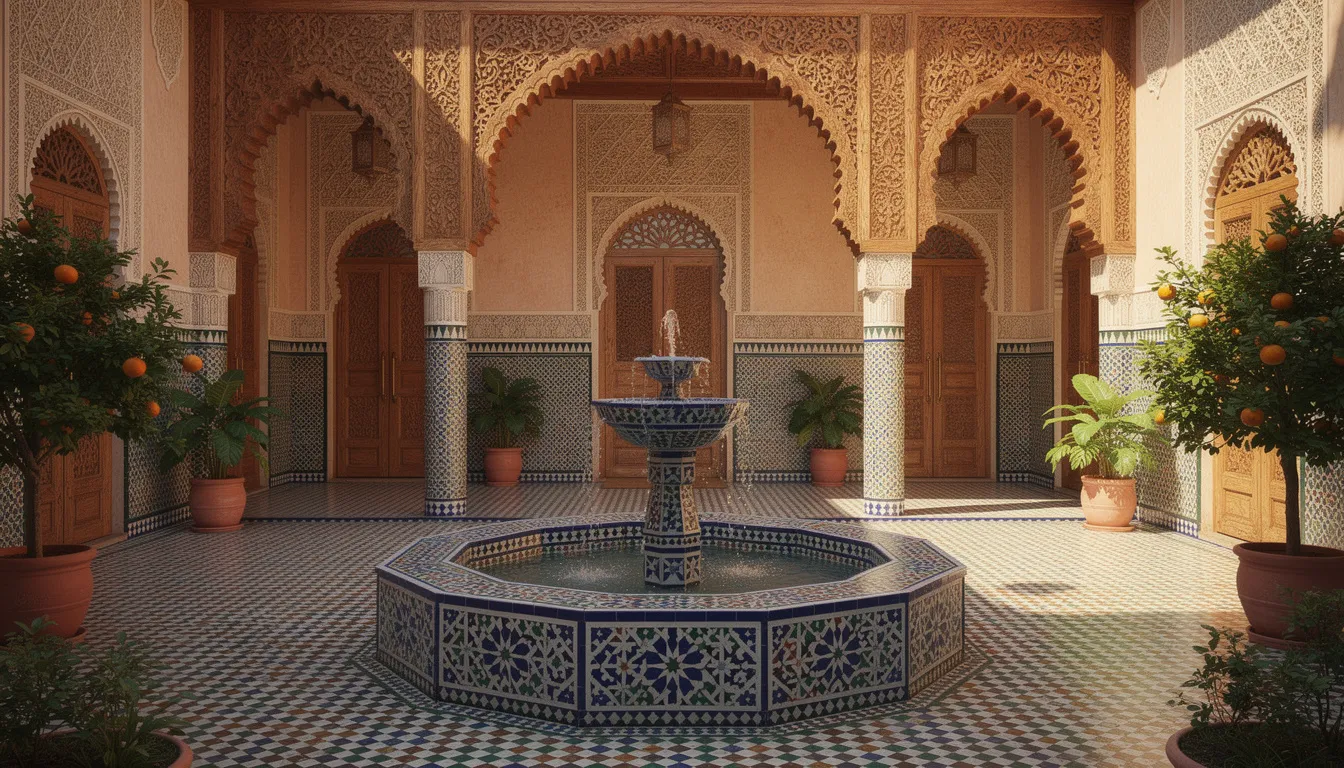
The dar and riad—traditional houses in old medinas—feature inward-facing architecture with central courtyards or gardens and high walls providing privacy and temperature control. Key architectural elements include:
Carved cedar ceilings with intricate designs
Stucco plasterwork in geometric and floral patterns
Painted wooden doors and shutters
Fountains for cooling and ritual washing
Zellige (geometric mosaic tilework) inspired by Islamic visual arts and older Greco-Roman influences
Beyond city homes, kasbahs and ksour (fortified villages) dot southern Morocco. Ait Ben Haddou near Ouarzazate—a UNESCO World Heritage site—has served as a setting for films and remains partially inhabited, offering travelers a glimpse of Saharan architecture that protected communities for centuries.
Modern influences:
In the mid-20th century following Moroccan independence, architects like Jean-François Zevaco and Elie Azagury shaped Casablanca’s modernist skyline, blending international styles with Moroccan details. Today, city tours can highlight these contrasts between colonial-era boulevards and ancient medinas.
Morocco Classic Tours incorporates craftsmanship and architecture into itineraries: guided walks through Fez and Marrakech souks, visits to artisan workshops where you watch artisans shape leather or lay zellige, stays in restored riads, and trips to UNESCO-listed sites like Ait Ben Haddou.
Morocco’s musical landscape ranges from classical Andalusi traditions to Gnawa trance rhythms and modern fusion genres that blend heritage with global sounds. Music here serves spiritual, social, and celebratory functions—it’s impossible to separate from daily life.
Traditional and popular music forms:
Andalusi music: Classical tradition preserved in cities like Fez, Tetouan, and Rabat, often performed at religious or cultural festivals; traces its roots to medieval Andalusian courts
Amazigh music: Includes Ahidous and Ahwach dances in Middle and High Atlas villages, featuring percussion, chanting, and communal participation
Gnawa: Spiritual music and dance rooted in sub-Saharan African heritage, prominent in Essaouira and Marrakech; the Gnaoua and World Music Festival draws artists and audiences from around the world each year
Chaabi: Popular music widely played at weddings and street celebrations throughout the country
Nass El Ghiwane: Often called the Rolling Stones of Africa, this band since the 1970s has used traditional instruments to address social issues, influencing generations of Moroccan artists
Contemporary art and cinema:
Post-independence Morocco developed a vibrant contemporary art scene, with Casablanca, Marrakech, Rabat, Fes, and Tetouan serving as creative hubs. Modern and contemporary art finds a home at institutions like the Mohammed VI Museum of Modern and Contemporary Art in Rabat, while private galleries and events like the Marrakech Biennale showcase contemporary artwork from Moroccan artists and international collaborators.
Moroccan cinema has grown since the 1950s, with studios in Ouarzazate attracting international productions and film festivals in Marrakech and Tangier celebrating both local and global filmmaking. Visual arts, music, and cinema increasingly draw young people who blend traditional motifs with contemporary expression—a trend that suggests Moroccan heritage will evolve rather than disappear.
Experiencing arts with Morocco Classic Tours:
Attend live music in Jemaa el-Fna square, where performers gather nightly
Include Gnawa performances on desert camp evenings under Saharan stars
Visit museums and galleries in Rabat and Marrakech
Time trips with festivals like the Fez Festival of World Sacred Music (often May/June)
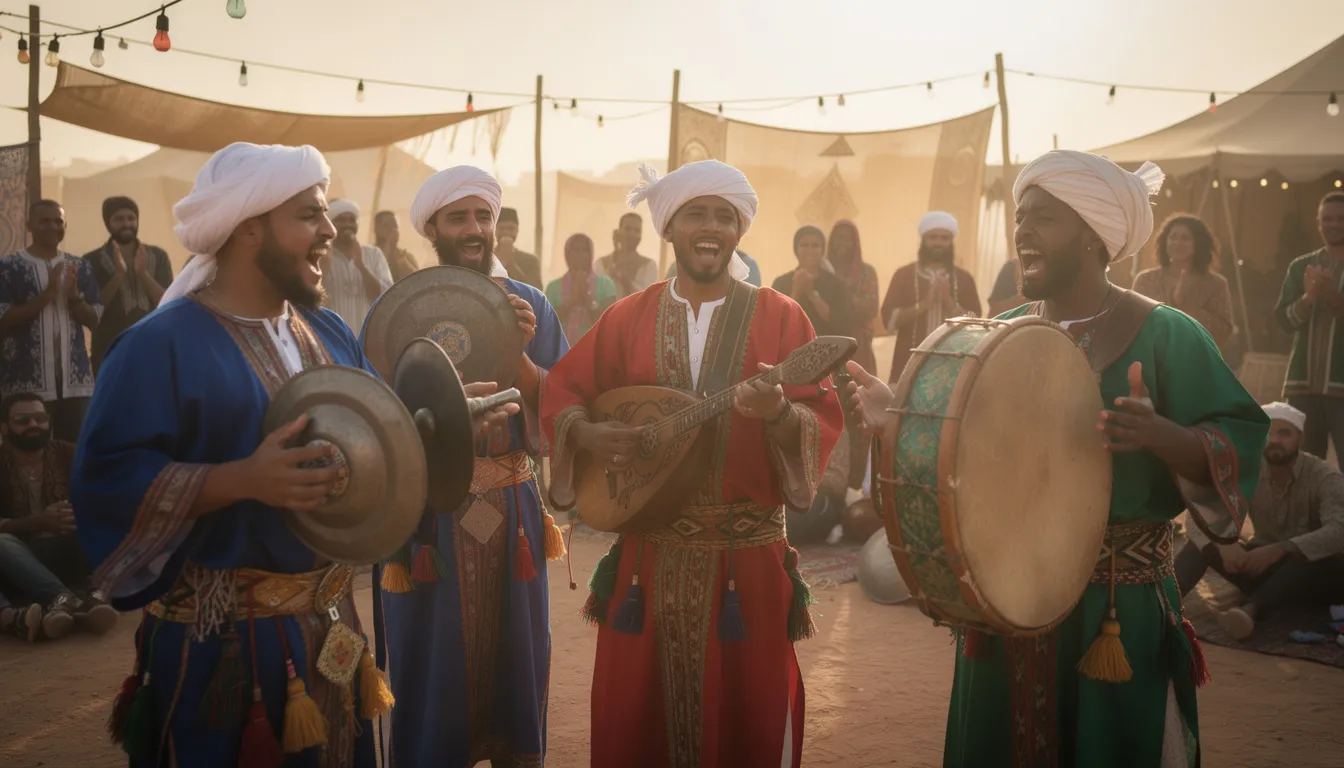
Morocco Classic Tours operates from Fez, designing private, customizable itineraries across Morocco’s imperial cities, Sahara Desert, Atlantic coast, and Atlas Mountains. The company connects travelers with authentic cultural experiences that go beyond surface-level tourism.
Cultural experiences available:
Guided medina tours in Fez, Marrakech, Meknes, and Rabat focusing on history, religion, architecture, and everyday life
Sahara Desert experiences including camel treks, nights in traditional-style desert camps near Merzouga or Chegaga, Gnawa music evenings, and stargazing
Atlas Mountains hiking and village visits with tea in Amazigh homes and insights into traditional farming practices
Culinary activities: Cooking classes, street food tastings, market tours, and home-hosted meals
Beach and coastal culture in Essaouira, Agadir, or Asilah, combining fishing traditions, contemporary art scenes, and relaxed café life
Advantages of private tours:
Ability to adapt schedules around religious holidays like Ramadan and seasonal festivals
Flexible pacing to spend more time in medinas, craft workshops, or mountain villages according to your interests
English-, French-, or Spanish-speaking local guides who deepen cultural understanding and handle logistics
Ready to experience authentic Moroccan culture firsthand? Explore travel tips and sample itineraries on the Morocco Classic Tours website and use the “Book Now” or contact form to design a personalized cultural journey tailored to your interests, timeline, and travel style.
The following questions address common practical concerns travelers raise when planning trips to experience Moroccan culture and traditions.
Morocco is generally considered one of the safer destinations in North Africa for tourists. Medinas and popular tourist routes have regular police presence, and violent crime against visitors remains rare. That said, travelers should use common sense: watch belongings in crowded souks, avoid unlit alleys late at night, and stay aware of surroundings.
Morocco Classic Tours provides vetted drivers, local guides, and pre-booked riads or hotels, which increases comfort and security—particularly valuable for solo travelers, families, and small groups unfamiliar with local customs. Political protests, when they occur, are usually peaceful and localized; tourists are advised to avoid demonstrations and follow local guidance.
Both men and women should opt for modest clothing: shoulders and knees covered, especially in rural areas, small towns, and religiously significant places. In big cities like Casablanca and Marrakech, dress codes are more relaxed, but modesty remains appreciated and helps avoid unwanted attention.
Practical recommendations include lightweight, loose fabrics for hot weather, a scarf for women to use when needed (such as visiting religious sites), and comfortable closed shoes for walking through medinas and desert areas. Throne Day, Independence Day, Youth Day, and other national celebrations may see Moroccans in traditional dress, offering visitors glimpses of ceremonial clothing rarely seen in daily life.
Most mosques in Morocco are closed to non-Muslims due to religious and legal customs. This includes many famous neighborhood mosques visitors see while walking through medinas. However, the Hassan II Mosque in Casablanca—one of the largest mosques in the world—offers guided visits to non-Muslims at set times, providing insight into religious architecture, Islamic art, and worship practices.
Visitors can still appreciate mosque exteriors, medersas (historic Quranic schools) in Fez and Marrakech, and shrine courtyards. Morocco Classic Tours’ city itineraries often include these accessible holy places alongside explanations of Islamic culture and Morocco’s religious heritage.
Spring (March through May) and autumn (September through November) offer comfortable weather for exploring cities, the Atlas Mountains, and the Sahara Desert. Summer brings intense heat to interior regions, while winter can mean snow in mountain areas and cool evenings in the desert.
Key cultural events happen throughout the year: the Fez Festival of World Sacred Music (often May or June), the Gnaoua World Music Festival in Essaouira (usually early summer), Green March Day (November 6), and various moussems spread across seasons. Visiting during Ramadan offers a special cultural perspective—evening iftars, night markets, heightened spirituality—but comes with reduced daytime activity. Morocco Classic Tours adapts itineraries to match these rhythms.
It is not necessary to speak Arabic or French to travel in Morocco, especially when using a tour operator like Morocco Classic Tours that provides English-speaking guides and drivers. In major tourist areas, many people working in hotels, restaurants, riads, and souks understand basic English.
Learning a few words in Arabic or Amazigh—greetings, thank you, basic numbers—shows respect and builds rapport with locals. More remote villages in the Rif Mountains or High Atlas may rely mostly on Arabic or Amazigh, where guides become particularly important for meaningful cultural exchange. Trade unions, professional organisations, and the Moroccan government under Mohammed VI have supported increased language education, meaning English is increasingly common among young people in urban areas.
Compare Morocco group tour agencies by trip style, reviews, pace, transport and inclusions. Learn wh...
Read this article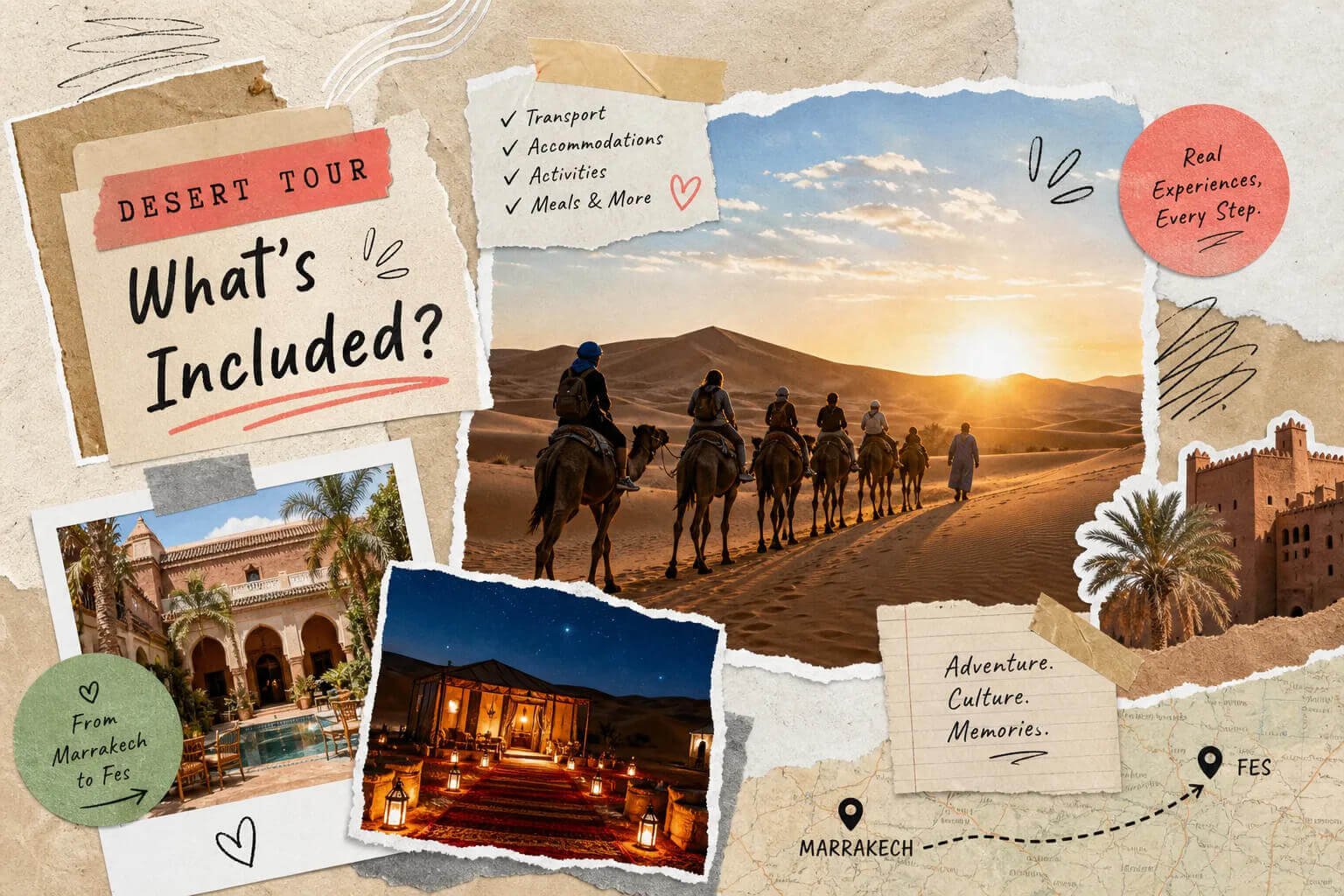
Uncover what a Marrakech to Fes desert tour offers, including camel rides, desert camps, and rich cu...
Read this article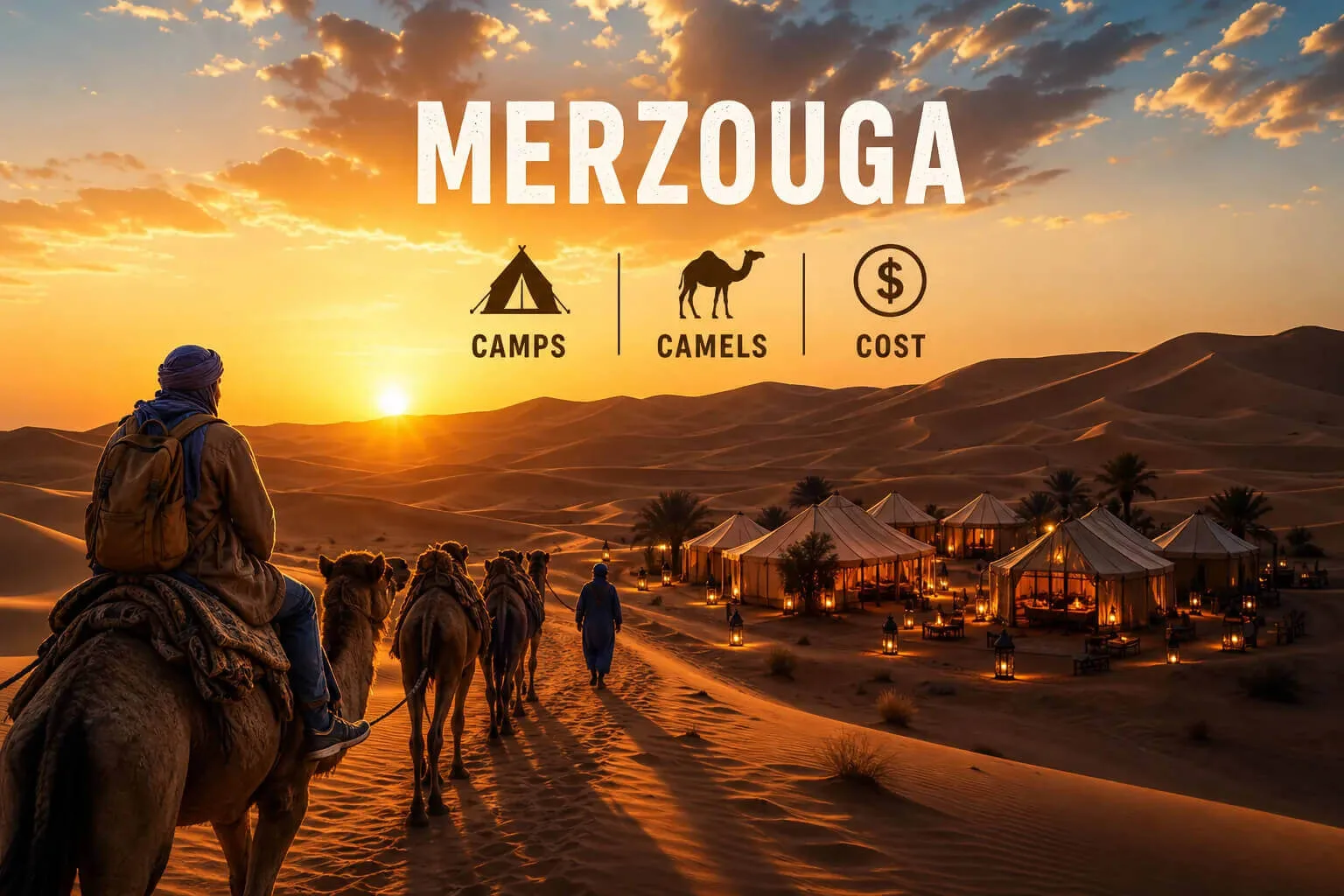
Join our Merzouga Overnight Tour for an authentic desert experience. Enjoy camel rides, comfortable ...
Read this articleWant cool tour deals and tips about Morocco? Enter your email and we’ll send them to you each month!
