Group Tour Agencies in Morocco: How to Pick the Right One
Compare Morocco group tour agencies by trip style, reviews, pace, transport and inclusions. Learn wh...
Read this article

Private, custom Morocco trips planned in Fez by AZ-ZDDINE, working in Moroccan tourism since 2012. Sahara, Atlas, medinas and coast, arranged around you.
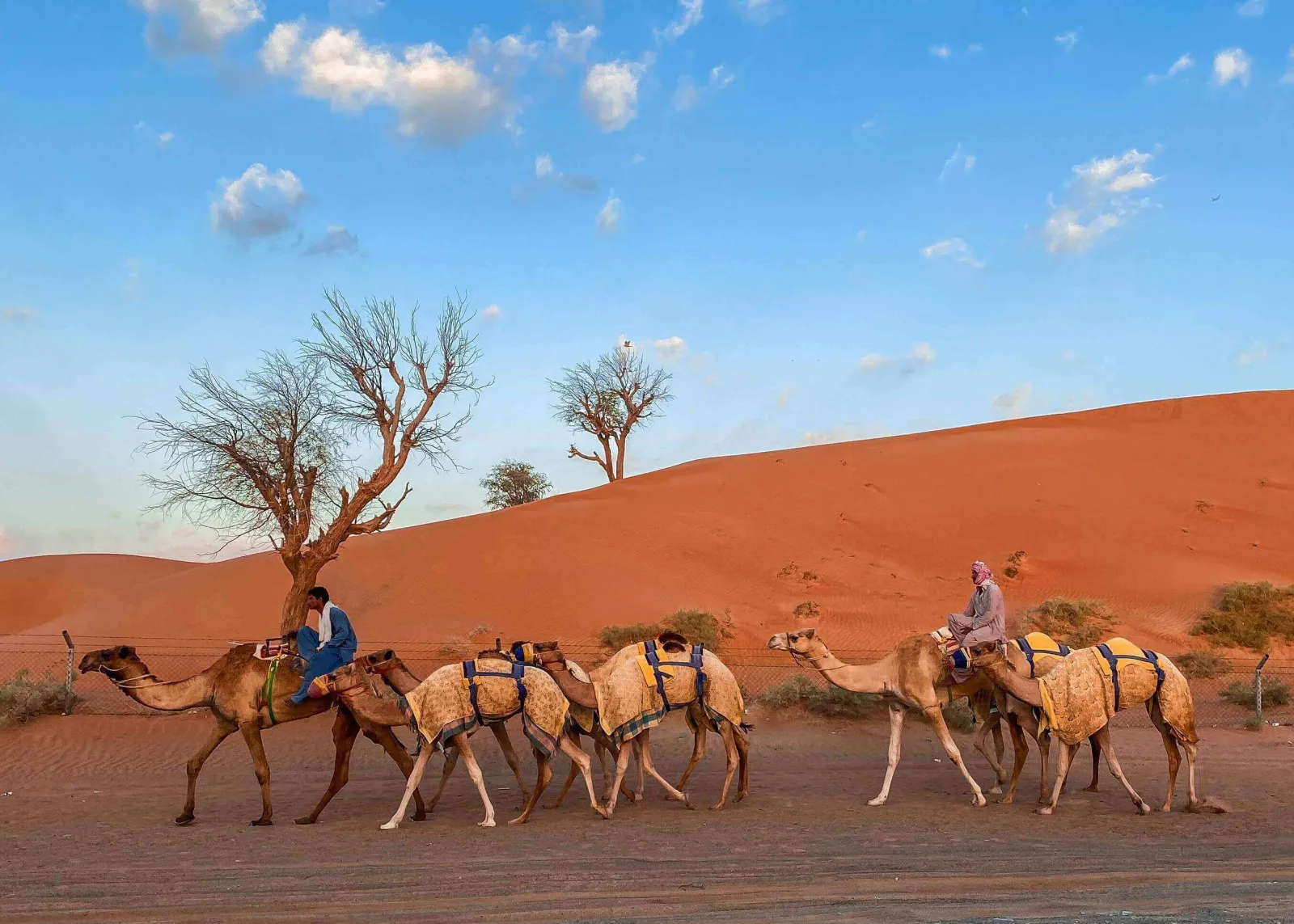
Merzouga stands at the edge of one of the world’s most dramatic landscapes—the towering golden dunes of Erg Chebbi in Morocco’s Sahara Desert. This small village has become the country’s premier destination for travelers seeking authentic desert experiences, from camel rides at sunset to nights spent under star-filled skies in traditional camps. This guide is designed for travelers planning a visit to Morocco’s Sahara Desert, providing essential tips, activity recommendations, and practical advice for making the most of your Merzouga experience.
Merzouga is a small Saharan village on the edge of the Erg Chebbi dunes, approximately 560 km from Marrakech and 470 km from Fez, renowned for camel treks, desert camps ranging from standard to luxury, and unparalleled stargazing opportunities.
Morocco Classic Tours, our Fez-based travel agency, offers private and customizable Merzouga desert tours departing from Fez, Marrakech, and Casablanca, including camel rides, quad biking, overnight Sahara camps, and multi-day itineraries combining mountains, gorges, and desert.
Merzouga is safe and welcoming for international visitors, including Americans, and absolutely worth visiting for authentic Berber culture, dramatic desert landscapes, and the profound silence of the Sahara at night.
The best time to visit is October through April, when daytime temperatures are pleasant and nights are cool; summer months (June–August) bring extreme heat with temperatures often exceeding 40°C, requiring adapted schedules.
Most travelers combine Merzouga with the Atlas Mountains, Todra and Dades Gorges, and the UNESCO-listed Ait Ben Haddou on 3–5 day road trips across Morocco.
Merzouga is a small town with around 1500 people at the edge of the dunes of Erg Chebbi. The village is primarily inhabited by residents of Berber descent and is situated in southeastern Morocco’s Drâa-Tafilalet region. It sits precisely at the doorstep of the Erg Chebbi dunes—the Sahara’s gateway in Morocco—just 50 kilometers from the Algerian border.
Most visitors arrive overland from the north. If you are starting in Fez, it is around 470 km and a full day on the road, with stops at Ifrane, the cedar forest and Midelt — see getting to Merzouga from Fes.The village anchors Morocco’s southeastern frontier at a significant distance from the country’s major cities. From Fez, expect approximately 470 km of driving covering 7–8 hours via Midelt and the scenic Ziz Valley. From Marrakech, the journey stretches to about 560 km, taking 9–10 hours, crossing the High Atlas via Tizi n’Tichka Pass, passing through Ait Ben Haddou and Ouarzazate, then continuing through Dades or Todra Gorges. Casablanca sits roughly 670 km away, another 9–10 hour drive typically broken with stops along the way.
Several nearby villages and landmarks help orient visitors to this desert town. Rissani, the historical capital of the Alaouite dynasty, lies about 35 km northwest. Erfoud is 55 km away. Hassilabied sits immediately north of Merzouga, while Khamlia, known for its traditional Gnawa music, is located 7 km to the south. The seasonal Dayet Srij salt lake, which fills after heavy rains and attracts flamingos and migratory birds, adds unexpected natural diversity to the desert landscape.
The geology here tells an ancient story. Erg Chebbi’s dunes rise to approximately 150 meters in height, creating a dramatic golden-orange sea of sand stretching roughly 28 km north to south and 7–8 km wide at its broadest point. Geological evidence indicates this area was a lush tropical environment with lakes and vegetation around 9,000–10,000 years ago, before climatic shifts transformed it into the arid Sahara we see today.
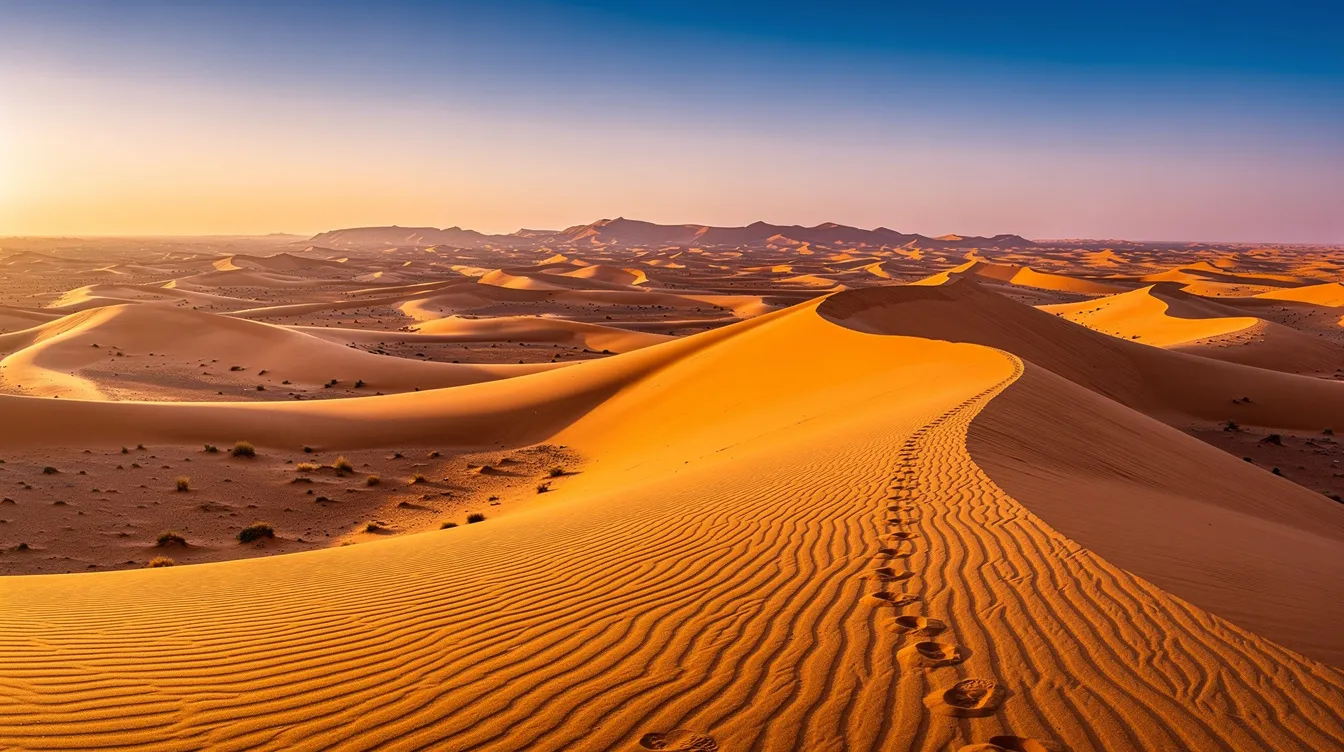
Yes, without question. Merzouga delivers exactly what most travelers imagine when they dream of the Sahara—iconic high dunes that shift color from dawn’s soft pinks to sunset’s fiery reds, unforgettable sunrises and sunsets, stargazing so clear you can trace the Milky Way with your eyes, and warm Berber hospitality that makes the journey feel deeply personal. All of this fits seamlessly into a 3–5 day Morocco itinerary.
What makes Merzouga unique compared with other Moroccan destinations centers on several distinct experiences. Walking on the dunes of Erg Chebbi provides the classic desert adventure most travelers seek. Overnighting in desert camps—whether basic or luxury—offers immersion impossible to replicate elsewhere. The deep nocturnal silence, broken only by wind across the sand, creates a meditative atmosphere that stays with visitors long after they leave Merzouga.
Different traveler types find value here in different ways. Couples and honeymooners discover romantic isolation under starlit skies with candlelit dinners in private camps. Families enjoy safe, soft-sand adventures where children can play freely, and gentle camel rides suit all ages. Solo travelers appreciate small groups and an easy social atmosphere around campfires. Photographers find endless golden-hour opportunities with the light-shifting contours of Erg Chebbi and Milky Way arcs above the dunes—the potential for beautiful photos is extraordinary.
Merzouga works exceptionally well as the desert anchor of a broader Morocco itinerary. Many travelers combine their desert trip with visits to Fez, Marrakech, Chefchaouen’s blue streets, and the Atlantic coast, creating a comprehensive tour of this fascinating country.
Merzouga is famous as Morocco’s premier gateway to the Sahara, particularly the remarkable Erg Chebbi sand sea that dominates the landscape here.
The Erg Chebbi dunes present a stunning spectacle. Golden-orange sands stretch approximately 28 km north to south and up to 7–8 km wide, with some dunes reaching heights of around 150 meters. The fine silica composition of the desert sand reflects light in unique ways, causing the colors to shift mesmerizingly throughout the day—from pale pink at dawn to brilliant gold at midday to deep red at sunset.
Camel treks at sunrise and sunset represent the signature Merzouga experience. These rides typically last 1.5–2 hours each way, rhythmically carrying travelers from village guesthouses across soft sands to remote camps. The slow, swaying pace creates an almost meditative journey that evokes the nomadic Berber traditions of centuries past. For those short on time, shorter non-camping options provide flexibility.
Desert camps define the Merzouga overnight experience. Options range from simple Berber-style tents with shared facilities and communal tagine dinners around campfires to luxury setups featuring ensuite bathrooms, solar-powered lighting, proper beds with hotel-quality bedding, and curated stargazing dinners. Since the 2019 government mandates, many camps have been relocated to perimeter zones to reduce environmental impact—reducing waste and water usage while maintaining the magic of sleeping in the Sahara.
Additional hallmarks include Gnawa music performances in Khamlia village, where descendants of sub-Saharan people transported across the Sahara centuries ago perform rhythmic percussion and soulful vocals that evoke ancestral stories. Seasonal flamingos appear at Dayet Srij Lake during the winter months when water fills this unexpected desert oasis. Adventure seekers find quad bikes and 4×4 tours across black hamada plateaus, while sandboarding on gentle slopes appeals to those wanting active fun. Multi-day trekking across dunes and rocky terrain offers deeper immersion for serious hikers.
Tourism provides the main livelihood here. The community has adapted to welcome visitors while recent regulations have enhanced sustainability, ensuring desert life continues for generations.
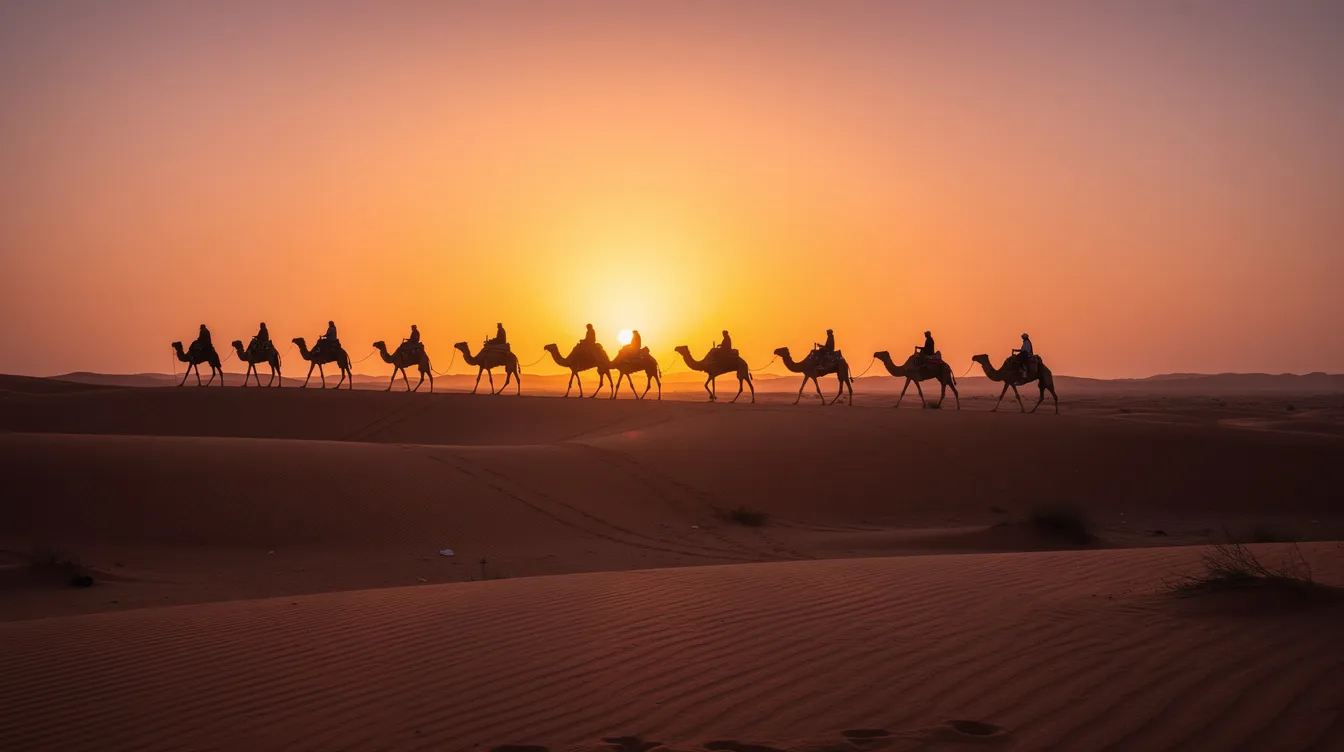
October through April represents the most pleasant window for visiting Merzouga, with comfortable daytime temperatures and cool nights ideal for camel trekking and camp stays.
October–November brings warm days and cool evenings with relatively calm weather. This period suits most travelers perfectly, offering ideal conditions for all activities without extreme temperatures.
December–February means cold nights—often dropping close to 0°C—but crisp, clear skies create exceptional conditions for stargazing. You might even spot shooting stars on winter nights. Pack warm layers, including a jacket, hat, and potentially a sleeping bag liner if using standard camps where insulation may be basic.
March–April offers mild temperatures but brings the possibility of wind and occasional sandstorms. Flexible plans help here, as does understanding that a bit of wind can actually create dramatic photo opportunities with sand streaming off dune crests.
May–September transforms the region dramatically with very hot days frequently reaching 40–48°C, sometimes higher in July and August. During these months, activities shift to early morning and late afternoon/evening. Travelers often stay in air conditioning during midday hours, venturing out only when temperatures moderate. While summer visits are possible, they require adaptation and are generally not recommended for first-time visitors.
When planning tours with Morocco Classic Tours, we help select appropriate itineraries based on your travel dates. This might mean lighter activity schedules during peak heat, ensuring camp facilities match seasonal needs (showers, shade, fans, or air conditioning where available), and timing camel rides for optimal comfort.
Roads to Merzouga are now fully paved following recent upgrades, making access possible by private car, bus, or private tour. Morocco Classic Tours can arrange door-to-door transfers from any major city, eliminating the stress of desert navigation.
The most direct route covers approximately 470 km, requiring 7–8 hours of driving via Midelt and Erfoud. The journey passes through Ifrane (Morocco’s “Little Switzerland”), the Middle Atlas cedar forests where Barbary macaques play, and the dramatic Ziz Valley with its palm oases and ancient ksars.
Overnight buses operated by companies like Supratours or CTM offer cheaper alternatives, departing in the evening and arriving early morning in Merzouga. However, these lack the flexibility and comfort of private transport.
Our private tours break the journey with photo stops and scenic detours, transforming travel time into part of the adventure rather than simply transit.
The scenic route crosses the Tizi n’Tichka Pass at 2,260 meters elevation, descending to the UNESCO-listed Ait Ben Haddou ksar before continuing through Ouarzazate (Morocco’s “Hollywood of Africa”) and either Dades or Todra Gorges. This stretch totals approximately 560 km.
Driving this in a single day takes 9–10 hours and is generally not recommended. Most Morocco Classic Tours itineraries split this route over two days, allowing proper exploration of kasbahs, gorge walks, and mountain scenery. The journey itself becomes a highlight, not just a means to reach the desert.
From Casablanca, travelers typically choose between driving or taking a train to Fez, then continuing by road, or joining a circuit via the Middle Atlas or via Marrakech. Direct driving covers roughly 670 km, taking 9–10 hours and practically demanding an overnight stop in Midelt or Fez.
Morocco Classic Tours can design circuits from Casablanca that incorporate multiple destinations, making efficient use of the considerable distances involved.
Errachidia Moulay Ali Cherif Airport sits closest to Merzouga at approximately 130 km—about 2–2.5 hours by road. Current flights connect mainly from Casablanca. From Errachidia, options include shared taxi, local bus to Rissani, then onward taxi, or pre-arranged private transfer with Morocco Classic Tours.
Ouarzazate Airport serves as another option for tours linking Ouarzazate, Todra/Dades Gorges, and Merzouga, though it sits farther from the dunes.
Public transport via buses costs less but runs on rigid schedules, offers no flexibility for stops, and leaves you managing connections and luggage independently. Private transfers and guided tours provide more comfort, hotel pick-up, scenic photo stops, and the knowledge of experienced private driver guides who know the routes intimately.
Morocco Classic Tours arranges custom pick-ups from hotels, airports, or train stations in Fez, Marrakech, Casablanca, or Errachidia—whichever suits your itinerary best.
Merzouga offers both classic Sahara dunes experiences and active adventures, many of which Morocco Classic Tours can weave into custom itineraries designed around your interests and schedule.
The quintessential Merzouga experience involves camel trekking from guesthouses near the dunes to desert camps, typically covering 1.5–2 hours each way. Sunset rides let you climb a dune for panoramic views as golden light floods the sand sea. Sunrise ascents offer cooler light and profound morning silence.
The rhythmic pace of camel rides creates a meditative quality impossible to replicate with motorized transport. Photo opportunities abound—caravan silhouettes against vast dunes, shadows stretching across rippled sand, and the endless play of light on golden terrain. Options exist for short rides without overnight camping for travelers with limited time.
The structure of a camp night follows a familiar but wonderful pattern. Arrival by camel or 4×4 transfer leads into a sunset dune walk. Dinner—often tagine with Moroccan salads—unfolds under emerging stars. Berber drumming around the fire creates community among other travelers. Then comes stargazing from blankets on the sand, watching the Milky Way arc overhead.
Standard camps provide hearty communal meals, shared bathrooms, and an authentic communal atmosphere. Luxury camps offer private ensuite facilities, hotel-quality bedding, sometimes solar power, and curated dining experiences. Many camps have the option to request your own tent for privacy.
For travelers wanting more adrenaline, 1–3 hour guided quad bike rides cover dunes and rocky desert terrain. Routes typically traverse black desert hamada, smaller dune formations, and viewpoints overlooking Erg Chebbi.
Morocco Classic Tours can pre-arrange quad rentals with helmets and local guides around Merzouga, ensuring equipment quality and appropriate difficulty for your skill level.
A typical half-day 4×4 loop visits fossil fields where ancient marine creatures left their traces, Khamlia for Gnawa music performances with mint tea, black desert plateaus, viewpoints over the dunes, and sometimes local nomad families who share insights into desert life.
This tour reveals the Saharan environment beyond the main dune line—rocky plateaus, oasis gardens fed by ancient underground channels, and the fascinating contrasts between different desert terrain types.
The soft slopes of Erg Chebbi provide ideal conditions for beginner sandboarding. Boards are often available at many camps or through rental shops in town along the main street. The activity combines well with sunset trips or overnight stays, offering fun without requiring significant skill.
Merzouga’s remote location means extremely low light pollution, allowing visibility of celestial features impossible to see from cities. On clear nights—especially in winter’s crisp skies—the Milky Way stretches overhead with remarkable clarity. Simply lying on the sand near camp provides an amazing experience, though some camps offer guided astronomy sessions for those wanting deeper knowledge.
Beyond dunes, Merzouga offers rich diversity. Visit Dayet Srij Lake in winter when water fills this unexpected oasis, attracting flamingos and migratory birdlife. Khamlia village hosts live Gnawa music performances—haunting rhythms born from descendants of sub-Saharan peoples who crossed the Sahara centuries ago.
Nearby villages like Rissani offer bustling Sunday souks (also Tuesday and Thursday) where locals trade livestock, dates, and everyday goods. Old ksars and palm trees line irrigation channels, revealing how desert communities have thrived for centuries.
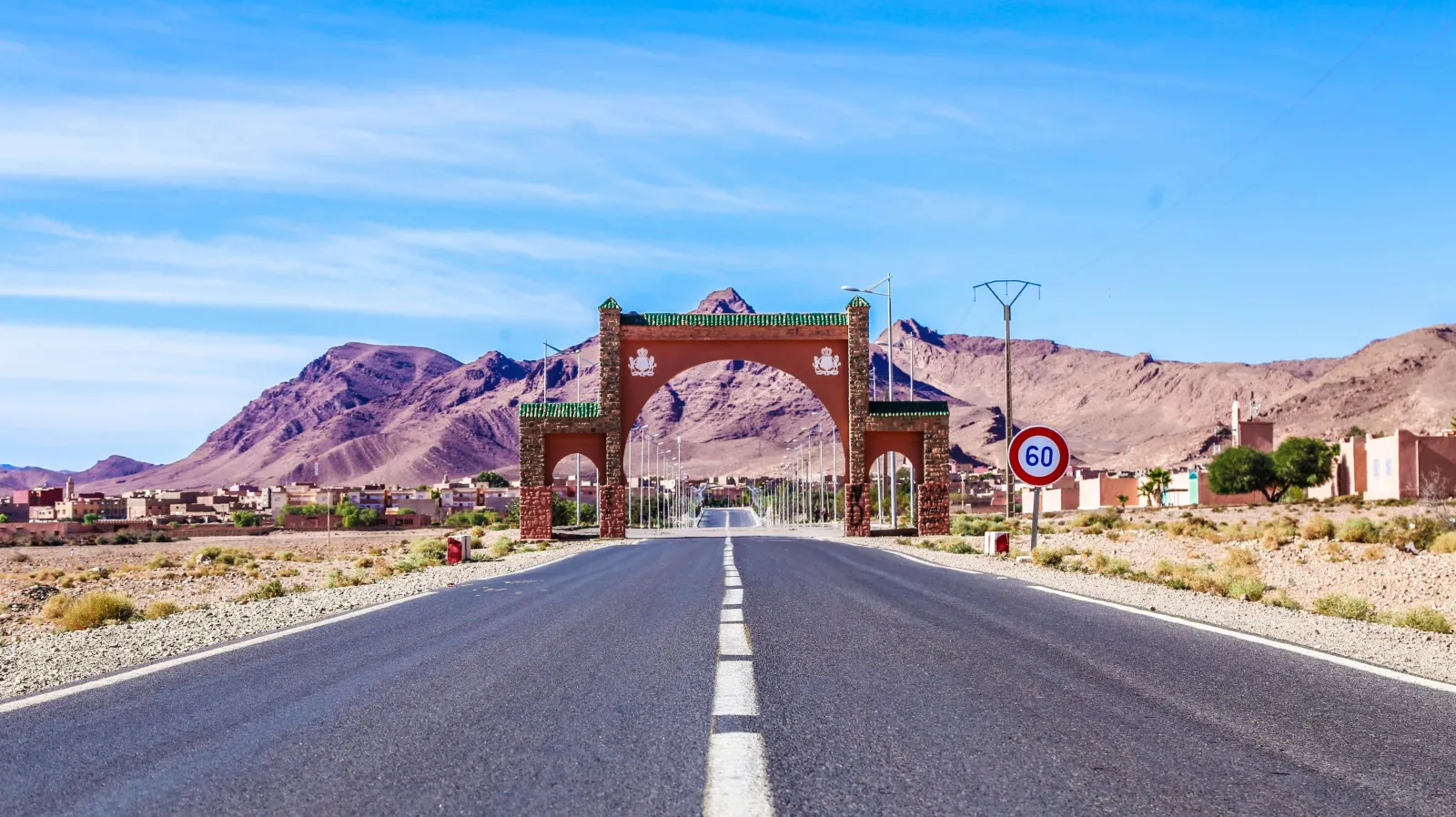
Merzouga’s food scene is simple but hearty, focused on Moroccan and Berber home-style dishes. Many meals come included in camp or riad stays, so travelers often find themselves eating where they sleep, which proves convenient in this remote setting.
Berber omelette arrives cooked in a small tagine with tomatoes, onions, aromatic spices, and sometimes cheese. This substantial dish works perfectly for breakfast or lunch, offering warmth and satisfaction before desert activities.
Berber pizza (medfouna) consists of stuffed flatbread filled with spiced meat or vegetables, baked until golden. This specialty proves especially popular in nearby villages like Khamlia and at Rissani’s markets—definitely worth seeking out for a memorable meal.
Classic Moroccan tagines feature slow-cooked combinations like chicken with preserved lemon and olives, vegetable medleys with warm spices, or kefta meatballs in tomato sauce. Friday traditionally brings couscous—steamed semolina topped with vegetables and meat. Harira soup offers a lighter option, especially warming on cool desert evenings.
Small cafés and rooftop terraces line the main street of Merzouga village, serving simple breakfasts and mint tea with dune views. These spots provide pleasant rest between activities without requiring formal reservations.
Many guesthouses and desert camps in Merzouga, Hassilabied, and along the dune line serve set menus with dinner and breakfast included in room or tour rates. The hotel rooftop dinner with sunset views over Erg Chebbi creates great memories without leaving your accommodation.
Day trips offer food discoveries, too. A lunch stop in Khamlia pairs Berber pizza with live Gnawa music—find plenty of atmosphere and flavor together. Rissani’s markets offer local grills and street food for adventurous eaters, easily arranged as part of a 4×4 tour through Morocco Classic Tours.
Vegetarian tagines and salads are widely available throughout the region—this is not unusual to request. Vegan travelers should communicate clearly when booking, but will usually be accommodated with vegetables, lentils, couscous, and salads.
Gluten-free options show limited but growing availability. Advance notice when booking tours with us helps ensure accommodating meals throughout your trip. The scene here emphasizes simplicity over variety, but that simplicity brings authenticity and desert-fresh flavors.
Merzouga offers everything from simple guesthouses in the village to luxury camps nestled in the dunes. Morocco Classic Tours handpicks properties based on comfort, authenticity, and safety, matching accommodations to traveler preferences.
Small family-run auberges and riads in Merzouga and Hassilabied offer comfortable bases with dune views, rooftop terraces for sunset watching, and sometimes pools for cooling off after desert excursions. A Berber family running these properties often provides warm personal service impossible at larger hotels.
These properties work well for travelers wanting daytime comfort with modern amenities while still accessing evening camel rides or short camp overnights. They provide an alternative for those who prefer not to spend multiple nights in tented accommodation.
Standard or comfort camps typically include solid tents, shared washrooms with basic facilities, hearty dinners, simple breakfasts, and communal campfires for evening entertainment. Reaching these usually involves a 40–60 minute camel ride from the dune edge.
These camps now respect regulations and are typically located behind dune lines or in designated zones to protect the environment from the impact that fixed camps previously caused. The experience remains authentic and immersive—the moment you arrive at camp and see the dunes surrounding you, logistics fade into the background.
Ensuite tents with proper beds, hotel-style bedding, private bathrooms with hot showers, and often solar power define the luxury category. Curated dinners under the stars, private settings, and higher service levels distinguish these from standard options.
Luxury camps prove ideal for honeymooners and travelers seeking comfort without sacrificing desert atmosphere. The first night in a luxury camp—dinner by candlelight, silence broken only by occasional Berber drumming—creates memories worth the premium. Morocco Classic Tours can secure preferred camps for private stays.
Book in advance for high season (October–April), especially for private or luxury camps. Popular dates fill quickly, and showing up without reservations risks disappointment.
Confirm exact camp location and transfer logistics before reserving. Understanding whether you’ll arrive by camel or 4×4, how long the journey takes, and what facilities await helps set appropriate expectations. Morocco Classic Tours handles these details for clients, but independent travelers should verify everything directly.
Travelers are advised to bring cash for small purchases in Merzouga, as ATMs are scarce in the immediate desert area.
Prices vary by season, comfort level, and whether experiences are shared or entirely private. Morocco Classic Tours focuses on private, customizable options that ensure flexibility and personalized service.
Simple 1.5–2 hour sunset camel rides often start from around 15–25 USD per person when booked locally through guesthouses or guides along the main street, with variations based on inclusions and group size. These short rides suit travelers wanting the camel experience without overnight commitments.
Overnight camel trekking with camp accommodation is generally priced per person and includes dinner, breakfast, and camel transport both ways. Standard camps cost less; luxury options command premiums for their enhanced facilities. Prices fluctuate seasonally, with peak season (October–April) typically running higher.
Our typical 2–4 day private itineraries from Fez or Marrakech combine road-trip stops through the Atlas Mountains, gorges, and kasbahs with one or two nights in Merzouga. The desert trip becomes part of a broader Moroccan journey rather than an isolated experience.
Inclusions typically cover: private driver-guide, comfortable vehicle, camel trek, camp stay, specified meals, and optional add-ons like quad biking, 4×4 desert tours, or extra nights. Every aspect can be customized to match your preferences.
We encourage readers to request a tailored quote via our website, noting that pricing depends on travel dates, group size, accommodation type (standard vs. luxury), and specific activities requested. This approach ensures accurate, transparent pricing without hidden surprises.
Book camel and camp packages through a reputable tour company like Morocco Classic Tours or directly with established riads and camps rather than relying on street touts offering “special deals.” Unclear pricing and last-minute changes plague informal arrangements.
Bundled packages that include transport, activities, and camp help travelers avoid hidden costs or logistical confusion in remote desert settings. Knowing exactly what’s included—and what isn’t—before you arrive creates the foundation for an amazing experience.
Beyond camel trekking, Merzouga serves as a hub for adrenaline activities across dunes and rocky plateaus. Morocco Classic Tours can build these into customized itineraries based on your adventure appetite.
Typical rides span 1-hour, 2-hour, and half-day options starting near the village and heading into the black desert, smaller dune formations, and viewpoints overlooking Erg Chebbi’s expanse. Routes follow established tracks where possible to reduce erosion.
Safety standards include helmets, basic instruction before departure, and speed adapted to experience level. Guides accompany riders to ensure nobody gets lost in the featureless terrain where landmarks disappear quickly.
Some local partners offer side-by-side buggies and 4×4 dune drives for those preferring a guided driving experience without operating a quad themselves. These vehicles prove ideal for families or travelers uncomfortable driving off-road vehicles in unfamiliar conditions.
The fun remains similar—racing across desert terrain, stopping at viewpoints, feeling the power of moving through this stark landscape—but with someone else handling the controls.
Options exist for 2–5 day walking treks with camels carrying supplies, camping in remote areas under the stars, far from main tourist camps. These usually work best from October to February when temperatures permit extended hiking.
Such immersive experiences suit hikers wanting a deeper connection with the desert landscape beyond what a single overnight provides. Morocco Classic Tours can arrange these through specialist partners upon request.
Merzouga is generally safe for tourists, including Americans and other international visitors. Crime rates remain low in this community that depends heavily on tourism for livelihood—harming visitors would damage the economic foundation everyone relies upon.
Petty theft is relatively rare in the desert environment, but normal precautions apply. Keep valuables secure, avoid leaving items unattended in vehicles, and remain aware of your surroundings as you would anywhere.
Walking around the village and around camps after dark is usually safe when following local advice and staying within camp or hotel perimeters. The desert at night holds magic, not danger—though wandering alone into dunes without a guide risks getting lost rather than encountering threats.
Heat and sun exposure pose the primary health concerns, especially from May through September. Wear hats, apply sunscreen generously, drink plenty of water, and avoid midday dune hikes when temperatures peak. Stay healthy by listening to your body and resting when needed.
Temperature drops dramatically at night in winter, sometimes approaching 0°C. Warm layers prove essential, particularly in standard camps where insulation may be basic. A sleeping bag rated for cool temperatures can supplement camp bedding during the coldest months.
Morocco maintains general stability and has a long history of welcoming Western tourists. The country prioritizes tourism economically and works to ensure visitor safety.
Respectful dress—lightweight but modest clothing covering shoulders and knees—shows sensitivity to local customs, particularly in village areas and when visiting Berber family homes. This isn’t about formal rules but about courtesy to your hosts.
Our drivers and guides are experienced with desert conditions and monitor weather, including wind and rare heavy rains that can affect travel. Itineraries adjust when necessary—safety takes precedence over schedules.
We can assist with medical help if needed and advise travelers to carry travel insurance covering desert activities. Having support available provides peace of mind that independent travel cannot always match.
Morocco Classic Tours specializes in private, tailor-made trips to Merzouga from major Moroccan cities. Our Fez-based team has deep knowledge of routes, camps, and experiences that transform standard desert visits into unforgettable adventures.
First, choose your starting city: Fez, Marrakech, Casablanca, Rabat, or direct from Errachidia Airport. Each starting point shapes the route and what you’ll see along the way.
Next, select your preferred travel dates and trip length. Options range from 2–3 day Fez–Merzouga–Fez loops to 3–4 day Marrakech–Merzouga–Fez one-way journeys, or longer circuits combining coast, mountains, and desert for comprehensive Morocco exploration.
Key choices include: standard versus luxury desert camp, number of nights in Merzouga, inclusion of quad bikes or 4×4 tours, level of hotel comfort en route, and whether to add cultural stops like Ait Ben Haddou, Todra Gorge, or Rissani market.
You can specify dietary needs, preferred pace (relaxed versus efficient), and particular interests—photography, food experiences, trekking, or family-friendly activities. We build itineraries around what matters to you.
Morocco Classic Tours arranges private vehicle and driver, local guides where relevant, accommodation reservations, desert activities including camel rides and camp stays, many meals, and airport or hotel pick-up and drop-off. You arrive; we handle everything else.
Online booking, email communication, and messaging support before and during your trip ensure questions get answered promptly. Transparent, upfront pricing means no surprises—what we quote is what you pay.
Visit our website or contact us directly to request a sample itinerary or custom quote for a Merzouga desert excursion tailored to your specific interests and travel dates. Whether you’re planning a romantic getaway, family adventure, or solo journey of discovery, we’ll design the perfect desert experience.
Merzouga sits within a wider region of oasis towns, gorges, and historic sites that visitors often explore on multi-day tours. These destinations enhance the desert experience with cultural and natural diversity.
This historical capital of the Alaouite dynasty lies about 35 km from Merzouga, functioning as a lively market town and regional center. The Sunday souk (also held on Tuesday and Thursday) sees locals trading livestock, dates, spices, and everyday goods in an authentic atmosphere largely unchanged for generations.
Wandering through Rissani’s covered markets and surrounding streets reveals Morocco beyond tourist-oriented spaces—real commerce, real conversations, real life.
Located about 7 km south of Merzouga, this small village has earned a reputation for Gnawa music performances. The community descends from sub-Saharan peoples who crossed the Sahara centuries ago, preserving musical traditions with deep spiritual and historical significance.
Morocco Classic Tours often includes a short visit here for music, mint tea, and possibly Berber pizza—an afternoon that combines culture, hospitality, and memorable flavors.
These dramatic canyons lie several hours’ drive northwest, serving as common overnight stops on routes between Marrakech and Merzouga. Towering cliff walls—in Todra Gorge, rising over 300 meters—frame palm-lined valleys with opportunities for short walks and photo stops.
The contrast between canyon greenery and desert sands enhances appreciation for Morocco’s landscape diversity.
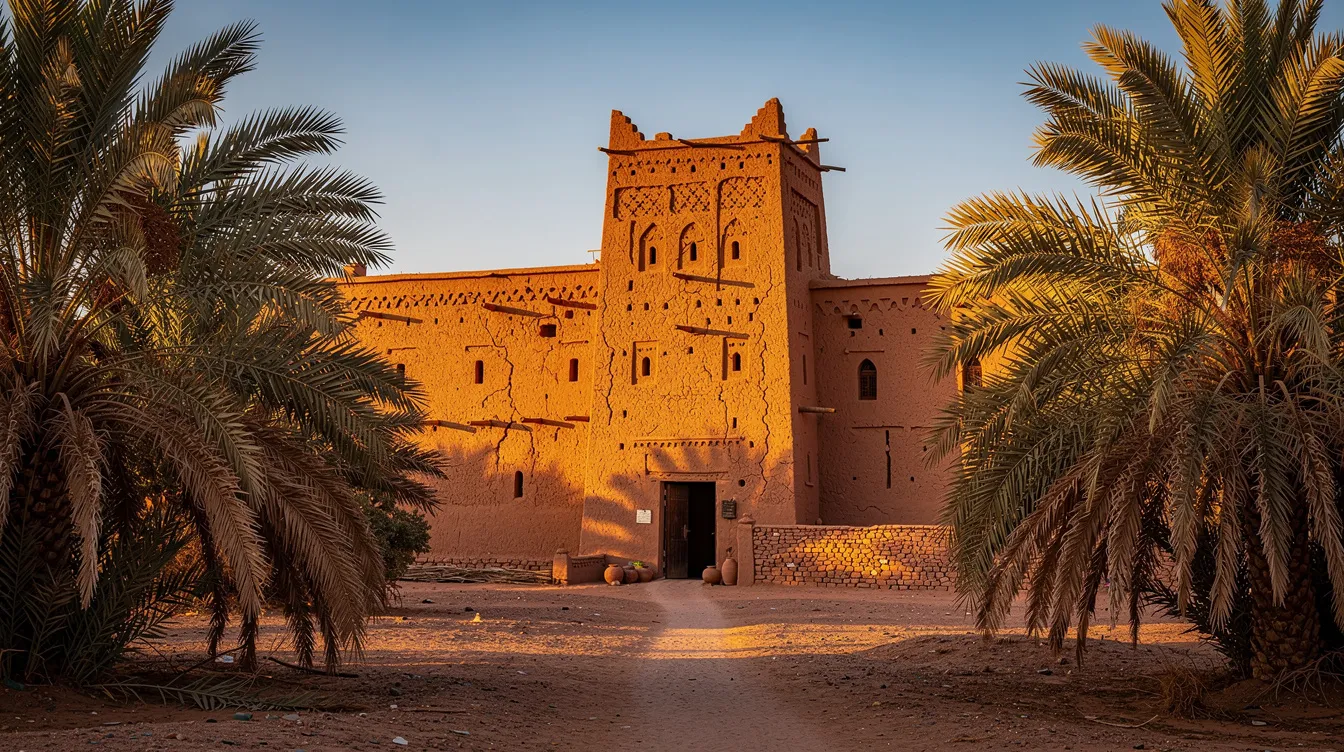
Ait Ben Haddou stands as a UNESCO-listed ksar—a fortified village of earthen architecture that has served as a filming location for numerous movies and television productions. Located on the route between Marrakech and the desert, it provides perfect photo opportunities and insight into traditional Moroccan construction methods.
Many Marrakech–Merzouga circuits overnight near Ouarzazate or Ait Ben Haddou to break up travel and explore the kasbah architecture properly. Morocco Classic Tours designs seamless circuits covering these highlights alongside the desert experience.
At minimum, one night in Merzouga allows time for a sunset camel trek and overnight desert camp experience—the essential Sahara adventure compressed into roughly 24 hours. Two nights enable both camp stays and a full day of activities like quad biking, 4×4 tours, and visiting nearby villages without rushing.
Three to four days suit travelers who want to explore nearby villages thoroughly, perhaps return early from camp for additional dune time, and relax into the desert rhythm rather than rushing through. This timeframe works particularly well on longer Morocco itineraries where Merzouga serves as the desert anchor of broader exploration.
Merzouga welcomes families with gentle camel rides suitable for children, soft dunes perfect for play, and camps accustomed to hosting young travelers. The desert adventure appeals to kids’ sense of wonder while remaining safe and manageable.
Schedule activities around cooler morning and late afternoon hours, keep children well hydrated throughout, and consider private tours with flexible pacing that can adapt to young energy levels and attention spans. Morocco Classic Tours specializes in family-friendly itineraries with appropriate timing and activities.
Main roads to Merzouga are fully paved and passable in normal vehicles, so a 4×4 is not mandatory for reaching the village itself. Standard rental cars handle the journey without problems.
Off-road exploration around dunes and remote desert tracks does require 4×4 or guided vehicles. This is why many travelers prefer hiring a private driver or booking organized tours rather than attempting to self-drive through soft sand and featureless terrain, where getting stuck creates serious problems.
Bring light, breathable clothing for daytime and a warm layer or jacket for nights when temperatures drop significantly. A scarf or shemagh protects against the sun and blowing sand while adding authentic style. Closed shoes or sandals that handle sand work better than open-toed options that fill uncomfortably.
Sunscreen, sunglasses, and a small daypack complete daytime essentials. Winter visitors need a hat, gloves, and thermal layers for night in the desert when temperatures can approach freezing. Morocco Classic Tours provides a short packing checklist with each booking to ensure travelers arrive prepared.
In Merzouga village and along the main road, mobile coverage for major Moroccan networks works generally well. Many guesthouses offer Wi‑Fi, though speeds vary considerably from property to property.
Some desert camps provide limited Wi‑Fi via satellite or 4G routers, but connections can be slow or intermittent—sometimes not working at all. Rather than viewing this as a problem, consider treating camp nights as partially offline experiences. The disconnection from constant connectivity becomes part of the desert’s gift: present-moment awareness, conversation with other travelers, and attention to the night sky rather than screens.
Travelers are advised to bring cash for small purchases in Merzouga, as ATMs are scarce in the immediate desert area.
Compare Morocco group tour agencies by trip style, reviews, pace, transport and inclusions. Learn wh...
Read this article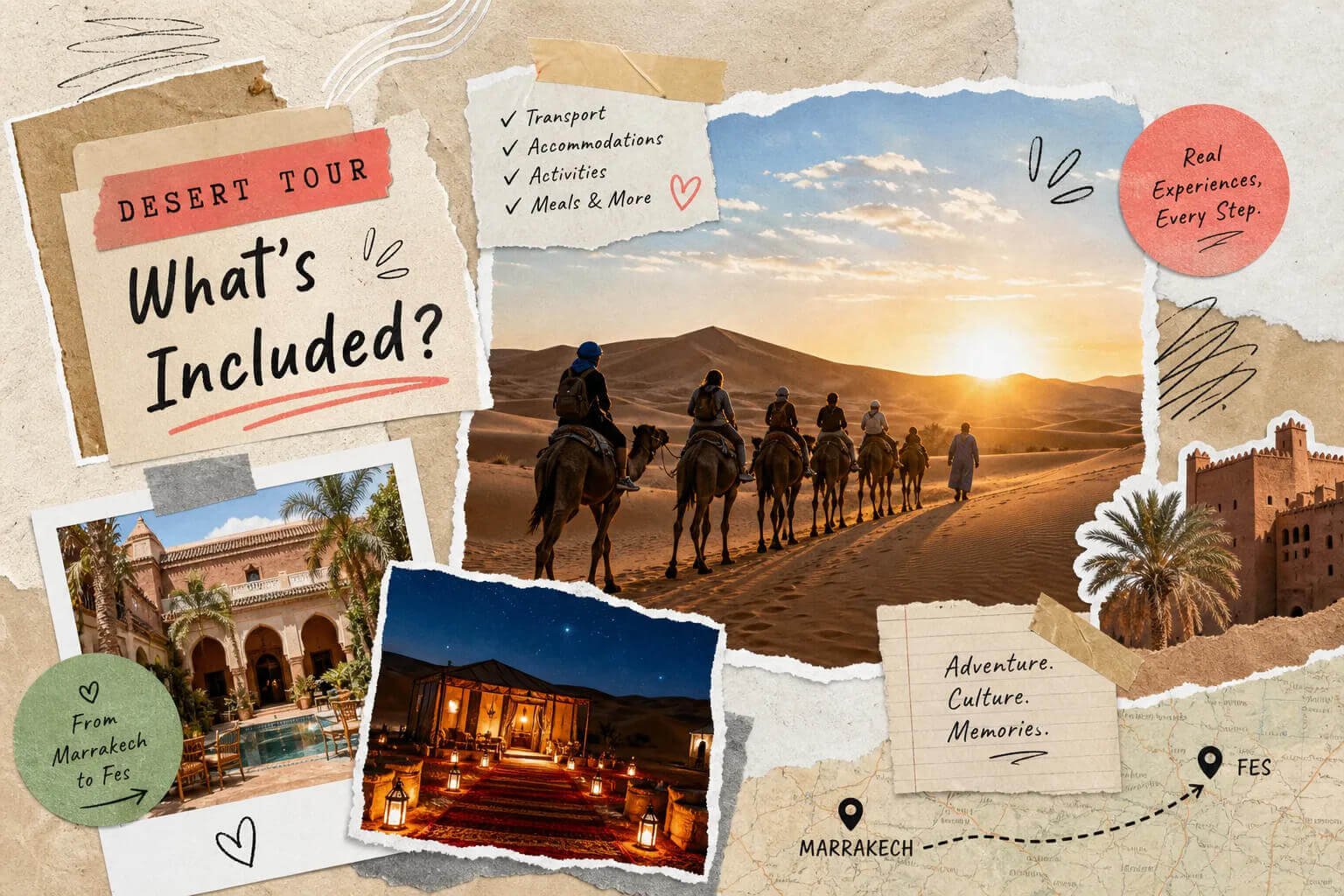
Uncover what a Marrakech to Fes desert tour offers, including camel rides, desert camps, and rich cu...
Read this article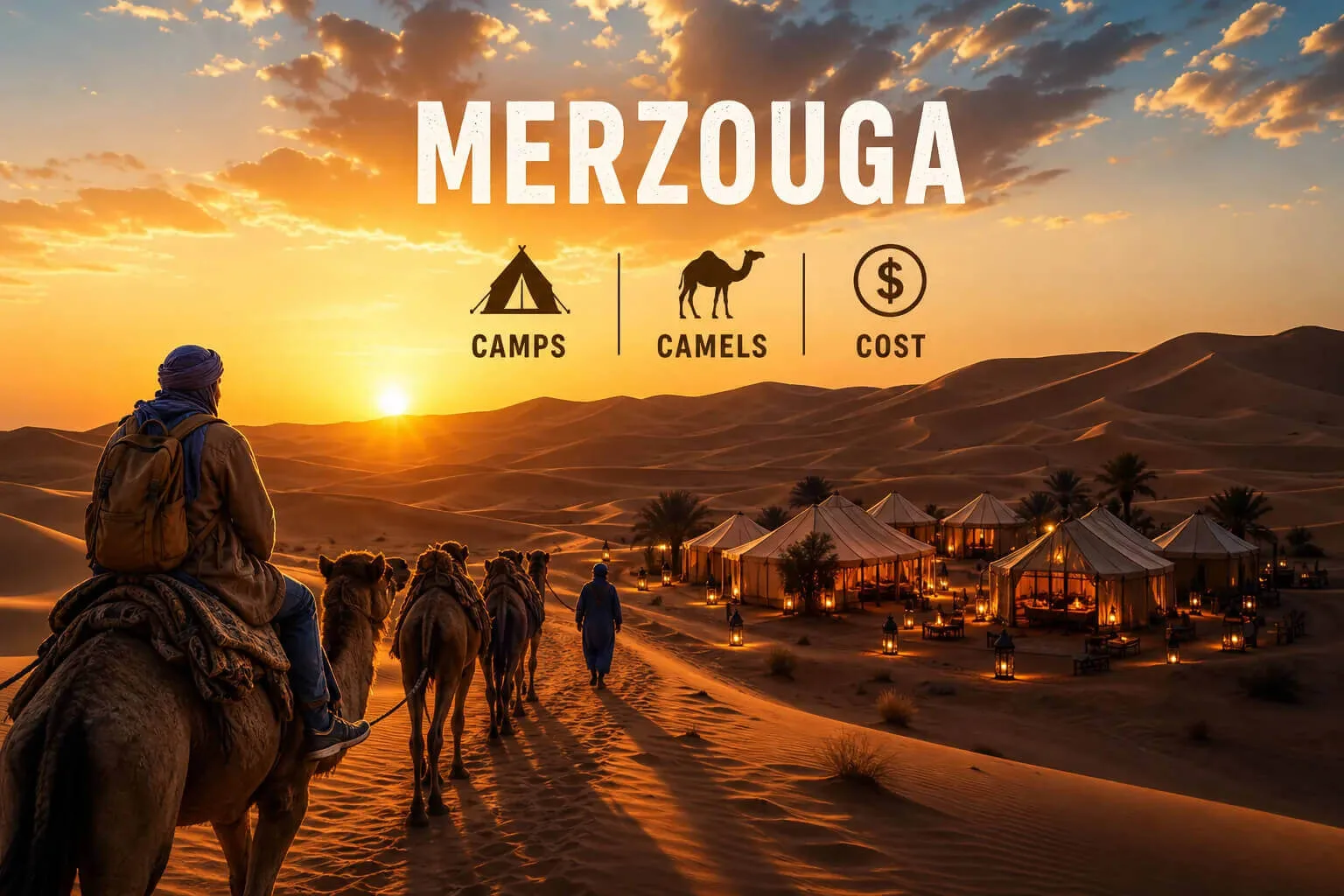
Join our Merzouga Overnight Tour for an authentic desert experience. Enjoy camel rides, comfortable ...
Read this articleWant cool tour deals and tips about Morocco? Enter your email and we’ll send them to you each month!
