Group Tour Agencies in Morocco: How to Pick the Right One
Discover how to choose the perfect group tour agency in Morocco. Get tips on what to look for and ma...
Read this article

Suspendisse interdum consectetur libero id. Fermentum leo vel orci porta non. Euismod viverra nibh cras pulvinar suspen.
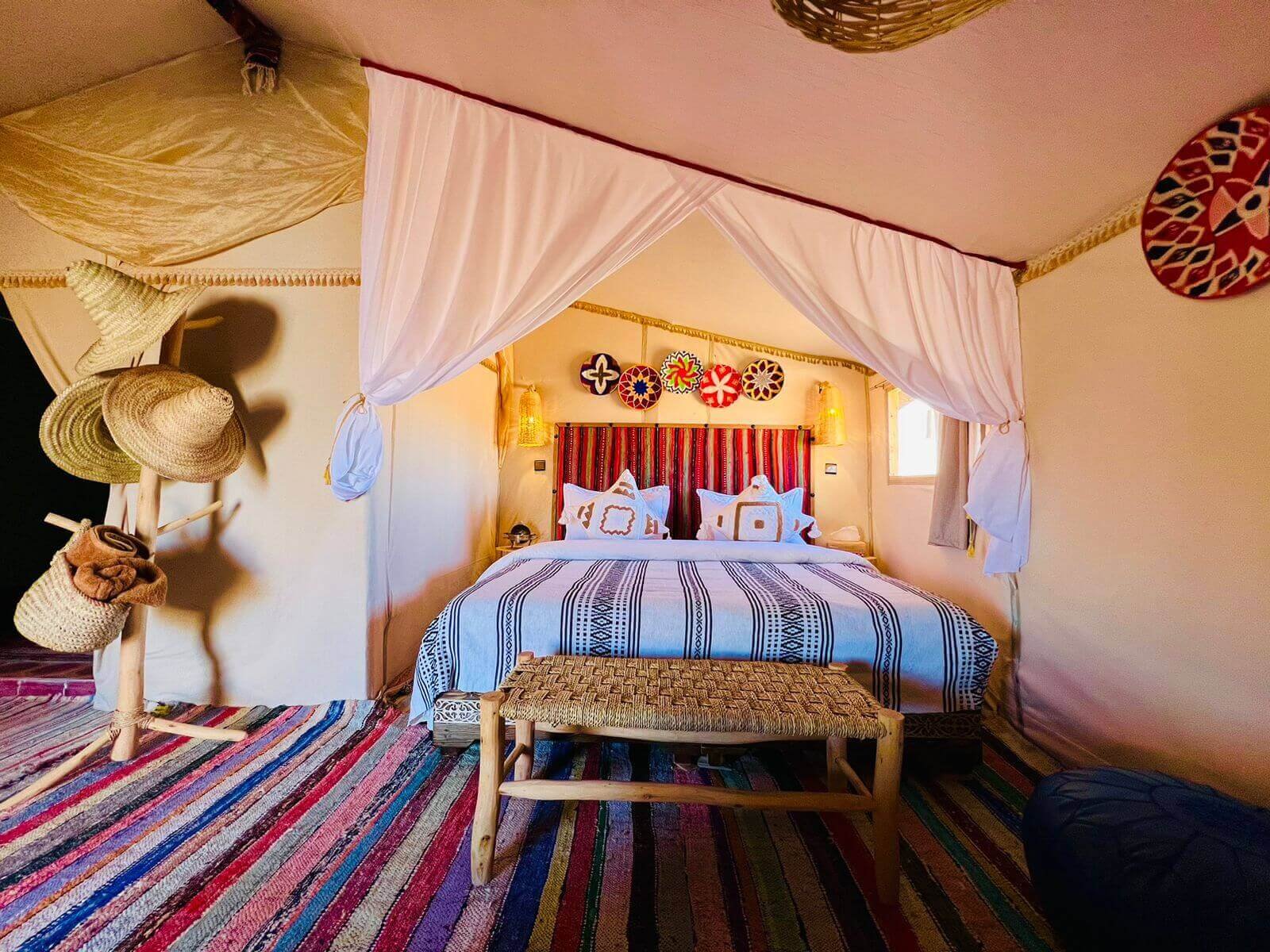
Sleeping on real beds surrounded by nothing but golden dunes, waking to a sunrise that paints the Sahara in shades of amber and rose-this is what a Sahara Desert luxury camp delivers. No grainy phone screen or travel documentary can replicate the moment you step out of your tent and feel the cool morning sand between your toes while the desert stretches endlessly around you.
This guide covers everything you need to plan that trip: where to go, what to expect inside the tent, how much it costs, and how to make the most of your time in the Moroccan Sahara. Whether you're considering Erg Chebbi or Erg Chigaga, traveling from Marrakech or Fez, this is the resource we wish we'd had before our first desert night.
Best first-time choice: Erg Chebbi near Merzouga offers the widest range of luxury desert camps with easy access. Erg Chigaga suits travelers seeking a wilder, more remote adventure.
Travel times: It takes 8–10 hours to drive from Marrakech to Merzouga (often split over 2 days). From Fez, expect about 7–8 hours, usually with private transfers organized by Morocco Classic Tours.
What's included: A desert luxury camp typically provides ensuite bathrooms with hot water, proper beds, electricity, quality Moroccan meals, and activities like camel rides, sand boarding, and quad biking.
Realistic pricing: Mid-range luxury starts around €140–€180 per person per night including dinner, breakfast, and a camel ride. High-end camps range from €250–€400+ depending on season and exclusivity.
Best travel months: March–May and late September–November offer the most comfortable temperatures. Pack layers, a scarf, closed shoes, and cash for tipping and extras.
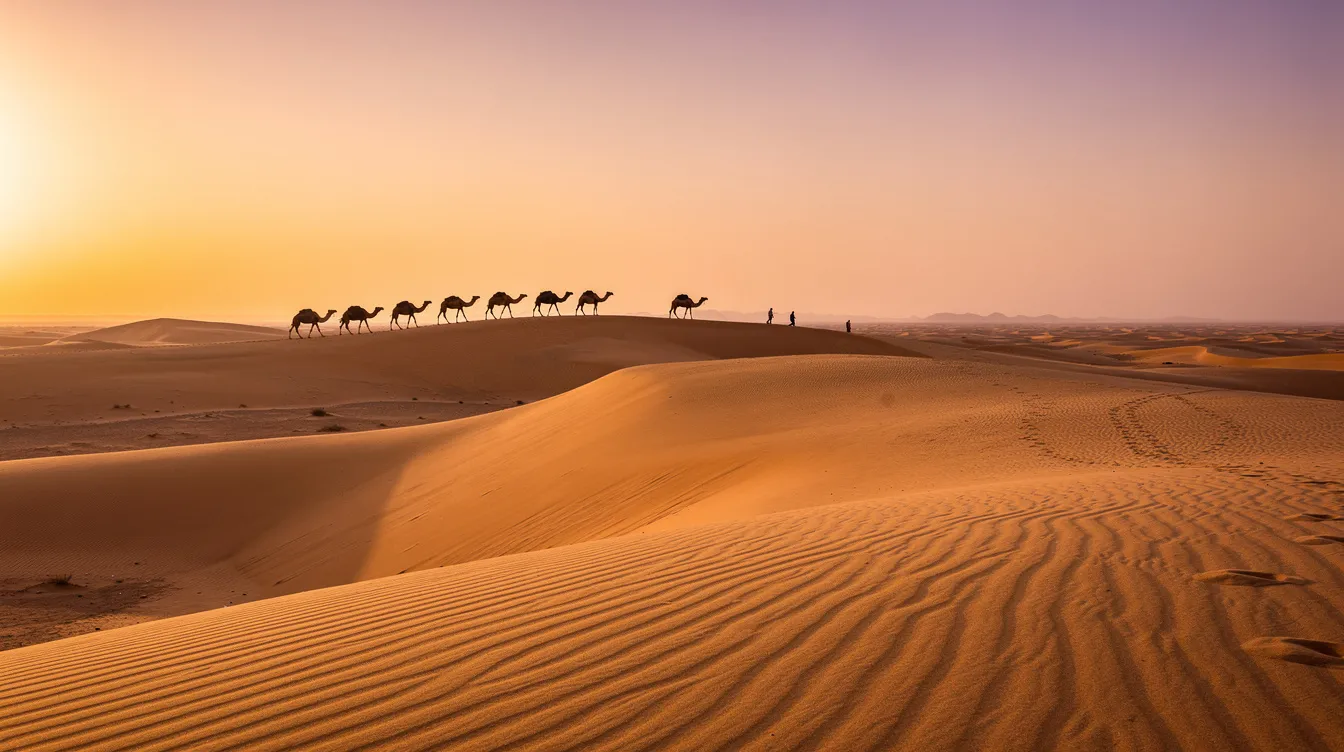
Morocco's Sahara stretches along the country's southeastern edge near the Algerian border. Two famous dune fields dominate the luxury camping scene: Erg Chebbi (near Merzouga) and Erg Chigaga (near M'Hamid El Ghizlane). The Erg Chebbi dunes in Morocco are a popular location for luxury camping, sitting about 50 km from the town of Erfoud, with camps scattered on and behind towering dunes that rise from a flat, rocky desert floor lined with date palm trees.
Erg Chigaga, Morocco's largest dune sea, is reached from the oasis town of M'Hamid at the end of the Draa Valley. It offers a more remote, off-road "edge of the world" luxury camp experience with fewer neighbors and more solitude. Morocco Classic Tours is based in Fez and regularly operates private tours connecting cities like Marrakech, Fez, and Casablanca with these Sahara desert camps.
Both dune seas sit in the Moroccan Sahara, but they differ significantly in access, atmosphere, and style of desert luxury.
Erg Chebbi features some of Morocco's highest dunes-up to approximately 160 meters-right beside the small town of Merzouga. You'll find a wide choice of camps ranging from simple bivouacs to ultra-luxury glamping with a swimming pool. It's easier to reach on shorter itineraries of 3–4 days from Marrakech or Fez, making it the go-to for most travelers.
Erg Chigaga is Morocco's largest erg, reached only by 4×4 tracks from M'Hamid (about 2–3 hours off-road through stony desert). Fewer camps operate here, which means more solitude and a stronger sense of being somewhere truly wild. It's ideal for travelers with at least 4–6 days and a taste for epic adventure. Think of it as the nomad camp experience turned up to full volume.
Who should choose which?
Factor | Erg Chebbi | Erg Chigaga |
|---|---|---|
Access | Paved road to Merzouga | 2–3 hrs off-road from M'Hamid |
Camp variety | Dozens (budget to ultra-luxury) | Handful (mid-range to luxury) |
Atmosphere | Classic, vibrant, social | Remote, silent, wild |
Best for | First-timers, families, shorter trips | Repeat visitors, photographers, longer trips |
Morocco Classic Tours can design itineraries combining both dunes on longer routes for travelers wanting a full Sahara immersion.
Guests typically travel by private 4×4 or minivan with a driver-guide arranged by Morocco Classic Tours, with hotel pick-up in cities like Marrakech or Fez. You can reach Merzouga by private driver, rental car, or guided tour-each with different trade-offs.
From Marrakech to Merzouga: The distance is approximately 550–560 km. Plan for 9–10 hours of driving, which is why most travelers split the journey with an overnight stop at Ait Ben Haddou, Ouarzazate, or the Dades Gorge. This long drive becomes part of the experience when you pass through the Atlas Mountains, the Rose Valley, and Berber villages along the way. For a deeper look at the route, see our guide on how far the Sahara Desert is from Marrakech.
From Fez to Merzouga: The drive takes about 7–8 hours, usually completed in one full day with scenic stops. Our 3-day Fes to Merzouga tour is a popular option for this route.
The final leg to the dunes: Once you reach Merzouga village, you switch to camp transport. A 4×4 jeep ride to the camp takes about 20 minutes through soft sand tracks, while the classic camel ride to the camp takes about 1.5 hours-usually timed for a gorgeous sunset or sunrise arrival. Most camps coordinate luggage handover at a partner hotel so you ride light.
For Erg Chigaga, you take the paved road to M'Hamid, then a guided 4×4 drive across stony desert and dunes. Sunglasses and a scarf are essential for sand and dust on this stretch.
A note on buses: Buses from Marrakech to Merzouga arrive late at night, which makes connecting with a camp transfer difficult and removes the flexibility of scenic stops. Self-driving after dark on unfamiliar desert tracks is equally inadvisable. A private transfer with a local operator remains the best and safest option.
Picture this: your 4×4 crests a dune ridge and you see a cluster of elegant tents nestled against amber sand. A Berber host walks toward you carrying a silver tray of mint tea. That first moment sets the tone for everything that follows.
Luxurious camping in the Sahara Desert is known as glamping, and it's a world away from a standard hotel room. Here's what the term actually means in practice:
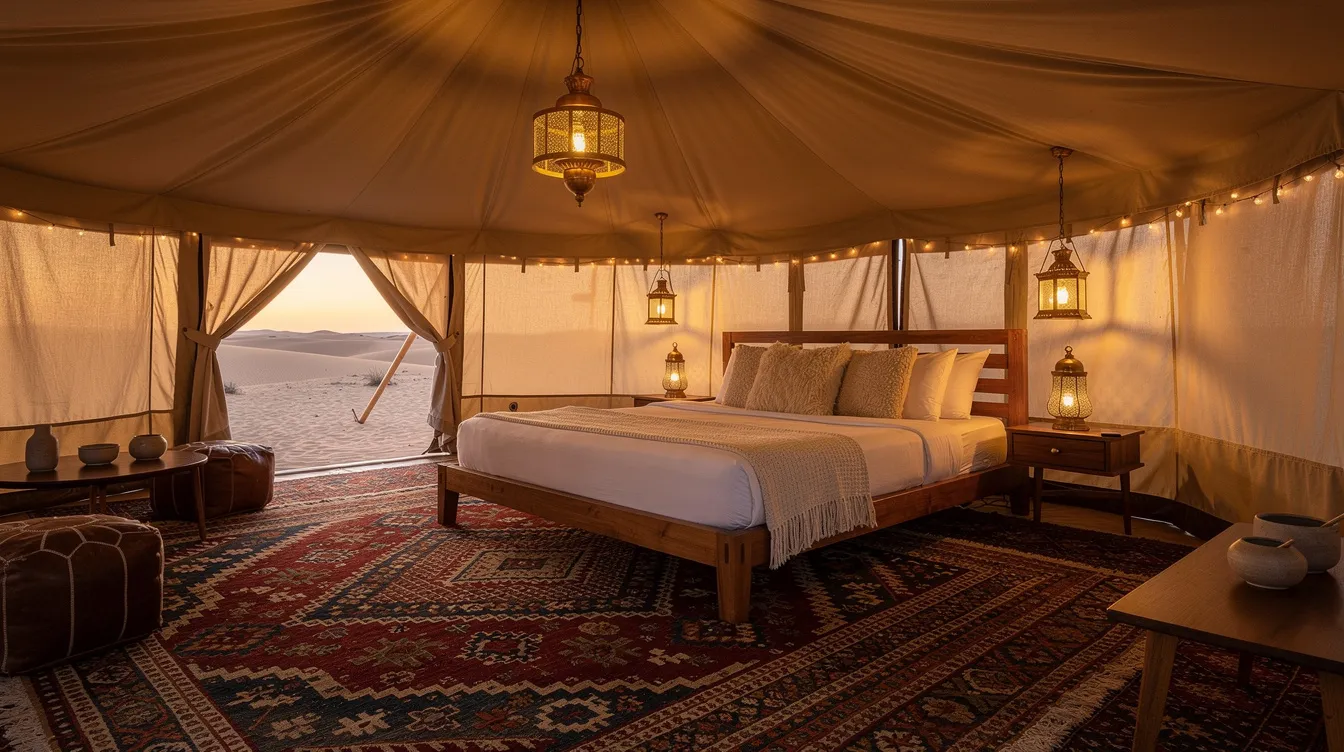
Tents and sleeping areas: Sahara Desert Luxury Camp offers luxury tents with private bathrooms. Expect spacious interiors (often 20–35 m²) with real beds-either king-size or twin beds-quality linens, thick rugs, bedside lighting, and a cozy atmosphere. Tents are designed with traditional Moroccan style and modern decor, blending Berber textiles with contemporary furnishings. Tents feature electric lights and outlets for charging devices, powered by solar panels or quiet generators.
Bathrooms: Luxury tents include private bathrooms with running water, flush toilets, and hot showers. Walls are typically tiled or solidly built, and a private bathroom is separated from the sleeping area by a proper partition or door. Some eco-camps use high-standard dry toilets without compromising comfort.
Facilities beyond the tent:
Dining tent or outdoor dining area with multi-course Moroccan meals
Fire pit and lounge areas for evening gatherings
Common areas include lounges and shaded areas with hammocks
Some camps offer outdoor swimming pools in the desert-Sunrise Palace Merzouga features a stunning outdoor swimming pool, and Sahara Majestic Luxury Camp has an outdoor swimming pool available.
Pricing orientation (2024–2026): Mid-range luxury runs about €140–€180 per person per night, typically half-board with a camel ride included. High-end boutique camps charge €250–€400+ per tent per night depending on season and exclusivity. Merzouga Top Luxury Camp includes two meals per day in pricing, which is standard across most camps at this level.
Morocco Classic Tours selects partner camps in both Erg Chebbi and Erg Chigaga based on service, cleanliness, and safety, and includes them in private tour packages.
Staying in a Sahara Desert luxury camp is as much about what you do outside the tent as the comfort inside it. The desert activities on offer range from serene to adrenaline-fueled.
Camel rides are popular for sunset views-the classic Sahara experience. A typical ride lasts 45–90 minutes, with your guide leading the camel at a gentle pace while you take in the changing light over the dunes. For detailed tips, check out our guide to Morocco camel riding experiences.
Sandboarding is a thrilling activity in the Sahara. Standing or sitting on a board, you glide down the steep faces of the Erg Chebbi dunes- no prior experience needed, and the soft sand makes for a forgiving landing.
Other desert activities include:
ATV rides are offered for adventurous guests who want to explore further into the dunes by quad bike
4×4 excursions are available for desert exploration, visiting remote areas, oasis gardens, and nomad families
Cultural experiences include visiting local Berber villages, hearing Berber music around the campfire, and sharing tea with nomad families.
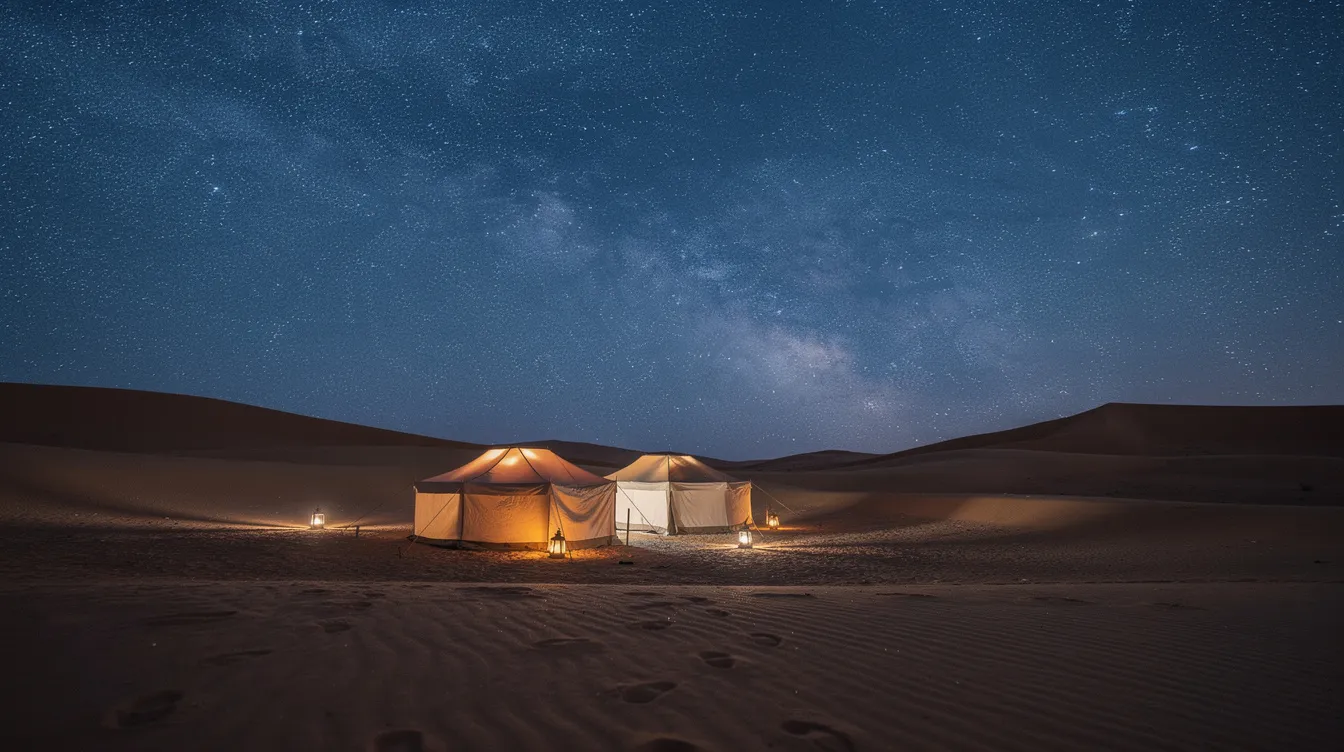
Sky View Camp offers tents with a view of the night sky, and stargazing in the Sahara is exceptional due to minimal light pollution-on a clear night, you'll see the Milky Way with the naked eye.
Morocco Classic Tours can pre-arrange these activities or leave space for you to decide on arrival, depending on tour preferences and budget.
The honest answer: spend two nights in the desert whenever your schedule allows. One night is possible, but after a long drive you arrive in the late afternoon, enjoy a sunset camel ride, dinner, sleep, sunrise, breakfast, and then you're heading back. You've barely spent a full waking day in the sand.
What one night looks like: Afternoon arrival, camel ride or 4×4 to camp, dinner and music, sunrise the next morning, breakfast, and early departure toward your next destination.
What a second night adds: A full relaxed day to explore-try sand boarding in the morning, visit a nomad camp in the afternoon, ride a quad bike before sunset, then enjoy another evening under the stars. You come away feeling like you actually lived in the desert rather than passing through.
Can I do Morocco in 3 days? A 3-day trip from Marrakech to the Sahara and back is technically possible but extremely rushed. You'll spend most of your time in a vehicle. We recommend a minimum of 4–5 days for a more balanced experience. For more on ideal trip length, see our guide on how many days to spend in Morocco.
Sample itineraries:
4 days (Marrakech–Merzouga–Marrakech): Day 1: Marrakech → Atlas Mountains → Ait Ben Haddou → Dades or Todra Gorge. Day 2: Gorges → Erfoud → Merzouga, sunset ride to camp. Day 3: Sunrise, full day of desert activities, second night in camp. Day 4: Morning departure → Rose Valley → Marrakech.
5 days (Fez–Erg Chebbi–Marrakech): Our popular Fes to Marrakech desert tour covers this route, with two nights in the desert and stops at the Todra Gorge and Draa Valley.
Spring and fall are the best months to visit. Specifically, March through May and late September through November offer warm days, cool nights, and clear skies-ideal for both comfort and photography.
Season | Conditions | Notes |
|---|---|---|
Spring (Mar–May) | Warm days (25–32°C), pleasant nights | Occasional sandstorms in March; peak season |
Summer (Jun–Aug) | Very hot; summer temperatures can exceed 100°F (40°C+) | Midday activity is difficult; some camps close in August |
Autumn (Sep–Nov) | Warm days, cool nights | October offers warm days and cool nights for visitors; high season |
Winter (Dec–Feb) | Sunny days, cold nights; winter nights can drop to the 30s°F | Great for daytime hiking; bring thermal layers |
The Sahara Desert can be very hot, making cooler months the recommended visiting time. High season for tourists is during spring and fall months, so book well in advance. For an October-specific breakdown, see our Morocco weather in October guide.
Camps generally operate year-round. During Ramadan, meal schedules and alcohol availability may shift, but camps still warmly host international guests. Morocco Classic Tours tailors departure times and driving breaks to seasonal conditions.
Sahara desert luxury camps in Morocco are generally safe when booked through reputable agencies. Staff live and work in the desert year-round-they know the weather patterns, have clear procedures for sandstorms, and maintain 24/7 presence in camp. Crime in remote desert areas is extremely rare; TripAdvisor reviews for top camps consistently highlight service, cleanliness, and sleep quality.
What to be careful of in the desert:
Dehydration and intense sun-drink water constantly, even when you don't feel thirsty
Uneven sand footing while walking; wear closed shoes on dune hikes
Cold desert nights in winter-ensure your camp provides heating or thick blankets
Respect cultural norms in Berber villages; dress modestly around local communities
Avoid walking alone far into the dunes at night without a guide
Tipping guidance: A ballpark of 50–100 MAD per guest per night for camp staff is customary. Camel guides typically receive 20–50 MAD, and drivers or 4×4 guides around 100–150 MAD depending on length of service. Tips are discretionary but genuinely appreciated-carry small bills in Moroccan dirhams.
Health basics: Drink bottled water, apply sunscreen liberally, carry personal medications, and let your guide know about allergies or dietary restrictions ahead of time.
Camps provide bedding and main meals, so your packing list centers on clothing and personal items. For a comprehensive breakdown of what to wear across Morocco, see our clothing guide for Morocco travelers.
Clothing:
Breathable long-sleeve tops and light trousers for sun protection
A warm layer (fleece or light down jacket) for evenings-desert nights get surprisingly cool
Closed shoes or trainers for walking on dunes; sandals for around camp
Modest clothing for meals with locals
Accessories:
A large cotton scarf (cheche) for sun, wind, and sand protection
Wide-brimmed hat and sunglasses with UV protection
Small daypack for cameras and water during activities
Essentials:
High-SPF sunscreen and lip balm
Reusable water bottle
Power bank for charging phones and cameras
Basic toiletries (camps usually provide towels and soap, but not full amenity sets)
Any personal medications
Optional extras:
Compact tripod for star photography
Lightweight sleeping layer for very cold winter nights
Moroccan dirhams in cash for tips and souvenirs
The total price for a Sahara desert luxury camp stay depends on camp category, season, transport, and included activities. Here's a realistic breakdown:
Camp Level | Per Person/Night | Typically Includes |
|---|---|---|
Mid-range luxury | €140–€180 | Dinner, breakfast, camel ride, ensuite tent |
High-end glamping | €250–€400+ | Full board, activities, premium tent, sometimes pool |
Budget/basic | €40–€100 | Shared facilities, basic meals |
Common items at extra cost: alcoholic drinks, quad bike or ATV excursions, extended camel treks, and generator use during certain hours. Always confirm what's included before booking.
Booking a full package with Morocco Classic Tours-covering private driver, city stays, desert nights, and desert activities-typically provides better value and smoother logistics than assembling each piece separately. Which is the best desert camp in Morocco? That depends on your priorities: some travelers want a pool, others want total isolation, and honeymooners might prioritize intimacy and food quality. Morocco Classic Tours works only with carefully vetted partner camps in both Erg Chebbi and Erg Chigaga and will match you with the right one.
Ready to explore the Sahara? Contact Morocco Classic Tours with your travel dates, group size, and comfort level for a tailored itinerary and exact quotation.
Absolutely. Erg Chebbi is worth visiting for anyone who wants classic golden dunes, camel silhouettes at sunset, and accessible desert luxury. It's a beautiful place that delivers on the promise of the Sahara without requiring a week-long expedition.
How does it fit alongside other Moroccan highlights? Imperial cities like Fez and Marrakech offer culture and food; the Atlas Mountains provide trekking and cool mountain air; the Atlantic coast brings surf and seafood. A night or two in the Erg Chebbi dunes balances a broader Morocco tour with something completely different-an amazing experience that nothing else in the country can replicate.
For travelers short on time, Erg Chebbi is the most efficient way to tick the Sahara off your bucket list. Photographers, honeymooners, and families all find it rewarding thanks to dramatic landscapes and a wide range of camp styles. Morocco Classic Tours integrates it seamlessly into private tours, making it a natural stop rather than a separate trip. For those looking to discover everything the region has to offer, see our guide to top experiences in Merzouga.
A lifetime experience in the Sahara Desert doesn't require weeks of planning or extreme endurance. It requires the right camp, the right guide, and a willingness to let the desert work its quiet magic. Whether you've spent years dreaming about this trip or just started researching today, the sand is waiting. Let Morocco Classic Tours handle the logistics while you enjoy the ride into nature at its most raw and magnificent. For more travel inspiration, browse our post navigation similar posts for related itineraries and guides.
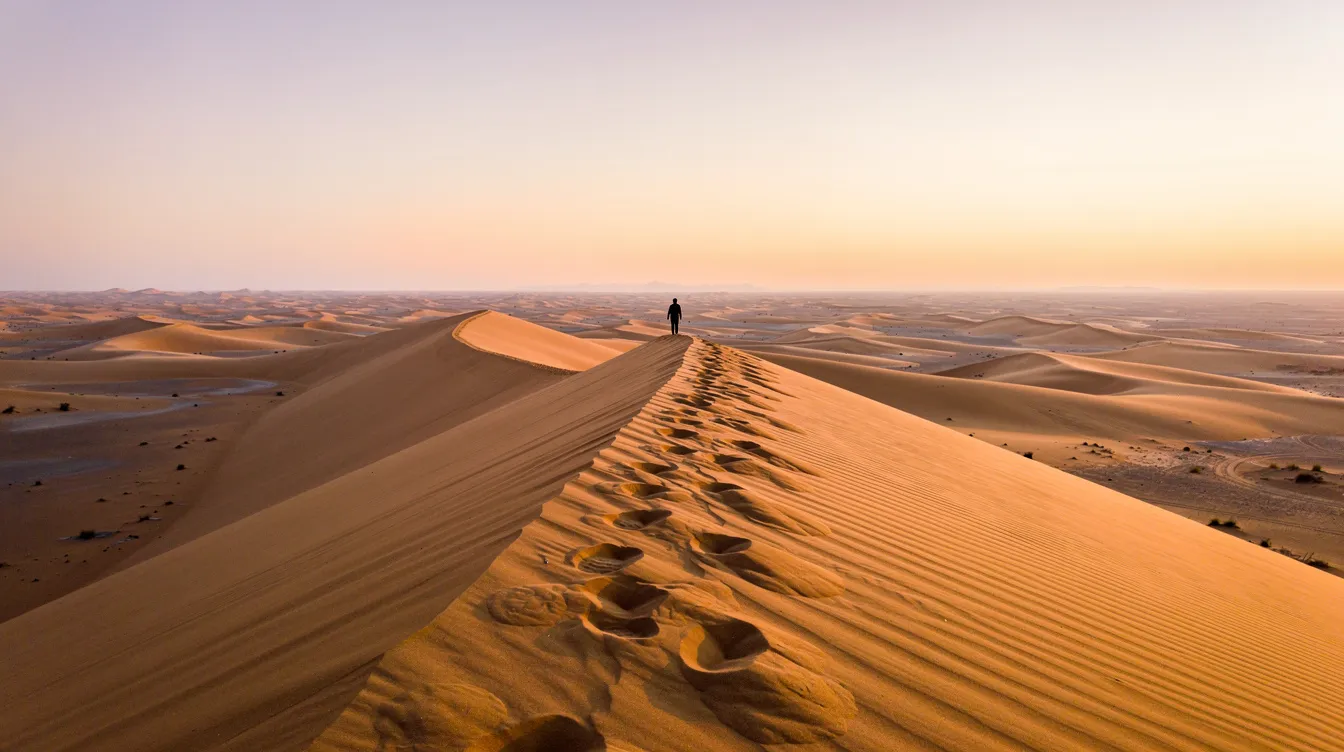
Reaching Erg Chebbi from Marrakech typically takes 9–10 hours of driving (approximately 560 km), often broken into 2 days with an overnight in Ait Ben Haddou, Ouarzazate, or the Dades Valley. Erg Chigaga is reached via a similar first day to M'Hamid, followed by 2–3 hours of off-road 4×4 driving, making it best suited to itineraries of at least 4–5 days. Morocco Classic Tours designs routes to include scenic stops at kasbahs, gorges, and oases so the journey becomes part of the life-enriching experience rather than just transit.
Many camps in Erg Chebbi and Erg Chigaga are family-friendly and welcome children, offering flexible meal times and shorter camel rides. We recommend choosing cooler months, bringing sun protection and familiar snacks, and discussing any safety concerns with Morocco Classic Tours when planning. Camps with ensuite bathrooms and good heating are ideal for keeping younger travelers comfortable during winter trips.
In luxury and higher-end mid-range camps, tents usually have a private ensuite bathroom separated from the sleeping area by a solid or well-constructed partition. Doors may be wooden, zippered, or heavy fabric, but they're designed for full privacy, which suits conservative travelers and families. If you have specific modesty needs, inform Morocco Classic Tours in advance so camps with the most suitable room layouts can be selected.
Comprehensive travel insurance is strongly recommended for any trip to Morocco, including desert stays, to cover medical care, trip interruption, and activity-related incidents. While camps and guides operate safely, activities like camel riding and quad biking carry inherent risks, and remote locations make insurance a wise precaution. Verify that your policy includes adventure activities and travel in remote desert areas before departure.
Many Erg Chebbi luxury camps now offer Wi‑Fi in common areas or even in tents, though speeds tend to be slower than in cities. Erg Chigaga camps are more remote and may have limited or no connectivity-many guests find this a welcome digital detox. Morocco Classic Tours can advise on connectivity expectations for each specific camp, and we recommend downloading any maps or content you need before heading into the dunes. Consider it an invitation to put the phone down and simply be present in one of the world's best desert camps.
Discover how to choose the perfect group tour agency in Morocco. Get tips on what to look for and ma...
Read this article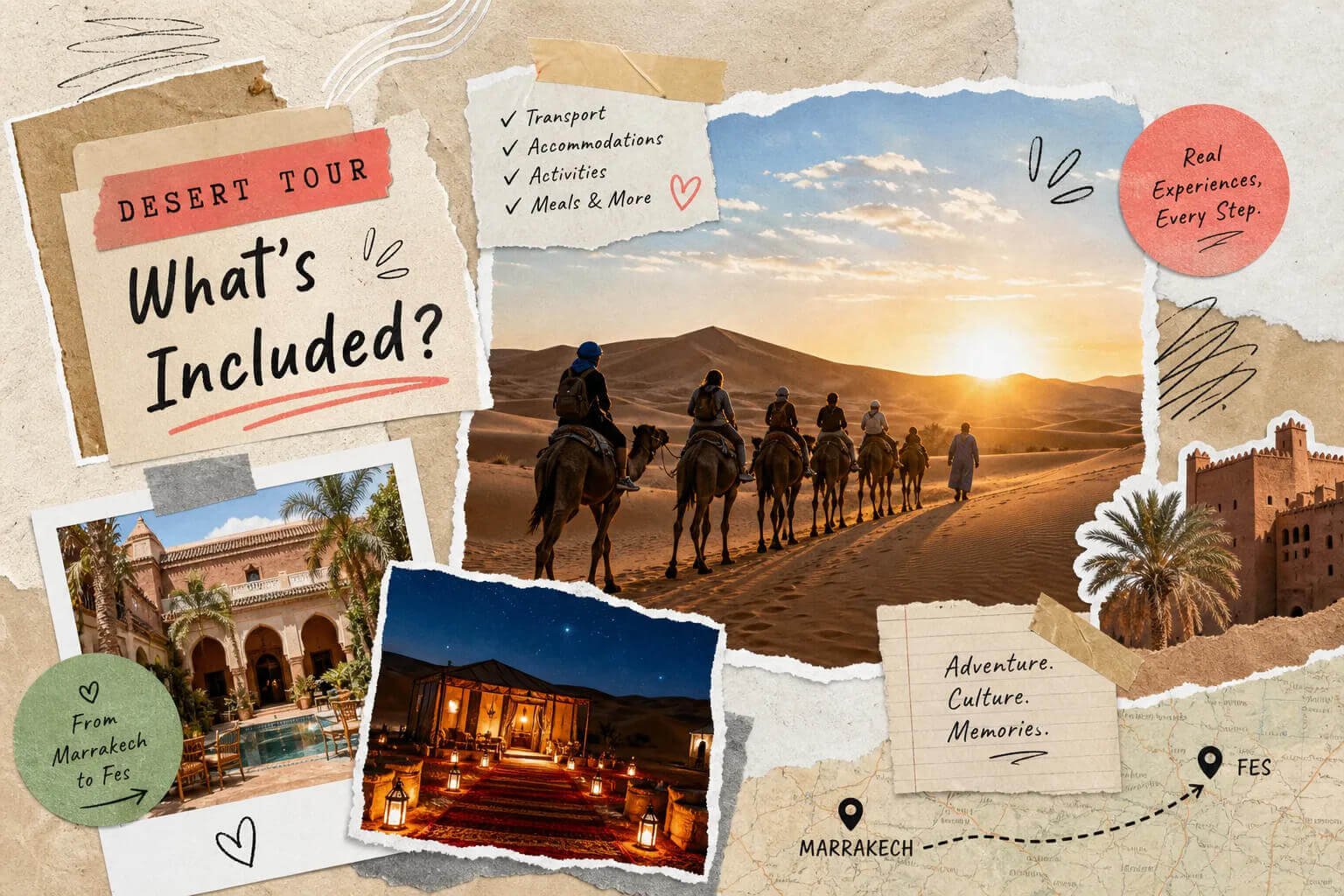
Uncover what a Marrakech to Fes desert tour offers, including camel rides, desert camps, and rich cu...
Read this article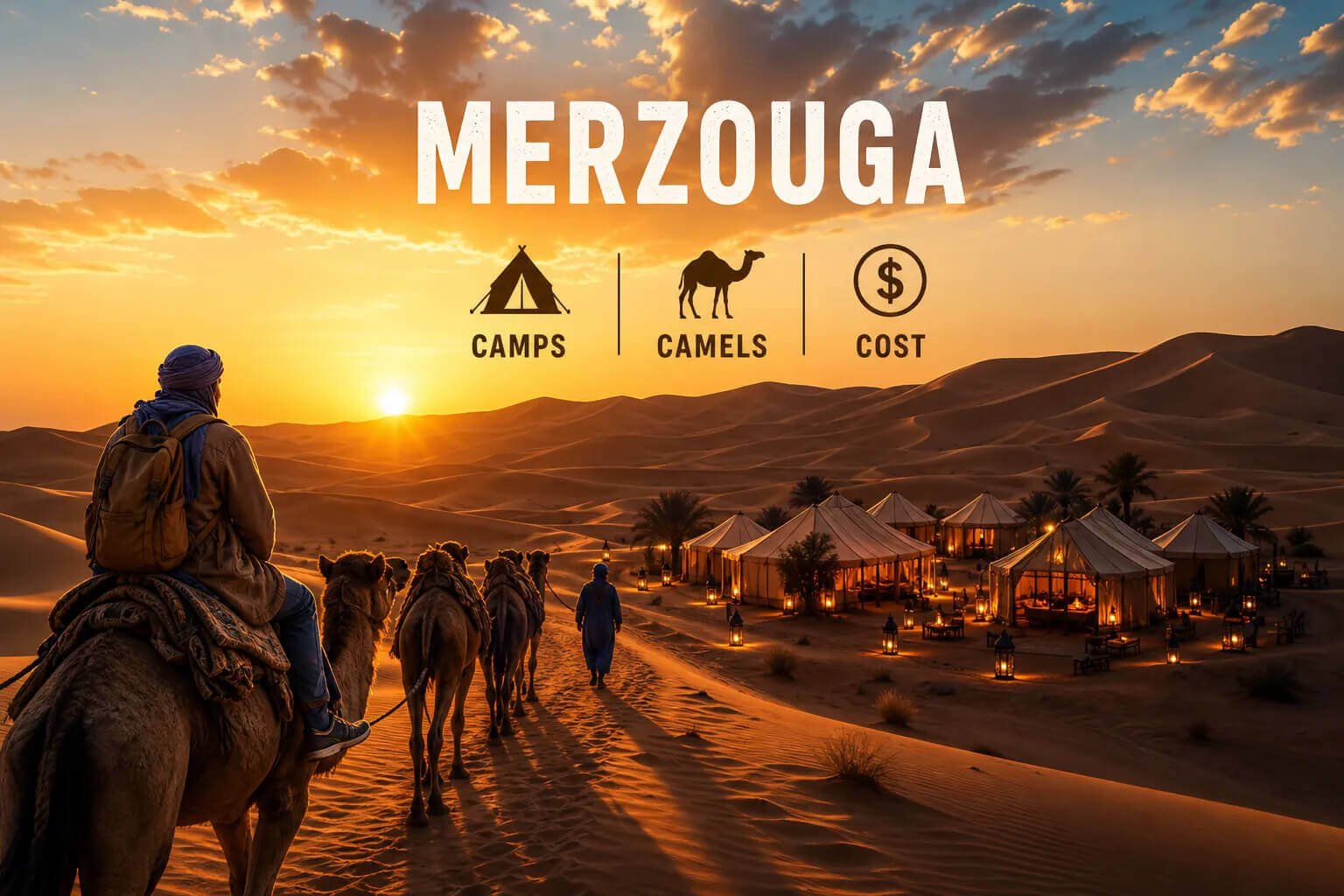
Join our Merzouga Overnight Tour for an authentic desert experience. Enjoy camel rides, comfortable ...
Read this articleWant cool tour deals and tips about Morocco? Enter your email and we’ll send them to you each month!