Group Tour Agencies in Morocco: How to Pick the Right One
Compare Morocco group tour agencies by trip style, reviews, pace, transport and inclusions. Learn wh...
Read this article

Private, custom Morocco trips planned in Fez by AZ-ZDDINE, working in Moroccan tourism since 2012. Sahara, Atlas, medinas and coast, arranged around you.
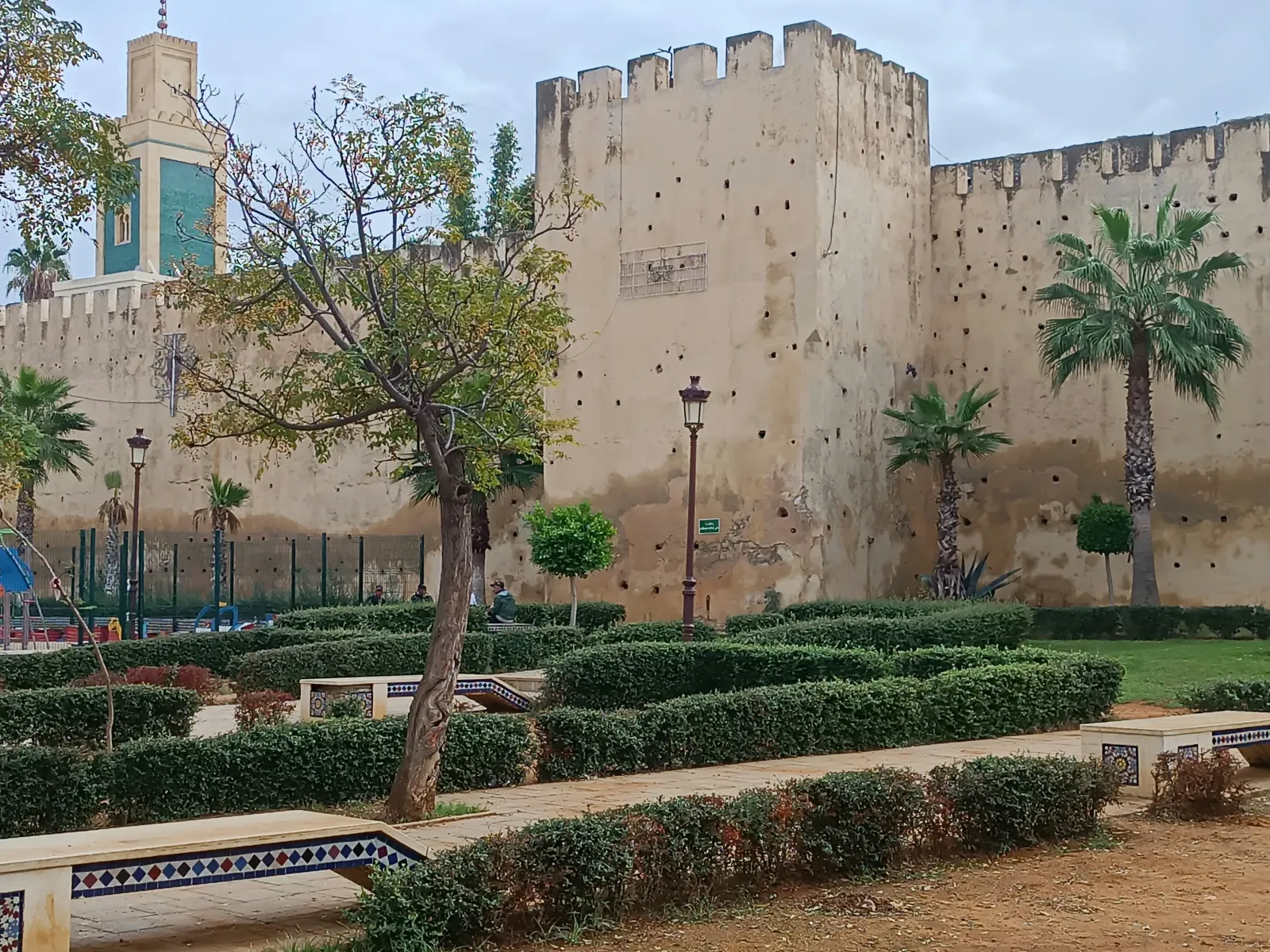
An imperial cities morocco tour takes you through the royal heart of morocco: Fez, Marrakech, Rabat, and Meknes. These beautiful cities combine traditional architecture, vibrant souks, medinas with labyrinthine streets, royal monuments, and a rich history shaped by dynasties, scholars, merchants, and artisans.
An imperial cities tour focuses on the four imperial cities of morocco: Fez, Marrakech, Rabat, and Meknes, often with Casablanca and the Roman ruins of Volubilis added.
For most travelers, the best order is Casablanca → Rabat → Meknes & Volubilis → Fez → optional Sahara → Marrakech.
Plan 4–5 days for a fast trip, 7–8 days for a comfortable imperial cities tour, and 10–11 days if adding the Sahara desert and the Atlas Mountains.
A private imperial cities morocco tour price usually depends on trip length, accommodation level, season, and whether you add desert camps, local guides, or upgraded riad stays.
Morocco Classic Tours offers private tours with flexible departure dates, comfortable air-conditioned vehicles, expert local support, and tailor-made experiences.
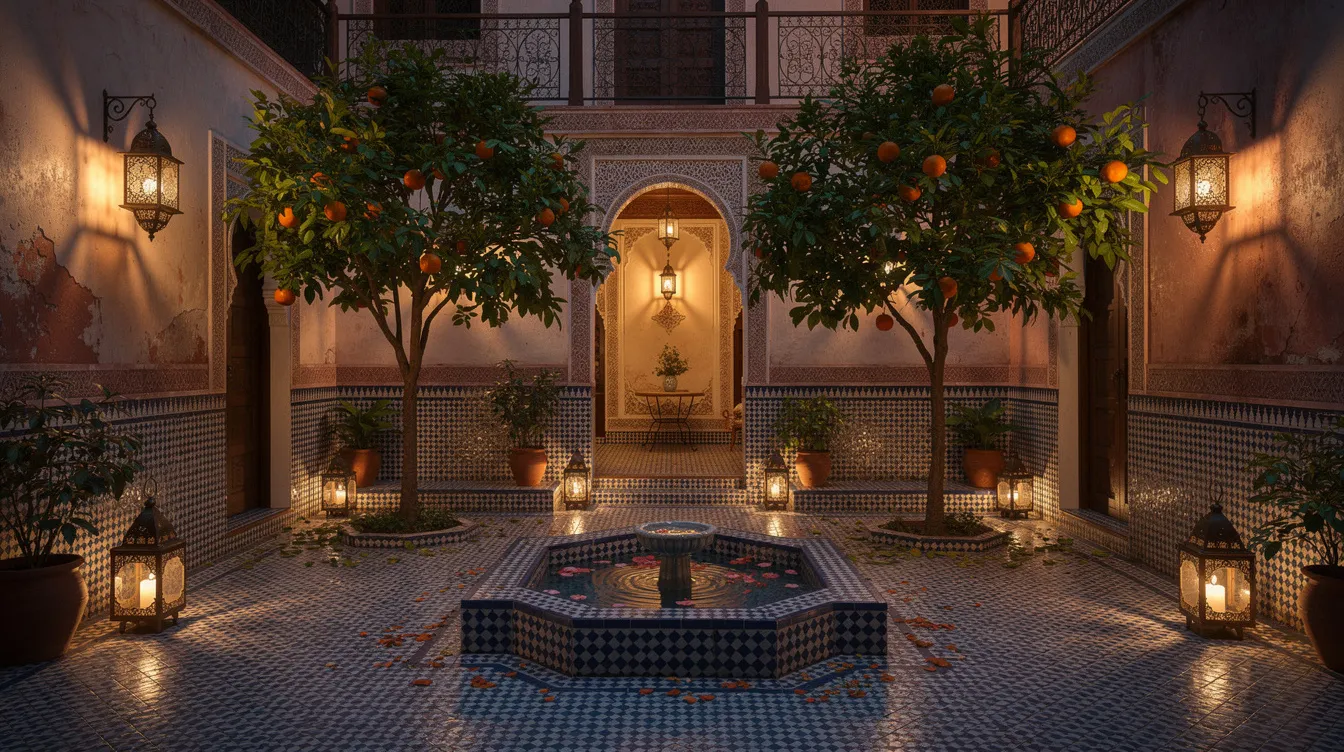
The imperial cities of Morocco are where the country’s imperial past feels most alive: the winding streets of Fez, the Red City walls of Marrakech, the Atlantic coast calm of Rabat, and the grand gates of Meknes. An imperial cities morocco tour connects royal palace districts, UNESCO-listed medinas, mosques, gardens, museums, bustling souks, and living craft traditions in one cultural trip.
Morocco Classic Tours is a Fez-based travel agency specializing in private and customizable Morocco itineraries. In this guide, you will learn the best order to visit, how many days you need, realistic tour price ranges per person, how train travel works, what scams to avoid, and how to budget for tipping, lunch, dinner, and free time.
The imperial cities are Morocco’s historical capitals linked to ruling dynasties across more than 1,000 years of rich history. The Imperial Cities tour includes visits to the four Royal Cities of Morocco: Rabat, Meknes, Fez, and Marrakech.
Fez is often considered the oldest imperial city. It was founded in the late 8th to early 9th century and is known for its medieval medina, Fes el-Bali, the world’s largest car-free urban area. The Al-Qarawiyyin University in Fez is the oldest continuously operating university in the world, and the city is also famous for madrasas, tanneries, ceramics, woodwork, leather goods, textiles, spices, and other traditional crafts in souks.
Marrakech became a powerful city under the Almoravids in the 11th century and is known as the “Red City” for its distinctive architecture. Core highlights include the Koutoubia mosque, the Bahia Palace, Saadian Tombs, Majorelle Garden, and Djemaa el Fna, also called el Fna, where the main square fills with food stalls, musicians, storytellers, and snake charmers as the sun set colors the sky.
Rabat is the current political and administrative capital of Morocco, blending ancient history with modernity. A panoramic tour can include Hassan Tower, Mohammed V Mausoleum, Oudayas Kasbah, the royal palace area, Chellah, and quiet boulevards facing the Atlantic coast.
Meknes was shaped by Sultan Moulay Ismail in the 17th and 18th centuries. Meknes features the Bab Mansour gate, known as one of Morocco’s most beautiful gates, along with royal stables, granaries, and Place el-Hedim. Many similar tours also visit Volubilis, the notable historical attraction and Roman ruins near the imperial cities, plus Moulay Idriss.
The best route depends on your airport, arrival time, departure city, and whether you want to add Chefchaouen, the Sahara, or the Middle Atlas Mountains. For first-time visitors, Morocco Classic Tours usually recommends Casablanca → Rabat → Meknes & Volubilis → Fez → Marrakech because it follows a smooth coast-to-interior route.
Route 1 is the classic Atlantic-to-interior route: arrive in Casablanca, visit Hassan II mosque, continue through Casablanca, Rabat, then visit Meknes and Volubilis before staying in Fez and ending in Marrakech. Route 2 starts in Marrakech for travelers with better flight deals there, then continues to Fez, Rabat, Meknes, and Casablanca. Route 3 adds the Sahara: Casablanca → Rabat → Meknes & Volubilis → Fez → Midelt → Merzouga → Dades or Ouarzazate → Marrakech.
Which city to visit first in Morocco? If you fly into Casablanca, start there because the Hassan II Mosque in Casablanca is one of the largest mosques in the world, and the city gives direct access to Rabat and Meknes. If you fly into Marrakech, start with its energy, souks, gardens, and a short walk into the medina before continuing north.
Morocco Classic Tours helps you choose based on flight times, desired pace, booking season, cooking class requests, hammam visits, desert camps, and whether you need pre and post accommodation before or after the tour.
Most travelers book between 4 and 11 days for an imperial cities morocco tour. The right length depends on whether you want a quick highlights trip, more leisure time, or a desert extension.
A 4–5 day tour works if you are comfortable with long driving days and limited free time. A typical plan might include Casablanca, Rabat, Meknes, Volubilis, Fez, and Marrakech, with one full medina tour and early departures most mornings.
A 6–8 day tour is the sweet spot. It allows two nights in Fez and Marrakech, time to explore Rabat, a deeper visit to Meknes, experience Volubilis, and some unhurried moments for mint tea, shopping, or dinner at a local restaurant.
A 10–11 day route is best for imperial cities plus the desert. This gives enough time for the middle atlas, Merzouga camel trek, night in a Sahara camp, Dades or Todra Gorge, Ait Ben Haddou, and the Atlas Mountains before arrival in Marrakech.
An imperial cities morocco tour price depends on private vs. group tour format, season, rooms, accommodation category, vehicle size, and inclusions. Travelers can expect to pay a single supplement if they prefer a private room during tours, while two travelers sharing a double room usually pay less per person.
For a private 4–5 day imperial cities tour, expect roughly €450–€750 per person based on double occupancy in mid-range riads or hotels with a private driver. A private 7–8 day trip is usually around €900–€1,600 per person, depending on whether the package includes local city guides, breakfasts, selected dinner nights, and 4-star hotels or traditional riads. A 10–11-day Imperial Cities plus Sahara trip often ranges from €1,400–€2,200 per person because it includes longer distances, desert logistics, camel treks, and camp accommodation with breakfast and dinner.
Tours of the Imperial Cities often start and end in Casablanca, but Morocco Classic Tours can also design arrival and departure from Marrakech, Fez, or Rabat. The tours typically include accommodation in 4-star hotels and traditional riads; many tours offer the option to tailor-make the itinerary to fit individual requirements. The tours often include meals, such as breakfast and dinner, as part of the package.
What is usually included:
Private transport in a comfortable car or minibus, fully equipped for long-distance travel
Driver or driver-guide, plus expert local guides in major cities during tours
Hotel or riad accommodation, often in traditional Moroccan style
Breakfast daily, selected dinners, and desert camp meals where applicable
Assistance with check-in, baggage, and transfer to the airport
What is usually not included:
International flights
Most lunches, entrance fees, drinks, and personal shopping
Tips, optional activities, and final payment supplements for upgrades
Single supplement for private rooms or luxury riad upgrades with an outdoor pool
Travelers can combine private car, train, and occasional flights, but a seamless imperial cities morocco tour is usually easiest with private transport. Transportation options in Morocco include comfortable minibuses for long-distance travel, especially for families and small groups with luggage.
Is it easy to travel between Imperial Cities by train? Yes, ONCF trains connect Casablanca, Rabat, Meknes, and Fez several times per day. Typical journey times are about Casablanca–Rabat in around 1 hour, Rabat–Meknes in about 2 hours, and Meknes–Fez in around 45 minutes to 1 hour. Rabat to Fez is often around 2 hours 45 minutes to 3 hours, according to route data summarized by Rome2Rio.
There is currently no direct train to Marrakech from Rabat Meknes without passing via Casablanca, and private transport is more flexible for stops at Ifrane, Beni Mellal, viewpoints, or villages. Driving times are useful to know: Rabat–Meknes is about 2 hours, Meknes–Fez is about 1 hour, and Fez–Marrakech via the Middle Atlas can take 7–8 hours.
Budget-minded travelers can use trains for Casablanca, Rabat, Meknes, and Fez, then book a private transfer to Marrakech or the Sahara. Morocco Classic Tours can arrange hybrid itineraries so you are not waiting at stations when private transport would save time.
Morocco Classic Tours customizes every tour, but these sample routes help you compare similar tours and decide what suits your pace.
A 4-Day Express Imperial Cities Tour might begin with arrival in Casablanca, a visit to Hassan II Mosque, and transfer to Rabat and Meknes. Day 2 covers Meknes, Volubilis, and Fez. Day 3 focuses on Fez’s medieval medina, artisan quarters, and the oldest university area. Day 4 travels through Ifrane, the Middle Atlas Mountains, and on to Marrakech for departure or an extra night.
A 7-Day Classic Imperial Cities Tour gives more breathing room. Day 1: Casablanca to Rabat. Day 2: Rabat sightseeing, Hassan tower, Oudayas, and transfer to Meknes. Day 3: Meknes, Bab Mansour, Volubilis, and Fez. Day 4: full Fez medina tour with a private guide. Day 5: Fez to Marrakech via scenery stops. Day 6: Marrakech palaces, Koutoubia mosque, Bahia Palace, souks, and Djemaa el Fna. Day 7: free time, airport transfer, or post-accommodation.
An 8-Day Imperial Cities plus Chefchaouen Option adds the blue city for photography and a slower mountain atmosphere. A 10–11-Day Imperial Cities and Sahara route adds Midelt, Merzouga, camel trek, desert night, Todra or Dades Gorge, Ouarzazate, and Marrakech. Private tours allow you to shorten drives, add leisure, or spend an extra afternoon by the outdoor pool.
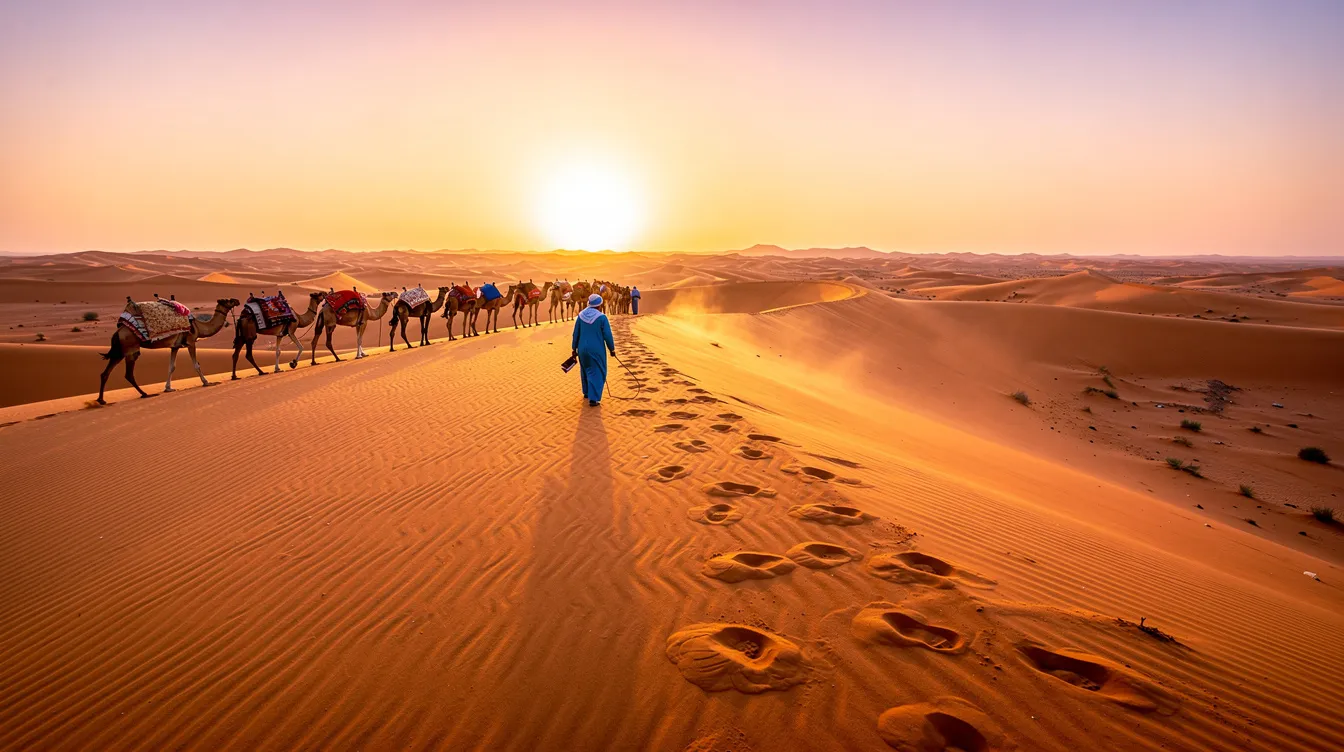
An imperial cities tour is not just about monuments. The Imperial Cities tours are designed to provide a blend of cultural experiences and historical exploration, including food, craft workshops, medina walks, and Moroccan hospitality through riads, which are traditional courtyard houses.
Casablanca is often a practical start or end point rather than a long stay, but the Hassan II mosque is a major highlight. Rabat offers Hassan Tower, Mohammed V Mausoleum, Oudayas Kasbah, Chellah, and cafés overlooking the Bou Regreg river. Meknes and Volubilis combine Bab Mansour, Place el-Hedim, granaries, stables, and well-preserved Roman mosaics from the 1st–3rd centuries CE.
Fez is best explored with a licensed tour guide because the medina is dense, historic, and easy to get lost in. Visitors can explore the UNESCO-listed medinas of Marrakech, Fez, and Meknes, and medinas in Morocco are UNESCO World Heritage-listed, featuring labyrinthine streets. In Fez, discover tanneries, the Nejjarine Fountain, coppersmiths, woodworkers, and food markets.
Marrakech adds color and movement: the Bahia Palace, Saadian Tombs, Majorelle Garden, Yves Saint Laurent Museum, the bustling souks, and Djemaa el Fna at night. Local cuisine in the imperial cities includes traditional dishes that reflect Morocco’s diverse culture; culinary experiences in Morocco often include sampling traditional dishes such as tagines and couscous, and enjoying mint tea. Morocco Classic Tours can also add a cooking class, hammam, home-cooked lunch, artisan workshop, camel ride, or quad biking near Marrakech.
Morocco is broadly affordable, but the imperial cities have everything from simple cafés to luxury riads and fine dining. Is $50 a day enough to travel in Morocco? For an independent budget traveler using simple guesthouses, local cafés, trains, and shared taxis, $40–$60 per day can be enough. For a private tour with guides, drivers, nicer accommodation, and organized experiences, the daily cost is higher.
If your accommodation and breakfast are included, plan extra cash for lunch, drinks, entrance fees, taxis, tips, and shopping. A simple lunch may cost 50–120 MAD, dinner 100–250 MAD, small taxis 15–50 MAD for short city rides, and entrance fees vary by site. Keep small dirham notes for cafés, porters, and market purchases.
How much should you tip a tour guide in Morocco? For a private driver-guide, many travelers tip around 100–200 MAD per day, shared between 2–4 people. For local city guides, 50–100 MAD per person for a half-day and 100–200 MAD per person for a full day is common when service is good. For hotel staff, 10–20 MAD per bag for porters and small tips for housekeeping are appreciated. Tips are not included in Morocco Classic Tours prices, so guests can reward service based on satisfaction.
Morocco’s imperial cities are generally safe for visitors, especially with a reputable agency and vetted local partners. Still, petty theft and tourist scams can happen in crowded areas.
Common tourist scams include fake guides near medina gates, claims that “the medina is closed,” unofficial parking attendants demanding high fees, tannery “free view” visits that end in pressure sales, inflated taxi fares, and photo tricks involving performers or snake charmers in Djemaa el Fna. To avoid problems, use licensed guides, agree on taxi prices before entering if there is no meter, check menus before ordering, and decline unwanted help with “La, shukran.”
Pickpocketing is possible in crowded souks, so keep valuables in zipped bags worn in front. Dress modestly in conservative areas, ask permission before photographing people, respect prayer times and mosque entry rules, and avoid public displays of affection. Travelers are also advised to check for any required immunizations before traveling to Morocco.
Morocco Classic Tours is a local, Fez-based specialist in private, tailor-made travel across Morocco, including imperial cities, Sahara desert camps, camel treks, beach excursions, and Atlas Mountains adventures. We design every imperial cities morocco tour around your dates, budget, interests, and pace.
Our local expertise means carefully selected riads, professional drivers, comfortable air-conditioned vehicles, and trusted guides in Fez, Marrakech, Rabat, and Meknes. We also help with details that make the trip smoother: airport arrival, check-in, room preferences, family rooms, private guide requests, pre- and post-accommodation, and departure planning.
Instead of fixed-only departure dates, we offer flexible private tours. You can add a cooking class, more free time, an extra night in Fez, a Sahara camp, or a slower route through the Atlas Mountains. From first inquiry to departure, our team is not far away or waiting behind a call center; we are on the ground in Morocco.
To receive a custom quote per person, contact Morocco Classic Tours through the website Book Now form or email us with your travel dates, airport, preferred accommodation style, and must-see experiences.
For most travelers arriving in Casablanca, the best order is Casablanca → Rabat → Meknes & Volubilis → Fez → Marrakech. This route follows Morocco’s rail and road network and minimizes backtracking. Travelers arriving in Marrakech can reverse the route, and Morocco Classic Tours adjusts every itinerary around arrival and departure airports.
A private tour gives more flexibility, custom hotel choices, personalized pacing, and easier changes for couples, families, and small groups. A group tour can sometimes cost less per person, but it usually has fixed hotels, fixed departure dates, and less free time. Morocco Classic Tours specializes in private tours but can advise on mixed arrangements when useful.
Yes, but allow at least 9–11 days. A comfortable route is Casablanca → Rabat → Meknes & Volubilis → Fez → Merzouga Sahara → Todra or Dades → Marrakech. This avoids turning the trip into nonstop driving and gives time for the desert camp, camel trek, dinner under the stars, and scenic stops.
For spring and autumn, it is wise to book several months ahead because the best riads in Fez and Marrakech fill quickly. Last-minute booking may still be possible, but accommodation choices, double room availability, and upgraded rooms can be limited.
Yes. The imperial cities of Morocco are family-friendly when the itinerary is paced correctly. Morocco Classic Tours can plan shorter medina walks, family rooms, pool time, gentle camel rides, gardens, hands-on craft stops, and meals that suit children while still giving adults a strong cultural experience.
Compare Morocco group tour agencies by trip style, reviews, pace, transport and inclusions. Learn wh...
Read this article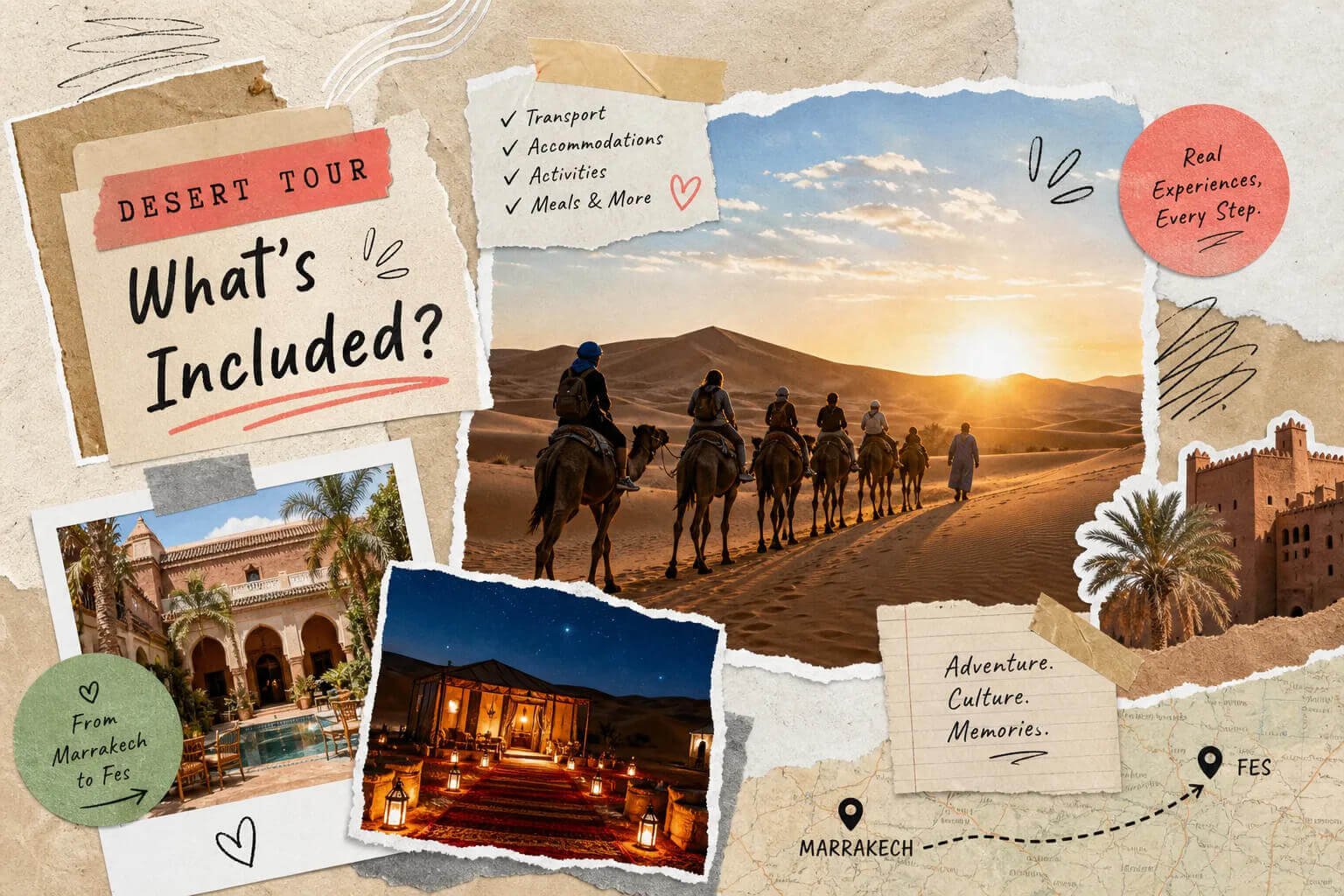
Uncover what a Marrakech to Fes desert tour offers, including camel rides, desert camps, and rich cu...
Read this article
Join our Merzouga Overnight Tour for an authentic desert experience. Enjoy camel rides, comfortable ...
Read this articleWant cool tour deals and tips about Morocco? Enter your email and we’ll send them to you each month!
