Group Tour Agencies in Morocco: How to Pick the Right One
Compare Morocco group tour agencies by trip style, reviews, pace, transport and inclusions. Learn wh...
Read this article

Private, custom Morocco trips planned in Fez by AZ-ZDDINE, working in Moroccan tourism since 2012. Sahara, Atlas, medinas and coast, arranged around you.
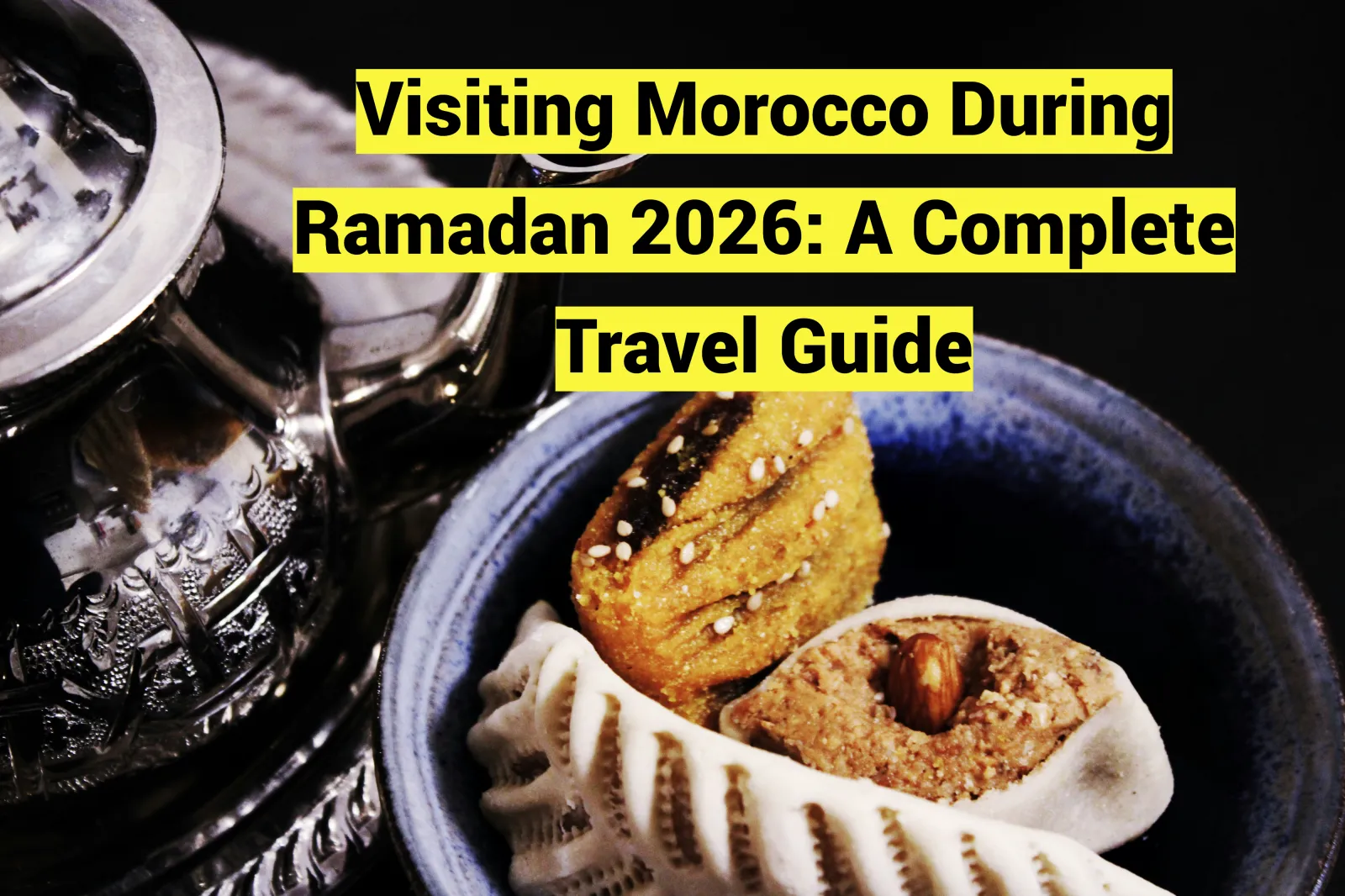
You can safely visit morocco during Ramadan; major riads, tours, desert camps, museums, and tourist sites still operate, often with adjusted hours.
Ramadan in morocco lasts one month, usually 29–30 days; in 2026, it is expected around 17 February–18 March, and Ramadan 2027 is likely early February–early March.
Non-Muslim tourists are not required to fast, but showing respect means you should avoid eating, drinking, or smoking in public during daylight hours.
Days feel quiet, while nights bring vibrant iftar meals, street food stalls, special prayers, mint tea, and families gather to break the fast.
Morocco Classic Tours can adapt private tours, Sahara desert camps, camel treks, and cultural visits so you experience this sacred time comfortably.
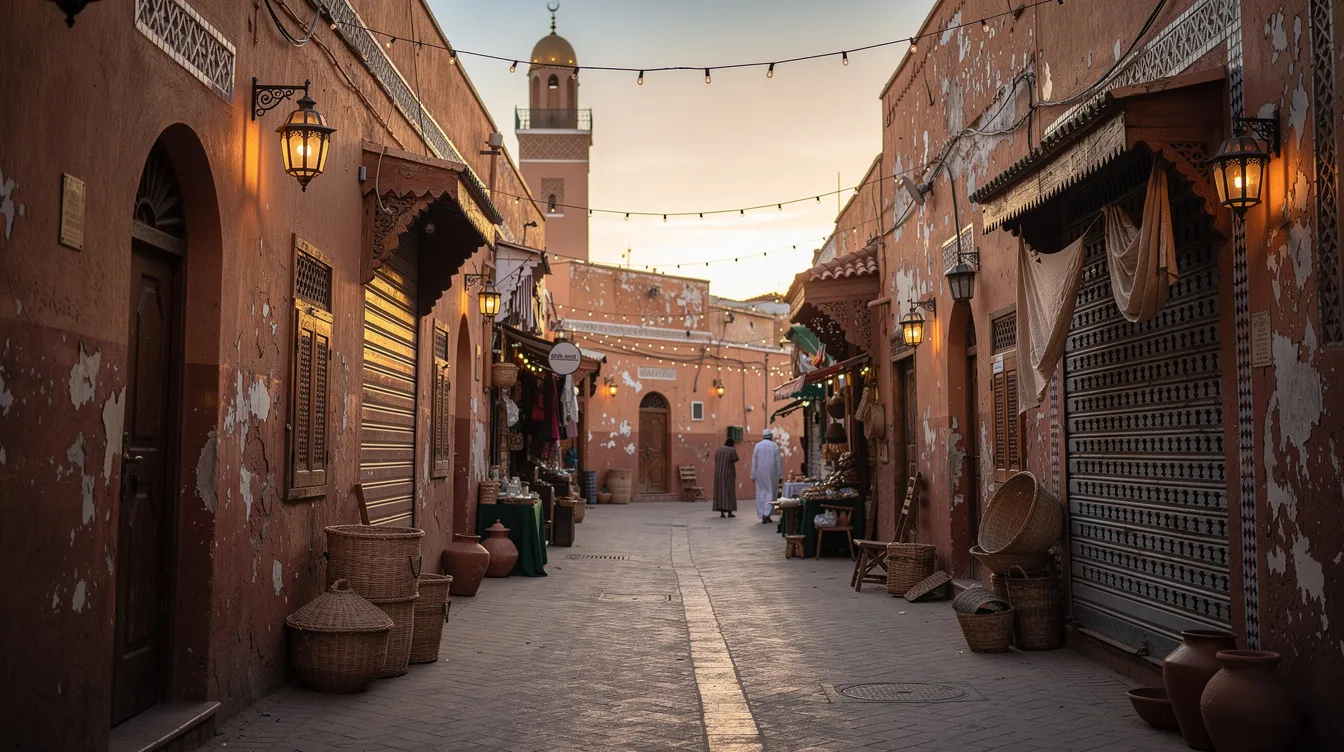
Arrive in Marrakech or Fez in mid-afternoon during the holy month, and the streets may feel unusually still. Many shops are half-shuttered, cafés are quiet, and many Moroccans are resting before sunset.
Then the city changes. The call to prayer rises, the medfaa cannon may announce the evening, and the smell of harira soup, dates, and fresh bread fills the medina. Within minutes, families and friends disappear indoors for the evening meal, then the streets return to life.
Ramadan in Morocco is a sacred month of fasting, daily prayers, charity, self-reflection, spiritual reflection, and community. It shapes daily life, but it does not stop tourism.
Will Ramadan affect tourists? Yes, but mostly through timing, food availability, and local customs. With Morocco Classic Tours, a Fez-based local agency, many travelers enjoy morocco during Ramadan as an enriching experience rather than a complication.
Ramadan is one of the Five Pillars of Islam. The purpose of Ramadan in Islam is to commemorate the first revelation of the Qur’an and encourage discipline, empathy, charity, good deeds, and closeness to God.
The name Ramadan comes from an Arabic root linked to heat, dryness, or burning. Spiritually, many muslims understand this as “burning away” sins through worship and purification.
Ramadan lasts for one month, beginning on the first day of the ninth month in the Hijri calendar. Because the Islamic lunar calendar is shorter than the solar year, Ramadan falls about 10–11 days earlier each year in the Islamic calendar. The sighting of the crescent moon determines the start and end of Ramadan, and in Morocco, the exact dates of Ramadan are determined by the sighting of the crescent moon, which can vary slightly each year.
During Ramadan, Muslims fast from sunrise to sunset, refraining from food, drink, and other physical needs during daylight hours. More precisely, muslims fast from dawn to sunset, refraining from food, drink, and smoking; fasting also includes avoiding sexual relations during daylight hours, gossip, anger, and harmful speech.
Children, pregnant women, travelers, and seriously ill people are exempt. For questions like “Can a sickle cell patient fast during Ramadan?” the answer is medical: sickle cell disease can involve dehydration and crisis risk, so patients need a hematologist’s advice. Fasting may improve cholesterol for some people; a Moroccan study reported lower total cholesterol and triglycerides after Ramadan, while wider research shows mixed results (PubMed).
The “2 4 2 rule” and “7 7 7 rule” are not official Islamic rules. They are informal diet or fitness patterns sometimes shared online, not religious law.
For dates: visiting Morocco during Ramadan was expected around March 1–30, 2025, and it offered a unique cultural experience that required respecting fasting customs. In 2026, Ramadan is expected to be around 17 February–18 March. When is Ramadan in Morocco in 2027? Astronomers expect early February to early March, with final confirmation close to the first day.
Travelers visiting during Ramadan have the unique opportunity to witness the country’s rich traditions, but it is important to understand how the timing of this holy month works.
Day: Morocco’s streets appear quiet during daylight hours, but nightfall brings vibrant Ramadan celebrations that fascinate both visitors and locals. The pace of life can feel slower during Ramadan, with many people taking naps during the day and staying out late at night.
Routine: many Moroccans eat a pre-dawn meal, pray Fajr, work shorter hours, rest, then rush before sunset to buy bread, dates, and sweets.
Sites: most historical sites, museums, and attractions remain open during Ramadan but may have adjusted hours. Tourist attractions and museums in Morocco remain open during Ramadan but may have adjusted opening times.
Transport: transportation schedules might shift slightly during Ramadan, and the pace of life can feel slower. Transportation might be busy around sunset (Iftar time), so allow extra time for travel during this period.
In major cities such as Marrakech, Fez, Casablanca, Tangier, and Agadir, tourist attractions usually remain open. In rural areas, expect fewer daytime services and a stronger focus on local traditions.
Does Ramadan affect tourists? Yes. What happens if I go to Morocco during Ramadan? You will find quieter days, adjusted schedules, fewer daytime food options, and more life at night.
Many businesses in Morocco adjust their hours during Ramadan, often closing earlier than usual. During Ramadan, many businesses and public offices in Morocco adjust their hours and close earlier than normal. Many businesses, including shops, museums, and tourist attractions, may open later and close earlier than usual during Ramadan. Many shops and restaurants may open later in the day and close earlier than usual during Ramadan.
Are restaurants in Morocco open during Ramadan? Most restaurants close during the day, but many hotels and tourist spots remain open. Many restaurants and cafes in tourist areas remain open during the day for non-fasting visitors, but some may close during the day. In larger cities, many restaurants offer special iftar menus, and some restaurants stay open discreetly for non-Muslims.
After sunset, many restaurants and cafes reopen and serve iftar meals, which can be a festive experience. Moroccan markets come alive as Ramadan draws near, with special foods being made and prepared during this time. Moroccan markets come alive at night during Ramadan, offering special foods and treats that are not available at other times of the year.
Can tourists drink alcohol during Ramadan in Morocco? Yes, drinking alcohol is possible in licensed hotels, private spaces, or permitted venues, but alcohol consumption is restricted during Ramadan, and many establishments stop selling it, making it harder to find outside of major cities. Do not drink in the street.
Moroccan law prohibits public consumption of food and drink during Ramadan for Muslims, but this does not apply to tourists. The Moroccan Penal Code prohibits Muslims from eating or drinking in public during the day in Ramadan, but this does not apply to tourists. Still, discretion is part of good travel.
Is there nightlife in Marrakech during Ramadan? Yes, but it changes. Clubs may reduce hours, while Jemaa el-Fna, cafés, dessert shops, and food stalls become lively after tarawih prayers. Visitors can experience vibrant nightlife in Morocco after sunset during Ramadan, as families gather to break their fast.
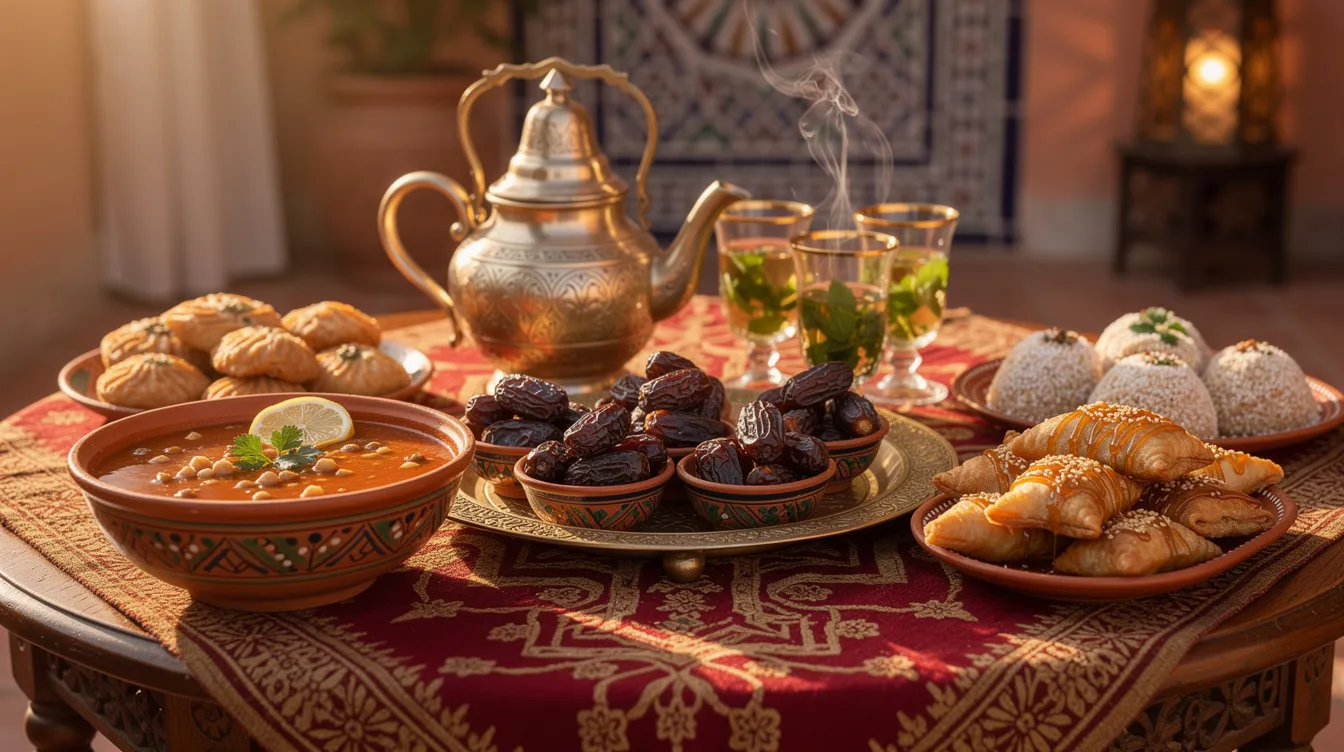
Ramadan is tasted as much as seen: chebakia glistening with honey, briouats frying, bakeries full, and harira simmering in homes.
The tradition in Morocco is to break the fast with harira, a traditional soup made of meat, legumes, tomatoes, and onions. Dates play a key role in breaking the fast during Ramadan in Morocco, often served alongside harira. After sunset, many Moroccans gather with family and friends to share iftar, the meal that breaks the fast.
During Ramadan, it is common to eat sweets and pastries, such as chebakia and briouats, after the main meal. Iftar may also include boiled eggs, sellou, beghrir, fresh juice, and mint tea. Participating in iftar celebrations is a communal experience that occurs after sunset, especially when an extended family welcomes guests.
Suhoor is the lighter pre-dawn meal, often bread, olive oil, amlou, yogurt, milk, or leftovers. If you are not fasting, buy water and snacks the night before and eat indoors.
Eid al-Fitr marks the end of the sacred month with charity, special prayers, new clothes, couscous, tagines, biscuits like ghriba and fekkas, and more mint tea.
How can tourists be respectful during Ramadan in Morocco? The simple rule is to respect local customs.
Avoid eating, drinking, or smoking in public during daylight hours to respect those fasting. It is respectful for non-Muslims to avoid eating, drinking, or smoking in public during daylight hours of Ramadan. Visitors should avoid eating, drinking, or smoking in public during daylight hours to respect local customs during Ramadan. Non-Muslim tourists are not required to fast during Ramadan in Morocco, but non-Muslim tourists are not required to fast during Ramadan, but it is respectful to avoid eating, drinking, or smoking in public during daylight hours.
Dress modestly, covering shoulders and knees, especially in non-touristy areas during Ramadan. Dressing modestly is appreciated during Ramadan, with an emphasis on covering shoulders and knees. For what to wear in morocco during Ramadan: loose trousers, midi skirts, long dresses, linen shirts, and a light scarf work well. Can I wear shorts in Morocco during Ramadan? Knee-length loose shorts are usually fine for men in tourist areas; very short shorts, crop tops, or transparent clothing are not ideal.
Public displays of affection should be avoided during Ramadan out of respect for the spiritual focus of the month. Can I kiss my girlfriend during Ramadan? Avoid public kissing and intimate touching. Can I sleep in the same bed as my boyfriend during Ramadan? In a private hotel room, that is generally your own business. Can a man touch his wife during Ramadan? Affectionate contact is generally allowed, but sexual relations are avoided during fasting hours.
Moroccans greet each other with ‘Ramadan Kareem’ during the holy month. Moroccans greet each other with the phrases ‘Ramadan Mubarak’ or ‘Ramadan Kareem’ during the holy month. You may also hear happy Ramadan, blessed Ramadan, or generous Ramadan used in English.
Visiting morocco during Ramadan works best with flexible plans. Travelers should be flexible with their plans during Ramadan due to potential last-minute schedule adjustments. Be patient as service may be slower in the late afternoon due to staff fasting.
Marrakech has quiet medina afternoons and late-night Jemaa el-Fna. Fez feels deeply spiritual around old mosques. Essaouira and Tangier offer sea air and relaxed evening promenades.
Sahara desert camps, camel treks, Atlas Mountains routes, Imperial Cities tours, and beach excursions continue. Morocco Classic Tours schedules drives, hikes, dune walks, and sunset breaks around fasting staff, iftar, and guest comfort.
Normal health rules apply. Can I do a blood test while fasting in Ramadan? Simple blood tests usually do not break the fast in many Islamic opinions, but ask your doctor and imam if you are fasting. Non muslims can take medicine and tests as normal.
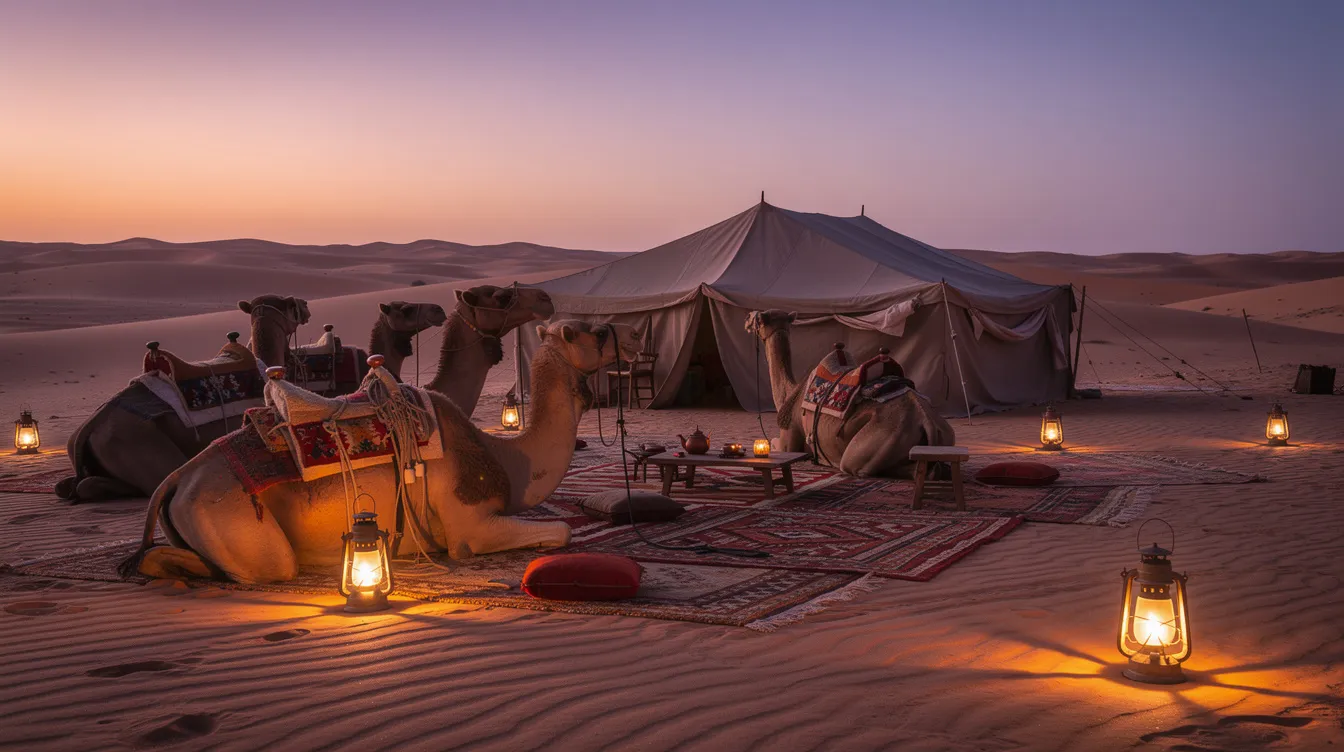
To plan private tours, cultural immersion, an iftar with families, or peaceful desert nights, contact Morocco Classic Tours, and we will design your route around the realities of Ramadan in morocco.
Ramadan 2027 in Morocco is expected to begin in very early February and run about 29–30 days into early March. Because Morocco confirms dates by crescent moon sighting, check again close to travel.
No. Hotels, riads, tourist sites, museums, and many restaurants in tourist areas remain open. Local cafés, public offices, and some shops may close earlier or pause during the afternoon.
Yes. Desert camps, camel treks, and multi-day private tours from Marrakech or Fez continue. Morocco Classic Tours adjusts timing so guides and drivers can safely break the fast.
Simple blood tests are generally allowed in many opinions, but fasting travelers should ask a doctor and an imam. People with serious illnesses are often exempt, and tourists are not required to fast.
Morocco is beautiful all year, but Ramadan offers quiet mornings, festive nights, iftar traditions, and a rare view into Moroccan culture in a muslim country. If you value culture over constant daytime café life, it can be one of the best times to visit.
Compare Morocco group tour agencies by trip style, reviews, pace, transport and inclusions. Learn wh...
Read this article
Uncover what a Marrakech to Fes desert tour offers, including camel rides, desert camps, and rich cu...
Read this article
Join our Merzouga Overnight Tour for an authentic desert experience. Enjoy camel rides, comfortable ...
Read this articleWant cool tour deals and tips about Morocco? Enter your email and we’ll send them to you each month!
