Group Tour Agencies in Morocco: How to Pick the Right One
Compare Morocco group tour agencies by trip style, reviews, pace, transport and inclusions. Learn wh...
Read this article

Private, custom Morocco trips planned in Fez by AZ-ZDDINE, working in Moroccan tourism since 2012. Sahara, Atlas, medinas and coast, arranged around you.
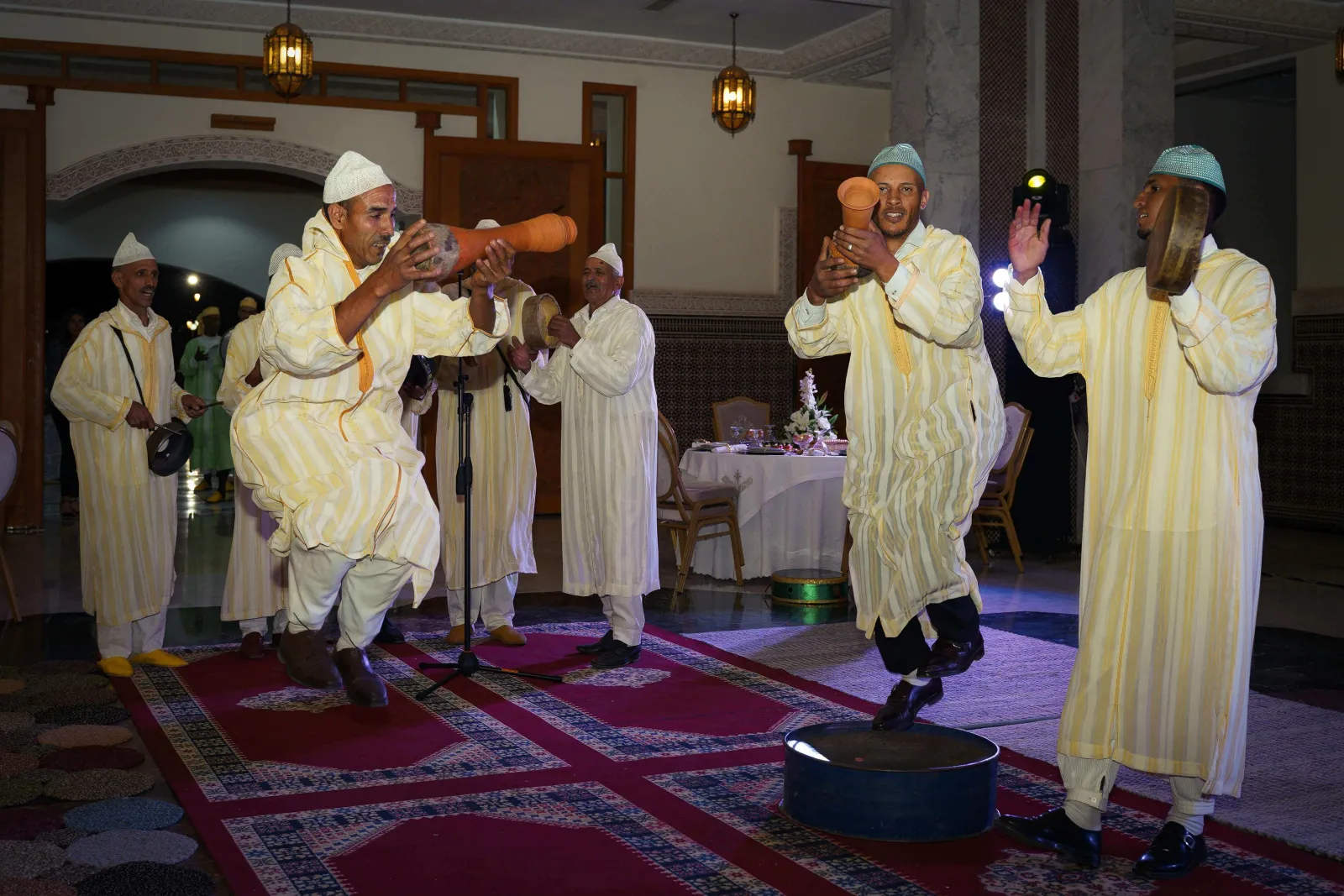
The most popular Moroccan instruments include the oud, gimbri/guembri, rebab, kamenjah (violin), bendir, derbouka, and qraqeb—each serving distinct roles in traditional Moroccan music.
Beginner ouds cost approximately 150–300 USD for entry-level models, while quality bendir drums range from 60–150+ USD for playable instruments.
The gimbri holds profound cultural significance in gnawa music as the sacred bass lute guiding all-night healing ceremonies called lila.
You can purchase Moroccan musical instruments in Fes and Marrakech medinas, through world-music shops in the United States, and via online marketplaces.
Morocco Classic Tours can organize live music experiences, connect you with master craftsmen, and help you find authentic instruments during your trip.
Popular Moroccan musical instruments include the guembri, bendir, qraqeb, oud, and nay, featuring influences from African, Berber, and Andalusian music.
Picture the metallic clash of qraqeb echoing through Essaouira’s narrow streets, the deep pulse of a bendir in an Atlas village celebration, or the warm tones of an oud drifting from a Fes medina workshop. These sounds define Moroccan culture as powerfully as the architecture and cuisine.
Moroccan instruments blend Amazigh (Berber), Arab, Andalusian, and sub saharan african traditions into something unique. This guide walks you through the main instrument families, their cultural roles, practical buying advice with real price ranges, and ways to hear them live with Morocco Classic Tours. We’ll help you understand what you’re hearing—and maybe bring a piece of Morocco’s musical heritage home.
Traditional Moroccan musical instruments reflect a fusion of Amazigh, Arab-Andalusian, and Sub-Saharan African influences, creating a diverse musical landscape. The instruments used in Moroccan music are not merely tools for creating sound; they embody centuries of cultural wisdom, artistic achievement, and spiritual understanding.
Traditional Moroccan musical instruments fall into three main families: stringed instruments, wind instruments, and percussion instruments. Each carries specific roles across Morocco’s diverse musical styles.
Common instruments by family:
Family | Key Instruments |
|---|---|
Strings | Oud, rebab, gimbri/guembri, kamenjah, lotar, sintir |
Winds | Ghaita (rhaita), ney (nai), gasba, mijwiz |
Percussion | Bendir, derbouka, qraqeb, tarija, tar, tam-tam |
These traditional instruments appear in religious rituals, weddings, Sufi rituals, Gnawa lilas, village festivals, and city concerts. Understanding the instruments helps you recognize what you hear when traveling through Morocco. | |
Stringed instruments carry melody and emotional expression in Moroccan music. They range from the aristocratic oud anchoring Andalusian classical music to the deep, spiritual gimbap driving Gnawa ceremonies.
The oud is a pear-shaped, fretless lute typically featuring 11 strings (5 double courses plus 1 single bass). Its warm, resonant tone makes it the central instrument of Moroccan Andalusian orchestras in cities like Fes and Rabat, where it anchors elaborate nuba suites lasting up to six hours.
Choosing a quality Moroccan oud for beginners:
Wood types: Look for cedar or spruce tops with rosewood or mahogany bowls
Action: Comfortable string height that doesn’t require excessive finger pressure
Tuning pegs: Stable pegs that hold pitch without slipping
Sound: Clear, balanced tone across all strings
Price ranges:
Entry-level: 150–300 USD
Mid-range hand-made: 400–800 USD+
Professional master-made: 1,000 USD and beyond
Essential accessories: risha (plectrum), hard case or padded gig bag, spare strings, tuner, and humidifier for dry climates.
You’ll find quality ouds in Fes el-Bali and Marrakech medinas, at luthier workshops, and through specialized online shops that ship internationally.
The rebab features a small, often triangular body with a skin soundboard and one to three strings, played with a bowed vertical technique. Dating back to the 9th and 10th centuries, it’s considered an ancestor of the European violin and remains central to Berber music traditions.
Musicians play the rebab in storytelling, poetry recitations, and rural celebrations, particularly in Amazigh communities where it carries the main melodic line while percussion instruments provide rhythmic foundation.
Learning tip: Start with basic bowed scales and ear training, ideally with a local teacher or guided workshop while traveling.
The gimbri (also called guembri or sintir) is a three-stringed bass lute with a rectangular body covered in camel or goatskin. Its deep, percussive bass creates the hypnotic foundation of gnawa music.
Cultural significance: The gimbri serves as both rhythmic anchor and spiritual guide during all-night healing ceremonies called lila. Played by a maâlem (master musician), it’s a symbol of sub saharan african heritage and healing traditions. The instrument produces haunting sounds that multiple musicians and international audiences describe as genuinely unforgettable.
The lotar is a related plucked lute with a distinct timbre, used in High Atlas and Sous valley folk music among Amazigh communities.
For beginners: Focus on rhythmic patterns and call-and-response rather than complex harmony. Consider starting on a student instrument before investing in a master-made piece.
The Moroccan violin uses the same physical instrument as Western violins, but is played vertically on the knee rather than under the chin. This creates distinctive sonic characteristics.
Sound qualities:
Expressive slides between pitches
Microtonal ornaments (quarter tones)
Intense vibrato
Nasal, singing tone characteristic of chaabi and Andalusian music
The kamenjah plays a central role in urban popular music and classical Andalusian orchestras, weaving ornamental lines around vocals. Western violin players can adapt to Moroccan style with focused listening and practice on ornaments and modal scales.
The sintir is a bass lute related to the gimbap with a long neck and deep, muffled tone used in folk and ritual music. Its playing style mixes melody and percussive hits on the skin soundboard—a plucked lute unique to North African traditions.
The metal rings attached to the neck produce a beautiful rhythmic jingle during play. Bass guitarists often adapt more easily to the sintir/gimbap due to the similar role in Moroccan ensembles.
Wind instruments carry powerful outdoor melodies at weddings, processions, and village festivals. They require strong breath control and often circular breathing, making them more challenging for new players.
The ghaita is a loud, double-reed shawm producing a bright, piercing tone that carries over drums and crowds. It’s the most recognizable sound announcing Moroccan celebrations from a distance.
You’ll commonly hear ghaita at Marrakesh’s Jemaa el-Fna, rural weddings, and moussem festivals. Professional musicians frequently play in pairs, using circular breathing to sustain long, wailing notes. The ghaita often accompanies bendir and derbouka in traditional dances and ritual settings.
The ney (nai) is an end-blown reed flute and one of the oldest instruments in human civilization. Its breathy, meditative tone features prominently in Sufi music, where the sound represents the soul’s longing for its divine origin—a rim-blown flute producing rich sound across two full octaves.
The gasba is a wooden or reed flute used in Amazigh and rural music, particularly in the Middle Atlas region. Travelers often hear these flutes accompanying ahidous and ahwach traditional dances in mountain villages.
Learning tip: Beginners can start with simpler six-hole flutes and basic scales before attempting advanced ney embouchure.
The mijwiz consists of double bamboo pipes played simultaneously for drones and simple harmonies. While more common in the broader Levant region, it appears in some Moroccan folk repertoires, adding continuous, reedy textures to dance and festive music.
Percussion is the heartbeat of Moroccan music, defining dance, trance, and celebration. Many ensembles rely on complex hand technique and interlocking rhythmic patterns between drums and metal idiophones.
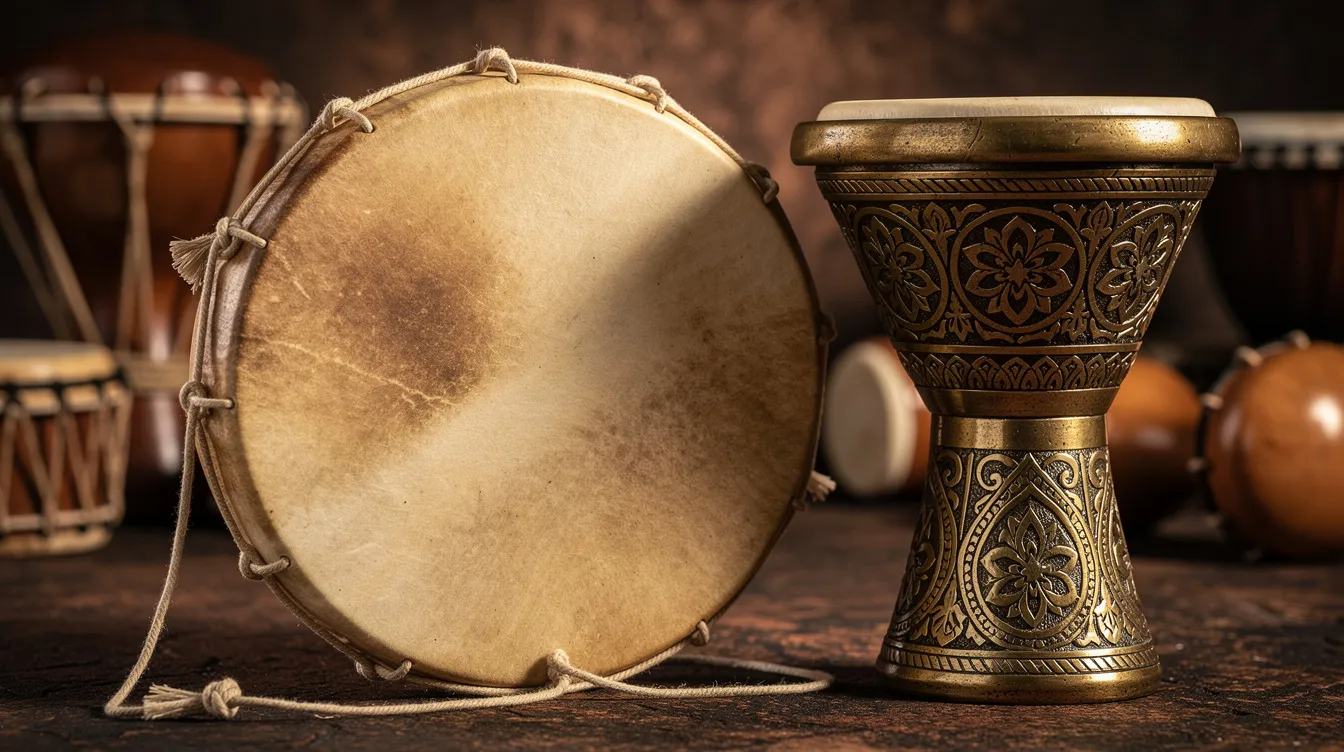
The bendir is a large circular wood-framed drum with a goatskin drum head, often featuring gut snare strings on the back for a characteristic buzzing sound. Its roots date back to pre-Islamic Amazigh ceremonies.
Uses: Amazigh ahidous and ahwach dances, sufi rituals, weddings, and women’s celebrations.
Sonic character: Deep, warm bass (center hits) plus dry, buzzing slaps and rolls near the rim.
Cost range for a quality bendir drum:
Decorative tourist models: 20–40 USD
Playable intermediate: 60–100 USD
Professional hand-made: 100–150+ USD (varies by maker and region)
Buying tips:
Check for even skin tension
Sturdy wooden frame without cracks
Comfortable grip
Responsive snare buzz
Avoid overly heavy or warped frames
Bendirs are available in Moroccan souks and selected world-music shops in Europe and the United States.
The derbouka is a goblet-shaped drum made from clay, wood, or metal with a skin or synthetic head. Ceramic bowls covered with natural skin produce warm, traditional tones.
It’s the workhorse of chaabi, folk ensembles, Andalusian groups, and modern pop bands—commonly heard in cafés and street performances. Basic sounds include doom (bass), tek (rim), and slap, making it a popular first Moroccan percussion instrument to learn.
Several international brands manufacture Moroccan-style darbukas for world-music markets. Look for tunable heads and durable shells when purchasing.
Qraqeb are heavy, iron hand castanets producing sharp, metallic clacks and jingling overtones. Ethnomusicologists consider them one of the most sophisticated polyrhythmic systems in world music.
In gnawa music, qraqeb symbolize chains and the history of enslavement while driving hypnotic trance rhythms through interlocking rhythm patterns. Sets vary in weight and pitch; experienced players prefer balanced, loud instruments that cut through ensembles.
Tar: Small frame drum with jingles (similar to tambourine), used in festive and Andalusian contexts
Tarija: Small, hourglass-shaped ceramic drum with snares; bright, popping tone in folk settings
Tam-tam: Two ceramic bowls covered in skin, tuned to two pitches for simple melodic patterns
Naqus: Metal bell adding rhythmic accents
Tebila/tebilat: Paired terracotta drums providing additional colors in percussion
Smaller percussive instruments like qraqeb, tarija, and tar make excellent compact souvenirs for travelers.
Andalusian music represents a refined, poetic tradition rooted in Al-Andalus exile heritage, performed in long nuba suites that can last six hours.
Main instruments: Oud, rebab, kamenjah (violin), qanun (plucked zither), tar, derbouka, sometimes ney.
Key locations: Fes, Rabat, Tetouan cultural centers, and sacred music festivals.
Morocco Classic Tours can arrange attendance at Andalusian concerts during city stays in these cultural centers.
Ahidous and Ahwach are circle dances with group singing and collective chanting, found in the Middle and High Atlas and the Sous valley. These represent traditional Moroccan culture at its most communal.
Primary instruments: Bendir frame drums, gasba/ney flutes, sometimes rebab and lotar.
The Imdyazn tradition describes professional musicians who travel from town to town, with professional singers performing poetry about legends and current events. Guests traveling with Morocco Classic Tours to atlas mountains villages may witness authentic local celebrations.
Gnawa is a brotherhood with sub saharan african roots, recognized internationally for its cultural heritage. The tradition preserves both musical and spiritual practices.
Key instruments: Gimbri/guembri, qraqeb, sometimes tbel drum; vocals and clapping complete the ensemble.
The lila is a night-long ritual using specific rhythms, colors, and songs for healing and spirit invocation. Essaouira and Marrakech serve as main hubs, including the Essaouira Gnawa Festival that draws international musicians each year.
Chaabi and related popular music styles blend traditional instruments with keyboards, electric guitars, and drum kits. Many musical styles coexist in Morocco’s vibrant cities.
Kamenjah, oud, derbouka, and electronic beats often share the same stage in modern music venues. Contemporary Moroccan bands mix Gnawa and Amazigh instruments with rock, jazz, or hip-hop influences, creating unique fusions.
Traditional learning relies on oral apprenticeship: learning from master musicians in families or brotherhoods, especially for Gnawa, Andalusian, and Sufi traditions. Beginners start with rhythms and simple songs by ear rather than written notation.
Visitors can arrange short private lessons, instrument demonstrations, and workshops through local cultural centers or via Morocco Classic Tours during their itineraries.
Basic steps for self-learners:
Listen deeply to recordings of the style you want to learn
Learn basic rhythmic cycles
Start with simple folk or Gnawa patterns
Seek online courses for oud, derbouka, and qraqeb
Combine online study with at least one in-person session with a Moroccan musician during travel for the fastest progress.
Easiest entry: Percussion (bendir, derbouka, qraqeb)
Accessible for guitarists: Oud (but demands patience with fretless intonation)
For violin players: Kamenjah style requires focused listening and ornament practice
Wind instruments like the ney and ghaita are more advanced due to breath control requirements.
Major shopping areas:
Fès el-Bali (historic medina)
Marrakech medina near Jemaa el-Fna
Essaouira old town
Rabat and Casablanca music districts
Differentiate between souvenir stalls selling decorative elements only and specialist luthiers or percussion makers creating playable instruments.
Testing checklist:
Clear, resonant tone
Stable tuning
Balanced weight
No loose skins, warped necks, or rattling hardware
Morocco Classic Tours can help guests meet trusted artisans or visit reputable shops during itineraries.
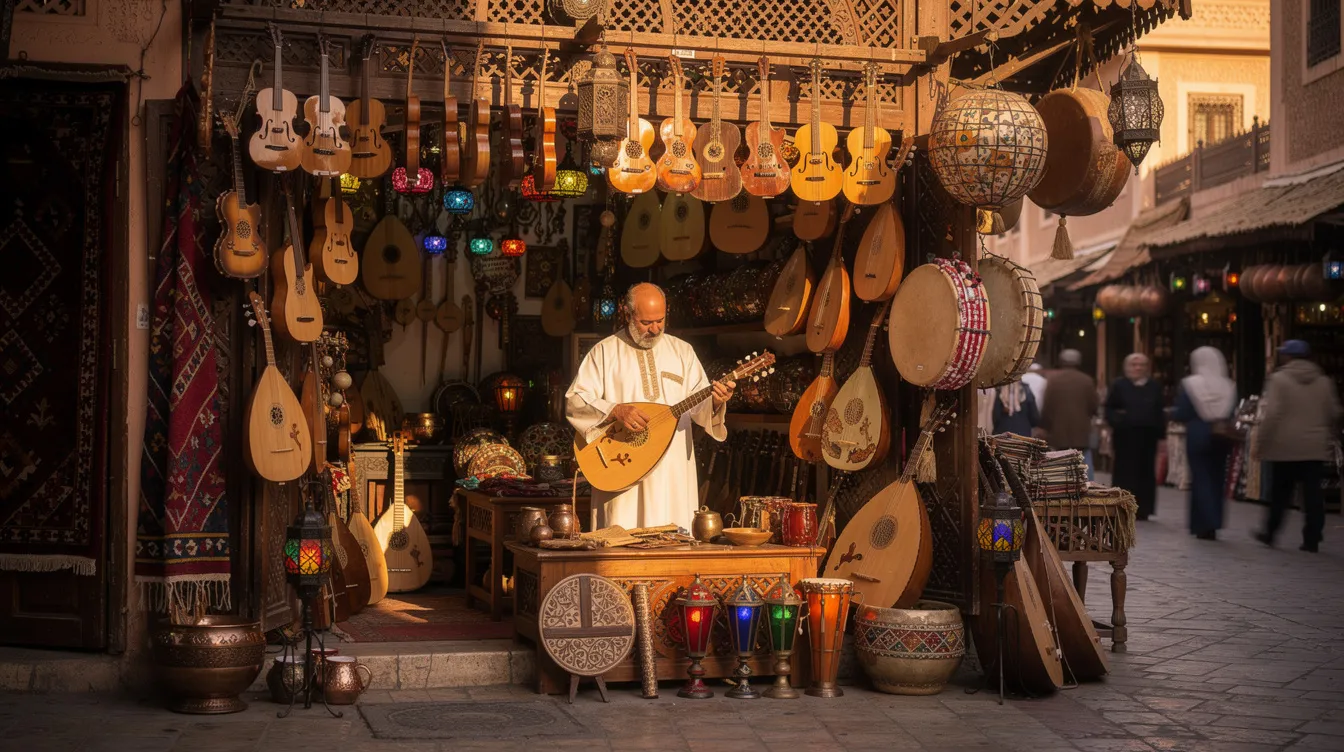
US-based buyers can find Moroccan bendirs through world-music retail shops and online marketplace platforms. Search for “Moroccan bendir” or “frame drum with snare” from reputable sellers.
Tips for US buyers:
Look for specialty percussion brands or importers specifying origin and materials
Check customer reviews and sound samples
Confirm return policies before purchasing
Expect higher prices than in Morocco due to import and shipping costs
Large global resale platforms and auction sites occasionally feature vintage ouds, bendirs, and qraqeb. For vintage pieces:
Confirm condition (cracks, warped necks, dried skins)
Request detailed photos and sound clips
Work with specialized dealers for high-value vintage ouds or rare Gnawa instruments
Many authentic Moroccan drums come from individual artisans rather than established brands, particularly master craftsmen in Fes, Marrakech, and mountain villages with their own customs of instrument construction.
Some international percussion manufacturers produce Moroccan-style darbukas, bendirs, and frame drums for world-music markets. Prioritize build quality, natural materials, and sound over branding when seeking traditional tonal qualities.
Key accessories:
Strings (nylon or gut sets for oud and gimbri)
Replacement skins for gimbri
Padded cases for transport
Stands and humidifiers
Cleaning cloths
Proper cases and humidity control are essential when flying home with wooden or skin-headed instruments. Most generic string instrument accessories (tuners, stands, polishing cloths) work well for essential morocco instruments.
Hearing instruments in their cultural context is more powerful than recordings alone—it’s where Morocco’s musical heritage truly comes alive.
We integrate music into our itineraries through:
Evening Gnawa shows in Essaouira and Marrakech
Andalusian concerts in Fes and Rabat
Atlas village celebrations with bendir and group singing
Desert camp performances with instrumental accompaniment
Food tours featuring live acoustic settings
Private concerts in riads
Hands-on instrument workshops upon request
If music is part of your travel plans, explore our Morocco cultural and food experiences and tell our local team about your musical interests so we can discuss how they fit into your itinerary.
Natural skins are sensitive to humidity and temperature changes. Avoid direct sun, heaters, or hot car trunks. Wipe gently after use and allow gradual acclimatization when moving between climates. You can occasionally moisturize the wood (not the skin) if conditions are very dry. Minor slackness or tightness with the weather is normal—players often warm the skin gently with their hands before playing to restore proper tension.
Use a hard case for ouds and thick padding for drums. Carry instruments as cabin baggage when possible. Loosen strings slightly before flights and protect soundboards from pressure. Check airline size rules beforehand, and add a fragile tag at check-in if gate-checking becomes necessary.
Moroccan ouds generally follow Arabic oud traditions with a warm, deep sound. Individual makers may vary in scale length, bowl shape, and decorative elements. For most beginners, the playing technique and feel matter more than subtle regional design differences between North Africa, middle east, and Turkish traditions.
Around 15–30 minutes daily works well for beginners on instruments like bendir, derbouka, oud, or qraqeb. Consistency matters more than long, occasional sessions. Focus first on one or two core rhythms or scales before expanding your repertoire.
Many Gnawa performances and some Sufi concerts welcome all respectful visitors, especially at festivals and cultural centers. Truly private or strictly religious ceremonies may be closed to outsiders. Morocco Classic Tours can help you find appropriate public events where international audiences are welcome. Wear a modest dress, listen quietly, and follow local guidance when attending spiritual music gatherings.
Compare Morocco group tour agencies by trip style, reviews, pace, transport and inclusions. Learn wh...
Read this article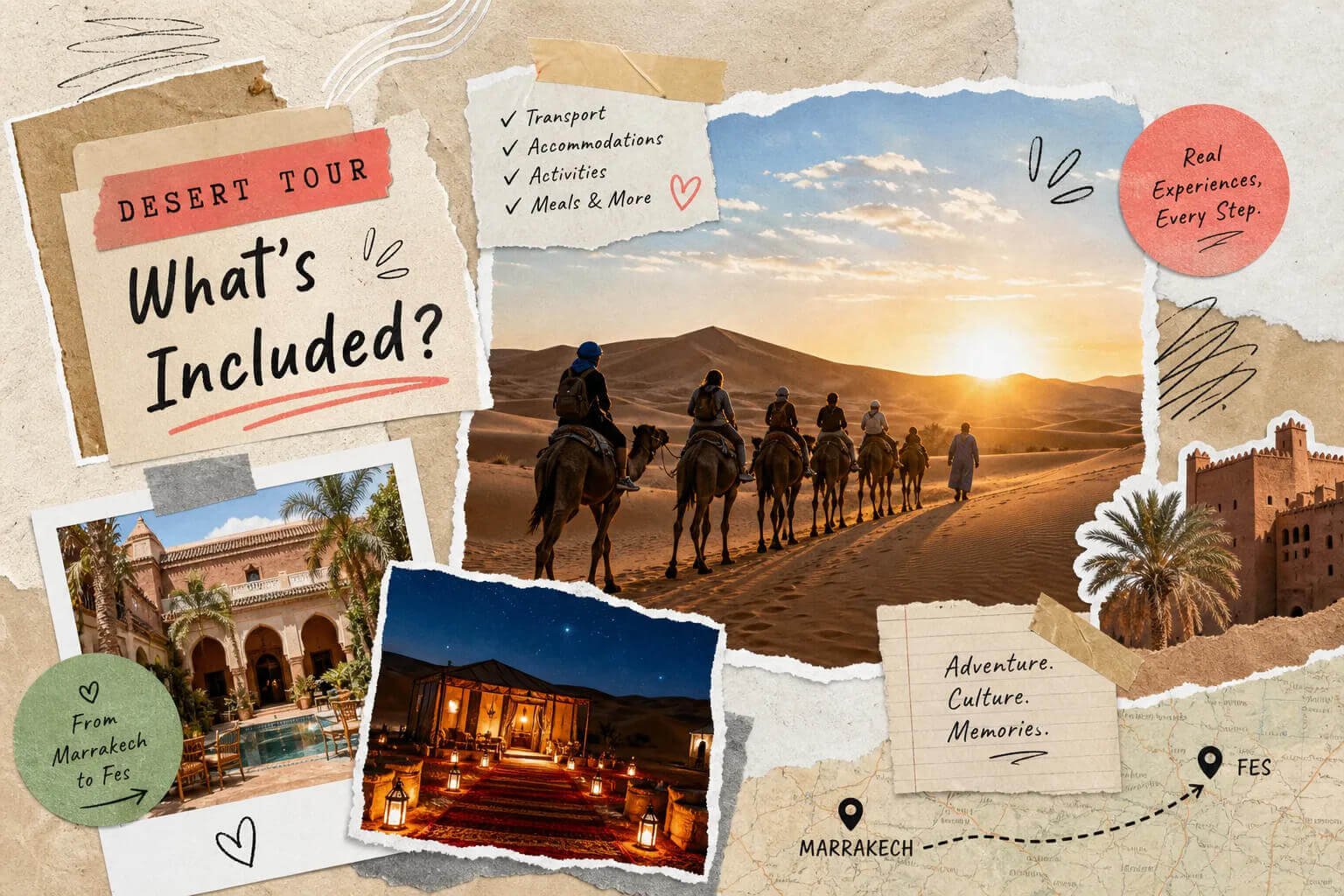
Uncover what a Marrakech to Fes desert tour offers, including camel rides, desert camps, and rich cu...
Read this article
Join our Merzouga Overnight Tour for an authentic desert experience. Enjoy camel rides, comfortable ...
Read this articleWant cool tour deals and tips about Morocco? Enter your email and we’ll send them to you each month!
