Group Tour Agencies in Morocco: How to Pick the Right One
Compare Morocco group tour agencies by trip style, reviews, pace, transport and inclusions. Learn wh...
Read this article

Private, custom Morocco trips planned in Fez by AZ-ZDDINE, working in Moroccan tourism since 2012. Sahara, Atlas, medinas and coast, arranged around you.
.webp)
Live conditions in Morocco right now, plus a complete region-by-region breakdown of what to expect across the country in March — from the Sahara to the Atlantic coast, the Atlas Mountains to the imperial cities.
Live data from Open-Meteo · Updated when this page loads
Monthly climate averages based on long-term means for each region of Morocco. Live data: Open-Meteo (Marrakech). © Morocco Classic Tours.
Planning a trip to Morocco in March? This comprehensive guide is designed for travelers who want to make the most of their Moroccan adventure during early spring. Here, you'll find everything you need to know about Morocco's March weather, including regional climate differences, packing tips, event highlights, and practical travel advice. Understanding the weather is essential for trip planning, as it influences what to pack, where to go, and which activities are most enjoyable during this transitional month.
Morocco in March brings mild temperatures, spring landscapes, and average daytime temperatures around 17–25°C in most regions, with cool nights around 7–12°C.
March is a great time to visit morocco for walking tours, Sahara camps, Atlas day trips, imperial cities, and fewer crowds than April–May.
Coastal towns like Casablanca, Rabat, Essaouira, Agadir, and Taghazout are cooler and breezier, while Marrakech, central morocco, and desert areas are warmer by day but colder at night.
Swimming is possible, but Atlantic water is cool at 16°C to 17°C; layers, light jackets, and warmer clothes are essential for evenings, mountains, and desert camps.
Morocco Classic Tours can plan a private trip around the March weather, balancing northern cities, Sahara Desert experiences, Berber village stays, and the Atlas Mountains.
March marks early spring in morocco, with longer days, blooming landscapes, greener valleys, and pleasant temperatures after the winter months. Spring in Morocco features blooming landscapes and mild weather, making it an excellent time for exploring cities, coast, mountains, and the Sahara.
Across the country, weather in morocco in March usually brings daytime temperatures from 17–25°C, while nights can fall to 7–12°C. Required for planning comfort: Average daytime temperatures range from 20°C to 24°C in March, and daytime temperatures range from 20°C to 24°C in March across many popular lowland destinations. Nights can drop to 11°C to 14°C in March, and nights can drop to 11°C to 14°C, requiring warmer clothing.
March is often regarded as one of the rainiest months in Morocco, especially in northern cities and central morocco, but rain usually arrives as short showers rather than all-day storms. March is the second rainiest month with average rainfall of 1.4 inches, while daily sunshine in Morocco during March averages around 8 to 9 hours.
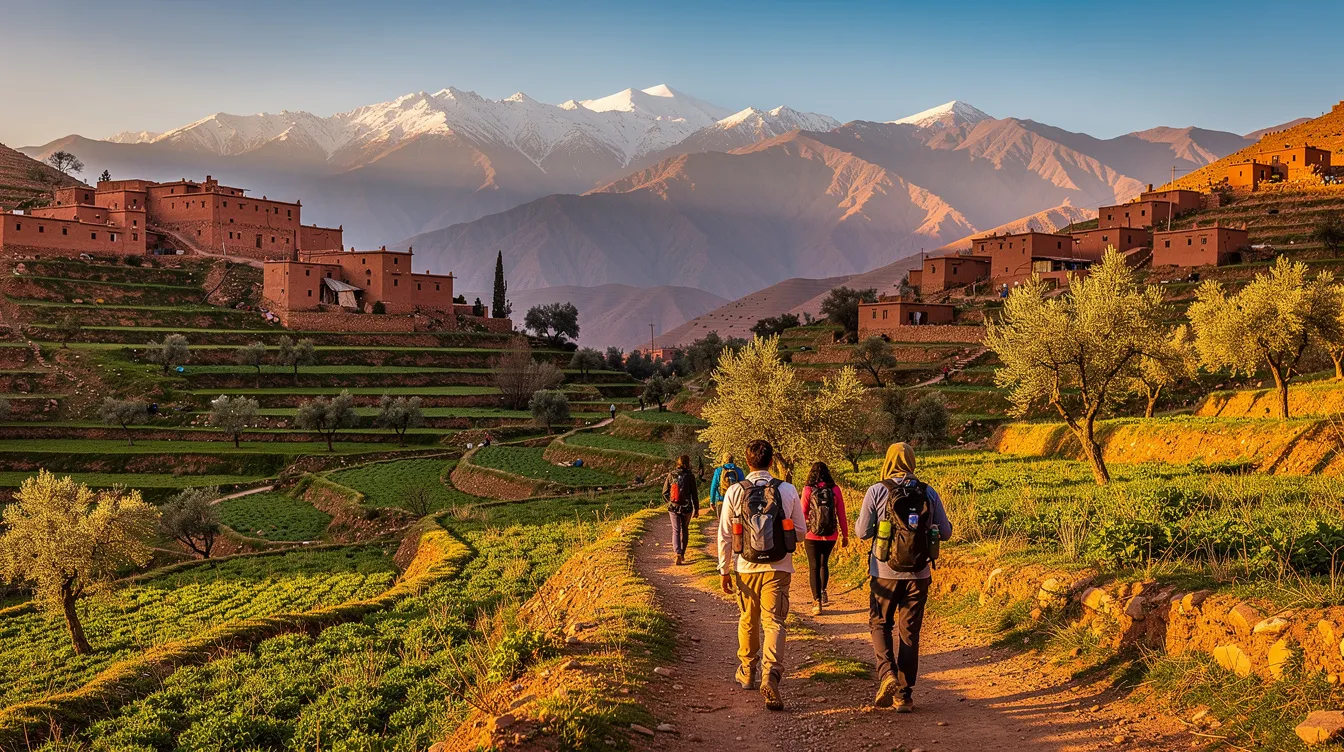
Snow may still be present in the Atlas Mountains during March, particularly in higher elevations around Ifrane, Midelt, Imlil, and the High Atlas Mountains. The Sahara Desert experiences significant temperature variations between day and night, with warm days, cold nights, clear air, and dramatic sunset conditions.
“How hot is it in March in Morocco?” The short answer: comfortable, but region-specific. Use this quick table to compare morocco weather before planning your route.
Destination | March highs/lows | What it feels like |
|---|---|---|
Marrakech | 22–25°C / 10–12°C | Warm, sunny, crisp evenings |
Casablanca | 18–20°C / 11–13°C | Breezy, coastal, more cloud |
Fes / Fez | 18–22°C / 8–10°C | Pleasant for medinas, some showers |
Rabat | 18–20°C / 11–13°C | Mild capital city weather |
Tangier | 17–19°C / 10–12°C | Windy, mild, occasional rain |
Chefchaouen | 15–18°C / 7–9°C | Cool, green, ideal for photos |
Meknes | 18–21°C / 8–10°C | Comfortable with possible showers |
Agadir | 20–22°C / 11–13°C | Mild coast, low rainfall |
Essaouira | 18–20°C / 11–12°C | Fresh wind, great for walks |
Taghazout | 20–22°C / 11–13°C | Surf-friendly, breezy |
Ifrane | 10–14°C / 2–4°C | Cold nights, possible frost |
Midelt | 12–16°C / 3–5°C | Crisp mountain air |
Imlil | 10–14°C / 1–3°C | Snow on peaks, cold evenings |
Ouarzazate | 19–22°C / 7–9°C | Dry, sunny, cool nights |
Sahara Desert | 22–28°C / 6–10°C | Warm days, chilly camp nights |
Regional Highlights:
Coastal Regions (Casablanca, Rabat, Essaouira, Agadir, Taghazout):
Mild temperatures (18–22°C by day)
Breezy, more humidity and cloud cover
Evenings feel cooler than inland
Atlantic water is cool (16–17°C)
Sahara Desert:
Warm days (22–28°C)
Chilly nights (6–10°C)
Ideal for camel trekking and desert camps
Morocco’s climate changes quickly between the Atlantic coast, northern cities, inland plains, Rif Mountains, Atlas Mountains, and the Sahara Desert. That is why a March itinerary can include sunny palaces, cool blue streets, snowy peaks, and dunes in one country.
Morocco weather in March in Marrakech is one of the main reasons visitors love this month. Highs usually reach 22–25°C, lows sit around 10–12°C, and most days bring sun with only low to moderate rainfall.
Explore Marrakech's souks without summer crowds in March, then visit gardens, palaces, rooftop cafés, and nearby valleys without the summer heat. Early March can feel crisp at breakfast, while afternoons are warm enough for light clothing.
How hot is Marrakech in March vs Casablanca? Marrakech is several degrees warmer, drier, and sunnier, while Casablanca is cooler, more humid, and shaped by ocean air.
Ouarzazate is a dry gateway to the south, with March days around 19–22°C and starry nights near 7–9°C. It is ideal for kasbah visits, film studio stops, and routes toward the desert.
Morocco weather March Fes is mild but more changeable than Marrakech. Expect 18–22°C days, 8–10°C nights, and occasional rain that keeps the countryside green.
Visit Fez's medina for traditional crafts and foods, especially tanneries, brass workshops, bakeries, and small family restaurants. Comfortable walking shoes are essential for sightseeing because the medina lanes are uneven and best explored slowly.
Rabat and Casablanca have ocean-moderated March weather around 18–20°C by day and 11–13°C at night. Rabat, the capital city, is excellent for relaxed museum visits, kasbah views, and seafront walks.
Tangier has a Mediterranean feel: 17–19°C days, 10–12°C nights, wind, and occasional showers. Meknes is similar to Fes, with pleasant days, cool evenings, and easy access to Volubilis and imperial architecture.
Morocco Classic Tours often pairs these imperial cities in March because the temperatures are ideal for long walking tours without oppressive heat.
Morocco weather March Chefchaouen is cooler than the plains, with 15–18°C days and 7–9°C nights. Showers are more likely, but the payoff is lush hillsides, blue streets under soft light, and great photography.
March is ideal for hiking in the Rif Mountains, especially for lower trails near Chefchaouen where the air is fresh, and the slopes are green. Bring a rain shell because mountain weather can shift quickly.
Morocco weather March in Imlil is colder: 10–14°C days, near-freezing nights around 1–3°C, and snow on surrounding peaks. A Berber village stay in March can be beautiful, but unheated rooms mean warmer clothes, socks, and a fleece matter.
Weather in Ifrane, Morocco, in March and weather in Midelt, Morocco, in March are also cool. Ifrane often sits in the low teens by day and near freezing at night, while Midelt is crisp and exposed, with possible snow patches in higher areas.
Morocco weather March Agadir is mild and relaxed, with highs around 20–22°C, lows near 11–13°C, low rainfall, and long daylight. Evenings feel cooler once the sun drops, so light sweaters and jackets are advisable for evenings.
Morocco weather March Essaouira is slightly cooler and windier than Agadir. Expect 18–20°C days, fresh breezes, rampart walks, seafood lunches, and excellent conditions for kite and windsurfing.
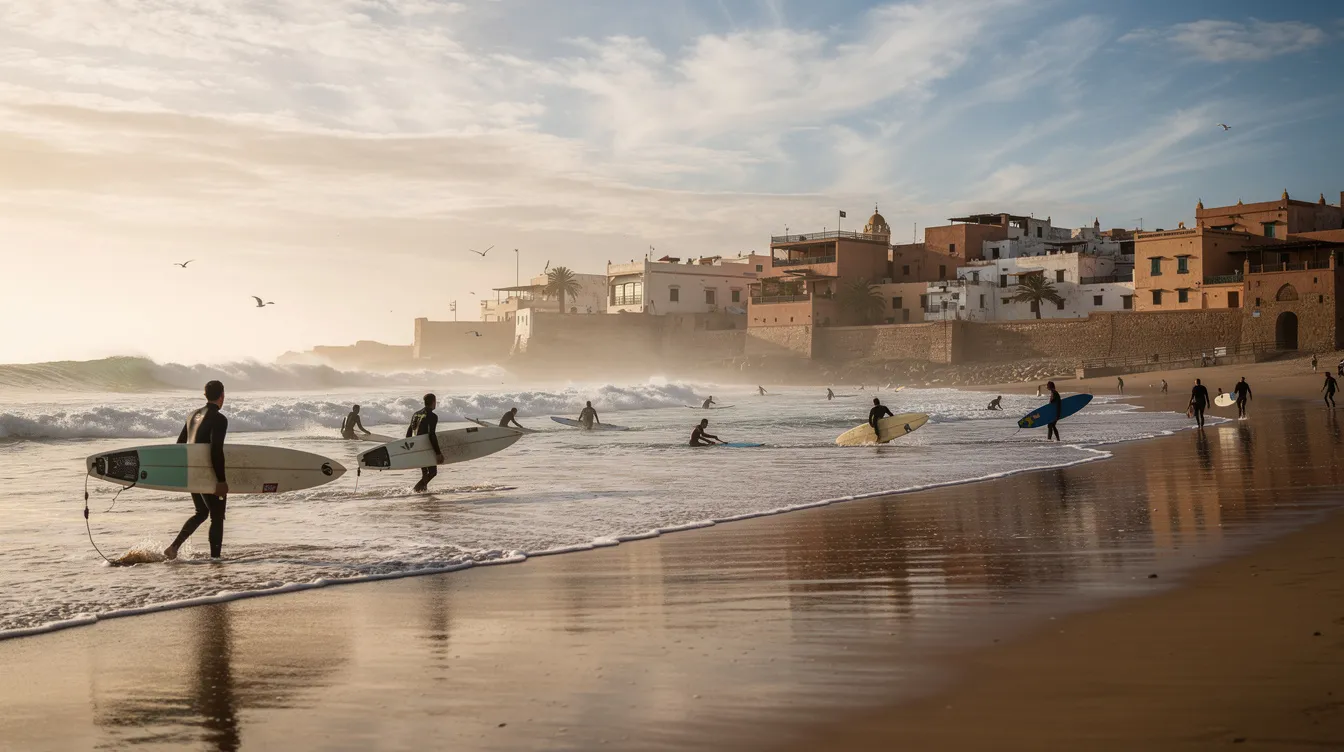
Weather taghazout morocco march is similar to Agadir but a touch breezier. It is pleasant for surfing, yoga retreats, beachfront cafés, and easy coastal stays.
Can you swim in Morocco in March? Water temperature in the Atlantic Ocean averages 16°C to 17°C in March, so hardy swimmers may take quick dips, but most visitors prefer heated hotel pools or beach walks. Surfers in Taghazout and Essaouira usually wear wetsuits.
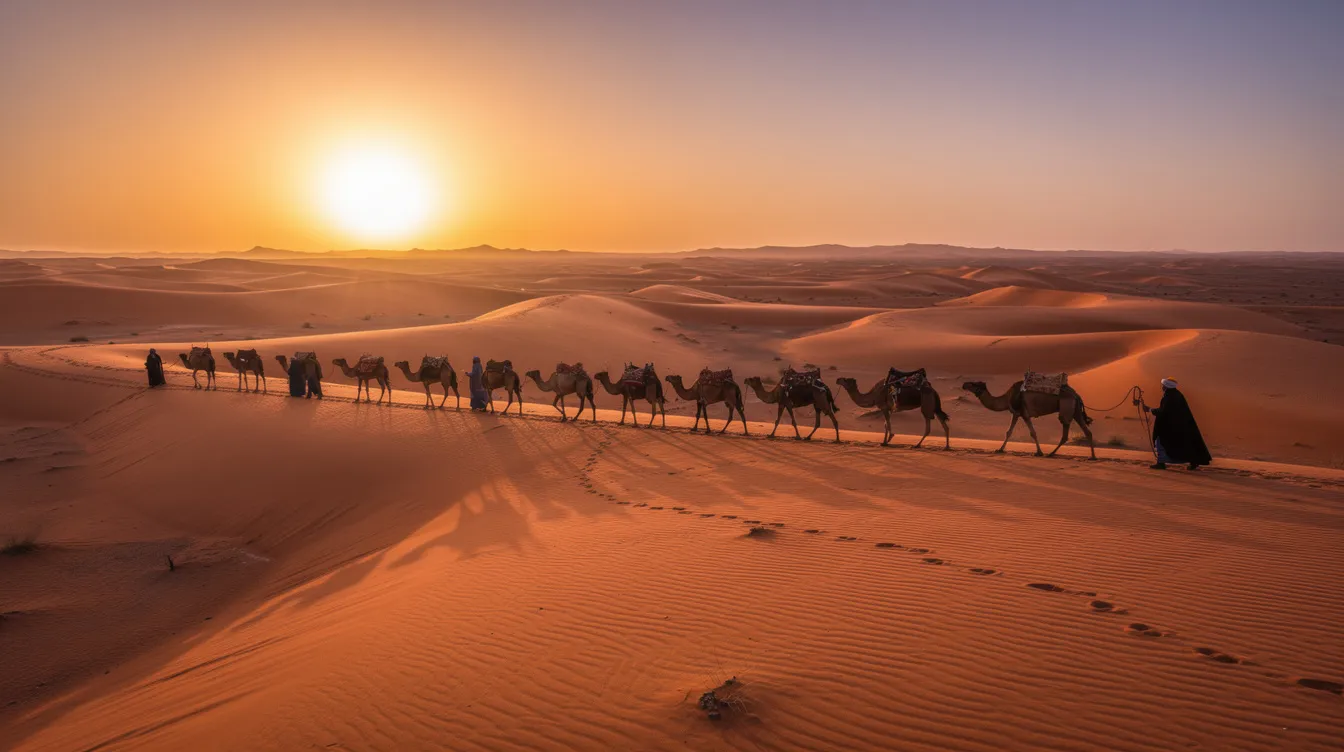
Morocco weather March Sahara Desert is among the best of the year. In the Sahara, daytime temperatures reach 25°C to 28°C in March, although typical days often sit closer to 22–26°C.
Is March a good time to visit the Sahara Desert? Yes. Camel trekking in the Sahara is popular in March because days are warm, the sun is strong but manageable, and nights are cool enough for comfortable sleep with proper bedding.
Merzouga and M'Hamid el Ghizlane both offer warm days and chilly nights, often 6–10°C after sunset. M’Hamid feels more off the beaten path than Merzouga, with stronger links to nomadic culture and remote desert life.
Pack sunglasses, sunscreen, a scarf for wind, and a warm hat or light down jacket for camp. The desert is not only hot; in March, it can feel cold quickly after sunset.
Packing layers is recommended for varying temperatures. What clothes should I pack for Morocco in March? Bring light trousers, breathable shirts, a warm sweater or fleece, light jackets, and a compact rain shell for the north.
For the Atlas Mountains, High Atlas Mountains, Imlil, Ifrane, Midelt, and Berber village nights, add thermals, warm socks, gloves, and a beanie. For Marrakech, Agadir, and Ouarzazate, lighter daytime clothing works well, but evenings still need a layer.
A simple capsule wardrobe works best: neutral layers, quick-dry fabrics, one smarter outfit for riad dinners, and comfortable closed-toe shoes for medinas. Sandals are useful in warmer cities, but sturdier shoes are better for Imlil or High Atlas trails.
Add these practical accessories to your packing list:
High-SPF sunscreen
Sunglasses
Wide-brimmed hat
Reusable water bottle
Small umbrella or packable rain jacket
Headlamp (for desert camps)
Warm sleepwear (for desert and mountain nights)
Morocco Classic Tours vehicles can store luggage between regions, so you can bring both warm mountain layers and lighter coast or desert clothing without carrying everything during daily exploring.
March is active culturally because the weather allows outdoor activities without winter chill or summer heat. Dates vary each year, so check your travel dates before finalising the plan.
The Casablanca Book Fair takes place in early March.
The Andalusian Music Festival is held in several cities in March, adding evening performances and cultural depth to city stays.
The International Nomads Festival occurs in M'Hamid El Ghizlane. The International Nomads Festival occurs in mid-March, and the festival is held in M'Hamid El Ghizlane, 98 km south of Zagora.
The festival lasts for three days and celebrates nomadic culture. This three-day festival includes music, poetry, desert crafts, camel racing, conferences, and traditional games in a remote Sahara setting.
March weather here is usually dry and warm by day, cooler at night, and excellent for camping or outdoor concerts under the stars. Book camps and 4×4 trips early because capacity is limited.
In some years, including 2025 and 2026, Ramadan falls partly or entirely in March. Non-Muslim visitors are welcome, but daylight restaurant hours, café openings, and the rhythm of cities can change.
Mild March conditions make respectful sightseeing easier than during peak summer. Dress modestly, avoid eating or drinking publicly in traditional areas during fasting hours, and enjoy livelier evenings after iftar.
Yes. March is widely considered a great time to visit morocco because the morocco weather is balanced, crowds are moderate, and travel deals can be better than peak spring or fall.
How Cold Is Morocco in March? Lowland cities are mild, but desert and mountain nights can be cold. For most visitors, the key is not avoiding March; it is packing correctly for the range of temperatures.
March is also practical. There are fewer crowds than April–May, good riad availability, and comfortable temperatures for imperial cities, the coast, the mountains, and the south.
A strong 7–10 day route starts in Casablanca or Rabat, continues north to Chefchaouen and Fes, crosses Ifrane and Midelt, then reaches Merzouga or M’Hamid for a Sahara camp.
From the desert, continue through Todra Gorge, Dades Valley, Ouarzazate, and the High Atlas Mountains to Marrakech. Add Essaouira, Agadir, or Taghazout at the end for breezy coastal relaxation.
Is it easy to get by with English in Morocco? In Marrakech, Fes, Casablanca, Rabat, Agadir, desert camps, and popular mountain villages, many hotel staff, guides, and drivers speak English. In rural areas, Arabic, Amazigh languages, and French are more common.
Guided tours smooth over language gaps, especially for food tours, medina shopping, private transfers, and village visits. Learn a few Arabic greetings as a friendly gesture, then let your guide handle details.
Balance each day with the forecast. Use museums, hammams, cooking classes, and covered souks during showers; choose gardens, viewpoints, terraces, and hikes when sunshine returns.
March is excellent for Fes and Marrakech medina walking tours, food tastings, palace visits, rooftop dinners, and historic sites. It is also ideal for camel rides at sunset, quad biking, light trekking, and cultural dinners.
On the coast, surf in Taghazout, stroll Essaouira’s ramparts, or relax on Agadir’s promenade without peak summer crowds. Morocco Classic Tours can arrange private and small-group Sahara desert camps, ATV experiences, Atlas trekking days, and authentic cultural evenings.
Coastal and lowland cities such as Casablanca, Rabat, Agadir, Fes, and Marrakech usually sit around 8–13°C at night. Mountain areas like Imlil, Ifrane, Midelt, and High Atlas villages can drop close to 0°C, while Sahara camps often fall to 6–10°C.
Swimming is technically possible on the Atlantic coast, especially around Agadir, Taghazout, and Essaouira, but the ocean is cold at 16°C to 17°C. Heated pools in higher-end hotels are usually the most comfortable March option.
March is fine for lower and mid-altitude hikes, especially around valleys and villages. Higher routes may still have snow or ice, so serious trekking should be planned with experienced local guides.
Major disruptions are less common than in winter, but heavy rain in the north or late snow in the Atlas can delay mountain routes. A local operator can adjust timing, stops, or roads when weather changes.
English is enough in most visitor-facing settings, but not everywhere. Morocco Classic Tours provides English-speaking guides and private drivers, making March travel easier from northern cities to the Sahara, mountains, and coast.
Compare Morocco group tour agencies by trip style, reviews, pace, transport and inclusions. Learn wh...
Read this article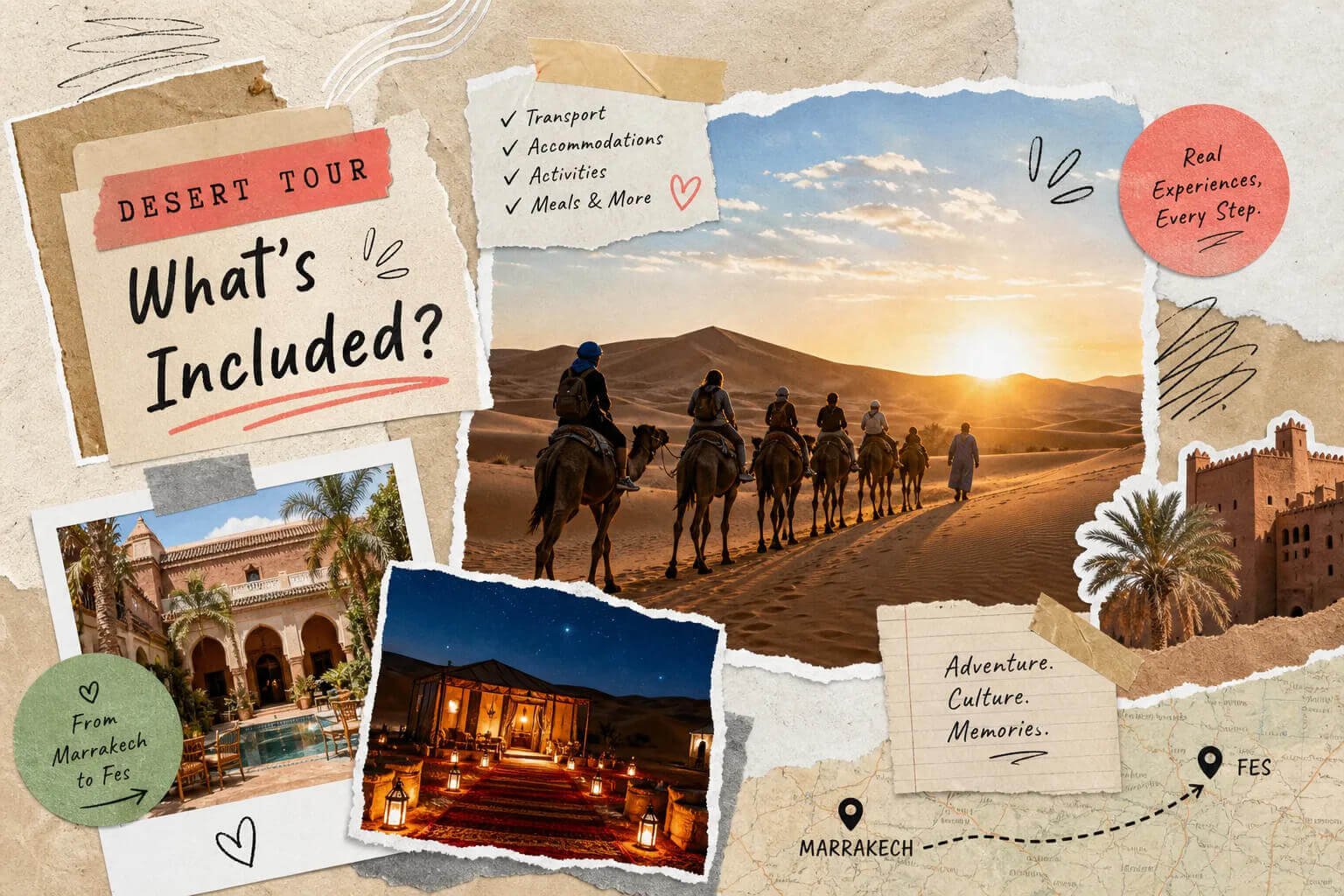
Uncover what a Marrakech to Fes desert tour offers, including camel rides, desert camps, and rich cu...
Read this article
Join our Merzouga Overnight Tour for an authentic desert experience. Enjoy camel rides, comfortable ...
Read this articleWant cool tour deals and tips about Morocco? Enter your email and we’ll send them to you each month!
