Merzouga Overnight Tour Guide: Camps, Camels and Cost
Join our Merzouga Overnight Tour for an authentic desert experience. Enjoy camel rides, comfortable ...
Read this article

Suspendisse interdum consectetur libero id. Fermentum leo vel orci porta non. Euismod viverra nibh cras pulvinar suspen.
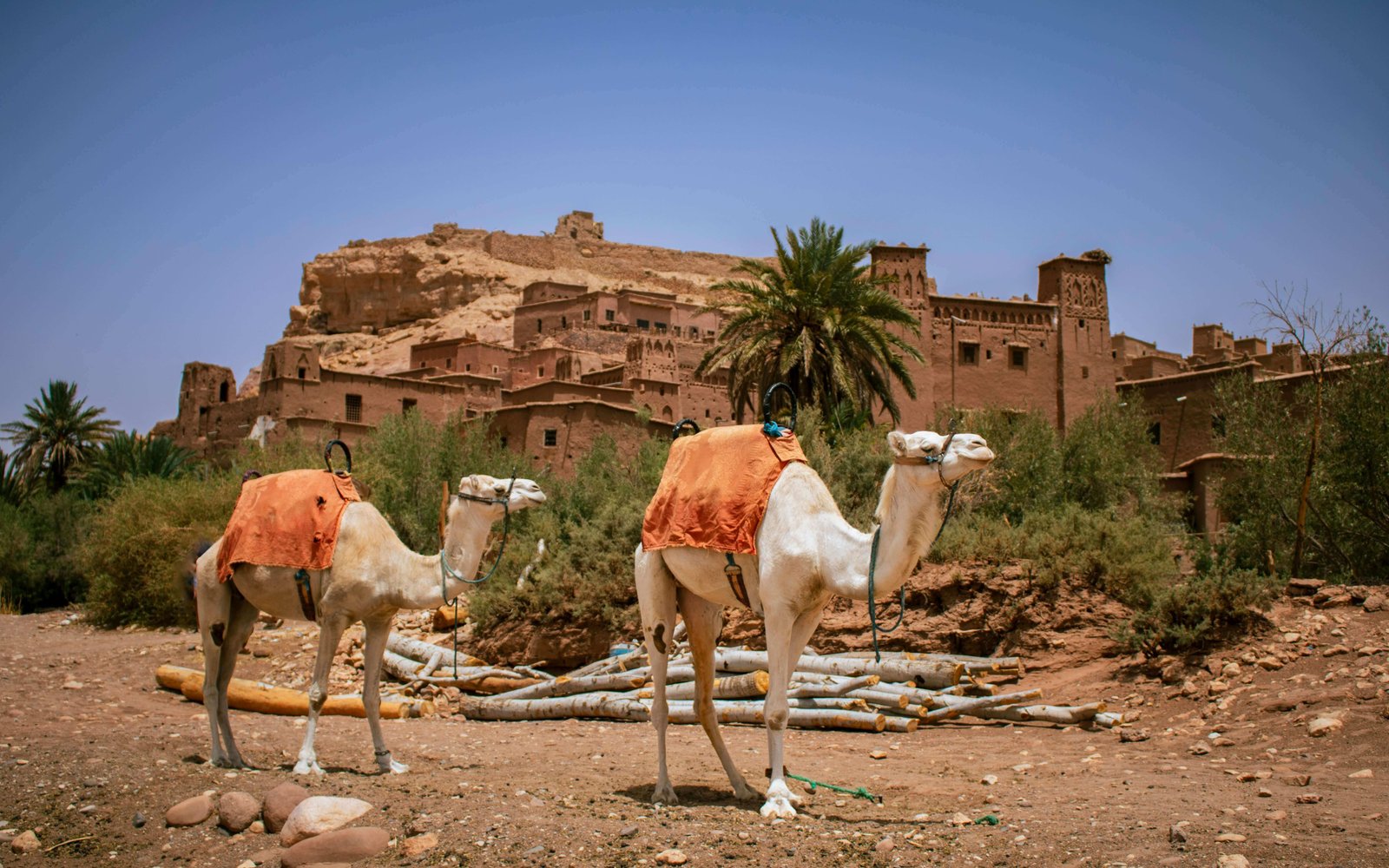
Morocco delivers everything a backpacker could want: ancient cities with narrow streets, towering dunes in the Sahara Desert, rugged trails through the High Atlas Mountains, and laid-back surf towns along the Atlantic coast. Whether you’re chasing the best backpacking trip of your life or simply exploring North Africa for the first time, this guide covers everything from choosing the right pack to finding reputable desert tour operators.
Morocco is generally safe (including for Australian tourists), relatively cheap for backpackers, and easy to combine independent travel with guided desert and mountain trips through operators like Morocco Classic Tours.
A 40-55L lightweight backpack is ideal for a month-long Morocco trip, paired with a smaller 15-20L daypack for medina wandering and day hikes in the High Atlas region.
Most Western nationalities, including Australians, receive visa-free entry for up to 90 days—but always verify current requirements and arrange travel insurance before arriving at Marrakech, Casablanca, Fez, or Tangier airports.
Daily backpacker budgets range from 250-450 MAD (roughly 25-45 USD), covering hostel dorms, street food, local buses, and basic activities.
Morocco Classic Tours, a Fez-based agency, specializes in Sahara tours from Marrakech, Atlas trekking, and fully custom backpacking itineraries tailored to your budget and interests.
Picture yourself sipping fresh orange juice in Marrakech’s Jemaa el-Fnaa square as snake charmers work the crowd, then fast-forward to watching sunrise over Merzouga’s dunes from a Berber camp. A few days later, you’re wandering through Chefchaouen’s blue-painted streets or catching waves in Taghazout. This is backpacking in Morocco—a country that packs an almost absurd amount of diversity into a space smaller than California.
Morocco suits first-time backpackers and experienced travelers alike. The infrastructure is solid, the people are generally welcoming, and the country has developed a robust hostel scene over the past decade. You’ll find everything from ancient medinas designated as a UNESCO World Heritage Site to modern cities with efficient train networks.
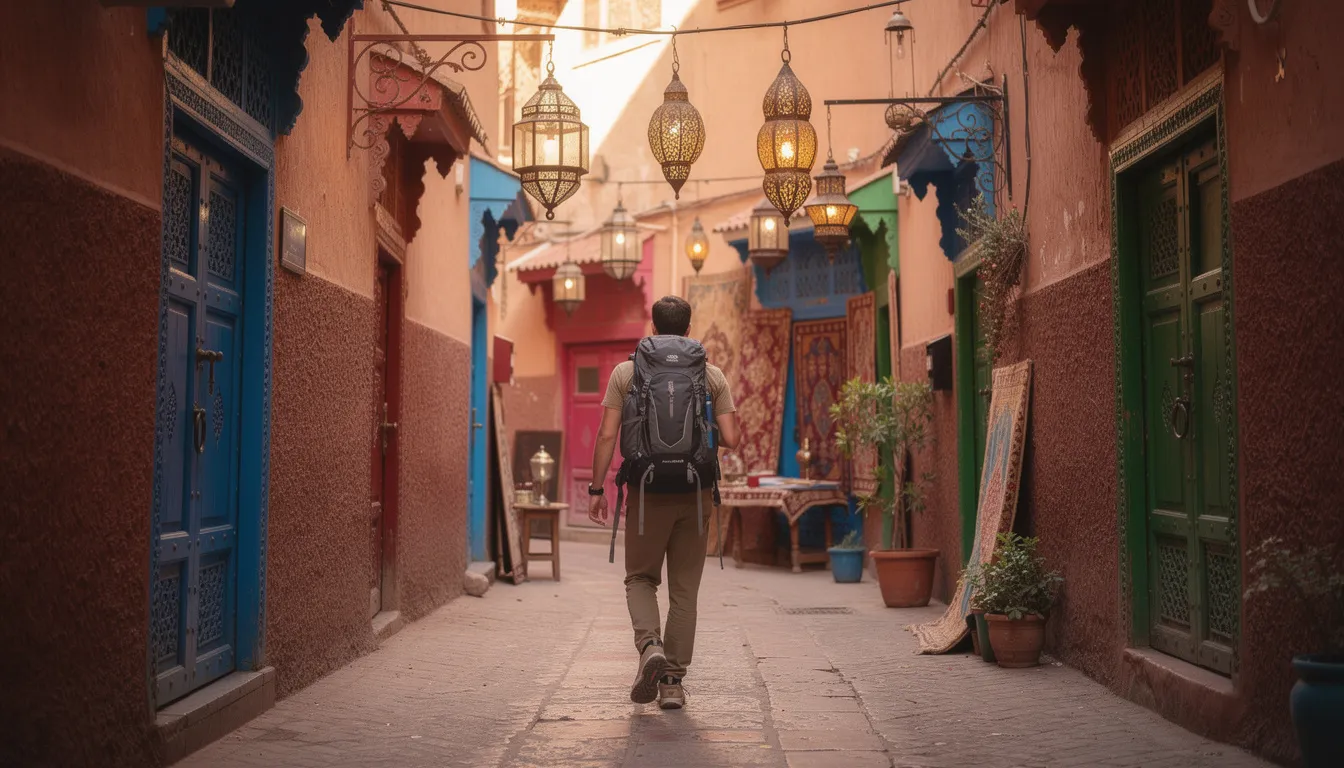
The diversity of experiences available during a single Morocco trip is remarkable:
Imperial Cities: Marrakech, Fez, Meknes, and Rabat offer historic palaces, bustling souks, and deep cultural immersion
High Atlas and Rif Mountains: Trekking hubs like Imlil, the dramatic Todra Gorge, and the picturesque town of Chefchaouen
Sahara Desert: Merzouga, Erg Chebbi, and Erg Chigaga for camel treks and overnight camps under the stars
Atlantic Coast: Surf villages like Taghazout and Imsouane, plus the relaxed atmosphere of Essaouira
Backpacking Morocco remains affordable compared to Western Europe and similar to Southeast Asia in many respects. A realistic daily budget of 25-40 USD (approximately 250-400 MAD) covers dorm beds, street food, local buses, and basic activities. You can easily save money by eating where local workers eat and taking grand taxis instead of private transfers.
Many backpackers travel independently between Moroccan cities by bus and train, then add a few private or small-group tours for the complex parts—like a 3-day Marrakech-Merzouga-Fez desert loop or a 2-day Toubkal trek. Morocco Classic Tours specializes in exactly these segments, offering backpacker-friendly options that don’t sacrifice authenticity.
Morocco is well-connected to other countries through low-cost flights and ferries. Royal Air Maroc and budget carriers operate routes from major European hubs, while ferries cross from Spain to Tangier in under an hour. This makes it easy to combine visiting Morocco with time in Spain or Portugal at the start or end of your backpacking trip.
The Moroccan Dirham (MAD) is the local currency and is a closed currency, meaning it cannot be obtained outside of Morocco. You will need to withdraw cash from ATMs or exchange money upon arrival. ATMs are widely available in major cities and tourist areas, but it’s wise to carry some cash for rural regions and smaller towns where card payments are less common.
Morocco’s hostel scene has exploded over the past decade, especially in cities like Marrakech, Fez, Chefchaouen, and Essaouira. Most budget accommodation instead comes in the form of riads—traditional Moroccan guesthouses built around a central courtyard. Riads are often affordable and a common form of budget accommodation, offering a unique cultural experience alongside comfort and value. Expect:
Dorm prices: 80-150 MAD in Marrakech, Fez, Chefchaouen, Essaouira
Setting: Often renovated riads with rooftop terraces
Included: Free breakfast (mint tea, bread, jams, Moroccan pancakes)
Vibe: Social common rooms, travel advice, organized activities
Morocco is easy to traverse by public transport. Trains connect major cities, buses cover longer routes, and shared taxis fill the gaps. You won’t need a car unless venturing to very remote areas.
Trains (ONCF): Connect big cities like Tangier, Rabat, Casablanca, and Marrakech
Buses (CTM/Supratours): Reliable for Fez-Chefchaouen, Marrakech-Essaouira routes
Grand taxis: Fill gaps between nearby villages and small towns
The Marrakech-Merzouga-Fez desert stretch is most comfortable as a guided transfer. Morocco Classic Tours can adapt any skeleton itinerary to your specific interests—extra hiking days, more surf time, or slow-paced cultural stays.
Moroccan street food is a highlight for backpackers, offering affordable and delicious options such as grilled brochettes, msemen (Moroccan pancakes), and fresh orange juice from market stalls.
Don’t miss classic Moroccan dishes like tagine (slow-cooked stew), couscous, harira (Moroccan soup), and pastilla (savory-sweet pie). Many restaurants and guesthouses serve set menus that showcase these specialties.
Moroccan meals are often communal, with bread used to scoop up food. It’s customary to eat with your right hand and accept tea or food when offered as a sign of hospitality.
The winding alleys of Morocco’s ancient medinas can be confusing. Use offline maps, ask shopkeepers for directions, and avoid following unsolicited “guides.”
French and Arabic are widely spoken, but English is common in tourist areas. Learning a few basic phrases in French or Moroccan Arabic can help smooth interactions.
Buses and trains are generally reliable, but occasional delays happen. Build flexibility into your itinerary and keep snacks and water handy for longer journeys.
Medina alleys barely wide enough for a loaded donkey, crowded bus stations, and desert tracks all favor one approach: a single main backpack plus a small daypack. Leave the rolling suitcase at home.
For a month-long trip, aim for a main backpack between 40-55L:
Traveler Type | Recommended Size | Best For |
|---|---|---|
Minimalist | 40-45L | Light packers, warm-season travel |
Standard | 45-50L | Most backpackers travel year-round |
Gear-heavy | 50-55L | Camera equipment, colder weather layers |
Anything larger becomes a hassle on CTM buses, in compact riad rooms, and when navigating the narrow streets of Fez’s old city. The 45L sweet spot works for most travelers who pack smart. | ||
When selecting your pack, prioritize these features:
Internal frame with good load transfer for walking between bus stations and accommodations
Ventilated back panel essential for 30-40°C days in Marrakech and the Sahara
Padded hip belt that takes the weight off your shoulders
Front-loading (clamshell) opening for easy access in hostel dorms without unpacking everything
Sturdy zips with lockable sliders for security in crowded spaces
Integrated rain cover for winter travel in Chefchaouen or the surrounding mountains
A separate 15-20L compressible daypack handles Medina wandering and day trips around Imlil or Todra Gorge. Foldable packs fit inside your main bag and prove invaluable on crowded local buses when you need to keep essentials close.
If you’re planning multi-day Atlas hikes (like 2-3 days around Mount Toubkal between April and October), consider a lighter trekking-style pack with better load transfer on steep trails. Pure travel backpacks work fine for city hopping but struggle on technical terrain.
Morocco Classic Tours can arrange luggage storage in Marrakech or Fez during desert or mountain-side trips, letting you trek with just your daypack and essential gear.
This section serves as a buyer’s guide for those planning Sahara walks and Atlas or Rif Mountains hikes. Rather than endorsing specific brands, focus on specifications that work for Morocco’s conditions.
For 2-3 day treks from Imlil or through the High Atlas region, offering spectacular scenery, look for:
Capacity: 35-45L
Weight: Under 1.5 kg (empty)
Torso adjustment: Essential for proper fit on steep trails
Hydration compatibility: Bladder sleeve and hose port
Side compression straps: Stabilize loads on rocky terrain
Choose packs made from 210D-420D ripstop nylon or polyester for durability without excessive weight. Dark or neutral colors hide dust from desert tracks and don’t stand out in conservative villages where flashy gear attracts unwanted attention.
Robust hip-belt pockets prove invaluable for snacks, phone, and small essentials you need without stopping to dig through your main compartment.
Item | Notes |
|---|---|
3-season sleeping bag | Lightweight, if not provided by the tour |
Merino or synthetic base layers | Quick-drying, odor-resistant |
Compact insulated jacket | Essential for below-freezing Toubkal nights |
Sun hat and sunglasses | UV protection critical at altitude |
Filter bottle (1-1.5L) | Reduces the need to buy plastic bottles |
Many multi-day treks and Sahara camps booked through Morocco Classic Tours provide tents, mattresses, most meals, and sometimes sleeping bags. This lets backpackers keep gear weight down significantly. | |
Recommended for rocky High Atlas paths, hiking poles can be bought or rented cheaply in Marrakech or Imlil. No need to carry them from home unless you have a strong preference for your own.
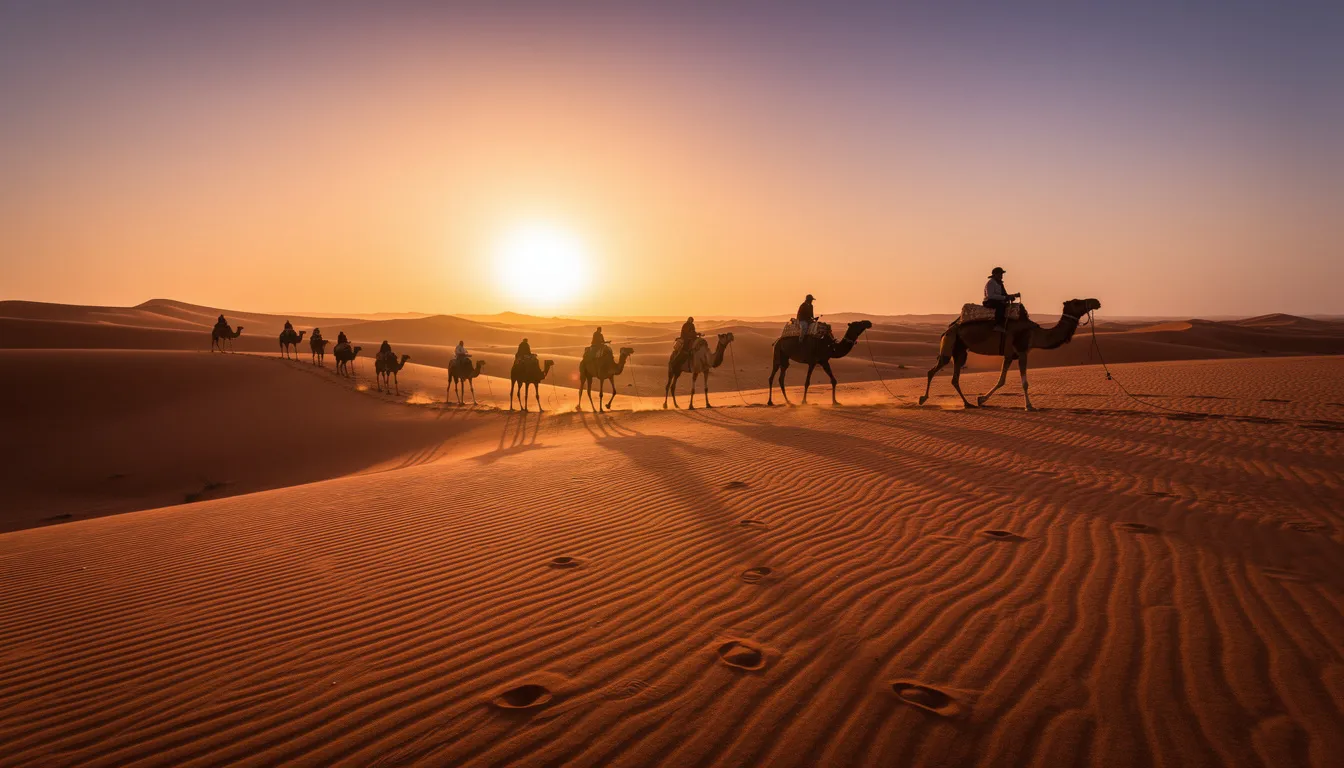
Typical 2-3 day Merzouga or Erg Chigaga desert tours follow a familiar pattern: drive from Marrakech or Fez through the Draa Valley, sunset camel ride into the dunes, overnight in a Berber-style camp, and sunrise over the dunes before returning. Most visitors go between October and April when temperatures are manageable.
Your main luggage stays at a guesthouse while you pack a day-sized bag for the desert trip:
Clothing:
1-2 sets of lightweight, breathable clothes
Long-sleeve top and long trousers (sun and sand protection)
Warm fleece or down layer (nights drop close to 0°C in January)
Scarf or shemagh for face protection
Sunglasses and wide-brim hat
Footwear:
Closed trainers or light hiking shoes (better than sandals for camel mounting and hot sand)
Thin socks to prevent rubbing from sand in shoes
Headlamp for navigating camp at night
Power bank (camps may lack charging options)
Personal medication
High-SPF sunscreen and lip balm
Small dry bag for electronics
1.5-2L water capacity between refills
Pack heavy items near your back and centered for balance. Keep frequently used items—water, camera, scarf—in easily accessible pockets. Store sand-sensitive electronics in ziplock bags; fine desert sand gets everywhere.
Travelers booking Sahara experiences with Morocco Classic Tours receive clear pre-departure packing instructions and can store larger backpacks safely in Marrakech, Fez, or Merzouga.
Backpackers often combine DIY city travel with guided segments for safety and logistics. You don’t need a tour to explore Marrakech or Essaouira, but crossing the Sahara or summiting Toubkal is different.
Trip Type | Duration | Key Stops |
|---|---|---|
Sahara Desert Loop | 2-4 days | Marrakech → Ait Ben Haddou → Merzouga → Fez |
Mount Toubkal | 2-3 days | Imlil → Toubkal Refuge → Summit → Imlil |
Atlas Valley Trek | 1-2 days | Imlil → Berber villages → Waterfalls |
Cultural Circuit | 3-5 days | Fez → Chefchaouen → Volubilis (Roman ruins) → Meknes |
Look for tour companies with:
Small groups or private departures
Transparent pricing in Moroccan Dirham
Flexibility for hostel/riad pick-up
No surprise carpet-shop commissions
Clear itineraries are published before booking
Morocco Classic Tours offers private and tailor-made versions of these trips with clear inclusions and backpacker-level pricing options.
Before booking, clarify:
Maximum group size
Guide language (English, French, Arabic)
Which meals are included
Camp standards (basic shared facilities vs. private bathrooms)
Vehicle type and condition
Policy for weather or road changes
Morocco Classic Tours, headquartered in Fez, works with vetted desert camps and local driver-guides. They customize backpacker-level itineraries that balance budget constraints with authentic, immersive experiences.
These three itineraries scale from a quick highlights tour to a comprehensive month-long loop hitting all the major cities and hidden gems.
Day | Location | Nights | Transport |
|---|---|---|---|
1-2 | Marrakech | 2 | Arrival |
3 | Ait Ben Haddou & Ouarzazate | 1 | Bus/Tour |
4-5 | Todra or Dades Gorge | 1-2 | Bus/Tour |
6 | Merzouga (Sahara camp) | 1 | Tour |
7 | Fez | 1 | Tour/Bus |
This route works independently by bus or as a compact private tour. Morocco Classic Tours can combine these stops with backpacker-style accommodation at guesthouses along the route. | |||
Marrakech (3 nights): Medina, day trips to Ouzoud Falls or Ourika Valley
Imlil/High Atlas (2 nights): Trekking, Berber villages
Sahara via Merzouga (2 nights): Including desert camp
Fez (2 nights): Tanneries, medina exploration
Chefchaouen (2 nights): Blue city, relaxed vibe
Essaouira or Taghazout (2-3 nights): Surfing Morocco, coastal city charm
Return to Marrakech or fly out from Casablanca.
For the full Morocco overland experience:
Week 1: Marrakech → Atlas villages → Sahara Desert → Fez
Week 2: Fez → Meknes & Volubilis → Chefchaouen → Tangier or Asilah
Week 3: Rabat → Casablanca (Hassan II Mosque) → Essaouira
Week 4: Taghazout (surfing) → Agadir → Return to Marrakech
For those interested in Morocco’s Atlantic coast and surf towns, here’s a quick comparison of popular routes:
Route Option | Key Stops | Best For | Transport Options |
|---|---|---|---|
Marrakech → Essaouira | Essaouira | Culture, relaxed vibe | Bus, shared taxi |
Marrakech → Taghazout | Taghazout, Agadir | Surfing, beach towns | Bus, private transfer |
Marrakech → Imsouane | Imsouane, Tamraght, Taghazout | Surf progression, chill | Bus, shared taxi |
Casablanca → El Jadida | El Jadida, Oualidia, Safi | Offbeat coast, seafood | Train, bus, shared taxi |
Morocco remains budget-friendly, typically cheaper than Western Europe and comparable to cheaper parts of Eastern Europe or Southeast Asia for food and local transport.
The Moroccan Dirham (MAD) is the local currency and is a closed currency, meaning it cannot be obtained outside of Morocco. You will need to withdraw cash from ATMs or exchange money upon arrival. ATMs are widely available in major cities and tourist areas, but it’s wise to carry some cash for rural regions and smaller towns where card payments are less common.
Category | Budget Range (MAD) |
|---|---|
Hostel dorm | 80-150/night |
Private room (guesthouse) | 200-350/night |
Basic restaurant meal | 40-80 |
Street food snacks | 10-25 |
Long-distance bus (Marrakech-Fez) | 180-250 |
Mint tea | 10-15 |
Fresh orange juice | 5-15 |
Ultra-Budget (250 MAD/day):
Hostel dorms only
Street food and Moroccan soup for meals
Local buses exclusively
Limited activities
Comfortable Backpacker (300-450 MAD/day):
Mix of dorms and private rooms
Occasional restaurant meals
CTM/Supratours buses
Some paid activities
Active Traveler (500-700 MAD/day):
Adding Sahara tours or Atlas treks
Surf lessons
More comfortable accommodation
Guided day trips
Haggle in the local market and for non-metered taxis
Eat at spots where taxi drivers and workers take lunch
Book bus tickets in advance via the CTM/Supratours websites
Avoid overpriced desert tours sold on the street
Use market stalls for snacks instead of tourist restaurants
Morocco Classic Tours provides cost-transparent packages where you know exactly what a 3-day Sahara tour or 2-day Atlas trek costs before departure, eliminating haggling stress.
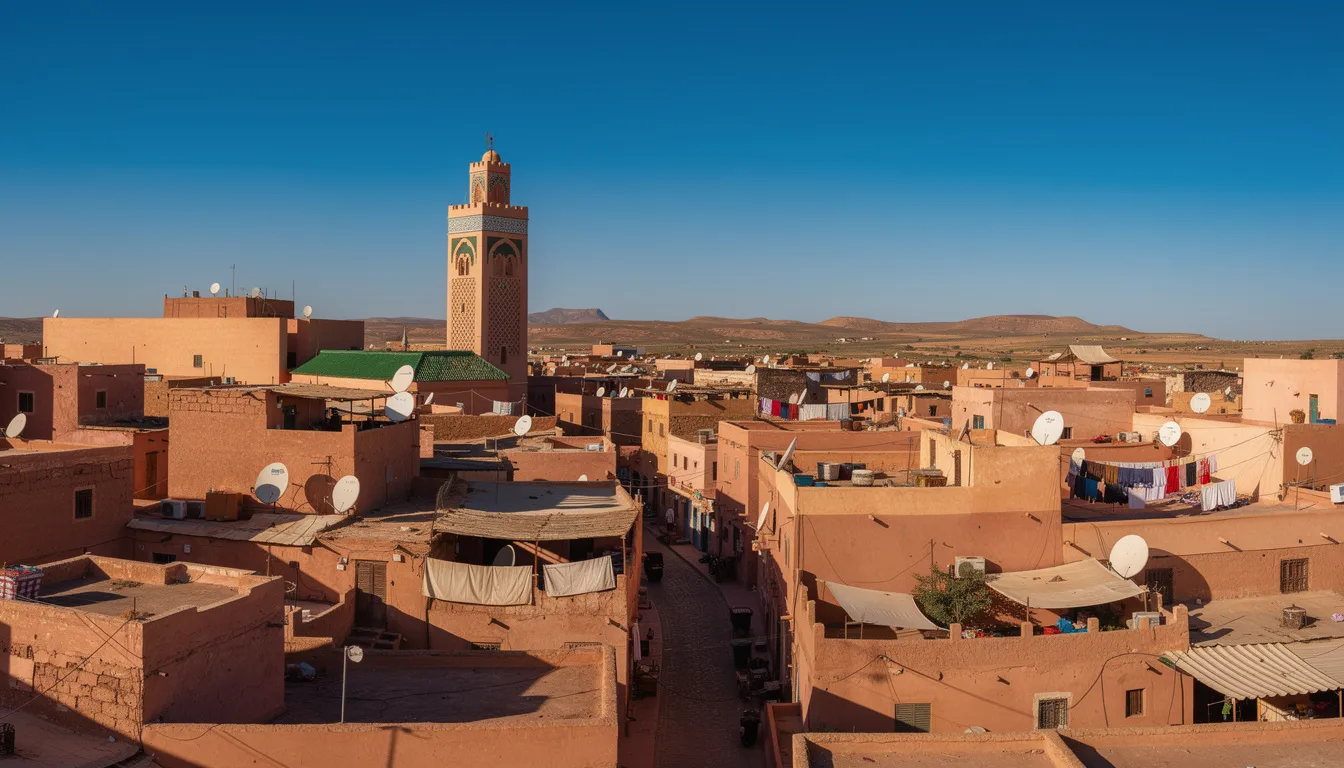
Morocco is generally safe for backpackers, including solo travelers and Australian tourists. Most common issues involve petty scams, overcharging, and occasional harassment in crowded medinas—not violent crime.
Violent crime against tourists is rare, especially in popular tourist destinations like Marrakech, Fez, Chefchaouen, and Essaouira. Police presence in tourist zones is strong, and penalties for harming foreigners are severe. The Moroccan population generally views tourists as guests to be protected.
Keep valuables in a money belt or inside pocket in medinas
Avoid walking with a phone in hand in busy alleys at night
Ignore unsolicited “guides” offering directions (common scam in Fez)
Confirm taxi fares before entering when the meters aren’t used
Report any serious incidents at the local police station
Check the latest DFAT SmartTraveller advice before departure
Register your travel details with the Australian government
Ensure travel insurance covers trekking above 3,000m and desert activities
Note that Australia has no embassy in Morocco (the nearest is in Cairo or Paris)
Booking Sahara and high-mountain trips with established local operators like Morocco Classic Tours (with licensed guides and maintained vehicles) reduces risk compared to unregulated street touts who approach backpackers near the bus station.
While proof of insurance isn’t currently required to enter Morocco, it’s strongly recommended—especially for backpackers trekking in the Atlas, surfing the Atlantic, or venturing deep into rural areas of the Sahara.
Coverage Type | Why It Matters |
|---|---|
Emergency medical treatment | Moroccan hospitals vary in quality |
Medical evacuation | Getting from Imlil or Merzouga to Casablanca |
Trip interruption/cancellation | Unexpected changes to your Morocco itinerary |
Baggage loss or theft | Common in crowded medinas |
Adventure sports add-ons | Required for hiking above 3,000m or camel treks |
Many global backpacker insurance brands offer Morocco-inclusive plans. Australians should choose insurers recognized by consular services and familiar with North Africa claims. World Nomads, SafetyWing, and Allianz all cover Morocco, but verify altitude and activity exclusions carefully.
Buy insurance before leaving home.
Read altitude exclusions (some policies exclude above 3,000m without add-ons)
Carry digital and printed copies of your policy
Save emergency contact numbers offline
Morocco Classic Tours can help guests communicate with hospitals or police during incidents, but cannot replace proper travel insurance.
Many nationalities—including most of Europe, the USA, Canada, the UK, and Australia—receive visa-free entry to Morocco for up to 90 days for tourism. However, rules can change, so always verify before booking flights.
As of current practice, Australian passport holders typically do not need a visa for stays up to 90 days. Requirements include:
Passport valid for at least 6 months beyond the entry date
Proof of onward travel or return ticket
Accommodation address for the arrival card
Verify current requirements on the Moroccan consulate website before traveling, as this is an Islamic country with its own entry procedures.
At airports like Marrakech Menara, Casablanca Mohammed V, Fez Saïss, or Tangier Ibn Battuta:
Fill out the arrival card (provided on the plane or at immigration)
Provide your first accommodation address
Receive a passport stamp with an entry number
Proceed through customs
Extensions beyond 90 days are complex, requiring police registration and strong justification. Plan your backpacking trip within the 90-day window to avoid bureaucratic headaches.
Those booking longer circuits with Morocco Classic Tours can receive official booking confirmations useful for immigration officers asking about plans and accommodation.
Morocco is easy to traverse by public transport. Trains connect major cities, buses cover longer routes, and shared taxis fill the gaps. You won’t need a car unless venturing to very remote areas.
Al Boraq high-speed line: Tangier-Kenitra-Rabat-Casablanca (Africa’s first high-speed rail)
Conventional lines: Extend to Marrakech and other Moroccan cities
Second class: Usually sufficient for budget travelers
First class: Worth it for long routes with a big pack (more legroom, guaranteed seat)
CTM and Supratours operate reliable, air-conditioned coaches linking:
Marrakech ↔ Fez (approximately 7 hours)
Marrakech ↔ Essaouira (3 hours)
Fez ↔ Chefchaouen (4 hours)
Most touristy cities and smaller destinations
Buy tickets a day ahead during high season. Budget a small fee (10-20 MAD) for checked backpacks stored in the luggage compartment.
Petit taxis: Within cities, metered (or should be), carry up to 3 passengers
Grand taxis: Between nearby towns, shared with 6 passengers, fixed routes
Backpacks typically go in the boot. Always agree on a fare in advance if there’s no meter.
Renting makes sense for 4-5-day Anti-Atlas and Atlantic coast road trips. However, driving in major cities is chaotic, and many backpackers prefer joining Morocco Classic Tours for remote segments rather than self-driving in unfamiliar territory.
Morocco blends classic backpacker hostels with traditional Moroccan houses (riads) and Berber guesthouses, plus Sahara camps ranging from simple to luxurious.
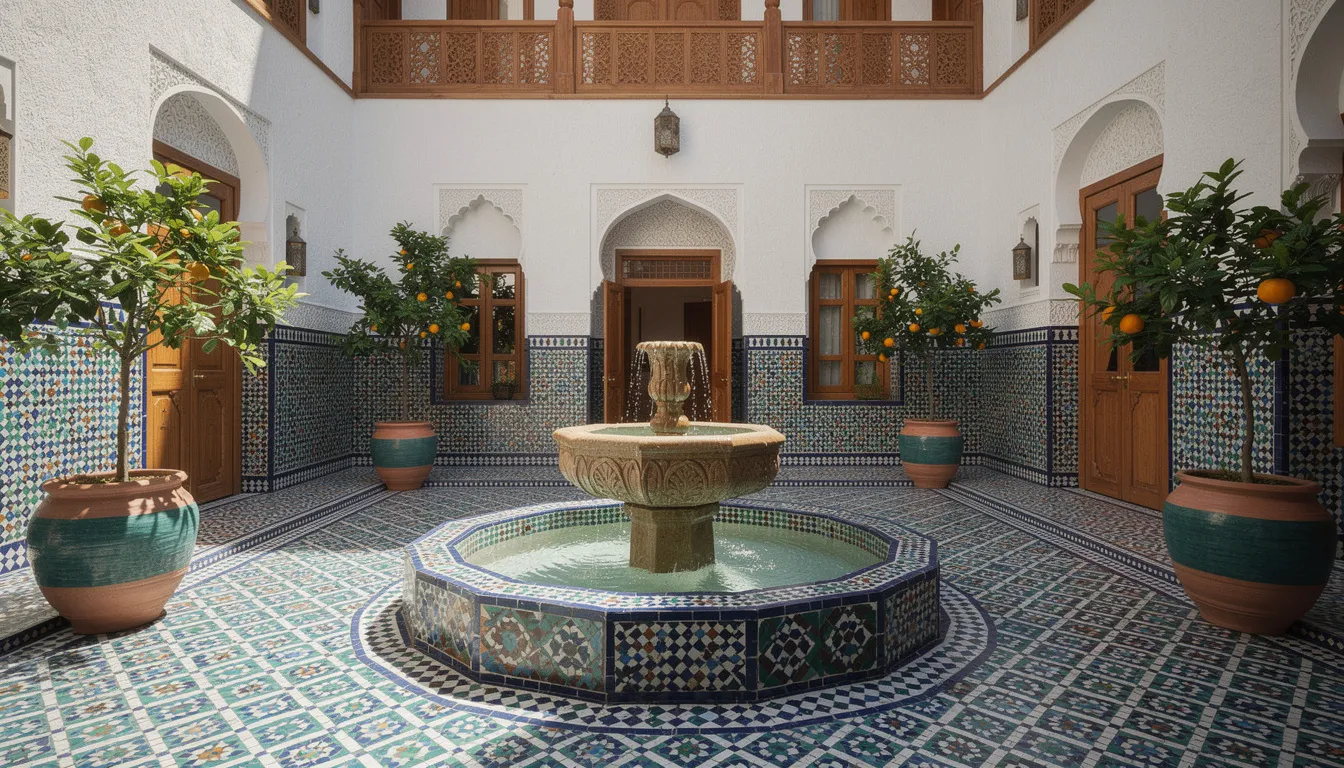
The hostel scene in Morocco has exploded over the past decade. Expect:
Dorm prices: 80-150 MAD in Marrakech, Fez, Chefchaouen, Essaouira
Setting: Often renovated riads with rooftop terraces
Included: Free breakfast (mint tea, bread, jams, Moroccan pancakes)
Vibe: Social common rooms, travel advice, organized activities
Most budget accommodation instead comes in the form of riads—traditional Moroccan guesthouses built around a central courtyard. Riads are often affordable and a common form of budget accommodation, offering a unique cultural experience alongside comfort and value.
Traditional houses are built around a central courtyard with tiled decor and often feature a rooftop terrace. Private room options suit couples or small groups wanting more privacy:
Budget riads: 200-400 MAD for doubles
Mid-range: 400-800 MAD with better amenities
Features: En-suite bathrooms, breakfast included, air conditioning in summer
Near Merzouga and Erg Chebbi, camp options vary significantly:
Camp Type | Features | Price Range |
|---|---|---|
Basic | Shared washrooms, simple meals, mattresses in tents | 300-500 MAD |
Comfort | Proper beds, hot showers, better food | 500-800 MAD |
Luxury | Private bathrooms, solar power, full amenities | 800-1500+ MAD |
Morocco Classic Tours can book camps to fit backpacker budgets while ensuring reliable standards. | ||
Reserve your first night in Marrakech or Fez in advance (arriving without a booking invites hassle from touts)
Book Sahara camps and Toubkal refuge spots ahead of time during the October-April high season
Only a few days’ notice is usually fine for other cities during the shoulder season.
Morocco spans hot deserts, cool mountains, and breezy coasts. Layered, modest clothing works best for a month-long trip.
Tops:
2-3 lightweight long-sleeve shirts
2-3 T-shirts
Bottoms:
2 pairs of breathable long trousers
1 pair of shorts (beaches and hostels only)
Layers:
1 light fleece
1 packable insulated jacket (Atlas nights)
1 lightweight rain jacket (winter in northern Morocco)
Both men and women should bring clothes that cover their shoulders and extend at least to the knee in Moroccan cities and rural areas. Women don’t need a headscarf, but a scarf can be useful in conservative villages and doubles as sun protection in the desert.
The Muslim faith influences dress expectations, particularly in smaller towns away from coastal city tourist zones.
One pair of sturdy trainers or light hiking shoes (main walking shoes)
One pair of sandals or flip-flops (hostel showers, coastal towns)
Hiking boots optional unless doing technical high-mountain routes
Universal plug adaptor (Morocco uses European Type C/E)
Power bank (not all accommodations have convenient outlets)
Lock for hostel lockers and backpack zips
Compact microfibre towel
Basic first-aid kit
Water-filter bottle or purification tablets for rural areas
Packing cubes for organization in busy dorms
While many backpackers travel independently between cities, using a reputable local operator for Sahara, Atlas, or remote routes improves safety, comfort, and cultural depth.
Look for operators with:
Official registration as a Moroccan travel agency
Clear online reviews across multiple platforms
Transparent itineraries with listed inclusions
Licensed guides and insured vehicles
Written confirmations before payment
Responsive communication via WhatsApp or email
Extremely low prices for multi-day desert tours (usually mean cutting corners)
Vague or constantly changing itineraries
Pressure to visit “friends’ shops” during tours
Lack of clear company contact details or physical address
Cash-only payments with no receipt
Based in Fez, Morocco, Classic Tours offers:
Private and small-group tours tailored to budget, mid-range, or higher-end preferences
Flexible pick-up from hostels or riads throughout major cities
English-speaking local guides with deep regional knowledge
Transparent pricing with no hidden fees
Contact Morocco Classic Tours with your rough budget and length of stay. The team will suggest backpacker-friendly, custom itineraries that integrate with your independent travel days.
Renting gear in Morocco lets backpackers avoid flying with heavy tents, sleeping bags, or surfboards—particularly useful for short treks or surf stops.
Major hubs like Imlil and some Marrakech outfitters rent:
Hiking poles (50-100 MAD/day)
Crampons for winter Toubkal ascents
Sleeping bags
Occasionally small packs
Check recent reviews and inspect gear before paying. Equipment quality varies significantly between providers.
Surf towns like Taghazout, Tamraght, and Imsouane offer abundant rental options:
Boards: 100-200 MAD/day
Wetsuits: 50-100 MAD/day
Board + wetsuit + lesson packages: 350-600 MAD
Reputable operators like Morocco Classic Tours typically include:
Tents and mattresses (for trekking and camping)
Sometimes sleeping bags
All camp meals
Transport and guides
This means backpackers only need personal clothing and small essentials, keeping pack weight manageable.
Confirm rental prices and deposit policies in writing (WhatsApp or email) before arrival to avoid misunderstandings.
Morocco is generally safe but can feel intense, especially in Marrakech and Fez medinas due to crowds, persistent vendors, and occasional catcalling. Understanding what to expect helps.
Practical strategies that work:
Stay in well-reviewed hostels or riads with good female traveler reviews
Avoid walking alone in poorly lit alleys late at night
Dress modestly (shoulders and knees covered)
Use registered guides or tours for the complex medinas in Fez
Share real-time location with friends or family
Stay near other tourists in the early morning or late evening hours
Coastal and smaller cities like Essaouira, Chefchaouen, and Rabat often feel calmer than the cosmopolitan city intensity of Marrakech. These make good “breaks” between more hectic destinations.
The relaxed atmosphere of ancient cities along the coast provides contrast to the market stalls and snake charmers of Marrakech’s main square.
Booking desert and mountain trips through established agencies like Morocco Classic Tours adds predictability compared to ad-hoc street bookings. You know who your guide is, what vehicle you’re in, and where you’re staying.
Trust your instincts, say a firm “no” when necessary, and remember that the majority of Moroccans are welcoming hosts who take pride in Moroccan life and hospitality.
March through May and late September through November offer ideal conditions. Temperatures are moderate enough that you can manage with a 40-50L pack holding light layers, without needing heavy winter gear or beach-only clothing.
Winter (December-February) works well for desert trips but requires warmer clothing for nights that can drop near freezing. July and August become uncomfortably hot for city sightseeing and desert treks, though central Morocco’s coast remains pleasant for surfing.
High-quality technical backpacks are still easier to buy before arrival. However, in big cities like Marrakech and Casablanca, outdoor and sports shops stock mid-range packs and daypacks at reasonable prices.
In trekking hubs like Imlil, rental focuses more on sleeping bags and hiking poles than full packs. Arriving with a reliable backpack remains the recommended approach.
While Moroccan food is traditionally meat-oriented, vegetarians find plenty of options: vegetable tagines, lentil and bean dishes, salads, Moroccan soup (harira can be made vegetarian), and egg-based plates in most cities.
Vegans need to be more proactive but can manage with vegetable tagines, salads, bread, olives, and abundant fresh fruit. Learn simple phrases in French or Arabic to explain dietary needs. Morocco Classic Tours can pre-arrange vegetarian or vegan meals on private tours and desert treks.
A minimum of 10-14 days allows you to experience Marrakech, a Sahara overnight, and at least one other region (Atlas Mountains or coast) without rushing.
Three to four weeks suits travelers wanting a slower loop including Fez, Chefchaouen, the Atlantic coast, and extra trekking days. Morocco Classic Tours can help design custom routes for any length.
Absolutely. Many backpackers travel independently between major cities by bus or train, then slot in one or two short private tours (like a 3-day Sahara trip or 2-day Atlas trek) for the logistically complex parts.
Morocco Classic Tours regularly builds these “hybrid” itineraries where travelers stay in hostels or simple guesthouses but enjoy professionally organized desert and mountain experiences. This approach fits a realistic backpacker budget while ensuring safety and quality for the adventure segments.
Ready to start planning your Morocco adventure? Whether you’re after a quick desert trip from Marrakech, a multi-day Atlas trek, or a fully custom month-long itinerary, Morocco Classic Tours can help design the perfect backpacking experience. Book Now
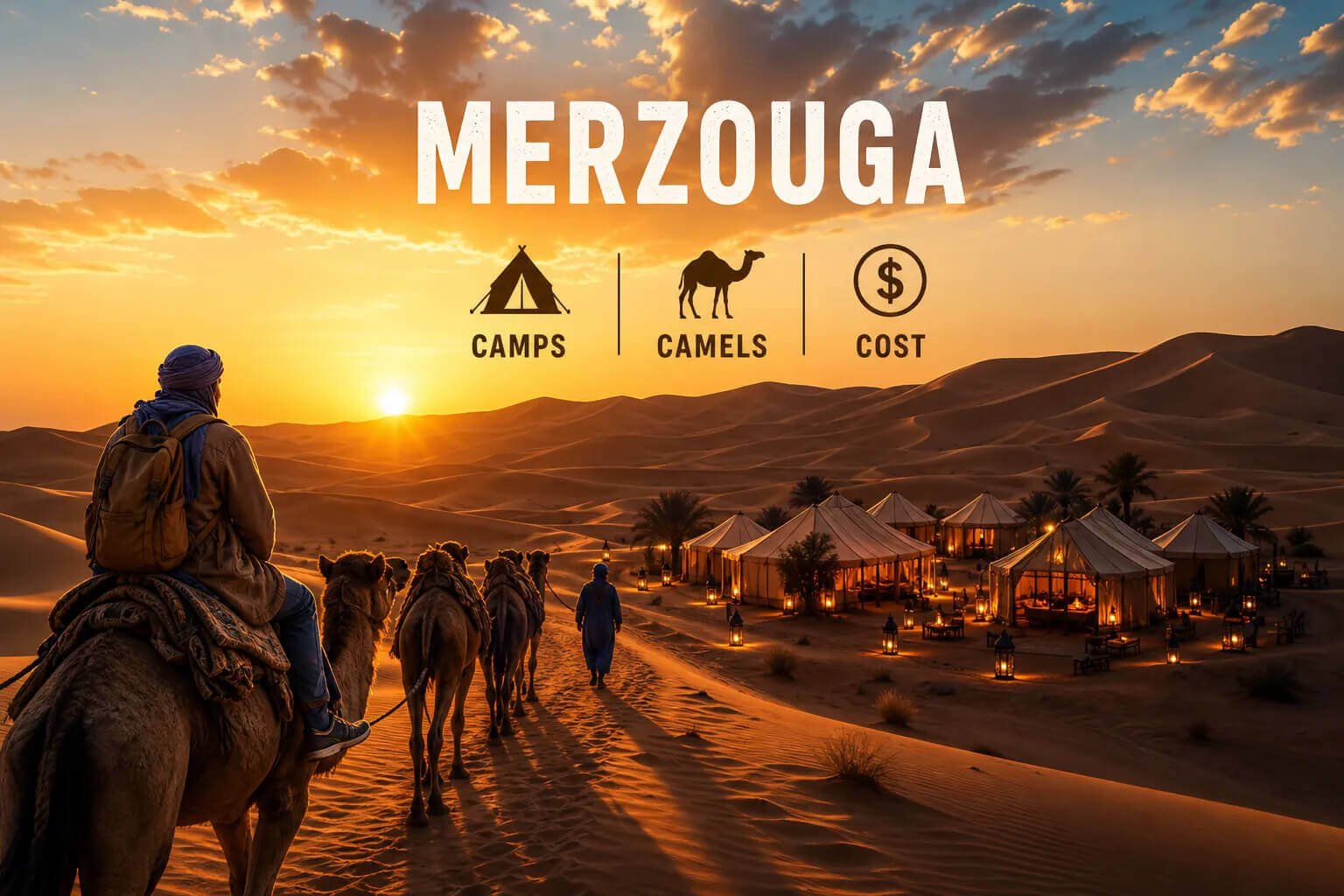
Join our Merzouga Overnight Tour for an authentic desert experience. Enjoy camel rides, comfortable ...
Read this article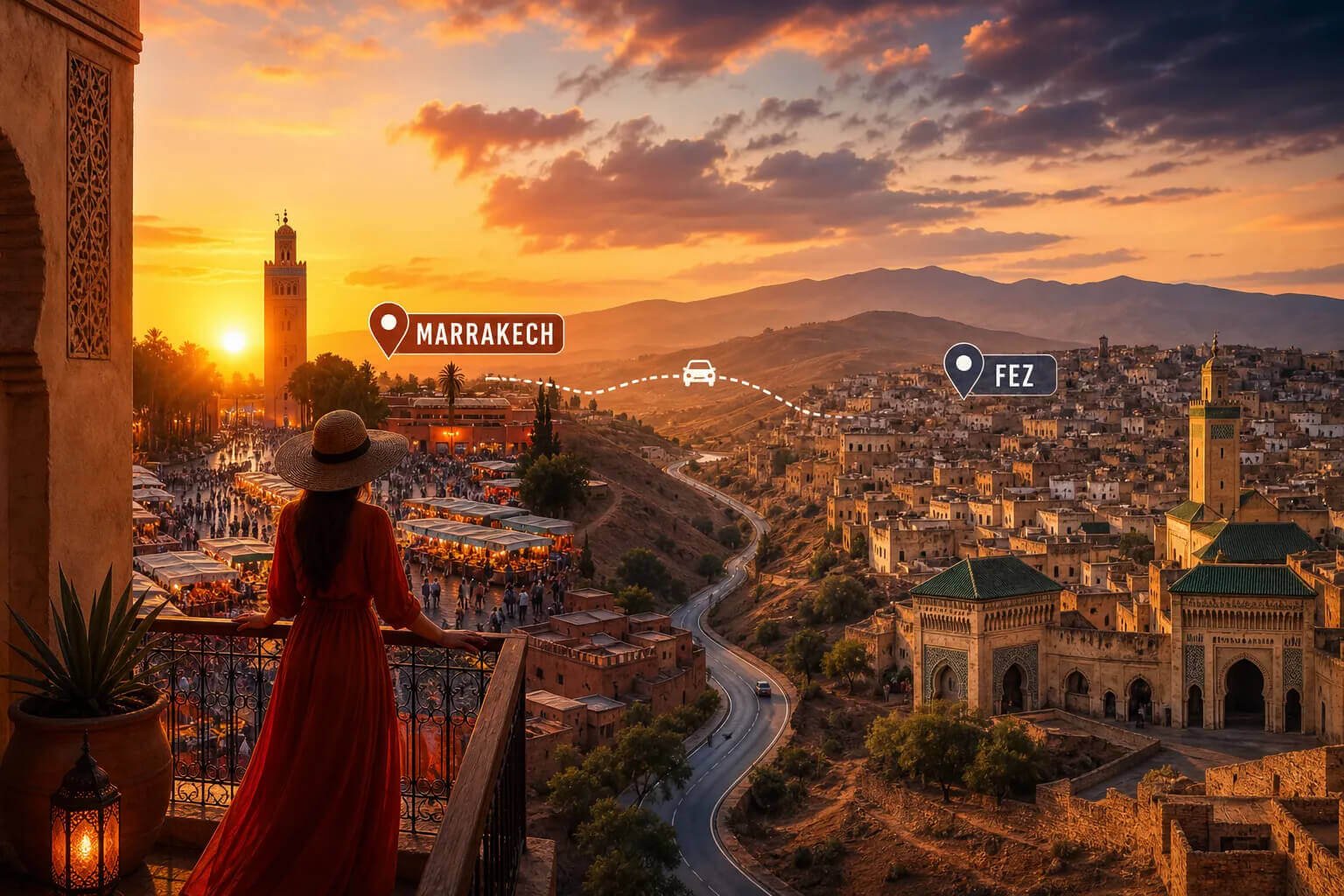
Discover the ultimate 10-day Morocco itinerary, exploring vibrant Marrakech to historic Fez. Experie...
Read this article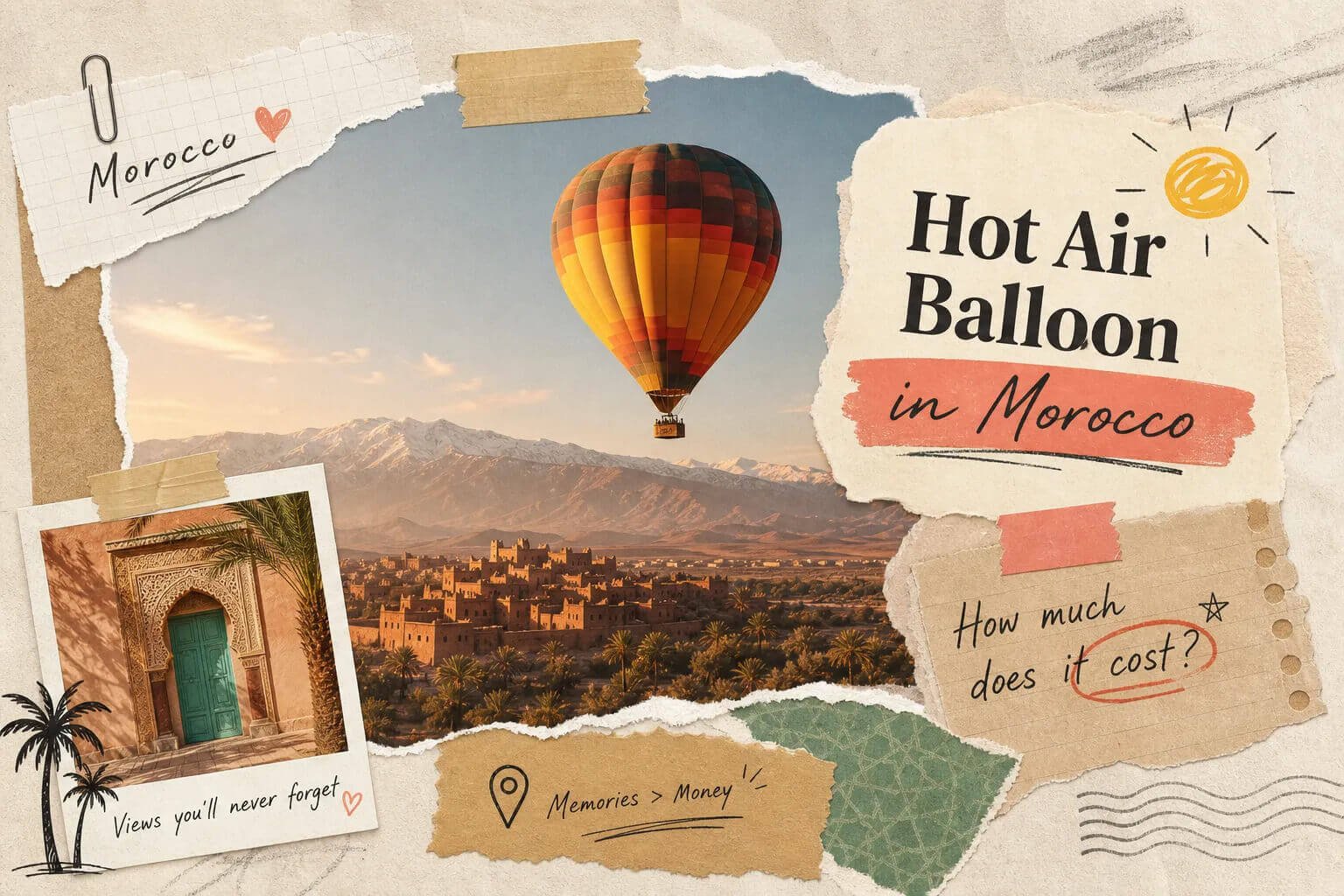
Discover the true costs of a hot air balloon ride in Morocco. Explore pricing, packages, and what to...
Read this articleWant cool tour deals and tips about Morocco? Enter your email and we’ll send them to you each month!