Group Tour Agencies in Morocco: How to Pick the Right One
Compare Morocco group tour agencies by trip style, reviews, pace, transport and inclusions. Learn wh...
Read this article
Private, custom Morocco trips planned in Fez by AZ-ZDDINE, working in Moroccan tourism since 2012. Sahara, Atlas, medinas and coast, arranged around you.
Traveling to Morocco from the USA is easier than many first-time visitors expect: no tourist visa for short stays, direct flight options from the East Coast, and a well-developed tourism network across the country. This comprehensive guide is designed specifically for Americans planning a trip to Morocco, covering everything you need to know about entry requirements, safety, health precautions, local etiquette, money matters, flights, packing tips, and frequently asked questions. Understanding these essential details is crucial to ensure your journey is smooth, safe, and culturally respectful, allowing you to make the most of your Moroccan adventure while avoiding common pitfalls and misunderstandings.
The part that takes planning is not whether you can go, but how to travel smoothly, respectfully, and safely once you arrive in North Africa.
Morocco is generally safe and considered safe for American tourists, but the U.S. government advises travelers to exercise increased caution because of terrorist threats; stay alert in major tourist areas, transportation hubs, train stations, crowded medinas, and at night.
U.S. citizens can enter Morocco for up to 90 days without a visa. Morocco entry requirements include a valid passport, ideally with at least six months of validity from the date of entry, plus proof of return/onward travel, accommodation, and sufficient funds.
To stay healthy, routine vaccinations should be up to date before visiting Morocco; Hepatitis A vaccination is recommended for travelers to Morocco, and bottled water is recommended for drinking in Morocco because tap water in Morocco is not considered safe to drink.
Important unspoken rules: dress modestly, cover shoulders and knees, ask before photography, avoid public displays of affection, respect Islamic customs especially during Ramadan, and avoid revealing clothing.
Morocco Classic Tours can simplify a great trip with private Morocco trips, Sahara desert camps, guided medina walks, food tours, camel rides, Atlas Mountains excursions, and local guidance on transfers, tipping, etiquette, and safety.
Morocco is a stable and popular tourist destination for Americans, Europeans, and visitors from many countries. Most trips are trouble-free, and Morocco has a relatively low crime rate for tourists compared with many urban destinations around the world.
That said, no country is generally crime-free. The U.S. government advises high caution due to terrorist threats, and the standard advice is to exercise increased caution in tourist areas, public spaces, markets, transportation hubs, train stations, government buildings, and busy nightlife districts. There have been no major terrorist attacks targeting tourists since 2011, but travelers should still exercise caution and follow local security instructions.
The most common risks are practical rather than dramatic:
Petty crime is common; keep valuables secure in public.
Pickpocketing and bag snatching can happen in crowded souks and major cities.
Taxi scams and confusing fares are common with some taxi drivers.
Aggressive touts may approach tourists in medinas.
Driving in Moroccan cities can be chaotic, especially in Casablanca, Fes, and Marrakech.
Public beaches may be unsafe due to pollution, depending on the location and season.
For a safer trip, keep your passport copy separate from your valid passport, use a zipped day bag, avoid isolated alleys late at night, and do not join political and social demonstrations. If you see social demonstrations, move away quickly. The simple rule is: avoid demonstrations, even if they appear peaceful.
Women walking alone in daylight in Marrakech, Fes, Rabat, Essaouira, and other major cities are usually fine with normal awareness, but women may face harassment; traveling with companions is advised, especially at night or in quieter areas. Solo women often prefer guided transfers, local female guides, or a trusted tour guide for medina walks.
LGBTQ+ travelers should be aware that Morocco is socially conservative, and same-sex sexual conduct is illegal. Public discretion is strongly advised for same-sex couples in public places and other social establishments.
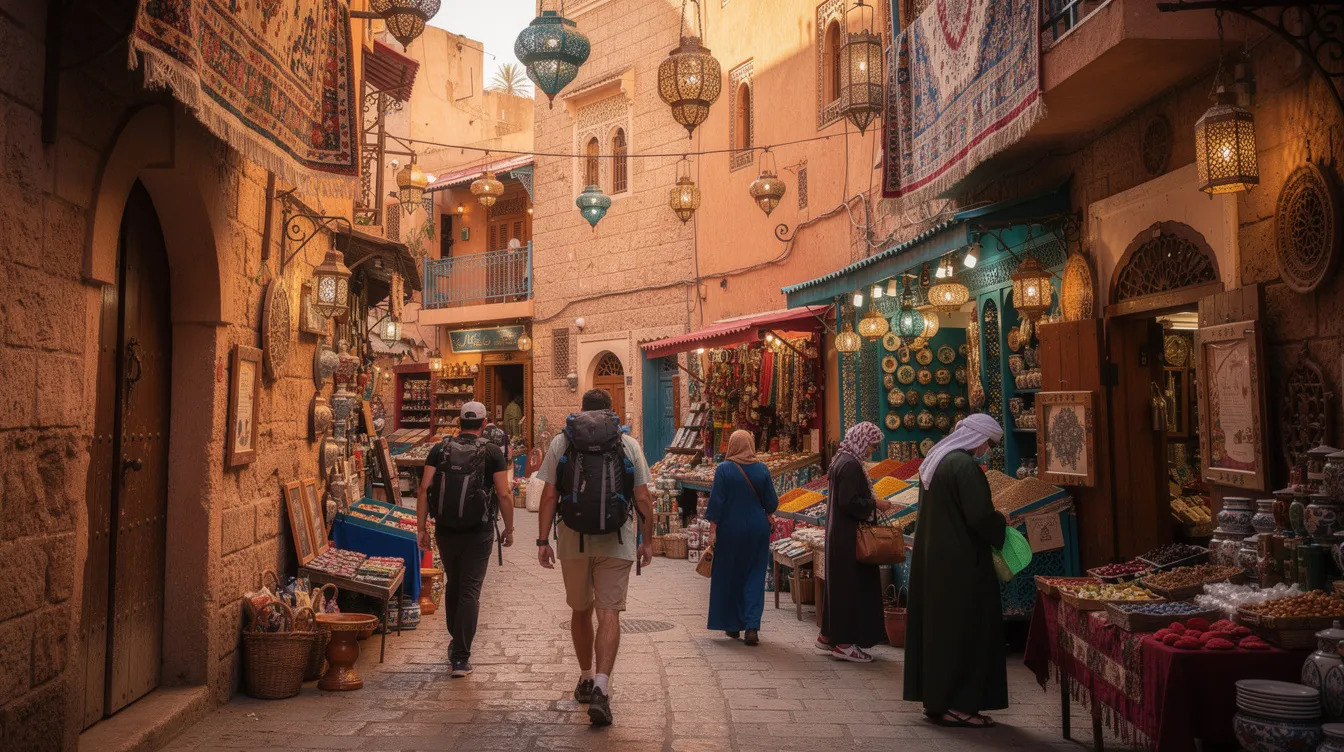
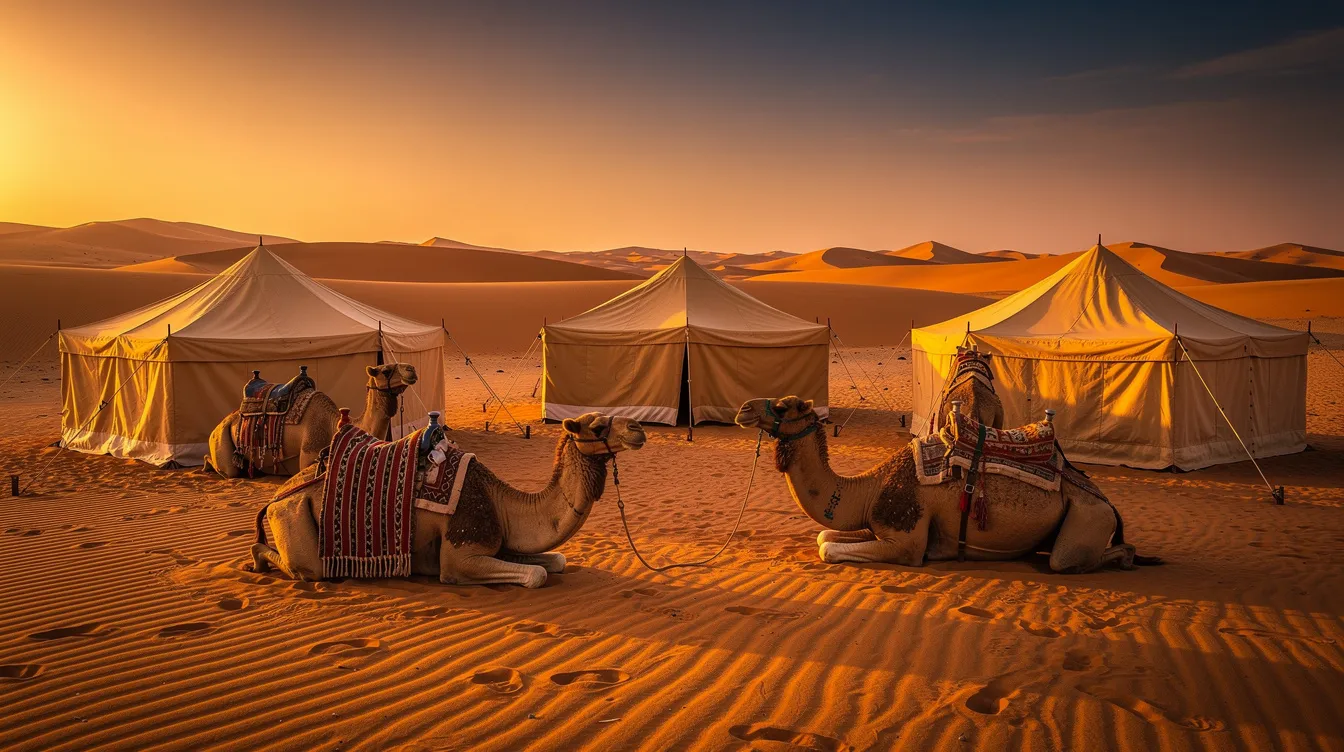
If you want fewer logistics and less street pressure, Morocco Classic Tours can arrange licensed guides, private transfers, guarded campgrounds, and reputable desert camps rather than isolated campsites.
The basic morocco entry requirements for U.S. citizens are straightforward. If you are visiting for tourism or short business travel, you do not need a visa for stays of up to 90 days.
Here is what U.S. citizens need to travel to Morocco in 2026:
Requirement | What Americans should know |
|---|---|
Passport | Passports must be valid for at least six months from the date of entry. |
Blank page | Keep at least one blank page for the entry stamp. |
Visa | U.S. citizens can enter Morocco for up to 90 days without a visa. |
Proof of travel | Immigration may ask for a return or onward ticket. |
Accommodation | Hotel, riad, or tour confirmation may be requested. |
Funds | Be ready to show sufficient funds if asked. |
Airlines may refuse boarding if your passport is damaged or too close to expiration, so renew early. While most nationalities have different rules, Americans should plan around the six-month passport standard. | |
The 90-day limit matters. Long-term travelers who overstay can face fines, exit delays, or legal complications. If you plan to remain longer, contact Moroccan authorities before the 90 days expire. Extensions and residence procedures are handled through the Moroccan government, not at the airport on departure day.
Also remember that entry rules can change. Before you visit, check updated requirements from the U.S. State Department and the Moroccan Embassy or Consulate, especially if you are arriving through Europe, other countries, or a region with special health rules.
Morocco has good basic healthcare in major cities such as Rabat, Casablanca, Marrakech, and Fes, but rural areas, desert routes, and mountain villages have fewer medical resources. A travel insurance policy with emergency evacuation coverage is strongly recommended, especially for the Sahara or Atlas Mountains.
Before you travel to morocco, review vaccines with a doctor or travel clinic:
Routine vaccinations should be up to date before visiting Morocco.
Hepatitis A vaccination is recommended for travelers to Morocco.
Typhoid is often recommended for food and water exposure.
Tetanus, MMR, influenza, polio, and other routine shots should be current.
Yellow fever vaccination is not required when arriving directly from the USA, but may be required if arriving from certain other countries.
Insect repellent with DEET is advised to prevent bug bites.
Food and water habits matter. Moroccan cuisine features a mix of Arabic, Berber, and Mediterranean influences, and Moroccan food is one of the joys of the trip. Tagine is a popular Moroccan dish cooked in a traditional pot; couscous is often served with root vegetables in Moroccan meals, and street vendors in Morocco sell delicious and cheap oranges. However, Moroccan meals can be more expensive than in other developing countries in tourist-heavy areas.
To avoid stomach issues:
Bottled water is recommended for drinking in Morocco.
Tap water in Morocco is not considered safe to drink for visitors.
Use bottled water for brushing teeth during the first days.
Avoid ice unless you trust the hygiene.
Choose busy restaurants with high food turnover.
Peel fruit when possible.
Be careful with salads, undercooked meat, and street food if you have a sensitive stomach.
Pack a small health kit with rehydration salts, sunscreen, painkillers, personal prescriptions, and loperamide. Travelers should carry loperamide for diarrhea in Morocco, but use it carefully and seek medical help for fever, blood in stool, or severe dehydration.
Altitude sickness can affect travelers hiking near Imlil, Jebel Toubkal, and other High Atlas areas above 2,500–4,000 meters. Symptoms include headache, nausea, dizziness, and fatigue. Ascend slowly, hydrate, avoid overexertion, and ask your doctor about medication such as acetazolamide if you plan serious trekking.
The best times to visit Morocco are spring and autumn. Spring lasts from March to early June in Morocco, while autumn lasts from September to December in Morocco. These months are ideal for medinas, desert camps, hiking, and beach excursions because temperatures are more comfortable.
Morocco has several climate zones:
Atlantic coast: milder, breezier, and wetter in winter.
Imperial cities: warm spring and autumn, hot summers.
Atlas Mountains: cool evenings, snow in winter.
Sahara: hot days, cold nights, and wide temperature swings.
Summer temperatures can exceed 100 degrees Fahrenheit, especially in Marrakech, Fes, and desert regions. In some inland areas, temperatures can reach 100–115°F / 38–46°C. If you visit during summer, plan activities early in the morning or after sunset, drink water constantly, and choose riads or hotels with air conditioning.
Winter can be quite cold, especially in mountainous areas. Desert nights can also feel surprisingly cold, so bring layers. The rainy season affects northern and coastal areas more than the Sahara, but a light rain jacket is useful from late autumn through spring.
Ramadan changes the rhythm of daily life. Days may be quieter, restaurants may open later, and transport schedules can shift. Even though visitors are not expected to fast, respect Islamic customs, especially during Ramadan in Morocco, by avoiding obvious eating, drinking, or smoking in front of fasting locals in traditional areas.
Morocco Classic Tours can adjust your plan by season: cooler mountain escapes in summer, comfortable Sahara timing in spring or autumn, and slower first days for jet lag after long flights.
Morocco is a Muslim-majority society where the official religion is Islam. It is welcoming, but conservative. Small etiquette choices make a big difference.
Rule 490 in Morocco refers to Article 490 of the Moroccan Penal Code, which criminalizes sexual relations between unmarried heterosexual adults. Foreign visitors are rarely questioned about hotel rooms, but couples should be discreet and aware of the law. Same-sex relations are also illegal under Moroccan law, so LGBTQ+ travelers should be especially discreet in public places.
Do:
Greet people with “salaam alaikum” or “bonjour.”
Use the right hand when giving or receiving items.
Ask before photographing people.
Accept mint tea when offered, if you are comfortable.
Bargain politely in souks.
Carry small bills to pay fairly and avoid awkward change issues.
Don’t:
Criticize Islam, the monarchy, or the Moroccan government.
Photograph police, military sites, palaces, or government buildings.
Enter mosques that are closed to non-Muslims.
Get visibly drunk in public spaces or social establishments.
Give money directly to children.
Wear revealing clothing in conservative neighborhoods.
Photography generally requires asking for permission in Morocco. Some people may ask for a small tip after posing, especially in major tourist areas.
Bargaining is expected in Moroccan markets and shops. Keep it friendly. A smile and patience work better than aggressive haggling.
Respectful dress is important in Morocco; shoulders and knees should be covered. Dress modestly to respect local customs in Morocco, especially in medinas, villages, religious areas, and family-run riads. Tourists should avoid wearing revealing clothing in Morocco. Most Moroccan women wear hijabs or niqabs in public, though you will also see modern fashion in Casablanca, Rabat, Marrakech, and beach towns.
For American women, good choices include loose trousers, maxi or midi skirts, t-shirts, linen shirts, long dresses, and a light scarf. Leggings are more comfortable when paired with a longer tunic. A scarf is useful for sun, sand, and conservative settings.
The currency in Morocco is the Moroccan Dirham (MAD). Moroccan currency is a closed currency, which means you usually buy and sell it inside Morocco. Exporting Moroccan dirhams is prohibited, so spend or exchange leftover cash before leaving the country.
Bring a mix of cards and cash. Credit cards work in many hotels, riads, and upscale restaurants, but Morocco is still cash-based in souks, taxis, small cafés, and rural areas. Cash is widely used in Morocco; carry local currency. ATMs are the best option for withdrawing Moroccan Dirhams. Bring backup us dollars or euros for exchange at banks or official bureaus, not street money changers.
Typical tipping:
Service | Suggested tip |
|---|---|
Sit-down restaurant | 10–15% if service is not included |
Café | Small coins |
Porter | 5–20 MAD |
Short taxi ride | Round up or add 5–10 MAD |
Private driver | Tip per day based on service |
Tour guide | Tip more for full-day or multi-day service |
Petit taxis cost about 20-30 dirham for short rides in many cities, but prices vary. Ask taxi drivers to use the meter. If there is no meter, agree on the fare before getting in. Grand taxis are more expensive and require price negotiation, especially for intercity routes. | |
For transport:
Trains from Marrakech to Fez take about 8 hours.
Supratours buses offer comfortable long-distance travel options.
City buses are cheap but can be crowded and harder for first-time visitors.
Bus tickets for non-Moroccans can only be purchased in person on some routes and systems, so do not rely only on online booking.
Private transfers are best for airport arrivals, desert routes, and families.
Useful travel tips: buy a SIM or eSIM, download Google Maps offline, carry a power bank, and save morocco telephone emergency contacts. You should also keep your hotel address in French or Arabic in case you need help finding your way back.
Traveling to Morocco from the USA usually means flying into Casablanca or Marrakech. A nonstop East Coast flight to Casablanca takes around 7–9 hours. One-stop routes from other major cities often take 10–13 hours or more depending on layovers.
To find direct flights from the US to Morocco, start with Royal Air Maroc, which usually operates nonstop service from New York JFK to Casablanca CMN. Seasonal routes may appear or change, so check airline schedules early.
Best airlines to fly from the US to Morocco include:
Royal Air Maroc for direct service.
Iberia via Madrid.
Air France via Paris.
TAP Air Portugal via Lisbon.
British Airways via London.
Lufthansa via Frankfurt.
When comparing flights, look beyond the ticket price. Check baggage allowance, overnight layovers, arrival time, and whether you land in Casablanca or Marrakech.
A 7–10 day private itinerary with Morocco Classic Tours might look like this:
Casablanca arrival and Hassan II Mosque exterior visit.
Rabat and Chefchaouen.
Fes guided medina and food tour.
Middle Atlas drive toward the Sahara.
Merzouga desert camp with camel ride or ATV experience.
Todra Gorge and Dades Valley.
High Atlas crossing.
Marrakech guided tour.
Optional Essaouira beach excursion or Atlas Mountains day trip.
To book a Moroccan desert tour from the USA, reserve before arrival, especially in spring and autumn. Ask what is included: 4x4 support, camel rides, meals, camp comfort level, private bathroom availability, luggage handling, and driving times between Fes, Marrakech, Merzouga, or Zagora.
To book guided tours in Morocco from the US, use Morocco Classic Tours for private city tours, food walks, cultural immersion, hill and beach excursions, camel rides, quad biking, and luxury desert expeditions. This is especially useful if you are traveling with family, three friends, or a small group that wants flexible timing.
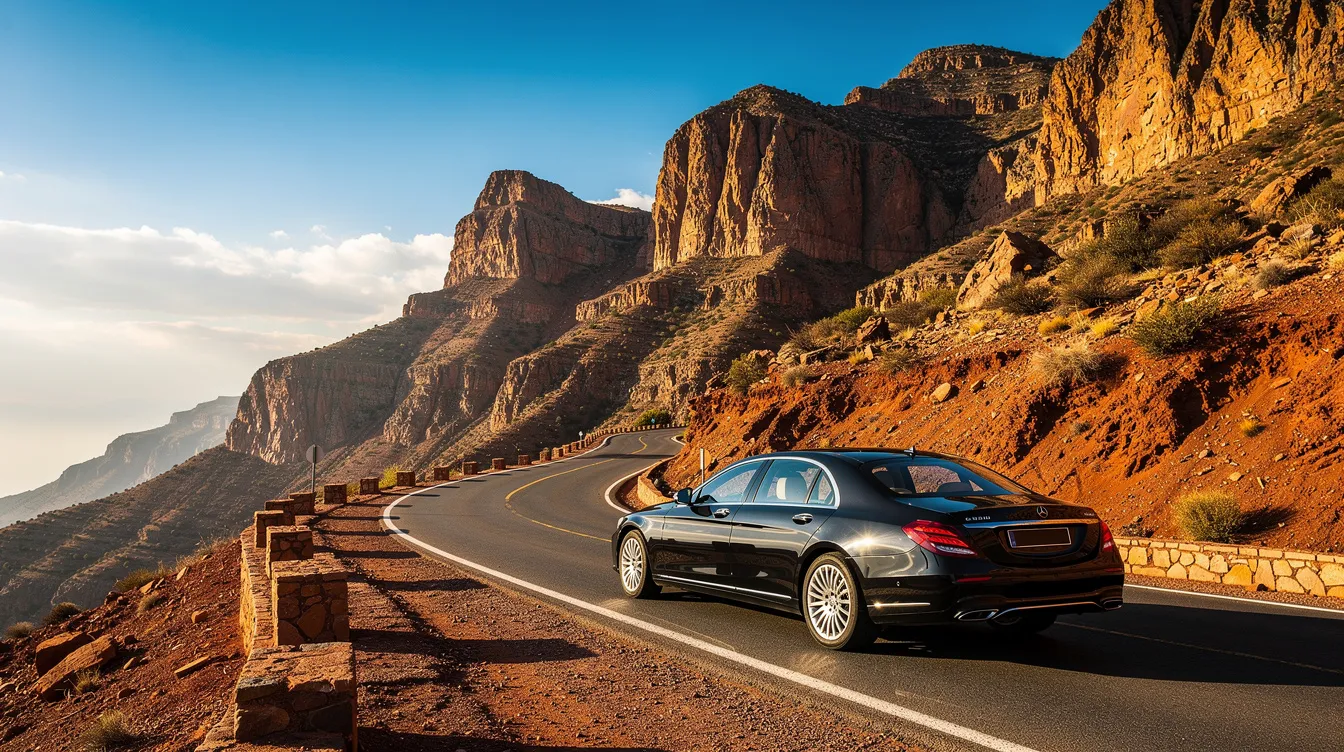
Packing for traveling to Morocco from the USA means preparing for a beautiful country with varied climates. A 7–14 day trip can include warm afternoons, cold desert nights, dusty medinas, polished riads, and mountain roads.
Core clothing:
Breathable long pants.
Maxi or midi skirts.
T-shirts and light long-sleeve shirts.
Loose tops that cover shoulders and cleavage.
Light sweater or fleece.
Packable jacket for winter or desert nights.
Comfortable walking shoes.
Sandals for riads.
Scarf or shawl.
One modest evening outfit.
For American women, avoid very short shorts, low-cut tops, and see-through clothing. Western clothing is common in the city, but modest cuts reduce unwanted attention and show respect.
Sun and weather essentials:
Wide-brim hat or cap.
Sunglasses.
High-SPF sunscreen.
Refillable water bottle.
Small umbrella or light rain jacket for winter and shoulder seasons.
Insect repellent with DEET.
Electronics and documents:
Universal adapter for Type C and E plugs, 220V.
Portable charger.
Unlocked phone for SIM or eSIM.
Noise-cancelling headphones for the flight.
Digital copies of passport, insurance, and tour confirmations.
Printed hotel and tour details.
For desert camps, add a headlamp, warm socks, and a sleep layer. For medinas, use a small zipped daypack. For pools or beaches, choose modest swimwear; a one-piece or covered two-piece is easier in family-friendly riads and public areas.
U.S. citizens can usually stay in Morocco visa-free for up to 90 days per entry for tourism or business. Count from the entry stamp in your passport. Overstaying can lead to a fine, delays at departure, or complications with future travel.
Visa and Mastercard are accepted at many hotels, riads, larger shops, and higher-end restaurants. Small cafés, taxis, markets, and rural stops often require cash. Use ATMs inside banks when possible, notify your bank before travel, and carry at least one backup card.
Yes, travel insurance is strongly recommended. Choose a travel insurance policy that covers medical care, emergency evacuation, cancellation, baggage, and planned activities such as camel riding, hiking, quad biking, or desert travel.
Alcohol is legal but regulated. It is available in many hotels, licensed restaurants, bars, and some other social establishments, but not usually in traditional medina restaurants. Drink discreetly, avoid open containers, and do not be visibly drunk in public.
Visitors should not rely on tap water. Bottled or properly filtered water is the safer choice, especially on short trips where stomach illness could disrupt the itinerary. Use bottled water for brushing teeth in the first days and avoid ice unless hygiene is clear.
Traveling to Morocco from the USA can be simple, safe, and deeply rewarding when you plan well. If you want private transfers, vetted guides, Sahara desert camps, cultural tours, and local support from arrival to departure, start planning your Morocco itinerary with Morocco Classic Tours and contact our team before your dates fill.
Compare Morocco group tour agencies by trip style, reviews, pace, transport and inclusions. Learn wh...
Read this article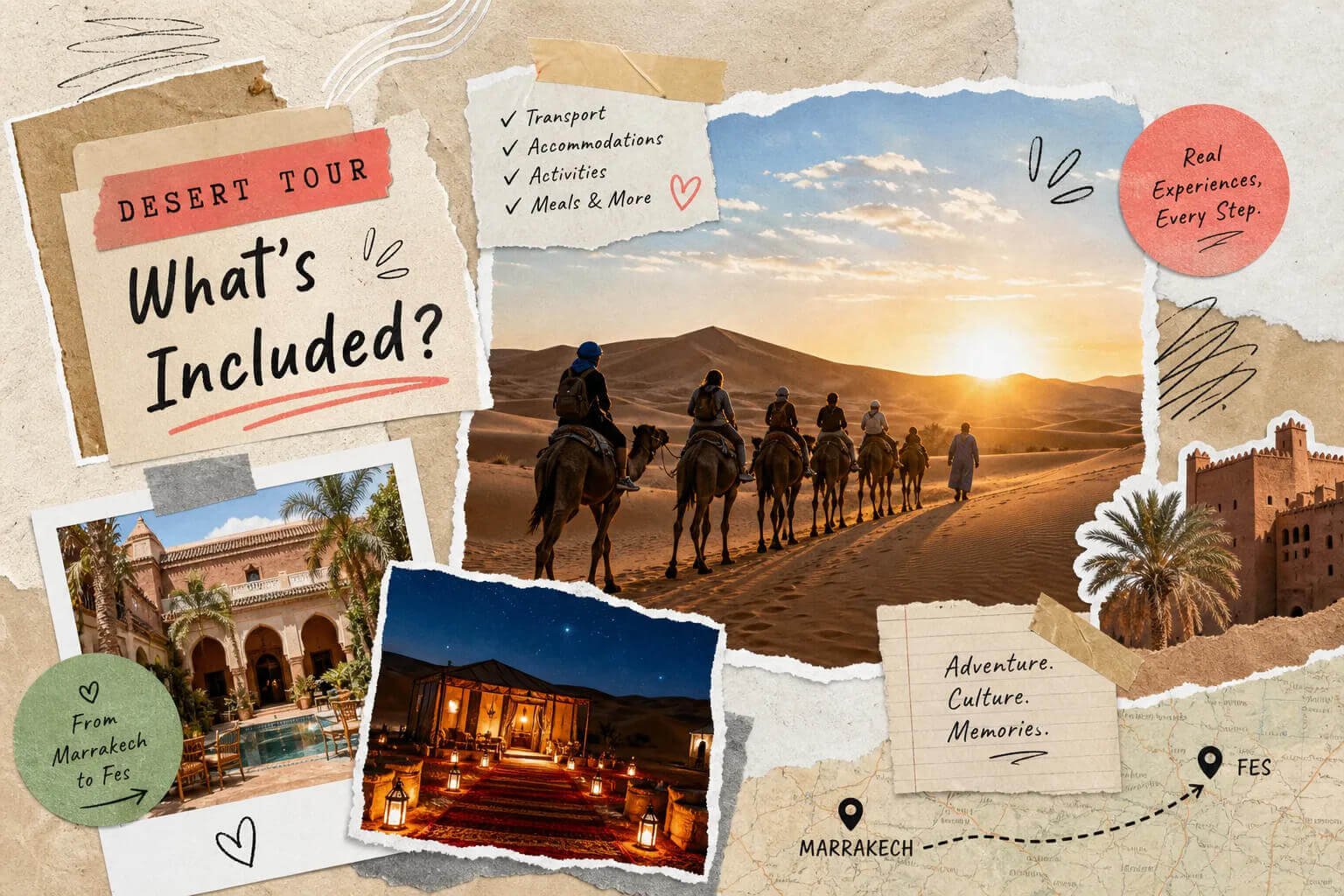
Uncover what a Marrakech to Fes desert tour offers, including camel rides, desert camps, and rich cu...
Read this article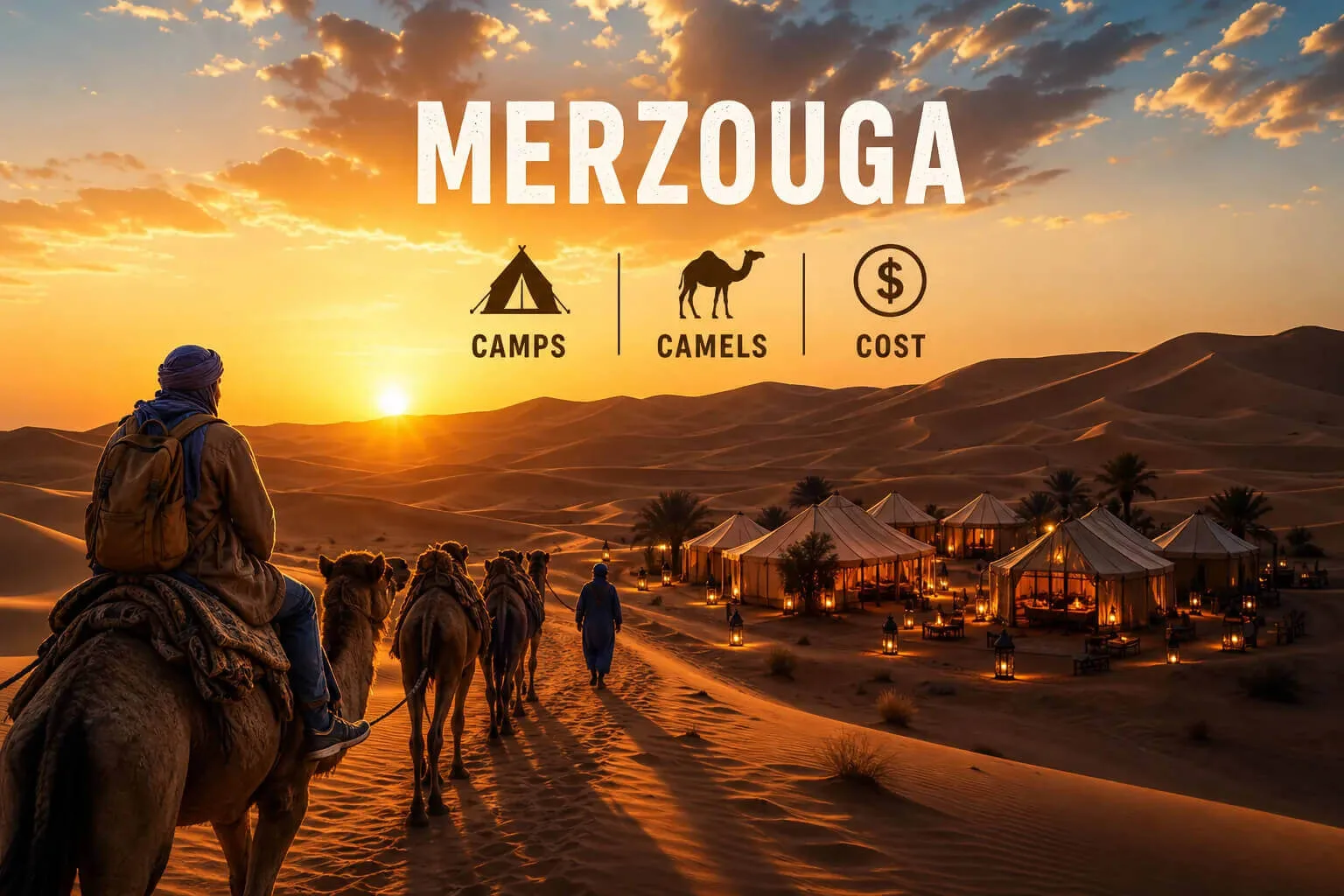
Join our Merzouga Overnight Tour for an authentic desert experience. Enjoy camel rides, comfortable ...
Read this articleWant cool tour deals and tips about Morocco? Enter your email and we’ll send them to you each month!
