Group Tour Agencies in Morocco: How to Pick the Right One
Compare Morocco group tour agencies by trip style, reviews, pace, transport and inclusions. Learn wh...
Read this article

Private, custom Morocco trips planned in Fez by AZ-ZDDINE, working in Moroccan tourism since 2012. Sahara, Atlas, medinas and coast, arranged around you.
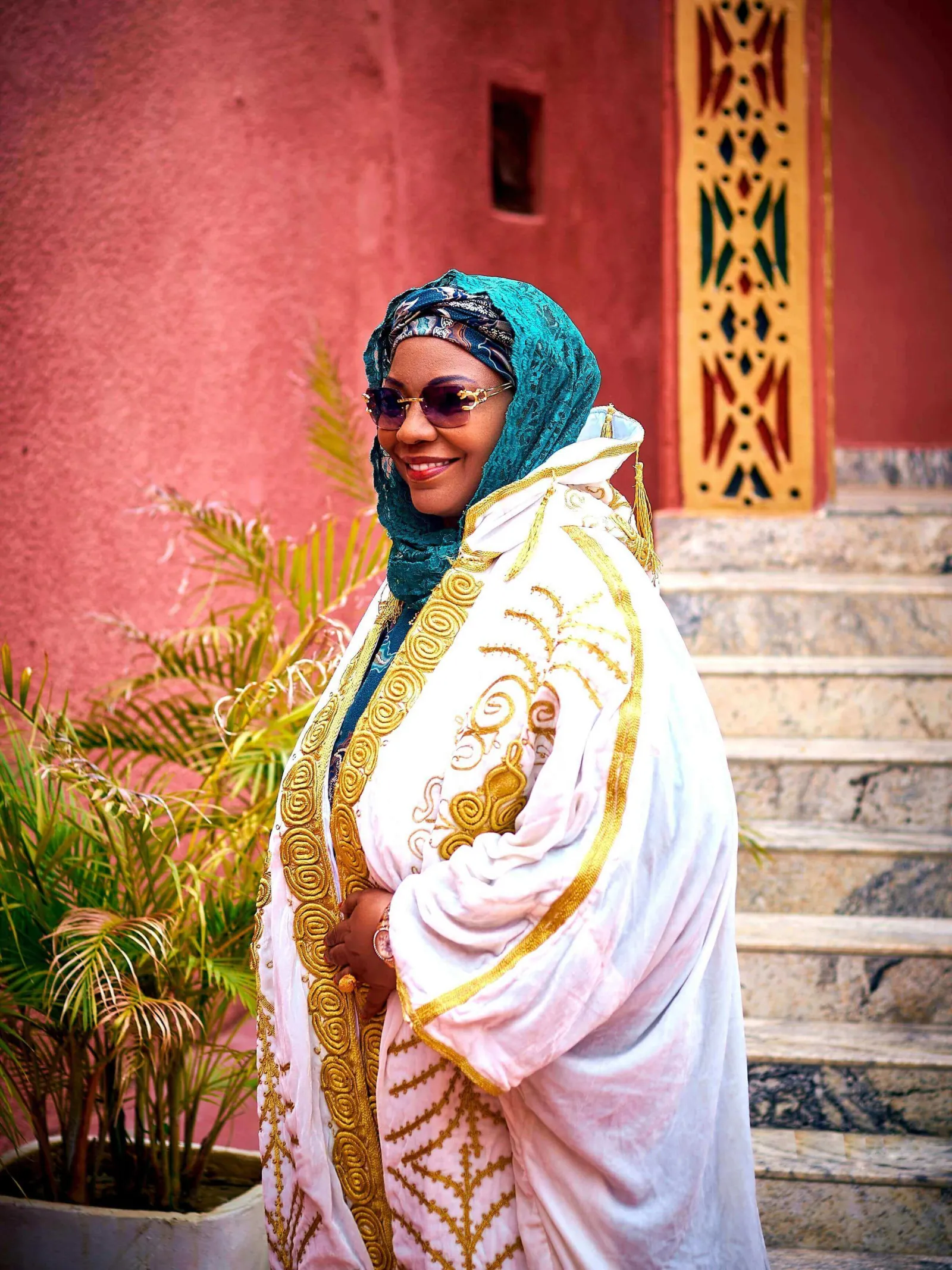
A woman traveling to Morocco can have a trip full of color, food, history, desert silence, and warm hospitality. She can also face moments that feel tiring: street harassment, persistent shop owners, maze-like medinas, and cultural norms that may be very different from her own country. This guide gives practical advice for visiting morocco safely and confidently in 2026.
Morocco is generally considered a safe country for female travelers, including solo women, but personal experiences vary, and women should use common sense, stay aware, and respect local customs.
Morocco is a conservative, predominantly Islamic country, but female tourists do not need to veil; modest dress that covers shoulders, chest, and knees helps reduce unwanted attention.
Most hassle is verbal: catcalling, persistent vendor attention, fake guides, taxi overcharging, and invitations from local men. Violent crime against tourists is uncommon on normal routes.
Jeans and leggings are fine when paired with longer tops. Bikinis are for hotel pools, riads, beach resorts, and private beach clubs, not city streets.
A reputable riad, hotel, private driver, or vetted local guide can make a first trip much easier, especially for a solo female traveller.
In 2026, Morocco is experiencing a strong tourism boom, and most female travellers still report positive experiences overall. This North African country can be warm, generous, and visually unforgettable, but it is also a challenging country for some Western women because public life is more male-dominated than in many places in Europe, North America, or Australia. Most female travelers assert that they felt safe in Morocco despite facing challenges.
Female tourists in Moroccan cities such as Marrakech, Fez, Rabat, Chefchaouen, and Casablanca are usually treated with curiosity rather than hostility. You may hear “Where are you from?”, “Beautiful lady,” “Come see my shop,” or even joking marriage proposals. Female tourists, including solo travelers, often receive unwanted attention from men in Morocco, and women traveling alone receive more attention and potential harassment compared to those traveling with companions.
A solo female will usually have a different experience from a woman traveling with a partner, friends, or family member. Traveling in a group, especially with men, may reduce unwanted attention for female travelers. Women traveling alone in Morocco may attract more attention compared to those traveling in groups, and women traveling alone may receive comments ranging from harmless greetings to uncomfortable flirting. The majority of interactions regarding unwanted attention by men are often harmless but may become uncomfortable.
Moroccan women navigate public and private spaces differently. You will see Moroccan women working in offices, shops, hotels, schools, and cooperatives, especially in major cities, but local women may be less visible in male-heavy cafés or late-night city streets. In urban Morocco, women are increasingly participating in public life and various professions, although traditional gender roles still largely persist. Moroccan women are often expected to spend time at home doing chores and caring for children, while men are seen as providers.
Violent crime against tourists is rare on the main travel routes, but petty crimes such as pickpocketing occur, especially in cities like Casablanca. Petty crimes like pickpocketing and scams are common in tourist areas of Morocco, including Marrakech and Casablanca. Most female travelers recommend remaining vigilant and aware of their surroundings while in Morocco.
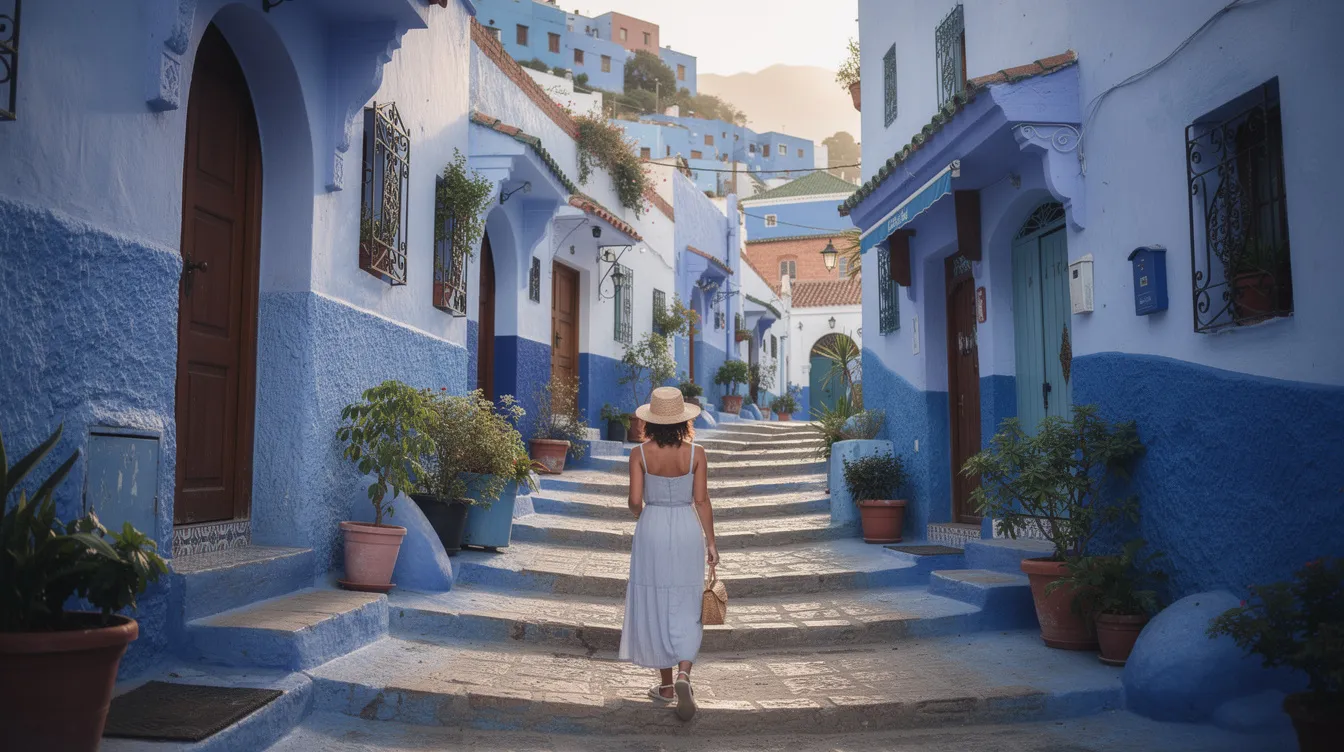
Morocco is a muslim country and a predominantly Islamic country where religion, family, tradition, and hospitality shape daily life. It is also a different country from one region to another: Casablanca and Rabat can feel modern and international, while countryside locations, mountain villages, and Sahara gateway towns may feel much more traditional.
Common cultural norms include respect for elders, modest public behavior, generosity to guests, and a strong separation between private family life and public street life. Moroccans are known for their hospitality; being invited for tea is common, and it is polite to accept when the situation feels safe and trusted. When invited into a home in Morocco, it is customary to remove your shoes before entering. Remove shoes before entering someone’s home as a sign of respect. Use your right hand for eating, greeting, and giving or receiving items, as the left hand is traditionally considered unclean.
Direct physical contact between unrelated men and women is minimal in public in Morocco. Women should avoid physical contact with Moroccan men unless they initiate a handshake as a sign of respect. Some local men may be friendly and welcoming, but interacting with men in informal settings can lead to unwanted attention for women, despite generally harmless intentions from the men. It is reported that Moroccan culture often leads men to invite women they do not know to engage in conversation, which can feel intrusive for women.
Despite advances in gender equality, women in Morocco still face societal expectations that reflect traditional gender hierarchies. Local Moroccan women often balance education, work, family expectations, and local culture with real strength. Moroccan girls and women are often admired for beauty, style, hospitality, colorful kaftans, cooking, and resilience, but visitors should avoid reducing them to stereotypes.
Cosmopolitan cities such as Marrakech, Casablanca, Rabat, Tangier, and Agadir are more relaxed than many rural areas. In these places, younger Moroccan women may wear skinny jeans, long hair uncovered, sleeveless tops, or knee-length skirts. In cosmopolitan cities like Marrakech, Casablanca, Rabat, and Agadir, wearing sleeveless tops and knee-length skirts is more common, but very revealing clothing should be avoided.
Rural areas, Atlas Mountains villages, small Sahara desert towns, and conservative inland communities usually have stricter expectations. In rural and conservative areas of Morocco, cultural expectations for women are more stringent, and modesty in dress is particularly emphasized.Women inMorocco should wearclothing that covers their shoulders, cleavage, and knees in smaller towns and rural areas.
In villages, keep clothing loose, avoid prolonged eye contact with men, greet older people politely, and be patient with slower rhythms. You do not need to speak Arabic fluently, but a few words help: “la, shukran” means “no, thank you,” and “safi” means “enough” or “that’s fine.”
Guided day trips and desert tours with Morocco Classic Tours make these transitions easier. A local driver can explain when a place is conservative, when to cover up, when to remove shoes, and when a friendly invitation is genuine.
In traditional settings, it is respectful to avoid prolonged eye contact with men. When interacting in public, women should avoid prolonged eye contact with men to prevent misinterpretation of their intentions. Direct, sustained eye contact and big smiles at unfamiliar men can be read as flirtatious rather than simply friendly, so brief, neutral eye contact works better in markets and when passing groups of local men.
Walk calmly and confidently. If someone follows you, talks too much, or makes you feel uncomfortable, use a firm “No, thank you,” “La, shukran,” or “I’m meeting my guide.” Many female travelers suggest ignoring unwanted comments to avoid further engagement. You do not have to keep your mouth shut about serious sexual harassment, but for ordinary catcalling, continuing to walk is often the simplest response.
Avoid loud arguments, public drunkenness, and obvious public affection, especially during Ramadan. During the holy month of Ramadan, it is considered polite for non-Muslims to refrain from eating, drinking, or smoking in public during daylight hours in Morocco. Cafes that are predominantly male may lead to unwanted advances when women sit there alone, so choose mixed cafés, family restaurants, hotel terraces, or riad rooftops if you want a calmer atmosphere.
Do females have to cover up in Morocco? Legally, no. There is no law requiring non-Muslim female visitors to cover their hair, and dress codes are not mandatory for female travelers in Morocco, but it is best to blend in to minimize unwanted attention. Tourists should dress conservatively to minimize unwanted attention in Morocco.
Is it okay for women to wear jeans or leggings in Morocco? Yes. Women can wear tight jeans without much issue in urban areas, especially among younger Moroccan women. Jeans or leggings are easiest when worn with a tunic, long shirt, or loose layer that covers the hips and backside.
Dress modestly: Cover your shoulders and knees, and avoid tight or revealing clothing to show respect for local customs. Dressing conservatively is essential in Morocco, generally covering shoulders, chest, and knees to show respect and minimize unwanted attention. Covering up while in Morocco is important as it shows respect for local customs and can lead to a better experience.
A lightweight scarf is a versatile accessory for women in Morocco, useful for added coverage and sun protection. Carrying a scarf can be handy not only for religious sites but also as protection against the sun or dust. Many female visitors buy a flowy dress, scarf, or djellaba locally because it is practical and helps them feel closer to Moroccan culture.
Good everyday outfits include:
Midi or maxi dresses with sleeves
Loose linen trousers and cotton shirts
Lightweight trousers or long skirts
Long cardigans, kimonos, or overshirts
Comfortable trainers or sandals for uneven Medina streets
It is common to see female tourists wearing long skirts or lightweight trousers to blend in more with local customs. Wearing comfortable but modest clothing is recommended to avoid drawing too much attention in Morocco. Wearing baggy clothing helps in minimizing unwanted attention and discomfort while traveling as a woman in Morocco.
Female travelers can wear jeans in Morocco. Skinny jeans are fine in major cities when balanced with a long top. Avoid very short shorts, mini-skirts, strappy crop tops, and low-cut tops in public streets because they attract attention from local men and older bystanders. Shorts are acceptable in resort areas, but knee-length shorts are advisable to minimize attention outside of those areas.
Avoid displaying expensive jewelry or electronics to deter petty theft while traveling in Morocco. Simple earrings, a watch, and a crossbody bag are better than flashy jewelry, visible designer items, or expensive cameras hanging loose in crowded areas.
What do I wear to a traditional Moroccan Hammam? In a neighborhood hammam, women’s sessions are women-only and practical rather than glamorous. Wear underwear or a two-piece swimsuit, bring plastic flip-flops, a towel, soap or black soap, and a kessa exfoliating glove if you are not booking a spa package. Nudity levels vary, but many local women keep bikini bottoms or underwear on.
Most mosques in Morocco are closed to non-Muslims. Non-Muslims are generally not permitted to enter most mosques in Morocco, but exceptions exist, like the Hassan II Mosque in Casablanca. For Hassan II Mosque, wear long trousers or a maxi skirt and cover your shoulders; a headscarf is optional but respectful. You can check practical visitor guidance through the mosque’s official information or general UK Morocco travel advice.
Bikinis are fine at riad pools, hotel pools, private beach clubs, and resort areas. On public beaches, many local women swim more covered, sometimes in leggings, long tops, or burkinis.
Yes, jeans and leggings are acceptable. Many younger Moroccan women in Rabat, Casablanca, Marrakech, and other cities wear skinny jeans daily. The key is styling: wear leggings with a long tunic, oversized shirt, or light sweater dress, not with a cropped top in old medinas.
Tight dresses are more acceptable in upscale restaurants, rooftop bars, or modern hotels in Marrakech and Casablanca than in small inland towns. Add a shawl, scarf, or long kimono when moving through conservative neighborhoods.
Morocco’s main risks for female travelers are scams, persistent selling, petty theft, and minor harassment, not kidnapping or violent assault on common tourist routes. Morocco is safe for female tourists as long as they practice travel safety precautions like in any other country. Morocco is generally considered safe for female travelers, but personal experiences may vary.
Important safety tips include dressing modestly, staying aware of your surroundings, and avoiding walking alone at night, especially in isolated areas. For women traveling to Morocco, important tips include dressing modestly by covering shoulders and knees, staying aware of your surroundings, and avoiding walking alone at night, especially in isolated areas. Using common sense, being aware of surroundings, and remaining vigilant are important for staying safe in Morocco.
Stay connected by purchasing a local SIM card for map access and emergency calls. Travelers should download tracking apps and keep devices protected when visiting Morocco. Share your live location with a trusted person, save your riad number, and use Google Maps or offline maps before entering the medina.
For safe travel after dark, women should stick to well-lit and populated areas and avoid poorly lit alleys in Morocco. It’s advised to avoid walking alone at night in Morocco, particularly in poorly lit areas. Travel insurance is recommended for safety and peace of mind during trips to Morocco. Travel insurance is recommended for protection against unexpected events and to provide peace of mind during the trip.
Booking your first transfers, accommodation, and guided medina walk with Morocco Classic Tours cuts down on stressful trial-and-error. It is advisable to choose safe accommodations like reputable riads or hotels when traveling in Morocco.
Street harassment in Morocco may include catcalling and persistent vendor attention, which travelers are advised to ignore while walking confidently. Unwanted attention, such as catcalling, can be common for women travelers in Morocco. It’s common for women to receive frequent unwanted male attention while traveling in Morocco, usually verbal and not physical.
Simple scripts help:
“No, thank you.”
“La, shukran.”
“I’m in a hurry.”
“My husband is waiting.”
“I’m meeting my guide.”
Female travelers should ignore unsolicited comments to avoid encouraging further conversation. Some female travelers find it easier to manage unwanted attention by pretending to be married. Consider wearing a wedding band to deter advances from local men when traveling alone. Using a faux wedding ring can sometimes deflect unwanted attention from men in Morocco.
If someone follows you, step into a shop, café, hotel, or riad and ask the staff for help. If the situation feels serious, ask for a police officer or tourist police. Under Morocco’s Law 103-13, sexual harassment in public can be punished by fines and imprisonment, although enforcement varies; the law is summarized by Morocco World News.
Scams are common in Morocco, often involving locals offering directions to tourists. The most common scams affecting women traveling through tourist areas include:
Fake guides in Fez and Marrakech
Unsolicited help with directions that end at a commission shop
A henna lady offering “free” henna and then demanding money
Taxis charge too much when no price is agreed upon
Flattery, romantic language, or “business opportunities” aimed at solo women
Medinas in Morocco are maze-like; it’s beneficial to consider a local guide for navigation, especially on the first day. Hiring a local guide can help manage unwanted attention and navigate the medina effectively. Avoid following unknown people down side alleys, and remember that some “helpful” strangers expect money.
Download maps, ask your riad for directions before leaving, and agree on prices before accepting any service. Booking guided city walks, desert camps, camel treks, and Atlas excursions through Morocco Classic Tours eliminates most of these issues because drivers and guides are vetted.
ONCF trains, first-class train tickets, and CTM or Supratours coaches are good options between major cities. For remote routes, late arrivals, or the Sahara Desert, arranged private transfers are more comfortable. Moroccan taxis do not use apps for booking rides; they must be hailed on the street or arranged through accommodations. In some major cities, ride-hailing-style services may exist, but traditional petit taxis still work by street hail or hotel arrangement.
Sit near other women or families on trains and buses when possible. Avoid shared grand taxis at night if you feel uneasy. Alcohol is legal in licensed places, but public drunkenness is frowned upon and can raise risk, especially for a woman travelling solo.
Avoid public displays of affection, which can be frowned upon in Morocco. Public displays of affection, even holding hands, are generally frowned upon in Morocco. Public displays of affection, such as hugging or kissing between men and women, are uncommon in Morocco and can be frowned upon.
Is it safer for a woman to stay in a hotel or a riad? Safety depends more on location, management, lighting, and reviews than the label. A reputable riad in a central medina can be excellent for solo female travelers because the staff knows your schedule, arranges taxis, and offers a soft safety net.
A riad is a traditional courtyard house with a small number of rooms. For many solo women, this feels warmer than a large hotel room in a business district. Travelers should stay in accommodations with good reviews from solo female travelers for safety.
Look for reviews from 2024–2026 that mention night access, helpful staff, quiet location, secure locks, and airport pickup. Good riads and hotels can arrange train station pickups and confirm tours through trusted partners like Morocco Classic Tours.
Choose central, well-reviewed areas in Marrakech, Fez, Rabat, Chefchaouen, and Essaouira. Paying slightly more to avoid long night walks through empty alleys is worth it.
Room safety basics:
Use all locks.
Keep valuables in a safe or locked suitcase.
Do not leave passports or electronics near open windows.
Ask for an upper-floor or courtyard-facing room if that feels better.
Share your accommodation name and arrival time with someone at home.
If you arrive late, tell the property in advance, so the staff can expect you. A pre-arranged driver is especially useful for a first trip.
For a first trip, balance intense historic cities with calmer stops. Marrakech and Fez are rewarding but busy; Chefchaouen, Rabat, Essaouira, the Atlas Mountains, and desert camps often feel slower.
Many female travelers report feeling safe in cities like Rabat and Chefchaouen, but may encounter more hassle in others. Marrakech is typically more used to tourists, making it easier for female travelers to navigate, especially with a guide. Distances are long, so a 10–14-day trip often works better than changing hotels every night.
Morocco Classic Tours builds custom itineraries that combine Imperial Cities, cultural immersion, private tours, food experiences, camel treks, beach tours, and desert camps without rushing the route.
Marrakech is energetic, colorful, and easier with a local guide for the first medina visit. Fez is more traditional and intense, but it is one of the best places for crafts, food, and deep history. Chefchaouen is a calmer blue town in the Rif Mountains that many solo female travellers love for its slower pace.
Rabat feels organized and coastal, with wide streets and a calmer rhythm. Essaouira is a breezy Atlantic town with a relaxed medina, beach promenade, and fewer aggressive sales tactics outside festival periods.
The Sahara Desert around Merzouga is a major highlight when arranged properly: camel trek, sunset dunes, private tent, and respectful camp staff. Morocco Classic Tours can arrange standard or luxury camps with privacy needs in mind.
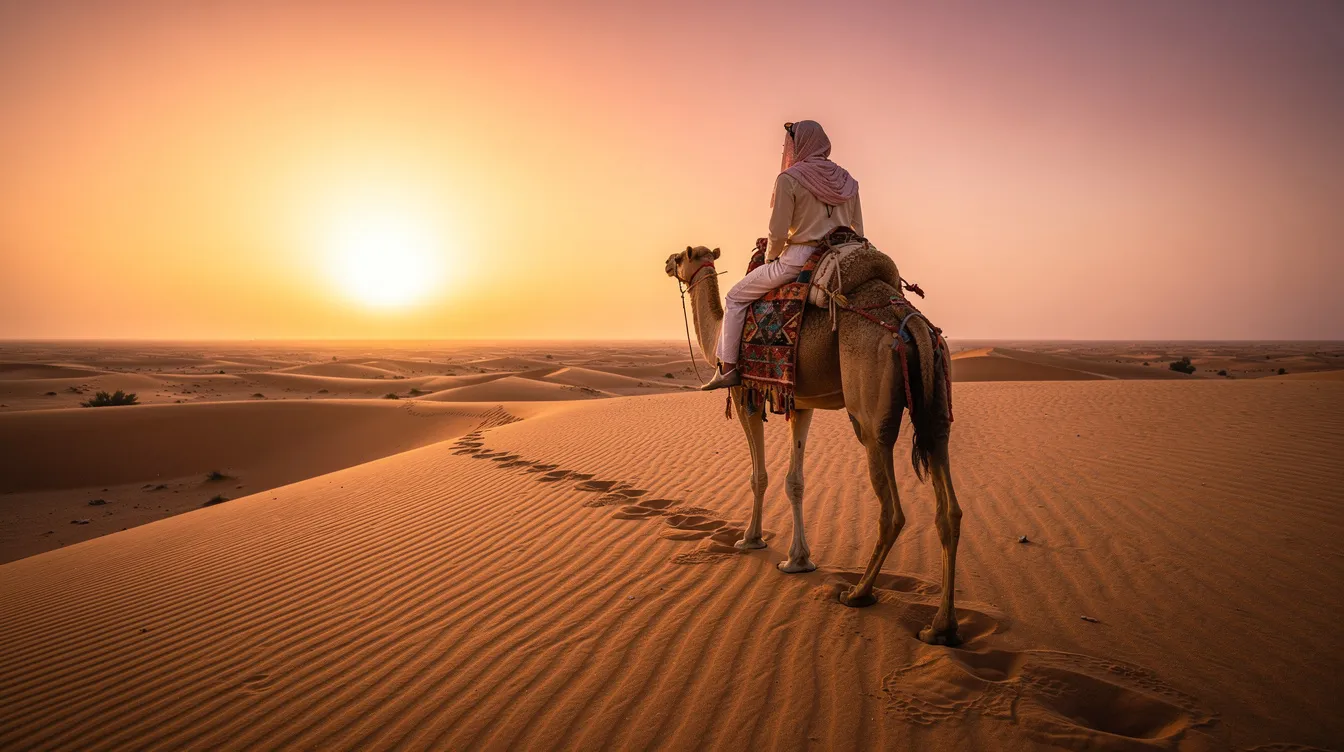
Is Morocco safe for solo female travelers? Yes, for many women, solo female travel in Morocco is doable and rewarding. But it is not always the easiest first solo travel destination if you are nervous about saying no, navigating chaotic streets, or handling stares.
Women traveling in Morocco often find local men friendly and welcoming despite occasional harassment. Some women travelers found the interactions with Moroccan men to vary from friendly to uncomfortable. The personal experiences of female travelers in Morocco vary widely, and no two women have the exact same experience.
If you are anxious, start with a hybrid plan: a private or small-group route for Marrakech, Fez, the desert, and the mountains, plus a free day or two for independent wandering. If you have considered an intrepid tour style group trip but prefer privacy, Morocco Classic Tours can create a private version for your pace. Traveling in Morocco can be full of joy, awe, wonder, and rewards despite challenges. With the right mindset, Morocco may even become your favourite country.
Women in Morocco can enhance their experience by initially traveling in the company of other women or female travel buddies. It’s often best for women to travel in pairs or groups to mitigate unwanted attention and feel safer.
Structured activities are the safest way to meet people:
Cooking classes in Marrakech or Fez
Guided food tours
Women-led argan oil, weaving, or pottery cooperatives
Group camel treks in the Sahara Desert
Riad dinners around shared tables
Cultural experiences in Morocco are often enriched by interactions with locals for female travelers. Meet new people in public places, during daylight, or through trusted hosts. Be cautious with spontaneous invitations from strangers, especially local men who quickly use romantic language, ask for money, or discuss visas.
Online communities for solo women and female travel buddies can help you connect with other women before you arrive. Meet in a public café or on a tour, not in a private home unless arranged through trusted contacts.
Moroccan law and local customs are conservative regarding sexuality, cohabitation, and public affection. Can I kiss my girlfriend in public in Morocco? Discretion is best. Public affection between any couple can cause negative attention, and same-sex relationships are not openly accepted by law or culture.
Same-sex sexual activity is criminalized under Article 489 of Morocco’s Penal Code, with possible imprisonment and fines, as summarized by legal human rights resources. Article 483 on public obscenity may also be relevant to public behavior. In practice, tourists often avoid trouble by keeping affection private.
Unmarried heterosexual foreign couples are usually checked into tourist hotels and riads without issue, though Moroccan nationals may face stricter scrutiny. If you are asked questions at reception, stay calm and polite.
Why can’t you name your daughter Sarah in Morocco? This is mostly an online myth in its simplified form. Morocco once applied stricter rules about names having “Moroccan character,” but a 2021 civil registration law made foreign names more flexible. Names still cannot harm public morals or public order, but Sarah is not a practical concern for visitors.
Morocco Classic Tours is based in Fez and specializes in private tours, day trips, multi-day packages, desert camps, Atlas hiking, camel treks, Imperial Cities, beach excursions, and cultural immersion for couples, families, small groups, and female travelers.
We carefully select drivers, licensed guides, riads, hotels, restaurants, hammams, and desert camps known for professionalism and respect. This matters for solo female travelers, solo women, and women traveling with friends because the right local support lowers hassle dramatically.
Your itinerary can be calm or adventurous. You can add a women-led cooking class, a traditional hammam, extra rest days, beach time in Essaouira, a Sahara camp, a Fez food walk, or private transfers between cities. Our goal is simple: help you experience Morocco as a woman with more confidence and less stress.
If you want help planning a trip to morocco that matches your comfort level, use the Morocco Classic Tours website's Book Now form and tell us how you like to travel.
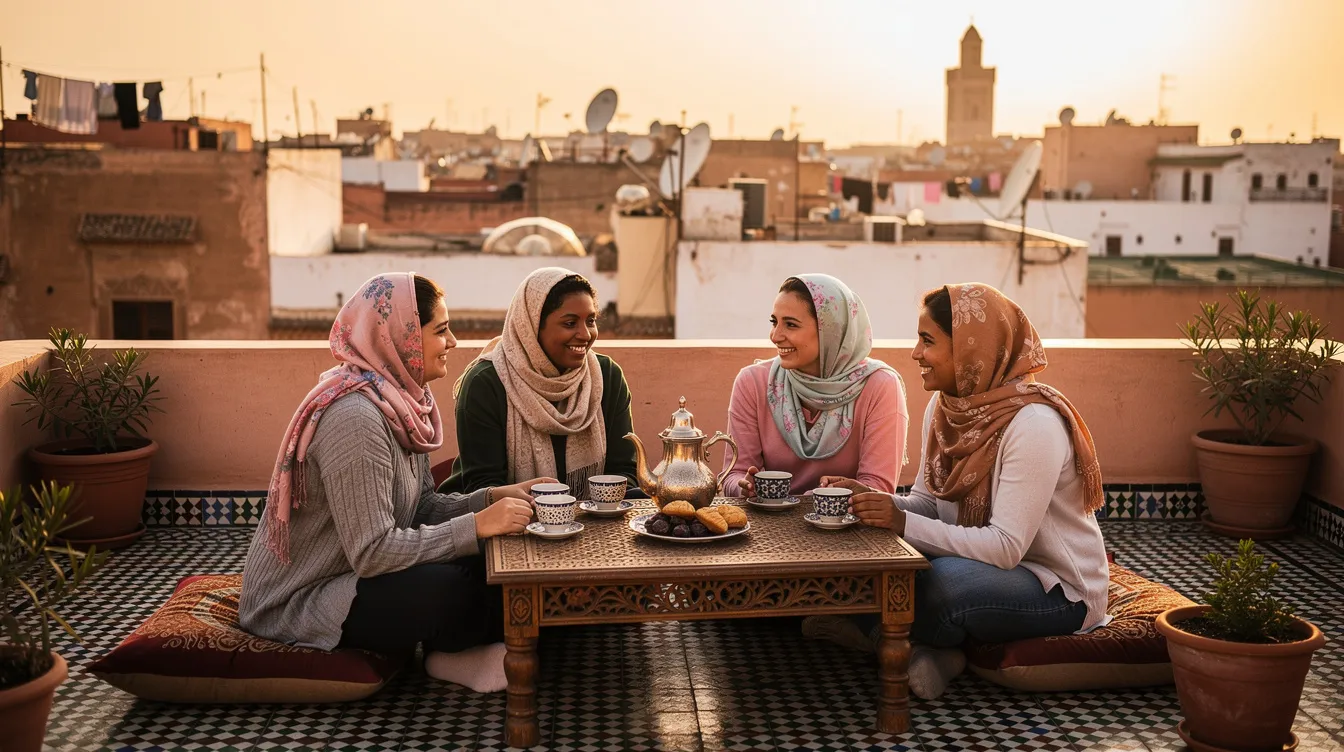
This FAQ answers a few specific questions women often ask before travelling solo or planning a private tour in Northern Africa.
No. Non-Muslim women do not legally need to cover their hair in Morocco, including in 2026. Some female visitors choose to wear a scarf near religious sites, in conservative villages, or during Ramadan as a sign of respect.
Carry one light scarf for sun, dust, cool evenings, and quick coverage. It is useful in the desert, the mountains, and conservative neighborhoods.
The most common scams are fake guides, unsolicited directions, surprise “free” henna, overpriced taxis, and shop visits where someone earns commission. A henna lady may start drawing before agreeing on a price, then demand payment.
Decline unsolicited help, agree on prices before accepting services, and use a licensed guide on your first Medina day. Women should also be cautious with romantic manipulation, requests for money, or requests for personal data.
Women’s hammams are women-only and functional. Wear underwear, bikini bottoms, or a two-piece swimsuit, plus flip-flops. Bring soap, a towel, and a kessa glove unless the package includes them.
Watch what local women do, follow staff instructions, and remember that shyness is normal. Hammams are part of everyday hygiene and community life, not a sexualized space.
Hospitality is central to Moroccan culture, so tea invitations are common. It is acceptable to decline politely if you feel uncomfortable, busy, or unsure.
A neutral response works well: “Thank you, but I have a tour now,” or “I am meeting my friend.” Accept home invitations only through trusted guides, hosts, or agencies, especially when travelling solo.
Moroccan women are known for hospitality, cooking, fashion, family strength, crafts, and resilience. The best ways to interact respectfully are cooking classes, women-led cooperatives, artisan workshops, and guided family visits.
Always ask before photographing local women or girls. If someone says no, accept it gracefully. That respect often leads to warmer, more genuine exchanges.
Compare Morocco group tour agencies by trip style, reviews, pace, transport and inclusions. Learn wh...
Read this article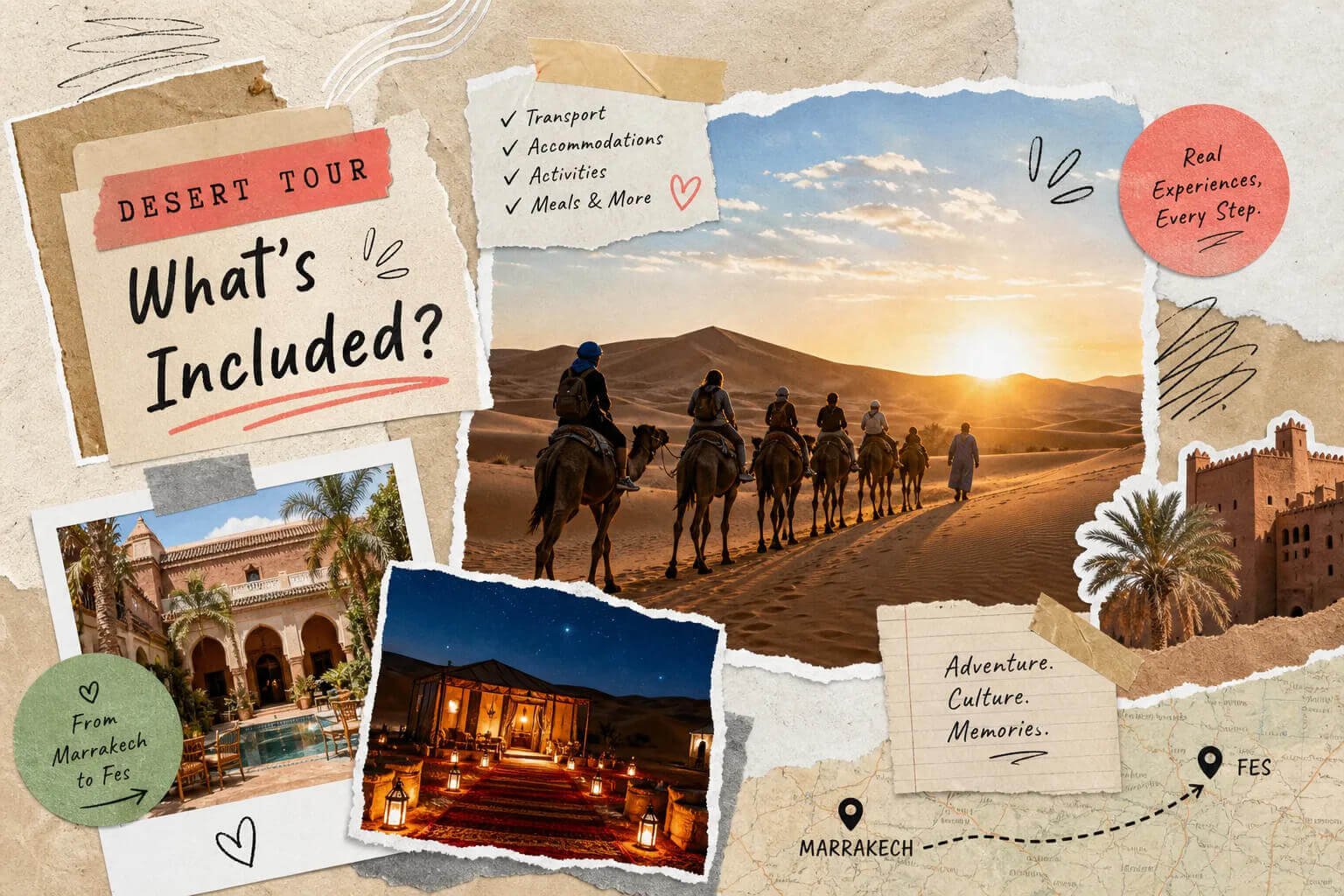
Uncover what a Marrakech to Fes desert tour offers, including camel rides, desert camps, and rich cu...
Read this article
Join our Merzouga Overnight Tour for an authentic desert experience. Enjoy camel rides, comfortable ...
Read this articleWant cool tour deals and tips about Morocco? Enter your email and we’ll send them to you each month!
