Group Tour Agencies in Morocco: How to Pick the Right One
Compare Morocco group tour agencies by trip style, reviews, pace, transport and inclusions. Learn wh...
Read this article

Private, custom Morocco trips planned in Fez by AZ-ZDDINE, working in Moroccan tourism since 2012. Sahara, Atlas, medinas and coast, arranged around you.
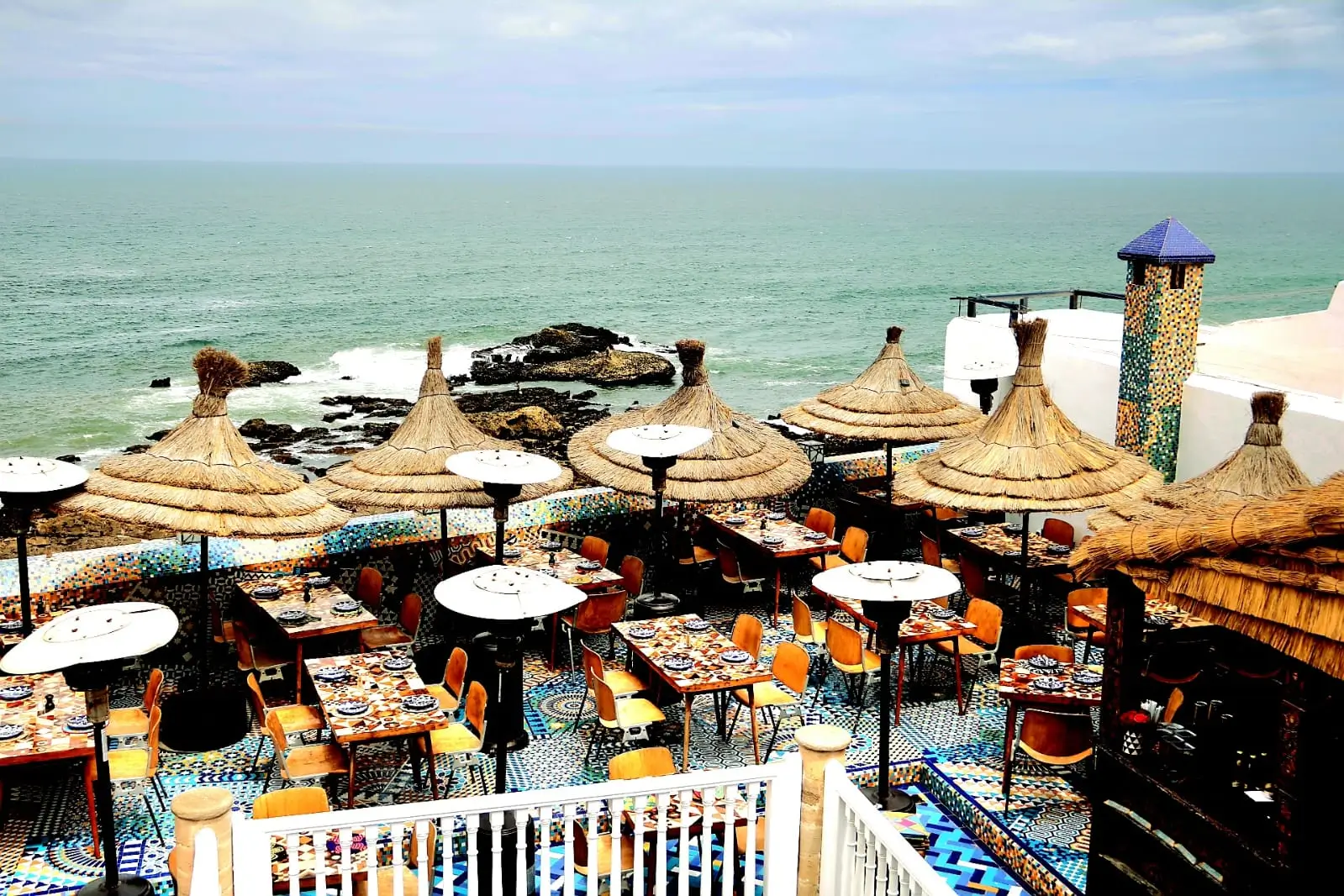
Live conditions in Essaouira right now, plus long-term monthly climate averages for every season. Find the perfect time to visit the Windy City of Africa.
Live data from Open-Meteo · Updated when this page loads
Monthly climate averages based on long-term means for Essaouira. Live data: Open-Meteo. © Morocco Classic Tours.
Planning a trip to Morocco’s beloved Atlantic coast city? This guide is for travelers planning a trip to Essaouira who want to understand the weather month by month for optimal packing and activity planning. Knowing the weather helps you avoid disappointment and make the most of your visit. Understanding Essaouira's weather by month helps you pack right, time your activities perfectly, and avoid disappointment. This guide breaks down temperatures, rainfall, wind conditions, and practical tips for every season.
Essaouira enjoys mild temperatures year-round, typically ranging 18–26°C (64–79°F), but is famously windy, especially June through August.
The best time to visit Essaouira for most travelers is April–June and September–October, offering pleasant weather, manageable winds, and low rainfall.
July and August are prime for kite surfing and windsurfing, while autumn and spring deliver relaxed beach days with fewer tourists.
Sea temperature stays cool (17–21°C) due to the Canary Current, making wetsuits advisable for extended swimming.
Morocco Classic Tours can organize customized trips matching your weather preferences, whether you’re chasing surf, medina culture, or combining Essaouira with Marrakech and the Sahara.
Essaouira sits on Morocco’s Atlantic Ocean coast, where the cool Canary Current moderates temperatures throughout the year. Unlike scorching Marrakech, this coastal area experiences summer temperatures that rarely exceed 26°C and winter months that remain mild.
Essaouira is known as the "Windy City of Africa" due to its consistent coastal winds.
Key climate characteristics:
Annual averages: Daytime highs range from ~18°C in January to ~25°C in August
Average rainfall: Approximately 300mm yearly, concentrated from November through March, with many dry summer months
Wind: The defining feature—persistent trade winds earn Essaouira the nickname “Wind City of Africa,” strongest in the afternoon and peak summer months
Sea conditions: The Atlantic Ocean water stays cool (17–21°C), with rolling waves, currents, and often choppy surfaces
Morocco Classic Tours uses this climate profile to advise guests on the best month for beach activities, surfing, or combined itineraries.
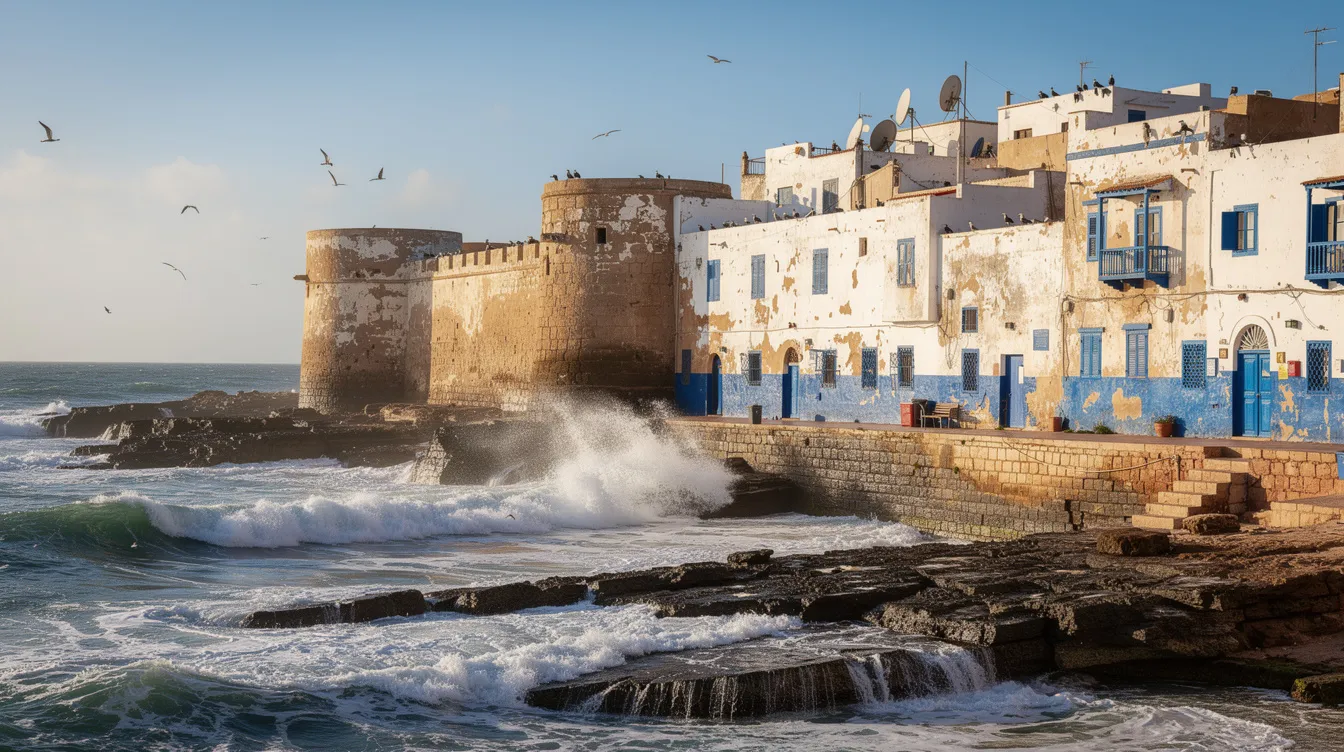
This section provides a concise month-by-month breakdown with typical temperatures, rainfall, wind conditions, and suggested activities. Each entry helps you pick the ideal timing for your Morocco Classic Tours itinerary.
Expect daytime highs around 18°C (65°F) and night lows near 11°C (52°F). January brings some rain—approximately 45mm over 7 days—mostly as short showers. Wind is present but softer than in summer. Pack layers, a windproof jacket, and closed shoes. This quiet period suits cultural city tours, food walks, and hammam experiences with fewer tourists.
Temperatures mirror January: highs ~19°C, lows ~10°C. Rainfall continues (~40mm), though many days remain bright. Humidity and wind can make evening walks feel chilly. Bring a windbreaker and a scarf. February is ideal for Medina exploration and argan cooperative visits.
Gradual warming brings daytime highs to ~20°C and nights around 12°C. Rainfall decreases, but occasional showers occur. Winds strengthen slightly. Pack light layers and a medium-weight jacket. Great time for guided medina tours and first surfing lessons as Atlantic swells arrive.
April delivers consistently mild weather: ~20–21°C days and ~13°C nights. Only a couple of light rain days occur. Moderate afternoon wind is typical. Bring T-shirts, light trousers, a cardigan, and a windproof layer. April is excellent for first-time visitors wanting balanced beach walks and medina exploration.
Highs reach ~21–22°C with overnight lows around 14°C. Rain is rare with long dry spells. Trade winds pick up reliably, delighting kite surfers. Pack beachwear, light layers, and a windbreaker. May ranks among the best months for active trips: surfing, camel rides, and Atlas Mountains combinations.
Warm but not hot—highs ~22–24°C, lows ~16°C. Rain is very unlikely. Wind strengthens and becomes more consistent, attracting international wind sports enthusiasts. Bring short sleeves, light trousers, and a hoodie for exposed spots. Book early if visiting during the Gnaoua World Music Festival (typically late June).
Peak summer in Morocco, yet Essaouira stays pleasant: ~23–25°C days, ~17°C nights. Rainfall is almost zero, though coastal fog and morning mist can occur, generally clearing by midday. Wind is at its strongest—ideal for kiting but challenging for sunbathing. Domestic tourism peaks as Moroccans escape inland heat.
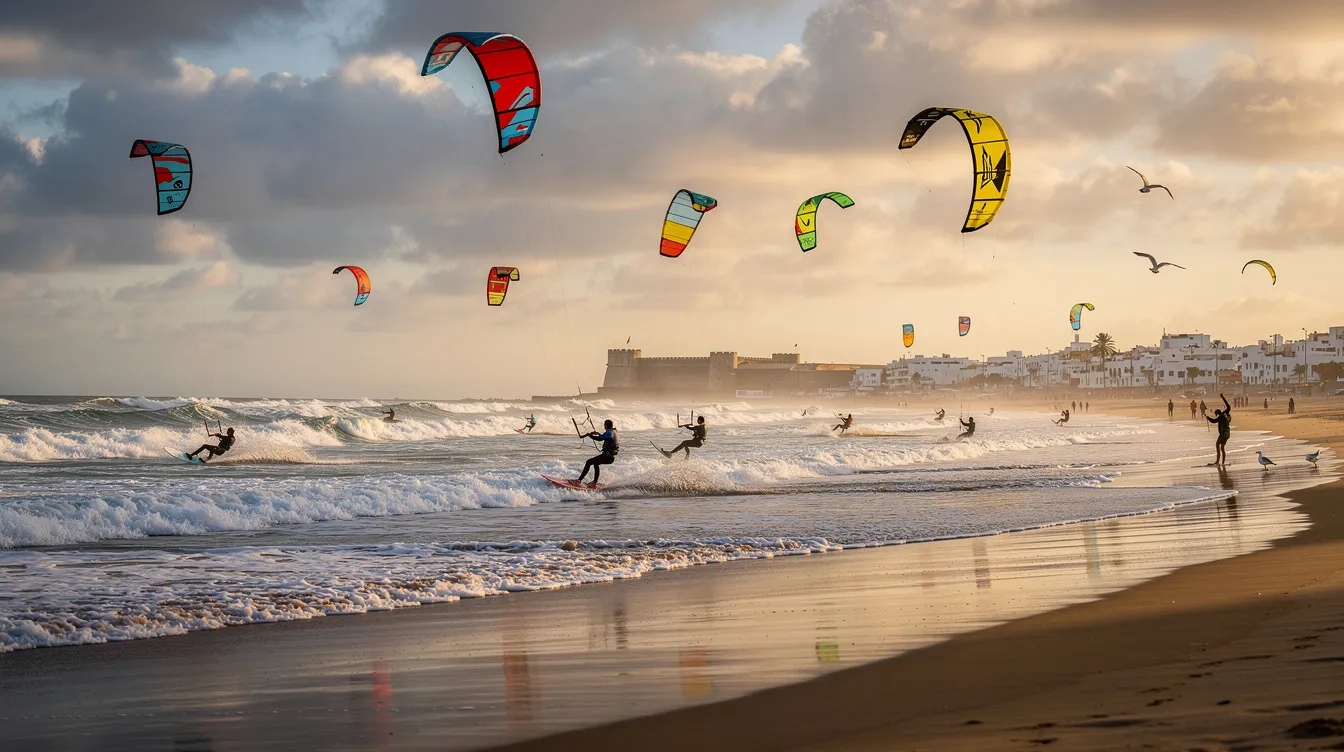
Similar to July—highs ~24–26°C, night temps ~18°C. Rain remains extremely rare. Strong afternoon winds and high UV require sunscreen despite the cool breeze. Expect summer crowds and consider quieter beaches like Sidi Kaouki. This is peak high season for families and holidaymakers.
One of the best overall months: ~23–25°C days, ~17°C nights. Sea temperature reaches its warmest (~21°C), making swimming more comfortable. Winds ease compared to August while still providing afternoon refreshment. September combines relaxed beach time, medina exploration, and is a great time for multi-destination itineraries.
Pleasantly warm with ~22–24°C days and ~15°C nights. First autumn showers may appear, but overall rainfall remains modest. Winds are generally milder than in summer, a favorite for those who found July–August too windy. Top choice for couples and culture-focused travelers.
Cooler weather arrives: ~20–22°C highs, ~13°C lows. Rainfall becomes more regular (~50mm), with occasional Atlantic fronts. Wind feels less fierce, but combined with humidity can still chill. Pack a light waterproof jacket. November suits travelers seeking atmosphere and photography over pure beach time.
Cool but rarely cold: ~19°C days, ~11°C nights. Showers and overcast days are more frequent, though heavy rain is uncommon. Wind and damp air make layers essential. Pack a sweater, windproof outer layer, and comfortable footwear. A quieter coastal escape, perfect for combining with Marrakech’s festive winter atmosphere.
Here’s a quick reference for planning:
Month | High (°C) | Low (°C) | Rain | Humidity | Wind |
|---|---|---|---|---|---|
January | ~18 | ~11 | Moderate | ~70% | Moderate |
February | ~19 | ~10 | Moderate | ~70% | Moderate |
March | ~20 | ~12 | Light | ~68% | Moderate |
April | ~20 | ~13 | Low | ~68% | Moderate |
May | ~21 | ~14 | Very Low | ~70% | Strong |
June | ~22 | ~16 | Minimal | ~70% | Strong |
July | ~24 | ~17 | None | ~72% | Very Strong |
August | ~25 | ~18 | None | ~72% | Very Strong |
September | ~24 | ~17 | Very Low | ~72% | Strong |
October | ~22 | ~15 | Low | ~70% | Moderate |
November | ~21 | ~13 | Moderate | ~72% | Moderate |
December | ~19 | ~11 | Moderate | ~70% | Moderate |
Key insight: humidity and wind combine to affect “feels-like” temperature. Even 22°C can feel cool in a strong Atlantic breeze. Summer mornings typically bring calmer conditions before afternoon trades kick in. | |||||
Essaouira’s reputation among surfers and kite surfers stems from its reliable wind patterns:
Winter (Dec–Feb): Moderate winds with occasional stormy days; good for experienced surfers seeking Atlantic swells but cooler water
Spring (Mar–May): Strengthening breeze, increasingly reliable afternoons; good compromise for mixed surfing and sightseeing
Summer (Jun–Aug): Strongest, most consistent winds; ideal for kite surfing, but can affect beach comfort with blowing sand
Autumn (Sep–Nov): Gradually easing winds; comfortable for general beach use and beginners’ surf lessons
Morocco Classic Tours arranges surfing and kite-surfing lessons with trusted local schools, adapting itineraries to embrace or avoid the windiest period based on your preferences.
The Atlantic Ocean water stays cooler than the Mediterranean or Agadir beaches due to the Canary Current:
Sea temperature range: ~17–18°C in winter, rising to ~20–21°C in late summer and early autumn
Can you swim? Yes, but water is cool year-round. Many travelers prefer short dips or wetsuits, especially outside August–September when conditions are most comfortable.
Is the sea clean? Generally clean with monitored conditions. Harbor activity concentrates around the port; beaches south offer cleaner swimming areas.
Wave conditions: Rolling Atlantic waves, some rip currents, choppy surfaces on windy days. Swim near lifeguarded zones and follow local advice.
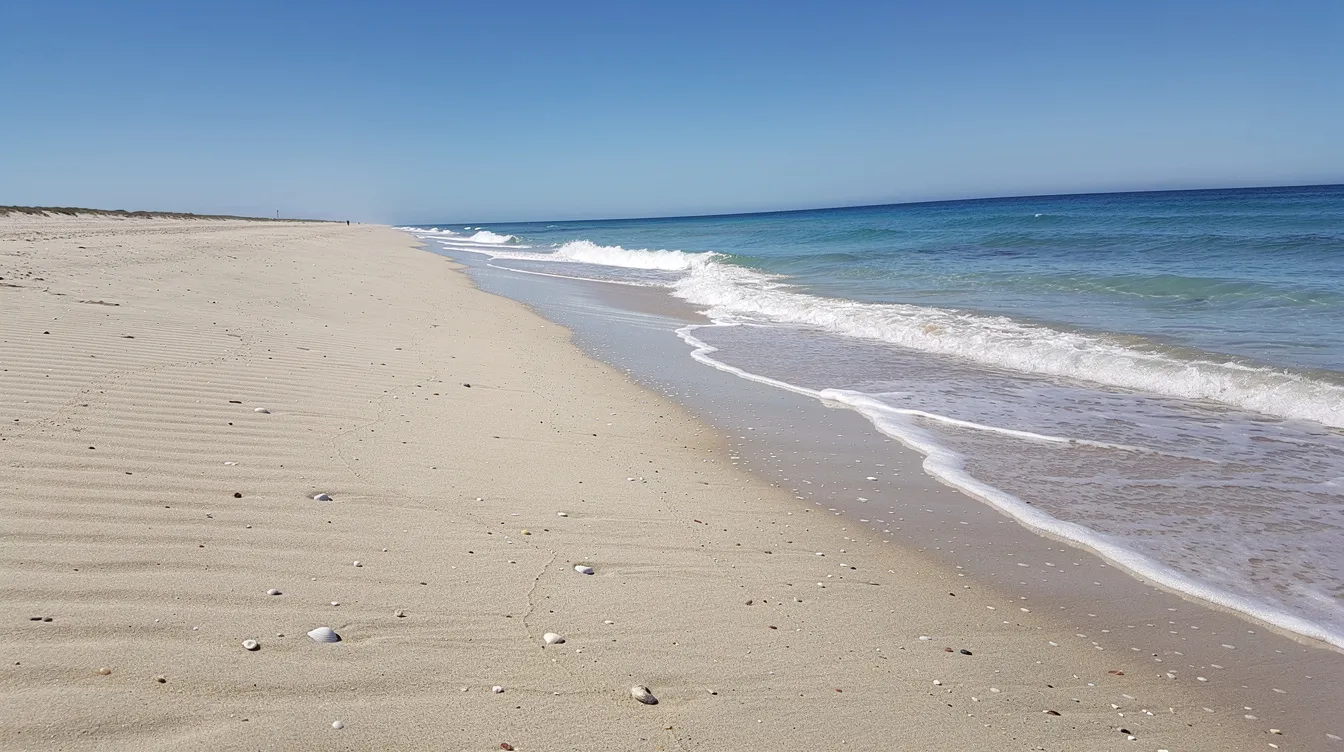
Due to Essaouira's mild climate and significant temperature variations between day and night, it is advisable to wear layers throughout the year.
Layered clothing
Light warm jacket
Scarf
Closed shoes
Compact umbrella or waterproof shell
T-shirts
Light long sleeves
Jeans
Thin sweater
Windbreaker
Optional light scarf
Hat
SPF 30+ sunscreen
Sunglasses
Breathable fabrics
Light jacket or hoodie for evening and windy afternoons
Small daypack
Quick-dry towel
Swimsuit
Modest cover-ups for Medina (shoulders and knees covered)
A light wetsuit top helps for longer swimming or surfing sessions
The best time depends on your priorities:
Surfing and kite surfing: June–August for the strongest winds; May and September for slightly calmer but excellent conditions
Beach and swimming: Late June to early October, with September often ideal (warmest water, gentler winds)
Medina wandering and culture: March–June and September–November for mild temperatures and fewer tourists
Escaping Marrakech heat: June–August, when Essaouira’s ocean breeze keeps temperatures 15°C+ cooler than inland
Contact Morocco Classic Tours to design programs timed with the Gnaoua Festival, Ramadan, or other cultural events.
Many travelers combine Essaouira with other Moroccan destinations:
Is Essaouira warmer than Marrakech? No—Essaouira is significantly cooler year-round. Summer in Marrakech can exceed 38–40°C (100–104°F), while Essaouira typically stays around 23–26°C thanks to ocean moderation.
Is Agadir less windy than Essaouira? Yes. Agadir is generally warmer and calmer, offering more classic beach-holiday conditions. Essaouira’s exposed position creates stronger trade winds.
Humidity comparison: The ocean brings moderate humidity to both coastal cities, but Essaouira’s wind makes the air feel fresher than Marrakech’s dry heat.
Morocco Classic Tours leverages these contrasts—hot desert nights balanced with cooler Essaouira days at your trip’s end.
2 full days (2 nights): Minimum for Medina, port, ramparts, and one relaxed beach afternoon
3–4 days: Adds surf lessons, cooking classes, or a day trip to Sidi Kaouki or argan forests
5–7 days: Ideal for slow travelers—coastal hikes, quad biking, camel rides, deeper cultural immersion
Essaouira typically fits as a 2–3 day segment in longer itineraries featuring Marrakech, Atlas Mountains, and Sahara desert camps.
Yes, Essaouira is genuinely windy—especially late spring and summer. Here’s what that means for you:
Pros:
Cooler summer temperatures than anywhere inland
World-class conditions for wind sports
Dramatic seascapes and clear, fresh air
Pleasant walking even in peak summer
Cons:
Blowing sand on the beach during strong wind periods
Cooler perceived temperature even when the thermometer reads warm
Challenging conditions for sunbathing or small children on very windy days
Morocco Classic Tours plans daily timing strategically—morning beach walks when winds are lighter, afternoon medina visits for shelter.
The sea is generally clean with long sandy beaches and no industrial pollution nearby. Harbor activity concentrates around the port, so swimmers typically head south along the main beach or to Sidi Kaouki for clearer water. Atlantic waves, rip currents, and wind create challenging conditions—swim near lifeguarded zones and follow local guidance. Morocco Classic Tours guides can indicate the safest areas based on current conditions.
Sunbathing is possible but weather-dependent. Calmer days in May, September, and summer mornings offer pleasant conditions. July–August afternoons can blow sand and feel chilly despite the strong sun. Use sheltered spots behind dunes or windbreaks, and time beach sessions for mornings. For guaranteed calm conditions, consider combining Essaouira with Agadir via Morocco Classic Tours.
Essaouira’s wind and light precipitation rarely disrupt flights into the local airport. Most weather-related travel issues in Morocco affect mountain or desert roads rather than coastal Essaouira. Fishing boats may be affected by rough winter seas, but this minimally impacts tourist activities. Morocco Classic Tours monitors conditions and adjusts transfers accordingly.
Ramadan falls in different seasons each year, so comfort depends on the specific month. The mild, breezy climate makes daytime fasting more bearable than hotter inland cities. For visitors, the main impact is on dining hours and shop openings rather than weather. Morocco Classic Tours provides practical advice on scheduling during Ramadan.
Absolutely—this contrast is one of the most rewarding Morocco Classic Tours experiences. The typical approach: start in hotter inland areas (Marrakech, desert) and finish in Essaouira to cool down by the Atlantic breeze, especially May through September. Routes and driving times are planned so you adjust gradually to temperature changes and pack efficiently for both desert heat and coastal wind.
Essaouira (historically called Mogador) once had a thriving Jewish community of several thousand, making up roughly 40% of the population in the 19th century. Today, only a handful of Jewish residents remain, though the city preserves its Jewish heritage through restored synagogues, the mellah (Jewish quarter), and the annual Essaouira-Mogador Festival celebrating Andalusian and Judeo-Moroccan music. Morocco Classic Tours can arrange heritage-focused visits to these historic sites.
August is typically the windiest month, though July runs a close second. Both months see the strongest, most consistent trade winds—typically 20–30 knots in afternoon peaks. This makes July and August prime season for kite surfers and windsurfers, but challenging for casual beach lounging. If you prefer calmer conditions, September through November or March through May offer a better balance.
Ready to experience Morocco’s Wind City? Contact Morocco Classic Tours to design a customized itinerary that matches your ideal weather window—whether you’re chasing surf, escaping Marrakech heat, or seeking a relaxed medina holiday with fewer tourists.

Compare Morocco group tour agencies by trip style, reviews, pace, transport and inclusions. Learn wh...
Read this article
Uncover what a Marrakech to Fes desert tour offers, including camel rides, desert camps, and rich cu...
Read this article
Join our Merzouga Overnight Tour for an authentic desert experience. Enjoy camel rides, comfortable ...
Read this articleWant cool tour deals and tips about Morocco? Enter your email and we’ll send them to you each month!
