Group Tour Agencies in Morocco: How to Pick the Right One
Discover how to choose the perfect group tour agency in Morocco. Get tips on what to look for and ma...
Read this article

We’ve helped people travel around Morocco for more than 15 years. We offer fun and easy packages to see famous places like the mountains, desert, and more.
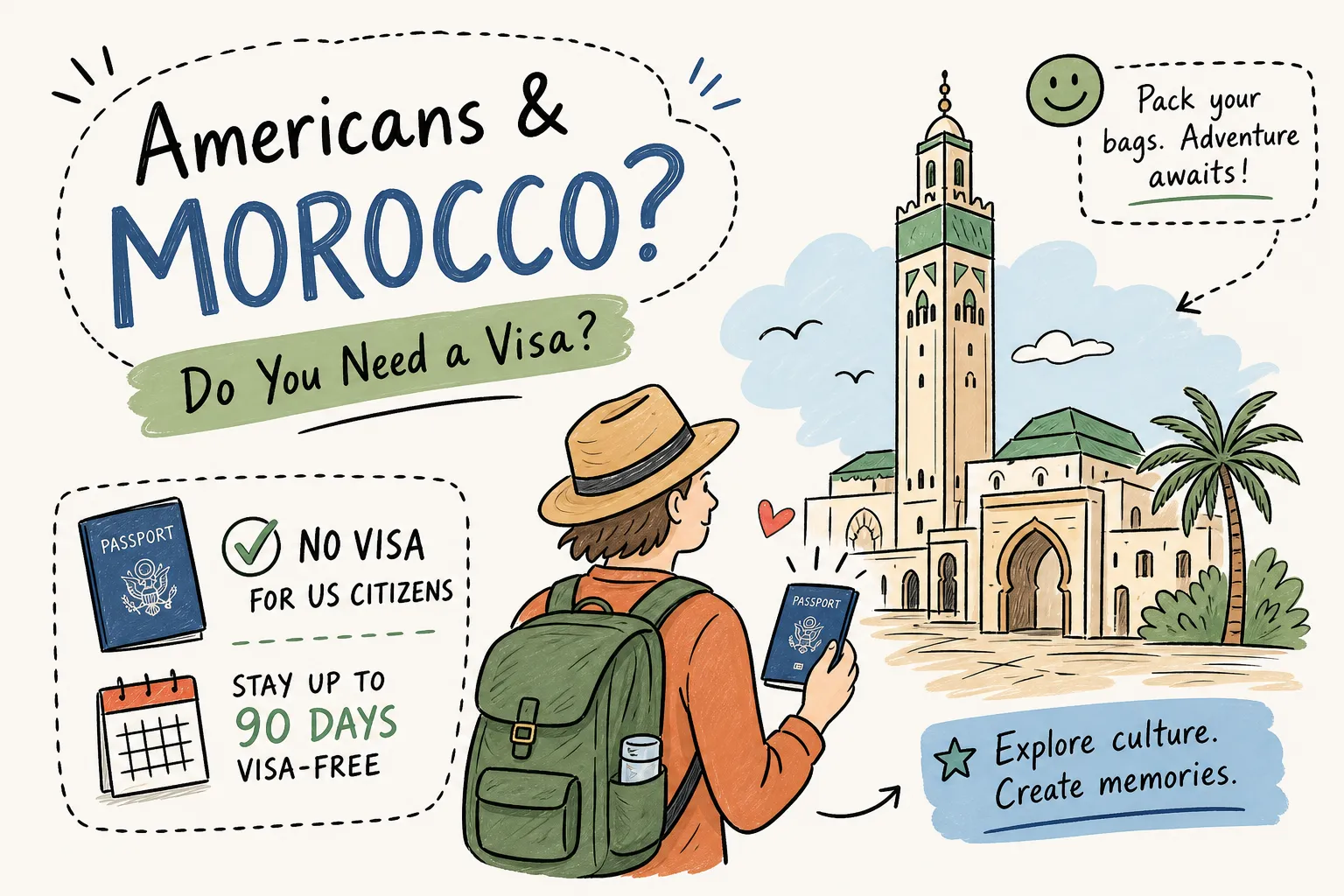
Do Americans need a visa for Morocco? No, and that's one of the best pieces of news you'll get while planning an international trip. U.S. citizens enter Morocco visa-free for up to 90 days, with no consulate appointment, no application form, and no fee to pay before departure. You book your flight, pack your bag, and go.
That said, visa-free doesn't mean documentation-free. Your passport still needs to meet specific requirements, and Moroccan immigration officers at arrival airports like Casablanca and Marrakech do ask standard questions you should be ready for. There's also the question of what happens if your trip runs longer than 90 days, and where to confirm the latest official rules before you travel.
This guide covers all of it: passport requirements, the border entry process, extension options, and the legal consequences of overstaying. At Morocco Classic Tours, our destination consultants walk first-time visitors through the full pre-trip checklist, not just the visa question, so nothing surprises you at the border. Here's everything you need to know.
Morocco grants American travelers automatic visa-free entry for stays of up to 90 days per visit. No pre-approval, no stamp you need to request in advance, and no fee at the border. You present your passport, the officer checks your documents, and you enter. The 90-day count starts the moment you cross into Morocco, whether you fly into Mohammed V International in Casablanca, Marrakech Menara, or another port of entry.
The 90-day limit applies to each consecutive stay, not a rolling annual total. If you leave Morocco and re-enter, the clock resets from your new entry date. Immigration officers do have discretion, though, and frequent short exits followed by immediate re-entries can raise questions. The policy is generous, but it's designed for genuine tourism, not indefinite residency through repeated border crossings.
Tourism, leisure, short-term business meetings, and family visits all qualify under the standard visa-free entry. The vast majority of American travelers visiting Morocco fall cleanly into this category. Employment, paid work, or long-term study programs are a different matter; those require separate authorization from a Moroccan consulate before you travel. For anyone planning a vacation, a desert expedition, or a cultural tour, the 90-day Morocco tourist visa exemption covers everything you need.
Passport validity rules for Morocco involve some conflicting guidance worth understanding. Some official sources, including UK government travel advice, cite a minimum of three months' validity beyond your arrival date as Morocco's stated entry requirement. However, the U.S. State Department and most major carriers apply a stricter standard, recommending six months of remaining validity beyond your entry date. The practical risk is real: airlines can deny boarding before Moroccan immigration ever sees your passport if your document doesn't meet their internal threshold. Traveling with at least six months of validity remaining is the safest approach and significantly reduces the risk of being denied boarding or entry.
According to the U.S. State Department, Morocco requires at least one blank visa page in your passport. Entry stamps take up space, and if your booklet is full of prior travel stamps, check your remaining pages before you leave home. Running low on blank pages is a fixable problem as long as you catch it before your departure date. A passport renewal takes several weeks with standard processing, so build that timeline into your planning if you're cutting it close.
Per U.S. State Department guidance, immigration officers at Casablanca and Marrakech airports commonly ask for a return or onward ticket and proof of where you're staying for at least the first few nights. Neither is a universal mandatory requirement, but having both ready prevents delays at the entry point. A printed hotel confirmation or a booking screenshot on your phone is enough. Some officers also ask about proof of sufficient funds for your stay, so keeping a recent bank statement accessible is a reasonable precaution.
For most Americans flying to Morocco, the journey starts at Mohammed V International Airport in Casablanca or Marrakech Menara Airport. After deplaning, you'll follow signs to the immigration hall and join the non-EU/non-Moroccan passport line. The officer reviews your passport photo page, confirms your entry, and stamps your document. For U.S. passport holders, the process is generally routine, though wait times vary depending on flight volume, staffing, and time of arrival.
Morocco is not a difficult border to cross for Americans. The entry experience is straightforward, and officers are accustomed to processing U.S. tourists regularly. There's no secondary screening that applies specifically to American travelers, and the overall tone at the border is professional and efficient.
Officers typically ask how long you're staying, where you'll be staying, and what brought you to Morocco. Short, direct, honest answers are all that's needed. You're on vacation, you're staying at a specific hotel or riad, and you plan to be there for a set number of days. There's no reason to over-explain or volunteer additional information. If the officer wants documentation, they'll ask for it.
If you want to stay in Morocco beyond the initial 90-day window, you can apply for an extension at the Bureau des Étrangers, the foreigners' bureau located within the local police prefecture in whichever Moroccan city you're staying. Timing is critical: submit your application before the 90-day period closes, and ideally at least two weeks before the deadline, because late applications are frequently denied without review.
The standard documents to bring include:
Some offices also require a 100 MAD administrative stamp fee, though fees can vary by location; confirm the current requirement at your local prefecture. Approved extensions may add time to your stay, though outcomes vary by city and the discretion of the local officers handling your case. Check the U.S. State Department's Morocco travel page and the Embassy of the Kingdom of Morocco for the most current extension guidance.
The U.S. State Department is direct on this point: travelers who remain in Morocco beyond 90 days without requesting an extension must appear before a judge before they are permitted to depart, and a fine may apply as part of the clearance process. The State Department does not publish a fixed fine amount, but the requirement to face a judicial process before leaving the country is confirmed. Overstaying isn't a paperwork slap on the wrist; it's a legal situation that can prevent you from departing until a judge clears your case.
The takeaway is simple: apply for an extension early if you need one, and don't treat the 90-day limit as approximate. The rules are clear, and ignoring them creates real disruption to your travel plans.
The U.S. State Department's Morocco destination page is the single most reliable resource for American travelers checking U.S. passport Morocco rules before departure. It lists current entry and exit requirements, passport validity guidance, travel advisories, and emergency contact information for the U.S. Embassy in Rabat. Bookmark it and check it within a few weeks of your departure date. Policies can update without broad public announcement, and you want the most current version of the rules, not what was accurate six months ago.
Morocco has maintained consistent visa-free access for U.S. citizens for years, and the 2026 policy remains unchanged: 90 days, no visa required, no application fee. Visa-free status is a product of bilateral diplomatic agreements, though, and those agreements are subject to change. Verifying the current policy close to your travel date takes five minutes and removes any uncertainty. The Embassy of the Kingdom of Morocco is a secondary official source for confirming Morocco entry requirements for Americans directly.
Knowing you're visa-free is the easy part. The harder part is building a trip around that knowledge: booking the right entry airport, confirming your first-night accommodation before you land, planning your onward route through the imperial cities or down to the Sahara, and giving your days a realistic structure. Many American travelers spend weeks researching Morocco independently and still arrive feeling under-prepared. Entry logistics are just one layer of a larger planning puzzle, and the details compound quickly.
At Morocco Classic Tours, our destination consultants work with American travelers from the earliest stage of planning. We help with documentation checklists, first-night accommodation timing, private airport transfers, and full itinerary structure before a single flight is booked. Whether you're planning a 10-day route from Marrakech to Fes through the Merzouga desert, a family trip combining imperial city history with a camel trek, or a private tour built around your exact schedule, we handle the logistics, so your focus stays on the experience. First-time visitors especially benefit from connecting with us early, because Morocco rewards travelers who arrive with a clear plan.
Do Americans need a visa for Morocco? No. U.S. passport holders enter visa-free for up to 90 days, and the entry process at Casablanca and Marrakech airports is straightforward for the vast majority of visitors. The two non-negotiables are a passport valid for at least six months beyond your entry date and at least one blank visa page remaining in your booklet.
Morocco is among the most accessible international destinations for U.S. citizens, and the Morocco entry requirements for Americans make it genuinely easy to say yes to the trip. The real work is making the most of your time once you're there. If you're ready to start planning, reach out to Morocco Classic Tours. We handle entry documents, airport logistics, and every detail of your itinerary from there.
Discover how to choose the perfect group tour agency in Morocco. Get tips on what to look for and ma...
Read this article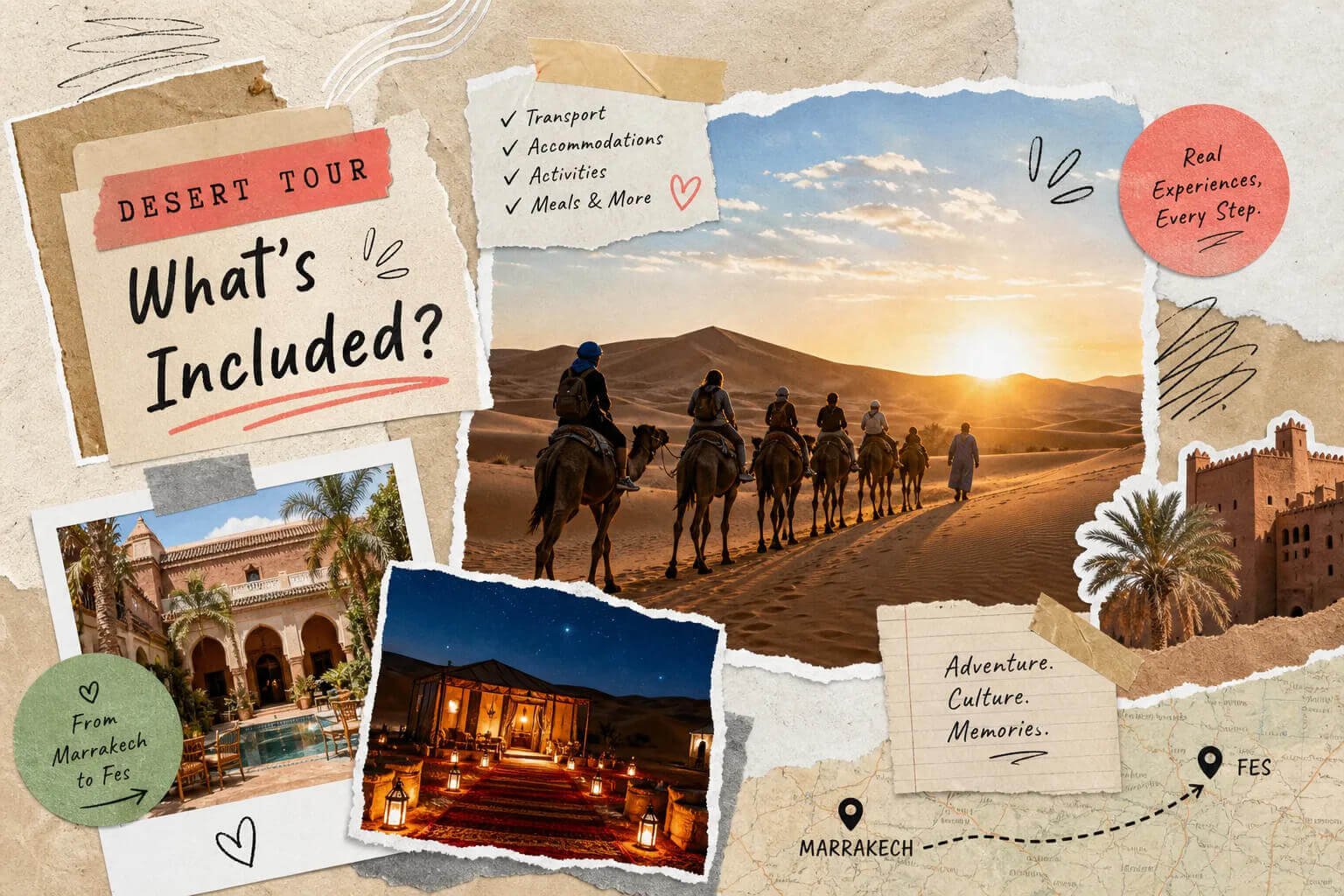
Uncover what a Marrakech to Fes desert tour offers, including camel rides, desert camps, and rich cu...
Read this article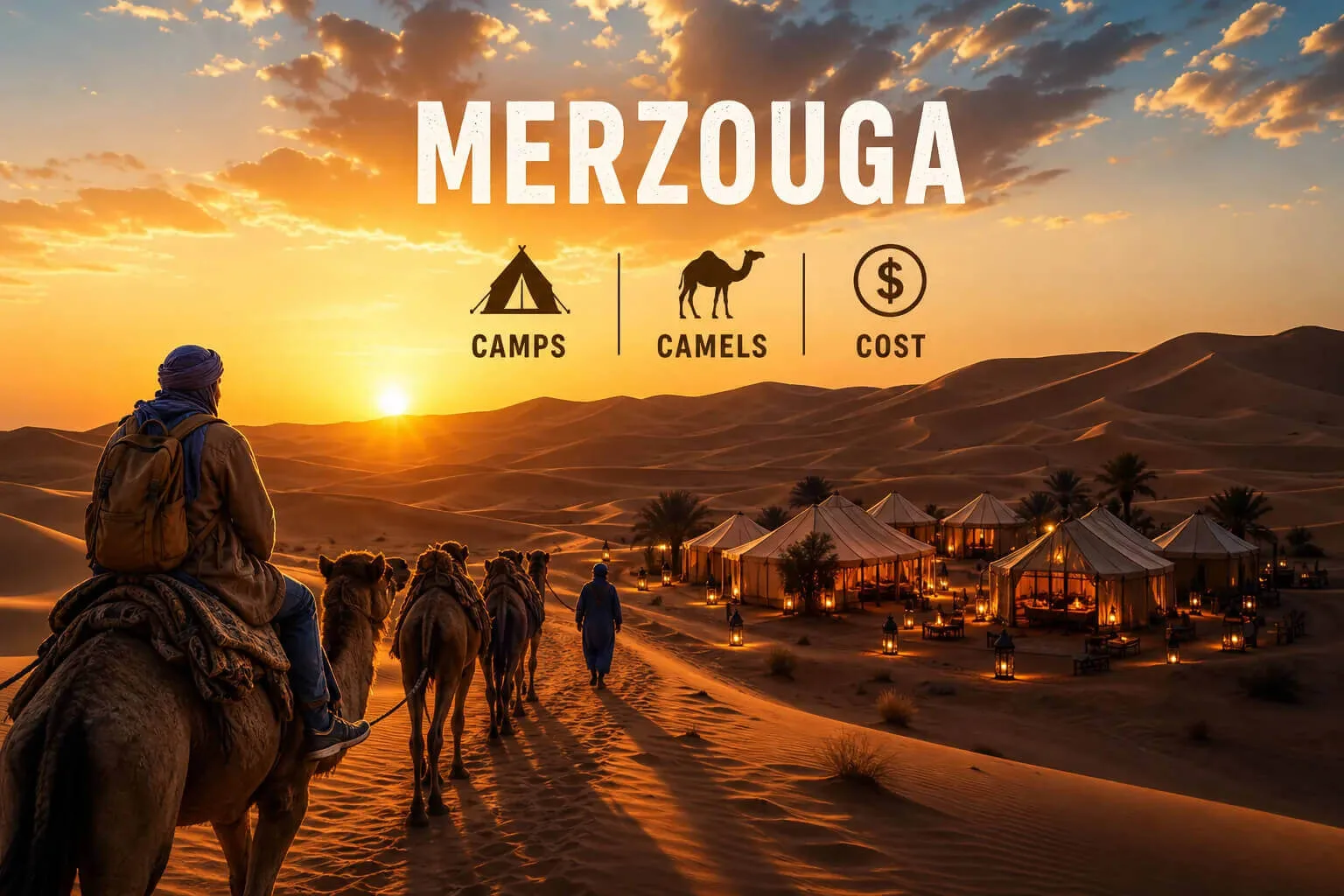
Join our Merzouga Overnight Tour for an authentic desert experience. Enjoy camel rides, comfortable ...
Read this articleWant cool tour deals and tips about Morocco? Enter your email and we’ll send them to you each month!