Group Tour Agencies in Morocco: How to Pick the Right One
Compare Morocco group tour agencies by trip style, reviews, pace, transport and inclusions. Learn wh...
Read this article

Private, custom Morocco trips planned in Fez by AZ-ZDDINE, working in Moroccan tourism since 2012. Sahara, Atlas, medinas and coast, arranged around you.
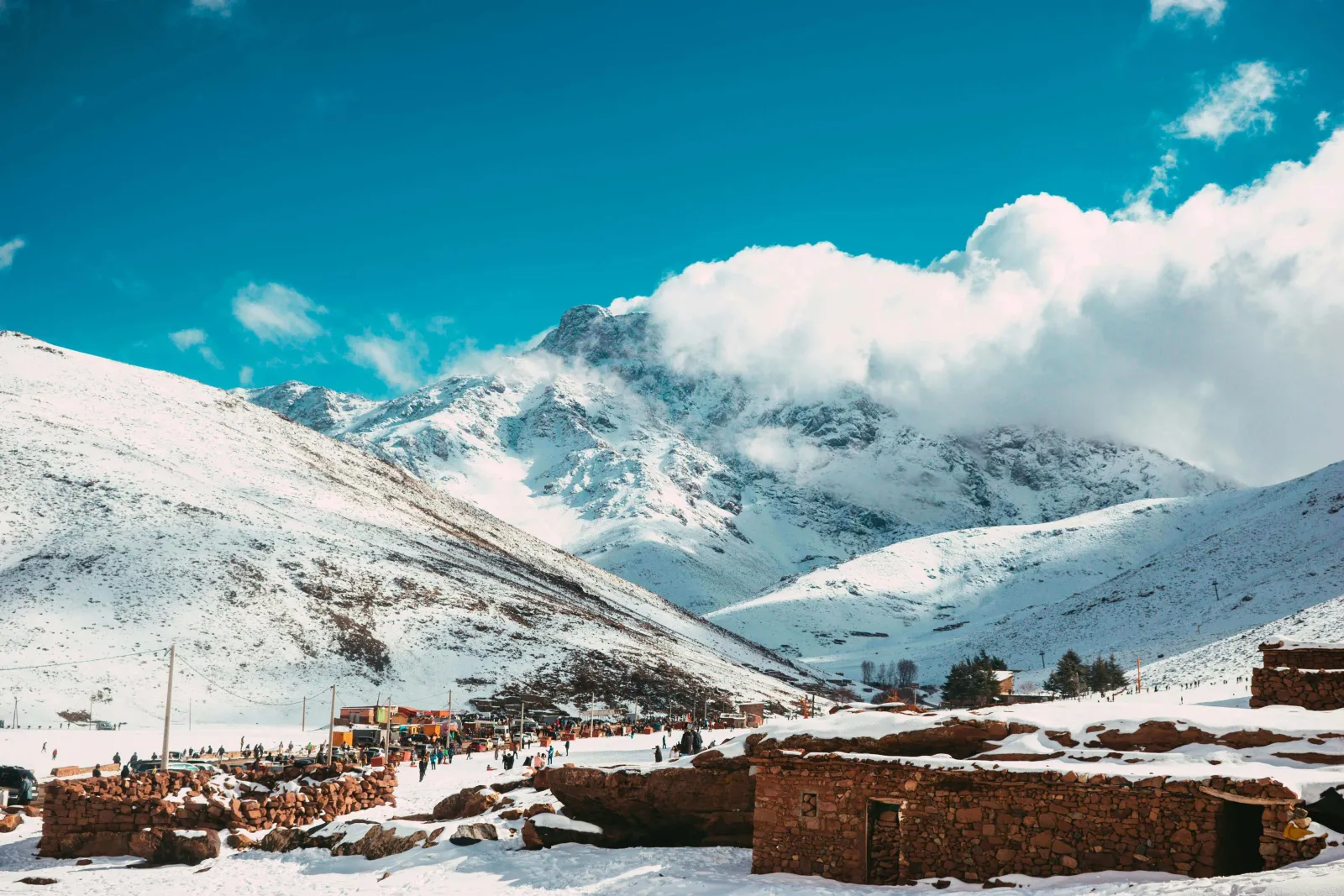
Morocco receives reliable winter snow in the Atlas Mountains despite its famous desert image, with the main snow season running from late November through March at higher altitudes.
Prime months for snow activities are December through February, with January typically offering the coldest temperatures and best chances for fresh powder.
The best places to experience snowfall include Ifrane, Oukaimeden, Imlil, and the Toubkal area, Midelt, and various towns throughout the Atlas and Rif Mountains.
Guided snow tours and ski packages can be booked from major cities like Marrakech and Fes, with ski and snowboard gear rental available at resorts such as Oukaimeden and Michlifen.
Winter nights in mountainous regions can drop well below freezing, making Ifrane and Midelt among the coldest cities in Morocco.
Many travellers picture Morocco as a land of endless Sahara Desert dunes, bustling medinas, and warm climate beaches. What surprises most visitors is that this North African country also receives consistent winter snowfall across its mountain ranges. It snows in Morocco, especially in mountainous regions, during the winter months. The Atlas Mountain range is the best place in Morocco to experience winter snowfall. The Atlas Mountains and Rif Mountains transform into snowy peaks each year, creating landscapes that wouldn’t look out of place in Northern Europe or Switzerland.
This guide is for travelers, adventure seekers, and anyone curious about Morocco's winter climate. Snowfall in Morocco concentrates primarily in the High Atlas, Middle Atlas, and Rif mountain chains. On clear winter days, snow-capped peaks are visible from cities like Marrakech, offering a striking contrast to the ochre-toned medina below. In some winters, powerful cold fronts bring exceptional snowfalls that generate international headlines and trigger official Morocco snowfall weather alerts across multiple provinces.
This guide answers the essential questions: when and where it snows in Morocco, how cold the country gets in winter, where you can ski and snowboard, and how to plan guided tours to experience this unusual side of Africa.
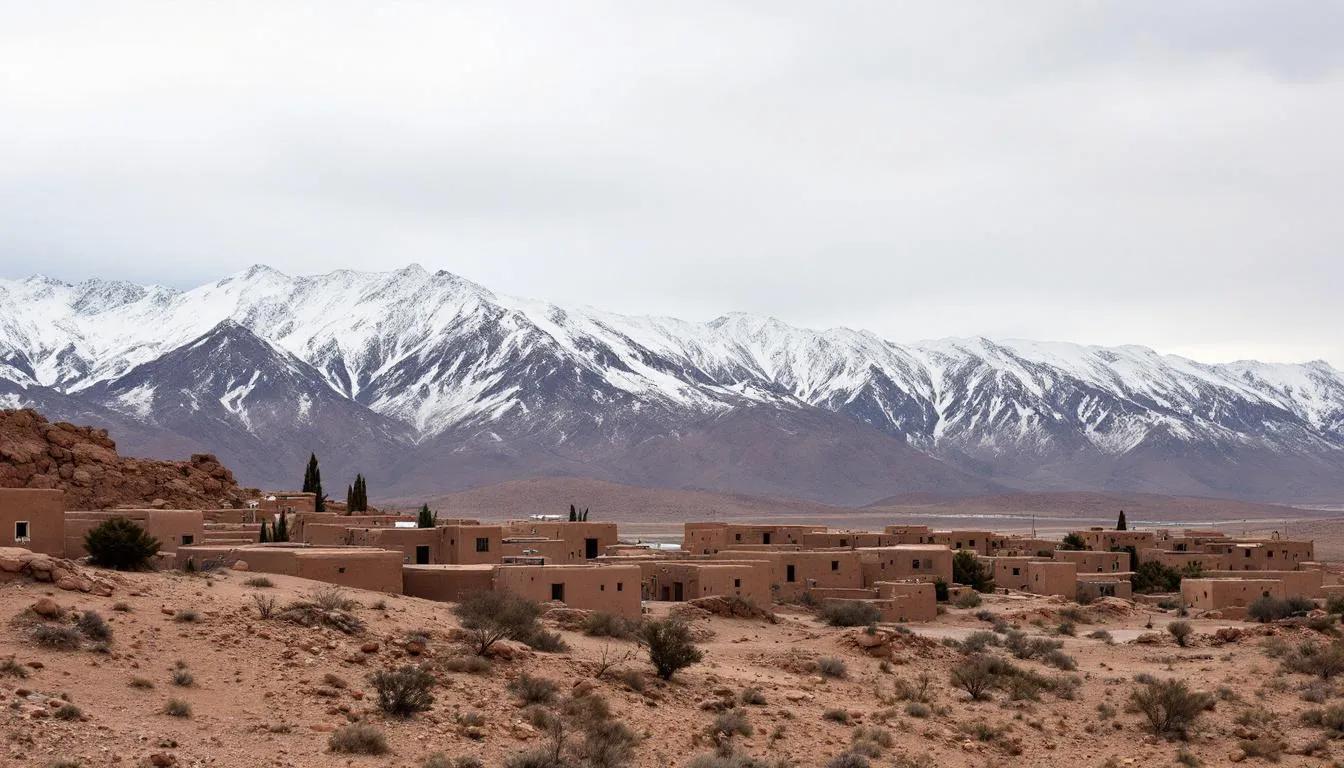
Morocco’s main ski season runs from late November or early December through March, with exact timing varying by altitude and yearly weather patterns. The mountainous regions above 1,500 meters typically see their first significant snowfall by early December in most years.
The heaviest and most reliable snow falls between mid-December and late February. These winter months represent the prime window for snow activities, whether you’re planning to ski at established resorts or trek through high-altitude villages surrounded by white landscapes.
Early snowfalls occasionally arrive in October at very high elevations. The slopes around Mount Toubkal and the upper reaches of Oukaimeden can see dustings before November, though this remains exceptional rather than typical. Climate variability has made Morocco’s weather increasingly unpredictable, with some years bringing earlier snow accumulation and others producing shorter, later seasons.
Snow persistence varies by elevation:
Elevation | Snow Duration | Typical Conditions |
|---|---|---|
Above 3,000m | December–April | Deep, persistent snowpack |
2,000–3,000m | January–March | Reliable base at ski resorts |
1,500–2,000m | January–February | Intermittent cover, melts faster |
Below 1,500m | Rare | Occasional dustings only |
Higher slopes can hold snow into March and sometimes April, while lower valleys and village levels may clear within days of each storm. Travelers should always check the current Morocco rainfall and snowfall weather forecasts before finalizing plans. | ||
Morocco’s winter climate varies sharply between its coastal cities, inland plains, and mountainous regions. Understanding these temperature differences is essential for packing appropriately and setting realistic expectations.
Coastal cities like Casablanca, Rabat, and Agadir experience mild winters with daytime highs around 15–20°C (59–68°F). These areas rarely drop near freezing and never see snow. Many Moroccans and tourists continue enjoying beach walks and outdoor dining throughout the cooler months.
Interior cities present different conditions. Marrakech and Fes can have pleasant days of 10–18°C (50–64°F), but nights turn surprisingly cold, approaching 0°C (32°F) even without any snow. The temperature swing between day and night catches many unprepared visitors off guard.
Mountain towns experience genuinely harsh winters. Temperatures in regions like Ifrane and Midelt regularly fall below 0°C (32°F), with minimum readings between -5°C and -10°C (23–14°F) during cold spells. The coldest city in Morocco is widely considered to be Ifrane, located at approximately 1,650 meters altitude in the Middle Atlas Mountains. Historical records show temperatures below -20°C (-4°F) in past decades.
Travelers planning snow trips should pack:
Thermal base layers
Waterproof outerwear and pants
Insulated gloves and warm hats
Sturdy, waterproof footwear with good traction
Extra warm layers for nighttime temperatures
Morocco’s snowfall concentrates in the Atlas Mountains—including the High Atlas, Middle Atlas, and portions of the Anti-Atlas—plus the Rif Mountains in the country’s northern regions. Above roughly 1,500–1,800 meters in elevation, snow becomes common during winter months, with the High Atlas hosting the most reliable and deepest snowpack.
Popular snow destinations include Ifrane and Michlifen in the Middle Atlas, Oukaimeden near Marrakech, the Toubkal region around Imlil, and high plateau towns such as Midelt. Lower-lying major cities, including Marrakech, Fes, Rabat, and Casablanca, rarely see accumulating snow, even while mountains around them remain white for months.
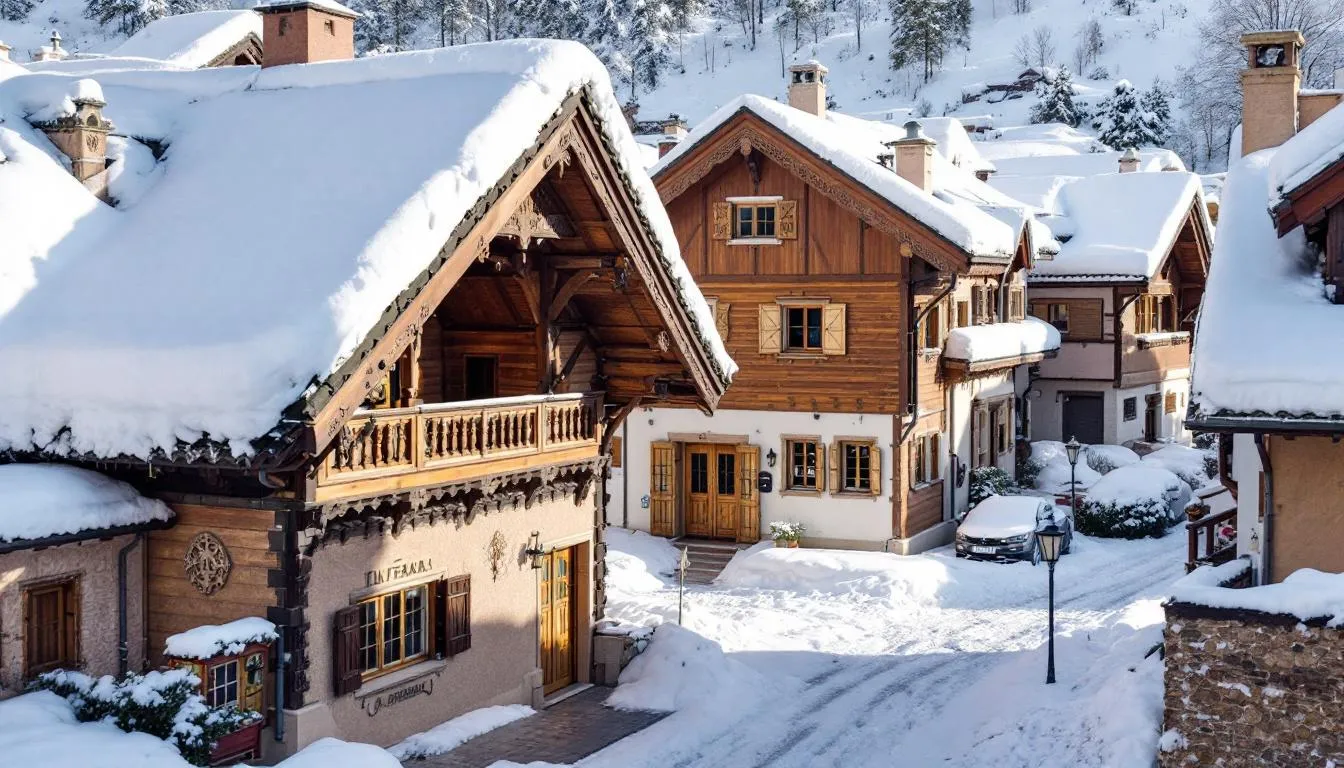
Ifrane stands apart from typical Moroccan towns. This purpose-built mountain city in the Middle Atlas features alpine-style chalets with sloping roofs, manicured gardens, and a reputation as one of the coldest inhabited places in North Africa. Locals and visitors alike have nicknamed it “Little Switzerland” for its European aesthetic nestled among cedar forests.
The small town frequently receives heavy snowfall between December and March, often leaving the town center, surrounding forests, and nearby hills blanketed for days or weeks at a time. Snow accumulation transforms the cedar-lined streets into winter wonderland scenes that many Moroccans travel hours to experience.
The nearby Michlifen ski resort sits just southwest of Ifrane at around 2,000 meters altitude. This modest resort offers ski runs, tobogganing slopes, and a small network of lifts during good snow years. The facilities cater primarily to locals and domestic tourists, creating a relaxed atmosphere quite different from crowded European destinations.
Activities around Ifrane and Michlifen:
Skiing and snowboarding at Michlifen (basic gear rental available)
Snowshoeing through Ifrane National Park’s cedar forests
Spotting Barbary macaques in snow-dusted trees
Warming up with mint tea in town cafés while watching snow fall
Walking the town’s European-style streets under white skies
Visitors can rent basic ski and snowboard gear from shops in Ifrane and at Michlifen itself. Local hotels and guesthouses typically help arrange instructors and day passes for those unfamiliar with the area.
Oukaimeden holds the distinction of being Morocco’s most famous ski area. Located in the High Atlas Mountains, approximately 70–80 kilometers south of Marrakech, the resort is accessible via a winding mountain road that typically takes two to three hours, depending on conditions. The journey from the bustling medina of Marrakech to the snowy slopes offers one of Africa’s most dramatic landscape transitions.
The resort sits between roughly 2,600 and 3,200 meters in altitude, home to what is often described as one of the highest chairlifts in Africa. The terrain suits beginners and intermediate skiers well, with wide open bowls and moderate gradients. Advanced skiers may find the runs less challenging than European counterparts, but can explore off-piste opportunities when snow conditions allow.
The ski season at Oukaimeden typically runs from late December to early March, with the most reliable snow base in January and February. Some years bring shorter or longer seasons, depending on winter storm frequency and intensity.
Planning your Oukaimeden visit:
Consideration | Details |
|---|---|
Travel time | 2–3 hours from Marrakech |
Season | Late December–early March |
Best snow | January–February |
Gear rental | Available at the base area |
Crowds | Busy on weekends, quieter weekdays |
Visitors can rent skis, snowboards, boots, and sleds from local rental shacks and small shops near the parking area. Equipment quality is basic but functional for day-trippers. Travelers can book guided ski or snow day tours from Marrakech via local agencies and online platforms, with packages often including transport, equipment rental, and mountain guides familiar with current conditions and weather alerts. | |
Arriving on weekdays helps avoid weekend crowds when many Moroccans from Marrakech head to the slopes. Always check the latest Morocco snowfall weather alert information before departing, as road closures, icy passes, and strong winds can affect access.
Imlil serves as the gateway to Jebel Toubkal, the highest peak in North Africa at 4,167 meters. This small Berber village sits at around 1,800 meters elevation, roughly 90 minutes’ drive south of Marrakech through terraced valleys and walnut groves. The village maintains traditional architecture and a slower pace of life that contrasts sharply with Morocco’s imperial cities.
The village itself often sees snow on rooftops and surrounding terraces from January through February, while higher valleys and the Toubkal refuge zone remain snow-covered for much of winter. The white backdrop against red-brown mud-brick buildings creates spectacular photography opportunities.
Unlike Oukaimeden, Imlil has no ski lifts or groomed runs. Instead, this region caters to winter trekking, guided snow hikes, crampon-assisted ascents, and mule-supported overnight routes to mountain refuges. The experience appeals to travelers seeking adventure beyond resort skiing.
Trekkers typically book local mountain guides and porters in Imlil or through agencies in Marrakech. Winter equipment, including crampons, ice axes, and gaiters, is available for rental through specialized guiding companies. The region rewards those willing to simply enjoy the mountain culture and landscapes rather than chase lift-accessed terrain.
Good fitness and proper winter gear are essential. Cold temperatures, altitude, and variable snowy conditions make this terrain more demanding than casual skiing. However, for travelers seeking a deep snow experience with cultural immersion, the Toubkal region delivers an adventure found nowhere else in the world.
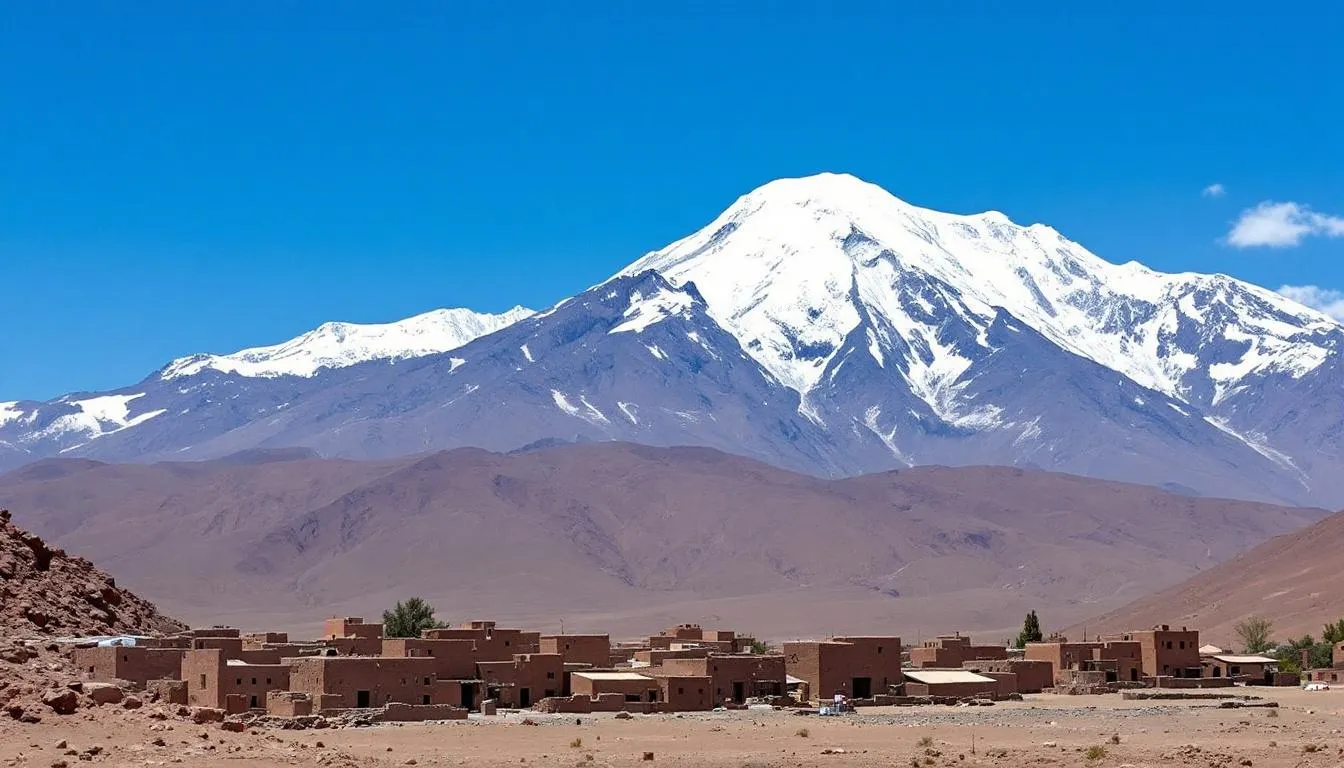
Midelt occupies a unique position in Morocco’s geography. This high-altitude town sits at roughly 1,500 meters on the vast plateau between the Middle and High Atlas, along the N13 road linking Fes with the desert regions around Errachidia and Merzouga.
The town typically experiences cold, dry winters with regular snowfall from December through February. Both the town itself and the surrounding mountain slopes receive significant snowfall during weather patterns. Winter temperatures can drop below -10°C (14°F) during cold snaps, making Midelt one of the chilliest inhabited regions of Morocco in mid-winter.
The surrounding landscape offers opportunities for hiking in the Ait Oumghar and Moulouya valleys, visiting small villages and apple orchards under snow, and watching red and ochre cliffs change color at sunset on clear winter days. The scenery appeals to photographers and those seeking quieter winter escapes away from better-known destinations.
Midelt has modest tourist infrastructure with simple hotels and guesthouses. Accommodation hosts can typically arrange local guides for day hikes or 4x4 excursions into surrounding snowy valleys when roads remain passable.
The Rif Mountains in northern Morocco, including areas around Chefchaouen and Ketama, receive intermittent snow during the winter months. Coverage is less consistent than in the High Atlas, but determined travelers can sometimes discover white landscapes in this distinctive region known for its blue-painted towns.
Some winters bring heavy snow to towns like Azilal, higher areas near Ouarzazate, and smaller High Atlas villages. During strong cold waves, depths of 30–40 centimeters can accumulate in villages that normally see only dustings.
Recent winters have demonstrated the potential intensity of Morocco’s snowfall. During December 2025, Jbel Tidghine in the Rif recorded over 2.5 meters of snow accumulation, while Michlifen near Ifrane registered approximately 70 centimeters. These figures represent extreme but documented examples of possible conditions.
Heavy snow in remote mountain zones has occasionally led to road closures, emergency weather alerts, and helicopter deliveries of aid to isolated communities. Travelers heading into more remote regions during winter should monitor local weather bulletins, travel with experienced drivers, and maintain flexible plans for sudden snowstorms.
The optimal window for experiencing Morocco's snowfall stretches from late December through February. During these months, snow depth and frequency reach their peak at ski resorts and trekking areas alike.
January typically ranks as the coldest month nationwide, offering the greatest probability of fresh snow in destinations like Ifrane, Oukaimeden, and the Toubkal region. Many Moroccans escape the hustle of city life during this period to head into the mountains for weekend snow adventures.
Late November and early December may already bring snow to high passes and peaks, though coverage can remain patchy. Ski resorts may not yet be fully operational, and some facilities await consistent base depths before opening.
Late February and early March often provide a compelling balance: good snow at higher altitudes combined with slightly longer daylight hours and milder daytime temperatures. This period suits multi-day treks particularly well.
Seasonal recommendations:
Mid-January to mid-February: Best for skiing and snowboarding with the most reliable snow
December to early March: Ideal for mixed city and mountain itineraries
Late February to March: Good for trekking with longer days and moderating temperatures
While Morocco’s snow regions remain fairly accessible, winter travel in the mountains requires thoughtful planning around transport, guided tours, equipment, and weather safety.
Guided tours to see snowfall and enjoy winter sports can be booked from major cities, including Marrakech, Fes, Rabat, and Casablanca. Local agencies and reputable online platforms offer packages ranging from simple day trips to multi-day mountain adventures with accommodation included.
Gear rental availability:
Location | Equipment Available | Notes |
|---|---|---|
Oukaimeden | Skis, snowboards, boots, sleds | Basic quality, functional for day trips |
Ifrane/Michlifen | Skis, snowboards, winter clothing | Hotel-connected rentals common |
Imlil/Toubkal | Crampons, ice axes, gaiters | Through guiding companies |
Travelers without winter driving experience should strongly consider booking private transfers, shared minivan tours, or full-service snow packages. Mountain roads can become treacherous during and after storms, with ice, packed snow, and steep gradients combining to create challenging conditions. | ||
Essential safety considerations:
Check daily Morocco rainfall and snowfall weather reports before traveling
Watch for avalanche risk warnings in high-mountain areas
Carry tire chains if self-driving
Respect local weather alerts and temporary road closures
Build extra days into itineraries during peak winter
Travel insurance covering winter sports is highly recommended for anyone planning to ski, snowboard, or attempt high-altitude treks like Jebel Toubkal during snowy months.
The Moroccan meteorological service regularly issues winter weather alerts covering heavy snowfall, strong winds, freezing temperatures, and dangerous road conditions across mountain regions. These alerts help locals and travelers prepare for and respond to significant weather events.
Alerts often include color-coded warnings for areas like Ifrane, Azilal, Midelt, and high passes near Oukaimeden and Toubkal. Orange and red level warnings indicate particularly hazardous conditions requiring extra caution or travel postponement.
Particularly intense cold air outbreaks from Europe occasionally bring rare, widespread snow to areas that normally remain dry throughout winter. These unusual events generate international headlines when unexpected depths are recorded in regions typically associated with desert imagery rather than snowy peaks.
Travelers should monitor official bulletins, local news, and accommodation hosts for current information. This becomes especially critical when planning to cross high passes or visit remote valleys following significant snowfall.
Building extra time into winter itineraries provides insurance against weather disruptions. A day of road closures or severe conditions shouldn’t derail international flight connections or force rushed departures from mountain destinations.
Snow in Marrakech is extremely rare. Most winters pass without any flakes falling in the city proper. While nighttime temperatures can feel genuinely cold in December and January, precipitation typically falls as rain rather than snow. To see snow from Marrakech, travelers should head into the nearby High Atlas Mountains, particularly towards Oukaimeden or Imlil, both reachable in under three hours.
Ifrane consistently records the most regular snowfall among Morocco’s cities, thanks to its Middle Atlas location at approximately 1,650 meters altitude. Midelt and some smaller highland towns also experience frequent winter snow, but Ifrane offers the most developed tourist facilities and snow infrastructure for visitors seeking reliable winter experiences.
Absolutely. Many winter itineraries successfully combine snow in the Atlas Mountains with journeys to the Sahara Desert fringes around Merzouga or Zagora. A popular route includes Marrakech, the High Atlas passes with their snowy peaks, Midelt or Ifrane for snow activities, and then continues toward the desert dunes. This approach lets travelers experience both snow and sand within the same week, creating memories of Morocco’s remarkable geographic diversity.
Moroccan ski resorts like Oukaimeden and Michlifen are considerably smaller and less developed than major European or North American ski areas. Visitors should expect simpler lift systems, more basic rental gear, and less extensive grooming operations. However, these resorts offer unique cultural experiences, spectacular North African mountain scenery, and the bragging rights of skiing in Africa—elements that European mega-resorts simply cannot replicate.
For peak months between late December and February, booking accommodation and guided tours in advance is strongly recommended. Periods around the New Year and school holidays see particularly high demand. Last-minute arrangements are sometimes possible in places like Ifrane and Oukaimeden, but availability and gear quality may be limited during busy periods. Planning ensures access to preferred guides, equipment, and lodging.

Compare Morocco group tour agencies by trip style, reviews, pace, transport and inclusions. Learn wh...
Read this article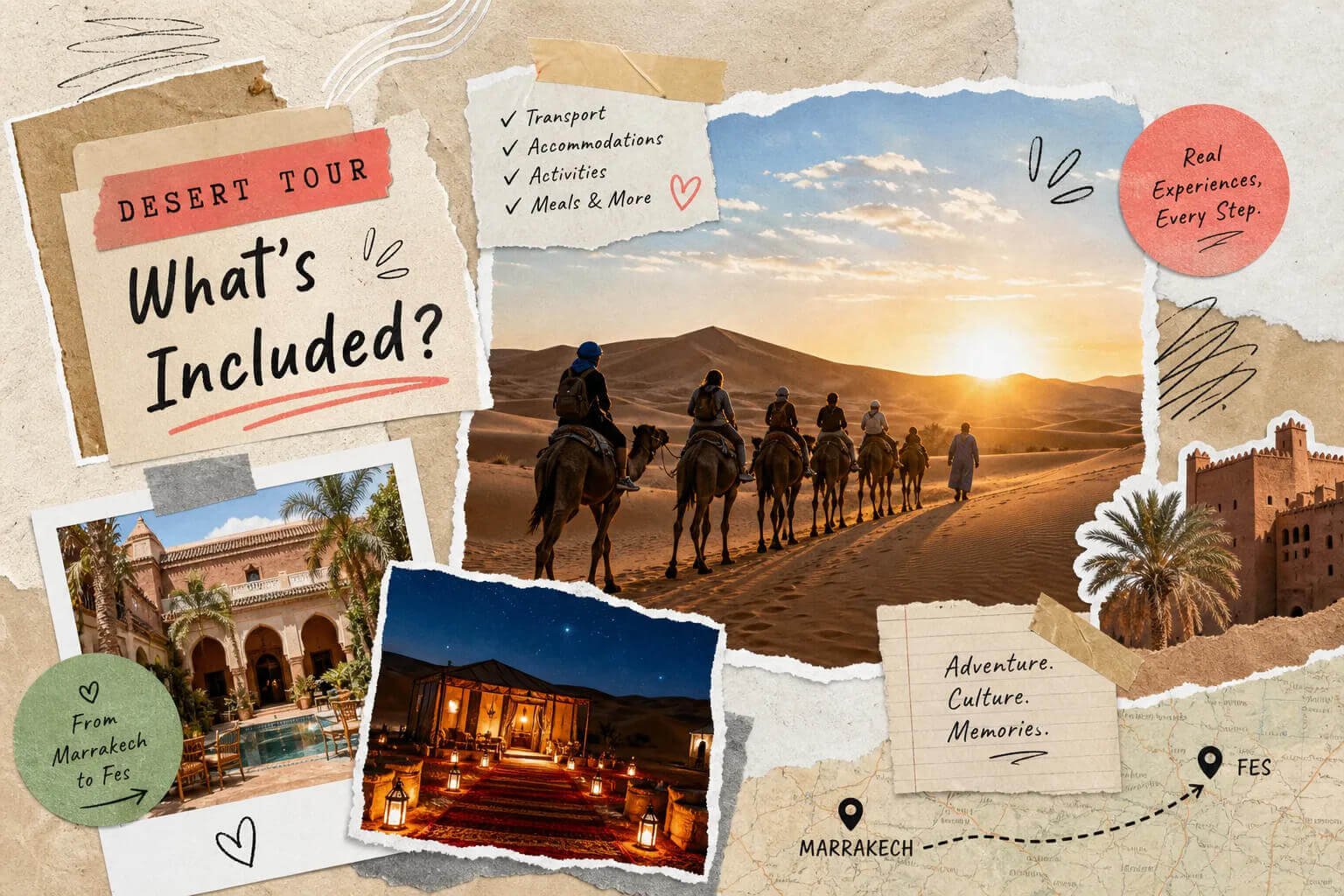
Uncover what a Marrakech to Fes desert tour offers, including camel rides, desert camps, and rich cu...
Read this article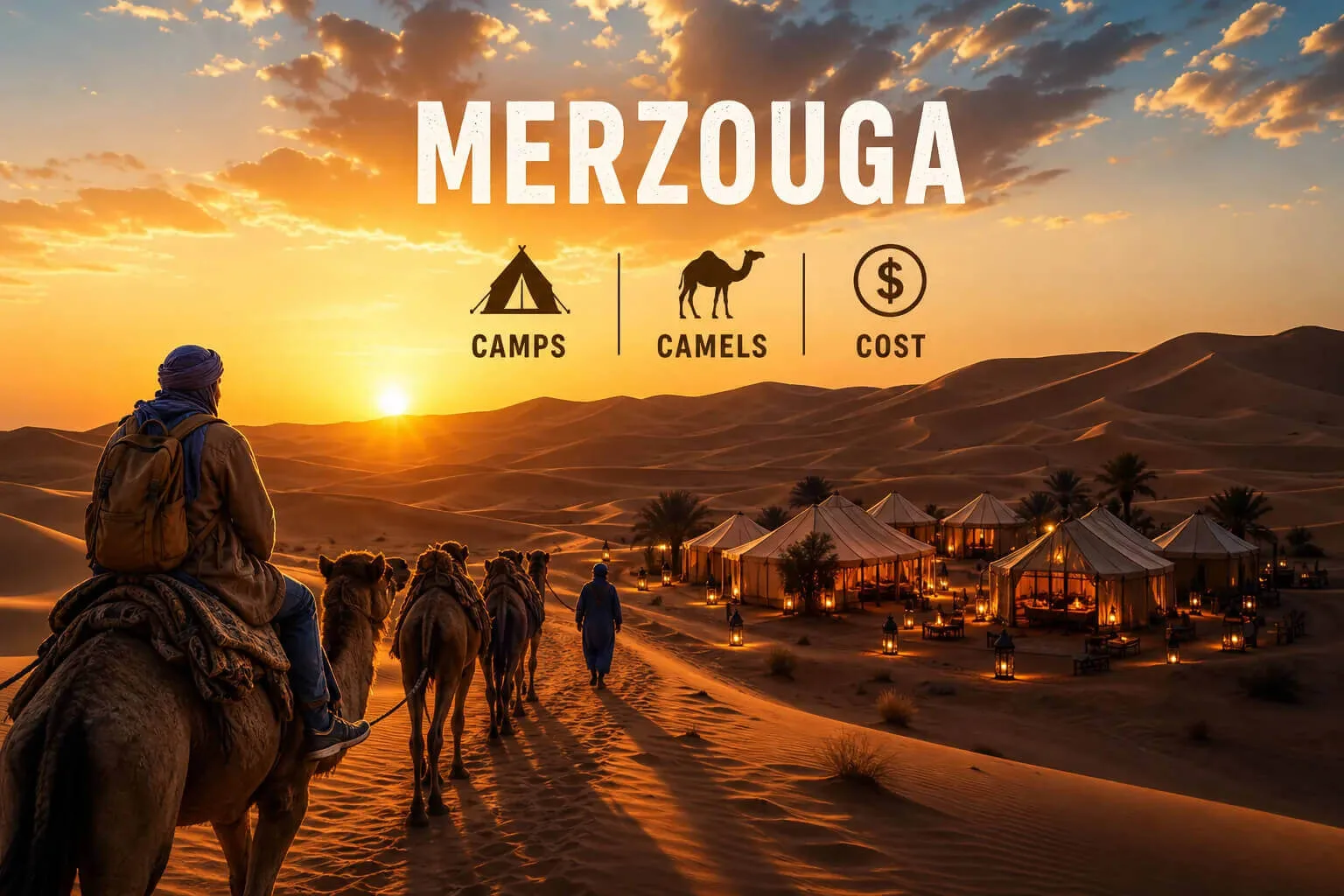
Join our Merzouga Overnight Tour for an authentic desert experience. Enjoy camel rides, comfortable ...
Read this articleWant cool tour deals and tips about Morocco? Enter your email and we’ll send them to you each month!
