Group Tour Agencies in Morocco: How to Pick the Right One
Discover how to choose the perfect group tour agency in Morocco. Get tips on what to look for and ma...
Read this article
Suspendisse interdum consectetur libero id. Fermentum leo vel orci porta non. Euismod viverra nibh cras pulvinar suspen.
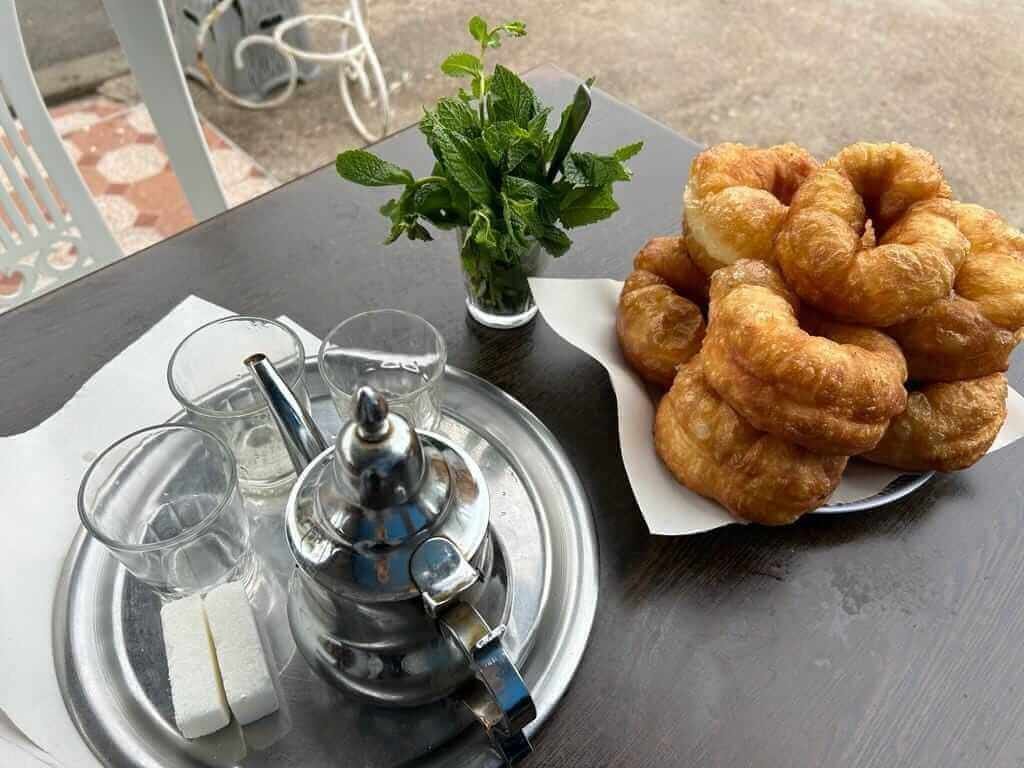
A traditional Moroccan breakfast typically includes fresh bread, olive oil, jben cheese (a homemade fresh cheese that is a staple in Moroccan breakfasts), honey, and sweet mint tea.
Most Moroccans eat a simple everyday breakfast, while weekends, winter, and travel days bring msemen (a layered flatbread commonly served with honey or butter), baghrir (the "thousand-hole pancake"), bissara (a thick soup made from fava beans), fried eggs, and amlou (a rich dip made of argan oil, almonds, and honey).
Morocco Classic Tours guests can taste breakfast in riads, family homes, Sahara camps, and Atlas Mountains villages.
This guide covers what Moroccans eat for breakfast, regional variations, health tips, and easy Moroccan breakfast recipes.
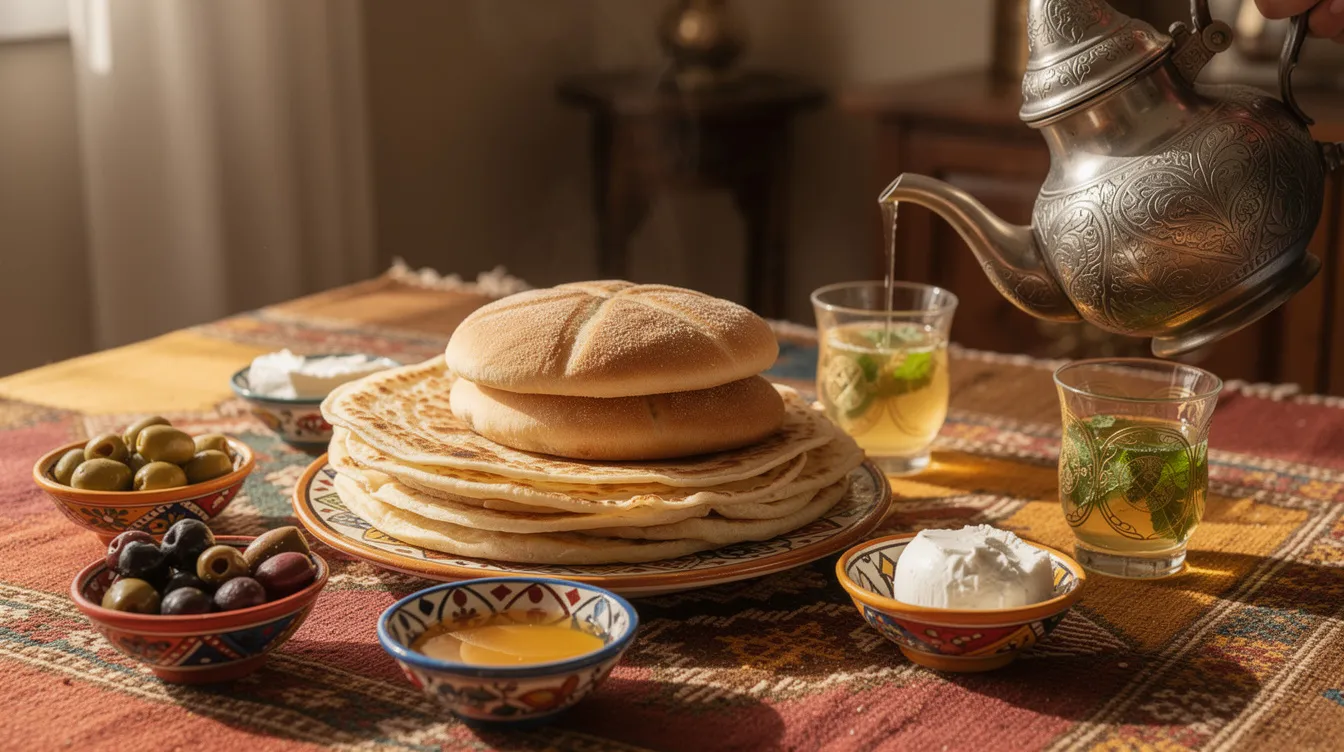
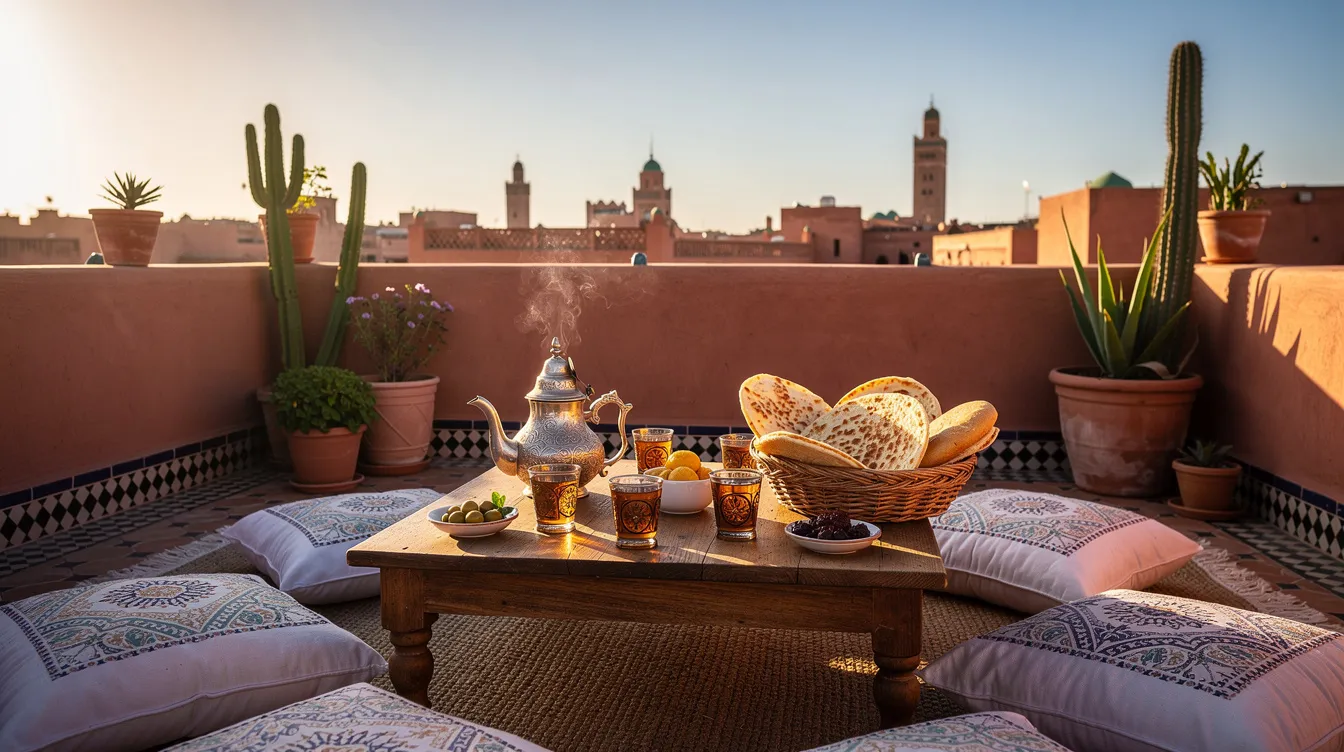
At about 8:00 AM in a Fez riad, a Moroccan breakfast table might hold baskets of freshly baked bread, little pots of Moroccan olives, jben cheese (a homemade fresh cheese that is a staple in Moroccan breakfasts), raw honey, argan oil, and a silver pot of hot mint tea. Moroccan breakfast is not just food; it is conversation, hospitality, and a slow start before the day begins.
A typical Moroccan breakfast is lighter than many Western breakfasts: less meat, more bread, olive oil, spreads, and tea. In many Moroccan households, breakfast happens between 7:00 and 9:00 AM, often on shared plates that bring several generations to the same table.
By the end of this article, you will understand:
The everyday foods Moroccans eat for breakfast
Regional and seasonal variations in Moroccan breakfast
Health and nutrition tips for Moroccan breakfast
Simple Moroccan breakfast recipes to try at home
What Do Moroccans Eat for Breakfast Every Day? Usually fresh bread or Moroccan bread, olive oil for dipping, Moroccan mint tea, and sometimes laughing cow cheese, goat cheese, jben cheese, or eggs. Riad and hotel breakfasts often include a variety of traditional Moroccan foods, but everyday meals stay simple.
Most breakfasts share the same core: bread, spreads, dairy, eggs, and drinks. Moroccan breakfast typically includes a variety of breads, cheeses, and spreads.
Khobz is the most staple Moroccan bread served at breakfast; many Moroccans bake their own bread at home or buy it from neighborhood ovens and communal ovens.
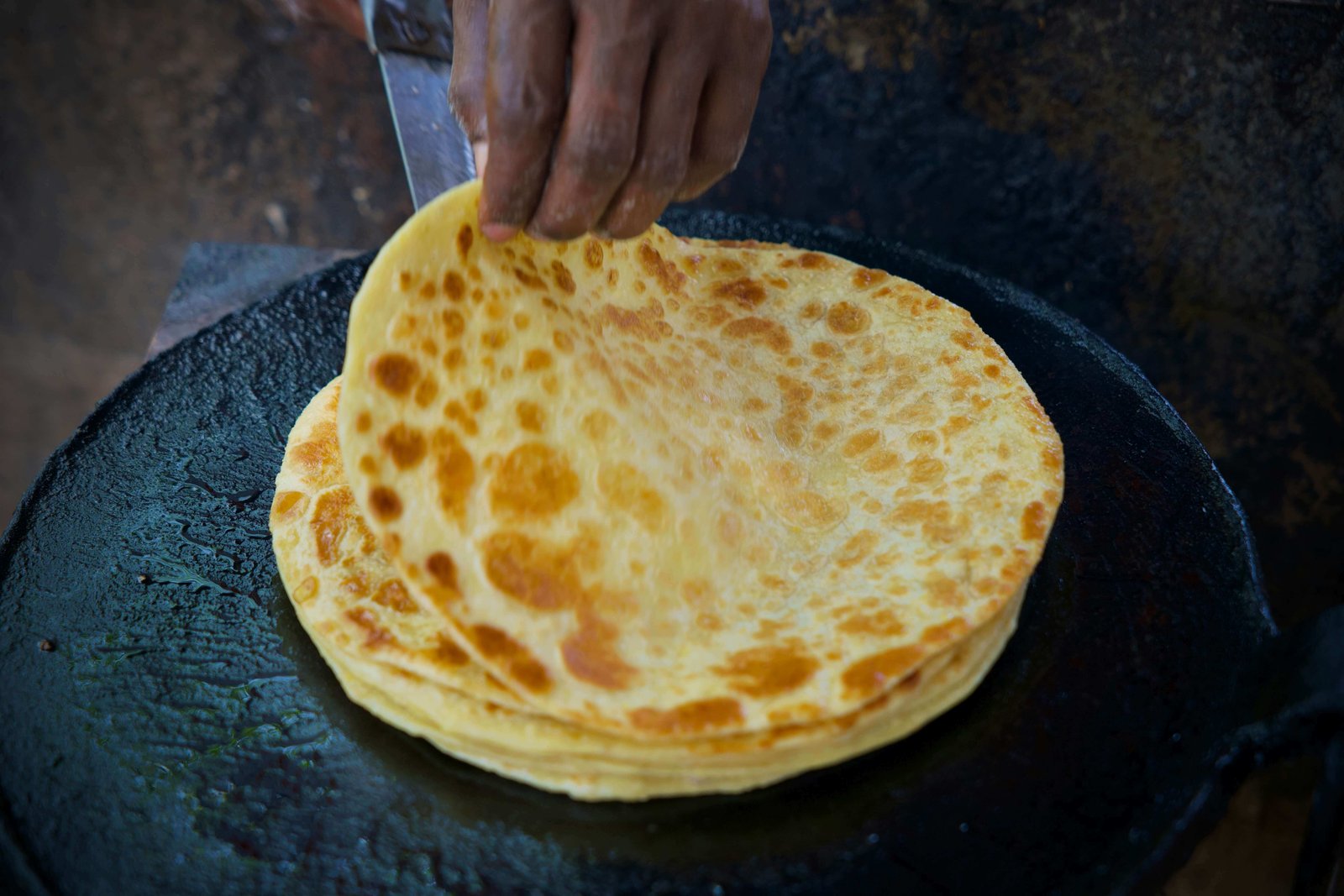
Msemen, a layered flatbread that is commonly served with honey or butter at breakfast, is a favorite for weekends and special occasions.
Baghrir, known as the “thousand-hole pancake,” is a popular breakfast item in Morocco. Its spongy texture soaks up melted butter and honey.
Harcha is a semolina flatbread that is slightly crunchy and salty, often eaten with cheese, jam, or butter.
Batbout is another type of Moroccan flatbread, often used for sandwiches or served with spreads.
Jben is a homemade fresh cheese that is a staple in Moroccan breakfasts, often enjoyed with honey or olive oil.
Olive oil is commonly served at Moroccan breakfast tables for dipping bread.
Amlou, a rich dip made of argan oil, almonds, and honey, accompanies bread during breakfast.
Honey is frequently served with bread, cheese, and pancakes.
Eggs can be served as boiled eggs, fried eggs in olive oil, poached, or Shakshuka-style eggs in tomato sauce. Shakshuka is a dish of eggs in a spiced tomato sauce.
Khlii is cured, preserved meat often used in Moroccan breakfast dishes, especially with eggs on special occasions.
Breads in Moroccan breakfasts are often served with sweet spreads like honey, butter, and fruit jams.
Freshly squeezed orange juice is a common beverage served during Moroccan breakfasts, especially in Marrakech and coastal cities.
Atay Nana is a sweet mint tea, regarded as the national drink of Morocco. Moroccan mint tea is an essential beverage served during breakfast and symbolizes hospitality.
Bread is the foundation of breakfast in Morocco and often replaces cutlery. Freshly baked bread is used to scoop egg yolk, cheese, olives, and thick soup.
Khobz is the daily round loaf. It is crusty, filling, and sold near every street corner.
Msemen, a layered flatbread that is commonly served with honey or butter at breakfast, is made from its own dough of flour, semolina, water, oil, and salt, folded and cooked on medium heat over pans or gas burners. Msemen is often served warm with honey or butter; honey and butter make it absolutely delicious.
Baghrir, known as the “thousand-hole pancake,” is one of the best-known Moroccan pancakes. It uses semolina, yeast, and baking powder, and the holes soak up melted butter and honey.
Harcha is a semolina flatbread that is slightly crunchy and salty, often eaten with cheese, jam, or butter. In Marrakech, small stalls and hidden bakeries in the medina serve fresh baghrir and harcha for breakfast.
Moroccans love simple toppings. Extra virgin olive oil is poured into shallow dishes. Argan oil, especially near Agadir and the south, is nutty and slightly sweet.
Amlou, a rich dip made of argan oil, almonds, and honey, accompanies bread during breakfast.
Jben cheese may be plain, served with olive oil, or paired with raw honey.
Fried eggs are usually cooked in olive oil, seasoned with cumin, and eaten the Moroccan way: by tearing bread and dipping it into the yolk.
Khlii is cured, preserved meat often used in Moroccan breakfast dishes, especially with eggs on special occasions.
Bissara, a thick soup made from fava beans, is commonly eaten for breakfast, especially in winter. This Moroccan soup, also called pea soup when made with split peas, is popular in northern Morocco because it is cheap, warming in cold seasons, and filling until lunch.
Street-side shops in Morocco often serve breakfast with large pots of tajines and baskets of bread. You can find authentic Moroccan breakfast experiences in local cafes and street food stalls, and you can enjoy a filling breakfast for under $3 at street food stalls in Morocco. Many locals prefer small cafes down side streets for a more authentic experience; most cafes in Morocco open before 7 AM to serve breakfast.
Other hot options include loubia, barley porridge, and eggs with tomatoes. A simple Moroccan breakfast shakshuka recipe uses olive oil, onion, garlic, tomato, bell pepper, paprika, cumin, and eggs cracked on top until just set.
A Moroccan Berber breakfast in the Atlas Mountains is hearty: thick barley or wheat bread, olive oil, homemade butter, goat cheese, honey, amlou (a rich dip made of argan oil, almonds, and honey), and strong tea after early prayer or before hiking.
A traditional breakfast in Marrakech often means msemen (a layered flatbread commonly served with honey or butter), rghaif, khobz, jben, olives, fried eggs, Moroccan mint tea, and freshly squeezed orange juice on a riad rooftop. In northern Morocco, expect soft jben, bissara (a thick soup made from fava beans), olives, and Mediterranean touches.
In desert camps near Merzouga or Zagora, breakfasts may include dates, flatbread, khlii (cured, preserved meat), eggs, and tea before the heat.
In Casablanca, modern cafes mix with traditional options for breakfast. Coastal cities also show French influence: coffee, croissants, pain au chocolat, Moroccan pastries, pastries like halwa dyal kouk, and fresh orange juice.
Moroccan food and Moroccan cuisine can be healthy because they rely on olive oil, legumes, whole grains, fresh produce, and limited processed meat. According to Mediterranean diet research from Harvard Health, olive oil, legumes, and plant foods support long-term health.
Is Moroccan breakfast healthy for diabetics? It can be, but white bread, honey, jam, sweet mint tea, and juice need moderation. Better choices include eggs, olives, plain yogurt, beans, and whole-grain bread; for personal conditions, ask your doctor.
Is Moroccan breakfast healthy for weight loss? Yes, if you focus on eggs, jben, beans, olive oil in moderation, and avoid making the meal too carbohydrate-laden with multiple breads and sweets. The most eaten food in Morocco is bread, so portion awareness helps.
A family breakfast may be one bread, olive oil, tea, and maybe cheese or an egg. Breakfast in Morocco is a daily ritual rooted in family, routine, freshness, seasonality, and tradition.
A traditional breakfast with Morocco Classic Tours may include khobz, msemen, baghrir, harcha, cheeses, olives, amlou, fruit, coffee, mint tea, and juice. Extra items can come at an extra cost in cafés or hotels.
What do Moroccans eat for lunch? Lunch is usually the main hot meal: tagine, salads, bread, and couscous on Fridays. That is why breakfast can stay light.
For msemen (a layered flatbread commonly served with honey or butter), mix flour, fine semolina, salt, water, and oil; knead, rest, oil, flatten, fold into squares, and pan-fry on medium heat.
For baghrir (the "thousand-hole pancake"), blend semolina batter with yeast and baking powder, rest until bubbly, cook on one side, then serve with melted butter and honey.
For eggs-in-tomato (shakshuka), simmer olive oil, onion, garlic, tomatoes, peppers, cumin, and paprika; crack in eggs and cover.
For amlou (a rich dip made of argan oil, almonds, and honey), stir ground almonds with argan oil and honey into a thick paste.
Morocco Classic Tours designs private trips around real cultural moments, including breakfast. You can visit Morocco and taste riad breakfasts in Fez and Marrakech, Berber breakfasts before Atlas hikes, and sunrise meals in Sahara camps after camel treks.
Book a custom tour or day trip to taste Moroccan breakfast from the Rif Mountains to the Sahara, not only in hotel dining rooms.
Moroccans eat breakfast daily, though weekday breakfast is often simple. Special occasions add Moroccan pastries, baghrir (the "thousand-hole pancake"), msemen (a layered flatbread commonly served with honey or butter), and richer dishes.
Most families eat between 7:00 and 9:00 AM. Riads often serve from 7:30 or 8:00 AM, and Morocco Classic Tours can arrange timing around excursions.
Yes. Coffee, black coffee, and nous-nous are common in urban cafés, but try at least one glass of Moroccan mint tea.
Vegetarians can eat bread, olive oil, argan oil, jben (a homemade fresh cheese that is a staple in Moroccan breakfasts), honey, eggs, bissara (a thick soup made from fava beans), and fruit. Vegans can choose bread, olives, beans, jams, fruit, and unsweetened tea.
A simple café or stall breakfast can cost about $2–$4. A richer tourist café breakfast may cost around $5–$10 per person.
To experience a Moroccan breakfast like a local, follow these steps:
Try making msemen (a layered flatbread commonly served with honey or butter), baghrir (the "thousand-hole pancake"), or amlou (a rich dip made of argan oil, almonds, and honey) at home.
Visit a Moroccan café or market for authentic breads and spreads.
Book a Morocco Classic Tour to enjoy breakfast in riads, Berber homes, and Sahara camps.
For men: Mix flour, fine semolina, salt, water, and oil; knead, rest, oil, flatten, fold into squares, and pan-fry on medium heat.
For baghrir: Blend semolina batter with yeast and baking powder, rest until bubbly, cook on one side, then serve with melted butter and honey.
For eggs-in-tomato (shakshuka): Simmer olive oil, onion, garlic, tomatoes, peppers, cumin, and paprika; crack in eggs and cover.
For amlou: Stir ground almonds with argan oil and honey into a thick paste.
Discover how to choose the perfect group tour agency in Morocco. Get tips on what to look for and ma...
Read this article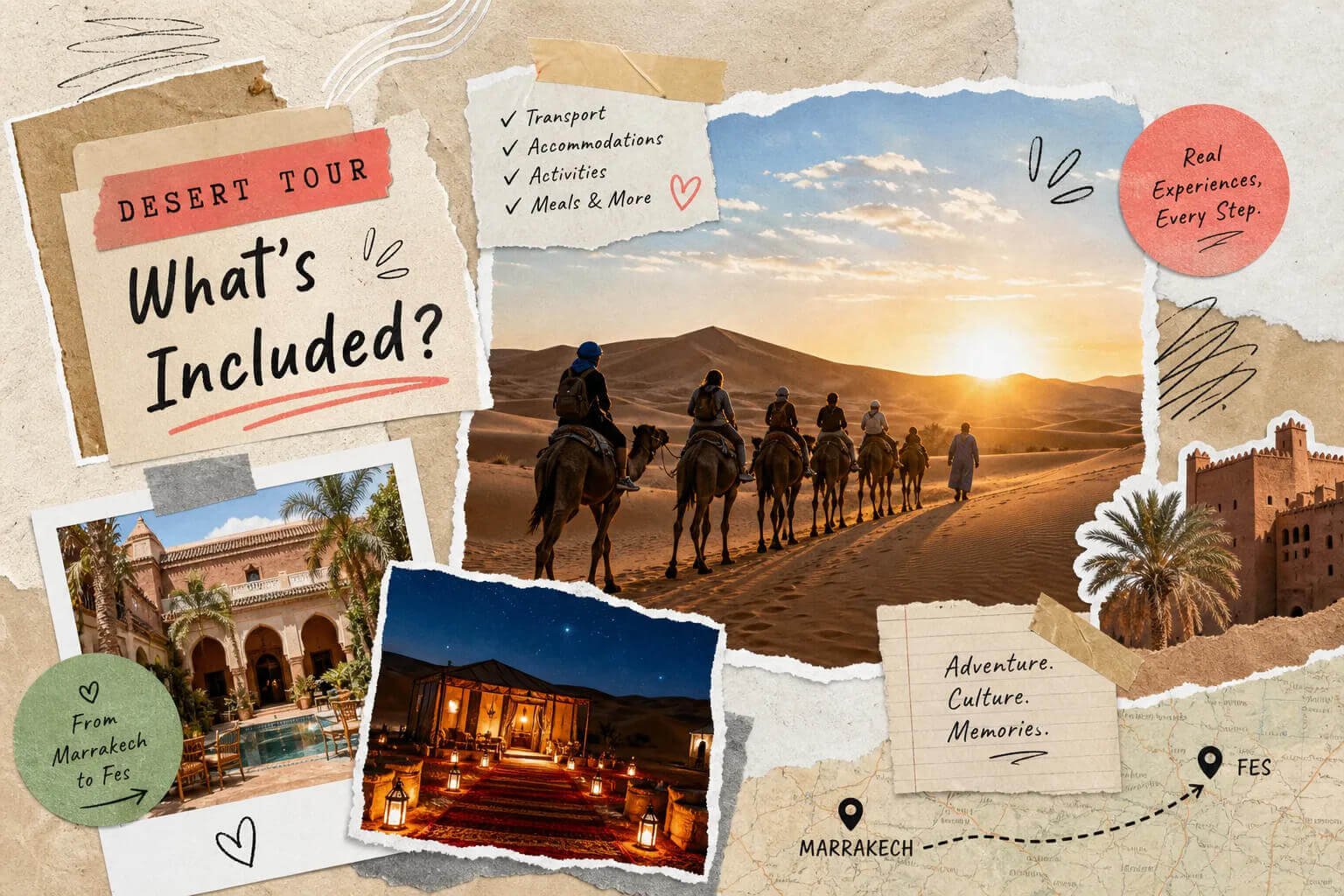
Uncover what a Marrakech to Fes desert tour offers, including camel rides, desert camps, and rich cu...
Read this article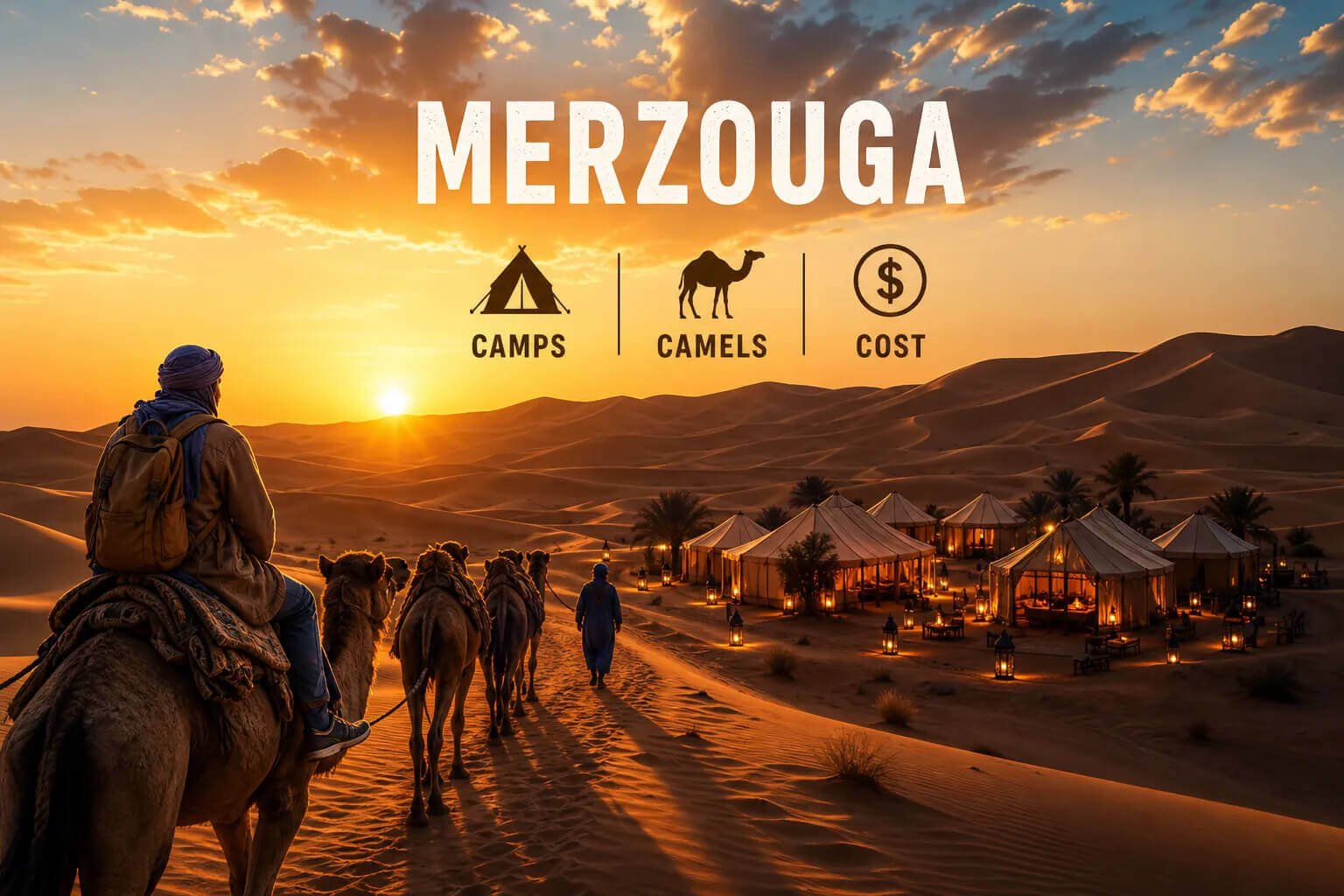
Join our Merzouga Overnight Tour for an authentic desert experience. Enjoy camel rides, comfortable ...
Read this articleWant cool tour deals and tips about Morocco? Enter your email and we’ll send them to you each month!