The Best 10-Day Morocco Itinerary: Marrakech to Fez
Discover the ultimate 10-day Morocco itinerary, exploring vibrant Marrakech to historic Fez. Experie...
Read this article

Suspendisse interdum consectetur libero id. Fermentum leo vel orci porta non. Euismod viverra nibh cras pulvinar suspen.
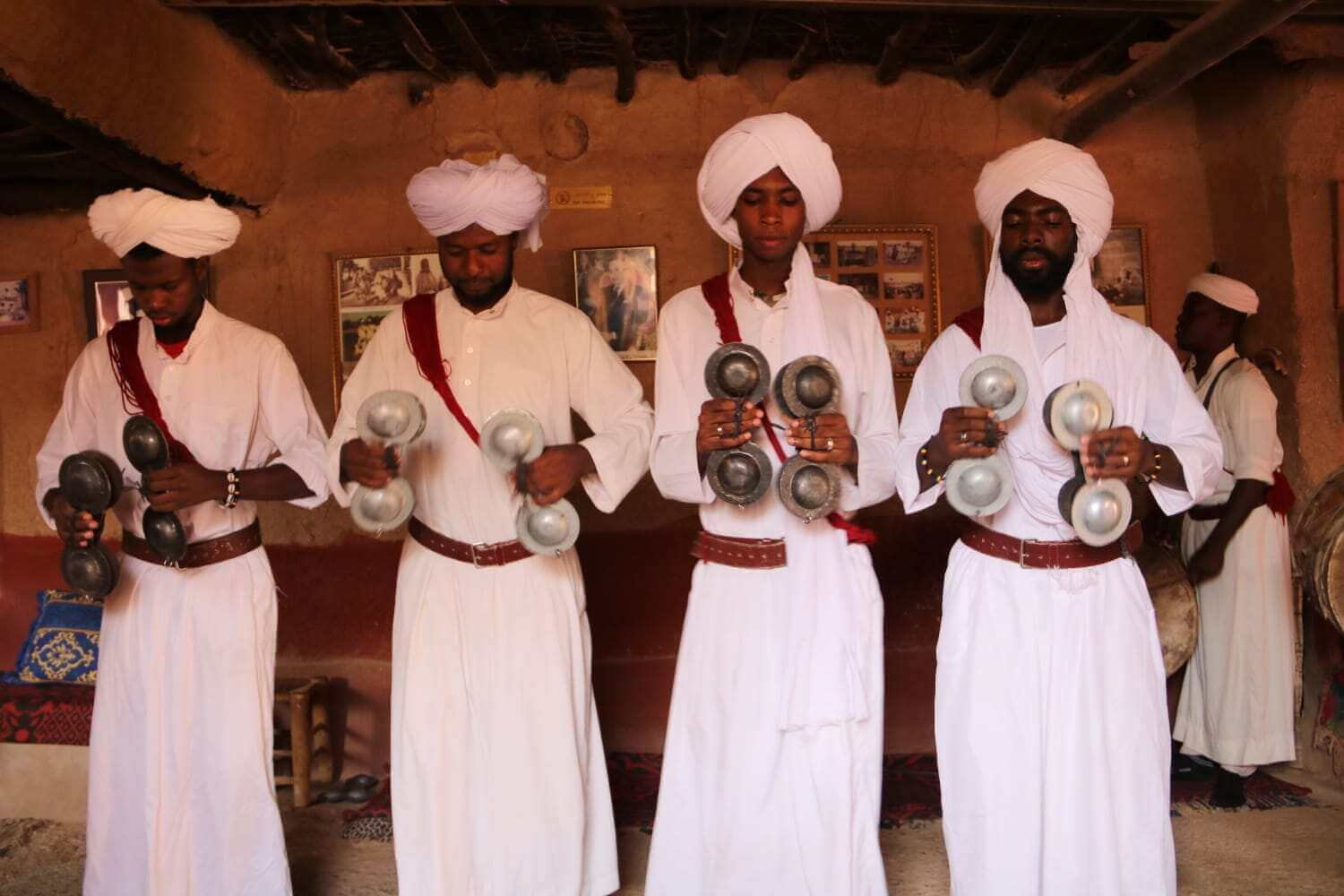
The most popular festivals in Morocco include the Fes Festival of World Sacred Music, Gnaoua World Music Festival, Imilchil Marriage Festival, Erfoud Date Festival, Almond Blossom Festival, Mawazine Festival, and Tan Tan Moussem.
Morocco festivals run year-round, from music and film events in major cities to rural harvest moussem, religious festivals, and Sahara gatherings.
Spring and autumn are ideal for festival visits, especially March–June and September–November.
Islamic holidays such as Ramadan, Eid al-Fitr, Eid al-Adha, and Islamic New Year follow the lunar calendar, so festival dates move about 10–11 days earlier each year.
Morocco Classic Tours can build private festival itineraries with local guides, riads, Sahara desert camps, camel rides, food tours, and private transfers.
Morocco is known for its vibrant festivals that blend ancient traditions, sacred music, colorful parades, traditional dishes, and family gatherings. During festival season, Fes courtyards echo with world sacred music, Jemaa el-Fnaa square in Marrakech features a vibrant cultural market atmosphere, and the Sahara desert fills with traditional musicians, camel races, and nomadic communities.
Festivals in Morocco range from a world music festival in Essaouira to harvest celebrations in a small town like Tafraoute or Erfoud. Morocco's festivals offer insight into its diverse cultural fabric, including Amazigh culture, nomadic heritage, Moroccan cinema, religious ceremonies, and modern street art.
As a Fez-based travel agency, Morocco Classic Tours creates private and small-group trips around major morocco festivals in Fes, Marrakech, Rabat, Essaouira, the Atlas Mountains, and the Sahara. Always confirm current festival dates before booking, because harvest events, religious holidays, and some moussem can shift.
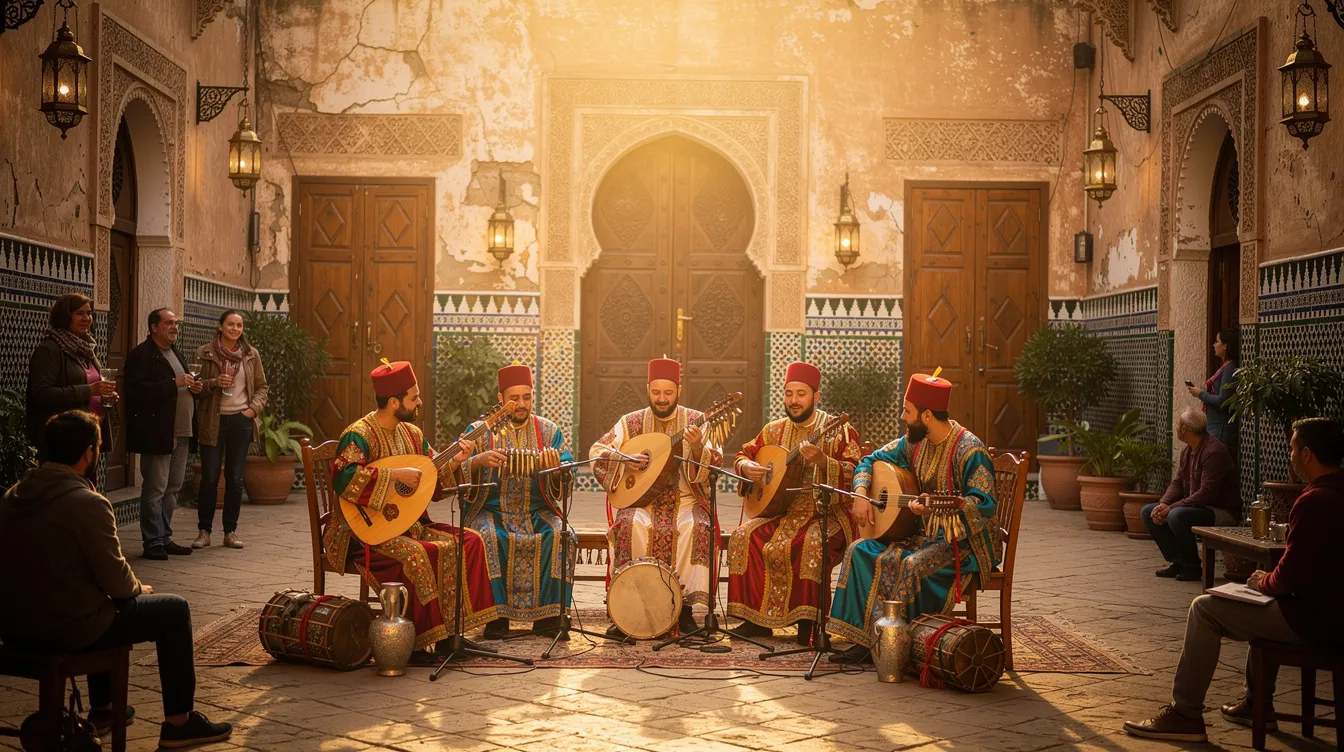
If you are asking what the most popular festivals in Morocco are, start with these headline events: Fes Festival of World Sacred Music, Gnaoua World Music Festival in Essaouira, Mawazine Festival in Rabat, Marrakech Popular Arts Festival, Imilchil Marriage Festival, almond blossom festival in Tafraoute, Erfoud Date Festival, Tan Tan Moussem, Marrakech International Film Festival, Ramadan, Eid al-Adha, and Eid al-Fitr.
A quick guide:
Festival | Where | Typical timing | Best for |
|---|---|---|---|
Fes Sacred Music Festival | Fes | May or early June | Sacred music, historic venues |
Gnaoua World Music Festival | Essaouira | June | Gnaoua music, African rhythms, fusion |
Mawazine Festival | Rabat | May/June | International artists, pop, rap, world music |
Marrakech Popular Arts Festival | Marrakech | July | Traditional dances, fantasia, folklore |
Imilchil Marriage Festival | High Atlas Mountains | September | Berber tribes, local customs |
Erfoud Date Festival | Erfoud | October | Date harvest, desert tours |
Tan Tan Moussem | Tan Tan | Often May/June | Nomadic culture, camel trading |
International Nomads Festival | M’Hamid | March | Nomadic communities, Sahara culture |
The Tan Tan Moussem gathers over 30 nomadic tribes annually.
These Moroccan festivals suit different travelers: music lovers, families, photographers, culture seekers, and adventurers visiting Morocco for unique cultural festivals.
Morocco has become a lively hub for music, art, and contemporary cultural performances. In major cities, you can pair evening concerts with daytime medina tours, food walks, coastal excursions, or private transfers arranged by Morocco Classic Tours.
The Fes Festival of World Sacred Music, also called the Fes Festival, the fes sacred music festival, or the fes festival of world sacred music, is one of Morocco’s most respected cultural events. The Fes Sacred World Music Festival lasts for 10 days each May, and the Fes Sacred Music Festival occurs annually in May, although some editions fall in early June. The Fes Sacred Music Festival lasts for ten days in May and is built around sacred music traditions from Morocco and beyond.
Concerts take place in historic venues such as Bab Makina, riads, and courtyards in the Fes medina. The festival of world sacred traditions may include Sufi chants, Andalusian music, gospel, Indian ragas, and traditional songs. The Rencontres de Fes forum adds talks on spirituality, coexistence, and Moroccan culture. It is ideal for travelers who want guided medina walks, food tours, and Meknes or Volubilis day trips.
The Gnaoua World Music Festival attracts over 500,000 attendees annually, and the Gnaoua World Music Festival attracts over half a million attendees every year. This four-day event blends gnaoua music with jazz, reggae, rock, fusion, and world music, making Essaouira’s entire city feel like a seaside stage.
Many concerts are free, especially around Place Moulay Hassan and the beach, while smaller collaborations can be ticketed. Book early: riads sell out quickly. Morocco Classic Tours can arrange Marrakech-to-Essaouira transfers, coastal stays, guided rampart walks, and extra time for kitesurfing.
Mawazine Festival in Rabat is one of Africa’s largest music festivals. Mawazine Festival features over 40 international artists each year, alongside Moroccan performers and traditional ensembles. It is usually held over 7–9 days in May or June, with stages across Rabat and Salé.
Some shows are free, while premium sections vary by artist. Morocco Classic Tours can combine Mawazine nights with Rabat sightseeing, Casablanca visits, and private transport between hotels and venues.
The Marrakech Popular Arts Festival, or Festival National des Arts Populaires, showcases traditional arts for 10 days in July. The Marrakech Popular Arts Festival showcases traditional arts for 10 days in July around sites such as Djemaa el Fna and El Badi Palace.
Expect traditional performances, acrobats, storytellers, snake charmers, folk dances, fantasia horse displays, and street theatre. Fantasia is a war ceremony that showcases Berber warrior traditions. Fantasia is a war ceremony that showcases Berber warrior traditions. This national festival pairs well with Marrakech riad stays, souk tours, Agafay Desert dinners, and Atlas Mountains day trips.
Festival Jazzablanca in Casablanca focuses on jazz, world music, and fusion, with ticketed concerts and some free shows. Sbagha Bagha Casablanca Street Art Festival transforms city walls into murals, while Jidar Morocco in Rabat brings international artists and Moroccan muralists into public spaces.
Timitar in Agadir celebrates Berber music and Amazigh culture beside global artists. The Alegria Festival in Chefchaouen, Asilah Arts Festival, and Jidar are good for travelers interested in photography, cultural diversity, and urban creativity.
A moussem is a traditional Moroccan festival often linked to a saint, harvest, local tribe, or season. These events can include religious ceremonies, souks, livestock trading, traditional dances, traditional music, and family gatherings.
The almond blossom festival takes place around Tafraoute in the Anti-Atlas, usually in February, when valleys turn pink and white. Expect Amazigh music, storytelling, handicrafts, almonds, argan oil, amlou, and local culture.
Exact festival dates depend on the bloom, rainfall, and altitude. Accommodation is limited, so many festivals require early booking due to high demand.
The Imilchil Marriage Festival is held annually in September, and the Imichil Marriage Festival occurs annually in September in the high atlas mountains. It attracts Aït Haddidou and neighboring Berber tribes, and the Imichil Marriage Festival attracts up to 30,000 attendees.
The marriage festival is linked to the legend of Isli and Tislit, two lovers whose tears formed mountain lakes. Today, it is a social fair where couples formalize engagements, families meet, and local tribes gather for music, dancing, souks, and livestock trade. You may also see the spelling imichil marriage festival.
The Tan Tan Moussem gathers over 30 nomadic tribes annually in southwestern Morocco. It is recognized by UNESCO as intangible heritage, and the festival brings nomadic poetry, storytelling, camel trading, camel races, music, and fantasia.
Tan Tan is best for adventurous travelers. Conditions can be hot and rustic, so private transport and local guides are recommended.
The Erfoud Date Festival occurs every October to celebrate date harvest, and the Erfoud Date Festival celebrates the date harvest every October in the Ziz Valley around Erfoud and Rissani. The date festival includes souks, folkloric music, dance, camel races, and date products.
Pair it with Merzouga camel rides, 4x4 dunes tours, and luxury Sahara camps. Other harvest events include the saffron festival in Taliouine, the Sefrou Cherry Festival, the honey festival in Immouzer des Ida Outanane, Al Hoceima sea harvest festival, Rafsae olive harvest festival, Immouzer du Kandar apples and pears fête, Berkane clementine harvest, Beni Mellal cotton harvest, Goulimine camel fair, and Tiznit’s Moussem of Sidi Ahmed ou Moussa.
The Festival of Roses celebrates the rose harvest in May, the Festival of Roses is held in May to celebrate the rose harvest, and the Festival of Roses occurs in May in Kalaat M'Gouna.
The International Nomads Festival celebrates nomadic culture every March, and the International Nomads Festival is held annually in March. This three-day event near M’Hamid includes poetry, music, crafts, sustainability talks, and open-air desert performances.
Reaching M’Hamid usually requires a long drive through Ouarzazate, Zagora, and the Draa Valley. Morocco Classic Tours can turn it into a multi-day Sahara desert route with kasbahs, palm oases, and desert camps.
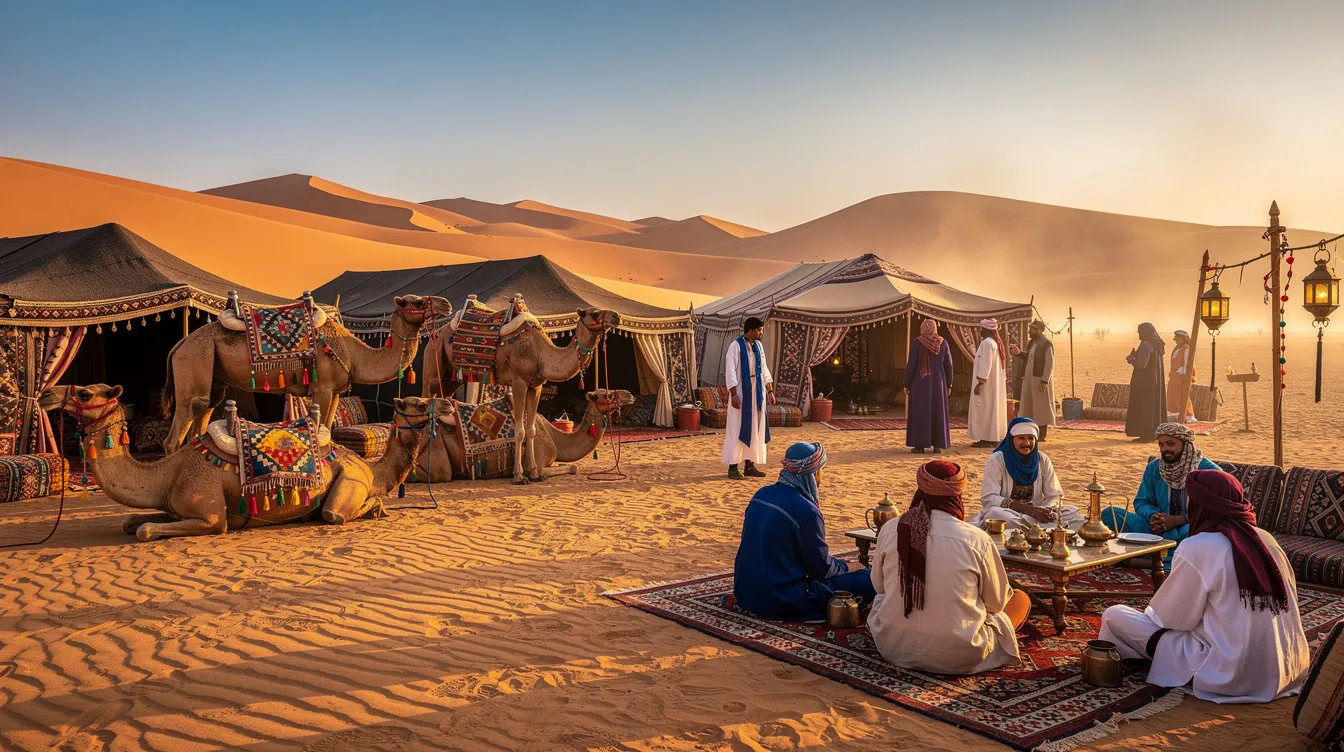
Morocco follows both the Gregorian and Islamic Hijri calendars. Islamic religious festivals move each year because of the lunar calendar, and exact dates depend on moon sightings.
Ramadan lasts around 29–30 days and is characterized by communal evening meals and a celebration at its end. During the day, Muslims fast; after sunset, streets fill for iftar, cafés reopen, and families gather.
Visitors are not required to fast, but modest dress and discretion with eating in public are appreciated. Morocco Classic Tours can arrange iftar experiences, night medina walks, and adapted touring hours.
Eid al-Fitr marks the end of Ramadan with morning prayers, sweets, new clothes, and family visits. Eid al-Adha, the Feast of the Sacrifice, is one of Morocco’s biggest holidays and centers on family meals and the ritual sacrifice of a sheep or goat.
Expect quiet streets during prayer times and closures around both holidays. Avoid photographing religious rituals without permission.
Fixed public holidays include January 1 New Year’s Day, January 11 Manifesto of Independence, May 1 Labour Day, July 30 Feast of the Throne, August 14 Oued Eddahab Allegiance Day, August 20 Anniversary of the King and the People’s Revolution, November 6 Green March Anniversary, and November 18 Independence Day.
Yennayer, the Amazigh New Year, is celebrated on January 12th, especially in Amazigh regions. Aïd al-Mawlid, Islamic New Year, and Achoura change yearly.
Moroccan festivals are not only traditional. Morocco also hosts film, electronic music, and contemporary art events that show modern Moroccan life.
The Marrakech International Film Festival usually takes place in late November or early December. This film festival features Moroccan cinema, international films, film screenings, masterclasses, tributes, and red-carpet events.
Film fans can combine evenings at the festival with palaces, gardens, souks, hammams, and day trips to the Atlas Mountains.
Asilah Arts Festival, usually in summer, gives exposure for local artists through murals, exhibitions, concerts, and literary salons. Jidar in Rabat and Sbagha Bagha in Casablanca are ideal for travelers who enjoy murals, photography, and contemporary city walks.
Oasis near Marrakech is a boutique electronic music festival with international DJs and design-forward venues. MOGA in Essaouira is another contemporary event, often combining beach culture with electronic music.
These festivals suit travelers who want late nights, riad stays, quad biking, food tours, and pre- or post-festival Sahara extensions.
Morocco has festivals all year, but spring and autumn are ideal for festival visits. February brings Tafraoute’s almond blossom festival. March–April can include the international nomads festival and the Marathon des Sables; the Marathon des Sables covers 251 km in six days, making this sand marathon one of the world’s toughest desert races.
May–June is packed with the Fes Festival of World, rose festival, Mawazine, and Gnaoua. July–August brings Timitar, Asilah, Tan Tan in some years, and the Marrakech Popular Arts Festival. September–October is excellent for the Imilchil Marriage Festival, Erfoud Date Festival, saffron, olives, and other harvest months. November–December can include national holidays and the Marrakech International Film Festival.
Costs vary widely. Rural moussems are often free, while urban events may have paid seating, VIP areas, or premium shows.
Some Fes Sacred Music concerts start at modest prices, while select seats cost more. Mawazine has many free stages, but premium areas vary. Jazzablanca and film events are more ticket-based. Rural events like Tafraoute, Imilchil, Tan Tan, and Erfoud usually cost more in transport and lodging than entry.
Much of the Gnaoua World Music Festival is free, especially large outdoor concerts. Paid intimate concerts vary by year and lineup, so book as soon as schedules are released. Morocco Classic Tours can help track ticket releases and coordinate lodging.
Dress for comfort, climate, and respect. Morocco is Muslim-majority, and modest clothing is especially appreciated in villages, religious settings, and rural mosques.
Wear loose trousers, long sleeves, sunglasses, sunscreen, and a scarf or cheche for wind and sand. Bring closed-toe shoes, a warm layer for cold nights, a power bank, a headlamp, and medication.
For Fes, Marrakech, Rabat, Casablanca, and Essaouira, choose breathable clothing, comfortable shoes, and a light jacket. Carry a cross-body bag in crowds and avoid flashy valuables.
Major cities are easy by train, road, or air. Remote festivals in the Middle Atlas Mountains, High Atlas Mountains, Anti-Atlas, or Sahara require more planning.
The International Nomads Festival is reached by road from Marrakech or Ouarzazate via Zagora and the Draa Valley. It is a full-day journey from Marrakech, not a day trip. A private driver and 4x4 make the experience smoother.
Fes has air, train, and road links. Marrakech has a major airport. Essaouira is best reached by road from Marrakech. Rabat and Casablanca are linked by train and international airports.
Tafraoute requires mountain roads from Agadir. Imilchil needs time and often a 4x4. Erfoud is reached via Errachidia, Fes, Marrakech, Midelt, or the Ziz Valley.

Planning around festival dates means balancing distances, hotels, weather, and opening times. Morocco Classic Tours handles this locally with private transfers, English-speaking guides, riad stays, Sahara desert camps, camel rides, ATV experiences, food tours, and flexible pacing.
Popular routes include Fes sacred music plus imperial cities, Essaouira for Gnaoua plus Marrakech, M’Hamid for nomadic culture, Tafraoute for almond blossoms, and Erfoud for the date harvest. Contact Morocco Classic Tours with your travel window and interests, and we will create a tailor-made festival route.
May and June are excellent for the Fes Festival, Rose Festival, Mawazine, and Gnaoua. September and October are ideal for the Imilchil Marriage Festival, Erfoud Date Festival, saffron harvest, and desert travel.
Yes. Harvest festivals, rural moussems, and early-evening cultural performances are often family-friendly. Large urban concerts can be crowded late at night, so families may prefer guided daytime visits and quieter riads.
No. Music, dance, and visual spectacle are easy to enjoy without language skills. However, an English-speaking guide helps explain local customs, religious ceremonies, and the meaning behind traditional performances.
Book 3–6 months ahead for Fes Sacred Music, Mawazine, Gnaoua, Marrakech Popular Arts, and Marrakech International Film Festival. For luxury desert camps, special guides, or multi-festival trips, 9–12 months is better.
Most festivals are safe with normal big-crowd precautions: watch valuables, use trusted transport, and avoid isolated areas late at night. Solo travelers often feel more comfortable with Morocco Classic Tours’ vetted drivers, guides, and local support.
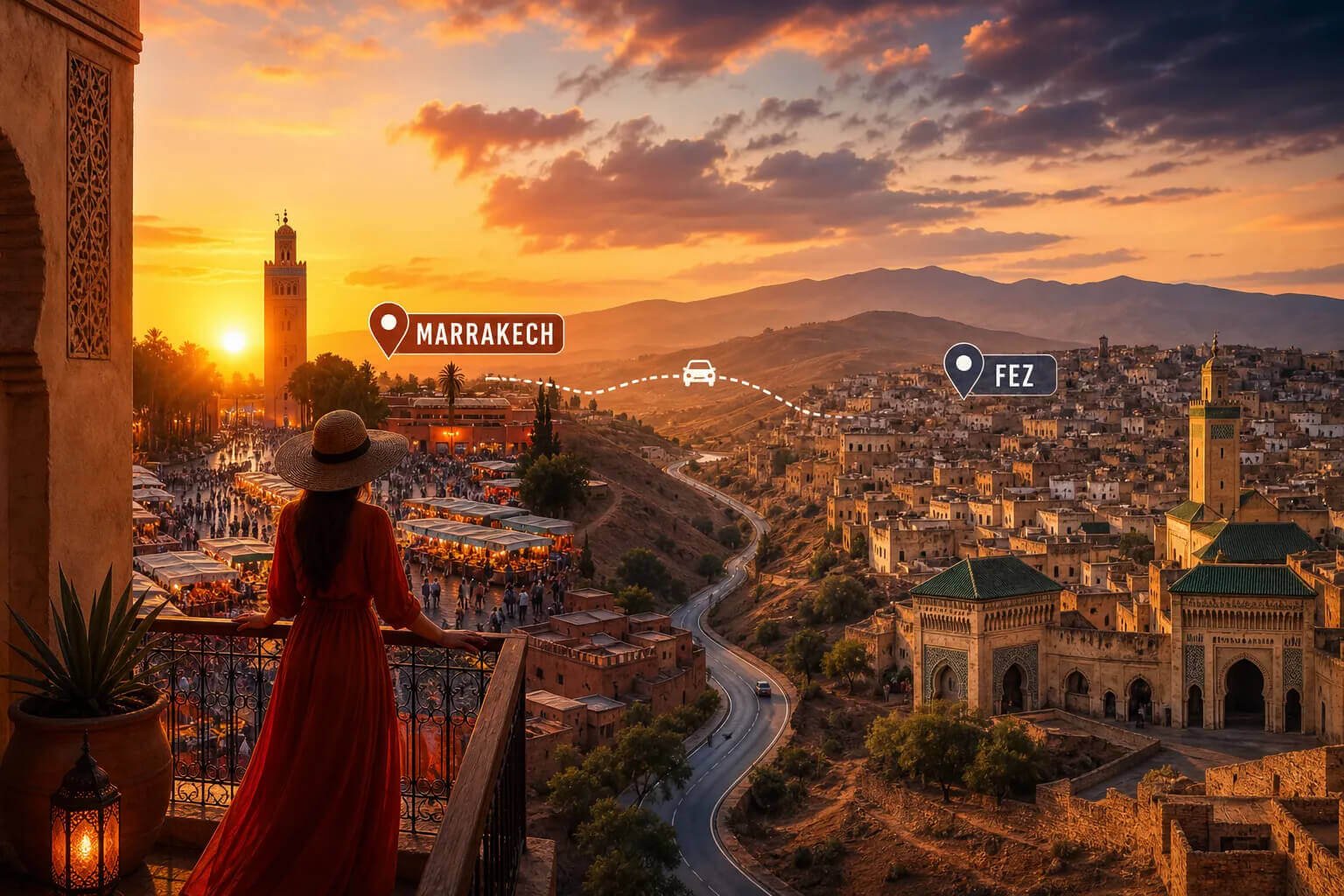
Discover the ultimate 10-day Morocco itinerary, exploring vibrant Marrakech to historic Fez. Experie...
Read this article
Discover the true costs of a hot air balloon ride in Morocco. Explore pricing, packages, and what to...
Read this article
Experience Morocco in December, a time of festive celebrations, mild weather, and breathtaking scene...
Read this articleWant cool tour deals and tips about Morocco? Enter your email and we’ll send them to you each month!