Group Tour Agencies in Morocco: How to Pick the Right One
Compare Morocco group tour agencies by trip style, reviews, pace, transport and inclusions. Learn wh...
Read this article

Private, custom Morocco trips planned in Fez by AZ-ZDDINE, working in Moroccan tourism since 2012. Sahara, Atlas, medinas and coast, arranged around you.
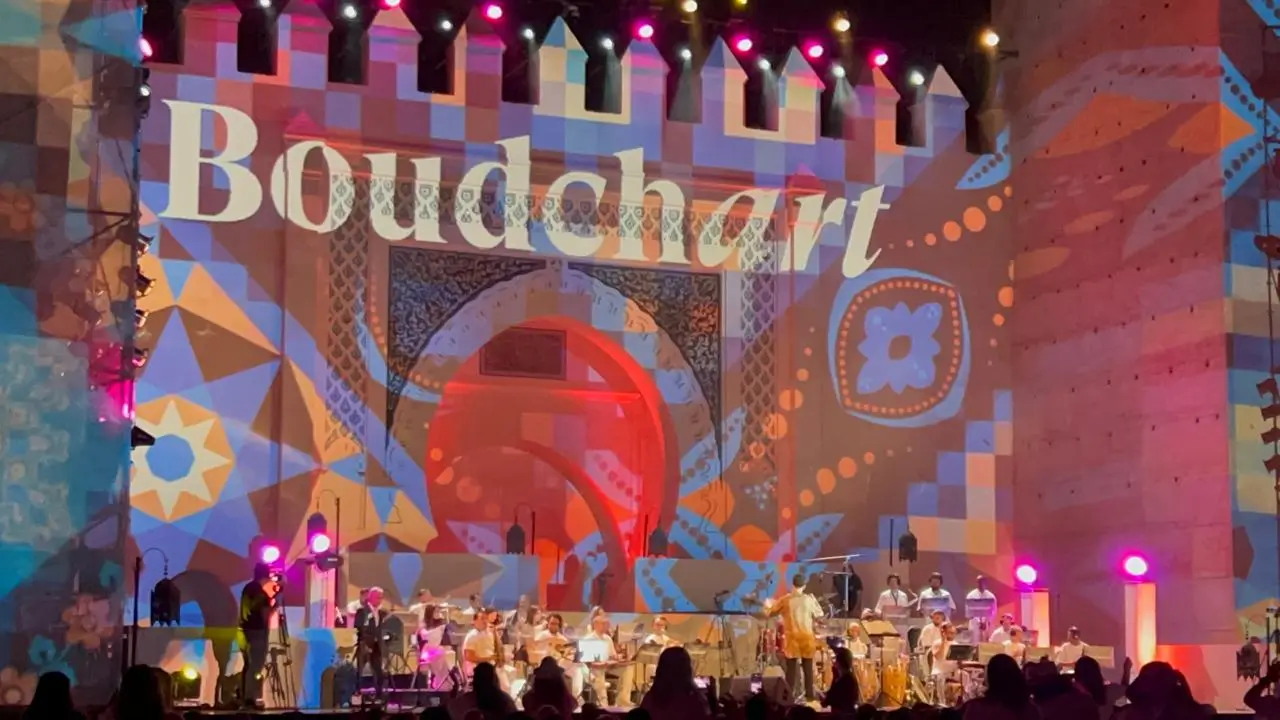
The Fez Festival of World Sacred Music stands as Morocco’s most significant spiritual music celebration, drawing visitors from across the globe to the ancient city of Fez each year. As a country at the crossroads of Africa, Europe, and the Middle East, Morocco’s unique geographic and cultural position has deeply influenced the festival, making it a true meeting point for diverse traditions. This extraordinary gathering transforms the UNESCO-listed medina into a living tapestry of sacred music traditions spanning continents, faiths, and centuries of artistic expression.
First held in 1994, the festival has been recognized by UNESCO as a significant event for the dialogue of civilizations, further cementing its global importance.
This guide covers everything you need to plan your trip for the 2026 edition: festival dates, venues, artist lineup expectations, ticket-purchasing strategies, and accommodation recommendations. Whether you’re a seasoned festival traveler or planning your first Moroccan experience, this resource addresses the practical and cultural dimensions of attending this remarkable celebration.
The 29th edition of the Fes Festival of World Sacred Music in 2026 is scheduled for June 4–7, 2026. The festival features evening concerts at the Bab Makina courtyard and intimate daytime performances, often in locations such as the Jnan Sbil Gardens, with Morocco Classic Tours recommending booking.
By the end of this guide, you will:
Understand the festival’s cultural significance and what to expect from performances
Know exactly when and how to purchase tickets through the festival box office
Discover the historic venues where concerts take place, and how the 1,200-year-old medina is transformed into a vibrant cultural stage during the festival.
Have a clear accommodation strategy for your visit
Be prepared to navigate common challenges international travelers face
The Fès World Festival of Sacred Music exists to promote intercultural dialogue and peace through the transformative power of world sacred music. Morocco, as a country at the crossroads of Africa, Europe, and the Middle East, plays a unique role in fostering cultural exchange, making Fez an ideal setting for this global event.
The mission of the festival is to highlight the universal language of music and promote interfaith dialogue, celebrating religious diversity and fostering cultural understanding through spiritual and humanitarian values.
Established in 1994 by Faouzi Skali, philanthropist and president of the Spirit of Fez Foundation, the festival was created as a direct response to the religious tensions following the first Gulf War. The Fez Festival of World Sacred Music is an annual event held for a week in Fez, Morocco. For visitors seeking authentic spiritual and cultural experiences, this festival offers something rare: a space where music becomes the medium for understanding across faiths.
Fez was deliberately chosen as the festival’s home due to its centuries-long history as a cultural crossroads. Christian, Jewish, and Muslim communities have coexisted peacefully in this city since medieval times, making it the ideal backdrop for celebrating diverse traditions through artistic expression. The city has served as Morocco’s spiritual and intellectual capital since the 8th century, and its living heritage provides context that enhances every performance.
What began as a modest gathering has evolved into one of the most important cultural events in Morocco, operating for over 25 years. The festival’s founding received support from King Hassan II himself, signaling its significance within Moroccan national identity. Each edition builds on this foundation while responding to contemporary global conversations about dialogue between cultures. If you have questions about attending the festival or need assistance planning your trip to Morocco, please contact us.
The festival defines sacred music broadly, extending beyond liturgical boundaries to include any music that has been treasured, valued, and preserved across generations. This inclusive approach means audiences experience everything from Sufi spiritual music and Gregorian chant to Indian classical ragas and flamenco—all unified by their capacity to connect performers and listeners to something transcendent.
This musical diversity reflects the festival’s core philosophy: that music possesses the power to communicate across all barriers of language, nationality, and belief. When a Persian flute player shares a stage with Spanish bagpipers from Galicia, or when Moroccan Sufi brotherhoods perform alongside Lebanese oud masters, the boundaries between cultures dissolve in shared experience.
Understanding this foundation transforms how you’ll experience the 2026 edition—each performance becomes part of a larger conversation about peace and cultural exchange that has been ongoing for three decades.
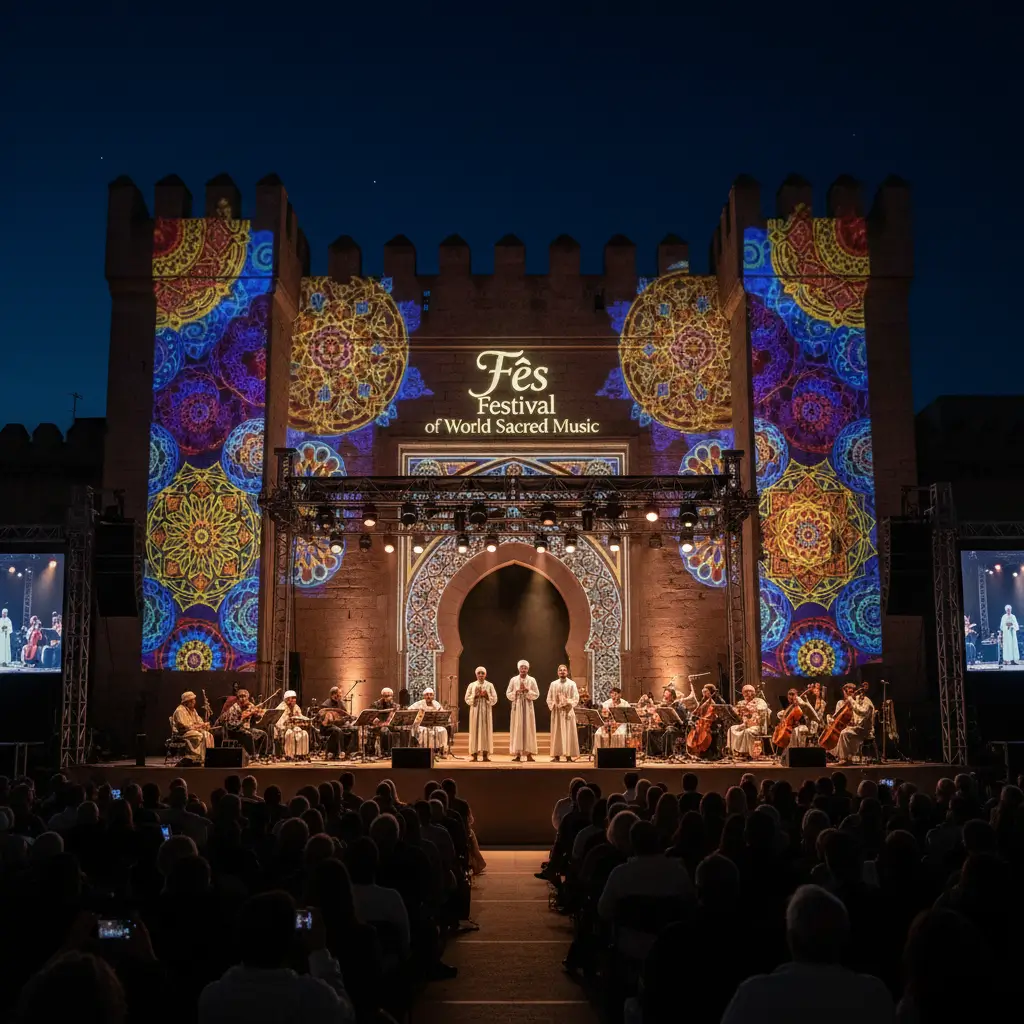
Reaching the heart of the Fez Festival of World Sacred Music is straightforward, thanks to the city’s excellent transport connections. Fez is a major hub in Morocco, welcoming travelers from around the world who come to attend this renowned festival of world sacred music. The most convenient option for international visitors is to fly directly into Fez-Saïs Airport, located just 15 kilometers from the city center. Upon arrival, taxis and shuttle buses are readily available to take you to your accommodation, ensuring a smooth transition from the airport to the ancient city’s vibrant festival venues.
For those already exploring Morocco, Fez is easily accessible by train from major cities such as Marrakech, Casablanca, and Rabat. The city’s central train station places you within easy reach of the medina and the festival’s historic venues, making it a practical choice for travelers who want to immerse themselves in the music and spirit of the event. Road travel is also an option, with comfortable bus and private car services connecting Fez to the rest of the country.
Given the festival’s popularity and the limited time many visitors have, it’s wise to book your flights, train tickets, and accommodation well in advance. This ensures you’ll have the best options for your stay and won’t miss a moment of the sacred music celebration. Whether you’re coming for a weekend of headline concerts or planning to attend the full ten days, arriving in Fez prepared allows you to focus on the world-class music, diverse traditions, and unforgettable experiences that await in this remarkable city.
The festival features artists representing an extraordinary range of sacred traditions. Expect performances spanning Islamic devotional music, Christian liturgical works, Jewish spiritual songs, Buddhist ceremonial music, and African spiritual traditions. The festival is notable for showcasing sacred music from Christian, Jewish, Muslim, Hindu, Buddhist, and indigenous spiritual traditions, making it a unique event in a predominantly Muslim country. Previous editions have included headline performers like British-Iranian singer Sami Yusuf, flamenco masters Tomatito and José Mercé, and renowned oud player Marcel Khalife, giving a sense of the caliber audiences can anticipate.
Special programming often creates intentional fusions between seemingly disparate traditions. One memorable example from past years paired Indian raga-based improvisations with 16th-century Elizabethan court music, revealing unexpected connections between Mughal and European musical languages. The 2026 edition will likely continue this curatorial approach, seeking dialogue between performers who might never otherwise share a stage.
Watch for announcements highlighting Moroccan-European collaborations, which have become a signature element of the festival’s programming strategy.
Performances take place across multiple venues, each contributing its own atmosphere to the experience. Bab Al Makina serves as the primary venue for major evening concerts—an enormous parade ground before the Royal Palace of Fez, surrounded by 50-foot crenellated walls and classic Arabic keyhole arches. Opening night concerts feature magnificent lighting effects on these ancient walls, creating an unforgettable setting.
Smaller, intimate performances occur in traditional riads, the Batha Museum, the Dar Tazi Gardens, Jnan Sbil Gardens, and even the old Ibn Danan synagogue. In these venues, audiences often sit on carpets on the floor, creating an intimate connection between performers and listeners. The festival also presents free concerts in public spaces throughout the medina, ensuring the celebration extends beyond ticketed events.
Each day offers multiple entry points into the festival experience. Morning workshops and lectures provide educational context, exploring the history and spiritual dimensions of the traditions being presented. These sessions offer a valuable background that deepens understanding of evening performances.
Afternoon garden performances create family-friendly atmospheres in the beautiful outdoor spaces of Fez. These events often feature accessible programming suitable for children and adults alike, with dance and musical traditions from around the world.
Evening concerts at Bab Al Makina present the headline performances, typically beginning as the sun sets over the medina. Following these, Sufi Nights conclude the evenings starting around 11 PM, featuring Moroccan and international Sufi brotherhoods performing spiritual music designed to transport listeners toward the divine. The gardens of Dar Tazi fill with local families and visitors alike, swaying and singing along to these powerful performances.
The Festival of World Sacred Music in Fez is a vibrant celebration that brings together diverse religious traditions and cultures through the universal language of music. Over ten days, the ancient city transforms into a global stage, featuring artists from the Middle East, Asia, Europe, and beyond. Each evening, the iconic Bab Al Makina hosts unforgettable concerts, where the city’s historic walls echo with sacred music from around the world. These headline events are complemented by a rich program of workshops, lectures, and intimate performances in stunning venues throughout the medina.
What sets the festival apart is its commitment to cultural exchange and understanding. Audiences are invited to explore the art and spirit of sacred music, discovering new sounds and traditions while engaging with performers and fellow travelers. The festival’s diverse lineup features artists who embody the essence of their traditions, creating a tapestry of music that promotes peace and dialogue among attendees.
For those planning their trip, tickets can be secured in advance through the official festival box office, ensuring access to the most sought-after concerts and events. Early booking of accommodation is highly recommended, as the city welcomes visitors from around the world eager to experience this unique celebration. Whether you’re drawn by the promise of evening concerts under the stars, the chance to participate in workshops, or the opportunity to explore Fez’s rich heritage, the Festival of World Sacred Music offers an unforgettable journey into the heart of Morocco’s cultural and spiritual life.
The Fes Festival of World Sacred Music is celebrated worldwide for its extraordinary cross-cultural collaborations, uniting artists from diverse religious traditions and backgrounds on a single stage. Each edition promises a vibrant tapestry of performances, with artists hailing from the Middle East, Asia, and Western Europe, all sharing their unique sacred music traditions. This festival of world sacred music is more than a series of concerts—it’s a living celebration of the universal language of music, where artistic expression bridges divides and fosters genuine cultural exchange.
By bringing together musicians who might never otherwise meet, the Fes Festival creates a space where the boundaries between traditions blur, and new forms of understanding emerge. Audiences are treated to innovative collaborations that blend ancient chants with contemporary sounds, and traditional instruments with modern arrangements. These encounters not only showcase the diversity of world sacred music but also highlight the shared human longing for peace and connection. The festival’s commitment to celebrating diverse religious traditions through music inspires visitors to appreciate the richness of global cultures and the power of artistic expression to unite us all.
Accessibility and inclusion are at the heart of the Fes Festival of World Sacred Music’s mission, ensuring that every visitor can fully participate in the celebration. The festival box office offers dedicated support for travelers with mobility needs, and advance arrangements can be made to accommodate specific requirements, from accessible seating at evening concerts to assistance navigating the ancient city’s historic venues. While Fez’s narrow streets and centuries-old architecture present unique challenges, the festival team works diligently to provide equal access to all events, including performances in public spaces and headline concerts.
By prioritizing inclusivity, the Fes Festival welcomes audiences from around the world, creating an environment where everyone can experience the transformative power of sacred music. Whether you’re attending a concert in a grand outdoor venue or enjoying a performance in one of the city’s intimate public spaces, you’ll find that the festival is committed to making the world of sacred music open and accessible to all. Visitors are encouraged to contact the festival in advance to discuss any specific needs, ensuring a seamless and enjoyable experience throughout their stay in this remarkable city.
A visit to the Fes Festival of World Sacred Music is as much a culinary adventure as it is a musical one. The ancient city comes alive with the aromas and flavors of Moroccan cuisine, offering festival-goers a chance to savor everything from fragrant tagines and fluffy couscous to inventive fusion dishes that reflect the city’s cosmopolitan spirit. Local restaurants and food stalls line the medina’s winding streets, providing a feast for the senses that perfectly complements the festival’s celebration of music and art.
During the festival, many eateries extend their hours to welcome guests after evening concerts, making it easy to enjoy a leisurely dinner or a late-night snack. For those seeking an authentic Moroccan experience, sampling street food in the bustling squares or dining in a traditional riad is a must. Reservations are highly recommended at popular venues, especially during the festival week, to ensure you don’t miss out on the city’s best culinary offerings. With a focus on local and sustainable ingredients, the Fes Festival invites visitors to embark on a gastronomic journey that mirrors the richness and diversity of the world's sacred music traditions on display.
One of the most enriching aspects of the Fes Festival of World Sacred Music is the opportunity to meet the artists and delve into the stories behind their music. The festival hosts a variety of workshops, lectures, and interactive events where visitors can engage directly with performers from around the world. These sessions offer a rare glimpse into the creative process, allowing audiences to explore the history, traditions, and cultural significance of sacred music in an intimate setting.
Whether you’re interested in learning about the construction of traditional instruments, participating in a singing workshop, or attending a lecture on the evolution of world sacred music, the festival provides countless ways to deepen your understanding. These events foster meaningful dialogue between artists and audiences, creating a sense of community and shared appreciation for the beauty and diversity of sacred traditions. For travelers eager to explore Morocco’s rich cultural heritage, meeting the artists is a highlight that transforms the festival from a series of performances into a truly immersive experience.
At its core, the Fes Festival of World Sacred Music is a celebration of community, dedicated to building bridges between cultures and promoting mutual understanding. Through its diverse events and partnerships with local organizations, the festival champions cultural exchange and the universal language of music as tools for peace and unity. By bringing together artists, audiences, and community groups from around the world, the festival creates a vibrant space where traditions are honored, differences are celebrated, and new connections are forged.
The festival’s commitment to community engagement extends beyond the concert halls, supporting initiatives that foster tolerance, dialogue, and artistic collaboration. By promoting the values of respect and inclusivity, the Fes Festival inspires both visitors and locals to embrace the diversity of human experience and to work towards a more harmonious world. As a beacon of hope and understanding, the festival demonstrates the profound impact that sacred music and cultural events can have in promoting peace and celebrating the shared spirit of humanity.
Transforming your interest in the Fez Festival into a successful trip requires planning, particularly for popular performances where demand exceeds capacity.
The festival box office operates both online and in person, but international travelers should plan their ticket strategy months ahead:
Register for early access notifications (January 2026): Sign up through the official festival website to receive announcements about ticket release dates and the exact event dates. Knowing both the ticket release date and the festival dates is crucial for planning your purchase strategy and travel arrangements.
Purchase priority passes for headline events (February 2026): When general sales open on the announced date, secure tickets for the major evening concerts at Bab Al Makina first, as these sell out quickly, given limited seating.
Select individual concert tickets based on preferences: Once headline performances are secured, explore the program for intimate venue performances, workshops, and specialized events that align with your musical interests.
Arrange backup options through official partners: Festival-affiliated travel agencies often hold ticket allocations for package buyers, providing alternative access if primary sales are exhausted.
Choosing where to stay significantly impacts your festival experience. Consider these options:
Criterion | Traditional Riads | Modern Hotels | Guesthouses |
|---|---|---|---|
Proximity to Venues | Within Medina, walking distance | Often outside the Medina walls | Variable locations |
Authenticity | High—historic architecture | Contemporary comfort | Moderate local character |
Price Range | Mid to high | Wide range | Budget-friendly |
Booking Difficulty | Book 3-4 months ahead for festival week | Usually available | Moderate demand |
Atmosphere | Intimate, often family-run | Predictable amenities | Personal, variable quality |
Key differences at a glance:
Traditional Riads: Located within the medina, offering high authenticity with historic architecture and intimate, often family-run atmospheres. Best for those seeking immersion in Fez’s heritage. Book 3-4 months ahead due to high demand during the festival.
Modern Hotels: Typically outside the medina walls, providing contemporary comfort and predictable amenities. Availability is usually better, and they are ideal for travelers who prefer easier navigation after long festival days.
Guesthouses: Offer a budget-friendly option with variable locations and moderate local character. Atmosphere and quality can vary, and demand is moderate during festival week.
For the full Moroccan experience, traditional riads within the medina offer proximity to venues and authentic immersion in Fez’s living heritage. However, modern hotels outside the medina provide easier navigation and familiar comforts after long evenings of performances. If your travels take you beyond Fez, consider exploring the best hotels in Essaouira, Morocco, for a memorable stay on the coast. Book your accommodation as early as possible—festival week sees significant demand across all categories.
International visitors to the Fes Festival commonly encounter a few predictable obstacles. If you have limited time, consider prioritizing your visit on a weekend or during headline performances, as these are often when the most significant events take place. Addressing these in advance ensures you can focus on the music rather than logistics.
Fez’s ancient medina is famously labyrinthine, and even experienced travelers can become disoriented. Download offline maps before arrival and arrange a guided orientation tour during your first day. Many riads offer this service or can recommend trusted local guides. Consider booking accommodation with shuttle services to major venues, or ensure your lodging has a central location that simplifies navigation to performance spaces.
While performances transcend language requirements—music communicating directly to audiences regardless of linguistic background—workshops and lectures may present challenges. Some festival passes include translation services for educational programming conducted in Arabic or French. Focus your attendance on musical performances when language poses a barrier, and discover that the universal language of sacred music needs no translation.
Headline concerts and Sufi Nights draw large crowds, and popular events may sell out. Register for multiple ticket release dates with payment methods ready to proceed immediately. Festival packages that include guaranteed seating for major events reduce risk, particularly for travelers who cannot be flexible about which nights they attend. The festival’s dual-access model—combining ticketed performances with free public events—ensures you’ll experience meaningful music even if specific concerts prove unavailable.
The Fez Festival of World Sacred Music offers more than concerts—it provides a journey into the possibility of dialogue between cultures through shared artistic experience. For three decades, this celebration has demonstrated that sacred music can bridge divides that seem insurmountable elsewhere, making the ancient city of Fez a temporary home for peace seekers and music lovers alike.
Your immediate next steps:
Set calendar reminders for January 2026 ticket notification registration and February sales dates.
Research riad and hotel options in Fez, identifying 2-3 preferred accommodations to book early.
Plan your arrival for at least one day before the festival begins, allowing orientation time.
Related topics worth exploring include Fez’s broader cultural heritage beyond festival dates, other Moroccan music festivals throughout the year, and the specific sacred music traditions you’ll encounter—from Sufi practices to Andalusian classical music rooted in the country’s diverse history.
Official channels: Visit the festival’s official website and social media for 2026 lineup announcements and ticket sales dates
Cultural preparation: Consider reading about Moroccan sacred music traditions, particularly Sufi practice and Andalusian classical music, to deepen your appreciation of performances
Travel apps: Download offline navigation tools for Morocco, French-Arabic translation apps, and local transportation guides to support your week in Fez
Compare Morocco group tour agencies by trip style, reviews, pace, transport and inclusions. Learn wh...
Read this article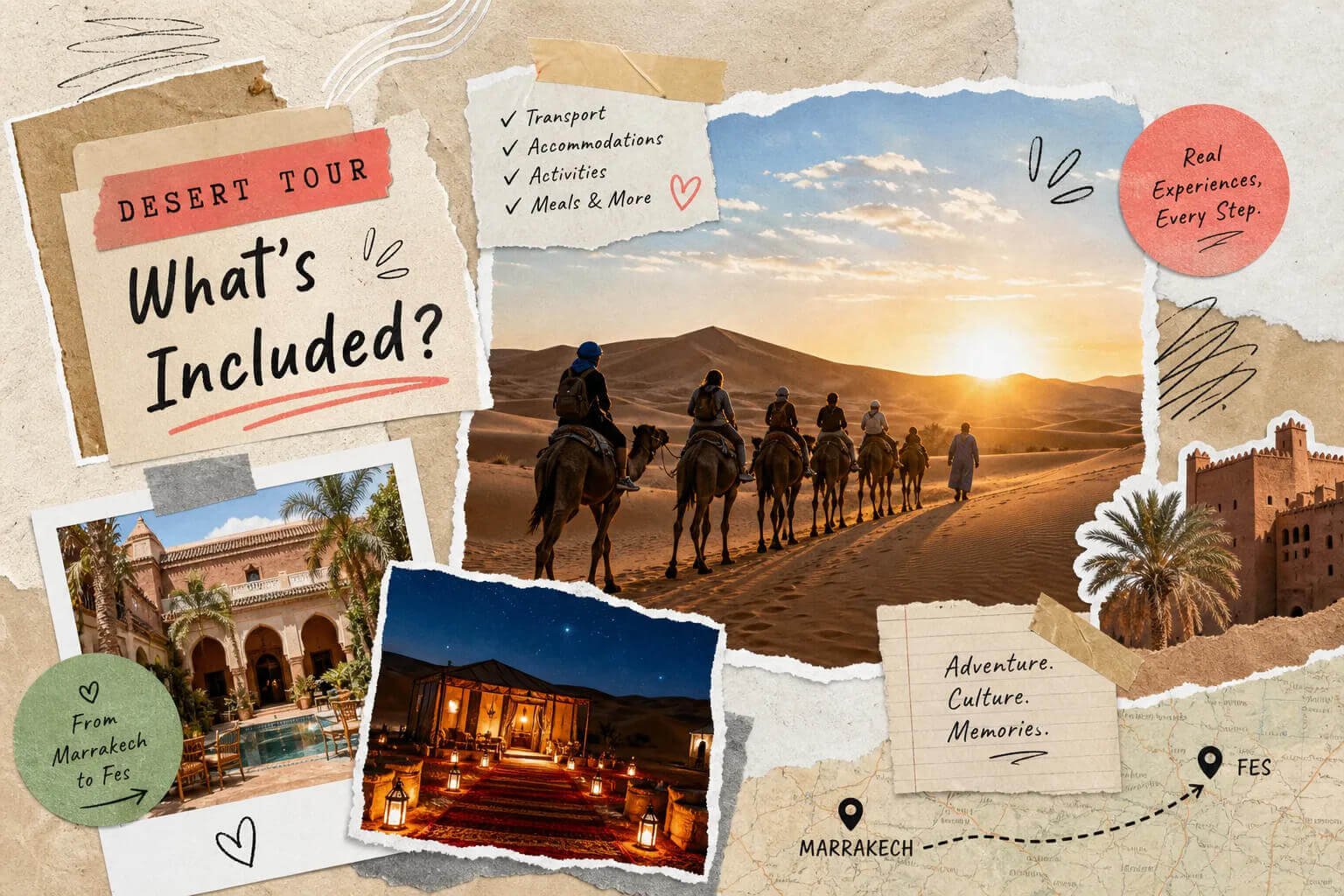
Uncover what a Marrakech to Fes desert tour offers, including camel rides, desert camps, and rich cu...
Read this article
Join our Merzouga Overnight Tour for an authentic desert experience. Enjoy camel rides, comfortable ...
Read this articleWant cool tour deals and tips about Morocco? Enter your email and we’ll send them to you each month!
