Group Tour Agencies in Morocco: How to Pick the Right One
Compare Morocco group tour agencies by trip style, reviews, pace, transport and inclusions. Learn wh...
Read this article

Private, custom Morocco trips planned in Fez by AZ-ZDDINE, working in Moroccan tourism since 2012. Sahara, Atlas, medinas and coast, arranged around you.
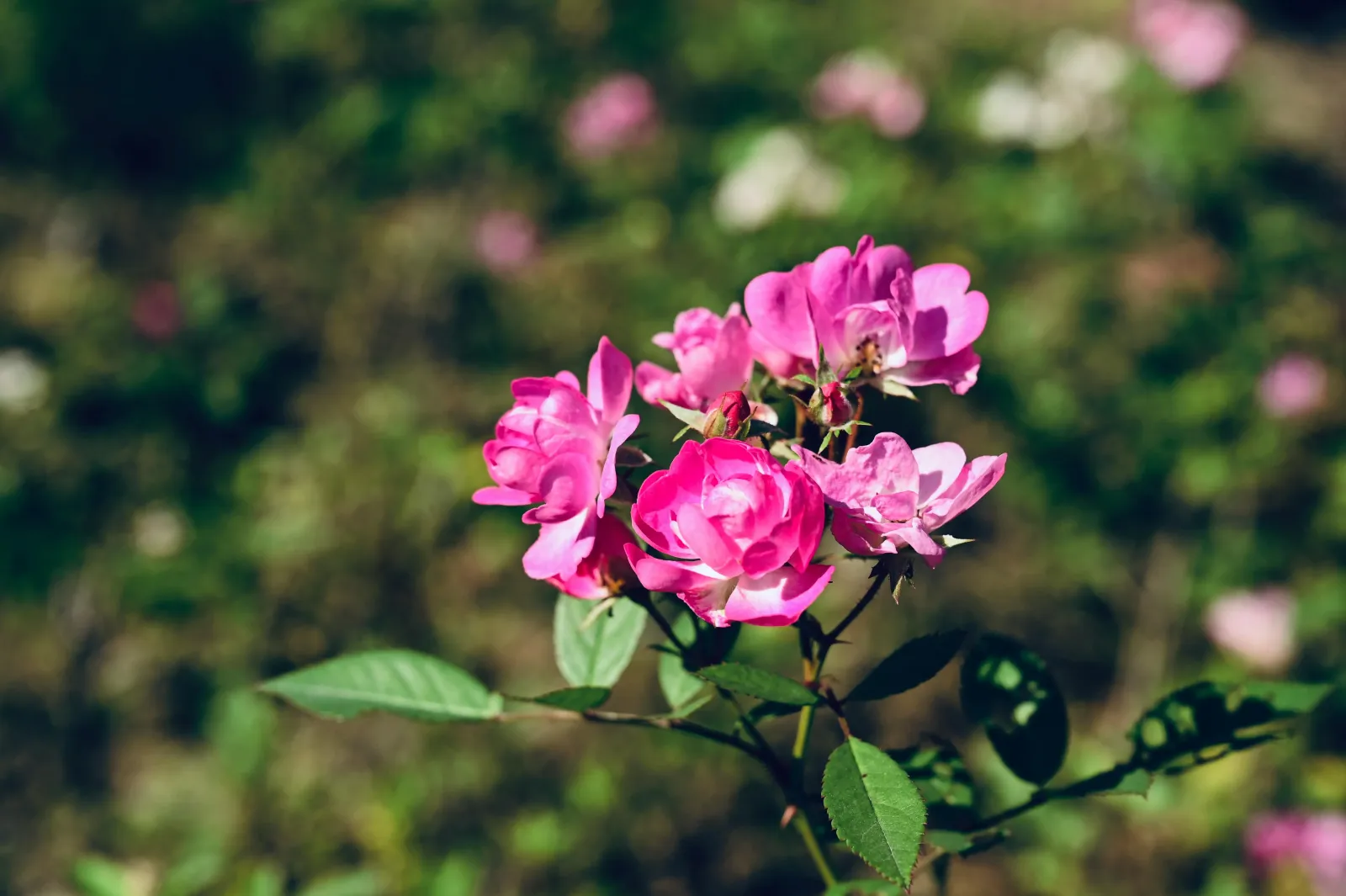
Every spring, a remote stretch of southeastern Morocco transforms into a sea of pink blooms, filling the air with an intoxicating fragrance that has drawn travelers for decades. The Valley of Roses is one of Morocco’s best-kept secrets—a place where ancient Berber traditions meet stunning scenery, and where local women still harvest petals at dawn using methods passed down through generations. This guide is for travelers, festival-goers, and anyone interested in Moroccan culture and natural beauty.
The Valley of Roses is not only a breathtaking natural wonder but also a vital part of Morocco's cultural and economic heritage.
This guide covers everything you need to know about visiting this remarkable region, from the 2026 Morocco Rose Festival to practical travel tips for reaching El Kelaat M’Gouna without a rental car.
The Valley of Roses is located around El Kelaat M’Gouna between Ouarzazate and Tinghir in the Dadès/M’Goun Valley, on the southern slopes of the Atlas Mountains at roughly 1,400 meters altitude.
The best time to visit is from early April to mid-May, with peak blooming occurring in late April and early May—coinciding with the annual Festival des Roses in Kelaat M’Gouna (anticipated early May 2026).
Morocco Classic Tours can organize private trips from Marrakech, Fes, or Ouarzazate, including festival access, distillery visits, and kasbah hotel stays.
Main experiences include scenic drives along the Assif M’Goun, hikes through rose fields, festival parades with garlands and dances, and visits to local distilleries producing rose water and rose oil.
Genuine rose oil is extremely expensive (thousands of USD per liter)—purchase only from local cooperatives in El Kelaat M’Gouna or Hdida with proper certifications to avoid counterfeits.
Getting there without a car is possible via grand taxis or buses from Ouarzazate (1.5 hours) or Tinghir (1.25 hours), or through private transfers arranged by tour operators. Plan for 1–3 nights as part of a broader Morocco itinerary.
The Valley of Roses refers to the stretch of the Assif M’Goun river surrounding the town of El Kelaat M’Gouna in southeastern Morocco. This region sits along the route linking Ouarzazate to Tinghir, making it a natural stop on popular Sahara desert tour routes that progress from Marrakech through the High Atlas, past Ait-Ben-Haddou, and onward to Merzouga.
Geographers often call this area the M’Goun Valley or part of the broader Dades Valley, positioned on the southern slopes of the Atlas Mountains at approximately 1,400 to 1,500 meters altitude. The main rose-growing zone runs roughly 30 to 50 kilometers along the river, stretching from El Kelaat M’Gouna toward the village of Bou Tharar.
Understanding the route helps with trip planning. Here’s how the valley fits into a typical Morocco itinerary:
Starting Point | Distance to El Kelaat M’Gouna | Approximate Drive Time |
|---|---|---|
Marrakech | ~300 km via Tizi n’Tichka | 5–6 hours |
Ouarzazate | ~95 km | 1.5 hours |
Tinghir | ~75 km | 1.25 hours |
The standard route from Marrakech crosses the High Atlas via the Tizi n’Tichka pass, continues past Ait-Ben-Haddou and Skoura, then reaches El Kelaat M’Gouna before continuing to Boumalne Dadès, Tinghir, and the Merzouga dunes. | ||
This is Morocco’s primary damask rose-growing region. Thousands of bushes—estimated at over 4,000 kilometers of hedgerows—line irrigation channels fed by snowmelt from the M’Goun river. The flowers surround palace-like kasbahs and create a vivid contrast of pink blooms against red earth, green oases, and traditional mud-brick architecture.
Villages like Hdida and Taberkhachte are surrounded by these hedges, and the entire valley produces an estimated 3,000 to 4,000 tonnes of petals annually. This concentration of rose cultivation has earned El Kelaat M’Gouna the title “Rose Capital of Morocco.”
The valley is known for its production of the Damask rose (Rosa damascena), a pale pink Persian variety prized for its intense fragrance. The Damask rose is recognized as Morocco's national flower and symbolizes love and hospitality.
Local legend attributes its introduction roughly a century ago to a Berber merchant returning from Damascus, Syria—though some accounts suggest pilgrims from Mecca brought the first cuttings.
Whatever the origin, the flowers found perfect conditions here. Cool nights at high altitude help preserve the fragrance oils, while abundant irrigation from snowmelt and fertile river terraces support healthy growth. The valley produces some of the world’s most sought-after rose products.
The rose harvest provides the economic backbone for local Amazigh (Berber) communities.
Each spring, the region transforms into a hub of activity:
Petal collection: Local women pick fresh petals at dawn when the smell and oil content are at their peak
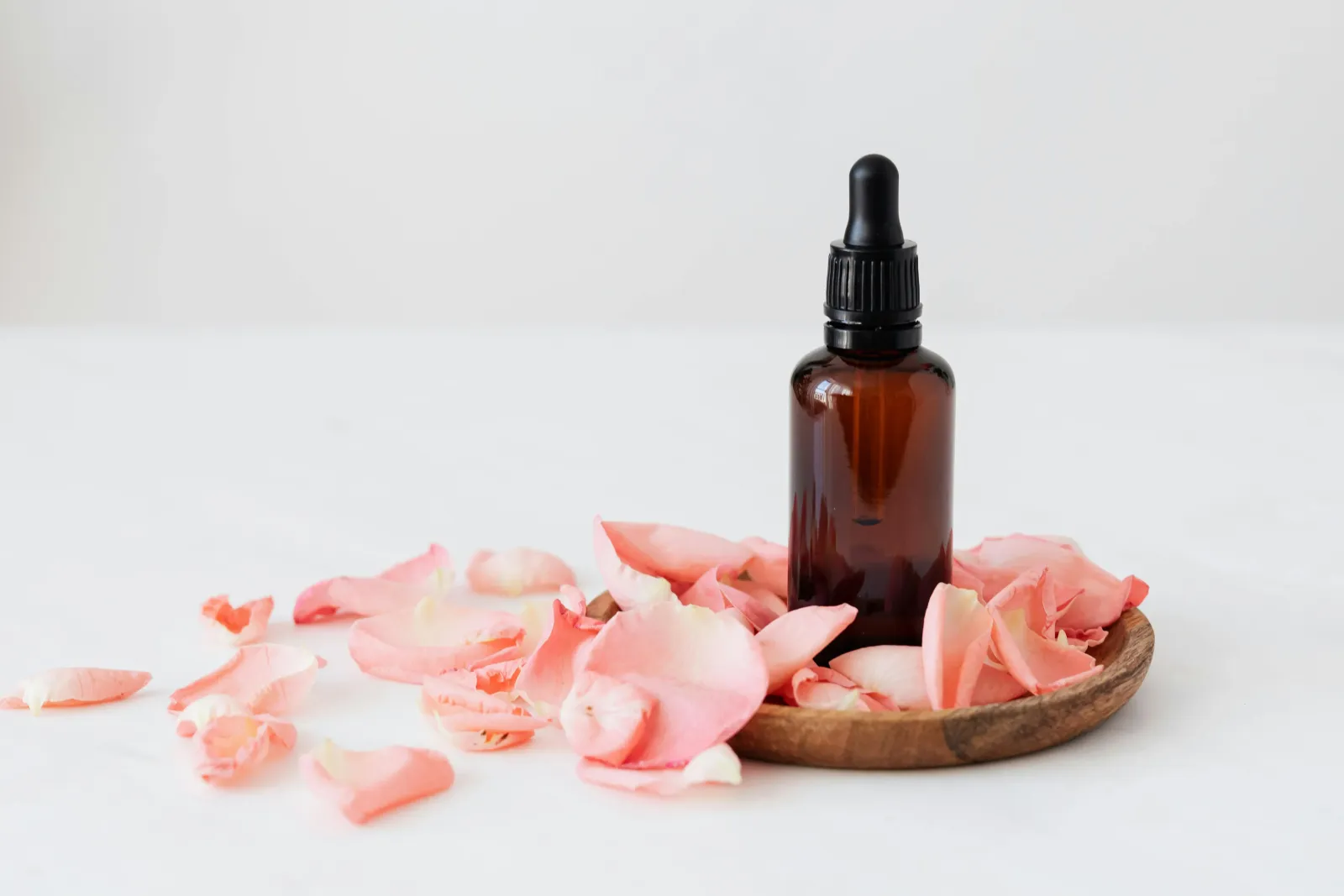
Processing: Cooperatives and local distilleries transform petals into rose water, hydrosols, essential oils, soaps, and skincare
Export: Products are sold throughout Morocco and shipped worldwide to the fragrance and cosmetics industries
The annual Festival des Roses has been celebrated in Kelaat M’Gouna since 1969—over 50 years of honoring this harvest tradition. The festival celebrates with parades, Berber dances, decorations featuring garlands and necklaces made from buds, and the crowning of a rose queen.
Today, women’s cooperatives play a vital role in the economy. Members participate in picking, sorting, and processing dried petals, providing crucial seasonal income for families in the region.
The main growing season runs from early April to mid-May, with absolute peak bloom typically occurring in late April and early May. This is when you’ll experience the valley at its most spectacular—the streets and hedgerows filled with pink roses, the air thick with fragrance, and harvesting activity at full swing.
Period | What to Expect |
|---|---|
Early April | First flowers appear; light bloom; quieter atmosphere |
Late April | Peak color; active rose harvest; busiest period |
Early May | Festival time; parades and celebrations; final harvests |
Mid-May onward | Bloom fades; landscape remains beautiful but without flowers |
The exact timing varies each year based on winter conditions, including rainfall and temperature. Plan your trip for the last week of April through the first week of May for the highest likelihood of catching peak bloom alongside the festival. | |
The Morocco Rose Festival (Festival des Roses) is anticipated for early May 2026, typically starting on a Friday and peaking over the Saturday-Sunday weekend. The festival celebrates the harvest with:
Parades through the streets of El Kelaat M’Gouna
Traditional Berber music and dances
Rose water bottle labeling and petal packing demonstrations
Markets selling rose products, honey, dates, oranges, and local crafts
Valley strolls amid lingering bloom with Atlas Mountain vistas
Morocco Classic Tours organizes private trips from Marrakech, Fes, or Ouarzazate that include festival access via luxury 4x4 vehicles, with visits to distilleries, Berber villages, and historic kasbahs.
Outside the April-May window, the landscape remains stunning. The river-cut green oases contrast dramatically against barren golden hills, and the mud-brick kasbahs like Ameridil Casbah offer fascinating glimpses into pre-cement era social life. You simply won’t see the roses in bloom.
Beyond the festival, the valley offers experiences that connect you with Berber culture and the beauty of this high-altitude region.
The 30-kilometer paved road along the Assif M’Goun offers exhilarating twists through rugged foothills with viewpoints overlooking rose fields.
No formal tracks needed—simply wander paths from villages like Hdida or Taberkhachte through green oases and red rock formations.
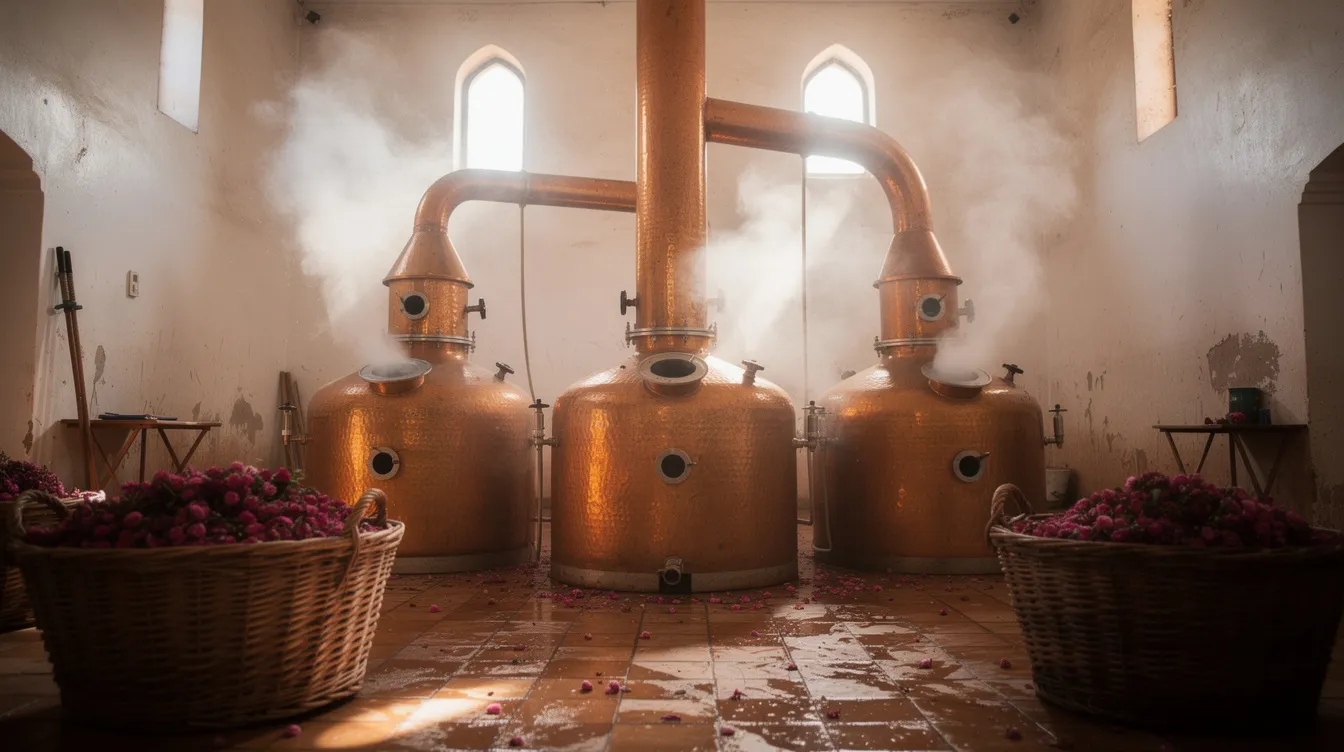
Watch master perfumers steam-distill petals into rose water and essential oil; sample rose tea and learn the “rose of May” secrets.
Sleep in traditional kasbah hotels surrounded by rose bushes and wake to the sun rising over the Atlas Mountains.
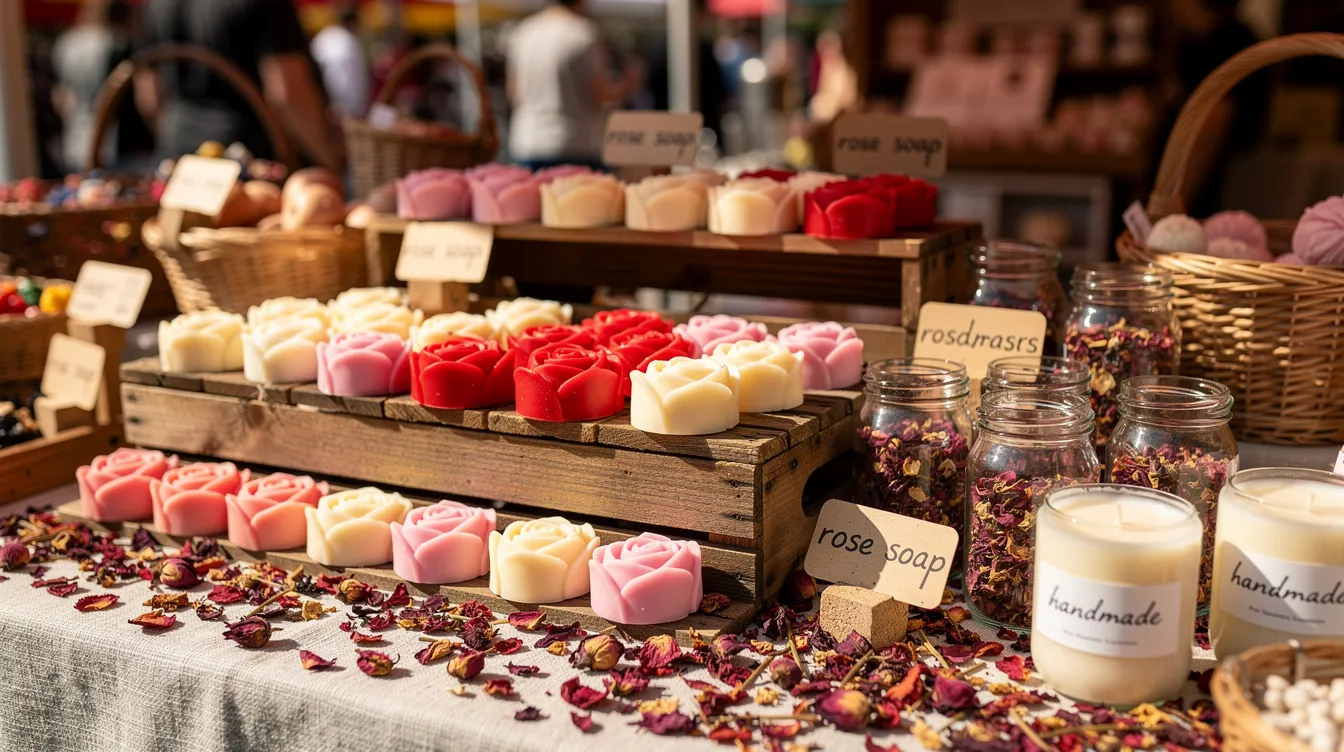
Browse cooperatives for handmade soaps, dried petals, skincare, garlands, and bracelets crafted by local women.
Accommodation in the valley ranges from simple guesthouses to atmospheric kasbah-style properties. Staying within the valley rather than in Ouarzazate puts you closer to the rose fields and allows for early morning walks when the fragrance is strongest.
Kasbah hotels near Kelaat M’Gouna or in villages like Hdida offer authentic mud-brick architecture.
Many properties arrange half-day guides for insights into Berber life
Some kasbahs can organize private transfers from Ouarzazate or Tinghir
Expect reasonable prices compared to major tourist centers
Book early for the festival week—rooms fill quickly
Properties like Kasbah Itran and similar accommodations can help arrange exploring the rose fields, visits to cooperatives, and transport connections.
You don’t need to drive yourself to experience the valley of the roses. Several practical options exist:
Method | From | Duration | Notes |
|---|---|---|---|
Grand taxis | Ouarzazate | 1.5 hours | Shared or private; negotiate at the taxi stand |
Grand taxis | Tinghir | 1.25 hours | Less frequent but available |
Buses | Ouarzazate/Tinghir | Varies | CTM and local buses serve the route |
Private transfer | Ouarzazate | 1.5 hours | Bookable via hotels or tour operators |
Organized tour | Marrakech | 5-6 hours | Best option for multi-day itineraries |
From Marrakech, organized tours are the most practical choice since public transport requires multiple connections. Morocco Classic Tours offers luxury 4x4 services that cover the full trip from Marrakech via Ait-Ben-Haddou, with typical itineraries spanning 1–3 nights in the valley as part of broader Morocco routes. | |||
Genuine rose oil from the valley is extraordinarily expensive—often thousands of USD per liter—due to the labor-intensive process. Steam distillation requires approximately 3–5 tonnes of petals to produce just 1 kilogram of pure essential oil.
Source: Buy directly from cooperatives in El Kelaat M’Gouna or Hdida
Labeling: Look for valley origin and damask rose specificity
Certifications: Third-party quality certifications add credibility
Price reality: If it seems too cheap, it’s likely diluted or synthetic
Product | Typical Local Price |
|---|---|
Small vial (5–10 ml) rose oil | $10–50 USD |
Pure essential oil (larger quantities) | Escalates rapidly |
Rose water | Very reasonable prices |
Handmade soaps | Affordable; great gifts |
For international shipping, some cooperatives work with vendors on platforms like Etsy or through direct distillery websites offering tracked delivery. Rose petal soaps made by women’s groups ship well and make excellent souvenirs. | |
Beyond rose products, the valley’s cooperatives produce:
Rose-infused soaps and skincare
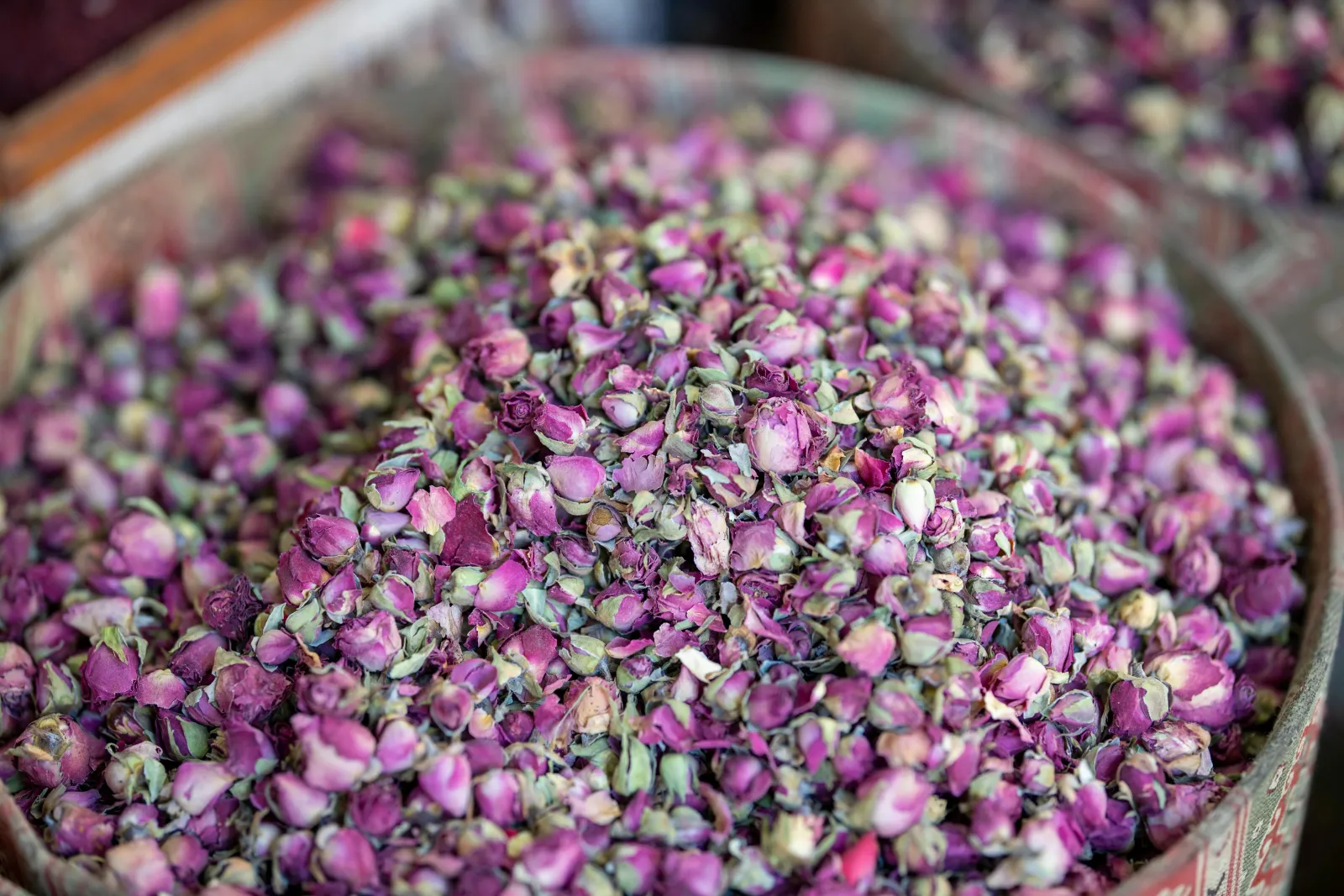
Dried petals for potpourri and culinary use
Heart-shaped garlands and necklaces
Bracelets and decorative items
Wild roses and garden products
The locals take pride in traditional craftsmanship, and purchases directly support Amazigh families in the region.
The Valley of Roses offers one of Morocco’s most fragrant, culturally rich, and visually striking experiences. Whether you arrive during the April bloom to witness women picking petals at dawn, attend the festival to watch the parade and crown of the rose queen, or simply explore the kasbahs and gardens during your trip through the country, this region delivers authentic beauty you won’t find elsewhere in the world.
For the 2026 Rose Festival or any visit to this remarkable valley, Morocco Classic Tours can arrange private transfers, guide services, kasbah accommodations, and full itineraries from Marrakech, Fes, or Ouarzazate. Contact us to start planning your rose-scented Moroccan adventure.
While specific international brand partnerships aren’t publicly documented, the region’s cooperatives produce rose water, hydrosols, and skincare products that feed into Morocco’s broader cosmetics industry. Many products are exported to fragrance and beauty companies worldwide. For guaranteed valley-sourced ingredients, purchase directly from cooperatives or through verified Moroccan exporters.
Contact your Kasbah hotel directly—most properties in the valley can arrange private transfers. Alternatively, tour operators like Morocco Classic Tours offer luxury 4x4 transfers from Ouarzazate as part of customized packages. Expect the 95-kilometer journey to take approximately 1.5 hours.
Yes. Some cooperatives partner with online vendors offering global dispatch through platforms like Etsy or direct distillery websites with tracked delivery options. When ordering, verify that the seller sources from El Kelaat M’Gouna cooperatives and check shipping reviews before purchasing.
The Valley of Roses (M’Goun Valley) focuses on rose cultivation around El Kelaat M’Gouna, while Dades Gorge near Boumalne Dadès features dramatic rock formations and canyon scenery. They’re adjacent regions on the same route—many travelers visit both on a single trip. The Rose Valley tends to be quieter with fewer tourists compared to the popular Dades and Todra gorges.
A half-day allows for a scenic drive, a quick distillery visit, and market browsing. However, 1–2 nights lets you experience dawn harvests, hike through rose fields, enjoy kasbah hospitality, and properly immerse yourself in Berber culture. During festival week, plan for at least one full day to enjoy the parades and celebrations.
Compare Morocco group tour agencies by trip style, reviews, pace, transport and inclusions. Learn wh...
Read this article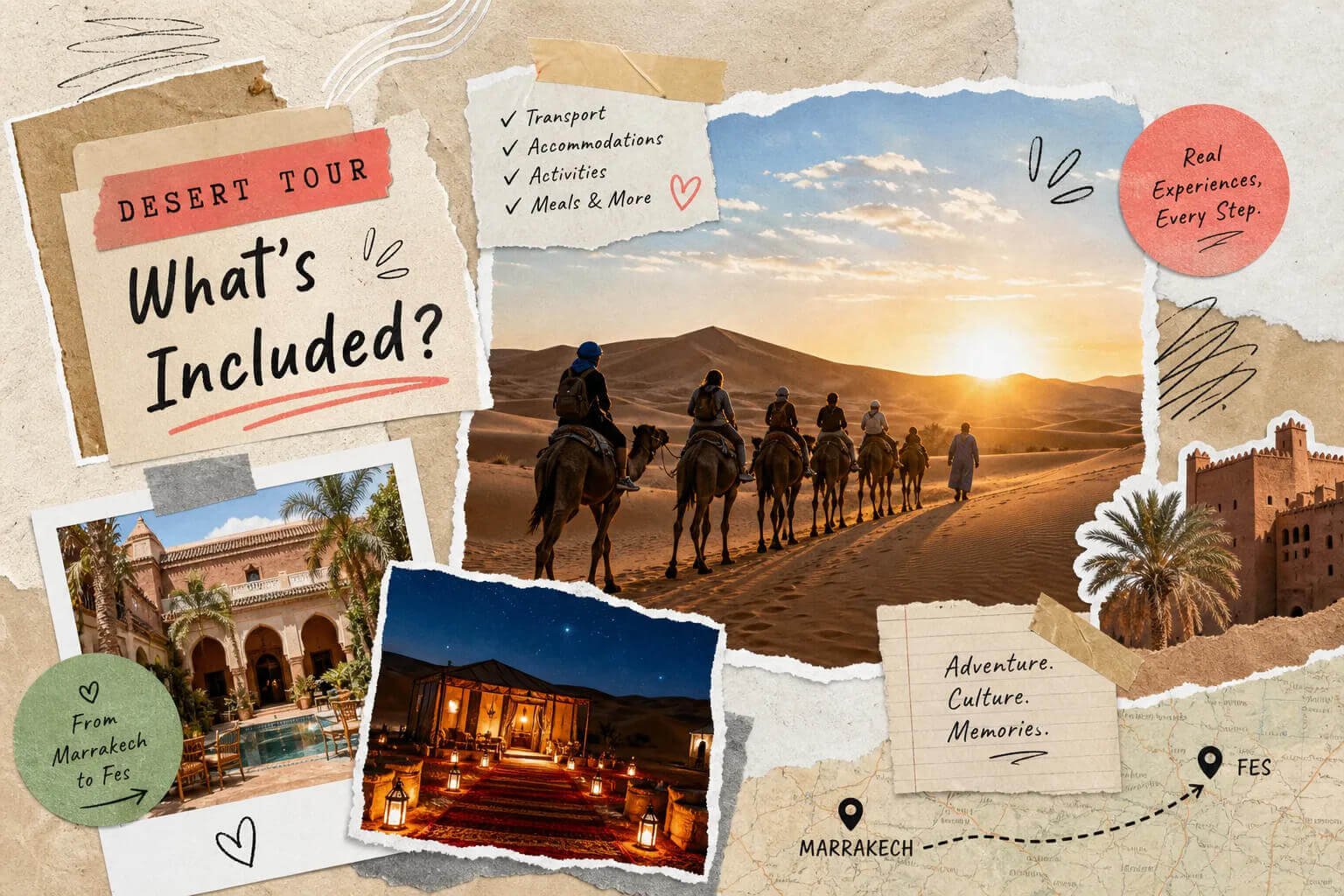
Uncover what a Marrakech to Fes desert tour offers, including camel rides, desert camps, and rich cu...
Read this article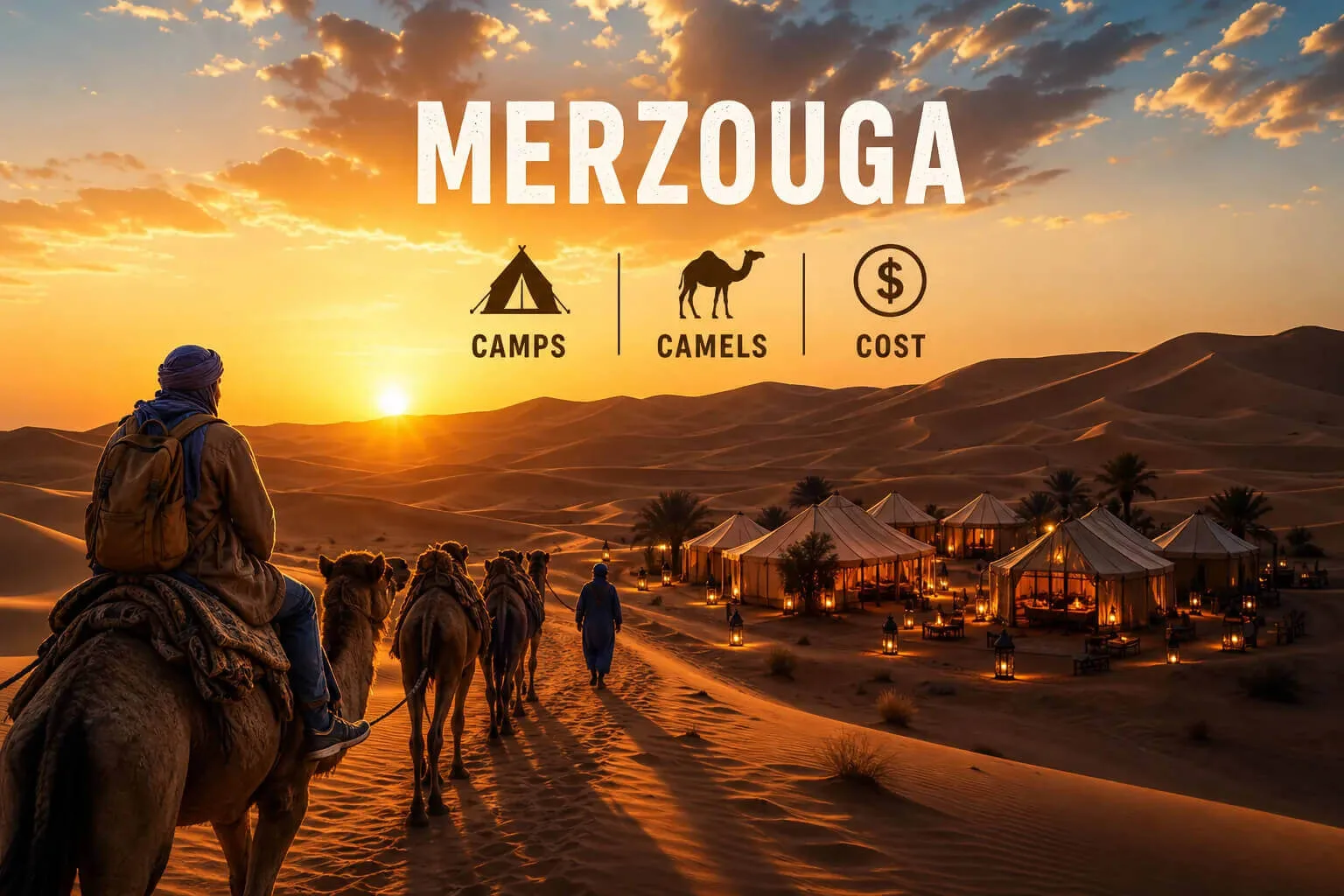
Join our Merzouga Overnight Tour for an authentic desert experience. Enjoy camel rides, comfortable ...
Read this articleWant cool tour deals and tips about Morocco? Enter your email and we’ll send them to you each month!
