Suspendisse interdum consectetur libero id. Fermentum leo vel orci porta non. Euismod viverra nibh cras pulvinar suspen.

Discover the Best Tour Package Morocco for an Unforgettable Journey

Home Blog Discover the Best Tour Package Morocco f...
Discover the Best Tour Package Morocco for an Unforgettable Journey
16 November 2025

With over 13 million international visitors annually, Morocco stands as one of North Africa’s most captivating destinations. Situated in north Africa, Morocco shares borders with Algeria and Western Sahara, and is flanked by the Atlantic Ocean, Mediterranean Sea, and the Strait of Gibraltar. From the bustling souks of Marrakech to the endless dunes of the Sahara Desert, this ancient country offers travellers an extraordinary blend of imperial cities, desert adventures, and rich cultural experiences. The vibrant old quarter of Marrakech is renowned for its traditional markets, cultural attractions, and lively street performances, making it a must-see for any visitor. Moroccan music reflects a fusion of Arab, Berber, and African influences, adding a vibrant soundtrack to the country’s cultural tapestry. Traditional henna designs are popular among tourists, offering a unique way to experience local customs. Whether you’re seeking luxury accommodations in restored riads, authentic Berber village encounters, or thrilling camel trekking expeditions, the right tour package morocco can transform your journey into an unforgettable adventure. For those wondering "is Morocco safe?", rest assured that Morocco safe travel is a priority, with reputable tour operators implementing comprehensive safety measures and providing guidance on local laws, customs, and natural risks.

This comprehensive guide covers everything you need to know about morocco tour packages, from budget-friendly group tours to luxury escorted experiences. Morocco guided tours offer authentic cultural insights and expert local knowledge. We’ll explore the diverse package types available, highlight must-visit destinations, and provide essential practical information to help you choose the perfect tour package for your travel style and budget.

A-group-of-travelers-is-exploring-the-ancient-medina-walls-of-an-imperial-city-in-Morocco,-surrounded-by-stunning-Islamic-architecture-and-vibrant-souks.-This-guided-tour-offers-a-glimpse-into-the-rich-history-and-cul.jpg

Morocco Tour Package Overview

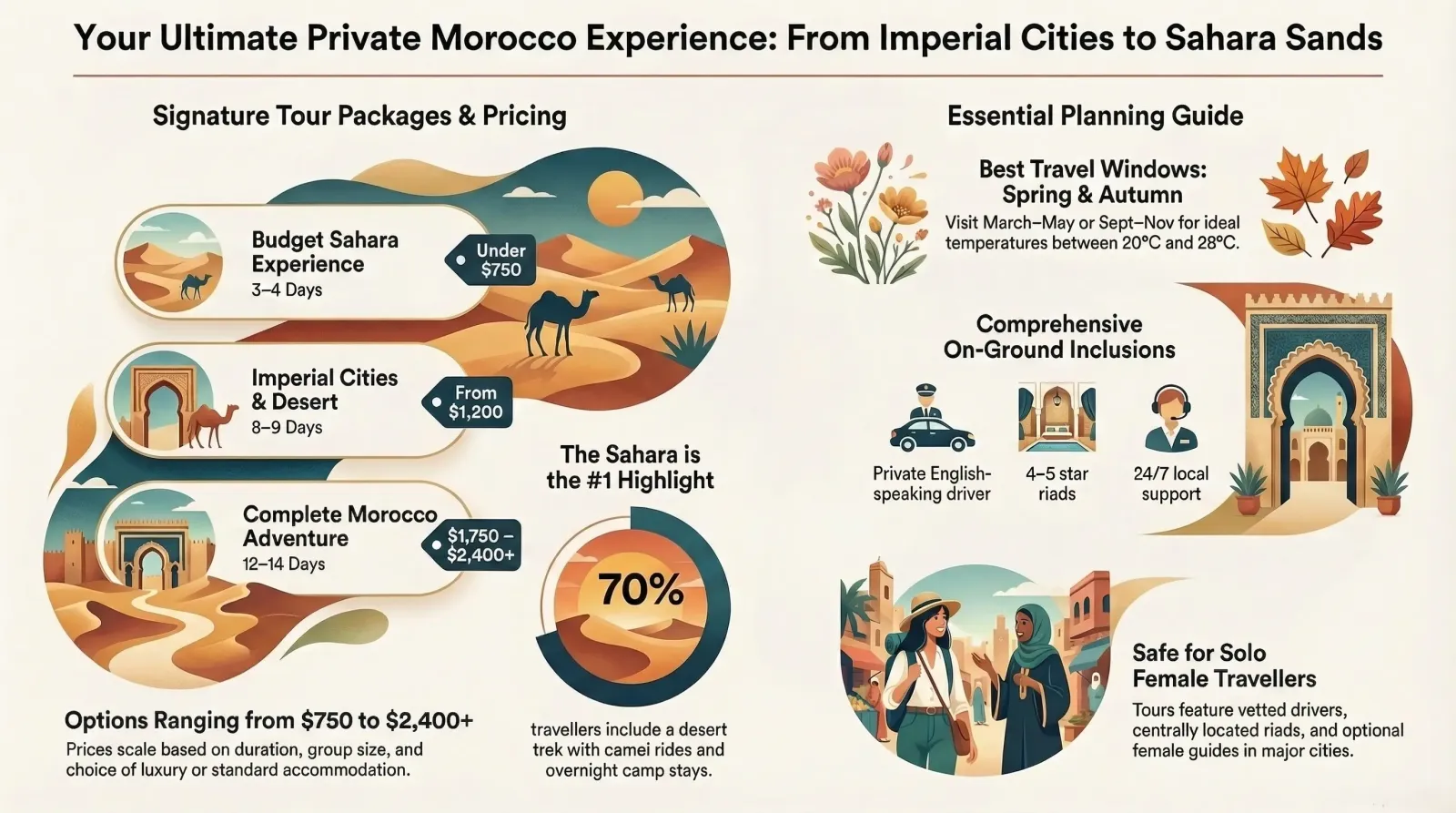
Morocco tour packages offer exceptional value for travelers seeking a comprehensive, hassle-free exploration of this diverse country. Package pricing ranges dramatically from budget-friendly $450 desert adventures to luxury escorted tours reaching $4,093, depending on duration, accommodation level, and included experiences. Among the most popular activities included in these packages is camel riding, a quintessential adventure in the Sahara Desert that allows travelers to experience the region’s unique landscapes traditionally. Classic 7-10 day itineraries in Morocco may also include camel trekking in the Sahara and exploring the historic medina in Fes with local guides, offering a blend of adventure and cultural immersion.

Package Duration and Pricing Structure:

  • 5-day desert adventures: Starting from $450

  • 8-day classic cultural tours: $803-$1,599

  • 15-day comprehensive explorations: $1,200-$2,500

  • 18-day luxury escorted experiences: Up to $4,093

Most morocco tours operate with small group departures averaging 24 guests, ensuring intimate experiences while maintaining cost efficiency. This group size strikes an ideal balance between social interaction and personalized attention from local guides. For those preferring more privacy, private escorted options are available at premium pricing. Many guided tours in Morocco cater specifically to families with children, offering tailored activities and accommodations to suit their needs. In Morocco, it is customary to tip service providers such as wait staff and hotel staff, and many tour operators provide guidelines for appropriate tipping amounts.

Standard Package Inclusions:

  • 5-day desert adventures: Starting from $450

  • 8-day classic cultural tours: $803-$1,599

  • 15-day comprehensive explorations: $1,200-$2,500

  • 18-day luxury escorted experiences: Up to $4,093

All included activities in these packages are carefully vetted by the tour operator to ensure safety and quality for all participants. Some packages are designed as an active tour, featuring moderate physical activities such as walking, hiking, or outdoor exertion, often on uneven surfaces. Participants should be in good health to fully enjoy these experiences.

Imperial Cities and Sahara Desert tours typically last 8-11 days, while grand tours can expand to 12-16 days for deeper cultural immersion.

Tour packages typically cover Morocco’s most iconic destinations, including the imperial cities of Marrakech, Fes, Rabat, and Meknes, combined with Sahara Desert experiences and Atlas Mountains exploration. Many itineraries also include coastal gems like Essaouira along the Atlantic Ocean, known for their artistic vibe and relaxing atmosphere, providing a comprehensive taste of Morocco’s geographical and cultural diversity. Aït Ben Haddou, a famous fortified village and UNESCO World Heritage site, is another highlight often featured in these tours, offering a glimpse into Morocco’s rich architectural and historical heritage. The Sahara Desert in Merzouga offers experiences such as camel treks and overnight stays in luxury desert camps, making it a must-visit for adventure seekers. You can sample traditional Moroccan foods like tagine and couscous at local markets and restaurants, adding a flavorful dimension to your journey.

The structured nature of these packages eliminates common travel challenges in Morocco, such as language barriers in rural areas, navigation through complex medinas, and coordination of desert camp reservations. This makes tour packages particularly valuable for first-time visitors or travelers with limited time who want to experience Morocco’s highlights efficiently. When selecting a Morocco tour package, it is essential to check the reliability of the tour operator and their legal status as registered companies to ensure a safe and well-organized experience.

Types of Morocco Tour Packages

The morocco tour package market offers diverse options tailored to different travel preferences, budgets, and adventure levels. Understanding these categories helps travelers select experiences that align with their interests and expectations.

Classic Tours: Cultural Immersion Experiences

Classic morocco tours focus on the country’s rich history and cultural heritage, typically spanning 8-15 days with pricing from $803-$1,599 per person. These tours emphasize deep cultural immersion through visits to ancient cities, historic sites, and traditional communities. Classic tours in Morocco often start in Casablanca and end in Marrakech or vice versa, providing a well-rounded exploration of the country's highlights. These tours typically last between 8 to 10 days, offering a balance of cultural exploration and leisure.

Classic tour itineraries usually follow the traditional imperial cities circuit, beginning in cosmopolitan Casablanca before progressing through Rabat, Meknes, and Fes. The journey continues to the Sahara Desert for camel trekking and overnight stays in desert camps, concluding in vibrant Marrakech. This route provides comprehensive exposure to Morocco’s Islamic architecture, ancient kasbahs, and diverse regional cultures.

These packages typically include stays in authentic riads - traditional Moroccan guesthouses built around peaceful courtyards - offering intimate glimpses into local architecture and hospitality. Meals feature regional specialties like tagine and couscous, often prepared by local chefs using traditional methods. Tagine is a delicious stew-like dish made of slow-cooked meat and vegetables or fruit, showcasing the rich flavors of Moroccan cuisine. Couscous, the beloved national food of Morocco, is made of steamed balls of crushed semolina and served with meats and vegetables, making it a staple of Moroccan cuisine. The traditional Moroccan tea ceremony, an important cultural ritual, is often part of these experiences, showcasing the country's hospitality and social customs.

Desert Adventure Packages: Sahara-Focused Experiences

Desert adventure packages concentrate specifically on Sahara experiences, ranging from 5-8 days with pricing from $450-$829. These tours prioritize outdoor activities and desert exploration over urban cultural sites, appealing to travelers seeking active adventures in Morocco’s most iconic landscape. Visitors can also participate in local music and dance in traditional Sahara desert camps, creating memorable cultural experiences under the vast desert sky.

Typical desert packages begin in Marrakech or Fes, quickly transitioning to the dramatic landscapes approaching the Sahara. Activities include 4x4 vehicle expeditions through dunes, camel trekking at sunset and sunrise, and overnight stays in traditional Berber desert camps. Many packages incorporate visits to ancient kasbahs and remote Berber villages, providing cultural context alongside adventure activities.

Desert camps range from basic traditional setups to luxury accommodations featuring proper beds, hot showers, and gourmet dining under the stars. Evening entertainment often includes traditional Berber music performances around campfires, creating authentic cultural experiences in spectacular desert settings.

Nomad-Desert-Camp--1-.jpg

Luxury Escorted Tours: Premium Morocco Experiences

Luxury morocco tour packages offer premium accommodations, exclusive experiences, and personalized service, typically featuring Four Seasons resorts, luxury riads, and private guides. These tours cater to travelers seeking comfort and exclusivity without sacrificing authentic cultural experiences. Luxury and heritage tours often include high-end riads, gourmet dining, and cultural workshops, providing a deeper connection to Morocco's rich traditions.

Luxury packages often include private transportation with dedicated drivers, allowing flexible itineraries and spontaneous stops at scenic viewpoints or local markets. Accommodations feature the finest properties in each destination, such as restored palaces in Fes medinas or luxury desert camps with spa services.

Exclusive experiences distinguish luxury tours, including private after-hours museum visits, cooking classes with renowned chefs, and access to restricted areas of historical sites. Many luxury operators also provide cultural consultants who facilitate meetings with local artisans, historians, and community leaders for deeper cultural understanding.

Active Adventure Tours: Outdoor Activity Focus

Active adventure packages emphasize physical activities and outdoor exploration, with pricing starting around $1,245 for comprehensive adventure experiences. These tours appeal to fitness-oriented travelers seeking to experience Morocco through hiking, biking, and adventure sports.

Atlas Mountains feature prominently in active tours, offering trekking opportunities through Berber villages in the High Atlas Mountains and challenging climbs like Jebel Toubkal, North Africa’s highest peak. Coastal destinations like Essaouira provide water sports opportunities along Morocco’s Atlantic coastline.

Activity levels vary significantly, from moderate cultural walks through ancient medinas to challenging multi-day mountain treks requiring good physical fitness. Many active tours combine adventure activities with cultural experiences, such as staying with Berber families in mountain villages or participating in traditional harvest activities.

Family-Friendly Packages: Child-Appropriate Itineraries

Family packages adapt Morocco’s cultural and adventure experiences for travelers with children, emphasizing educational activities and manageable pacing. These tours often feature interactive cultural workshops, camel rides suitable for children, and accommodations with family-friendly amenities. Desert camping in Morocco offers a unique experience that children can enjoy, with activities like stargazing and traditional music performances creating lasting memories. Families can also partake in scenic hikes, which are suitable for all ages, making Morocco an excellent destination for family adventures.

Family itineraries typically include hands-on activities like pottery workshops in traditional villages, bread-making demonstrations, and treasure hunts through historic medinas. Desert experiences are modified for younger travelers, with shorter camel rides and comfortable accommodations in luxury desert camps. Children are welcomed by locals in Morocco, creating a friendly atmosphere for families and enhancing the overall travel experience.

Many family packages incorporate educational elements aligned with school curricula, such as Islamic architecture studies, geography lessons about the Sahara’s formation, and cultural exchanges with local families. This approach transforms travel into learning opportunities while maintaining entertainment value for all ages.

Solo Traveler Packages: “Solo-ish” Adventures

Solo traveler packages, marketed as “Solo-ish” adventures, cater to independent explorers who appreciate group travel’s social aspects and safety benefits. These tours attract like-minded travelers seeking authentic experiences without the complexity of solo planning in unfamiliar environments.

Solo packages typically feature smaller group sizes, often 12-16 participants, fostering closer connections among travelers. Itineraries balance structured group activities with free time for independent exploration, allowing solo travelers to pursue individual interests while maintaining group support.

Pricing for solo packages often includes single supplement fees, but many operators offer guaranteed departures regardless of group size, providing solo travelers with booking confidence. Some operators also facilitate pre-trip introductions among group members through online platforms. For those interested in unique experiences, customizable Morocco tours offer options such as Sahara desert adventures and imperial city itineraries.

Small Group vs Classic Tour Options

Understanding the distinctions between small group and classic tour options helps travelers select experiences that match their social preferences and budget considerations.

Small group departures maintain maximum group sizes of 24 participants, creating intimate experiences that allow for more personalized attention from guides and greater flexibility in itinerary modifications. The smaller group dynamic facilitates meaningful interactions with local communities and easier navigation through crowded souks and narrow medina streets. ATMs are widely available in Morocco, typically allowing withdrawals up to 2,000 MAD, ensuring travelers have access to cash for these intimate experiences.

Small Group Advantages:

  • Enhanced guide-to-guest ratios enabling deeper cultural discussions

  • Greater flexibility for spontaneous stops and itinerary adjustments

  • Easier restaurant reservations and attraction access

  • More intimate cultural exchanges with local families and artisans

  • Reduced environmental impact in sensitive desert and mountain areas

Classic departures accommodate larger groups, typically 25-40 participants, offering more competitive pricing through economies of scale. While less intimate, classic tours provide enhanced social opportunities and often feature additional amenities like multiple guide options or larger vehicles.

National Geographic Journeys Collection

The National Geographic Journeys collection represents a specialized category emphasizing educational cultural immersion and responsible travel practices. These tours feature National Geographic-trained local experts who provide deep cultural and historical insights beyond typical tourist experiences.

National Geographic packages often include exclusive access to archaeological sites, meetings with local conservationists, and educational workshops on traditional crafts and sustainable tourism practices. Pricing reflects the premium educational content and exclusive experiences, typically ranging 20-30% above standard tour prices.

18-to-Thirtysomethings Packages

Looking for a unique adventure? Check out Morocco Classic Tours - Custom Private Tours & Luxury Travel Packages for unforgettable, personalized Morocco experiences tailored for young travelers.

Age-specific packages target younger travelers with itineraries emphasizing social experiences, adventure activities, and budget-conscious accommodations. These tours often feature hostel-style accommodations, group dining experiences, and adventure activities like desert sandboarding or mountain biking.

The social dynamic of age-specific tours appeals to solo travelers and young couples seeking to meet like-minded adventurers. Itineraries typically pack more activities into shorter timeframes, reflecting younger travelers’ energy levels and diverse interests.

Popular Morocco Tour Destinations

Morocco’s tour packages showcase the country’s remarkable geographical and cultural diversity, from bustling imperial cities to pristine desert landscapes and dramatic mountain ranges.

Marrakech: The Red City Experience

Marrakech serves as Morocco’s tourism cornerstone, featuring prominently in virtually every tour package Morocco. The city’s iconic Djemaa el Fna square transforms throughout the day, offering snake charmers and street food during daylight hours, then evolving into an open-air restaurant complex after sunset.

Key Marrakech Attractions:

  • Bahia Palace: 19th-century architectural masterpiece with intricate tilework

  • Saadian Tombs: Historic royal burial site with elaborate decorative elements

  • Majorelle Garden: Botanical sanctuary created by French painter Jacques Majorelle

  • Ben Youssef Madrasa: Former Islamic school showcasing traditional educational architecture

  • Traditional souks: Labyrinthine markets offering everything from handwoven carpets to aromatic spices

Marrakech’s luxury accommodations range from restored riads in the medina’s heart to modern resorts like Four Seasons Resort Marrakech. The city’s culinary scene combines traditional Moroccan flavors with international influences, making it an ideal introduction to the country’s gastronomic heritage.

Many tours use Marrakech as a base for day trips to the Atlas Mountains, where travelers can experience traditional Berber village life and enjoy mint tea ceremonies with mountain views. The proximity to diverse landscapes makes Marrakech an efficient hub for experiencing Morocco’s geographical variety.

Fes: Ancient Medina and Traditional Crafts

Fes represents Morocco’s spiritual and intellectual capital, featuring the world’s oldest continuously operating university and the largest car-free urban area globally. The city’s ancient medina, Fes el-Bali, contains over 300 mosques and religious schools, creating an unparalleled historic atmosphere.

Essential Fes Experiences:

  • Traditional leather tanneries: Witness centuries-old dyeing processes using natural ingredients

  • Al-Qarawiyyin University: Founded in 859 CE, recognized as the world’s oldest degree-granting university

  • Dar Batha Museum: Former royal palace showcasing traditional Moroccan arts and crafts

  • Chouara Tannery: Most famous of Fes’s leather-working facilities, offering rooftop viewing terraces

  • Traditional riads: Historic guesthouses providing authentic accommodations within the medina

Fes’s narrow medina streets require local guides with extensive knowledge to navigate effectively. Licensed guides provide essential cultural context and ensure visitors don’t become lost in the maze-like medina layout. The city’s artisan quarters offer opportunities to observe traditional craft production, from intricate metalwork to hand-woven textiles.

The city’s culinary traditions reflect its historical role as a center of learning and trade, with dishes featuring sophisticated spice combinations and preparation techniques passed down through generations. Many tour packages include cooking classes where travelers learn to prepare traditional dishes like pastilla and various tagine preparations.

Marrakech-Market--1-.jpg

Casablanca: Modern Morocco and Atlantic Coast

Casablanca provides a contemporary counterpoint to Morocco’s ancient cities, showcasing the country’s modern development while maintaining cultural authenticity. The city serves as Morocco’s economic center and primary international gateway, making it a logical starting point for many tour packages. Shorter trips in Morocco might focus on Marrakech and Essaouira, while longer itineraries can include Tangier and Volubilis, offering a broader exploration of the country's diverse regions. Travelers are advised to carry photocopies of their travel documents while in Morocco, as this can be helpful for identification and security purposes during their journey.

Casablanca Highlights:

  • Hassan II Mosque: One of the world’s largest mosques, featuring a 210-meter minaret

  • Rick’s Cafe: Recreation of the famous bar from the 1942 film “Casablanca”

  • Mohammed V Square: Central plaza showcasing French colonial architecture

  • Corniche: Atlantic coastline promenade with beaches and seaside restaurants

  • Art Deco architecture: Well-preserved examples of 1920s-1930s architectural styles

The city’s location along the Atlantic Ocean provides opportunities for coastal exploration and water sports activities. Many tours incorporate brief coastal experiences before transitioning to interior destinations, offering travelers a taste of Morocco’s maritime culture.

Casablanca’s international airport handles most tour package arrivals, making it a practical starting point despite its limited historical attractions compared to other imperial cities. The city’s modern amenities and international hotel chains provide comfortable acclimatization for international travelers.

Sahara Desert: Desert Camp Experiences and Camel Trekking

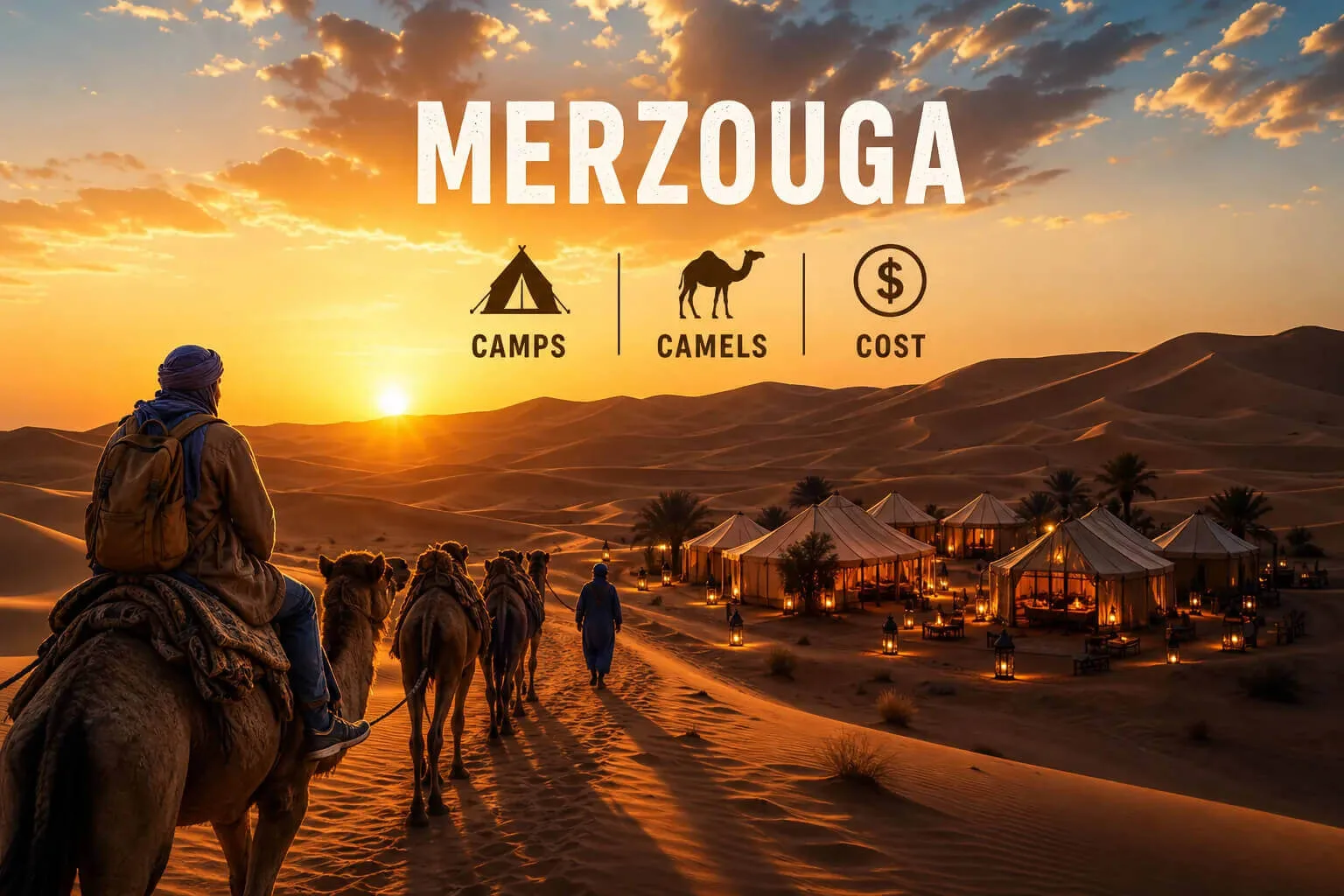
The Sahara Desert represents the highlight of many morocco tour packages, offering travelers their only opportunity to experience the world’s largest hot desert. Tour packages typically access the Sahara through Merzouga, near the impressive Erg Chebbi dunes.

Desert Experience Components:

  • Camel trekking: Traditional transportation method providing authentic Berber travel experiences

  • Desert camp dining: Traditional meals prepared by local cooks using traditional methods

  • Stargazing: Exceptional night sky visibility due to minimal light pollution

  • 4x4 desert excursions: Access to remote areas and panoramic viewpoints

  • Traditional Berber entertainment: Music performances and cultural presentations around campfires

Desert camps range from basic traditional setups with shared facilities to luxury accommodations featuring private bathrooms, comfortable beds, and gourmet dining options. Luxury camps often include spa services and air conditioning, blending comfort with authentic desert experiences.

The desert experience requires specific preparation, including sun protection, appropriate clothing for temperature extremes, and bottled water consumption. Most tour operators provide detailed preparation guidelines and ensure adequate safety measures for desert activities.

Atlas Mountains: Berber Villages and Scenic Landscapes

The Atlas Mountains provide a dramatic contrast to Morocco’s desert and coastal regions, offering opportunities for mountain trekking, cultural exchanges with Berber communities, and spectacular scenic photography. The region features stunning mountain passes like Tizi n'Tichka and dramatic landscapes such as the Dades Valley and Todra Gorge, making it a must-visit for nature enthusiasts and adventure seekers.

Atlas Mountains Experiences:

  • Berber village visits: Authentic encounters with traditional mountain communities

  • Traditional tea ceremonies: Mint tea preparation and consumption rituals

  • Mountain trekking: Hiking opportunities ranging from gentle walks to challenging climbs

  • Traditional architecture: Stone and earth construction methods adapted to mountain environments

  • Local markets: Weekly souks featuring regional products and traditional goods

The High Atlas Mountains contain North Africa’s highest peaks, including Jebel Toubkal, attracting serious trekkers and mountaineers. However, most tour packages focus on accessible areas suitable for general fitness levels, emphasizing cultural experiences over challenging physical activities.

Berber villages maintain traditional lifestyles while gradually incorporating modern amenities like solar power and improved water systems. Visits often include meals with local families, providing intimate glimpses into traditional customs and daily routines.

Chefchaouen-Morocco-Blue-City.webp

Chefchaouen: Blue City Photography and Rif Mountains

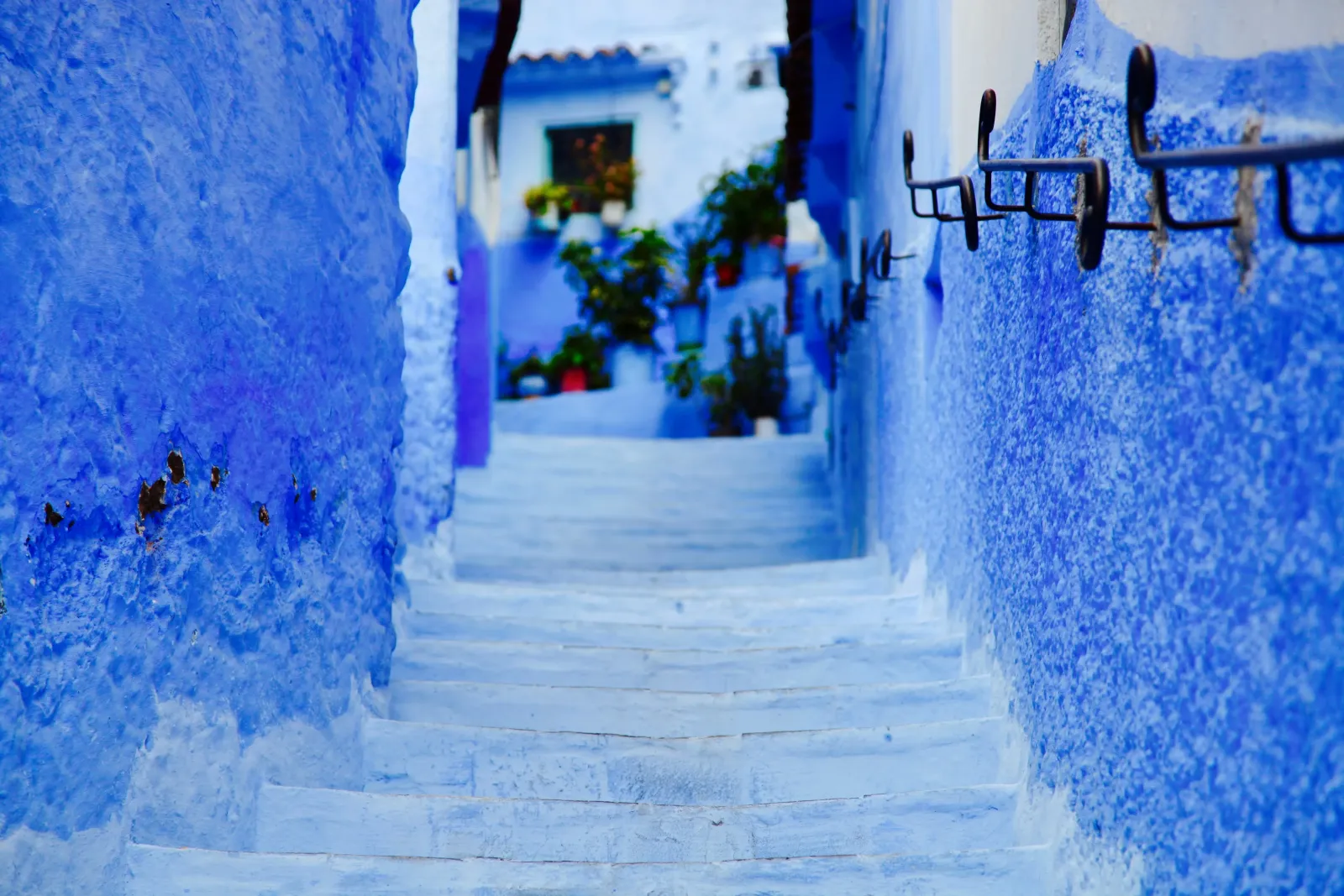
Chefchaouen, known as the “Blue City” for its distinctive blue-painted buildings, has emerged as a popular photography destination featured in many comprehensive tour packages. Located in the Rif Mountains, the city offers a unique aesthetic experience distinct from Morocco’s other destinations.

Chefchaouen Attractions:

  • Blue-painted medina: Unique architectural aesthetic creating countless photography opportunities

  • Ras el-Maa Waterfall: Natural spring providing a scenic hiking destination

  • Grand Mosque: Central religious site with distinctive octagonal minaret

  • Kasbah Museum: Historic fortress containing traditional artifacts and local history exhibits

  • Mountain hiking: Rif Mountains trails offering panoramic valley views

The city’s blue coloring tradition reportedly originated from Jewish refugees in the 1930s, though local explanations vary. The aesthetic creates a dreamlike atmosphere, particularly appealing to photographers and Instagram-focused travelers.

Chefchaouen’s relatively small size allows for comprehensive exploration in half-day visits, making it an ideal addition to longer tour packages without requiring additional overnight stays. The city’s mountain location provides cooler temperatures during the summer months, offering relief from Morocco’s intense heat.

Imperial Cities Circuit

The imperial cities circuit represents Morocco’s most popular tour route, connecting the four historic capitals that served as seats of various Moroccan dynasties throughout history. This circuit provides comprehensive exposure to Morocco’s Islamic architecture, political history, and cultural evolution.

Rabat: Capital City and Royal Heritage

Rabat serves as Morocco’s modern capital and administrative center, offering a more relaxed atmosphere compared to other imperial cities. The city combines ancient monuments with contemporary governmental buildings, providing insights into both historical and modern Morocco.

Rabat Key Attractions:

  • Royal Palace: Current residence of Morocco’s king, viewable from exterior grounds

  • Hassan Tower: Unfinished 12th-century minaret representing Almohad architectural ambitions

  • Mausoleum of Mohammed V: Elaborate tomb of Morocco’s independence leader

  • Kasbah of the Udayas: Historic fortress overlooking the Atlantic Ocean

  • Mohammed VI Museum: Modern facility showcasing contemporary Moroccan art

The city’s coastal location along the Atlantic provides opportunities for seaside dining and ocean views. Rabat’s wide boulevards and planned urban layout reflect French colonial influence while maintaining Moroccan architectural elements.

Tour packages typically allocate one day to Rabat, allowing sufficient time for major monuments while maintaining schedule efficiency. The city’s proximity to Casablanca makes it easily accessible for tours beginning at Mohammed V International Airport.

Meknes: Historic Kasbahs and Imperial Grandeur

Meknes, the smallest of the imperial cities, showcases the architectural ambitions of Sultan Moulay Ismail, who transformed the city during the 17th century. The city provides a more intimate imperial experience compared to the larger and more crowded Fes and Marrakech.

Meknes Highlights:

  • Bab Mansour: Considered Morocco’s most beautiful gate, featuring intricate geometric decorations

  • Mausoleum of Moulay Ismail: Elaborate tomb of the sultan who built modern Meknes

  • Heri es-Souani: Massive granaries designed to store food for 12,000 horses

  • Royal Stables: Architectural marvel demonstrating the sultan’s wealth and power

  • Ville Impériale: Imperial city showcasing 17th-century palace ruins

Meknes’s manageable size allows for comprehensive exploration during half-day visits, making it an ideal complement to nearby Fes. The city’s historical significance provides context for understanding Morocco’s imperial period and architectural evolution.

Many tour packages combine Meknes with visits to nearby Volubilis, the best-preserved Roman ruins in Morocco, offering additional historical perspective on the region’s pre-Islamic heritage.

Essaouira: Atlantic Coastline and Coastal Culture

Essaouira provides a coastal perspective on Moroccan culture, featuring Portuguese-influenced architecture and a thriving fishing industry. The city's architectural style reflects its historical connections with Portugal, and some multi-country tour packages include Portugal alongside Morocco and Spain to offer a diverse travel experience. The city’s Atlantic location offers cooler temperatures and ocean breezes, providing relief from inland heat.

Essaouira Experience Elements:

  • Historic medina: UNESCO World Heritage site with European architectural influences

  • Fishing port: Active harbor showcasing traditional maritime activities

  • Argan oil cooperatives: Women-run businesses producing Morocco’s liquid gold

  • Art galleries: Thriving creative scene featuring local and international artists

  • Water sports: Windsurfing and kitesurfing opportunities along the Atlantic coast

The city’s laid-back atmosphere contrasts sharply with the intensity of larger imperial cities like Marrakech, offering travelers a chance to relax while maintaining cultural engagement. Essaouira’s seafood restaurants provide fresh ocean cuisine distinct from inland Moroccan cooking.

Photography enthusiasts appreciate Essaouira’s unique light quality and coastal landscapes, offering different visual opportunities compared to desert and mountain environments found elsewhere in Morocco.

The-image-depicts-a-traditional-argan-oil-cooperative-where-Moroccan-women-are-skillfully-demonstrating-the-oil-extraction-process,-showcasing-the-cultural-heritage-of-Morocco.-This-scene-highlights-the-importance-of-.jpg

Tangier: Gateway Between Africa and Europe

Tangier occupies a unique position as Morocco’s European gateway, featuring Mediterranean influences and a cosmopolitan atmosphere shaped by its strategic location at the entrance to the Atlantic Ocean and Mediterranean Sea.

Tangier Cultural Highlights:

  • Grand Socco: Central market square connecting the old and new cities

  • Kasbah Museum: Historic palace showcasing regional artifacts and traditional architecture

  • Cave of Hercules: Legendary grotto with an opening shaped like the African continent

  • Spice souks: Traditional markets featuring regional specialties and international goods

  • American Legation: Historic diplomatic building, now a museum of Moroccan-American relations

The city’s international character reflects its history as an international zone during the 20th century, creating a unique cultural blend found nowhere else in Morocco. Literary associations with writers like Paul Bowles and William S. Burroughs add intellectual appeal for culturally minded travelers.

Tangier’s port connects Morocco to Spain via frequent ferry services, making it a practical entry or exit point for travelers combining Morocco with European destinations. The city’s proximity to Europe creates noticeable cultural differences compared to Morocco’s interior regions.

Cultural Experiences and Activities

Morocco tour packages excel in providing authentic cultural immersion opportunities that individual travelers might struggle to access independently. These experiences form the foundation of Morocco’s appeal as a cultural destination, offering insights into traditions that have remained largely unchanged for centuries.

Traditional Craft Workshops and Artisan Encounters

Morocco’s artisan traditions represent living heritage, with skills passed down through generations of craftspeople working in traditional medina workshops. Tour packages provide access to these artisans, offering travelers opportunities to observe production processes and often participate in hands-on workshops.

Traditional Craft Experiences:

  • Pottery workshops in Fes: Learn traditional ceramic techniques and glazing methods

  • Carpet weaving demonstrations: Observe Berber women creating intricate patterns using ancient techniques

  • Metalworking observations: Watch coppersmiths and silversmiths creating traditional items

  • Leather tannery visits: Witness the fascinating but aromatic process of traditional leather production using natural dyes

  • Woodworking demonstrations: See craftspeople creating traditional screens and furniture using traditional tools

These encounters provide context for the goods available in traditional souks, helping travelers appreciate the skill and time invested in handmade items. Many workshops allow participants to create simple items under artisan guidance, providing tangible memories of cultural experiences.

The educational aspect of these visits helps travelers distinguish between authentic handmade items and mass-produced imitations, valuable knowledge for souk shopping experiences. Local guides provide cultural context, explaining the social and economic importance of traditional crafts in Moroccan society.

Traditional Cuisine and Cooking Classes

Moroccan cuisine represents a sophisticated fusion of Berber, Arab, and Mediterranean influences, with regional variations reflecting local ingredients and historical trading relationships. Cooking classes have become essential components of cultural tour experiences, providing hands-on engagement with culinary traditions.

Culinary Experience Components:

  • Market visits: Shopping for fresh ingredients while learning about spice selection and usage

  • Tagine preparation: Master the techniques for creating Morocco’s signature slow-cooked stews

  • Couscous workshops: Learn the labor-intensive process of traditional couscous preparation, a beloved national food made of steamed balls of crushed semolina served with meats and vegetables

  • Mint tea ceremonies: Understand the social and cultural significance of Morocco’s national drink

  • Pastry making: Create traditional sweets like chebakia and sellou using authentic techniques

  • Market visits: Shopping for fresh ingredients while learning about spice selection and usage

  • Tagine preparation: Master the techniques for creating Morocco’s signature slow-cooked stews

  • Couscous workshops: Learn the labor-intensive process of traditional couscous preparation

  • Mint tea ceremonies: Understand the social and cultural significance of Morocco’s national drink

  • Pastry making: Create traditional sweets like chebakia and sellou using authentic techniques

Cooking classes typically begin with market visits where participants select ingredients while guides explain spice properties and traditional usage. The interactive nature of these classes creates social experiences among tour participants while providing practical skills travelers can recreate at home.

Regional variations in cooking classes reflect local specialties - coastal classes might emphasize fish chermoula, a thick relish made with herbs and spices often used to flavor fish dishes, while mountain classes focus on tagines adapted to high-altitude cooking. These variations provide insights into how geography influences culinary traditions.

Family dining experiences take cultural immersion further, allowing travelers to share meals with Moroccan families in their homes. These intimate encounters provide glimpses into daily life while showcasing hospitality traditions that form core elements of Moroccan culture. Many Moroccan families eat couscous on Fridays, though it can be enjoyed any day of the week, adding a layer of cultural significance to these shared meals.

Desert Adventure Activities

Desert experiences represent the pinnacle of adventure tourism in Morocco, offering activities impossible to replicate elsewhere. These experiences combine adventure elements with cultural education about nomadic traditions and desert survival techniques.

Desert Activity Options:

  • Camel trekking expeditions: Traditional transportation providing authentic nomadic experiences

  • 4x4 desert excursions: Access remote desert areas and panoramic viewpoints impossible to reach on foot

  • Sandboarding: Adrenaline activities on large sand dunes near Merzouga

  • Desert photography workshops: Capture dramatic landscapes and cultural scenes under professional guidance

  • Stargazing sessions: Experience exceptional night sky visibility with astronomical explanations

Camel trekking remains the most popular desert activity, providing travelers with experiences similar to those of traditional Berber nomads. The rhythmic motion and slow pace of camel travel create meditative experiences while traversing dramatic dune landscapes.

Desert camp experiences combine adventure with luxury, offering accommodations ranging from basic traditional setups to elaborate luxury camps featuring air conditioning, proper bathrooms, and gourmet dining. Evening entertainment typically includes traditional Berber music performances around campfires, creating magical atmospheric experiences.

Safety considerations for desert activities include adequate sun protection, proper hydration, and appropriate clothing for extreme temperature variations between day and night. Reputable tour operators provide detailed preparation instructions and maintain emergency communication equipment for remote areas.

Atlas-Mountains-Road--1-.jpg

Souk Navigation and Haggling Workshops

Traditional markets, or souks, represent essential Moroccan cultural experiences, but their complexity and bargaining customs can intimidate unprepared travelers. Guided souk experiences provide cultural education while building confidence for independent shopping.

Souk Experience Elements:

  • Navigation techniques: Learn to find specific shops and avoid getting lost in maze-like medinas

  • Quality assessment: Distinguish between authentic handmade items and mass-produced alternatives

  • Haggling strategies: Understand cultural expectations and appropriate bargaining techniques

  • Cultural etiquette: Learn respectful behavior and appropriate interactions with vendors

  • Product knowledge: Gain insights into traditional uses and production methods for various goods

Guided souk tours typically focus on educational aspects rather than shopping pressure, helping travelers understand the cultural and economic significance of traditional markets. Guides explain the social aspects of bargaining, emphasizing that haggling represents a form of social interaction rather than mere price negotiation.

Product categories in traditional souks include textiles (carpets, clothing, scarves), leather goods (bags, shoes, jackets), metalwork (lamps, trays, jewelry), ceramics (tiles, dishes, decorative items), and spices (cooking ingredients, traditional medicines, teas). Understanding these categories helps travelers navigate efficiently while identifying items of personal interest.

The sensory intensity of traditional souks - combining visual stimulation, aromatic spices, and acoustic energy - can overwhelm first-time visitors. Guided experiences help travelers appreciate this intensity while providing strategies for comfortable navigation during independent visits. Travelers in Morocco should dress modestly to respect local customs, particularly when visiting traditional markets or religious sites, ensuring a respectful and culturally sensitive experience.

Religious and Architectural Tours

Morocco’s Islamic architecture represents one of the world’s finest examples of religious and decorative building traditions. Specialized tours provide access to religious sites while respecting cultural sensitivities and religious protocols.

Architectural Experience Components:

  • Mosque exterior tours: Appreciate architectural details while respecting religious restrictions

  • Madrasa visits: Explore historic Islamic schools showcasing educational architecture

  • Palace tours: Examine royal architectural traditions and decorative arts

  • Garden visits: Experience traditional Islamic garden design principles

  • Architectural photography: Capture geometric patterns and architectural details under professional guidance

Non-Muslims cannot enter most active mosques in Morocco, but exterior tours provide opportunities to appreciate architectural elements like minarets, geometric decorations, and calligraphy. The Hassan II Mosque in Casablanca represents a notable exception, offering guided interior tours for non-Muslims during specific hours.

Historic madrasas (Islamic schools) like Ben Youssef in Marrakech provide access to stunning interior courtyards featuring intricate tilework, carved plaster, and cedar wood decorations. These buildings demonstrate the sophistication of traditional Islamic educational architecture.

Cultural sensitivity remains crucial during religious site visits, requiring modest dress covering shoulders and knees for all visitors. Women may need to cover their hair when visiting certain sites, and tour operators typically provide scarves when necessary.

Accommodation and Dining

Morocco’s accommodation options range from international luxury hotel chains to traditional riads offering authentic cultural experiences. Understanding accommodation categories helps travelers select options that align with their comfort preferences and cultural interests.

Luxury Accommodations and Premium Experiences

Morocco’s luxury tourism sector has developed sophisticated offerings combining international comfort standards with authentic Moroccan design elements. These accommodations cater to travelers seeking premium experiences without sacrificing cultural authenticity.

Luxury Accommodation Categories:

  • Four Seasons Resort Marrakech: International luxury standard with Moroccan design elements

  • La Mamounia Marrakech: Historic palace hotel with legendary service and gardens

  • Restored palace hotels: Historic buildings converted to luxury accommodations

  • Luxury desert camps: High-end tented accommodations in the Sahara Desert

  • Premium riads: Upscale traditional guesthouses with modern amenities

Four Seasons Resort Marrakech exemplifies international luxury adapted to Moroccan settings, featuring swimming pools, spa services, and multiple dining options while incorporating traditional architectural elements. The resort’s location provides easy access to Marrakech’s attractions while offering tranquil retreat spaces.

Luxury desert camps represent unique accommodations impossible to experience elsewhere, combining the adventure of desert camping with amenities like air conditioning, private bathrooms, and gourmet dining. These camps often feature traditional Berber tent designs updated with modern comfort elements.

Premium riads in cities like Fes offer the most authentic accommodation experiences, featuring traditional architecture with courtyards, fountains, and rooftop terraces. Many premium riads employ traditional craftspeople to maintain authentic decorative elements while adding modern conveniences like Wi-Fi and climate control.

Traditional Riads and Authentic Guesthouses

Traditional riads represent Morocco’s most characteristic accommodation style, featuring interior courtyards surrounded by rooms on multiple levels. These structures provide authentic architectural experiences while offering intimate, personal service often impossible in larger hotels.

Traditional Riad Features:

  • Interior courtyards: Central open spaces providing natural light and cooling

  • Rooftop terraces: Private spaces for dining and relaxation with city views

  • Traditional architecture: Authentic building materials and decorative techniques

  • Personal service: Small properties enabling individualized guest attention

  • Cultural immersion: Daily interaction with Moroccan architectural traditions

Riad accommodations vary significantly in luxury levels, from basic traditional guesthouses to carefully restored properties featuring museum-quality decorative arts. Location within medinas affects both authenticity and convenience, with deeper medina locations offering more traditional experiences but requiring longer walks to reach vehicles.

The intimate nature of riad accommodations creates opportunities for cultural exchange with hosts, who often provide local insights and recommendations unavailable through larger hotels. Many riads serve traditional Moroccan breakfasts featuring fresh bread, local honey, and mint tea on rooftop terraces with medina views.

Travelers should consider practical factors when selecting riad accommodations, including luggage transportation (many medina locations require walking), noise levels (courtyards can amplify sounds), and accessibility (traditional riads often feature stairs without elevators).

Desert Camp Accommodations

Desert camps provide unique accommodation experiences combining adventure with varying comfort levels, from basic traditional setups to luxury installations featuring sophisticated amenities. Understanding camp categories helps travelers select appropriate experiences for their comfort requirements.

Desert Camp Categories:

  • Basic traditional camps: Simple tent accommodations with shared facilities and authentic experiences

  • Standard desert camps: Private tents with basic amenities and traditional dining

  • Luxury desert camps: High-end accommodations featuring private bathrooms, air conditioning, and gourmet dining

  • Ultra-luxury camps: Premium experiences with spa services, fine dining, and personalized service

Basic traditional camps offer the most authentic desert experiences, with simple tent accommodations and shared bathroom facilities. These camps emphasize cultural authenticity over comfort, providing experiences similar to traditional nomadic lifestyles.

Luxury desert camps transform desert experiences into sophisticated adventures, featuring amenities like air conditioning, private bathrooms with hot showers, and comfortable beds with quality linens. Dining at luxury camps often includes multiple courses prepared by professional chefs using local ingredients.

Evening entertainment at desert camps typically features traditional Berber music performances, with local musicians playing traditional instruments around campfires. These cultural presentations provide insights into nomadic traditions while creating memorable atmospheric experiences under desert stars.

Signature Dining Experiences

Morocco’s culinary scene combines traditional cooking methods with local ingredients, creating distinctive regional cuisines that reflect geographical and cultural influences. Tour packages often include signature dining experiences showcasing culinary diversity.

Signature Dining Venues:

  • Rick’s Cafe Casablanca: Recreation of the famous bar from the classic film, offering themed dining experiences

  • Traditional riad restaurants: Authentic settings featuring traditional architecture and cooking methods

  • Family dining experiences: Meals with local families providing intimate cultural exchanges

  • Rooftop restaurants: Venues offering panoramic city views with traditional cuisine

  • Desert camp dining: Outdoor meals under stars featuring traditional Berber cuisine

Rick’s Cafe in Casablanca provides themed dining experiences recreating the atmosphere of the 1942 film “Casablanca,” combining nostalgia with quality Moroccan and international cuisine. The venue attracts film enthusiasts while providing quality dining in an atmospheric setting.

Traditional riad restaurants often feature authentic architectural settings with meals served in historic courtyards or on rooftop terraces. These venues combine culinary experiences with cultural immersion, allowing travelers to appreciate traditional architecture while enjoying authentic cuisine.

Family dining experiences represent the most intimate cultural encounters, with local families welcoming travelers into their homes for traditional meals. These experiences provide insights into daily life, family traditions, and regional cooking variations while creating meaningful personal connections.

Traditional Moroccan cuisine emphasizes slow cooking methods, complex spice combinations, and fresh local ingredients. Signature dishes include tagines (slow-cooked stews), couscous (steamed grain preparations), pastilla (sweet and savory pastries), and various mint tea preparations served throughout meals.

Practical Travel Information

Successful Morocco travel requires understanding practical considerations including documentation requirements, health recommendations, and cultural expectations. This information helps travelers prepare effectively while avoiding common challenges.

Documentation and Entry Requirements

Morocco maintains specific entry requirements varying by nationality and length of stay. Most tour package participants require planning to ensure proper documentation and avoid entry complications.

Visa and Documentation Requirements:

  • Tourist visas: Many nationalities receive automatic 90-day tourist visas upon arrival

  • Passport validity: Passports must remain valid for at least six months beyond the departure date

  • Entry requirements verification: Check current requirements through official Moroccan embassy websites or professional Entry Requirements tools

  • Special considerations: Some nationalities require advance visa applications through Moroccan consulates

Travelers should verify current entry requirements well in advance of departure, as requirements can change based on international relations and security considerations. Tour operators typically provide general guidance, but travelers remain responsible for ensuring proper documentation.

Professional Entry Requirements tools provide current information for specific nationalities and travel circumstances. These resources account for factors like dual citizenship, previous travel history, and planned activities within Morocco.

Business travelers or those planning extended stays may require additional documentation beyond standard tourist visas. Educational tours or volunteer activities might necessitate special permit applications through the appropriate Moroccan authorities.

Health and Vaccination Recommendations

Morocco requires no mandatory vaccinations for most travelers, but health professionals recommend specific preventive measures based on planned activities and medical history. Consultation with travel medicine specialists ensures appropriate preparation for Moroccan travel conditions.

Recommended Vaccinations and Health Measures:

If you're planning to visit Morocco, consider exploring tour packages in Morocco for a comprehensive and memorable experience. When traveling, keep the following vaccinations in mind:

  • Hepatitis A and B: Recommended for all travelers due to potential food and water contamination

  • Typhoid: Advised for travelers eating outside major tourist areas or with local families

  • Tetanus: Ensure current vaccination status, especially for adventure activities

  • Rabies: Consider for travelers engaging in outdoor activities or extended rural stays

  • Routine vaccinations: Verify current status for measles, mumps, rubella, and influenza

Travelers should consult qualified health professionals 4-6 weeks before departure to ensure adequate time for vaccination schedules and prescription medications. If your travels are taking you to Casablanca and its top attractions, travel insurance should include medical evacuation coverage for remote areas like the Sahara Desert or the High Atlas Mountains.

Water safety represents a primary health consideration, with bottled water recommended for consumption, especially in rural areas. Most tour packages include bottled water or provide water purification options for desert and mountain activities.

Food safety practices include consuming well-cooked foods, avoiding raw vegetables in uncertain conditions, and choosing busy restaurants with high turnover. Most tour packages feature carefully selected restaurants with established food safety standards.

Currency and Financial Considerations

Morocco uses the Moroccan Dirham (MAD) as its official currency, with specific regulations governing currency exchange and cash availability. Understanding financial systems helps travelers manage money effectively during their visit to morocco.

Currency and Banking Information:

  • Official currency: Moroccan Dirham (MAD), approximately $1 USD = 10 MAD (exchange rates fluctuate)

  • ATM availability: Widely available in major cities, limited in rural areas, and in desert regions

  • Cash withdrawal limits: Typically 2,000 MAD (~$200 USD) per transaction

  • Credit card acceptance: Limited outside major tourist areas and luxury establishments

  • Currency exchange: Available at airports, banks, and authorized exchange offices

ATMs provide the most convenient currency access in large cities like Marrakech, Fes, and Casablanca. However, travelers should carry adequate cash for rural areas, desert camps, and small businesses that don’t accept cards.

US dollars and euros are widely recognized for currency exchange, but travelers should avoid exchanging money through unauthorized dealers who may offer illegal rates or counterfeit currency. Official exchange offices and banks provide secure transactions with proper documentation.

Tipping represents an important cultural consideration, with specific expectations for guides, drivers, hotel staff, and restaurant service. Many tour operators implement CEO (Chief Experience Officer) tipping kitty systems, recommending $8-11 per person per day for comprehensive tip distribution.

Languages and Communication

Morocco’s linguistic diversity reflects its complex cultural heritage, with multiple official languages and regional dialects. Understanding basic language information helps travelers communicate more effectively and shows respect for local customs.

Language Landscape:

  • Official languages: Modern Standard Arabic and Tamazight (Berber)

  • Widely spoken: Moroccan Arabic (Darija), French (legacy of colonial period)

  • Regional languages: Spanish in northern regions, English in tourist areas

  • Berber dialects: Tarifit, Tashelhit, and Central Atlas Tamazight in specific regions

French remains widely understood due to Morocco’s colonial history, particularly useful for travelers with French language skills. Spanish proves helpful in northern regions like Tangier and Chefchaouen due to historical connections with Spain.

English proficiency varies significantly by location and profession, with tourist-oriented businesses in major cities generally offering English-speaking staff. Rural areas and traditional markets may require basic Arabic or French phrases for effective communication.

Professional tour guides typically speak multiple languages, including English, providing essential communication support throughout planned itineraries. However, travelers benefit from learning basic courtesy phrases in Arabic or French to enhance cultural interactions.

Electrical Systems and Connectivity

Electrical and Connectivity Information:

  • Electrical outlets: Type C and E European-style plugs

  • Voltage: 220V/50Hz (different from North American 110V systems)

  • Power adapters: Universal adapters recommended for multiple device types

  • Internet access: Widely available in cities, limited in rural areas

  • Mobile connectivity: Good coverage in populated areas, sporadic in the mountains and desert

Internet access in Morocco's urban areas is generally good, but travelers should be prepared for limited connectivity in rural regions, particularly in remote mountain and desert locations.

Electrical and Connectivity Information:

  • Electrical outlets: Type C and E European-style plugs

  • Voltage: 220V/50Hz (different from North American 110V systems)

  • Power adapters: Universal adapters recommended for multiple device types

  • Internet access: Widely available in cities, limited in rural areas, and desert regions

  • Mobile connectivity: Good coverage in populated areas, sporadic inthe mountains and desert

International travelers require power adapters to use North American or other electrical devices in Morocco’s European-standard outlets. Universal adapters provide flexibility for multiple device types and can accommodate various international plug configurations.

Internet access quality varies dramatically between locations, with luxury accommodations and urban areas providing reliable high-speed connections, while rural areas and desert camps may offer limited or no connectivity. Travelers should inform family and colleagues about potential communication gaps during desert and mountain portions of their trips.

Mobile phone coverage extends throughout most populated areas, but becomes unreliable in remote mountain regions and deep desert areas. International roaming charges can be expensive, with local SIM card purchases often providing more economical communication options for extended stays.

Safety and Cultural Considerations

Morocco maintains generally excellent safety records for tourists, but understanding cultural norms and local customs enhances experiences while showing appropriate respect for traditional values in this muslim country.

General Safety Guidelines

Morocco ranks among Africa’s safest tourist destinations, with established tourism infrastructure and generally welcoming attitudes toward international visitors. However, travelers should maintain standard safety precautions appropriate for international travel. Vaccinations recommended for Morocco include hepatitis A and B, rabies, typhoid, and tetanus, ensuring travelers are prepared for potential health risks during their visit.

Safety Considerations:

  • Personal security: Morocco is generally a safe place for tourists with reasonable precautions

  • Petty crime: Pickpocketing and bag snatching occur in crowded areas like markets and transportation hubs

  • Tourist police: Dedicated units in major cities specifically trained to assist international visitors

  • Emergency contacts: Tour operators provide 24-hour emergency communication systems

  • Health emergencies: Medical facilities are available in major cities, but are limited in rural areas

Tourist areas maintain an increased security presence, with both regular police and specialized tourist police trained to assist international visitors. These officers often speak multiple languages and understand common tourist concerns.

Personal safety measures include avoiding flashy jewelry or electronics displays, securing valuables in hotel safes, and maintaining awareness in crowded markets and transportation areas. Tour groups benefit from guide supervision and group security advantages.

Remote areas like the Sahara Desert require specific safety protocols, including GPS communication devices, adequate water supplies, and professional guide services. Reputable tour operators maintain emergency communication systems and medical evacuation protocols for remote area activities.

Cultural Sensitivity and Dress Codes

Morocco’s Islamic culture influences social norms and expectations, particularly regarding appropriate dress and public behavior. Understanding these expectations demonstrates respect while preventing misunderstandings with local communities.

Cultural Expectations:

  • Modest clothing: Cover shoulders and knees in public areas, particularly around religious sites

  • Mosque visits: Women require headscarves; many operators provide scarves when necessary

  • Public behavior: Avoid public displays of affection between couples, especially in rural areas

  • Alcohol consumption: Limited to licensed establishments; not acceptable in public spaces

  • Photography: Request permission before photographing people, especially in rural areas

Modest dress requirements apply particularly strongly around religious sites and in rural areas where traditional values remain influential. Lightweight, long-sleeved clothing provides cultural appropriateness while protecting from sun exposure in desert and mountain environments.

Public displays of affection should be minimized, particularly in traditional areas where conservative values predominate. This applies to both heterosexual and LGBTQ+ couples, with discretion advised throughout Morocco.

Photography etiquette requires sensitivity to privacy concerns, with many locals preferring not to be photographed without permission. This applies particularly in traditional markets and rural communities where photography may be viewed as intrusive.

Respect for Local Customs

Understanding and respecting local customs enhances cultural experiences while demonstrating appreciation for Moroccan hospitality and traditions.

Cultural Respect Guidelines:

  • Religious observances: Respect prayer times and religious customs, particularly during Ramadan

  • Gift giving: Small gifts from home countries are appreciated when visiting families

  • Greeting customs: Handshakes are common between the same genders; opposite gender interactions vary by conservatism level

  • Food customs: Accept offered mint tea and food as signs of hospitality

  • Bargaining: View market negotiations as cultural interactions rather than mere commercial transactions

Religious observances affect daily rhythms, particularly during Ramadan, when eating and drinking in public during daylight hours may be inappropriate. Tour operators adjust schedules and activities to respect religious requirements during significant religious periods.

Hospitality customs emphasize generous treatment of guests, with offers of mint tea representing traditional welcome gestures. Accepting such offers demonstrates respect for cultural traditions while providing opportunities for personal interactions with local hosts.

Family interactions require particular cultural sensitivity, especially when visiting traditional homes or participating in family dining experiences. These encounters provide intimate cultural insights but require appropriate behavior and appreciation for hosts’ generosity.

Best Time to Visit and Weather

Morocco’s diverse geography creates varied climate conditions throughout the country, with optimal timing depending on planned destinations and preferred activities. Understanding seasonal patterns helps travelers select ideal travel periods for their specific interests.

Seasonal Climate Patterns

Morocco experiences Mediterranean climate patterns along its coast, continental conditions in interior regions, and desert climates in southern areas. These variations create different optimal travel periods for various regions and activities.

Seasonal Overview:

  • Spring (March-May): Ideal temperatures throughout most regions, wildflower blooms in the mountains

  • Summer months (June-August): Extremely hot inland, comfortable coastal temperatures

  • Autumn (September-November): Excellent temperatures, clear skies, ideal for most activities

  • Winter (December-February): Mild temperatures but potential rain, snow possible in the mountains

Peak travel seasons of spring and autumn offer the most comfortable temperatures for visiting morocco, with moderate conditions suitable for both desert and mountain activities. These periods also provide optimal conditions for cultural site exploration and outdoor photography.

Summer conditions vary dramatically by region, with coastal areas like Essaouira maintaining comfortable temperatures due to Atlantic Ocean influences, while inland cities like Marrakech and desert regions experience extreme heat often exceeding 40°C (104°F). Summer travel requires careful activity planning and heat management strategies.

Winter travel offers advantages, including fewer crowds and lower accommodation prices, but travelers should prepare for potential rain and cooler temperatures. Mountain regions may experience snow, affecting accessibility to some areas and requiring appropriate clothing and equipment.

Regional Climate Variations

Morocco’s diverse geography creates distinct regional climates requiring different preparation strategies and optimal timing considerations for various destinations within the country.

Regional Climate Characteristics: Learn more about the climate and attractions of Rabat, Morocco, a city renowned for its blend of history, culture, and coastal weather.

  • Atlantic coast: Moderate year-round temperatures with ocean breezes and higher humidity

  • Atlas Mountains: Alpine conditions with snow in winter, pleasant summers, but cooler nights

  • Sahara Desert: Extreme temperature variations between day and night year-round

  • Interior cities: Continental climate with hot summers and mild winters

  • Mediterranean coast: Warm, dry summers and mild, wet winters

Coastal regions like Essaouira and Casablanca benefit from Atlantic Ocean moderation, creating comfortable conditions even during summer months when interior regions become extremely hot. Ocean breezes provide natural cooling and reduce temperature extremes.

Mountain climates in the Atlas regions offer cooler temperatures during summer months, but require preparation for potential snow and cold conditions during winter travel. High altitude areas experience significant temperature drops after sunset, regardless of season.

Desert regions present unique challenges with extreme daily temperature variations, where daytime heat can exceed 45°C (113°F) while nighttime temperatures may drop below 10°C (50°F). These variations require specific clothing and equipment preparations for comfort and safety.

Interior cities experience continental climate patterns with hot, dry summers and mild winters. Air quality in cities like Marrakech can be affected by dust and heat during the summer months, influencing comfort levels for outdoor activities and sightseeing.

Activity-Specific Timing Recommendations

Different activities and interests benefit from specific timing considerations, with optimal periods varying based on whether travelers prioritize cultural exploration, adventure activities, or specific photographic opportunities.

Activity-Based Timing:

  • Cultural site exploration: Spring and autumn provide comfortable walking conditions and optimal lighting

  • Desert adventures: October through April offer manageable temperatures for camel trekking and camping

  • Mountain trekking: May through September provides accessible conditions and clear weather

  • Photography tours: March-May and September-November offer optimal lighting and weather conditions

  • Water sports: Coastal activities are best during the summer months with warm water temperatures

Cultural exploration benefits from moderate temperatures that allow comfortable walking through medinas, visiting outdoor monuments, and participating in market activities without heat stress. Spring and autumn provide ideal conditions for day-long cultural activities.

Desert adventures require careful timing to avoid extreme summer temperatures that can make camel trekking and outdoor camping uncomfortable or dangerous. Winter months provide comfortable daytime temperatures while maintaining the clear skies essential for stargazing experiences.

Mountain activities depend on seasonal accessibility, with high-altitude areas becoming inaccessible during winter due to snow. Summer months provide optimal conditions for hiking and village visits, though travelers should prepare for cool nighttime temperatures even in summer.

Photography enthusiasts benefit from the golden light and clear atmospheric conditions typical of spring and autumn months. These seasons provide optimal conditions for landscape photography while avoiding the harsh lighting and heat haze common during summer months.

Camel-Ride-Experince--1-.jpg

Booking and Package Inclusions

Understanding what morocco tour packages include and exclude helps travelers make informed decisions while avoiding unexpected expenses during their journey. Package components vary significantly between operators and price points.

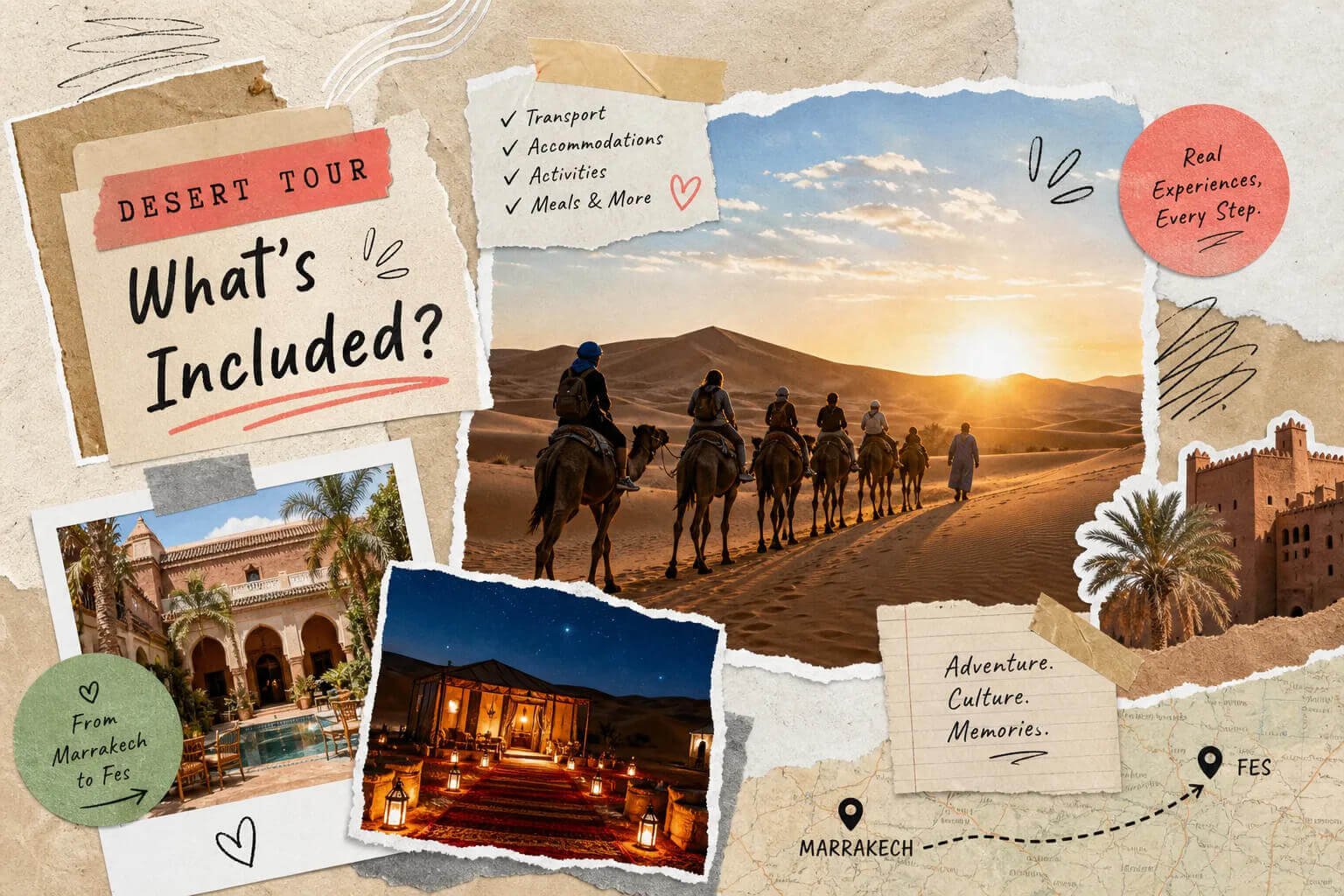
Standard Package Inclusions

Most morocco tour packages include essential travel components designed to provide hassle-free experiences for international travelers. Understanding these standard inclusions helps evaluate package value and identify potential additional costs. Traveling in the off-peak season in Morocco can provide significant savings compared to peak season prices, especially when booking hotels in Essaouira, making it an attractive option for budget-conscious travelers.

Typical Package Inclusions:

  • Accommodations: Varied by package level, from standard hotels to luxury riads

  • Transportation: Air-conditioned vehicles with professional drivers throughout itineraries

  • Professional guides: English-speaking certified guides for cultural sites and activities

  • Select meals: Breakfast daily, some lunches and dinners, particularly during desert and remote excursions

  • Entrance fees: Admission to museums, historical sites, and cultural attractions

  • Cultural activities: Guided souk tours, some cooking classes, and traditional performances

Accommodation standards vary dramatically between package price points, with budget tours featuring standard hotels while luxury packages include premium riads and resort properties. Location also affects accommodation quality, with desert camps and mountain lodges offering more basic amenities regardless of package level.

Transportation typically includes air-conditioned vehicles appropriate for group sizes and terrain requirements. Desert excursions often require 4x4 vehicles for sand dune access, while city touring uses comfortable coaches or vans for efficient group movement.

Guide services represent crucial package components, providing cultural interpretation, language assistance, and navigation through complex medina areas. Professional guides hold official certifications and maintain extensive local knowledge essential for meaningful cultural experiences.

Departure Dates and Availability

Tour operators typically offer multiple departure dates throughout the year, with availability varying by season and demand patterns. Understanding booking timelines helps secure preferred dates and accommodations.

Booking Timeline Considerations:

  • Peak season bookings: Reserve 3-6 months in advance for spring and autumn departures

  • Holiday periods: Christmas, New Year, and Easter require the earliest booking for availability

  • Last-minute availability: Limited options during peak seasons, better availability during quieter periods

  • Group size minimums: Some departures require minimum participation for guaranteed operation

  • Solo traveler options: Many operators guarantee departures regardless of group size

Current availability shows departure dates from December 2025 through February 2026, representing typical booking windows for international tour operators. Early booking often provides pricing advantages and ensures access to preferred accommodations.

Small group tours with a maximum of 24 participants tend to fill quickly, particularly during optimal travel seasons. For example, those interested in exploring destinations like Tangier, Morocco, can benefit from these tours' enhanced experiences but should be aware of the limited availability compared to larger group alternatives.

Holiday periods around Christmas and New Year command premium pricing and require the earliest booking to secure spaces. Alternative travel periods often provide better value and availability for budget-conscious travelers.

Cancellation Policies and Travel Insurance

Understanding cancellation terms and travel insurance requirements protects travelers from financial losses due to unforeseen circumstances while providing flexibility for changing travel plans.

Cancellation and Insurance Considerations:

  • Cancellation deadlines: Typically 45-90 days before departure for full or partial refunds

  • Travel insurance: Strongly recommended for all international travel, particularly adventure activities

  • Medical coverage: Essential for remote areas where evacuation costs can be substantial

  • Activity coverage: Verify insurance includes adventure activities like camel trekking and desert camping

  • Pandemic considerations: Check coverage for pandemic-related cancellations and medical treatment

Travel insurance recommendations emphasize comprehensive coverage, including medical evacuation, particularly important for desert and mountain activities where emergency transportation can be expensive and complex. Standard health insurance may not cover international medical evacuation from remote areas.

Activity-specific coverage ensures protection during adventure elements like camel trekking, 4x4 desert excursions, and mountain hiking. Some standard travel insurance policies exclude certain adventure activities, requiring additional coverage or specialized adventure travel insurance.

Pandemic-related considerations have become increasingly important, with coverage for pandemic-related cancellations, medical treatment, and quarantine expenses now essential components of travel insurance planning.

Payment Options and Additional Costs

Understanding payment structures and potential additional costs helps travelers budget accurately while avoiding unexpected expenses during their morocco experience.

Payment and Budget Considerations:

  • Deposit requirements: Typically, 20-25% of the total cost to secure reservations

  • Payment schedules: Final payment due 45-60 days before departure

  • Additional meal costs: Lunches and dinners not included in packages

  • Optional activities: Cooking classes, spa treatments, and extended tours available for additional fees

  • Personal expenses: Souvenirs, additional beverages, personal shopping

  • Gratuity guidelines: CEO tipping kitty systems or individual tipping as appropriate

Payment schedules typically require initial deposits to secure reservations with final payments due 6-8 weeks before departure. Some operators offer payment plan options for higher-priced packages, particularly luxury tours and extended itineraries.

Additional meal costs can add significantly to total trip expenses, particularly in luxury destinations where restaurant meals may cost $30-50 per person. Budget planning should account for meals not included in packages, especially during free time in cities.

Optional activities provide opportunities for enhanced experiences but require additional budget allocation. Popular add-ons include cooking classes ($30-50), spa treatments ($40-80), and extended tours to nearby attractions.

Souvenir and shopping budgets vary widely based on personal interests and bargaining skills. Traditional crafts, textiles, and jewelry represent popular purchases, with prices ranging from small trinkets under $10 to significant art pieces costing hundreds of dollars.

Gratuity expectations follow cultural norms, emphasizing appreciation for service providers. Tour operators often provide specific guidance for appropriate tipping amounts and distribution methods, ensuring fair compensation for local service providers while simplifying the process for international travelers.

Conclusion

Morocco tour packages provide exceptional value for travelers seeking a comprehensive exploration of one of the world’s most culturally rich destinations. From intimate small group experiences averaging 24 guests to luxury escorted tours featuring Four Seasons accommodations, the diversity of package options ensures suitable experiences for every travel style and budget range.

The country’s unique combination of imperial cities, Sahara Desert adventures, Atlas Mountains experiences, and Atlantic coastline creates unparalleled geographic diversity within a single destination. Whether you’re drawn to the bustling souks of Marrakech, the ancient medina of Fes, or the dramatic dunes of the Sahara, tour packages provide structured access to Morocco’s highlights while handling complex logistics and cultural navigation.

Cultural authenticity remains the cornerstone of quality Morocco tours, with experiences ranging from traditional Berber village encounters to hands-on cooking classes featuring tagine and couscous preparation. Professional local knowledge from certified guides ensures meaningful cultural immersion while respecting local customs and traditions in this muslim country.

The practical advantages of organized tours become particularly apparent in Morocco, where language barriers in rural areas, complex medina navigation, and coordination of diverse accommodations from riads to desert camps can challenge independent travelers. Tour packages eliminate these obstacles while providing safety assurance and cultural interpretation essential for maximizing travel experiences.

For travelers planning to visit morocco in 2025-2026, early booking ensures access to preferred accommodations and optimal departure dates during peak seasons. Whether you choose classic cultural immersion tours, active adventure packages, or luxury escorted experiences, Morocco’s tour packages promise transformative journeys through landscapes and cultures that have captivated travelers for centuries. Reputable travel companies for Morocco tours include Intrepid Travel, On The Go Tours, and G Adventures, ensuring high-quality experiences tailored to diverse traveler needs.

Start planning your Morocco adventure today by exploring available tour packages that match your interests, budget, and travel timeline. The diversity of options ensures that every traveler can find their perfect introduction to this extraordinary North African destination.

Our Latest Travel Articles

Essential Guide to the Best Morocco Travel Plug Adapter for Your Trip
18 January 2026

Essential Guide to the Best Morocco Travel Plug Adapter for Your Trip

Discover the best Morocco travel plug adapters to keep your devices powered during your trip. Read o...

Read this article
Best Marrakech to Fes Desert Tour 4 Days: Explore the Sahara Today
17 January 2026

Best Marrakech to Fes Desert Tour 4 Days: Explore the Sahara Today

Discover the ultimate 4-day desert tour from Marrakech to Fes. Experience breathtaking landscapes an...

Read this article
Top Tips for Visiting Aït Benhaddou: A UNESCO World Heritage Site
15 January 2026

Top Tips for Visiting Aït Benhaddou: A UNESCO World Heritage Site

Discover essential tips for exploring Aït Benhaddou, a UNESCO World Heritage site. Plan your visit ...

Read this article