Group Tour Agencies in Morocco: How to Pick the Right One
Compare Morocco group tour agencies by trip style, reviews, pace, transport and inclusions. Learn wh...
Read this article

Private, custom Morocco trips planned in Fez by AZ-ZDDINE, working in Moroccan tourism since 2012. Sahara, Atlas, medinas and coast, arranged around you.
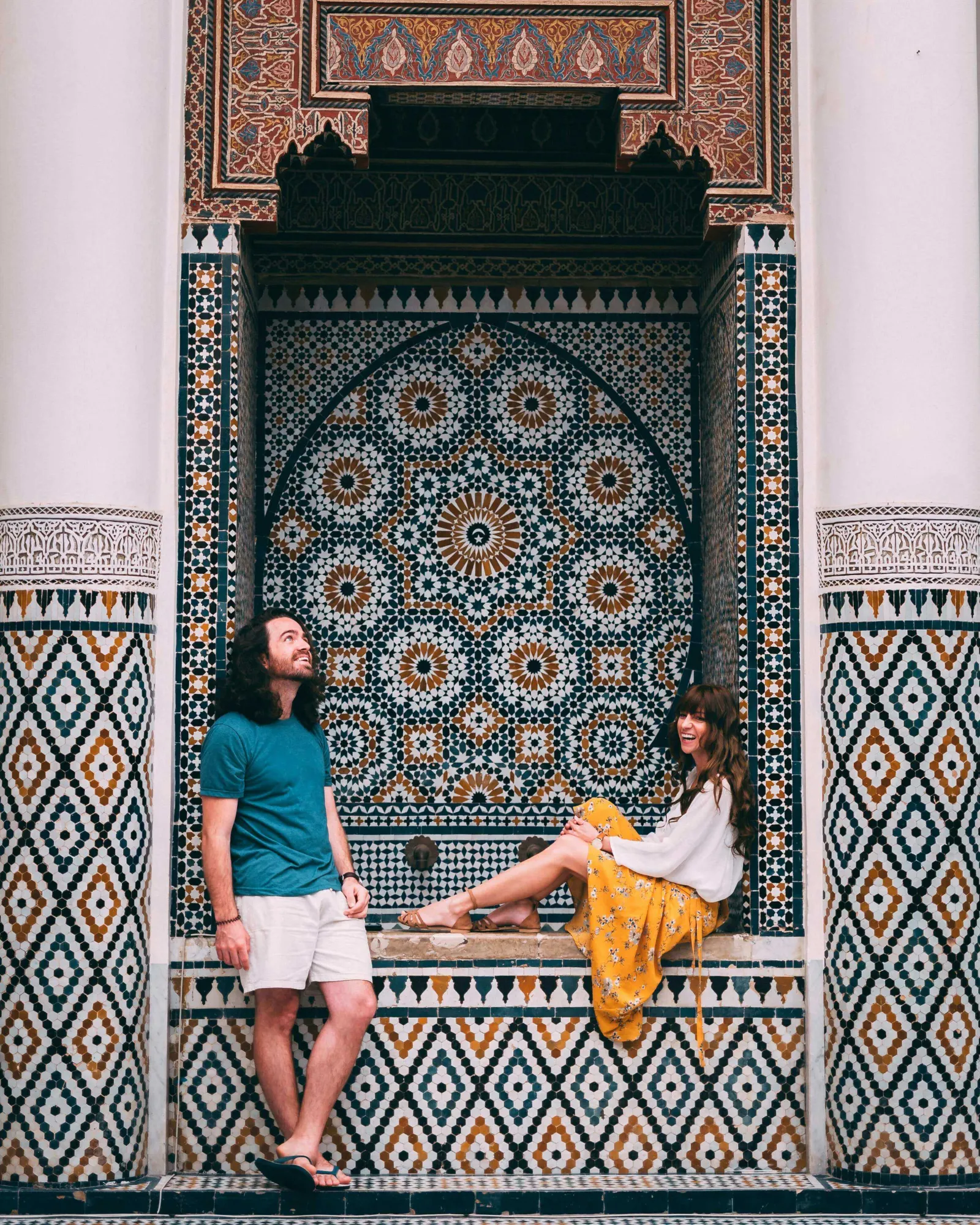
Morocco is a captivating country at the crossroads of Africa, Europe, and the Middle East, offering travelers a tapestry of experiences and a wide variety of Morocco travel tour packages unlike anywhere else in the world. Nestled in the northwest corner of Africa, Morocco is renowned for its dramatic landscapes, from the snow-capped peaks of the Atlas Mountains to the endless golden dunes of the Sahara Desert. Its cities—like the vibrant Marrakech and cosmopolitan Casablanca—are alive with history, color, and the unmistakable energy of local culture.
Travelers to Morocco can wander through ancient medinas that are UNESCO World Heritage sites, marvel at centuries-old architecture, and immerse themselves in the rhythms of daily life. Whether you’re seeking an unforgettable adventure trekking in the Atlas, a journey into the heart of the Sahara, or a relaxing escape on the country’s beautiful beaches along the Atlantic coast, Morocco offers something for every explorer. With its rich history, diverse culture, and warm hospitality, Morocco is a must-visit destination for anyone looking to experience the magic of North Africa. This guide is designed for travelers seeking expertly crafted Morocco travel tour packages, whether you’re a first-time visitor or a seasoned explorer looking for a unique adventure.
Morocco Classic Tours offers private, customizable morocco travel tour packages designed for couples, families, and small groups seeking authentic cultural immersion, from desert camps under the stars to guided medina walks in ancient cities.
Packages are available year-round, with the most comfortable weather for morocco trips falling in spring (March–May) and autumn (September–November).
Choose from morocco vacation packages ranging from short 3-day desert escapes to comprehensive 14-day grand tours covering the imperial cities, Sahara, and Atlantic coast.
Every itinerary is fully customizable: start in Marrakech, Casablanca, or Fez, and adjust hotels, activities, and pacing to match your travel style.
Ready to explore? Book Now or request a custom quote directly from Morocco Classic Tours to start planning your unforgettable adventure.
Morocco Classic Tours is a locally based B2C tour operator headquartered in Fez, specializing in private, custom morocco tours for couples, families, and small groups. Unlike large international operators, we’re a Moroccan team with deep roots in the country—our guides grew up in the medinas, our drivers know the mountain passes, and our partners in desert camps and riads are trusted friends we’ve worked with for years.
What sets us apart: Best Tour Packages in Morocco
Local Moroccan team with firsthand knowledge of hidden gems and seasonal conditions
English-speaking driver-guides who double as cultural interpreters throughout your journey
Handpicked accommodations from traditional riads in the walled medina of Fez to luxury tented desert camps in Merzouga
Flexible itineraries that adapt to your interests, whether you want more time in vibrant markets or prefer outdoor activities in the atlas mountains
24/7 on-trip support so you’re never alone if plans change or questions arise
Our focus is immersive experiences that go beyond standard sightseeing. That means walking tours through the tanneries of Fez with a local guide, home-cooked meals with Berber families in mountain villages, and evenings around the campfire listening to traditional music as the sun sets over the sand dunes. These activities offer you a unique opportunity to experience authentic Berber culture, traditions, and heritage—an integral part of Morocco’s diverse identity.
We handle the logistics—airport transfers, transport, accommodations, and most activities—so you can experience moroccan culture without worrying about planning details. For first-time visitors to north africa, this peace of mind makes all the difference. We emphasize safety, comfort, and cultural respect at every step, ensuring your morocco experience is both memorable and stress-free.
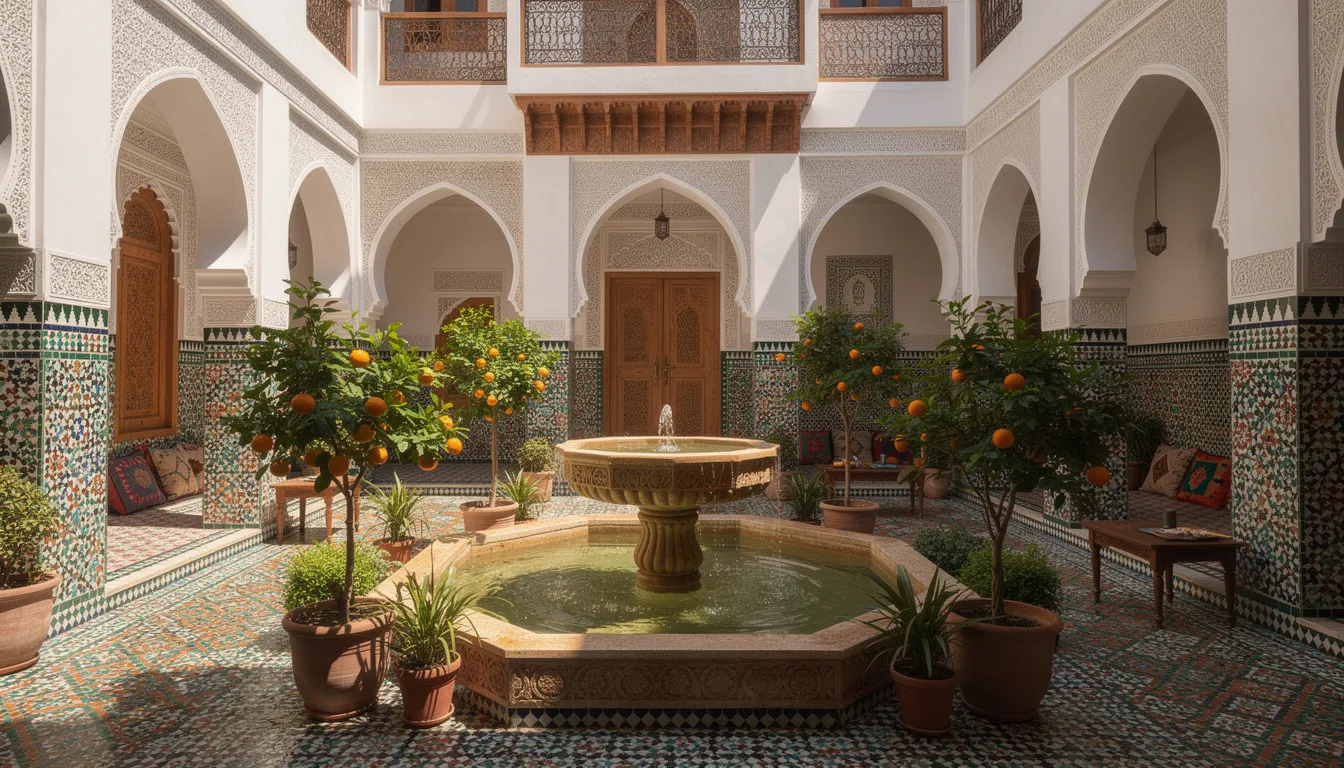
Now that you know what sets us apart, let’s explore the types of Morocco travel packages we offer.
The following are example morocco travel packages for 2025–2026. Each is fully customizable in length, comfort level, and pace—think of these as starting points rather than fixed programs. In Morocco's cities, you can choose from a wide range of accommodation options, including modern hotels, traditional riads, and more modest choices, all offering a unique local hospitality experience.
Ideal for travelers with limited vacation time who want to experience Morocco’s highlights.
Day 1: Arrive in Marrakech, explore Jemaa el-Fnaa square and sample street food
Day 2: Visit majorelle gardens and Bahia Palace, then cross the high atlas mountains via Tizi n’Tichka pass to Ait Benhaddou
Day 3: Drive through the Dades Valley and todra gorge to Merzouga
Day 4: Sunset camel ride into the Erg Chebbi dunes, overnight in a desert camp with dinner, Berber music, and sunrise views
Day 5: Return to Marrakech or transfer to the airport
This package delivers the essential morocco vacation in under a week: imperial city energy, dramatic mountain crossings, ancient kasbahs, and a night under the sahara stars.
Our most popular itinerary, blending cultural immersion with desert adventure.
Day 1–2: Casablanca (hassan ii mosque) and Rabat, then travel north to Chefchaouen, the famous blue city
Day 3–4: Explore Fez, including guided medina walks, the historic tanneries, and Bou Inania Madrasa
Day 5: Cross the Middle Atlas through Ifrane and cedar forests, continuing to Merzouga
Day 6: Full desert day with camel trek at sun set, overnight in sahara desert camp
Day 7: Drive through todra gorge and Ouarzazate (film studios and ancient kasbahs)
Day 8: Arrive in Marrakech for final exploration or departure
This classic morocco vacation package covers four of morocco’s cities, the blue pearl of the Rif, and the iconic sahara.
For travelers who want deeper exploration without feeling rushed.
Days 1–2: Marrakech—medina walking tour, souks, and optional cooking class
Day 3: Day hike in the high atlas mountains (Imlil or Ourika Valley)
Days 4–5: Drive through Skoura or Dades to Merzouga; overnight desert camp with camel ride
Days 6–7: Fez exploration with free time for hammam or shopping
Day 8: Visit Roman ruins at Volubilis (unesco world heritage sites) and Meknes
Days 9–10: Coastal relaxation in Essaouira or Agadir—beautiful beaches, water sports, and fresh seafood
This itinerary balances city culture, mountain adventure, desert magic, and coastal downtime.
The ultimate deep dive into Morocco’s landscapes and local culture in Essaouira.
All the highlights above, plus: Contact us for more information or to customize your trip.
Extra nights in Fez and Marrakech for slower-paced exploration
Time in Tangier with its European influences and vibrant energy near the Strait of Gibraltar
Extended stay in Chefchaouen to photograph the rif mountains and relax
Atlantic coast days in Essaouira or Taghazout for surfing or kitesurfing
Optional detours: ouzoud waterfalls, off-the-beaten path Berber villages, or a night in the Dades Valley
This is for travelers with two weeks who want an amazing experience covering the full spectrum of what morocco offers.
Travelers can choose their comfort level (standard, superior, or luxury riads and desert camps), and exact 2025–2026 departure dates are flexible for private tours.
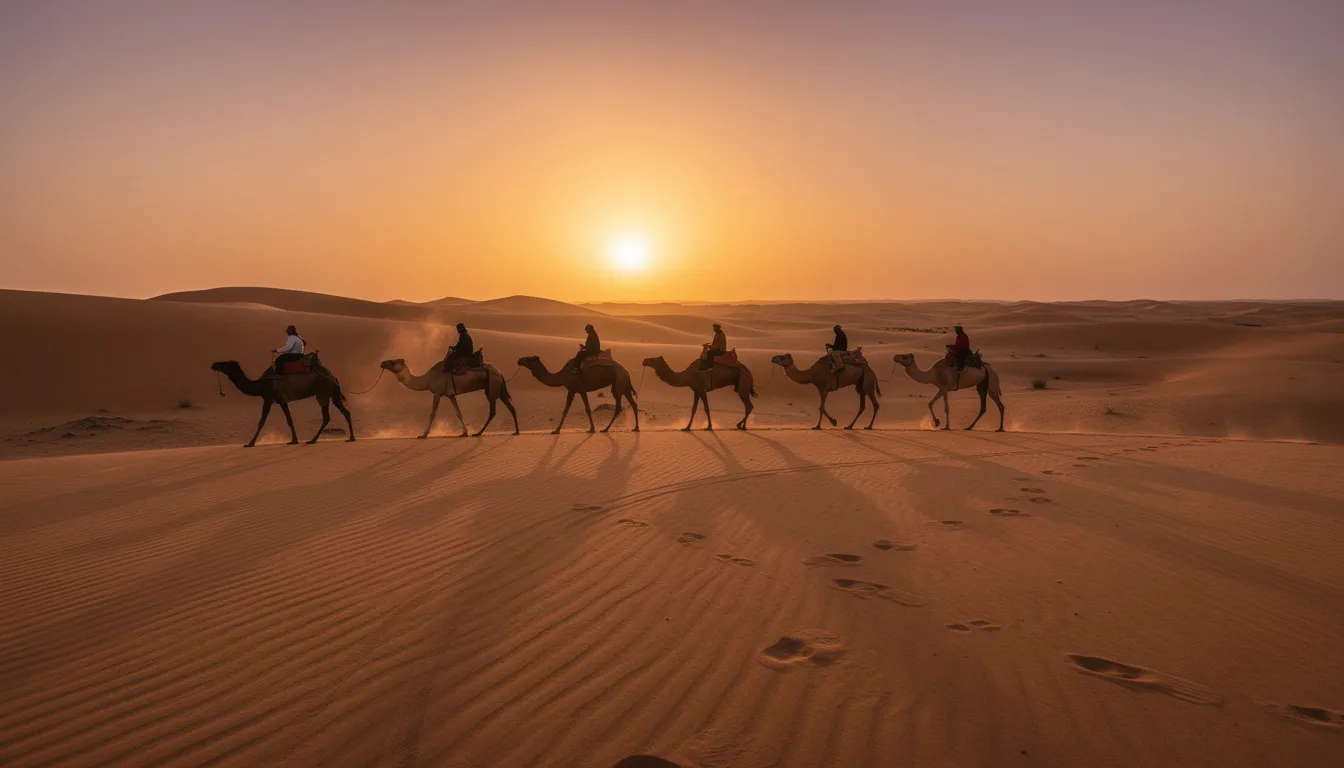
Popular Morocco travel tour packages include 8-day "Imperial Cities & Sahara" tours, 3-day desert camel treks from Marrakech, and luxury riad stays. Recommended Morocco tour packages typically range from 7 to 12 days, focusing on combinations of imperial cities, the Sahara Desert, and Atlas Mountain trekking. Morocco offers tour packages ranging from budget-friendly group trips to high-end, all-inclusive luxury itineraries. Morocco travel packages often include guided tours, accommodations, and unique cultural experiences. Travel packages to Morocco typically offer a mix of must-see sights and off-the-beaten-path adventures.
Ready to discover what’s included in your Morocco travel package? Read on for details about inclusions and exclusions.
Inclusions vary by package, but most morocco vacation packages are designed to be “almost all-inclusive” for peace of mind.
Category | What’s Covered |
|---|---|
Transfers | Private airport pick-up and drop-off in Marrakech, Casablanca, or Fez |
Transport | Private vehicle with driver for the entire journey |
Accommodation | Traditional riads, quality hotels, and tented desert camps |
Meals | Daily breakfast; dinner included at desert camps and mountain lodges |
Guided Experiences | Walking tours in Marrakech and Fez medinas, camel trek in Merzouga |
Activities | Overnight in sahara desert camp with campfire music, visits to Ait Benhaddou and the Atlas |
Entrance Fees | Selected monuments and attractions |
Core Inclusions (Bullet List):
Private airport pick-up and drop-off in Marrakech, Casablanca, or Fez
Private vehicle with driver for the entire journey
Traditional riads, quality hotels, and tented desert camps
Daily breakfast; dinner included at desert camps and mountain lodges
Walking tours in Marrakech and Fez medinas, camel trek in Merzouga
Overnight in sahara desert camp with campfire music, visits to Ait Benhaddou and the Atlas
Selected monuments and attractions entrance fees
Guided exploration of the walled medina in Fez, including tanneries and market stalls
Sunset camel ride into the Merzouga dunes
Overnight desert camp experience with traditional dinner, breakfast, and Berber music
Scenic drives through the high atlas mountains with photo stops
Visits to ancient kasbahs and unesco world heritage sites like Volubilis
International flights to/from Morocco
Some lunches and dinners in major cities (giving you free time to explore on your own)
Personal travel insurance (strongly recommended)
Optional activities at additional cost: hot air balloon rides near Marrakech, quad biking in the dunes, surfing lessons in Essaouira
Each package page on our website includes a clear “Included / Not Included” list so you can compare options easily before booking.
Next, let’s look at the different types of Morocco tours available to suit your interests and travel style.
Most of our itineraries are private, meaning vehicles and guides are dedicated exclusively to your group. This allows:
Custom start dates that fit your schedule
Choice of hotel categories from mid-range to luxury
Flexible daily pacing—spend more time in destinations that captivate you
Packages focusing on Morocco’s historic royal capitals:
Marrakech (Koutoubia Mosque, Saadian Tombs, vibrant markets)
Fez (world’s largest car-free urban zone, medieval architecture)
Rabat (Hassan Tower, Royal Palace)
Meknes (Bab Mansour gate, historic granaries)
Casablanca (hassan ii mosque, french influences in architecture)
These tours are perfect for history buffs and those interested in moroccan culture spanning centuries.
Options include:
1–2 nights in Merzouga (Erg Chebbi) or Erg Chegaga
Sunrise and sunset camel treks into the dunes
4x4 support vehicles for desert navigation
Standard camps with shared facilities or luxury desert camp options with private tents and ensuite bathrooms
Stargazing sessions taking advantage of minimal light pollution
For travelers seeking outdoor activities:
Guided day hikes from Imlil or Ourika Valley
Multi-day treks with local mountain guides and village guesthouse stays
Day trips to ouzoud waterfalls
Wildlife spotting in the Middle Atlas cedar forests
Add atlantic ocean relaxation to any morocco vacation:
Essaouira: historic port town, wind sports, seafood
Agadir: resort beaches and sun
Taghazout: surfing village with laid-back atmosphere
water sports including kitesurfing, surfing lessons, and paddleboarding
Itineraries designed with families in mind:
Shorter driving days with more frequent stops
Family rooms and connecting accommodations
Child-friendly activities: camel rides, pottery workshops, cooking classes
Flexible meal times and kid-approved food options
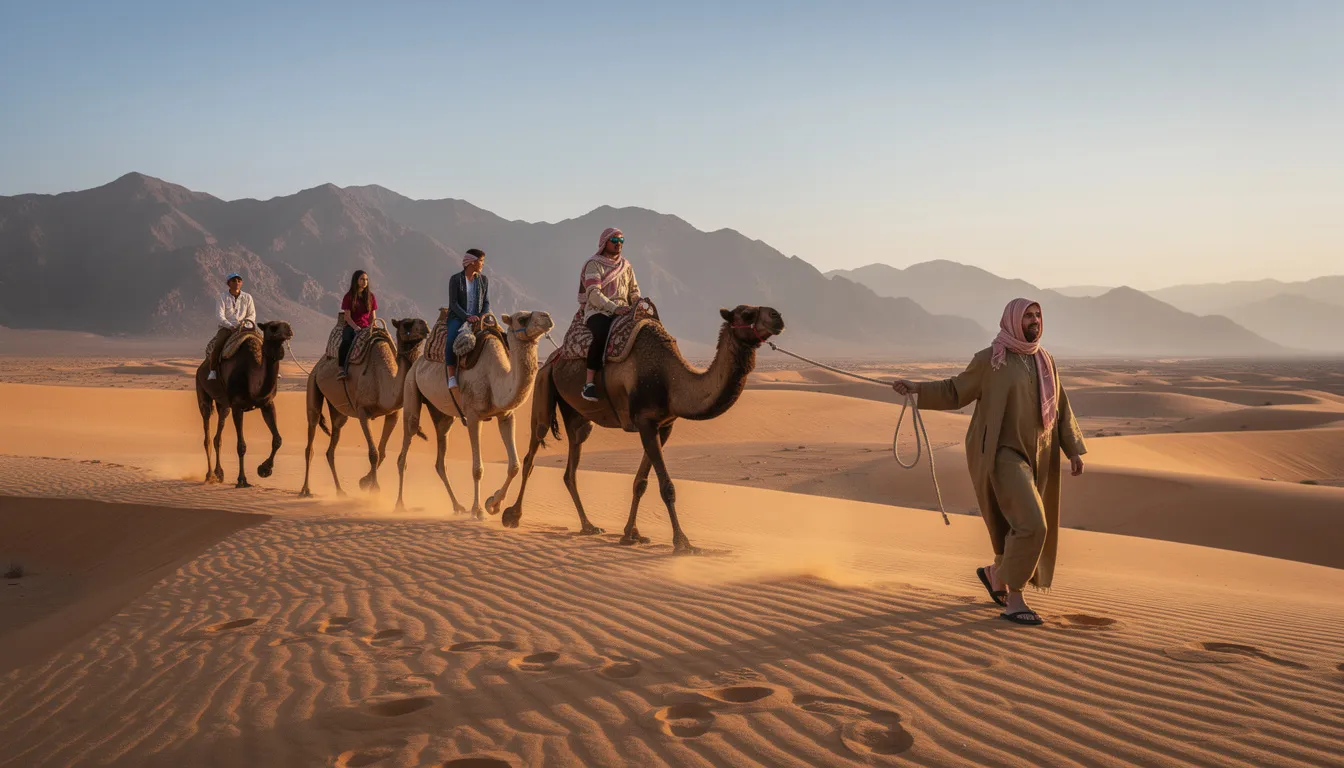
Definitions of Key Morocco Tour Types:
Imperial Cities & Sahara Classic tours: Cover Casablanca, Rabat, Fes, Merzouga, and Marrakech, ideal for first-time visitors.
Sahara Desert & Camel Trek tours: Focus on the south, including the High Atlas Mountains and Ait Ben Haddou.
Recommended Morocco tour packages: Typically range from 7 to 12 days, focusing on combinations of imperial cities, the Sahara Desert, and Atlas Mountain trekking.
3-Day Desert Tours: Typically include round-trip transport from Marrakech or Fes, and guided visits to significant attractions such as the Kasbah of Ait Ben Haddou.
Curious about the best time to visit Morocco? The next section covers seasonal tips and booking advice.
Morocco is a year-round destination, but weather conditions in the sahara, atlas mountains, and coastal cities vary significantly by season.
One of the best times to visit morocco:
Pleasant temperatures in Marrakech and Fez (20–28°C / 68–82°F)
Wildflowers blooming in the Atlas valleys
Cooler sahara evenings—ideal for desert camping
Book desert and hiking packages early for April and May
Another prime window for morocco trips:
Warm but comfortable days across the country
Ideal for packages combining desert, cities, and coast
Best trekking conditions: late September through late October
Ramadan dates vary—we can advise on timing considerations
Coastal focus is recommended:
Essaouira and Agadir offer pleasant temperatures and ocean breezes
Marrakech and Fez can exceed 40°C (104°F)—we schedule city sightseeing for mornings and evenings
Hotel pools become essential rest stops between activities
Consider shorter inland visits paired with atlantic ocean beach time
Sunny but cooler days:
Daytime temperatures around 15–20°C (59–68°F) in cities
Snow caps the high atlas mountains—stunning for photography
Chilly desert nights require warm layers
Fewer crowds (except Christmas and New Year peak dates)
Excellent for city and cultural tours
Travel Period | Recommended Booking Window |
|---|---|
March–May | 3–6 months in advance |
September–November | 3–6 months in advance |
Christmas, New Year, Easter | 6–9 months in advance |
Summer (June–August) | 2–3 months in advance |
Winter (January–February) | 1–2 months in advance |
Planning your next trip early ensures availability at the best riads and desert camps. | |
Ready to start planning your Morocco vacation? The next section explains how to customize your perfect itinerary. | |
Working with Morocco Classic Tours follows a straightforward process designed to match your vision with local expertise.
Initial inquiry: Submit an online form or email with your preferred dates, group size, and interests
Consultation: We discuss your priorities—do you want more time in the sahara desert or focused exploration of the imperial cities?
Draft itinerary: Receive a day-by-day proposal with accommodation options and transparent pricing
Revisions: Adjust anything—swap hotels, add activities, change pacing
Confirmation: Secure your booking with a deposit and receive pre-departure information
Starting city: Choose based on flight availability and priorities:
Marrakech: Best for southern Morocco, desert, and atlas focus
Casablanca: Convenient connections from many world destinations
Fez: Ideal for starting with northern Morocco, Chefchaouen, and medina immersion
Trip length: Consider what you want to experience:
3–4 days: Focused escape (Marrakech + desert or city-only)
5–7 days: Solid introduction covering 2–3 regions
8–10 days: Comprehensive journey without rushing
12–14 days: Deep dive with slower pacing and coastal time
Travel style: Match accommodation to your preferences:
Comfortable mid-range riads and hotels
Boutique properties with character and charm
Luxury riads with pools, spas, and premium desert camps
Solo travelers can opt for their own room for privacy and comfort, or choose to share with someone of the same gender to reduce costs.
Core experiences to prioritize:
Imperial cities history and architecture
Sahara camel trek and desert camp overnight
Atlas hiking or nature immersion
Coastal relaxation and beautiful beaches
Culinary experiences: cooking classes, mint tea ceremonies, food tours
Group travel: The average group size on Morocco tours is typically between 10-12 travelers.
Pacing flexibility:
Add extra nights in Fez or Marrakech for deeper exploration
Build in free time for personal discoveries, shopping, or hammam visits
Include rest days after long driving stretches
Complete online inquiry or email with your dates and interests
Receive a tailor-made proposal with daily breakdown and clear pricing
Review and request any adjustments
Secure with deposit (typically 20–30% of total)
Receive pre-departure packet: packing lists, cultural tips, emergency contacts, and your tour guide details
Next, discover essential travel tips to make your Morocco journey smooth and memorable.
To make the most of your Morocco trip, keep these key tips in mind:
Dress modestly: Morocco is a Muslim country, and visitors are encouraged to dress modestly, especially when exploring rural areas or religious sites.
Show respect: A respectful attitude goes a long way—learning a few simple Arabic greetings, like “as-salamu alaykum” (hello) and “shukraan” (thank you), will be appreciated by locals and can enrich your cultural experience.
Stay aware: When exploring Morocco’s vibrant markets and bustling souks, keep an eye on your belongings and be mindful of your surroundings, as you would in any busy destination.
Safety: The country is generally safe for travelers, but it’s wise to take standard precautions, particularly in crowded areas.
Stay hydrated and protected: Staying hydrated, wearing sunscreen, and carrying a hat are essential, especially during the warmer months.
Best seasons: For the best weather and a more comfortable journey, consider planning your trip in spring or autumn, when Morocco’s climate is mild and pleasant.
Try local cuisine: Don’t miss the chance to savor the flavors of Moroccan cuisine—enjoy a steaming cup of mint tea, sample aromatic tagines, and browse the colorful market stalls for unique souvenirs.
Embrace local customs: By respecting local customs and embracing the country’s rich culture, you’ll ensure your Morocco vacation is both enjoyable and memorable.
Ready to have your questions answered? The FAQ below covers the most common topics for Morocco travel tour packages.
A 5–7 day morocco vacation is enough for a focused trip—for example, Marrakech plus the sahara desert, or Marrakech to Fez via the desert route. For a more comprehensive experience combining imperial cities, the sahara, and either the atlas mountains or the atlantic coast, 8–12 days is ideal.
Morocco Classic Tours most frequently designs 8-day and 10-day itineraries for first-time visitors. We can also create 3–4 day mini-packages for travelers already in Europe or Spain looking for a quick escape to africa.
Morocco is generally safe for tourists, especially when traveling on private, pre-arranged tours where all transfers, hotels, and activities are organized in advance. As a muslim country with a strong tourism infrastructure, Morocco welcomes millions of visitors annually from around the world.
Safety tips:
Use trusted drivers, licensed local guides, and vetted accommodations.
Avoid unlit alleys late at night.
Keep valuables secure.
Stay aware of your surroundings in crowded areas like Jemaa el-Fnaa.
Solo female travelers and families regularly enjoy morocco tours without issues.
Morocco offers tour packages ranging from budget-friendly group trips to high-end, all-inclusive luxury itineraries.
Budget group tours: Feature pre-determined itineraries with accommodation in 3-star hotels or shared rooms, starting around $100–$150 per person per day. These typically include group transport, basic guided tours, and some meals.
Mid-range private tours: Offer boutique riads, private guides, and a mix of included and optional activities, generally ranging from $200–$350 per person per day.
Luxury private tours: Start around $400–$600+ per person per day, offering personalized, high-end experiences with 5-star riads, private guides, and gourmet dining.
Morocco travel packages often include guided tours, accommodations, and unique cultural experiences.
Most tour companies offer transparent pricing that includes accommodations, transportation, meals, and guided activities.
Short 3–4 day private packages typically start from $300–500 per person.
Mid-range 8–10 day itineraries with desert camps and boutique riads range from $800–1,500 per person.
Luxury packages with premium accommodations and private tents run higher.
These estimates assume double occupancy. If you require a single room, expect a single supplement fee.
Best deals are often available for off-peak seasons and groups of four or more.
We encourage you to request a tailored quote so we can match your budget, travel dates, and expectations for comfort and experiences.
Most riads and restaurants can accommodate vegetarians, vegans, and common dietary needs with advance notice.
Moroccan cuisine naturally includes many vegetable-based tagines, lentil dishes, couscous with vegetables, and fresh salads—food options are generally plentiful for non-meat eaters.
Morocco Classic Tours asks about dietary requirements during the planning phase and informs hotels, desert camps, and partner restaurants before your arrival.
Allergies (nuts, gluten, etc.) can also be communicated in advance.
The moroccan dirham (MAD) is the official currency and must be obtained inside Morocco—you cannot buy dirhams abroad.
ATMs at airports and in major cities like Marrakech, Casablanca, and Fez offer competitive rates.
Avoid currency exchange kiosks with poor rates when possible.
Tipping is customary in Morocco. Small amounts for local guides, drivers, restaurant staff, and hotel porters are appreciated.
Morocco Classic Tours provides a suggested tipping range in the pre-departure information for each morocco travel package, so you’ll know what’s appropriate without guessing.
Whether you’re dreaming of a camel ride at sunset, exploring the vibrant energy of Marrakech’s souks, or sipping mint tea overlooking the blue city of Chefchaouen, Morocco Classic Tours is here to make your journey seamless and memorable.
Book Now or request a custom quote to start designing your perfect morocco vacation today.
Compare Morocco group tour agencies by trip style, reviews, pace, transport and inclusions. Learn wh...
Read this article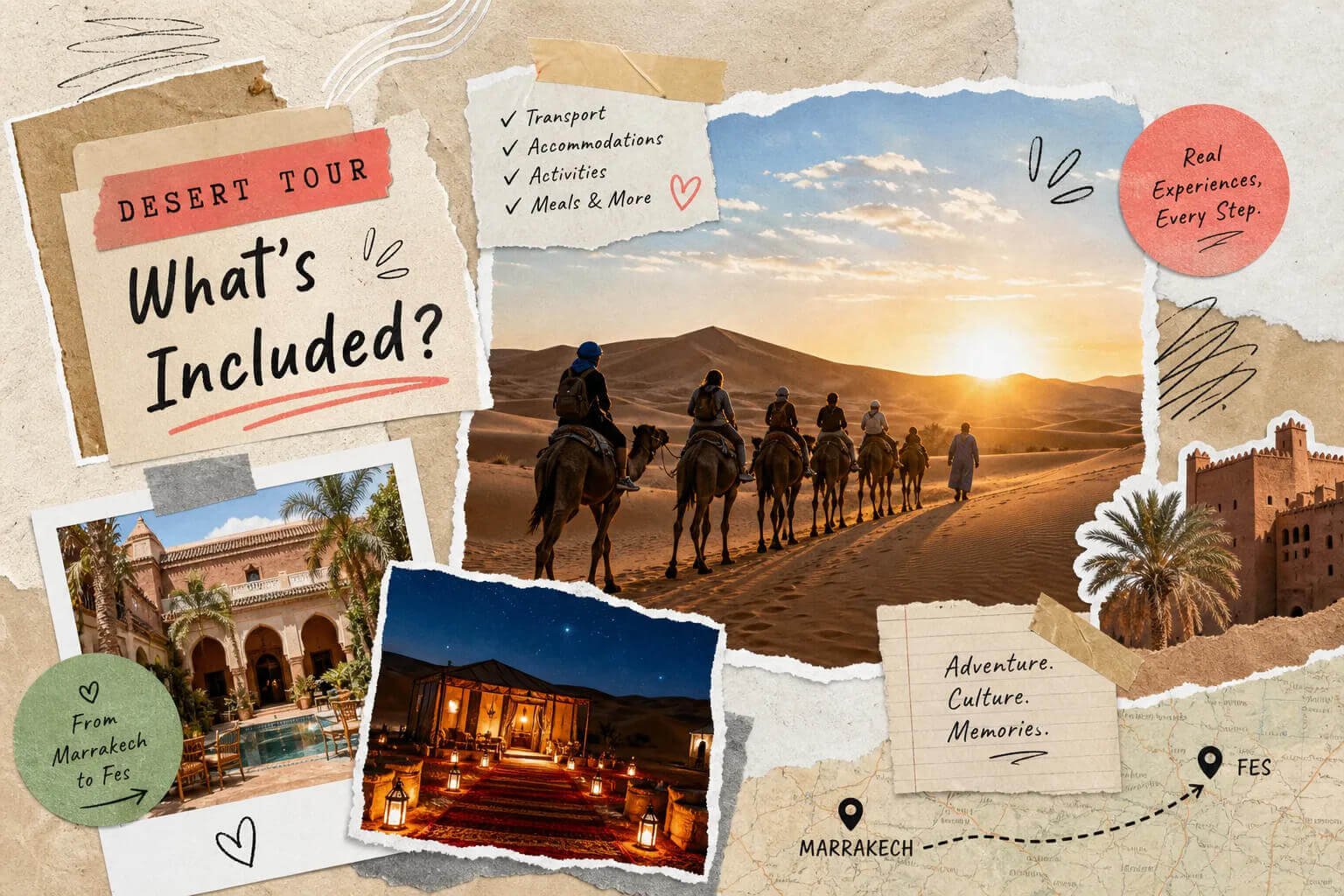
Uncover what a Marrakech to Fes desert tour offers, including camel rides, desert camps, and rich cu...
Read this article
Join our Merzouga Overnight Tour for an authentic desert experience. Enjoy camel rides, comfortable ...
Read this articleWant cool tour deals and tips about Morocco? Enter your email and we’ll send them to you each month!
