Group Tour Agencies in Morocco: How to Pick the Right One
Compare Morocco group tour agencies by trip style, reviews, pace, transport and inclusions. Learn wh...
Read this article

Private, custom Morocco trips planned in Fez by AZ-ZDDINE, working in Moroccan tourism since 2012. Sahara, Atlas, medinas and coast, arranged around you.
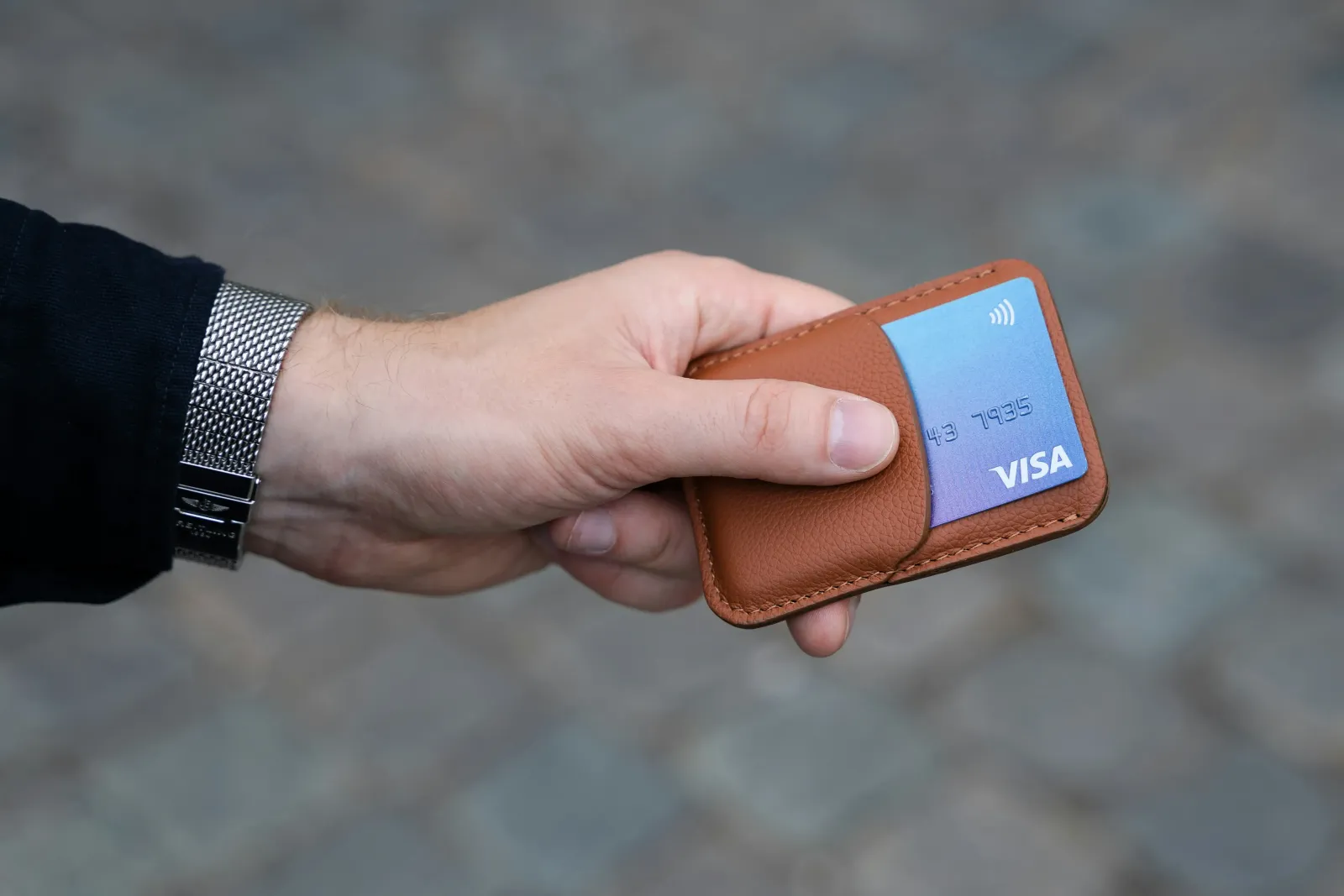
The short answer to “can I pay by card in Morocco?” is yes, in many situations—but you cannot rely on card payments alone, particularly in taxis, souks, rural areas, and smaller vendors.
This guide is for travelers to Morocco who want to understand when and where they can pay by card, and why knowing local payment habits is essential for a smooth trip. Understanding payment methods matters because it helps you avoid inconvenience and ensures smooth transactions throughout your journey.
Morocco’s payment landscape is slowly moving toward a more digital future, yet daily expenses for most residents and visitors still revolve around cash payments. Contactless payments and mobile wallets are spreading in urban areas, but the country’s economy remains fundamentally cash-dominant, especially in traditional settings.
The official currency in Morocco is the Moroccan dirham (MAD), which is a closed currency and cannot be exchanged outside of Morocco. The dirham operates as a closed currency—you cannot bring large amounts into or out of the country. This means you’ll primarily obtain Moroccan dirhams via ATMs or authorized exchange offices after arrival.
This guide comes from Morocco Classic Tours, a Fez-based agency arranging private and small-group tours across the country. Our advice reflects what travelers actually experience on the ground.
Yes, you can pay by card in Morocco, but cash remains essential outside big cities and in taxis, souks, and small cafés.
Visa and Mastercard are widely accepted in major cities like Marrakech, Fes, Casablanca, Rabat, Tangier, and Agadir, while American Express has limited acceptance, and Discover is rare.
Most taxis, street vendors, local markets, and small riads are cash-only—always carry at least 500–1,000 MAD in small coins and notes.
ATMs are easy to find in cities; the typical withdrawal limit is around 2,000 MAD per transaction. Always decline dynamic currency conversion for the best exchange rates.
You can safely pay for most private tours and excursions online by card through operators like Morocco Classic Tours, but you’ll still need cash for tips, snacks, and taxis on the day.
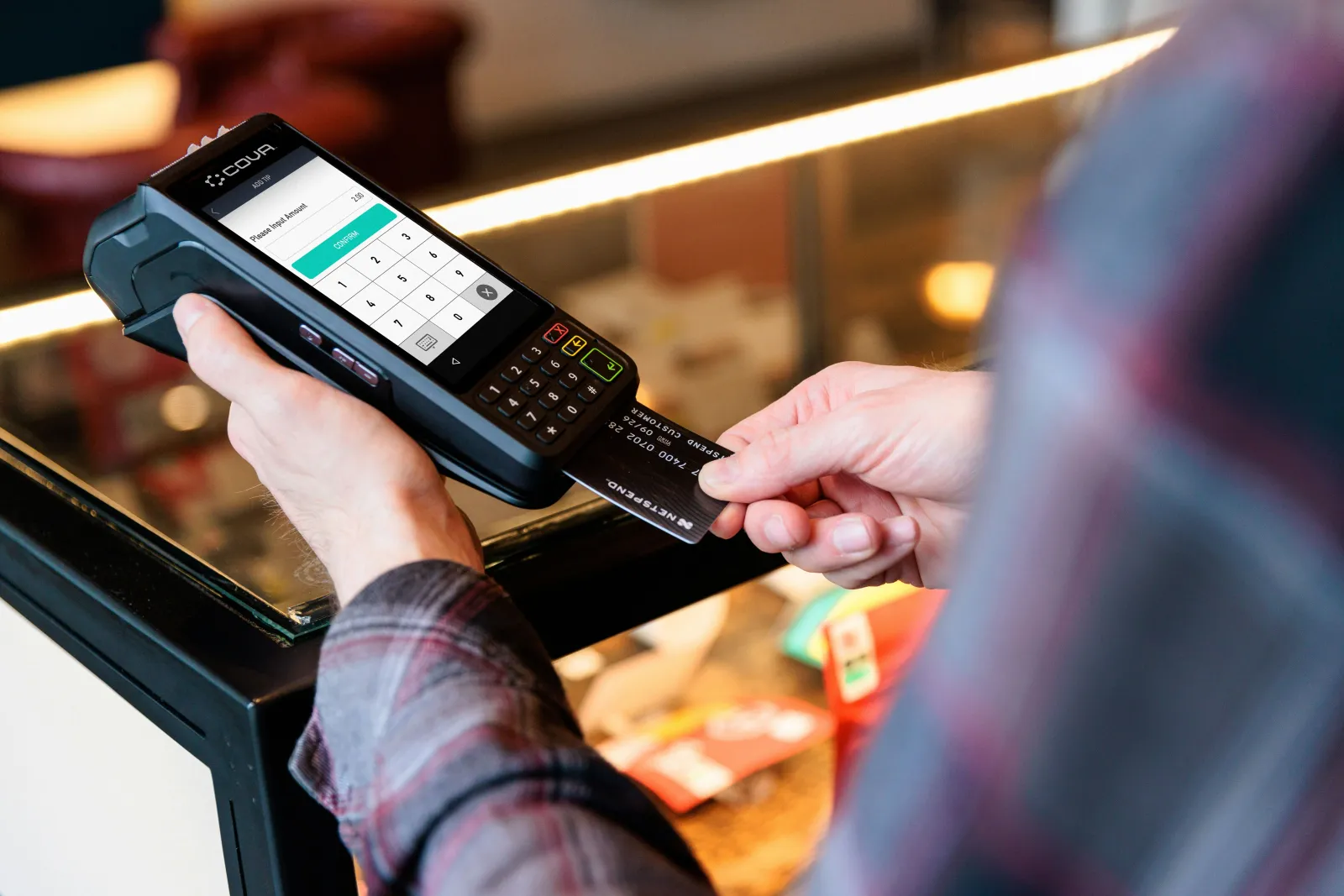
Yes, you can pay by card in Morocco at many hotels, upscale restaurants, malls, and tourist services, especially in big cities. However, cash is essential for most everyday purchases, taxis, local markets, and small shops. Using a mix of cash and credit cards is recommended for convenience and flexibility while traveling in Morocco.
1. Credit cards are accepted in many hotels, upscale restaurants, malls, and tourist services in Morocco.
2. In big cities like Marrakech and Casablanca, credit cards are accepted in many hotels and upscale restaurants.
3. In big cities like Marrakech, Casablanca, Rabat, and Fes, it is easy to use credit cards.,
4. Visa and Mastercard are the most widely accepted credit cards in Morocco.
5. American Express is rarely accepted in Morocco, mostly found in luxury hotels and high-end restaurants.,
6. Cash is the most widely used payment method in Morocco, especially outside major cities.
7. In smaller towns and rural areas, cash is essential for most transactions, as many vendors do not accept cards.,
8. Most small businesses and local markets in Morocco only accept cash payments.
9. Small businesses, street food stalls, and local markets in Morocco typically only accept cash.,
10. Cash remains essential for most everyday purchases in Morocco, especially outside big cities and tourist areas.,
11. Carrying cash is essential for daily expenses, transportation, and small shops in Morocco.
12. Moroccans heavily rely on cash for everyday payments, especially in local markets and small businesses.
13. Cash is used for over 70% of transactions at points of sale in Morocco.
14. You can use credit cards for larger purchases and bookings, but cash is needed for markets, local cafés, taxis, and tips.
15. Using a mix of cash and credit cards is recommended for convenience and flexibility while traveling in Morocco.)
In 2026–2027, card payments work reliably at big-city hotels, many hotels and upscale restaurants, supermarkets, malls, and major tourist attractions. However, you still need cash for taxis, souks, tips, street food stalls, and most small local places.
Where cards are commonly accepted:
International and luxury hotels in Marrakech, Fes, and Casablanca
Chain supermarkets like Carrefour, Marjane, and Acima
Museums and paid monuments in tourist areas
Tour agencies, including Morocco Classic Tours, offer online bookings
Where cards typically don’t work:
Petits taxis across all cities
Street vendors and local markets
Small snack cafés and roadside stops
Village grocery kiosks in rural areas
Plan a mixed strategy:
Bring one or two no-foreign-fee Visa or Mastercard cards
Carry 500–1,500 MAD in cash for 2–3 days of taxis, local meals, and tips
Note that terminals may occasionally be “down” due to connectivity issues—another reason to maintain a cash backup.
Next, let’s explore which payment cards work best in Morocco.
Visa and Mastercard are widely accepted for both point-of-sale terminals and ATM withdrawals. These should be your primary payment options.
American Express finds limited acceptance—mainly at upscale restaurants, luxury hotels, and larger international shops in cities like Marrakech and Casablanca. Discover and Diners Club have near-zero acceptance and should never be your only bank card.
Both debit and credit cards work at most ATMs from major Moroccan banks, including Attijariwafa Bank, Bank of Africa, Banque Populaire, Société Générale Maroc, and CIH Bank. However, ATM fees and limits vary by institution.
Before traveling:
Confirm your card is activated for international use
Ask about foreign transaction and withdrawal fees
Enable “travel mode” in your banking app to avoid security blocks
Now that you know which cards are accepted, let's look at when to use a card versus cash in Morocco.
Morocco occupies a transitional phase where digital payments grow annually in urban centers, yet cash dominates everyday life. Understanding when to use each method saves frustration.
Situation | Recommended Payment |
|---|---|
Hotel bills, deposits | Card |
Online tour bookings | Card |
High-value souvenirs at fixed-price shops | Card |
Taxis (petit and grand) | Cash |
Tips for guides, drivers, and staff | Cash |
Souks, bargaining | Cash |
Street food, small cafés | Cash |
Bargaining in souks works more smoothly with cash, and tipping customs are almost always handled with dirhams in hand. | |
Practical strategy:
Keep most of your budget on your card for security
Withdraw cash 500–2,000 MAD at a time
Top up every few days
Neither card nor cash is universally “better.” Cards offer competitive exchange rates and security for large payments; cash ensures universal acceptance and smoother local interactions.
Up next, we’ll discuss card acceptance in Moroccan taxis and public transport.
Almost all regular city taxis (petits taxis) and intercity shared taxis (grand taxis) are cash-only—even in big cities like Marrakech, Fes, Rabat, and Casablanca. Expect no card terminals.
Some official airport taxi desks at Mohammed V (Casablanca) or Menara (Marrakech) may accept cards at the terminal kiosk, but once you’re dealing with individual drivers, it’s cash only.
Public buses and tram systems in Rabat-Salé and Casablanca typically sell tickets via cash kiosks. Some city smartcards exist for residents, but international cards aren’t integrated yet.
Practical tip: Carry small notes and coins (10, 20, 50 MAD) specifically for taxis. Ask for the meter or agree on a price before starting.
When guests book private transfers with Morocco Classic Tours, payment can usually be handled by card in advance—but tips for drivers and any extra local transport still need cash.
Next, let’s see how card payments work at hotels, riads, restaurants, and shops.
Mid-range and luxury hotels in Marrakech, Fes, Casablanca, Rabat, Agadir, and Tangier generally accept cards for both online reservations and checkout. Many boutique riads in medinas accept cards, though smaller family-run properties may prefer cash or set minimum card amounts.
Higher-end venues, rooftop restaurants, and international chains in districts like Gueliz (Marrakech) or Ville Nouvelle (Fes) typically take cards. Neighborhood cafés, grill stands, and street food stalls remain cash-only.
Larger stores, malls, modern artisan cooperatives, and fixed-price souvenir shops commonly accept cards. Most stalls in medinas and souks still operate on a cash basis, especially when bargaining.
As you can see, card acceptance is best in modern, urban settings. Next, let’s compare card acceptance in major cities versus rural areas.
Card acceptance varies dramatically by location:
Location Type | Card Acceptance | Notes |
|---|---|---|
Major cities (Marrakech, Casablanca, Rabat, Fes, Tangier, Agadir) | 70-80% in tourist/business zones | Malls, supermarkets, museums, and tour agencies |
Secondary cities (Ouarzazate, Chefchaouen, Essaouira, Meknes) | 40-60% | Hotels and select restaurants |
Rural areas, Atlas villages, Sahara periphery | 10-20% | Limited to sporadic ATMs |
When heading on Sahara desert tours, High Atlas hikes, or remote coastal excursions, withdraw extra cash in the last major city. For example, stock up in Marrakech before Imlil or in Ouarzazate before Merzouga. | ||
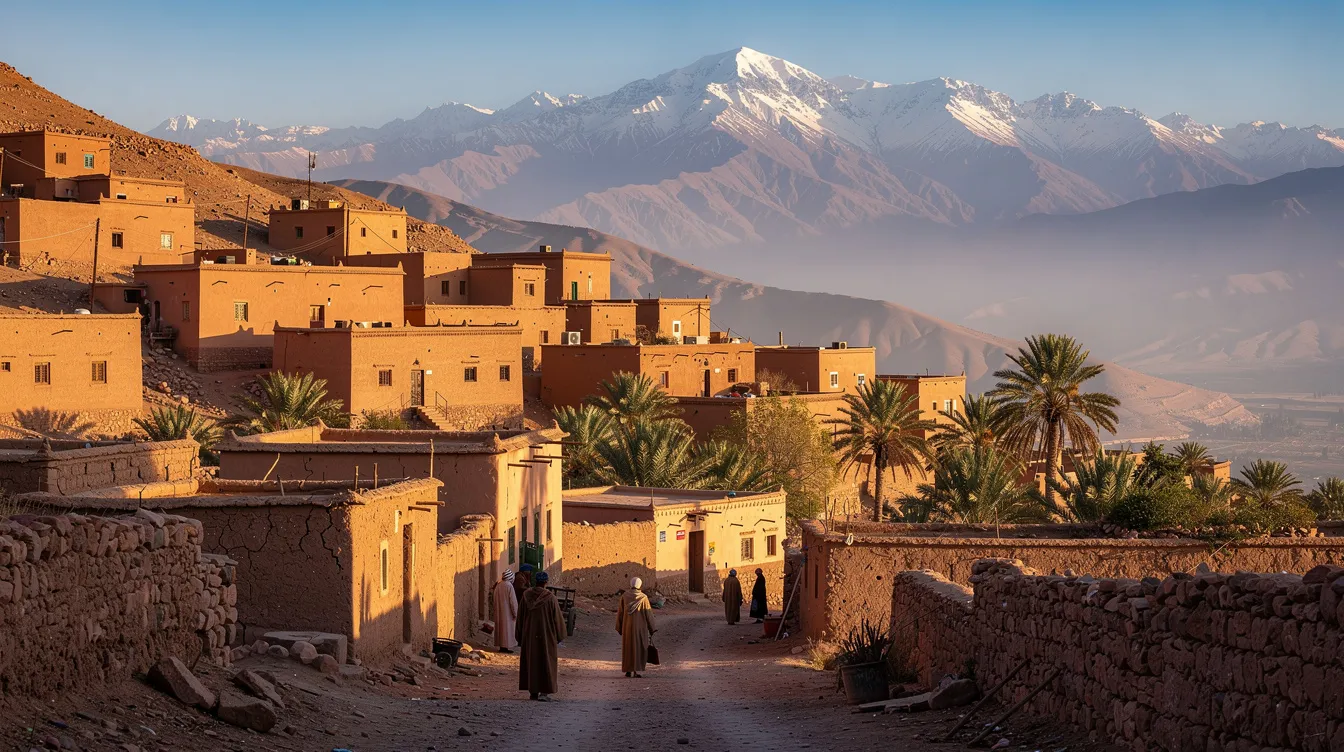
Compared to other North African countries, Morocco’s urban infrastructure is relatively developed, but shop owners in rural areas still rely entirely on cash.
Next, let’s look at mobile and contactless payment options in Morocco.
Contactless payments, which allow you to pay by tapping your card or phone, are gaining acceptance in urban areas of Morocco, particularly in modern supermarkets and big international shops. However, they’re not yet universal.
Foreign Visa and Mastercard cards tokenized into mobile wallets can work at Moroccan contactless terminals, but don’t assume every combination will succeed. Credit card ownership compared to mobile wallet adoption still favors traditional plastic.
Local mobile wallets like Jibi, WafaCash, and Filahi Pay serve residents and aren’t typically linked to foreign cards. NFC/contactless limits hover around 200-500 MAD before PIN prompts.
Treat mobile payments as a convenient extra—carry the physical card and cash because older terminals may accept only chip/PIN. Send money internationally through traditional transfers rather than expecting local wallet compatibility.
Next, let’s discuss how to access cash and use ATMs in Morocco.
Most ATMs operate across cities, airports, and tourist towns through banks like Attijariwafa Bank, Bank of Africa, Banque Populaire, CIH Bank, and Société Générale Maroc.
Typical withdrawal limit: 2,000-4,000 MAD per transaction
Your home bank may impose stricter daily caps
Moroccan ATMs dispense dirham notes in various denominations
Use ATMs attached to bank branches or inside malls
Avoid isolated machines in poorly lit areas
Always choose MAD when prompted—decline “convert to home currency.”
Dynamic currency conversion carries a relatively high rate penalty of 5-10% versus standard Visa/Mastercard rates. Always withdraw cash in local currency for the best exchange rates.
Check with your home bank about overseas withdrawal fees and consider low-fee travel cards to minimize costs.
Next, let’s review the best travel cards and prepaid options for Morocco.
Many fintechs now offer travel-friendly debit and credit cards with no foreign transaction fees—ideal for Morocco trips. Credit cards work best when they offer:
0-1% foreign transaction fees
Fee-free or low-fee international ATM withdrawals
Visa or Mastercard branding
Strong fraud protection and app controls
Prepaid travel money cards can be loaded in USD, EUR, or GBP and used as debit cards. Compare exchange rates and reload fees before committing—some carry hidden costs.
Recommendation: Carry at least two payment cards from different issuers (one Visa, one Mastercard), stored separately. This protects against loss, theft, or technical failures.
Using a reliable travel card makes it easy to pay Morocco Classic Tours deposits online and withdraw dirhams locally for daily expenses.
Next, let’s make sure your card is ready for international use in Morocco.
Travelers are advised to notify their bank before traveling to Morocco to avoid card blocks.
Pre-departure checklist:
Notify your bank of travel dates and destination (Morocco)
Verify chip, magnetic strip, and contactless functions are enabled
Confirm your PIN works (4-digit standard)
Check if your bank blocks transactions from Morocco by default
Enable SMS or app alerts for transaction monitoring
Take screenshots of the international helpline number on the back of your card. Test your card with a small purchase before departure if it’s new or recently replaced.
Next, let’s discuss whether you should exchange money before traveling to Morocco.
Because the Moroccan dirham is a closed currency, obtaining large amounts abroad is difficult and expensive. Airport exchange desks—both at home and in Morocco—charge unfavorable margins (often 8-12% spreads).
Balanced approach:
Bring a small amount of EUR, USD, or GBP as backup (100-200 equivalent)
Rely primarily on ATM withdrawals after arrival
Exchange remaining dirhams before departure—converting back abroad is poor value
ATMs typically offer 2-4% effective rates via Visa/Mastercard wholesale rates—significantly better than pre-trip exchanges.
Next, let’s see how to pay for tours and excursions in Morocco.
Reputable tour operators, including Morocco Classic Tours, allow travelers to pay deposits and full balances by credit or debit card via secure online platforms. Card payments are increasingly standard for:
Multi-day Sahara desert tours
Private city tours
Atlas Mountains excursions
Luxury desert expeditions
However, same-day activities purchased on the street (quad biking, camel rides through local brokers, ad-hoc guide services) often expect cash.
Our recommendation: Reserve core itinerary elements in advance with card payment, then keep cash for optional add-ons, local lunches, souvenirs, and tipping. Always check cancellation policies and whether payments are processed in MAD or your home currency—this affects how banks apply fees.
Next, let’s summarize the best payment method for Morocco overall.
The best strategy blends card and cash: use cards for secure, higher-value, and online payments; rely on cash for everyday local transactions, tipping, and areas with limited acceptance.
Card payments provide competitive exchange rates and are safer than carrying large sums. However, infrastructure limitations mean cash remains king in many settings—especially with smaller vendors and in rural areas.
Always maintain a cash reserve of 300-500 MAD minimum, even in modern city areas. Taxis, tips, and small purchases come up frequently and often unexpectedly.
Travelers who prepare two working cards, understand basic ATM use, and withdraw dirhams in sensible amounts will find paying in Morocco straightforward. Morocco Classic Tours can help guests plan exactly where they’ll need more cash versus where cards work reliably, based on their specific itinerary.
Next, let’s answer some frequently asked questions about paying by card in Morocco.
Card acceptance stops mattering once the transport, the hotels and the guides are booked in advance. That is how our arranged trips are put together, so the only cash you carry is for the day.
On main highways and around big cities, many modern fuel stations (Afriquia, TotalEnergies, Shell) accept Visa and Mastercard at pumps or counters. However, small rural stations often remain cash-only. Plan road trips assuming you’ll need cash for fuel once you leave major routes—top up both tank and wallet before long Atlas or Sahara drives.
A typical range is 300-800 MAD per person daily for taxis, casual meals, tips, and small purchases. Budget higher amounts if shopping in souks or visiting areas without ATMs. Keep most cash in your hotel safe and carry only what’s needed for the day. BNPL services aren’t commonly available for tourists.
Paying by card at reputable hotels, restaurants, chain supermarkets, and established tour operators is generally safe. Morocco has modern banking and card security infrastructure in urban areas. Standard precautions apply: keep cards in sight, avoid unsecured Wi-Fi for transactions, use bank-attached ATMs, and monitor your app for unusual activity.
The national train operator (ONCF) and some long-distance bus companies accept international Visa and Mastercard for online tickets. Occasional rejections occur due to bank security filters. Try another card or purchase in person at stations if online payment fails.
Note the bank name and exact location, keep any receipts printed, and contact both the local bank branch (open 8:30-18:30 weekdays) and your home bank’s emergency line immediately. This underscores why carrying a backup card stored separately is essential—one main reason travelers avoid serious disruption.
Compare Morocco group tour agencies by trip style, reviews, pace, transport and inclusions. Learn wh...
Read this article
Uncover what a Marrakech to Fes desert tour offers, including camel rides, desert camps, and rich cu...
Read this article
Join our Merzouga Overnight Tour for an authentic desert experience. Enjoy camel rides, comfortable ...
Read this articleWant cool tour deals and tips about Morocco? Enter your email and we’ll send them to you each month!
