Group Tour Agencies in Morocco: How to Pick the Right One
Compare Morocco group tour agencies by trip style, reviews, pace, transport and inclusions. Learn wh...
Read this article

Private, custom Morocco trips planned in Fez by AZ-ZDDINE, working in Moroccan tourism since 2012. Sahara, Atlas, medinas and coast, arranged around you.
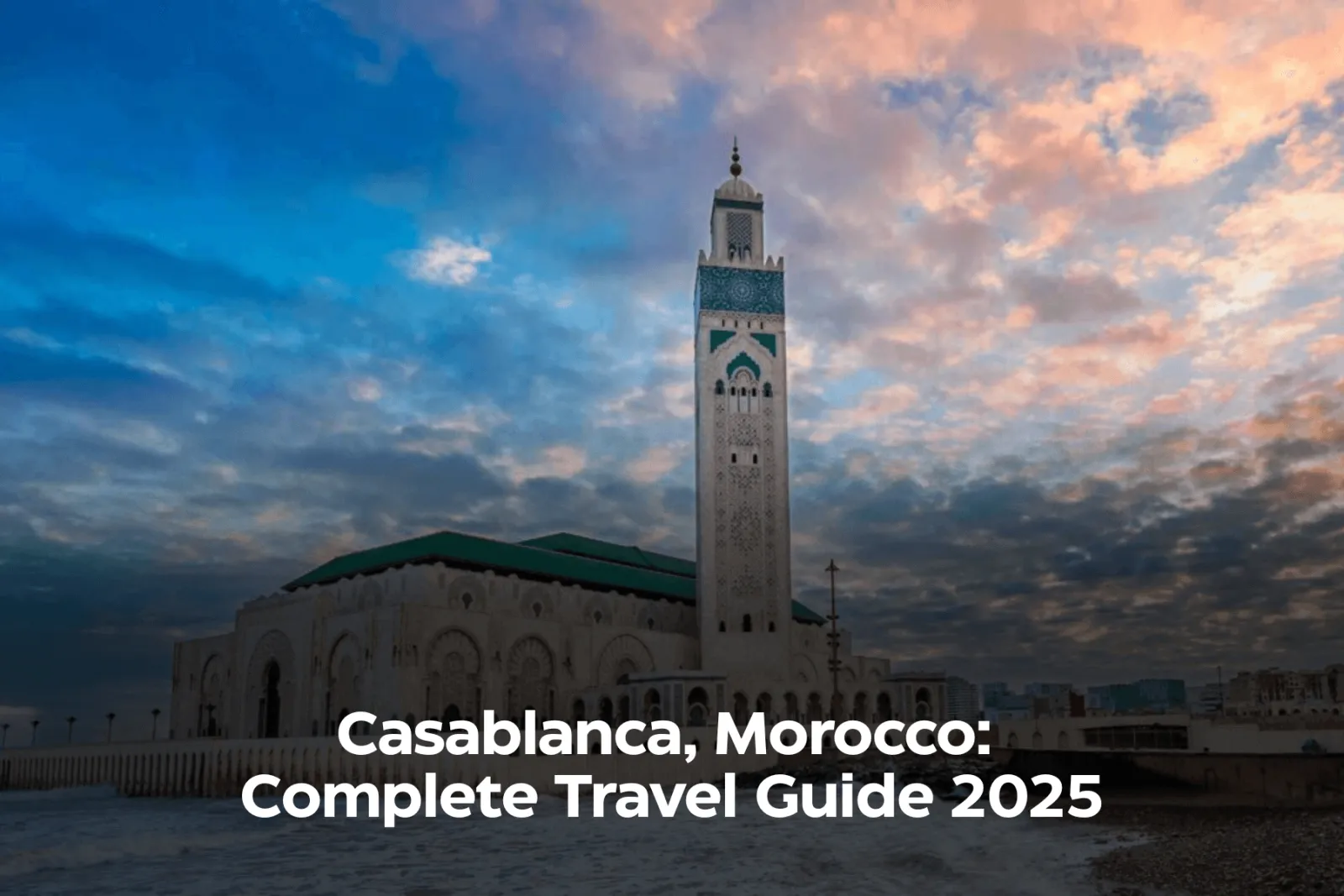
This Casablanca Morocco travel guide explores Morocco’s largest city, where cinema history, heritage, and modern finance converge. Immortalized by the film Casablanca (1942), directed by Michael Curtiz, the city remains a symbol of romance and resilience. Starring Humphrey Bogart as Rick Blaine and Ingrid Bergman as Ilsa Lund, with Claude Rains as Captain Louis Renault and Paul Henreid as Victor Laszlo (a courageous Resistance leader), the story unfolds in French Morocco during World War II. Set against Vichy French authority and the menace of Nazi Germany, the film put Casablanca on the global map. Today, the city is also Morocco’s business engine, home to Casablanca Finance City and the Casablanca Stock Exchange.
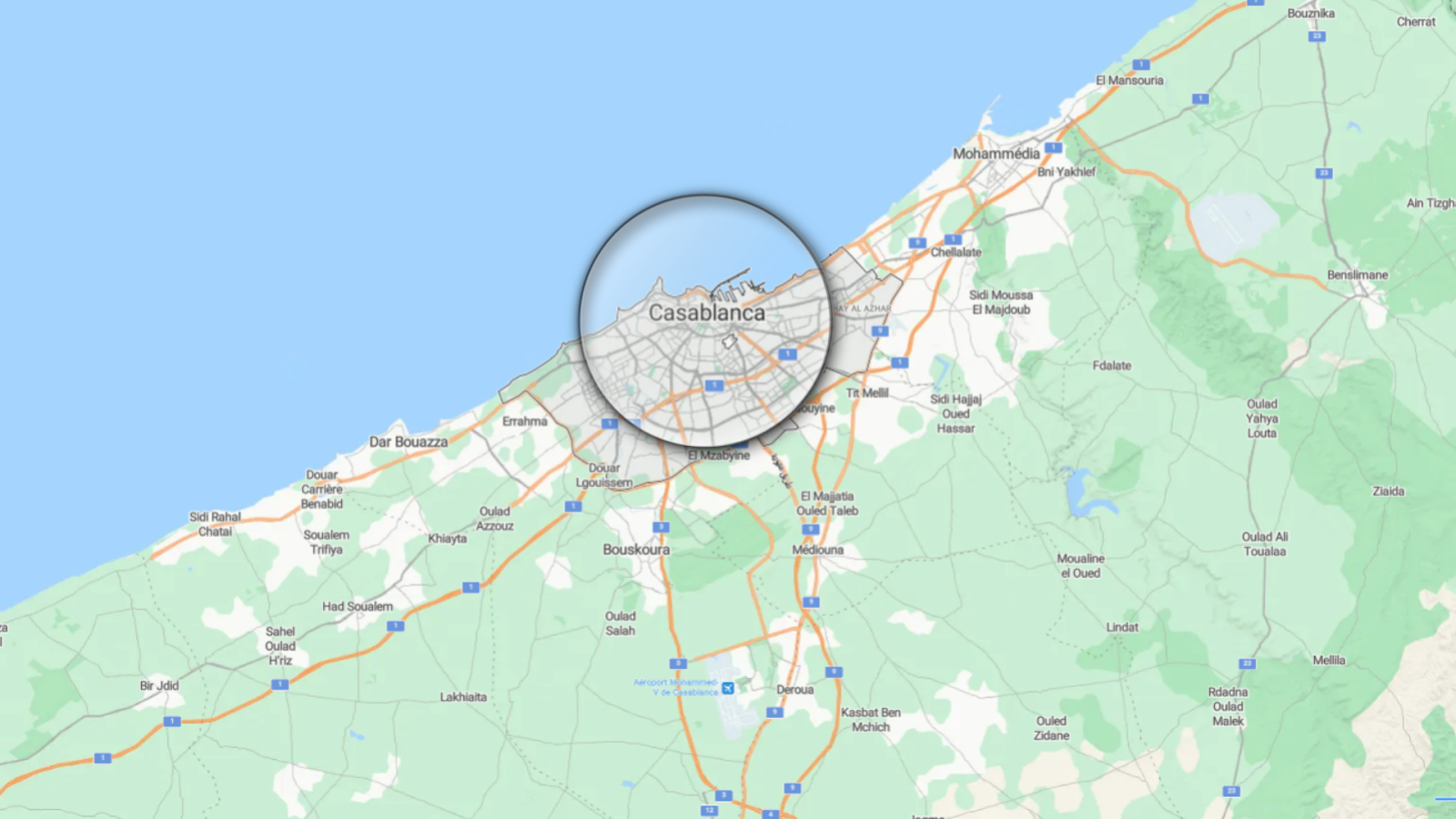
Casablanca is located on Morocco’s Atlantic coast in North Africa. It lies about 240 km (150 miles) southwest of Rabat, the capital, and roughly 240 km north of Marrakech. As the country’s largest city and main port, it faces the Atlantic Ocean—making it a gateway for trade, culture, and tourism.
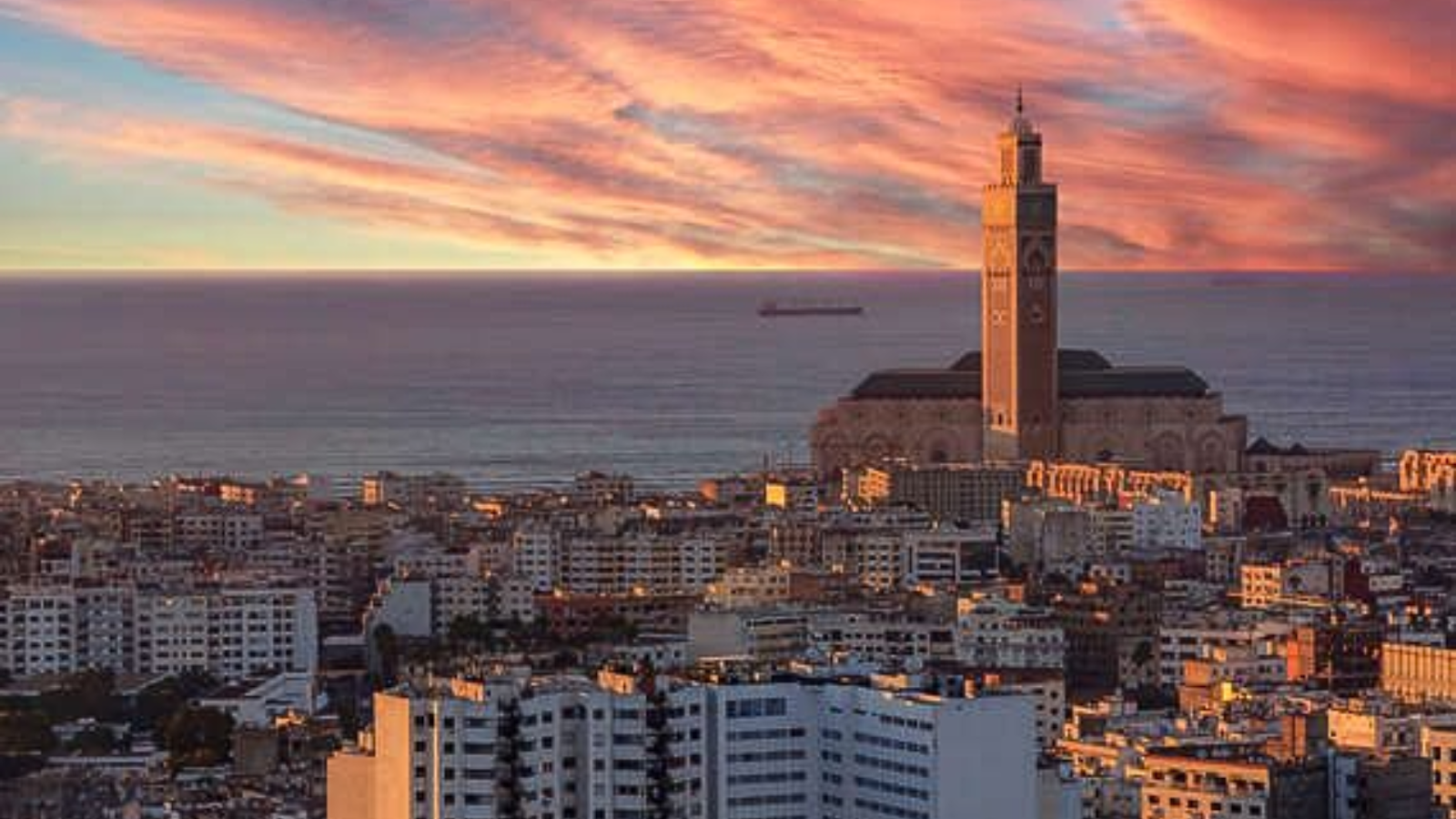
Casablanca is world-famous for its cinematic legacy and its role as Morocco’s financial hub. In the movie, refugees, German couriers, and spies navigate a tense city where German Major Strasser threatens locals and travelers. The defiant chorus of La Marseillaise, the coveted Letters of transit, and Rick Blaine’s moral choice made the film timeless.
Created under the constraints of the Hays Office, filmed in the Academy-era Aspect Ratio (1.37:1), scored by Max Steiner, and released by a major studio, the film went on to win multiple Academy Awards. It’s preserved in the National Film Registry, celebrated in the 70th Anniversary Edition, and renewed for modern audiences through a meticulous 4K restoration. Scholars even discuss its influence alongside early Spanish-Language Horror Films from Hollywood’s Golden Age.
The characters and symbols of Casablanca are inseparable from the city’s identity:
Behind the scenes, Michael Curtiz directed with precision; Max Steiner’s score added emotional depth; and the production, monitored by the Hays Office, shaped dialogue and romance to fit the era’s standards. Its enduring reputation—cemented by Academy Awards, the National Film Registry, a 4K restoration, and the 70th Anniversary Edition—keeps Casablanca central to film history.
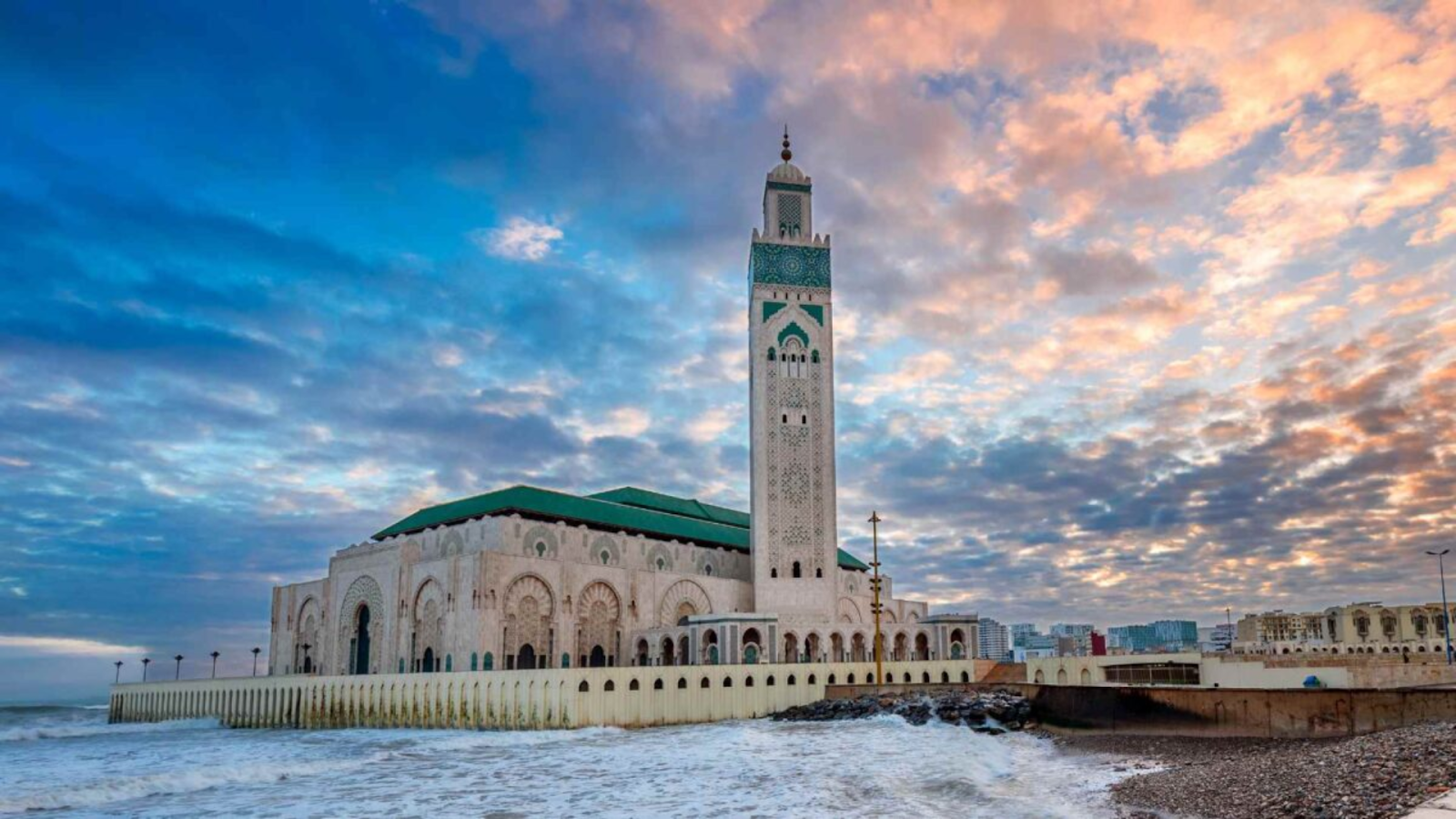
Yes, Casablanca is worth visiting. Beyond cinema nostalgia at Rick's Cafe Americaine (a real homage restaurant), travelers discover the monumental Hassan II Mosque, Art Deco avenues, and a cosmopolitan coastal lifestyle.
Yes. ONCF trains connect Casablanca to Marrakech in about 2.5 hours, making it easy to combine both cities in one trip.
Locals speak Moroccan Arabic (Darija) and French—reflecting the legacy of French Morocco under Vichy French rule. English is increasingly common in tourism and business.
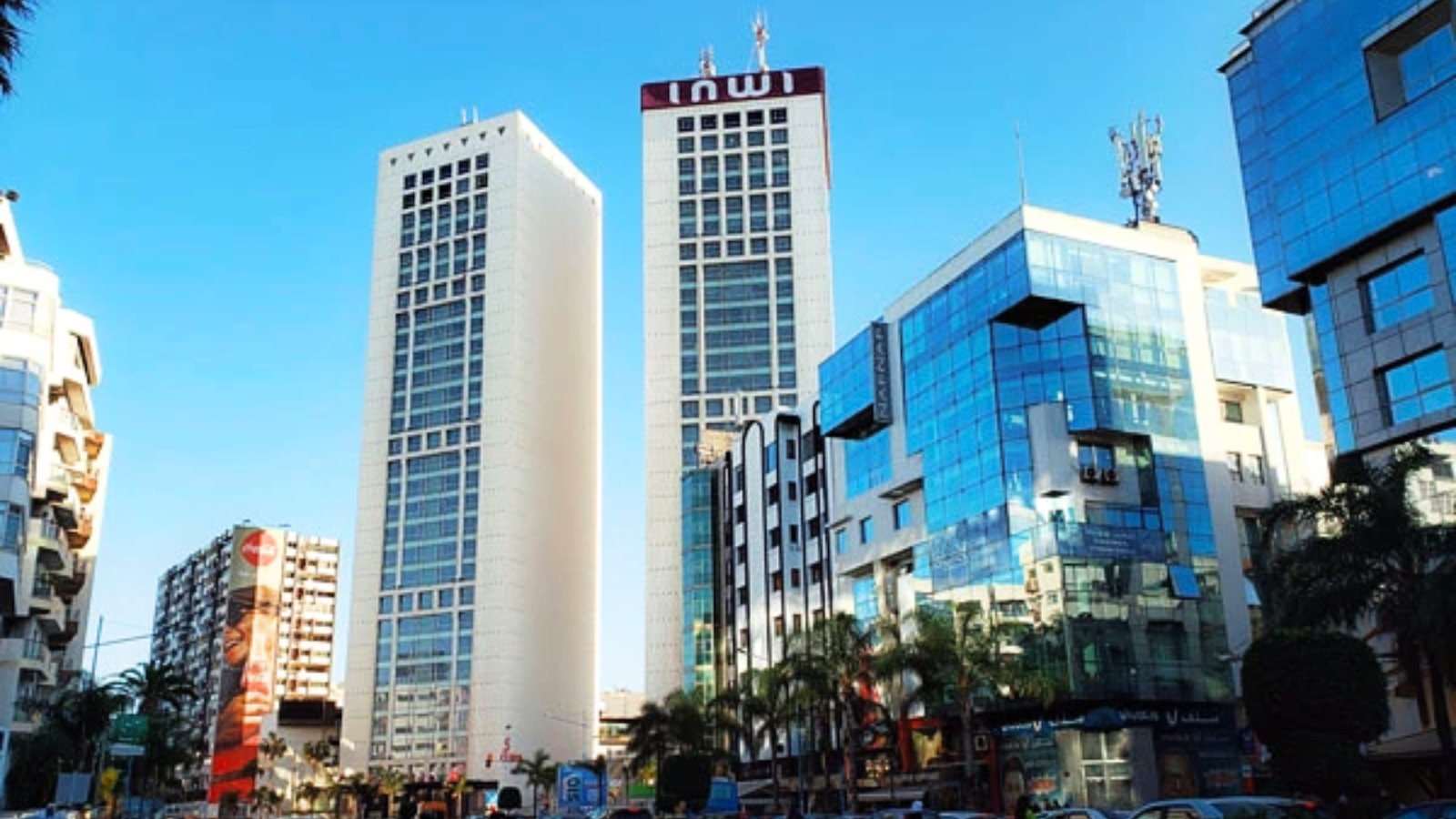
Yes, Casablanca is generally safe. Stick to well-lit areas at night, keep valuables secure, and use licensed taxis for longer distances.
April–June and September–November bring mild temperatures and clearer skies—great for sightseeing and seaside walks.
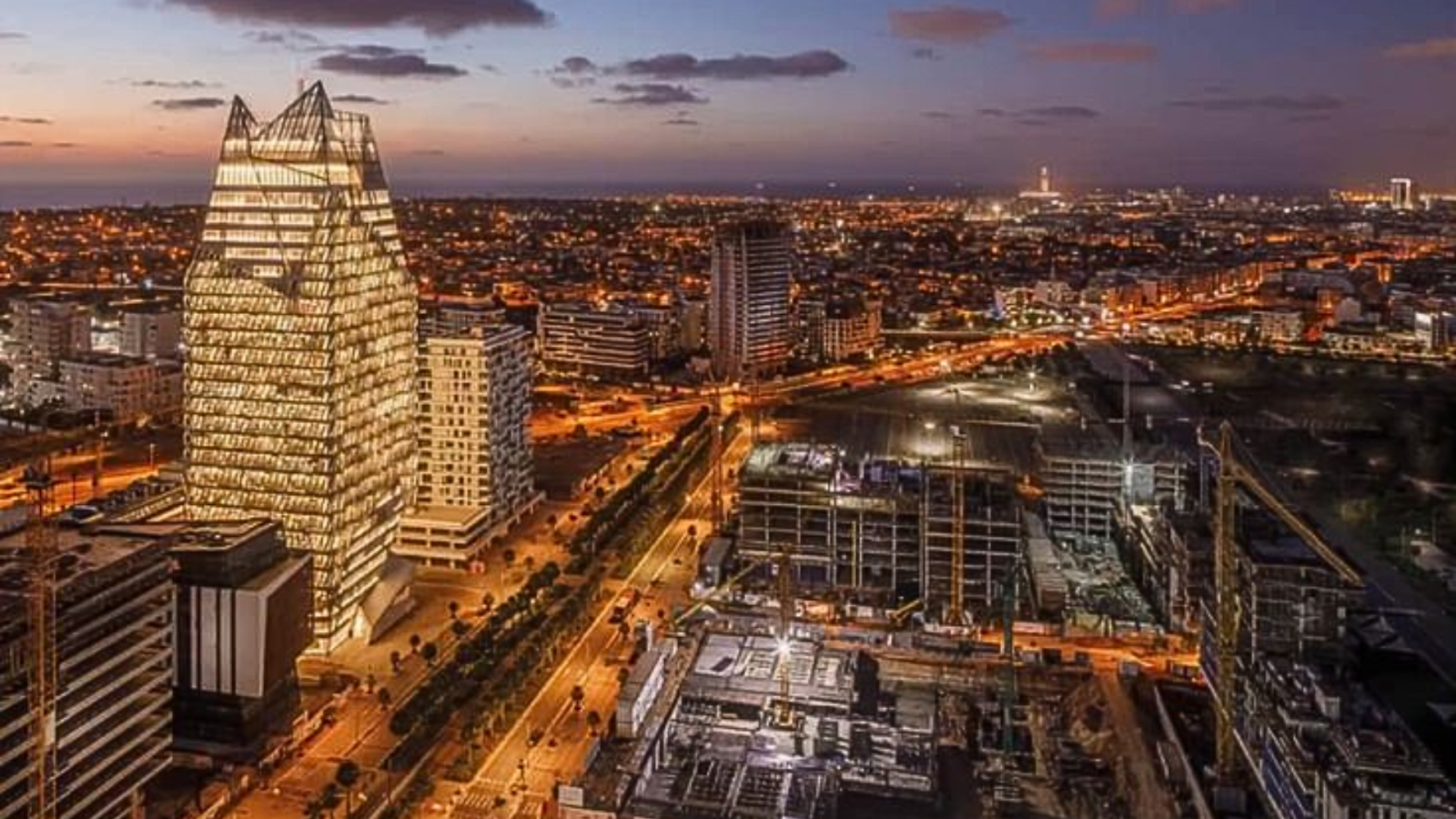
They’re different. Casablanca is modern, business-forward, and coastal; Marrakech is historic, colorful, and market-driven. Many travelers enjoy both — starting with Casablanca’s seaside charm, then heading inland to the Red City for a deeper cultural experience.
Continue your journey — read our full guide: Marrakech, Morocco: Complete Travel Guide 2025
Yes. English is understood in hotels, restaurants, and among younger locals, though Arabic and French dominate daily life.
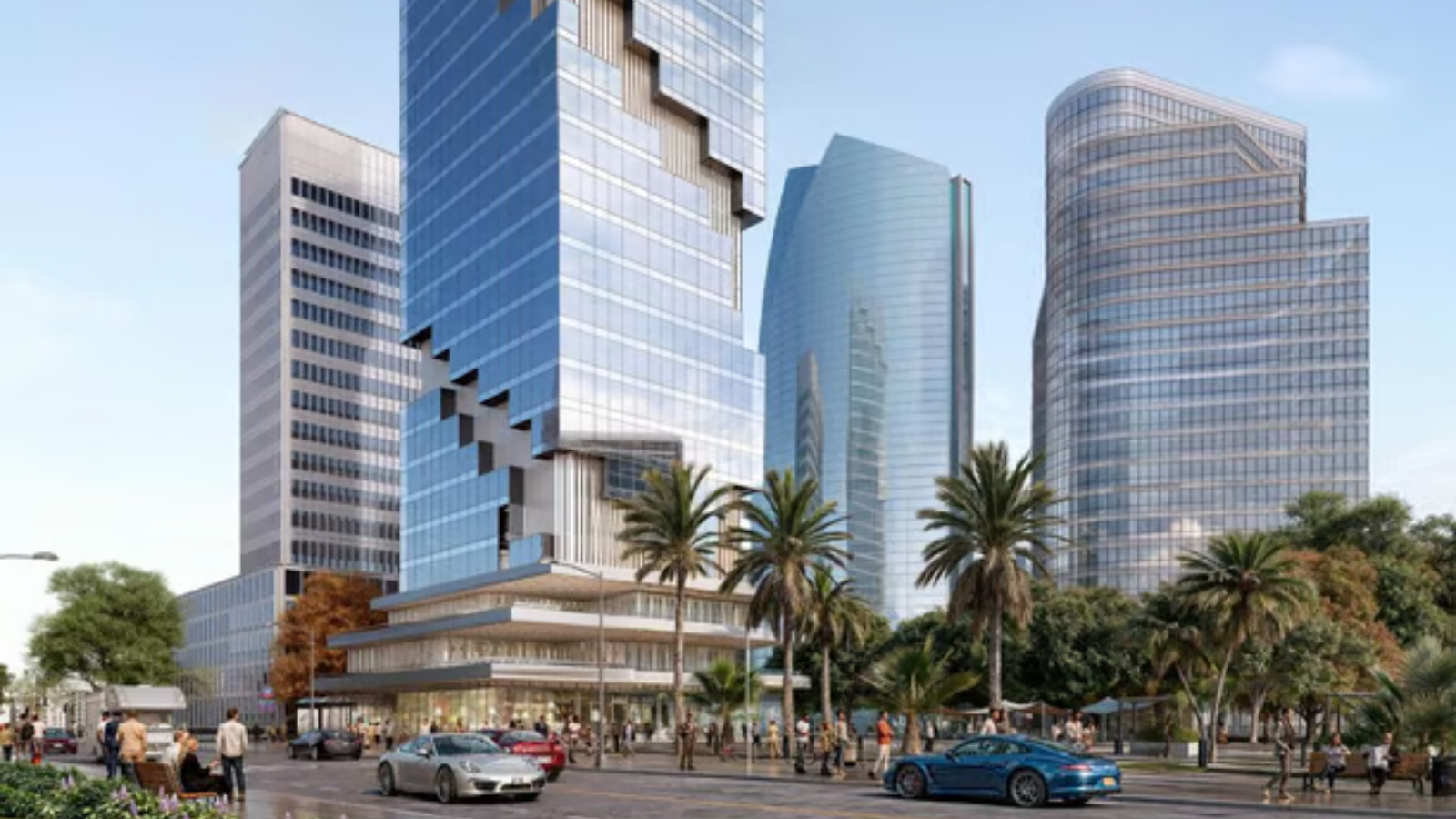
Casablanca showcases contrasts: gleaming towers and multinational HQs in Casablanca Finance City alongside traditional neighborhoods. It’s Morocco’s economic powerhouse, anchored by the Casablanca Stock Exchange.
No strict code. Casual, modest clothing is perfect; dress respectfully at religious sites.
No special vaccines are required. Keep routine immunizations up to date and follow standard travel health advice.
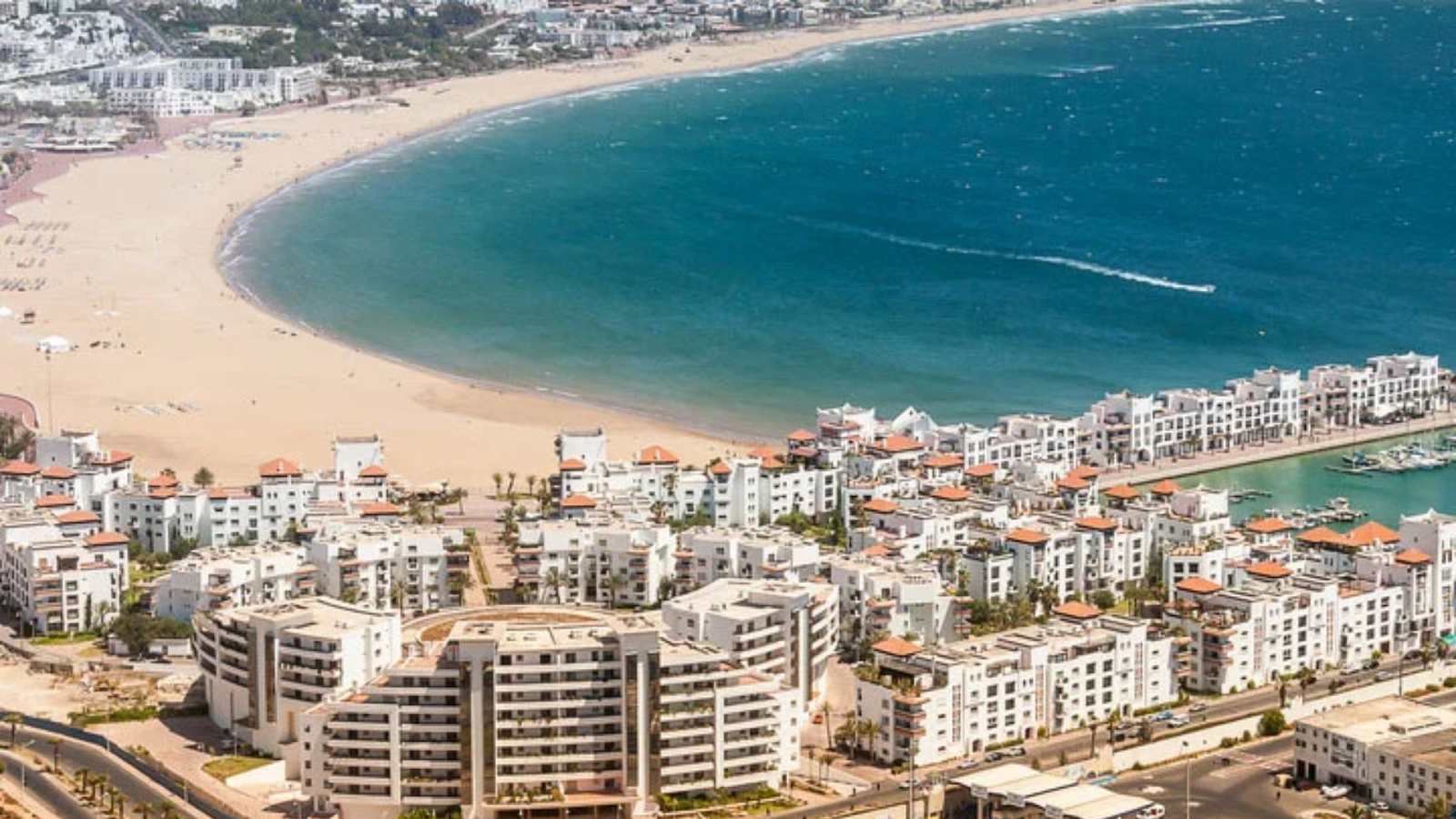
Yes—head to the Ain Diab Corniche for sandy beaches, restaurants, and Atlantic sunsets.
Plan 2–3 days for the Hassan II Mosque, the Corniche, Art Deco downtown, and a stop at Rick's Cafe Americaine.

Try couscous, tagine, seafood, and pastries like pastilla and chebakia. Being a port city, Casablanca excels at fresh fish.
Uber doesn’t operate in Morocco. Use licensed taxis or local ride-hailing apps like Indrive, Yango and Careem.
“Casablanca” translates to “White House” in Spanish. Historically, the city was called Anfa before Iberian influence.
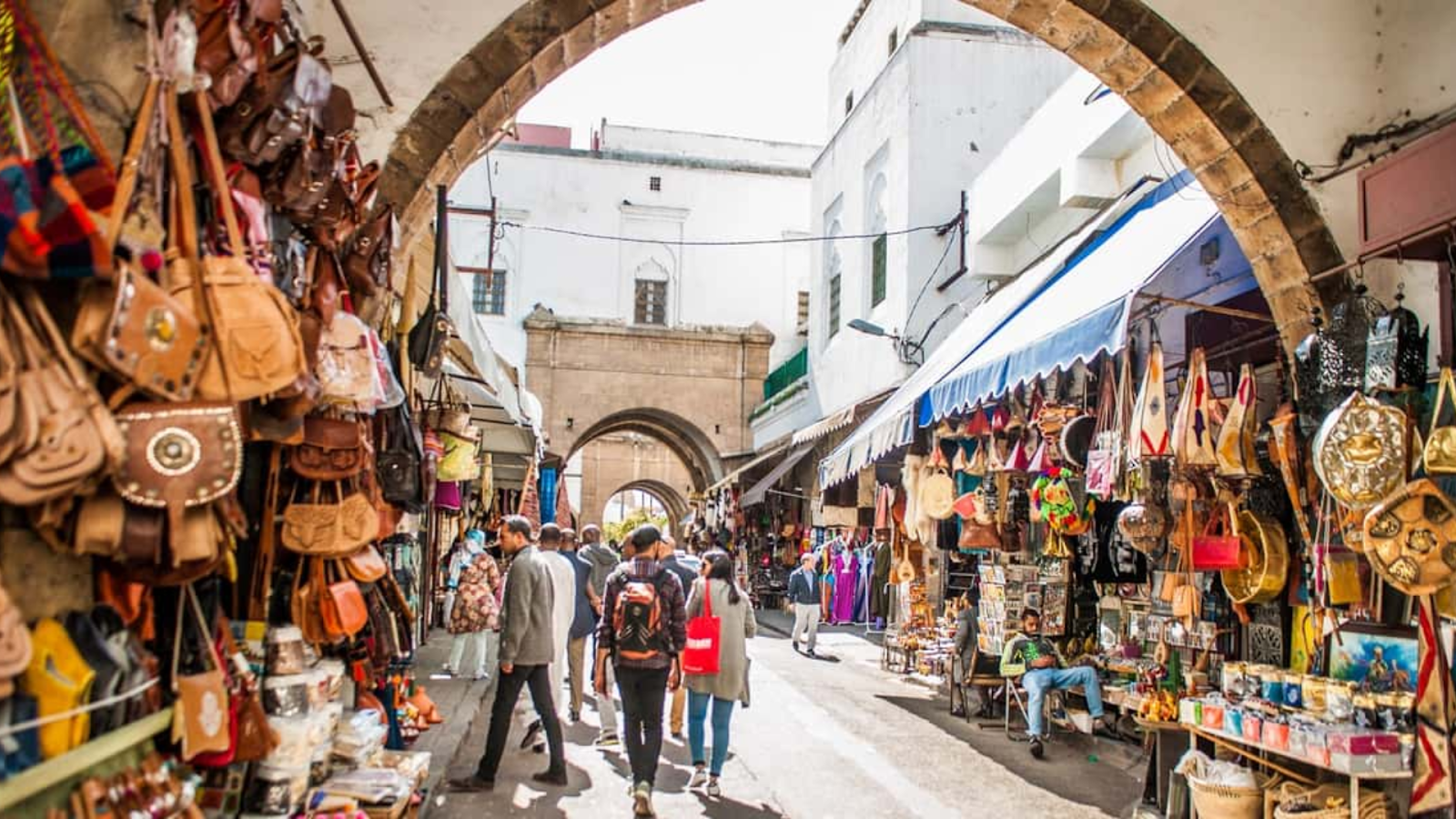
Yes. The United States and Morocco share long-standing ties—dating to Sultan Mohammed ben Abdallah, an early supporter who recognized U.S. independence. Visitors from the United States are common and welcomed.
Business, architecture, beaches, and cinema history draw travelers here. The city also holds heritage value for Moroccan Jews, many of whom emigrated during Operation Yachin.
Casablanca once hosted one of the largest communities of Moroccan Jews. During Operation Yachin (1961–1964), many emigrated to Israel and elsewhere. Synagogues and community centers reflect this enduring legacy.
World War II: Refugees pass through French Morocco under Vichy French control.
1942:Casablanca premieres; La Marseillaise scene becomes iconic.
Postwar: Film celebrated with Academy Awards.
Late 20th Century: Honored by the National Film Registry in the United States.
2012: 70th Anniversary Edition released.
Recent years: Definitive 4K restoration; scholarly comparisons include early Spanish-Language Horror Films.
Today: City thrives around Casablanca Finance City and the Casablanca Stock Exchange.
The film helped shape wartime morale and postwar identity in the United States, while the real city evolved into North Africa’s business hub—bridging heritage and globalization.
Humphrey Bogart is most associated with the film, with Ingrid Bergman, Claude Rains, and Paul Henreid completing the unforgettable cast.
From the romance of Rick's Cafe Americaine to modern towers in Casablanca Finance City, Morocco Classic Tours curates custom itineraries. We’ll weave film nostalgia, coastal highlights, and finance-district flair into a smooth visit—plus heritage stops connected to Moroccan Jews and Operation Yachin.
Book your Casablanca tour today with Morocco Classic Tours.
Casablanca unites Hollywood legend and contemporary Morocco. From Rick Blaine, Ilsa Lund, Victor Laszlo, Captain Louis Renault, and German Major Strasser—set amid World War II and Vichy French intrigue with the anthem of La Marseillaise and the decisive Letters of transit—to a city powered by the Casablanca Stock Exchange and Casablanca Finance City, it’s a destination that rewards every traveler.
Plan your dream trip to Casablanca with Morocco Classic Tours. Contact us today for a custom itinerary!
Compare Morocco group tour agencies by trip style, reviews, pace, transport and inclusions. Learn wh...
Read this article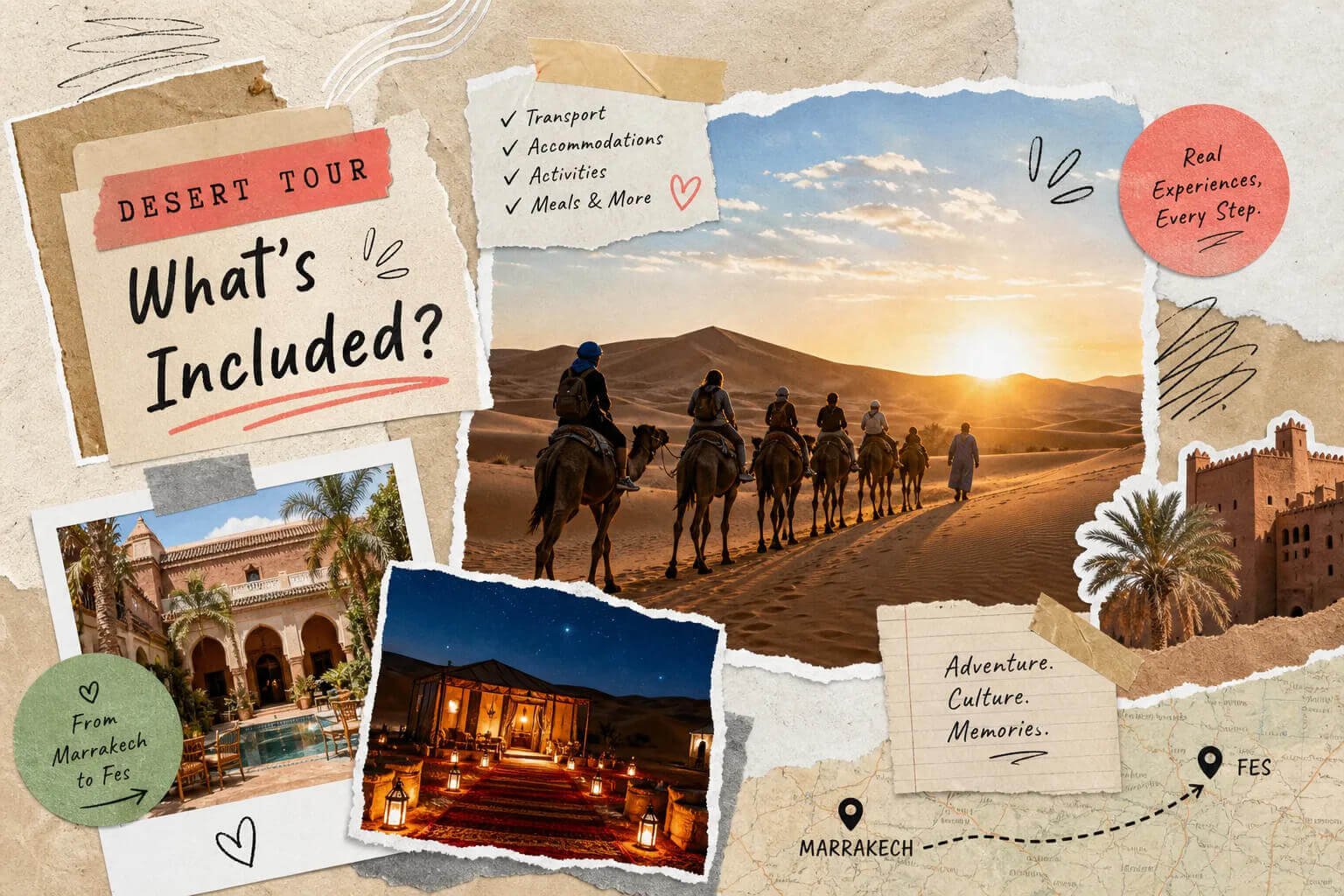
Uncover what a Marrakech to Fes desert tour offers, including camel rides, desert camps, and rich cu...
Read this article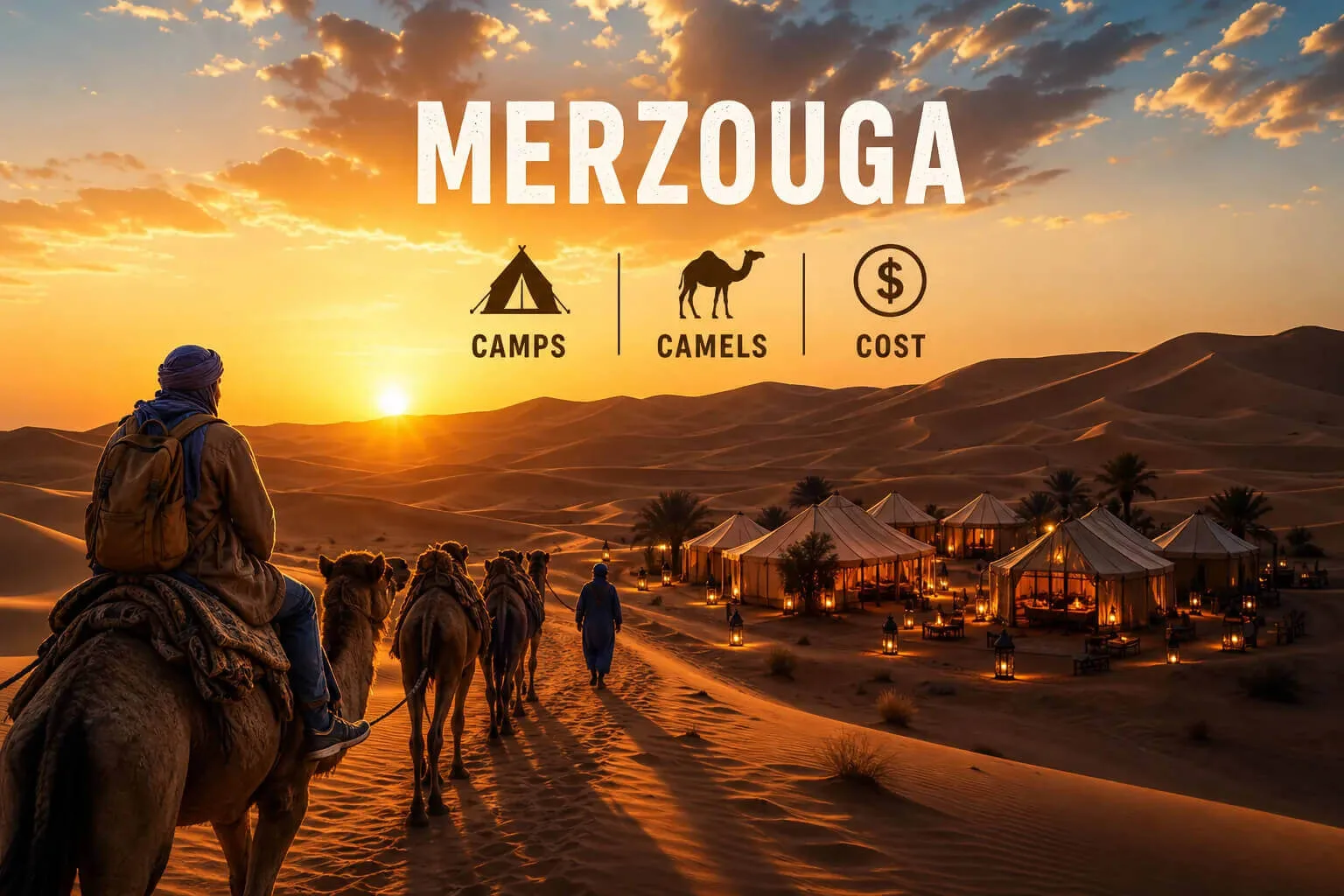
Join our Merzouga Overnight Tour for an authentic desert experience. Enjoy camel rides, comfortable ...
Read this articleWant cool tour deals and tips about Morocco? Enter your email and we’ll send them to you each month!
