Group Tour Agencies in Morocco: How to Pick the Right One
Compare Morocco group tour agencies by trip style, reviews, pace, transport and inclusions. Learn wh...
Read this article

Private, custom Morocco trips planned in Fez by AZ-ZDDINE, working in Moroccan tourism since 2012. Sahara, Atlas, medinas and coast, arranged around you.
This guide is for international tourists planning a trip to Morocco, especially those from the US, UK, and Europe. It covers everything you need to know about drinking water safety, including tap water risks, bottled water options, and practical tips to stay healthy while traveling. Understanding water safety is crucial to avoid illness and enjoy your Moroccan adventure worry-free.
Water safety is one of the most common questions travelers ask before visiting Morocco. Here is everything you need to know about drinking water across the country, from Marrakech medinas to Sahara desert camps.
Tourists in Morocco, including Americans and travelers from the UK and Europe, should not drink tap water to avoid stomach issues. Tap water in Morocco is not recommended for tourists.
Most locals in major cities do drink tap water daily, but their bodies have adapted over years to local bacteria and mineral content.
Brushing your teeth with tap water is usually fine in quality hotels, though bottled water is safer for anyone with a sensitive stomach.
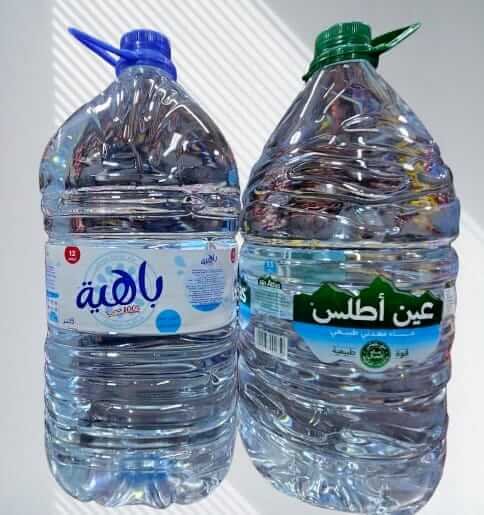
Bottled water is widely available across Morocco and extremely affordable in 2026, with a 5-liter canister costing about 13 DH.
Morocco Classic Tours ensures safe drinking water access on all itineraries, so you can enjoy your trip without worry.
The short answer: no. While tap water in Morocco is treated in major cities and is technically potable, it is not safe to drink for most tourists. The national water utility (ONEE) treats water using chlorination and filtration at treatment plants, but the risk starts after the water leaves those facilities.
Ageing pipes, particularly in ancient medinas, inconsistent storage-tank maintenance, and unfamiliar mineral content can all lead to digestive trouble. A 2024 study of eight cities in the Rabat-Salé-Kenitra region found that 97.4% of samples ranked "poor" or "unsuitable for drinking" under the Water Quality Index. Chlorination of tap water can also cause stomach issues for travelers unaccustomed to it.
Approximately 83% of urban Moroccans have access to safe drinking water, and many drink it daily. But traveler's diarrhea is a common issue due to differing bacteria in Moroccan water. If you are planning a trip to Morocco from the US or traveling from the UK, Canada, or Europe, your gut flora simply is not adapted. Better safe than sorry on a short holiday. Morocco Classic Tours always plans for clean drinking water on private and group tours, especially across the Sahara, Atlas Mountains, and coastal routes.
The safety of tap water in Morocco varies significantly by location.
Major cities like Casablanca, Rabat, Marrakech, Fez, Tangier, and Agadir have treated municipal water. Many locals drink it without issues. For tourists, however, drinking tap water is still not ideal. It is fine for showering and hand-washing but not for drinking straight from the tap.
Hotels and riads: most 3–5 star accommodation in 2026 provides filtered water stations or complimentary bottled water. Filtered or boiled water is typically safer in high-end hotels. Morocco Classic Tours selects such partners whenever possible.
Rural areas and desert camps: in rural areas, the risk of water contamination is significantly higher. Rural areas in Morocco may have less reliable water quality compared to cities due to older supply lines, wells, and inconsistent treatment. In desert camps and mountain guesthouses, use only sealed bottled water or properly boiled water. Always check before you drink.
Many water questions from travelers come down to daily routines. Here is what you need to understand.
Brushing teeth: in quality hotels in cities, most travelers brush their teeth with tap water without issues. However, anyone with a sensitive mouth or stomach should prefer bottled water. Avoid drinking tap water when brushing teeth to prevent stomach issues, especially during your first days in the country.
Ice: ice cubes in drinks may be made from tap water and should be avoided. Skip ice unless you are in a higher-end hotel or international restaurant that confirms using filtered or bottled water.
Food: raw vegetables and salads can cause health risks as they may be washed in tap water. Hot, freshly cooked food is generally safe to eat in Morocco. Choose busy, reputable places and peel fruits yourself when possible.
What do locals do? In cities, most Moroccan people drink tap water daily. In rural areas, people rely on wells, public fountains, or delivered water. The difference is lifelong adaptation over years to local microbes and mineral content - something tourists simply do not have time to develop.
Bottled water is the easiest way for tourists to ensure safe drinking water in Morocco in 2026. It is widely available and considered safer than any alternative. Here are typical prices:
Size | Supermarket Price | Café/Tourist Area Price |
|---|---|---|
0.5 L | 3–5 MAD | 5–10 MAD |
1.5 L | 5–8 MAD | 10–25 MAD |
5 L canister | ~13 DH | 15–25 MAD |
Where to buy: supermarkets like Carrefour, Marjane, and Aswak Assalam in Casablanca, Marrakech, Rabat, Fez, Tangier, and Agadir. Also available at neighborhood grocery shops (hanouts), petrol stations, and airport kiosks. | ||
Popular brands: Sidi Ali (still, highly trusted), Oulmès (sparkling and still, also exported abroad), Ain Saïss (still), and Bahia. Always check that the cap seal is intact and avoid bottles stored in direct sun, which can degrade plastic and affect taste.
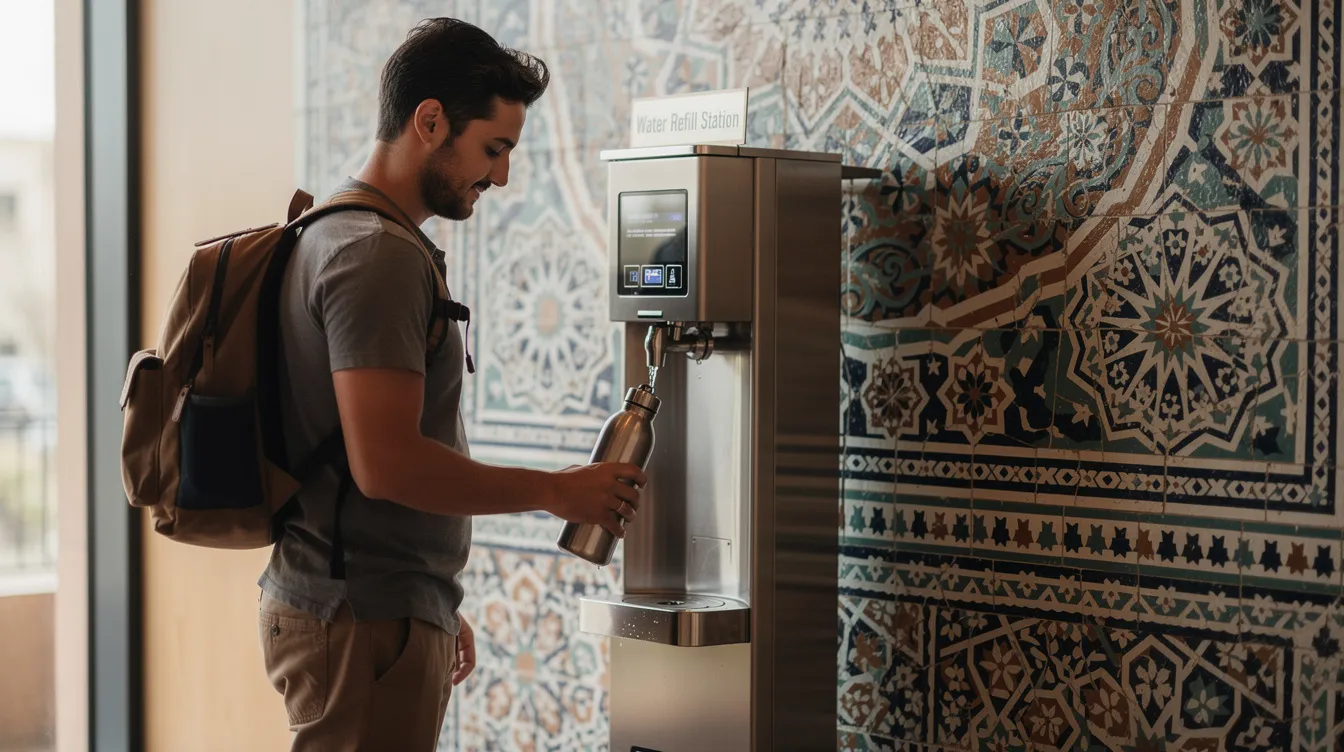
One note for eco-conscious travelers: bottled water creates significant plastic waste in Morocco, and the country lacks a bottle deposit system for recycling. CO₂ emissions also result from bottled water consumption. Consider reusable filter bottles to reduce your impact. Morocco Classic Tours drivers are happy to stop at reliable shops so guests can stock up before long drives or Sahara tours.
Staying healthy on your trip comes down to a few simple habits rather than fear. Follow these rules:
Drink only bottled or properly filtered water - never drink tap water directly
Avoid ice of unknown origin in cafés and street vendors
Prefer cooked foods served hot; be cautious with raw salads
Wash hands frequently and carry alcohol-based sanitizer
Using a water filter can eliminate bacteria, viruses, and pollutants, and is up to 90% cheaper than bottled water over time.
Chemical treatments like Micropur can disinfect water effectively - a 100 ml bottle of Micropur can treat up to 1000 liters of water, making it an option for longer stays.
Using water filters can also reduce plastic waste from bottles
Bring a small travel pharmacy with oral rehydration salts and basic anti-diarrheal medicine. For a full packing list, learn more in our guide on what medication to bring to Morocco. If symptoms last more than 48 hours, seek a local clinic.
These questions cover additional details based on 2026 conditions and the experience of Morocco Classic Tours with international travelers.
Yes. Boiling water for several minutes, as when preparing traditional Moroccan mint tea or coffee, normally makes it safe for tourists in cities. The heat kills most bacteria and viruses that could make you ill. However, in rural or questionable situations, it is still best to start with bottled or boiled water before brewing. Moroccan tea culture is a highlight of any visit - enjoy it without warnings holding you back.
Many mid-range and luxury riads now use certified filtration systems. If water is clearly labeled as filtered drinking water, it is usually safe. That said, if you have very sensitive digestion or any doubts, ask the staff how the water is treated and default to bottled water. Morocco Classic Tours works with accommodation partners that prioritize guest health.
For typical city and desert tours with Morocco Classic Tours, bottled water is fully sufficient and readily available at every stop. Chemical treatments like Micropur can disinfect up to 1000 liters of water, but this is generally only necessary for very remote trekking, wild camping, or eco travelers wanting to cut plastic waste. For most places on a standard itinerary, buying bottled water at any shop makes the process simple.
Reputable Sahara desert camps, including those used by Morocco Classic Tours near Merzouga and Erg Chebbi, bring in treated or contaminant-free bottled water for guests. Always confirm that your drinking water is bottled or filtered before assuming it is safe. Bring an extra-large bottle per person for long camel rides or 4x4 transfers - access to shops is limited once you leave town, and staying hydrated in the desert is non-negotiable.
Compare Morocco group tour agencies by trip style, reviews, pace, transport and inclusions. Learn wh...
Read this article
Uncover what a Marrakech to Fes desert tour offers, including camel rides, desert camps, and rich cu...
Read this article
Join our Merzouga Overnight Tour for an authentic desert experience. Enjoy camel rides, comfortable ...
Read this articleWant cool tour deals and tips about Morocco? Enter your email and we’ll send them to you each month!
