Group Tour Agencies in Morocco: How to Pick the Right One
Compare Morocco group tour agencies by trip style, reviews, pace, transport and inclusions. Learn wh...
Read this article

Private, custom Morocco trips planned in Fez by AZ-ZDDINE, working in Moroccan tourism since 2012. Sahara, Atlas, medinas and coast, arranged around you.
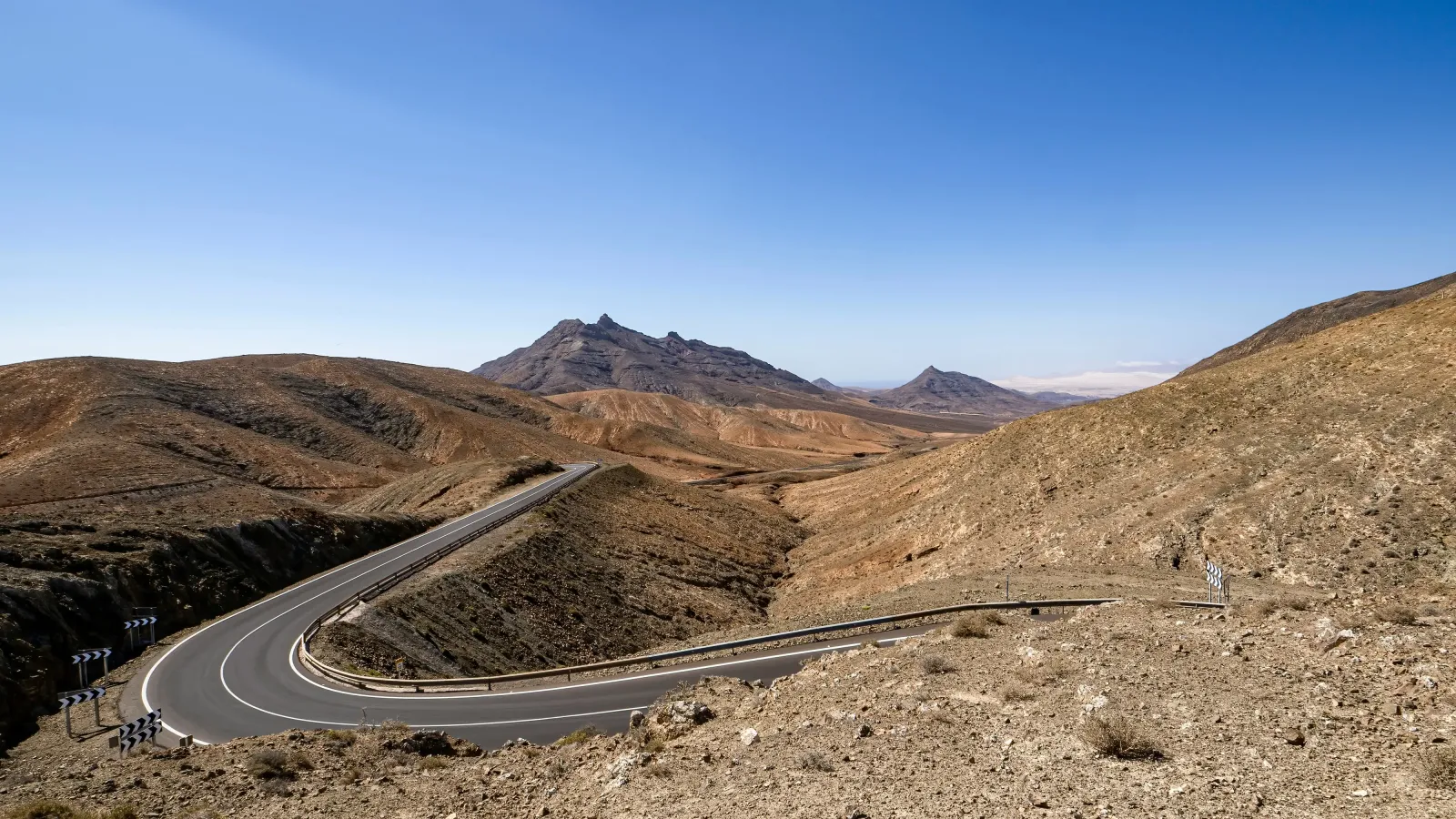
Driving from Casablanca to Marrakech takes about 2.5–3 hours by car along the A7 motorway, covering roughly 240–250 km of modern toll road.
A standard compact or midsize car works well for the motorway, but an SUV or minivan is better for families or those continuing to the Atlas Mountains or the Sahara Desert.
Morocco Classic Tours arranges private, air-conditioned transfers between Casablanca and Marrakech with English-speaking drivers, eliminating navigation stress after long flights.
There is no high-speed TGV-style train between Casablanca and Marrakech yet, but regular ONCF trains take about 2h 30m–3h and are safe and comfortable.
Uber does not operate in Morocco; intercity taxi costs range from 1,500–2,500 MAD (150–250 USD), while car rental starts around 25–40 USD daily for compact vehicles.
Casablanca stands as Morocco’s modern Atlantic hub, home to the iconic Hassan II Mosque (inaugurated in 1993 as one of the world’s largest mosques), while Marrakech beckons as the vibrant “Red City” with its legendary Jemaa el-Fna square and labyrinthine medina. Many international travelers arrive at Mohammed V International Airport in Casablanca before making their way south to explore Marrakech as the starting point for a 2–10 day Morocco itinerary.
The road distance between these two cities stretches approximately 240–250 km, with typical driving times of 2.5–3 hours along the A7 motorway. This journey offers flexibility that train or bus schedules simply cannot match, allowing you to depart on your own timetable, stop for photographs, and arrive directly at your riad’s door.
This article focuses on traveling by car from Casablanca to Marrakech—covering self-drive options, rental considerations, and private transfer services from Morocco Classic Tours’ perspective as a local tour operator. We will also briefly compare alternatives like train, bus, and domestic flight so you can decide which transportation mode best fits your style, schedule, and budget.

The typical travel time from Casablanca to Marrakech by car is around 2 hours and 30 minutes to 3 hours of actual driving via the A7 toll motorway under normal traffic conditions. This assumes you maintain average speeds of 90–100 km/h and account for brief slowdowns at toll booths.
Here are the specifics for different scenarios:
Central Casablanca to central Marrakech (near Jemaa el-Fna): Approximately 245 km, usually 2h 45m of driving time.
Mohammed V International Airport (CMN) to Marrakech: Around 220–230 km, typically 2h 30m–2h 45m, slightly shorter due to airport location.
Holiday and peak periods: Add 15–30 minutes during Eid al-Fitr, July–August summer holidays, Christmas/New Year, or Friday evening rush hours when congestion builds near urban exits and toll booths.
The route consists mostly of modern dual carriageways with a legal speed limit of 120 km/h. Rest stops and service areas appear every 50–70 km along the A7, offering fuel, restrooms, and refreshments.
For practical planning, especially when you have a fixed schedule like a hotel check-in time, evening tour, or dinner reservation in Marrakesh, budget 3–3.5 hours door-to-door. This buffer accounts for navigation setup, fuel stops, toll payments, and navigating city traffic at either end of your trip.
The fastest and easiest route from Casablanca to Marrakech follows the A7 motorway, signed for “Marrakech/Agadir,” featuring excellent road surfaces, clear signage, and 10–12 service stations along the way.
Depart from central Casablanca via major arteries such as Boulevard Ghandi or Avenue des FAR, heading toward the A3 motorway interchange.
Join the A3 for approximately 10 km until you reach the A7 split.
Merge onto A7 southbound following signs for Settat and Marrakech.
Pass Settat at roughly 70 km from your departure point—continue straight without exiting.
Continue through Beni Mellal junction (approximately 100 km from Settat), staying on A7.
Exit toward Marrakech Centre at approximately 240 km total distance.
Follow signs to Gueliz for the modern city district, or Medina/Jemaa el-Fna for traditional riad accommodations.
Segment | Distance |
|---|---|
Casablanca to Settat | ~70 km |
Settat to Marrakech | ~170 km |
Total via A7 | ~240–250 km |
Alternative non-toll national roads like the N9 exist but add 30–60 minutes to your journey due to lower speed limits (60–80 km/h), more traffic lights, and poorer maintenance in some sections. Road safety reports indicate 25% higher incident rates on these national roads compared to the motorway, making the A7 strongly recommended for foreign visitors unfamiliar with local driving conditions.
Any reliable modern vehicle can handle the smooth, well-maintained A7 motorway between Casablanca and Marrakech. However, comfort and luggage space make a significant difference, especially if you are extending your trip to the Atlas Mountains or the Sahara Desert.
Compact or midsize sedan (Dacia Logan, Renault Clio, Peugeot 301): Ideal for couples or solo travelers with light luggage. Fuel-efficient at 15–18 liters per 100 km, these vehicles cost approximately 35–45 liters total for the trip.
SUV or crossover (Dacia Duster, Hyundai Tucson, Toyota RAV4): Better for families, travelers with extra bags, or those planning to continue over mountain passes after Marrakech. Higher ground clearance and cargo space up to 500 liters accommodate adventure equipment.
Minivan or 7–9 seater (Mercedes Vito, Ford Tourneo): Perfect for small groups of 4–7 passengers, especially when booking a private transfer with Morocco Classic Tours. These spacious, comfortable vans often include amenities like Wi-Fi.
Manual transmission is standard in Morocco, comprising about 80% of rental vehicles and costing 25–40 USD daily during off-peak periods. Automatics command 20–50% premiums and require booking due to limited availability.
Air conditioning is essential, particularly from April to October when daytime temperatures between Casablanca and Marrakech easily reach 28–40°C. The Settat plains routinely hit 35°C during midday hours.
Morocco Classic Tours provides late-model, air-conditioned vehicles with professional drivers for guests who prefer not to self-drive—the brand-preferred solution for comfort, safety, and a truly relaxing journey.
A private transfer means a dedicated driver and vehicle, door-to-door service on your timetable, with no navigation stress—ideal after a long international flight into Casablanca when you simply want to relax and arrive at your destination.
Pick-up options: Casablanca airport (CMN), hotels in central Casablanca, or cruise port arrivals
Vehicles: New and comfortable vans or sedans with air conditioning, insurance, and professional maintenance meeting international safety standards
Amenities: Enjoy free Wi Fi, bottled water, and ample luggage space
Duration: Up to three hours via A7, with optional 15-minute stops for coffee or photographs near Settat walnut groves
Vehicle Type | Passengers | Approximate One-Way Cost |
|---|---|---|
Standard sedan | 1–3 | 150–250 EUR |
Premium van | 4–7 | 300–450 EUR |
Prices typically include tolls, fuel, and insurance. Tips (10–20 EUR) are customary but not mandatory.
No need to navigate Moroccan traffic, toll booths, or unfamiliar roads
Flexible departure times matching flight arrivals and hotel check-in schedules
English or French-speaking driver who can share local tips about Marrakech, desert tours, and cultural experiences
Seamless integration into multi-day packages like 7-day Sahara desert loops
Ready to save precious time and effort? Contact Morocco Classic Tours to organize your private Casablanca–Marrakech transfer or design a longer custom tour itinerary tailored to your interests.

Self-drive car rental offers an affordable option for budget-conscious travelers, especially when costs are shared among 2–4 passengers. However, rental comes with responsibilities, including insurance paperwork, security deposits, fuel management, and toll payments.
Vehicle Type | Off-Peak Rate | Peak Season Rate |
|---|---|---|
Small manual car | 25–40 USD/day | 40–60 USD/day |
Automatic compact | 40–60 USD/day | 60–90 USD/day |
SUV/crossover | 50–80 USD/day | 80–120 USD/day |
Book online in advance rather than last-minute at the counter—rates increase significantly for walk-up rentals.
Compare agencies: Check both local Moroccan companies and international brands, but note that Morocco Classic Tours can integrate rental or driver services in full package deals.
Verify inclusions: Confirm unlimited mileage, basic insurance coverage, extra driver fees, and whether cross-country driving to Marrakech is permitted.
Consider third-party insurance: Options like Allianz at 10–15 EUR/day can help bypass expensive 1,000–2,000 EUR security deposit holds
Valid passport and driver’s license (International Driving Permit recommended if license is not in French/English)
Credit card for security deposit (500–1,500 EUR hold typical)
Minimum age 21+ (25+ for full-size vehicles without surcharge)
Thoroughly photograph any existing damage before signing the rental contract
If you are planning a one-way trip without returning to Casablanca, confirm drop-off fees in advance—these typically range from 500–1,000 MAD for relocation logistics.
The road distance from Casablanca to Marrakech measures approximately 240–250 km, depending on your exact departure point and final destination. Official route planners list 241–246 km via the A7 motorway, which professional drivers and transfer services use as the standard route.
Cost Category | Approximate Range |
|---|---|
Fuel (compact petrol car, 1.6L) | 16–22 liters (200–300 MAD / 20–30 USD) |
A7 toll fees (total) | 120–150 MAD (12–15 EUR) |
Combined fuel + tolls | 320–450 MAD (32–45 EUR) |
Fuel prices in 2025 hover around 13 MAD per liter (approximately 1.30 EUR), influenced by global oil prices. Toll booths appear at five locations along the A7 (Settat approximately 25 MAD, Rahoua approximately 30 MAD, etc.), accepting cash or electronic TAG payment.
Hybrid vehicles emerging in rental fleets can reduce fuel consumption to 12–15 liters for the journey, offering modest savings for eco-conscious travelers.
Morocco’s true high-speed TGV line, the Al Boraq, currently connects Tangier with Casablanca and Rabat only. Inaugurated in 2018, this service covers 323 km in approximately 2 hours 10 minutes at speeds up to 320 km/h. However, it does not yet extend to Marrakech.
The Casablanca–Marrakech railway route is served by conventional ONCF trains (such as Al Atlas services), which are modern and reasonably fast but not classified as high-speed rail. These trains travel at maximum speeds of 120–160 km/h on upgraded tracks.
Journey time: Approximately 2h 30m to 3h 10m, depending on service type
Distance: Roughly 240–250 km by rail
Frequency: 12–15 daily services from Casa-Voyageurs station
First class fare: 200–250 MAD (20–25 USD)
There has been ongoing discussion about extending high-speed tracks toward Marrakech, with 2024 ONCF feasibility reports citing 5–7 billion EUR costs and seismic challenges through the Atlas Mountain terrain. As of now, travelers should not expect a direct train with TGV-style speeds on this segment.
ONCF trains between Casablanca and Marrakech are generally considered safe, widely used by locals and tourists alike, including families and solo travelers. Interior Ministry statistics show zero major incidents since 2018 upgrades, with accident rates of 0.02 per million kilometers—significantly better than European averages.
Modern Talgo rolling stock with air conditioning, CCTV cameras, and staff presence throughout the train ride.
Reserved seating in first class with reclining seats and power outlets
Upgraded stations at Casa-Voyageurs (capacity 20 million passengers annually) and Marrakech with clearer signage, escalators, and information screens
Keep valuables in sight and secure, especially in crowded second-class carriages or near doors.
Avoid leaving luggage unattended during stops
Prefer daytime departures if unfamiliar with Morocco or traveling alone
Purchase tickets in advance via oncf. ma to avoid scalpers and secure your preferred class
Trains can get busy on weekends and during public holidays, so booking for first class is sensible. While trains offer a reliable and safe option, travelers seeking maximum comfort, direct hotel pick-up, and language assistance often prefer a private car or guided tour with Morocco Classic Tours.
While driving or private car offers the most flexibility, some travelers prefer public transportation or flying, depending on budget, scheduling preferences, and comfort priorities.
The ONCF train remains the most popular alternative to driving:
Services: Multiple daily departures from Casa-Voyageurs or Casa-Port stations
Journey time: 2h 30m–3h 10m
Ticket prices: Second class 140–180 MAD (14–18 EUR); first class 200–250 MAD (20–25 EUR)
Advantages: Scenic views, no driving stress, arrives at Marrakech railway station near the city center
Companies such as CTM and Supratours operate air-conditioned coaches between the two cities:
Journey time: 3.5–4 hours, depending on traffic and intermediate stops
Ticket prices: 100–150 MAD (10–15 EUR)
Advantages: Budget-friendly with reserved seating; a good choice for travelers who wait for the cheapest option
Royal Air Maroc and occasional budget carriers offer internal flights:
Flight time: Approximately 1 hour airtime
Door-to-door reality: Total time often 4+ hours once check-in, security, and airport transfers are factored in
Cost: 800+ MAD (80+ EUR) typically
Verdict: Limited time advantage on this short route; flying makes more sense for connecting to distant cities like Tangier or Ouarzazate
Morocco Classic Tours can combine any of these modes—train one way, private car return, plus desert tours—in a tailor-made itinerary that maximizes your exploration while minimizing logistics.
Driving in Morocco is manageable for experienced drivers, but road habits and enforcement differ from those in North America or Western Europe. Being prepared helps ensure a comfortable ride without unexpected issues.
Valid driver’s license required; an International Driving Permit is recommended if your license is not in French or English
Mandatory seatbelts for all passengers
Zero-tolerance policy for drink-driving
Frequent roadside speed checks with radar—fines range from 300–2,000 MAD
The A7 motorway features:
Dual carriageway with good asphalt and clear directional signage
Lighting on some sections for night travel
Service areas every 50–70 km with Esso or Afriquia fuel pumps, McDonald’s outlets, and clean restrooms
Keep cash: Moroccan dirhams for tolls and small purchases (credit cards accepted at some toll booths but not all)
Avoid driving tired: If arriving after an overnight flight, consider a private driver with Morocco Classic Tours instead of navigating unfamiliar roads while exhausted.
Navigation: Use offline maps (Google Maps, Maps.me) or purchase a local SIM card, as not all rental cars include built-in GPS
Photography stops: The route offers desert-like landscapes and mountain views—pull off at designated rest areas rather than stopping on the motorway shoulder.

Many visitors ask about taxis, Uber, and other ride-hailing services for the Casablanca to Marrakech trip. Here is what you need to know about local transportation options.
Long-distance “grand taxis”—often beige Mercedes W123 classics or newer Peugeots—can travel between cities. You will find them at stands near Casa-Port or Casa-Voyageurs stations.
Cost range: 1,500–2,500 MAD (150–250 USD) total for 4 passengers, including tolls
Negotiation required: Start 30% high and bargain down
Potential issues: Shared rides with strangers, overloading, and occasionally reckless driving are noted in approximately 20% of traveler reviews
Uber does not currently operate in Casablanca or anywhere else in Morocco. The company withdrew in 2019 amid regulatory battles with local taxi unions. Local alternatives include:
Careem: Sporadic availability in Marrakech for city rides; not available for intercity journeys
inDrive: Peer-to-peer app with unreliable coverage as of 2025
Neither service offers Casablanca to Marrakech transportation.
Petit taxis—red in Casablanca, beige in Marrakech—operate within city limits only:
Metered fares at 8–12 MAD per kilometer for urban trips
Cannot make the full intercity journey
Use them for short hops like the hotel to the train station, not for the 240 km route
For reliability, clear pricing, and a courteous professional taxi driver experience, book a private transfer through Morocco Classic Tours rather than relying on ad-hoc taxi arrangements for such a long route.
Morocco Classic Tours specializes in private, customizable journeys that begin in Casablanca and lead travelers through Morocco’s most unforgettable destinations. The Casablanca to Marrakech route serves as the natural starting point for adventures extending into the Sahara Desert, Imperial Cities, and Atlas Mountains.
4–5 Day Imperial Cities Loop: Casablanca → Rabat → Fes → Marrakech, including guided medina tours, a visit to the Hassan II Mosque, and food experiences in each city
6–8 Day Sahara Desert Adventure: Casablanca → Marrakech → High Atlas crossing → Ait Benhaddou → Ouarzazate → Merzouga (Erg Chebbi dunes) → Todra Gorge → return to Marrakech
Night in a Sahara desert camp with a private tent, hot showers, and a traditional Berber dinner under the stars
Camel trek across the golden Erg Chebbi dunes at sunrise or sunset
Guided exploration of Fes medina with visits to ancient medersas and artisan workshops
Atlas Mountains day trips from Marrakech featuring Berber villages and easy walks through terraced valleys
All transport between cities is handled by professional drivers in equipped, comfortable vans, removing self-driving stress while giving travelers complete flexibility to explore at their own pace.

Ready to design your Moroccan adventure? Contact Morocco Classic Tours to create a tailor-made route starting in Casablanca and ending in Marrakech—with the Casablanca to Marrakech car journey as the spine of your unforgettable Moroccan experience.
Under normal conditions, the drive takes about 2h 30m to 3h of actual driving time via the A7 motorway, plus 15–30 minutes for toll booths, rest stops, and navigating city traffic at each end. Travelers arriving at Casablanca Mohammed V Airport should plan roughly 3 hours door-to-door to central Marrakech riads or hotels. If you have a tour, dinner reservation, or evening activity in Marrakech, allow an extra buffer for unexpected delays.
Prices vary by vehicle type, negotiation skills, and departure point, but a private long-distance taxi typically costs 1,500–2,500 MAD (150–250 USD) for the whole vehicle, not per person. Always agree on the fare before departure and confirm whether tolls and fuel are included. For a hassle-free experience with fixed, transparent pricing, pre-booking a private transfer with Morocco Classic Tours eliminates haggling and uncertainty.
It depends on your priorities. The ONCF train is affordable and stress-free, taking about 2.5–3 hours with no navigation required. However, a car or private transfer offers door-to-door convenience, luggage flexibility, and the advantage of continuing directly to the Atlas Mountains or Sahara without backtracking to a train station. Many first-time visitors choose a private transfer for comfort after a long shuttle from overseas, while budget travelers often prefer the train to save money. Morocco Classic Tours can arrange either option within a custom itinerary.
Travelers typically need a valid passport, a valid driver’s license (plus an International Driving Permit if the license is not in French or English), and a credit card for the rental deposit. Check minimum age requirements—often 21–2,5 depending on the company—and any additional fees for younger drivers. Read rental contracts carefully for insurance coverage, one-way fees to drop the car in Marrakech, and mileage restrictions. Those who prefer not to manage paperwork can simply opt for a private driver via Morocco Classic Tours.
Yes, many travelers combine the Casablanca–Marrakech journey with a further drive over the High Atlas Mountains to desert regions such as Merzouga (Erg Chebbi) or Zagora. These routes involve mountain passes, winding roads, and 2–3 days of driving each way. Using an experienced local driver or guided tour is strongly recommended for these challenging but rewarding segments. Morocco Classic Tours specializes in these multi-day Sahara journeys, complete with camel treks, desert camp nights, and scenic stops at world-famous Ait Benhaddou kasbah and dramatic Todra Gorge.
Compare Morocco group tour agencies by trip style, reviews, pace, transport and inclusions. Learn wh...
Read this article
Uncover what a Marrakech to Fes desert tour offers, including camel rides, desert camps, and rich cu...
Read this article
Join our Merzouga Overnight Tour for an authentic desert experience. Enjoy camel rides, comfortable ...
Read this articleWant cool tour deals and tips about Morocco? Enter your email and we’ll send them to you each month!
