Group Tour Agencies in Morocco: How to Pick the Right One
Compare Morocco group tour agencies by trip style, reviews, pace, transport and inclusions. Learn wh...
Read this article

Private, custom Morocco trips planned in Fez by AZ-ZDDINE, working in Moroccan tourism since 2012. Sahara, Atlas, medinas and coast, arranged around you.
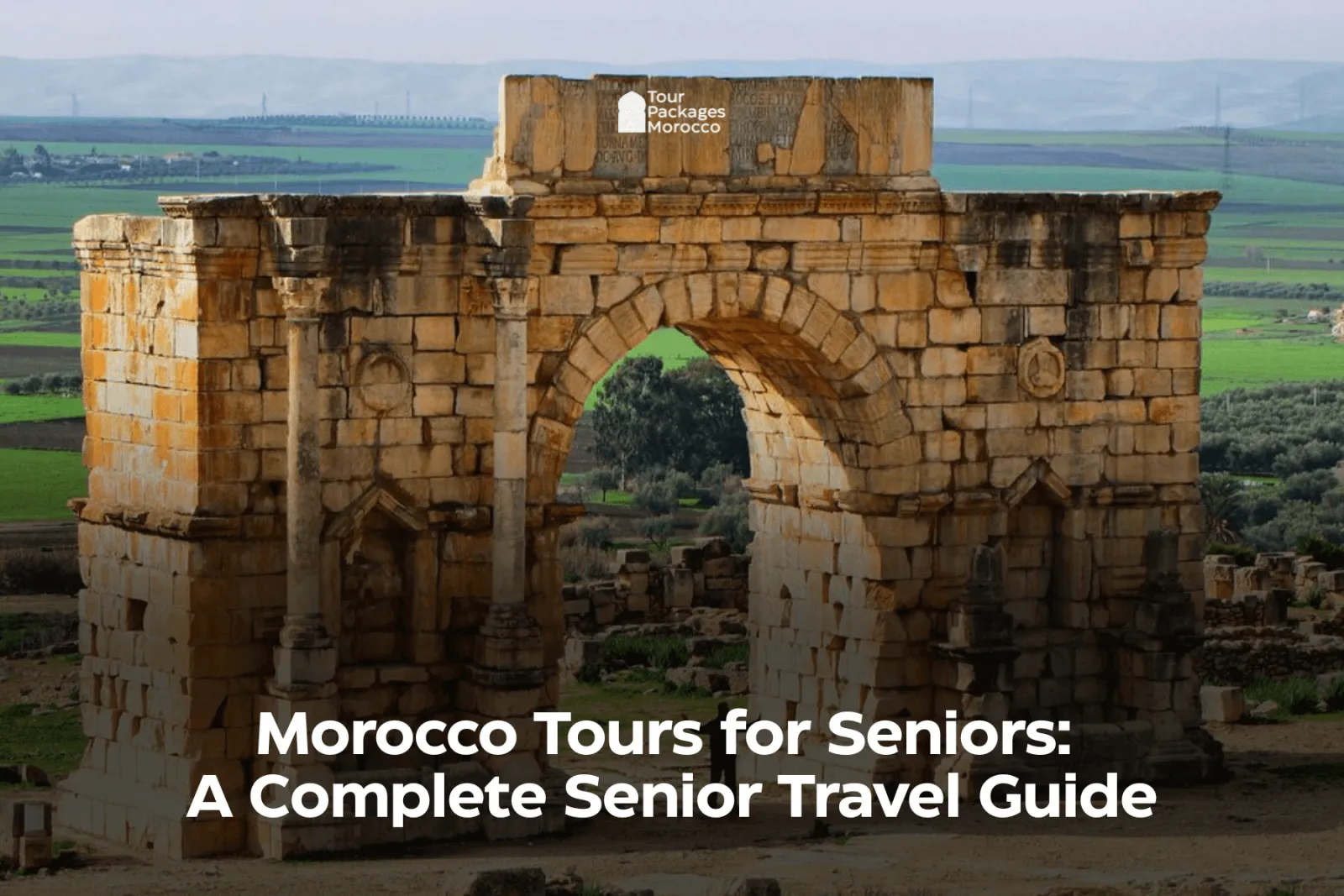
Morocco is a destination that rewards patience and curiosity-two qualities that senior travelers tend to have in abundance. With its layered history, vivid landscapes, and warm hospitality, this North African gem has become one of the most sought-after destinations for travelers over 60 who want cultural depth without physical hardship.
In 2023, Morocco set an all-time high with 14.5 million tourists, and roughly 60% of those visitors came specifically for the country's culture and heritage. If you've been considering a trip but have questions about safety, health, comfort, or pacing, this guide covers everything you need to plan confidently.
Best travel months: Spring (March–May) and autumn (late September–November) deliver mild temperatures ideal for seniors, with daytime highs around 18–25°C (65–77°F) in major cities.
Safety: Morocco is generally safe for US citizens and travelers over 60. The US State Department rates it Level 2 ("Exercise Increased Caution"), and major tourist cities have visible security and well-established tourism infrastructure.
Medicare does not cover you abroad. US seniors need comprehensive international travel insurance with medical evacuation coverage. Travelers from the UK, Canada, and Singapore should also verify their coverage.
Prescription medications: You can bring them into Morocco in original packaging with a doctor's letter, but should not rely on finding exact brands locally.
Comfort is achievable: Western-style toilets are available at most hotels and modern service stations; private tours with air-conditioned vehicles eliminate the stress of self-driving; and itineraries can be slowed, shortened, or adjusted daily.
Morocco Classic Tours specializes in private, customizable morocco tours for seniors from the USA, UK, Canada, Singapore, and beyond, with door-to-door transfers, English-speaking local guides, and pacing designed around your energy levels.
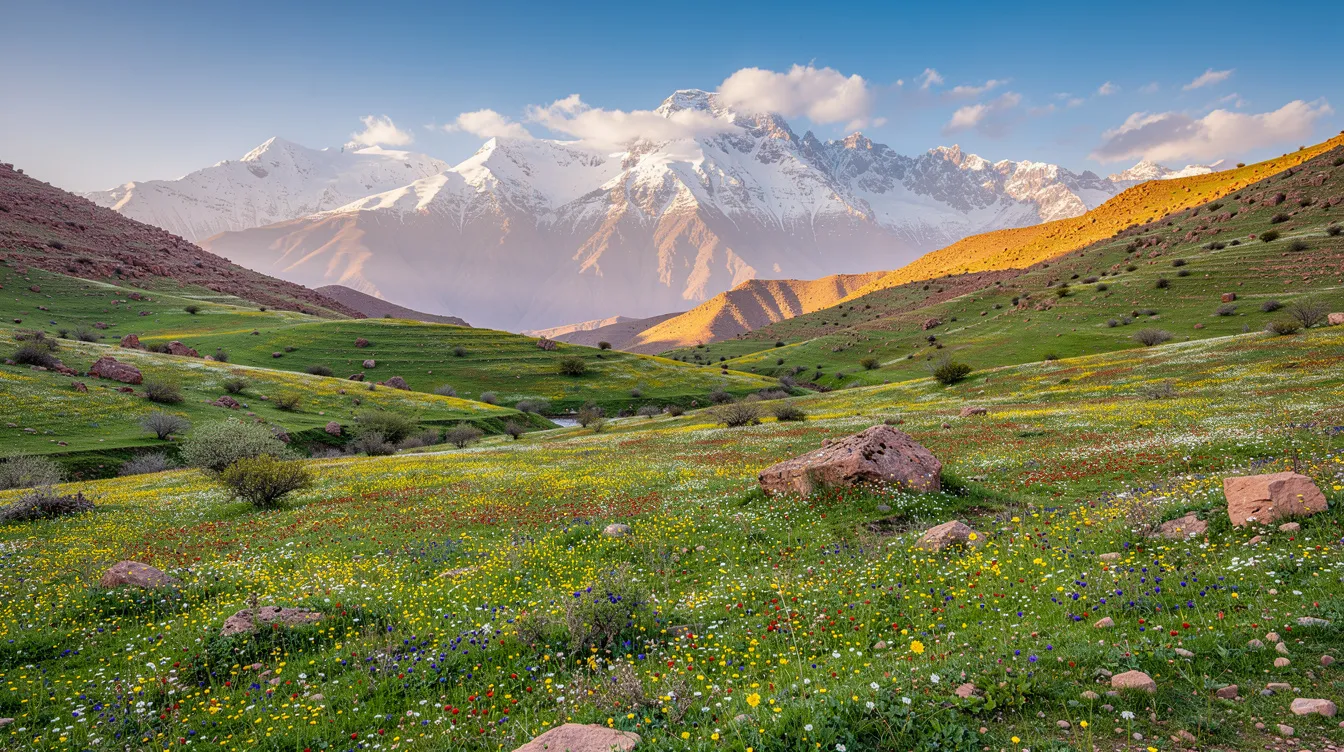
Morocco is a fantastic destination for senior travelers because it packs extraordinary variety into manageable distances. Morocco spans from the Atlantic Ocean and the North Atlantic Ocean on its western flank to the Mediterranean Sea along its northern coast, with the Atlas Mountains running through its center and the Sahara Desert spreading across its southern reaches. This African country offers imperial cities calling with centuries of history, Atlantic coast towns where you can breathe sea air, and mountain valleys filled with wildflowers in spring-all within a few hours' drive of each other.
Morocco has coastlines on both the Atlantic Ocean and Mediterranean Sea, along with Mediterranean coastlines that draw comparisons to southern Europe. Yet it feels unmistakably different. Morocco's culture blends Arabic, Berber, and Jewish influences into something you won't find anywhere else, from its architecture and cuisine to its music. The country has a rich tradition of music from various cultural origins-Andalusian, Gnawa, Amazigh-often performed live in riads and public squares.
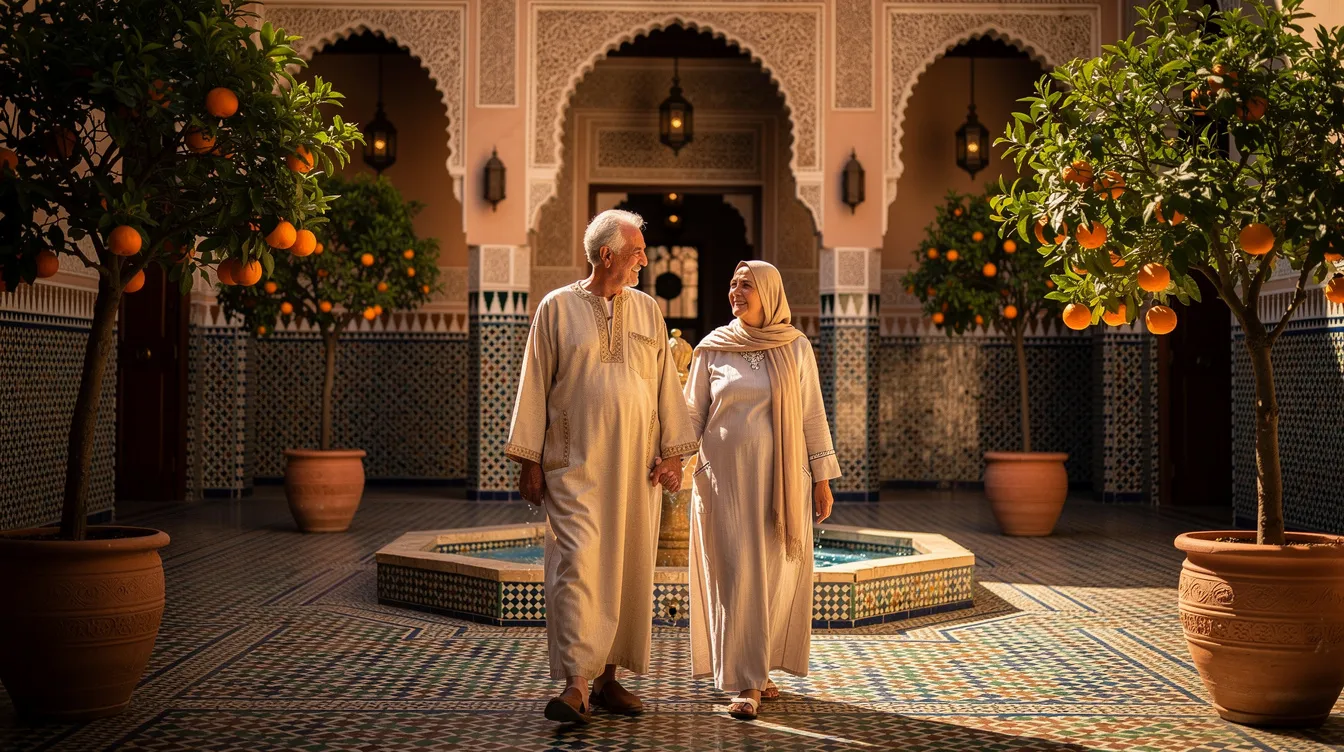
The warm hospitality is genuine. Mint tea appears within minutes of sitting down anywhere, and conversations with locals are unhurried. For seniors, the availability of private drivers instead of self-driving means no stress navigating unfamiliar roads. High-end riads and modern hotels with accessible rooms are increasingly common, and Morocco Classic Tours, based in Fez, designs itineraries that minimize constant packing and unpacking by scheduling 2–3-night stays in key cities like Marrakech, Fez, Rabat, and Chefchaouen.
Many attractions-historic medinas, museums, gardens, coastal promenades-can be explored on foot at an easy pace with frequent café and rest breaks. Tourism contributes 7% to Morocco's GDP, which means the infrastructure supporting visitors is well-developed and continually improving.
Understanding a little of Morocco's history enriches any visit. Officially the Kingdom of Morocco, this western kingdom has roots stretching back to the Roman Empire, when cities like Volubilis served as provincial outposts. Over centuries, the region experienced waves of influence: Arab conquerors brought Islam and the Arabic language, while Berber dialects remained the mother tongue for many communities in the Rif Mountains and the High Atlas mountain range. Both Arabic and Amazigh (Berber) are now official languages.
By the early 20th century, European powers had carved up much of North Africa. France showed particular interest in Morocco, and by 1912 a French protectorate was established, while Spain assumed control over northern zones and what would become Spanish territory in the south. The nationalist movement grew steadily, and independence party leaders pushed for self-rule. France allowed Mohammed V-the sultan who claimed descent from the prophet Muhammad-to return from exile, and after gaining independence in 1956, Morocco became a constitutional monarchy. King Hassan II later consolidated power; the bicameral legislature consists of two chambers, though the king wields significant influence over governance. King Hassan strengthened diplomatic relations across the arab world and pursued political reform, though observers noted human rights abuses during certain periods.
Today, under King Mohammed VI (often referred to simply as Mohammed VI or King Mohammed), the Moroccan government has focused on modernizing infrastructure, expanding arable land use, and growing the Moroccan economy through sectors like tourism, agriculture, and phosphate exports. The capital city, Rabat, serves as the administrative center, while Casablanca functions as the commercial hub and major port. The prime minister heads the elected government, though parliament's powers remain subject to royal prerogatives. The Moroccan dirham is the local currency.
The southern region of Western Sahara remains a disputed territory. Originally a Spanish colony (sometimes called Spanish Sahara), it became a flashpoint after Spain agreed to withdraw in 1975. The Green March- a mass civilian demonstration organized by King Hassan-preceded joint moroccan mauritanian control, but the Polisario Front contested Moroccan claims to sovereignty. After military intervention and the departure of Spanish troops, Moroccan forces and later Moroccan troops established control over much of the territory, though the former Spanish colony's status is monitored by a United Nations mission. The United Nations continues to oversee ceasefire arrangements, and the question of Moroccan sovereignty versus self-determination for local populations remains unresolved. Organizations promoting African unity have weighed in on the matter, and the same treaty frameworks that governed the original handover continue to shape discussions. For tourists, this political situation has no practical impact on standard itineraries, which stay well within undisputed Moroccan territory. Many children in the region now attend school under Moroccan administration, and cities calling themselves gateways to the Sahara-like Dakhla-are increasingly popular with niche travelers, though the long distances involved suit only those comfortable with full-day drives. The significant influence of this territorial question on Morocco's foreign policy is worth understanding, but it does not affect day-to-day safety for visitors on typical tourist routes. Morocco's West Africa connections and broader continental relationships have expanded under Mohammed VI.
Morocco's climate varies dramatically between the coast, interior, mountains, and desert, so timing your visit matters-especially if you're sensitive to heat or cold.
Spring delivers the sweet spot. Daytime temperatures in Marrakech and Fez hover around 18–25°C (mid-60s to mid-70s°F), with clear skies and minimal rain. The Middle Atlas is lush and green, wildflowers carpet valleys, and coastal cities enjoy pleasant breezes. Atlas Mountain tours offer trekking opportunities from late March to mid-November, making spring a prime window for gentle walks and scenic drives. For a deeper understanding of seasonal patterns, see this guide to Morocco's climate.
After the summer heat breaks, autumn offers similar comfort. September is still warm but manageable; October and November bring cooler evenings, especially in desert and highland zones. Sahara-fringe visits are pleasant without the punishing 45°C / 113°F highs of midsummer. Spring and autumn offer the most pleasant weather in Morocco, and both seasons see smaller crowds than the December–January holiday rush.
Inland temperatures regularly exceed 40°C (104°F), particularly in Marrakech, the Draa Valley, and the Sahara. This is risky for seniors with heart, respiratory, or mobility concerns. If you must travel in summer, stick to the Atlantic coast- Essaouira and Agadir remain cooler.
Coastal cities stay mild, but nights in the desert drop sharply, and the High Atlas Mountains see snow. Some seniors enjoy the quiet and cooler air, but you'll need warm layers, and mountain roads can face temporary closures.
A good itinerary for seniors balances cultural highlights with sufficient downtime, limited hotel changes, and manageable driving days. Here's what a well-paced trip looks like.
Day | Location | Highlights |
|---|---|---|
1–2 | Casablanca | Arrive, rest, visit the medina of Casablanca, which includes the iconic Hassan II Mosque |
3–4 | Rabat | Royal Palace exterior, Kasbah of the Udayas, Chellah ruins |
5–6 | Chefchaouen | Blue-washed streets, gentle walking, mountain air |
7–8 | Fez | Guided medina tour, tanneries, University of Al Quaraouiyine |
9 | Middle Atlas | Day trip to Ifrane and Azrou cedar forest |
10–11 | Marrakech | Jemaa el-Fnaa, Bahia Palace, the Majorelle Garden in Marrakesh |
12 | Essaouira ou Agadir | Coastal relaxation, seafood, departure |
This structure allows 2-night stays in most cities, reducing packing fatigue. Morocco Classic Tours offers a similar Marrakech, Fez & Casablanca 10-day itinerary that can be adjusted for pace.
The imperial cities-Rabat, Fez, Marrakech, and Meknes-are where Morocco's history is most tangible. Imperial City Tours highlight UNESCO World Heritage sites in historic medinas, the old medieval sections of these ancient cities. Fes has some of the finest souks in North Africa, packed with leather goods, ceramics, and spices. Marrakesh was the capital of the Almoravid dynasty and remains the country's most visited city. Morocco's medinas feature traditional architecture and vibrant markets that reward slow, guided exploration.
The Atlas Mountains are located mainly in central and southern Morocco and are home to diverse flora and fauna. The region is popular for its scenic landscapes and cultural experiences-Berber villages, terraced farms, walnut groves. For seniors, the Ourika Valley or Ouirgane offer easy walks with vehicle backup, while those who prefer purely scenic drives can enjoy the Tizi n'Tichka pass from inside a comfortable car. Agadir is a major base for tours to the Atlas Mountains for those approaching from the south. A dedicated Atlas Mountains day trip from Marrakech is an excellent option for seniors who want mountain scenery without overnight stays.
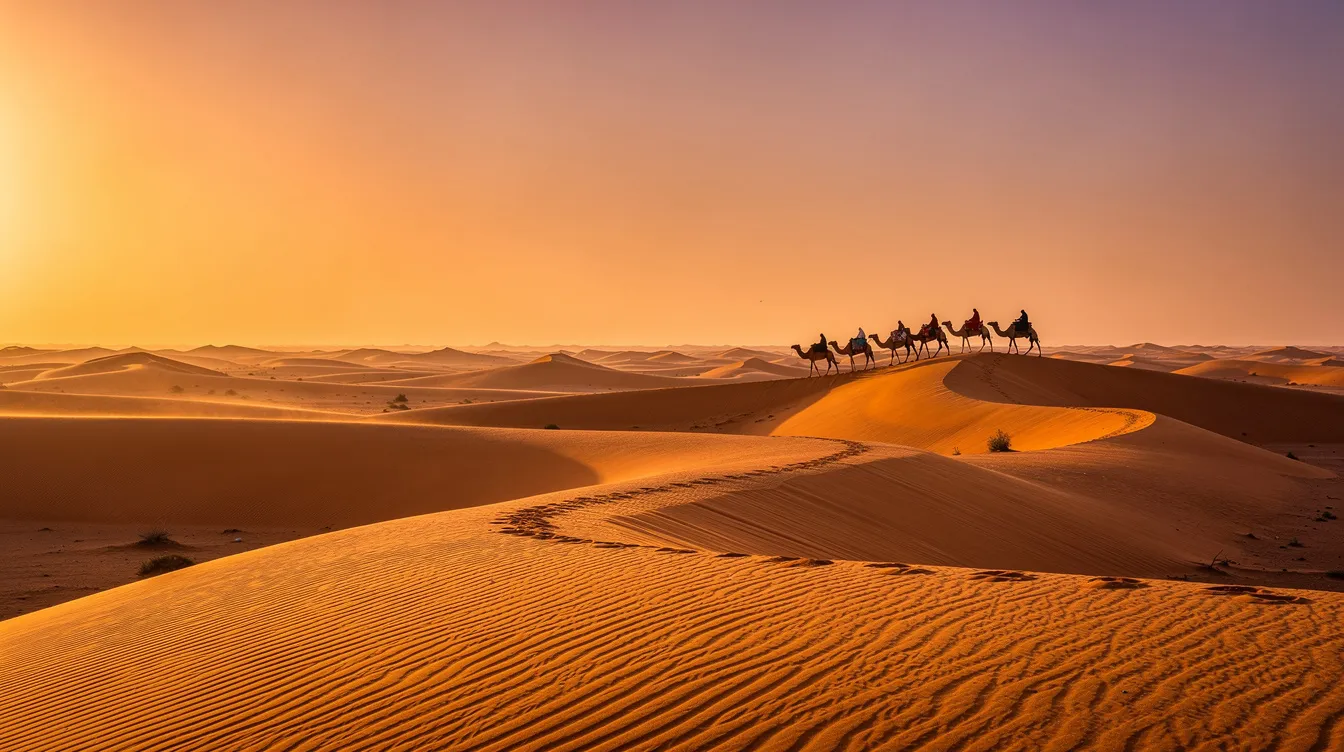
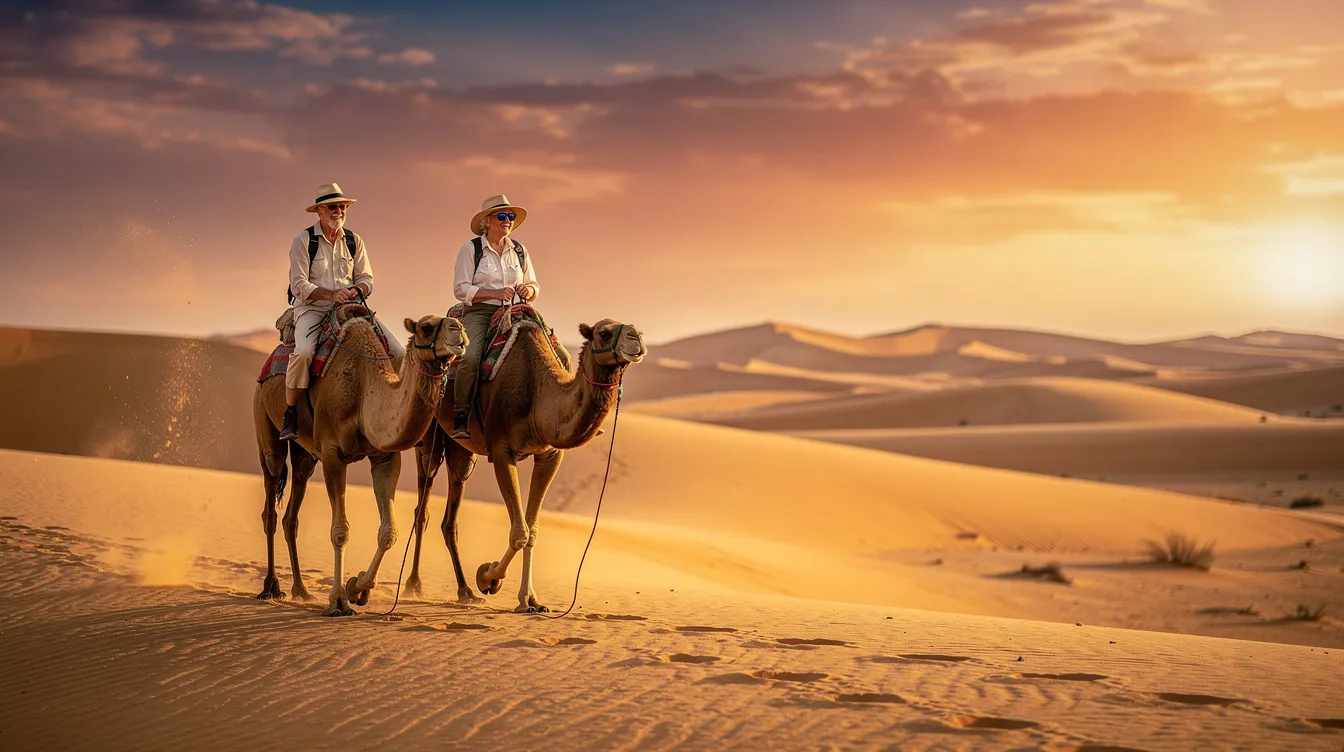
A one-night stay in a luxury tented camp near Merzouga or Zagora is achievable for most seniors. The journey from Marrakech crosses the High Atlas Mountains via dramatic passes, with regular stops. Camel rides are popular in Morocco's Sahara Desert, and camel rides can last from 30 minutes to several days-but for seniors, a 30–45 minute sunset ride is usually perfect. Camel rides offer scenic views of the Moroccan desert landscape that you simply can't replicate any other way. For those who'd rather skip the camels, sunset jeep drives achieve the same dune views with less physical effort. Explore options via the Luxury Sahara Desert Tour from Marrakech.
Some adventurous seniors may be interested in extending to Morocco's southern regions near Western Sahara. Dakhla, for instance, offers birdlife, long beaches, and quiet stays. However, distances are long and best suited for travelers comfortable with full-day drives.
Agadir is a major coastal resort in Morocco and accounts for a third of all Moroccan bed nights; its flat promenades and warm climate make it ideal for rest days. Essaouira offers a more intimate, artistic atmosphere with sea air, rampart walks, and fresh seafood. Both make excellent final stops before departure.
"Senior-friendly" in Morocco means thoughtful pacing, accessibility considerations, and flexibility for different energy levels and mobility needs. It's not about limiting experiences-it's about designing days that leave you energized rather than exhausted.
Driving limits: No more than 3–4 hours on most days, with scenic stops built in
Central accommodations: Hotels positioned to reduce walking distances to main attractions
Built-in rest periods: Free afternoons, late starts, and optional activities
Minimal early departures: No 5 a.m. wake-up calls unless specifically requested
Packages typically feature private or small-group tours of 7 to 15 days. Private tours are highly recommended for flexibility and comfort because they let you move at your own pace, stop for photos or restrooms as needed, and skip or shorten activities when tired. Several specialized agencies cater specifically to mature and senior travelers, and recommended Morocco tours for seniors feature slower-paced itineraries with generous buffer time.
Private accommodation options for seniors include high-end riads and luxury hotels. However, many traditional riads in old medinas have stairs and no lifts. Morocco Classic Tours selects modern hotels or arranges ground-floor rooms for travelers with reduced mobility. Private transfers are included in many Morocco travel packages, and porterage for luggage is standard.
Morocco Classic Tours can adapt itineraries for travelers with walking sticks, mild heart conditions, or dietary needs. The key is disclosure-sharing medical considerations in advance allows the team to plan routes, select appropriate vehicles (with good suspension and air conditioning for comfort on longer drives), and identify accessible alternatives at each stop.
Morocco is considered one of the safer countries in North Africa, with stable governance under King Mohammed VI and a strong tourism sector that the Moroccan government actively protects. That said, standard travel precautions apply.
As of 2025, the US State Department rates Morocco at Level 2: "Exercise Increased Caution", citing general terrorism risks at crowded locations. In practice, major tourist cities like Marrakech, Fez, Rabat, and Casablanca are well accustomed to international visitors, with visible police presence and dedicated tourist services.
Violent crime against tourists is rare. The main risks for seniors are:
Petty theft: Pickpocketing can occur in crowded medinas and souks. Use a money belt, keep bags zipped, and leave valuables in hotel safes.
Unofficial guides: Politely decline unsolicited offers of help in markets. Licensed guides carry identification.
Road safety: Some secondary roads are narrow and poorly lit. Avoid traveling at night when possible.
Seniors should avoid walking alone late at night in unfamiliar neighborhoods, accept only licensed taxis or pre-arranged transfers, and keep copies of passport pages separate from the original. Morocco Classic Tours uses vetted drivers and licensed local guides, and can arrange door-to-door transfers to reduce stress-especially for seniors arriving on long-haul flights from the USA, UK, Canada, or Singapore.
The question of Western Sahara and the Polisario Front occasionally appears in news coverage, but typical tourist routes (imperial cities, Atlas Mountains, Merzouga dunes, Atlantic coast) are far from any tension zones monitored by the United Nations mission. This is not a factor for standard itineraries.
Seniors should consult their doctor before traveling to Morocco, especially if they have chronic conditions. Carry a written summary of your medical history, including current medications, allergies, and emergency contacts.
In short: no. Original Medicare (Parts A & B) generally does not cover medical care outside the United States. Some Medigap plans may provide limited emergency coverage abroad, but with strict deductibles and lifetime maximums. Medicare Part D does not cover prescriptions purchased outside the US.
Bottom line: US seniors need comprehensive international travel health insurance that includes emergency medical treatment and medical evacuation. Do not rely on Medicare.
Travelers from the UK, Canada, and Singapore should verify whether their national or private insurance covers treatment in Morocco and add supplemental travel coverage if gaps exist.
Yes, with these guidelines:
Keep all medications in their original, labeled containers
Carry a copy of your prescription and a doctor's letter for controlled substances
Bring enough for your entire stay plus a small buffer (generally up to 30 days' supply)
Declare medications at customs if asked; certain narcotics or psychotropics may require special permits under Morocco's pharmaceutical laws.
Common medications and pharmacies are widely available in cities like Casablanca, Marrakech, Rabat, and Fez, but exact brands may differ from what you use at home. Don't plan on purchasing specialized medications upon arrival.
Pack a basic kit including:
Pain relievers (acetaminophen/ibuprofen)
Anti-diarrheal medication
Oral rehydration salts
Band-aids and antiseptic wipes
Any personal medical devices (blood pressure monitor, glucose meter)
Stay current on routine vaccines per CDC guidance for Morocco: influenza, Tdap, MMR, and polio boosters as recommended.
Older travelers can be more vulnerable to dehydration and food-borne illness, and the CDC estimates travelers' diarrhea attack rates of 30–70% over a two-week stay in many destinations. Extra care is worth the effort.
Choose busy restaurants where high turnover means fresher food
Favor freshly cooked, hot meals over cold buffets or items that have been sitting out
Be cautious with raw salads and unpeeled fruit unless you're confident about washing water quality
Drink only bottled or filtered water-avoid ice of uncertain origin, and use bottled water for brushing teeth in smaller towns and on desert routes
Bring familiar snacks from home for travel days, and eat light meals on arrival days after long flights to reduce digestive stress.
Moroccan cuisine is a fusion of Moorish, European, and Mediterranean styles, featuring spices like saffron and cumin that flavor dishes like tagines, couscous (a staple dish in Moroccan food culture), and slow-roasted lamb. Food tours in Morocco often include local market visits where you can see ingredients being selected, and food tours can be tailored for seniors' accessibility needs. Mint tea is a popular beverage served during food tours-and practically everywhere else.
Cultural experiences can include Moroccan cooking classes and traditional tea ceremonies, which Morocco Classic Tours arranges with vetted partners who follow strict hygiene standards. These cooking classes in Fez and Marrakech let you learn techniques in clean, controlled kitchen environments rather than navigating street food stalls.
Overall comfort is often the top priority for morocco tours for seniors, especially regarding driving times, restroom access, and walking distances.
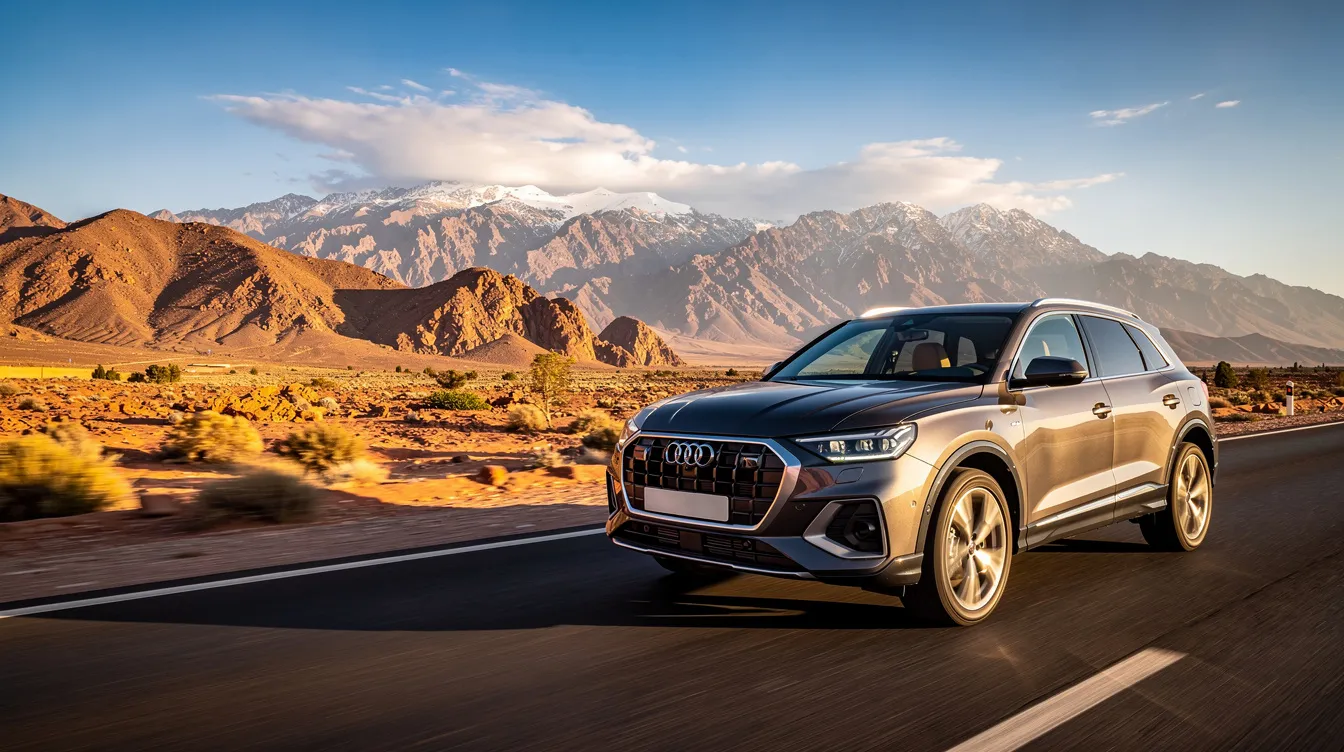
Private air-conditioned vehicles with professional drivers make it easier for older travelers to cross the Atlas Mountains or reach desert gateways like Merzouga or Zagora without rushing. Vehicles are typically modern SUVs or minivans with good suspension-important on mountain switchbacks.
Yes, on major routes between Marrakech, the High Atlas Mountains, and the Sahara, there are regular stops at modern fuel stations, cafés, and roadside restaurants with Western-style toilets. However, in very rural areas-remote Atlas villages, desert outskirts, older public facilities-squat toilets are still common, and amenities may be basic.
Practical advice: Carry personal supplies (tissue, hand sanitizer) for any remote-area travel, and ask your guide to plan stops at places with proper facilities.
Medinas like Fez and Marrakech have uneven cobblestones, occasional steep alleys, and no vehicle access in the interior. Morocco Classic Tours plans flexible walking distances, arranges vehicle drop-offs as close as possible to medina entrances, and suggests attractions with ramps or gentler staircases where available. If walking is a concern, gardens, museums, and wider boulevard areas offer easier terrain.
Long-haul travelers benefit from tours that allow one or two "recovery" days at the start to adjust to time zones and climate.
Direct or one-stop flights reach Casablanca or Marrakech from several North American gateways. Start with a slow first day: a gentle city orientation, an easy medina introduction, early dinner, and good rest. A 10–14 day itinerary justifies the flight time and allows proper pacing. Morocco received 14.5 million international tourists in 2023, and an increasing share comes from North America. Morocco aims to double annual tourist arrivals as tourism grows in strategic importance for the Moroccan economy. For US-specific travel prep, consult this essential guide for travel to Morocco from the US.
Flight times are short-roughly 3.5 hours from London-making Morocco one of the most accessible non-European destinations for British seniors. A 7–10 day itinerary works well: combine Marrakech, the Atlas Mountains, and Essaouira, or try a Rabat–Chefchaouen–Fez circuit. Fewer internal flights are needed since driving distances between northern cities are manageable. The proximity also means that a 7 Day Morocco Tour from Marrakech is perfectly viable without feeling rushed.
Longer flight durations (typically 14–18 hours with connections) mean you should plan at least 10–14 days in Morocco to justify the journey. Schedule breaks deliberately-a spa day, a hammam experience, or a free afternoon in Essaouira or Agadir-to let your body recover.
Morocco Classic Tours can coordinate airport assistance (wheelchairs, priority boarding where requested), private transfers, and flexible start times to reduce travel fatigue across all source markets.
There is no single "best" tour. Seniors should match tours to their interests, energy levels, and comfort expectations. Here are the main categories.
Focused on Fez, Marrakech, Rabat, and Meknes, these tours feature guided visits to medersas, museums, palaces, Jewish quarters, and medinas with structured rest stops at cafés or riads. Travel packages in Morocco for seniors emphasize guided cultural immersion, and private tours allow exploration of Morocco's cultural heritage at whatever pace feels right. Local guides provide authentic experiences during private trips, sharing stories and context you won't get from a guidebook.
Scenic drives, visits to Berber villages, traditional lunches in family guesthouses, and optional very short walks instead of strenuous hikes. The High Atlas Mountains range is spectacular even from a vehicle window.
Luxury desert expeditions often include private tent accommodations with proper beds, electricity, and en-suite bathrooms. Sahara desert camps provide gourmet dining experiences under the stars. Luxury tours often feature guided camel treks in the desert, and camel trekking is suitable for seniors with proper guidance; short sunset rides of 30–45 minutes are the norm for older travelers. Many luxury expeditions offer cultural experiences with local tribes, including Gnawa music performances and storytelling. Luxury desert expeditions cater to seniors with tailored itineraries that factor in rest time and vehicle support. Private tours in Morocco cater to seniors' needs precisely because every element-from drive duration to activity intensity-can be adjusted. For a detailed desert itinerary, see the Moroccan Sahara Desert exploration page.
Food tours: Market visits, cooking classes, and spice tastings
Craft workshops: Pottery, zellige tilework, and leatherwork demonstrations
Gentle camel rides at sunset: Short, scenic, and memorable
Light ATV experiences: Available with strict safety briefings for active seniors; completely optional
Customizable itineraries enhance personalized travel experiences. Every activity can be adapted or skipped-the hallmark of a private tour.
Private tours in Morocco cater to seniors' needs in ways group tours cannot. You're not waiting for 30 other people to board a bus or rushing through a museum to stay on schedule. Morocco Classic Tours operates as a private B2C travel operator and Destination Management Company, meaning every day of the itinerary can be personalized for couples, solo travelers, friends, or multi-generational families traveling with older parents.
The "best" Morocco tour companies for seniors are those that understand age-related needs and are locally based, with strong on-the-ground support. An operator based in Morocco can react to situations in real time-weather changes, road closures, a traveler feeling unwell-in ways that a distant booking agency cannot.
Factor | Why It Matters |
|---|---|
Local offices in Morocco | Real-time problem-solving, local knowledge |
24/7 assistance | Peace of mind for health or logistics issues |
Licensed guides | Legal compliance, quality assurance |
Modern vehicles | Comfort and safety on mountain and desert roads |
Transparent pricing | No hidden fees or surprise costs |
Clear English communication | Reduces misunderstandings and stress |
How many older travelers do you host each year?
Can itineraries be slowed down mid-trip if needed?
What contingencies exist for bad weather or minor health issues?
Can you accommodate specific dietary or mobility needs?
Morocco Classic Tours is a Fez-based specialist focusing on private, authentic, and comfortable experiences designed specifically for older travelers, rather than mass tourism bus tours. With over a decade of experience and a network of vetted local partners, the team builds every trip around individual needs.
Browse sample itineraries on the Morocco Classic Tours website and contact the team to customize trips based on mobility, interests (history, gardens, food, photography), and preferred travel month.
A minimum of 7–10 days works for a relaxed introduction covering, for example, Casablanca–Rabat–Fez–Marrakech. For those wanting to add the Atlas Mountains and a gentle Sahara visit without rushing, 12–14 days is ideal. Very long-haul travelers from North America or Asia should choose at least 10 days in-country to justify the travel time, incorporating 1–2 lighter days for jet-lag recovery. For help deciding, see How Many Days in Morocco.
Visa requirements depend on nationality, not age. Citizens of the USA, UK, Canada, Singapore, and many EU and Asian countries can visit visa-free for stays up to 90 days. Your passport should have at least three to six months' validity beyond your arrival date. Check the latest entry rules with the Moroccan consulate or official government website before booking, as regulations can change.
Mid-range and higher-category hotels, luxury desert camps, and most modern restaurants and cafés in cities use western-style toilets. In older medina districts and very rural areas, squat toilets still exist. Morocco Classic Tours selects accommodations and stops with western-style facilities whenever possible for senior comfort.
Tipping is customary but modest. Small coins for café staff, around 10% in restaurants if service is not included, and suggested daily amounts for drivers and guides are outlined in Morocco Classic Tours' pre-trip documents. Carry small denomination dirham notes and use hotel safes and ATMs in major cities to minimize risk. For detailed guidance, see How Much Should I Tip My Tour Guide in Morocco.
Absolutely. Itineraries can include free mornings, spa or hammam visits, and unstructured afternoons in places like Essaouira or Marrakech so seniors can rest, read, or simply enjoy a rooftop terrace with mint tea. Private tours are designed around each traveler's pace, and the daily schedule can be adjusted on the spot in coordination with guides and drivers. That flexibility is precisely what separates a private, senior-focused tour from a fixed-schedule group trip.
Compare Morocco group tour agencies by trip style, reviews, pace, transport and inclusions. Learn wh...
Read this article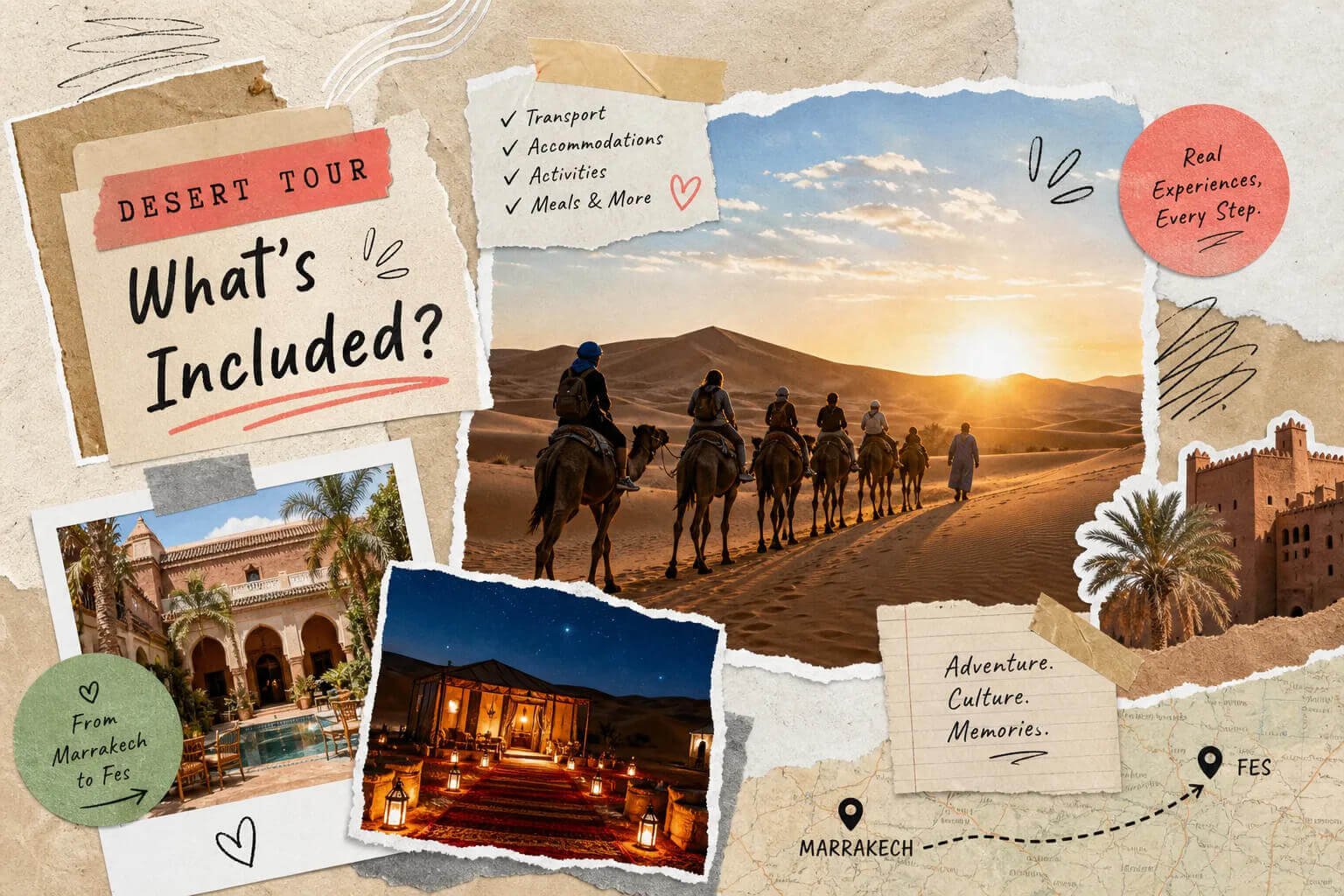
Uncover what a Marrakech to Fes desert tour offers, including camel rides, desert camps, and rich cu...
Read this article
Join our Merzouga Overnight Tour for an authentic desert experience. Enjoy camel rides, comfortable ...
Read this articleWant cool tour deals and tips about Morocco? Enter your email and we’ll send them to you each month!
