Group Tour Agencies in Morocco: How to Pick the Right One
Discover how to choose the perfect group tour agency in Morocco. Get tips on what to look for and ma...
Read this article

Suspendisse interdum consectetur libero id. Fermentum leo vel orci porta non. Euismod viverra nibh cras pulvinar suspen.
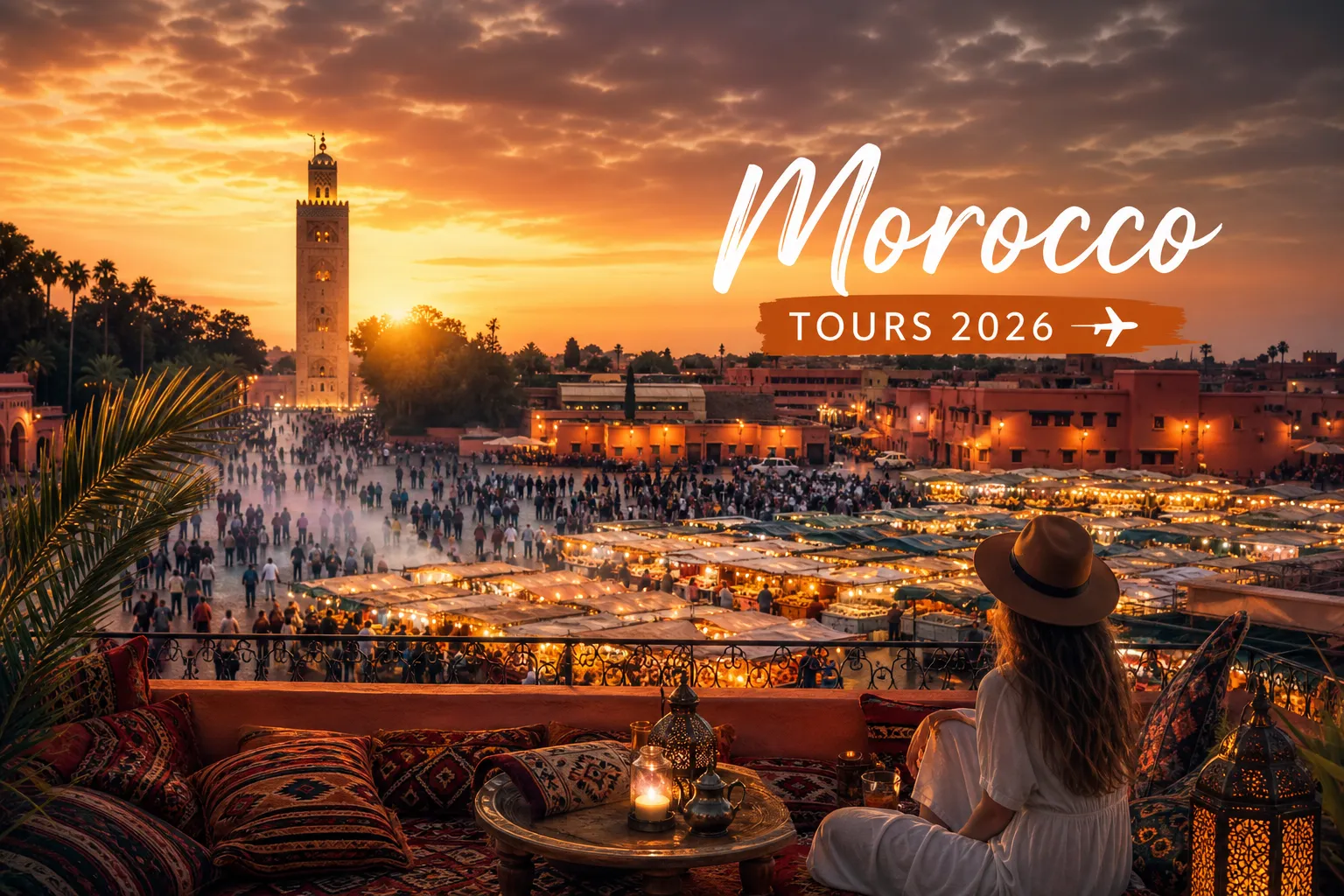
Morocco is one of the few countries US passport holders can visit without a visa, and that single fact changes the math on international travel completely. No embassy appointments, no paperwork, no waiting; you book a flight and show up. American travelers are taking notice: roughly 402,000 US visitors made the trip in 2025, a number that has been climbing steadily year over year, and 2026 is tracking higher still. If you've been asking yourself what the best Morocco tour package for travelers from the United States looks like, this guide walks you through every major decision so you can match the right trip to the experience you actually want.
The challenge isn't deciding whether to go. It's deciding how to go. Morocco tour packages range from budget coach tours that pack 30 strangers onto a bus to fully private, bespoke journeys built around your family's exact pace and interests. The difference in experience is enormous, and so is the price difference. This guide, written by the team at Morocco Classic Tours in Fez, breaks down every major decision so you can match the right package to the trip you actually want
Most US travelers are working with one to two weeks of vacation, so trip length is the first decision to lock in before you look at any itinerary. The good news is that Morocco rewards every duration. The question is what you're willing to leave out.
A 7-day itinerary typically focuses on two or three imperial cities, usually Marrakech, Fez, and a desert stop near Merzouga. It works well for travelers who want a tight, high-impact trip without rushing every single day. The tradeoff is real: a week means skipping the northern coast, Chefchaouen, and Atlantic towns like Essaouira. If you can only swing seven days, go. Just calibrate your expectations accordingly.
Ten days allows for a proper circuit: imperial cities, the Atlas Mountains, Sahara dunes, and at least one coastal stop. Most tour operators structure their flagship Morocco packages around this length because it's genuinely the right amount of time to see the country's highlights without the whole trip feeling like a race. It also works well logistically for US travelers, since two weekends naturally anchor the trip and you're only using eight workdays of PTO.
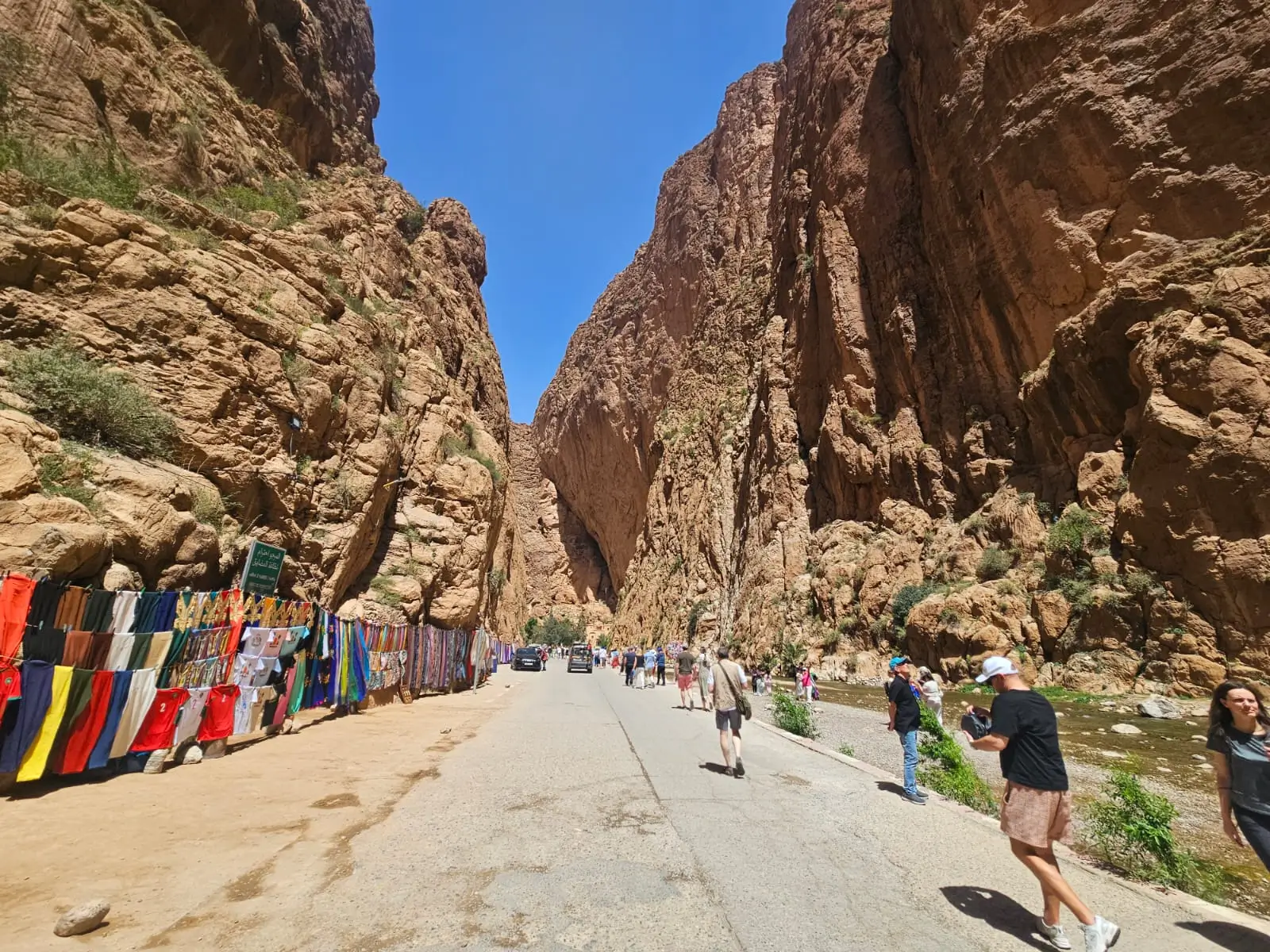
A two-week trip opens up Chefchaouen, Tangier, the Dades and Todra gorges, and Essaouira without any day feeling rushed. For bucket-list travelers, retirees, and anyone who knows they're only coming once, this is the right call. You'll see the full picture of a country that contains medieval medinas, Saharan dunes, cedar forests, and a surf-ready Atlantic coastline, often within a few hours' drive of each other.
Not all Morocco tour packages are built the same. Some operators cram in too many cities at a punishing pace; others skip the Sahara entirely to save on logistics costs. A well-designed itinerary has a logic to it, and knowing what earns its spot helps you identify the packages that are cutting corners.
These four cities form the backbone of any solid Morocco tour. Fez's medina is a UNESCO World Heritage Site and one of Morocco's oldest historic urban centers, where leather tanneries, mosques, and winding lanes have defined daily life for centuries. Marrakech delivers the energy of the souks and the calm of the riads. Rabat offers the grandeur of royal monuments like the Hassan Tower, while Casablanca pairs Art Deco architecture with the striking Hassan II Mosque on the Atlantic shore. Any package that skips two or more of these without a strong alternative is giving you less country than you paid for.
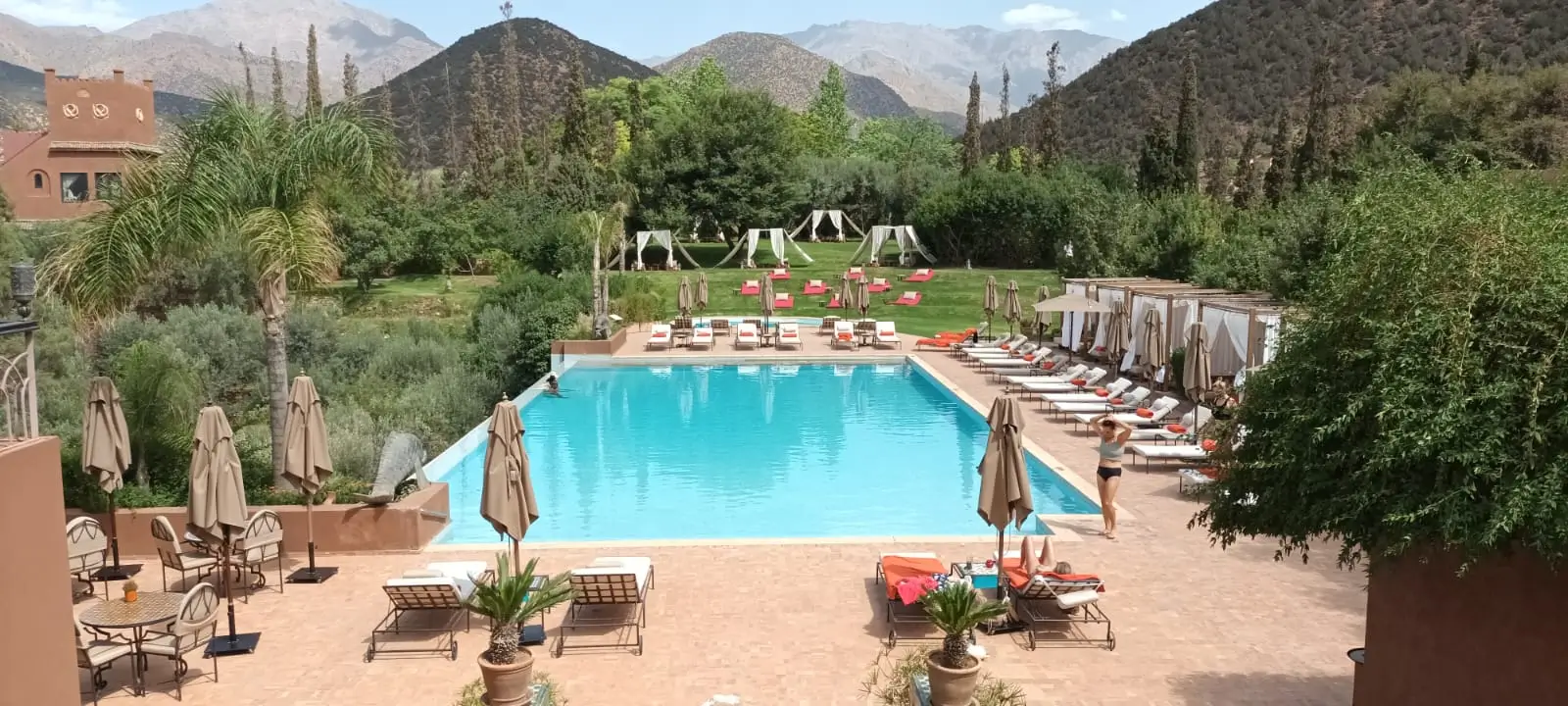
Many travelers consider an overnight in the Erg Chebbi dunes a highlight of the entire trip, and it's easy to understand why. Sleeping under the stars in a desert camp after a camel trek at sunset is the kind of experience people describe for the rest of their lives. Add the Todra Gorge, the Dades Valley, and the drive through the Atlas Mountains, and you have a landscape contrast that few Mediterranean destinations can match. Essaouira on the Atlantic coast rounds out the experience for travelers who want wind, surf, and a slower pace before heading home.
The type of tour you choose shapes the quality of your experience more than any individual destination. Most travelers spend surprisingly little time on this decision; here's how the three main tour formats compare on cost, flexibility, and experience quality.
Large coach tours, typically 20 to 40 people, are the most affordable entry point for US travelers considering Morocco vacation packages. They're often priced at $850 to $1,200 for a 7-day land package, which is genuinely accessible. The tradeoff is a rigid schedule, shopping stops that eat into sightseeing time, and a one-size-fits-all pace that rarely suits families, couples, or travelers with specific cultural or culinary interests. You'll see Morocco, but you'll see it on someone else's timeline.
Small-group tours, typically 4 to 12 people, hit a better balance: more guide attention, boutique accommodations, and fewer compromises on pacing. Expect to pay roughly $100 to $180 per person per day from reputable adventure operators. The catch is fixed departure dates and the real possibility of cancellation if minimum numbers aren't met, which can cause serious headaches if you've already booked flights.
A fully private tour of Morocco means a dedicated driver-guide, an itinerary built around your group's pace, and the ability to make real-time adjustments when something unexpected and wonderful happens. Per-person costs look higher on paper, but for couples, families, and small groups of friends, the math often lands close to small-group pricing once you split costs. The experience, though, isn't comparable. Private Morocco tour deals give you the country on your terms, and that matters especially for US travelers who've flown nine or ten hours to be there.
Pricing transparency is one of the first things US travelers look for, and it's where a lot of Morocco tour listings fall short. Here's a realistic breakdown of what to budget, both for the land package and the flights that bring you there.
Budget group tours: $850 to $1,500 for 7 to 10 days
Mid-range classic tours: $1,100 to $2,750 for 8 to 12 days
Premium escorted tours: $2,700 to $4,300 for 12 to 18 days
Luxury private packages: $3,000 to $7,500 or more, depending on group size and inclusions
Flights are the variable that catches most US travelers off guard when they're budgeting. Morocco is well-served from major US cities, with Royal Air Maroc and Air France both offering competitive routing through their hubs. Based on fares tracked in mid-2026, roundtrip airfare to Marrakech or Casablanca typically adds the following to your total cost:
New York: $450 to $900
Miami: $500 to $950
Chicago: $550 to $1,050
Los Angeles: $650 to $1,200
One thing worth knowing: flight costs don't change much between a 7-day and a 14-day trip, since you're booking the same routing regardless of how long you stay on the ground. Stretching your stay to 10 or 14 days adds almost nothing to your airfare while significantly improving the quality of the experience. That's a compelling reason to go longer if you're on the fence.
Morocco's entry policy for Americans is one of its most underrated selling points. There's very little friction between you and the country.
US passport holders don't need a visa to enter Morocco for stays up to 90 days, per U.S. State Department guidance. You need a valid passport with at least one blank page for the entry stamp. No vaccinations are mandatory unless you're arriving from a yellow fever endemic country. It's worth checking the latest entry requirements through the US State Department before departure, as guidance can update, but the 90-day visa-free policy has been stable and consistent for American travelers.
Moroccan border officials may ask for proof of return travel, an accommodation address for your first night, and some evidence of sufficient funds for your stay. None of this is complicated. Having your hotel confirmation and return flight itinerary either printed or easily accessible on your phone handles the whole conversation quickly. Most American travelers clear customs without any issues at all.
The operator you book with determines more about your trip than the itinerary on paper. A beautiful 10-day route run by an operator with poor on-the-ground logistics will frustrate you. A slightly simpler itinerary with an expert local team will delight you. The distinction is worth understanding before you book.
Look for operators with transparent USD pricing, flexible itinerary options, verifiable reviews from English-speaking travelers, and responsive pre-booking communication. Be cautious of operators who push fixed group departures as "private" tours, don't clearly list what's included versus excluded, or have no visible evidence of local guides on the ground. Several large international platforms like TourRadar aggregate Morocco tour deals from dozens of operators with varying quality levels, so reading individual operator reviews rather than platform-level ratings gives you a more accurate picture.
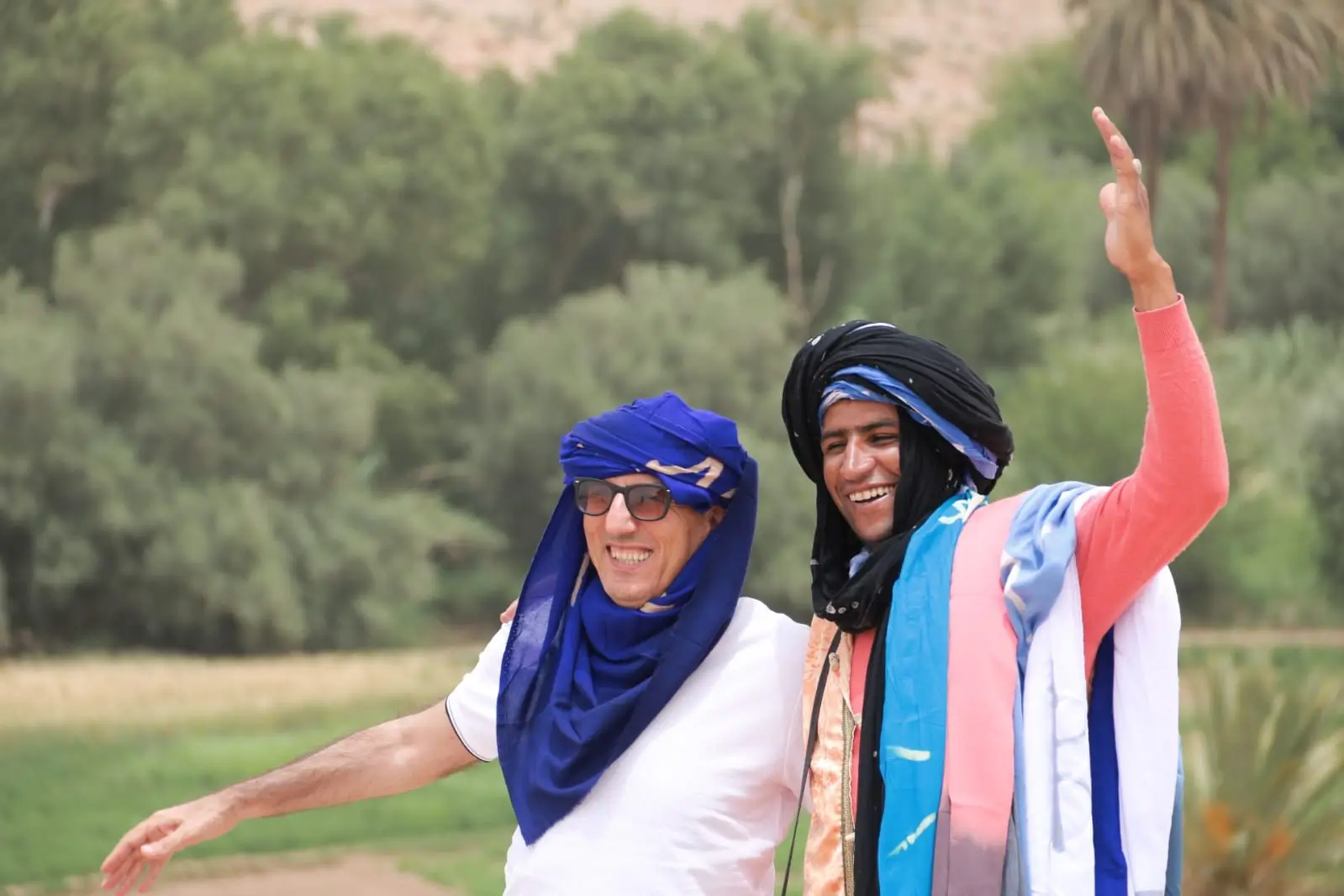
We're based in Fez with over a decade of experience designing private Morocco tour packages specifically for American travelers. Every itinerary is built around your group's schedule, interests, and budget rather than a fixed departure calendar. Overnight desert camps in Merzouga, medina food tours in Fez, and private transfers through the Atlas Mountains are standard inclusions. Cultural experiences that most group tours never access come built in; the itinerary adapts to you rather than the other way around. For travelers who've already decided Morocco is worth the flight, working with a team that lives and breathes the country from the inside out is the easiest upgrade you can make.
For American travelers planning a trip in 2026, Morocco stands out as one of the most accessible and rewarding international destinations available. Visa-free entry for up to 90 days, connections through major US gateways via established carriers, and an extraordinary range of experiences, from ancient medinas to Saharan dunes to Atlantic surf towns, all within a single itinerary. That combination is hard to beat.
The decisions that matter most are trip length, destination priorities, and tour type. Get those right, and the details fall into place. Get them wrong, and even a beautiful country can feel like a disappointment. Ten days, a private itinerary, and a locally based operator who understands American travelers' expectations: that combination consistently produces the trips people talk about for years.
Ready to start planning? Reach out to us at Morocco Classic Tours for a custom quote. Share your travel dates, your group size, and what kind of experience you're after, and we'll build an itinerary that fits- no rigid package to squeeze yourself into, just a trip designed around you in a country that's ready to deliver.
Discover how to choose the perfect group tour agency in Morocco. Get tips on what to look for and ma...
Read this article
Uncover what a Marrakech to Fes desert tour offers, including camel rides, desert camps, and rich cu...
Read this article
Join our Merzouga Overnight Tour for an authentic desert experience. Enjoy camel rides, comfortable ...
Read this articleWant cool tour deals and tips about Morocco? Enter your email and we’ll send them to you each month!