Group Tour Agencies in Morocco: How to Pick the Right One
Compare Morocco group tour agencies by trip style, reviews, pace, transport and inclusions. Learn wh...
Read this article

Private, custom Morocco trips planned in Fez by AZ-ZDDINE, working in Moroccan tourism since 2012. Sahara, Atlas, medinas and coast, arranged around you.
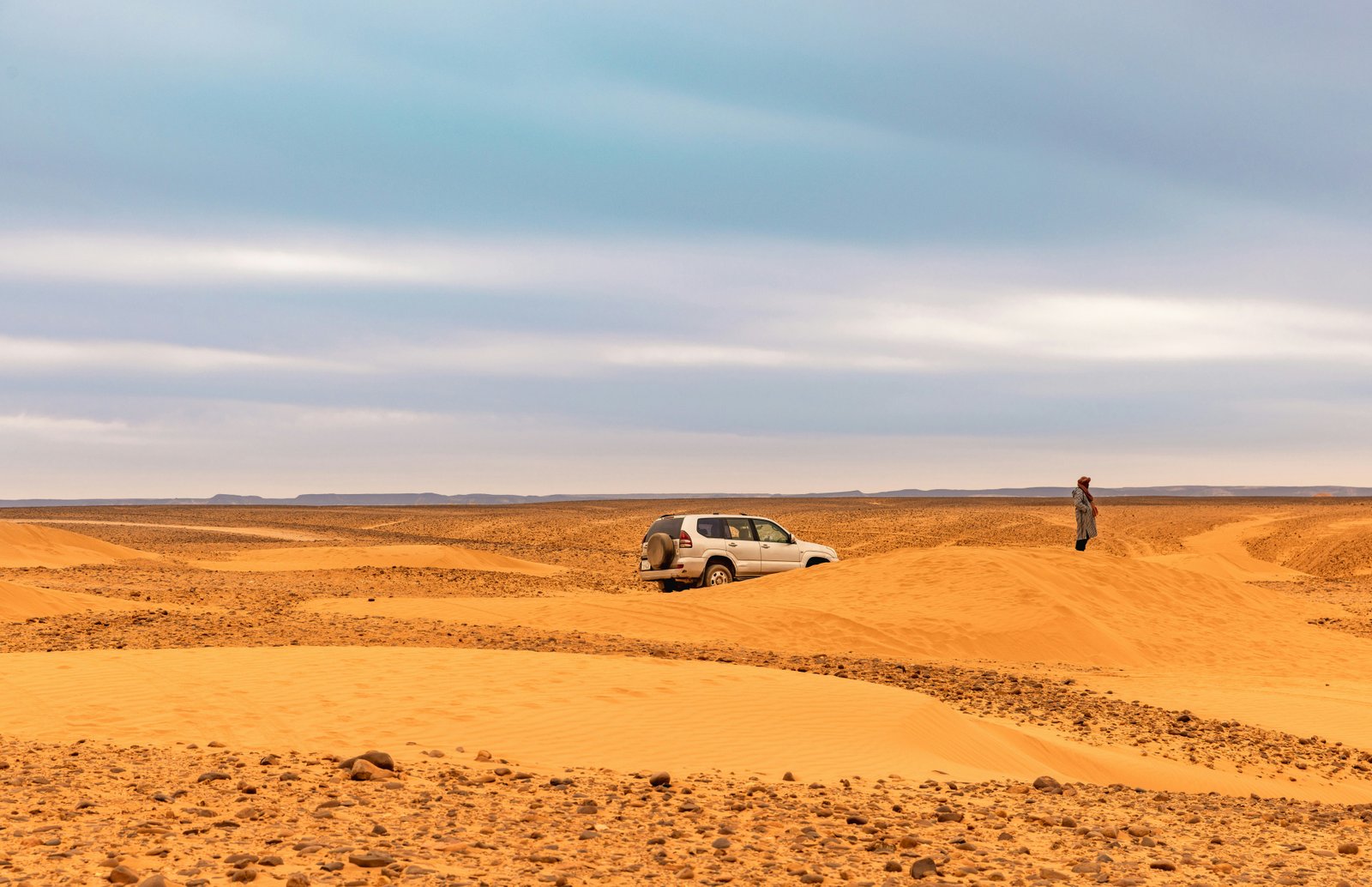
The allure of the Sahara Desert has captivated travelers for centuries, and a 3-day tour from Fes to Merzouga offers one of Morocco’s most accessible yet authentic desert adventures. This carefully crafted journey transforms a simple desert tour into an immersive cultural experience, taking you through diverse landscapes from the Middle Atlas mountains to the golden Erg Chebbi dunes, where you’ll ride camels at sunset and sleep under a starry sky. Travelers often begin their journey early in the morning from Fes. The driving distance from Fes to Merzouga is approximately 460 km (285 miles), making it a manageable yet rewarding journey.
Unlike rushed day trips, this comprehensive tour from Fes provides ample time to absorb Morocco’s stunning landscapes while experiencing genuine Berber culture in traditional villages. Tour itineraries often include stops in Ifrane and Midelt on the way to Merzouga, allowing travelers to explore these unique destinations. Ifrane is known as the 'Switzerland of Morocco' due to its alpine-style architecture and beautiful scenery. Whether you’re seeking adventure, cultural immersion, or simply the magic of spending a night in a luxury desert camp, this Sahara desert tour delivers an unforgettable journey that many describe as the highlight of their Morocco travels.
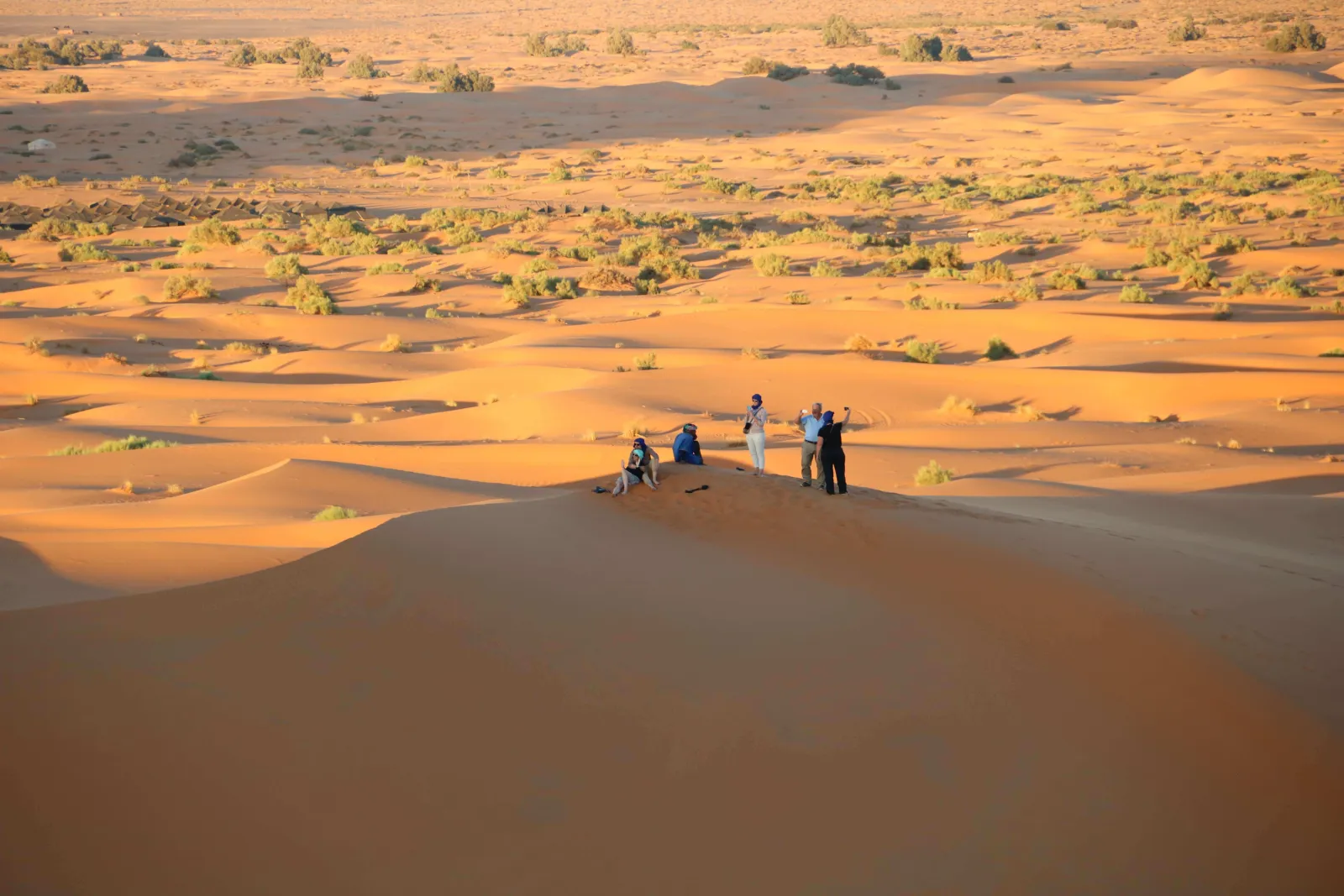
Morocco desert tours are the gateway to discovering the breathtaking beauty and cultural richness of North Africa. Embarking on a desert tour from Fes to Merzouga, travelers are treated to a journey through the Middle Atlas mountains, where lush forests and cool air give way to the dramatic landscapes of the Sahara Desert. Along the way, you’ll pass through traditional Berber villages, each offering a glimpse into centuries-old customs and daily life. The highlight for many is reaching the majestic Erg Chebbi dunes, where golden sands rise against the horizon and invite exploration by camel ride.
These tours are designed to showcase the best of Morocco’s natural wonders and heritage, with options ranging from adventurous treks to relaxing stays in luxury desert camps. Many itineraries include visits to UNESCO World Heritage sites like the iconic Kasbah Ait Ben Haddou, a fortress that has starred in various Hollywood movies and stands as a testament to Morocco’s architectural legacy. Whether you’re seeking the thrill of traversing the Atlas mountains, the serenity of the dunes, or the warmth of Berber hospitality, a tour from Fes to Merzouga promises an unforgettable adventure through the heart of Morocco.
This meticulously planned3-day desert adventure from Fes to Merzouga covers approximately 450km through some of Morocco’s most diverse and spectacular landscapes. The route traverses the Middle Atlas mountains, ancient cedar forests, palm-lined valleys, and culminates in the magnificent Sahara desert, offering travelers an authentic taste of North Africa’s natural and cultural treasures.
The experience centers around an authentic camel trek across the towering Erg Chebbi dunes, where golden sands rise up to 150 meters high and stretch as far as the eye can see. The standard camel ride typically lasts around 45 minutes to an hour, providing ample time to soak in the desert’s beauty. This isn’t merely a desert tour—it’s a carefully orchestrated journey that includes overnight stays in both a boutique guest house and a luxury camp, ensuring comfort while maintaining authenticity.
Key destinations along this Merzouga desert tour include the Swiss village of Ifrane, the cedar forests of Azrou where Barbary apes roam freely, the mining town of Midelt, the dramatic Ziz Valley with its thousands of date palm trees, and the spectacular Todra Gorges. The scenic Dades Valley is also a key stop, renowned for its breathtaking landscapes, traditional Kasbahs, and opportunities for sightseeing, photography, and experiencing local culture, such as visiting rose cooperatives. The valley of roses, known as Vallee Des Roses, is celebrated for its rose water and local cooperatives that produce it. Visitors can learn how rose-scented perfumes are made and witness the traditional process of creating distilled rose water at these cooperatives, gaining insight into the artisanal and cultural significance of these products. For those extending their journey towards Marrakech, the Tizi nTichka Pass is a scenic and culturally significant mountain pass through the High Atlas Mountains, often included as a highlight for its panoramic views, Berber villages, and photography stops. After passing through the Ouarzazate region, a scenic stop at Skoura Oasis offers a chance to explore lush date palms and traditional Berber villages, making it a notable highlight of the route. Ziz Valley is famous for its date palms and annual date festival, adding a cultural highlight to the journey. The tour also features a visit to Kasbah Ait Ben Haddou, a UNESCO World Heritage Site recognized for its outstanding cultural and historical significance. The tour operates as a round-trip experience, returning participants to Fes with memories of sunrise over the Sahara and deep insights into Berber culture.
What sets this tour apart from typical Marrakech desert tour options is its focus on the Middle Atlas region’s unique landscapes and the opportunity to experience many Berber villages that remain largely untouched by mass tourism. Most meals are included, two nights of accommodation are covered at carefully selected properties, and all major entrance fees are handled by your guide, ensuring a top-notch organization, accommodations, and guiding experience throughout the journey.
Your first night accommodation awaits at the Todra Gorges by 6:00 PM, where towering canyon walls rise 300 meters high and create a natural amphitheater. Todra Gorge is a must-see destination in Morocco, renowned for its dramatic scenery and popularity among travelers exploring the Atlas Mountains. The Todra Gorges feature dramatic cliffs that rise significantly above the river, making it a favorite spot for climbers and photographers alike. Dinner featuring traditional Moroccan cuisine is served at a local guest house, followed by an evening exploring the illuminated gorge under the starry sky.
After an early breakfast, the morning begins with a guided exploration of the Todra Gorges, where a gentle walk along the riverbank reveals the geological forces that carved these magnificent canyons over millennia. The morning light creates dramatic shadows on the red rock walls, providing exceptional photography opportunities.
The route to Merzouga includes visits to various Berber villages where traditional irrigation systems called khettarat continue to sustain agriculture in this arid region. These underground channels, some dating back over 1,000 years, demonstrate the ingenuity of local inhabitants in managing precious water resources. Interactions with villagers offer insights into daily lives that have remained largely unchanged for generations.
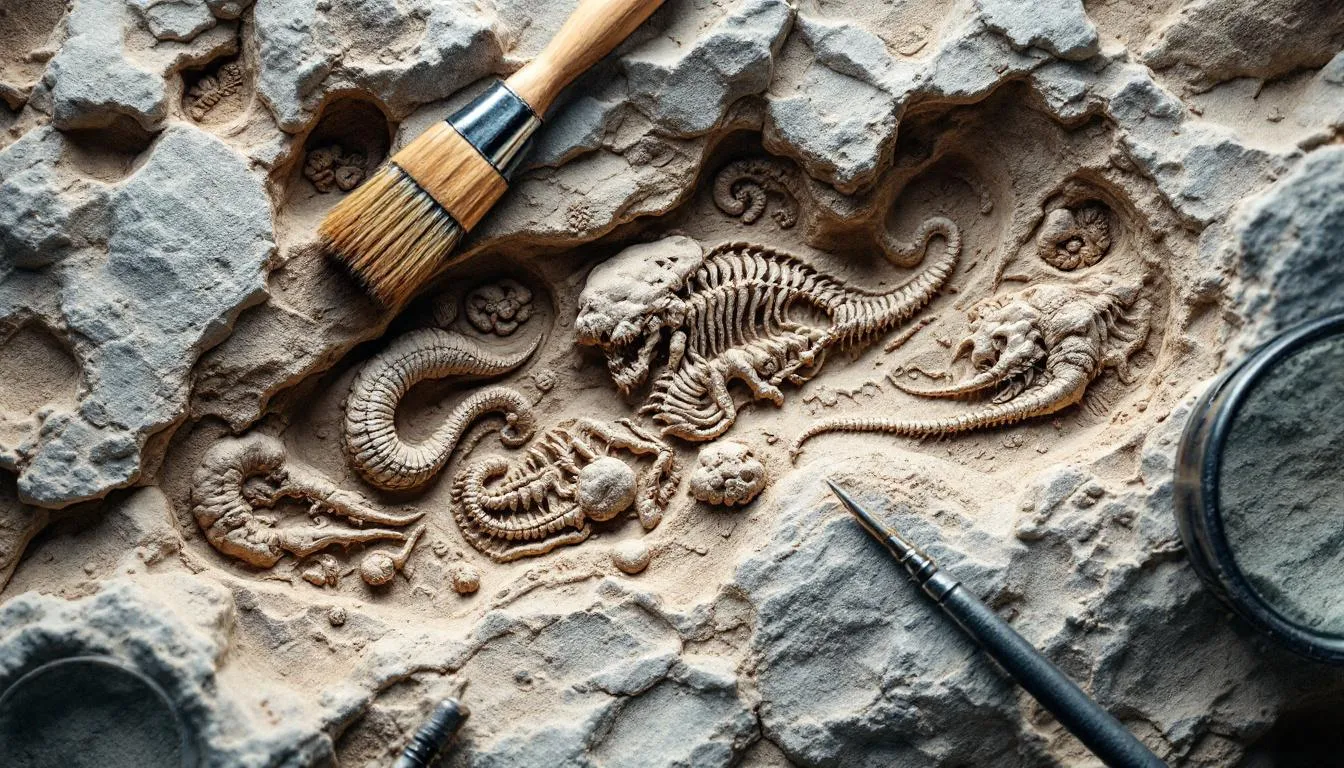
A stop in Erfoud showcases the region’s famous fossil industry, where Devonian-era marine fossils are extracted from local quarries and transformed into decorative objects. The town also serves as a major date market center, where you can sample various varieties of this desert staple while sipping traditional mint tea, a hallmark of Moroccan hospitality. Erfoud is also known for its fossilized marble workshops where decorative items are crafted, showcasing the town’s unique geological heritage.
The highlight of your journey begins in Merzouga village, where your camel guide prepares dromedaries for the 90-minute trek across Erg Chebbi’s golden dunes. Merzouga is known as the gateway to the Sahara Desert, offering a starting point for exploring its vast expanse. This sunset camel ride takes you deep into the Sahara Desert, where the shifting sands create an ever-changing landscape of waves and valleys. During the trek, you will have the opportunity to climb a high dune, providing panoramic views of the surrounding desert and an ideal spot for sunset photography. Desert exploration activities around Erg Chebbi dunes often include a 4x4 tour, offering an alternative way to experience the vastness of the desert. Optional adventure activities in Merzouga include sandboarding and quad biking, adding an extra thrill to your desert experience. The experience of riding these “ships of the desert” connects you to centuries of nomadic tradition.
Reaching the luxury desert camp as the sun sets over the dunes marks one of the tour’s most magical moments. The camp combines authentic Berber aesthetics with modern comfort, featuring spacious tents with private bathroom facilities, comfortable bedding, and traditional carpets. Luxury tents in desert camps often come equipped with private bathrooms and showers with running hot water, ensuring a comfortable stay. Most desert camps offer a traditional Moroccan dinner under a starlit sky, enhancing the experience of staying in the desert. Accommodation options in Merzouga include sleeping in a traditional desert camp with Moroccan dinner and local music, creating a memorable cultural experience. The evening’s traditional dinner is followed by live Gnawa music performed around a campfire, creating an authentic cultural experience under the brilliant starry sky of the Sahara.
The desert experience concludes with an optional early sunrise viewing at 6:30 AM, when the first light transforms the Erg Chebbi dunes into a palette of gold, orange, and red hues. This magical moment, whether witnessed on foot or during a brief sunrise camel ride, provides the perfect conclusion to your Sahara desert tour.
After a hearty traditional breakfast at the camp, you’ll return to Merzouga village to begin the journey back toward Fes. The route includes a fascinating stop at Rissani’s weekly market, where traditional trading practices continue much as they have for centuries. Rissani is the ancient capital of the Tafilalet region, featuring a traditional souk that is particularly lively on Tuesdays, Thursdays, and Sundays. This ancient commercial center was once the starting point for trans-Saharan caravan routes connecting Morocco to Timbuktu and beyond.
Erfoud’s fossil exhibition centers provide another opportunity to understand the region’s geological significance, with displays explaining how this now-arid landscape was once covered by vast seas teeming with marine life. Local artisans demonstrate traditional techniques for extracting and polishing fossils that are now prized by collectors worldwide. Desert camps may provide Wi-Fi access in communal areas, though the signal strength may be limited due to the remote location, allowing visitors to stay connected while enjoying the unique desert environment.
The lunch stop in Midelt allows time to explore the town center and local markets, where you can purchase regional specialties or simply observe the intersection of Atlas mountain and Saharan cultures. The afternoon return journey through the Middle Atlas mountains offers a final opportunity to appreciate Morocco’s dramatic topographical diversity.
A brief final stop in Azrou provides one last chance to purchase souvenirs or enjoy refreshing mint tea before the final stretch to Fes. The return journey to Fes includes scenic views of the changing landscapes of the Atlas Mountains and the Cedar Forest. Your tour concludes with a drop-off at your accommodation by approximately 7:00 PM, completing a journey that spans multiple climate zones, cultural regions, and unforgettable experiences.
The centerpiece of any Merzouga desert tour remains the 90-minute camel trekking experience across the golden Erg Chebbi dunes at sunset. This isn’t simply transportation—it’s a meditative journey that connects participants to millennia of nomadic tradition. As your caravan moves across the shifting sands, the rhythmic gait of the camels and the vast silence of the desert create a profound sense of timelessness.
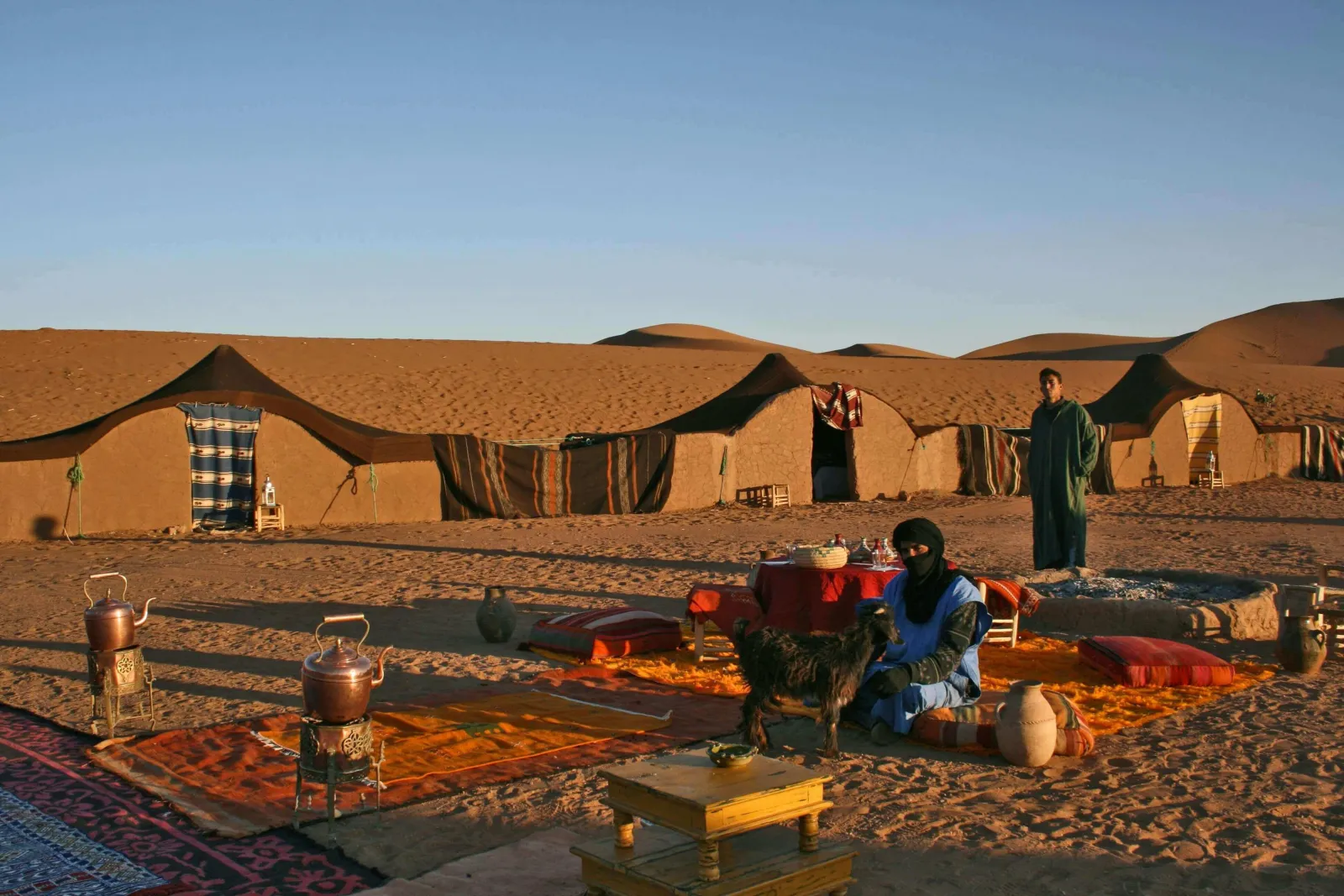
The overnight stay in an authentic luxury desert camp represents the perfect balance between comfort and cultural immersion. Unlike basic camping, these carefully designed facilities feature private bathroom amenities while maintaining traditional Berber architectural elements. Some desert camps are equipped with electricity outlets for charging electronic devices, including USB ports, adding convenience for modern travelers. Accommodations in the desert vary, with options ranging from luxury tents to guesthouses in nearby towns, catering to different preferences and budgets. Evening entertainment includes live performances of traditional music, often featuring Gnawa rhythms that originated with Sub-Saharan communities and now form an integral part of Moroccan cultural heritage. Gnawa music is culturally significant in the Merzouga region, often performed by descendants of African slaves.
Spectacular sunrise viewing over the Sahara Desert provides photography opportunities that capture the desert’s ever-changing moods. The interplay of light and shadow across the dunes creates a natural art gallery where each moment offers a unique composition. Many travelers describe this experience as spiritually transformative, particularly when combined with the profound silence and vast scale of the landscape.
Wildlife spotting opportunities include observing Barbary apes in their natural habitat within the Azrou cedar forest. These endangered primates, found only in Morocco and Gibraltar, represent an important conservation success story. The cedar forests near Azrou are home to Barbary macaque monkeys, offering visitors a chance to see these fascinating creatures up close. Responsible wildlife viewing supports local communities while contributing to ongoing protection efforts.
Cultural immersion in traditional Berber villages reveals lifestyle aspects that have remained largely unchanged for generations. Visitors learn about traditional irrigation techniques, observe local crafts, and gain insights into how communities adapt to harsh desert conditions. These encounters provide authentic cultural exchange rather than staged tourist performances.
The scenic drives through diverse landscapes—from snow-capped Atlas peaks to vast palm groves to endless desert horizons—offer a condensed journey through Morocco’s incredible geographical diversity. Each region presents distinct architectural styles, agricultural practices, and cultural traditions that reflect adaptation to unique environmental conditions.
The Erg Chebbi dunes are the crown jewel of any Morocco desert tour, offering a landscape of towering golden sands that seem to stretch endlessly into the horizon. One of the most magical ways to experience this wonder is with a sunset camel ride, where the gentle sway of your camel and the shifting colors of the dunes create a truly unforgettable moment. The camel ride takes about 1 hour and 20 minutes, including a pause atop a high dune—perfect for capturing panoramic views and soaking in the silence of the Sahara.
As the sun dips below the horizon, the dunes are bathed in hues of pink and orange, and the desert comes alive with a sense of tranquility. After your ride, you’ll arrive at a luxury desert camp nestled among the dunes, where you can unwind with a glass of mint tea and enjoy the rhythms of traditional Berber music under a starry sky. The Erg Chebbi dunes experience is more than just a highlight of your desert tour—it’s a memory that will stay with you long after you leave Morocco.
Staying in a luxury camp near the Erg Chebbi dunes is the ultimate way to experience the Sahara Desert in comfort and style. These camps blend traditional Berber design with modern amenities, offering spacious tents equipped with private bathrooms and electricity outlets for charging your devices. The luxury camp’s location provides breathtaking views of the dunes, allowing you to step out of your tent and straight into the heart of the desert.
Guests can enjoy a range of comforts, from plush bedding to delicious meals prepared with local ingredients. After a day of adventure, relax in the camp’s communal areas, share stories with fellow travelers, or simply gaze at the endless stars above. Whether you’re seeking adventure or relaxation, a luxury camp in the Sahara Desert offers an unforgettable blend of authenticity and indulgence, making your stay in Morocco truly special.
Desert camps are more than just a place to sleep—they’re vibrant hubs of activity and cultural exchange. During your stay, you can take part in a variety of experiences designed to immerse you in the spirit of the Sahara. Camel trekking across the dunes is a must, but many camps also offer sandboarding for those seeking a bit of adrenaline. In the evenings, gather around the campfire for traditional Berber music and dance performances, where the rhythms and melodies of the desert come to life.
For those interested in local cuisine, cooking classes provide a hands-on opportunity to learn how to prepare classic Berber dishes like tagine and couscous. Or, simply unwind in the camp’s communal spaces, enjoying the peace of the desert. With so many activities to choose from, a stay at a desert camp is the perfect way to relax, connect, and create lasting memories during your Morocco desert tour.
Morocco’s desert landscape is a breathtaking tapestry woven from the dramatic contours of the Atlas Mountains and the endless sands of the Sahara Desert. As your tour from Fes to Merzouga unfolds, you’ll traverse the Middle Atlas mountains, where lush cedar forests provide a cool, green contrast to the arid expanses ahead. These ancient woodlands are home to the playful Barbary apes, a rare sight in North Africa, and offer a glimpse into the region’s rich biodiversity.
Descending from the mountains, the scenery shifts to the fertile Ziz Valley, where palm groves stretch along the riverbanks and traditional Berber villages nestle among the hills. The valley’s date palms and centuries-old irrigation systems are a testament to the ingenuity of local inhabitants, who have thrived in this challenging environment for generations.
The highlight of the desert tour is the approach to the Erg Chebbi dunes, a natural wonder of the Sahara Desert. These towering dunes, sculpted by the wind into ever-changing shapes, can reach heights of up to 250 meters and glow with golden hues at sunrise and sunset. The interplay of light and shadow across the sand creates a mesmerizing spectacle, especially as the sun dips below the horizon and the sky is set ablaze with color. This journey through Morocco’s diverse landscapes—from the cool heights of the Middle Atlas to the vast, silent beauty of the Sahara—offers a profound connection to the land and its people, making every moment of the tour unforgettable.
The cedar forest of the Middle Atlas is a serene and enchanting stop on your Morocco desert tour, offering a refreshing contrast to the arid landscapes of the Sahara. These ancient woodlands are home to a variety of wildlife, most notably the playful Barbary apes, which can often be seen le
A journey through the Sahara is as much a culinary adventure as it is a visual one. Throughout your desert tour, you’ll be treated to the authentic flavors of traditional Moroccan cuisine, lovingly prepared with local ingredients by skilled chefs. Each day begins with a hearty breakfast, often enjoyed in a boutique guest house or under the open sky at the desert camp, setting the tone for a day of exploration.
Lunches and dinners are a celebration of Morocco’s rich culinary heritage, featuring dishes like fragrant tagines, fluffy couscous, and freshly baked bread. The ritual of sharing mint tea—a symbol of Moroccan hospitality—brings travelers and hosts together, offering a moment of warmth and connection in the heart of the desert.
As evening falls, the luxury desert camp comes alive with the sounds of Berber music and the aroma of spices wafting from the camp kitchen. Guests gather around the campfire to enjoy a traditional dinner, accompanied by local drinks and snacks, while stories and laughter are shared beneath the starry sky. Whether dining in a boutique guest house or savoring a meal in the dunes, the food and drinks on this tour are an essential part of the immersive desert experience.
Your safety and comfort are top priorities throughout the desert tour. Each journey is led by experienced guides and drivers who are intimately familiar with the desert landscape and its unique challenges. Vehicles are equipped with essential safety equipment, including seatbelts and first aid kits, ensuring peace of mind as you travel across varied terrain.
Guests receive practical advice on sun protection, hydration, and how to stay comfortable in the desert climate. Ample water is provided, and rest stops are planned to prevent fatigue and dehydration. The luxury desert camp is designed with guest well-being in mind, offering amenities such as electricity outlets for charging devices and comfortable accommodation to ensure a restful night after a day of adventure.
By following the guidance of your tour leaders and taking simple precautions—like wearing sun hats, applying sunscreen, and drinking plenty of water—you can fully enjoy the magic of the Sahara Desert with confidence and ease.
Your comprehensive tour package includes transportation in a private, air-conditioned vehicle with a professional driver who also serves as your cultural guide throughout the journey. The vehicle is equipped with modern amenities, including electricity outlets for device charging and comfortable seating designed for long-distance travel across varied terrain.
Accommodation covers two nights' accommodation in carefully selected properties that balance comfort with authentic character. The first night features a boutique guest house near Todra Gorges, chosen for its traditional architecture and stunning location. The second night’s luxury camp in the Merzouga desert provides an authentic Berber camping experience enhanced with modern comfort features, including private bathrooms and quality bedding. Guesthouses often provide rooms with air conditioning or heating, accommodating temperature changes in Morocco and ensuring a comfortable stay regardless of the season.
Most meals during the tour are included, specifically all dinners and breakfasts prepared with fresh, local ingredients. Dinners feature traditional Moroccan cuisine, including tagines, couscous, and seasonal specialties, while breakfasts provide both Moroccan and international options to fuel your days of exploration. The included meals allow you to experience authentic flavors without worrying about finding suitable restaurants in remote areas.
The camel trekking experience includes both sunset and sunrise viewing opportunities, with professional camel guides who ensure safety while sharing knowledge about traditional nomadic life. The 90-minute trek provides sufficient time to appreciate the desert’s vastness while being accessible to participants of varying fitness levels.
Traditional Berber music entertainment at the desert camp features live performances by local musicians, often specializing in Gnawa music that reflects Morocco’s rich multicultural heritage. These performances provide authentic cultural experiences rather than tourist-oriented shows, creating opportunities for meaningful cultural exchange.
Hotel pickup and drop-off services operate throughout Fes medina and new city areas, ensuring convenient access regardless of your accommodation location. The professional drivers are familiar with the narrow medina streets and can navigate efficiently to collect and return guests safely.
Lunch meals during travel days are not included, providing flexibility to choose from local restaurants that match your preferences and budget. Typical lunch costs range from 10-15 EUR per meal, and your guide will recommend authentic local establishments that offer good value and quality. This arrangement allows for spontaneous discoveries of regional specialties while maintaining tour schedule flexibility.
Personal drinks and beverages throughout the tour are additional expenses, including bottled water, soft drinks, and alcoholic beverages where available. Most accommodations and restaurants offer reasonably priced beverages, and purchasing bottled water is recommended for health and convenience during desert portions of the journey.
Tips for your driver, guide, and camp staff represent optional but appreciated gestures that recognize excellent service. While not mandatory, gratuities reflect satisfaction with service quality and provide important income supplements for tourism workers. Recommended amounts vary based on service quality and group size, with your guide available to guide local customs.
Personal expenses, including souvenirs, additional activities, and shopping purchases, remain individual responsibilities. Morocco offers exceptional handicrafts, textiles, and unique items, particularly in markets along the route. Your guide can recommend reputable shops and help with price negotiations when appropriate.
Travel insurance coverage is strongly recommended for all participants, but not included in tour packages. Insurance should cover medical emergencies, trip interruption, and evacuation coverage, particularly important given the remote desert locations and mountain terrain covered during the journey.
The tour operates year-round, though seasonal considerations significantly impact the experience and required preparation. Winter months from December through February require warm clothing for desert nights when temperatures can drop near freezing, while summer months from June through August feature extreme daytime heat that can exceed 45°C in the desert. Spring (March-May) and autumn (September-November) provide optimal weather conditions with comfortable temperatures and minimal precipitation risk.
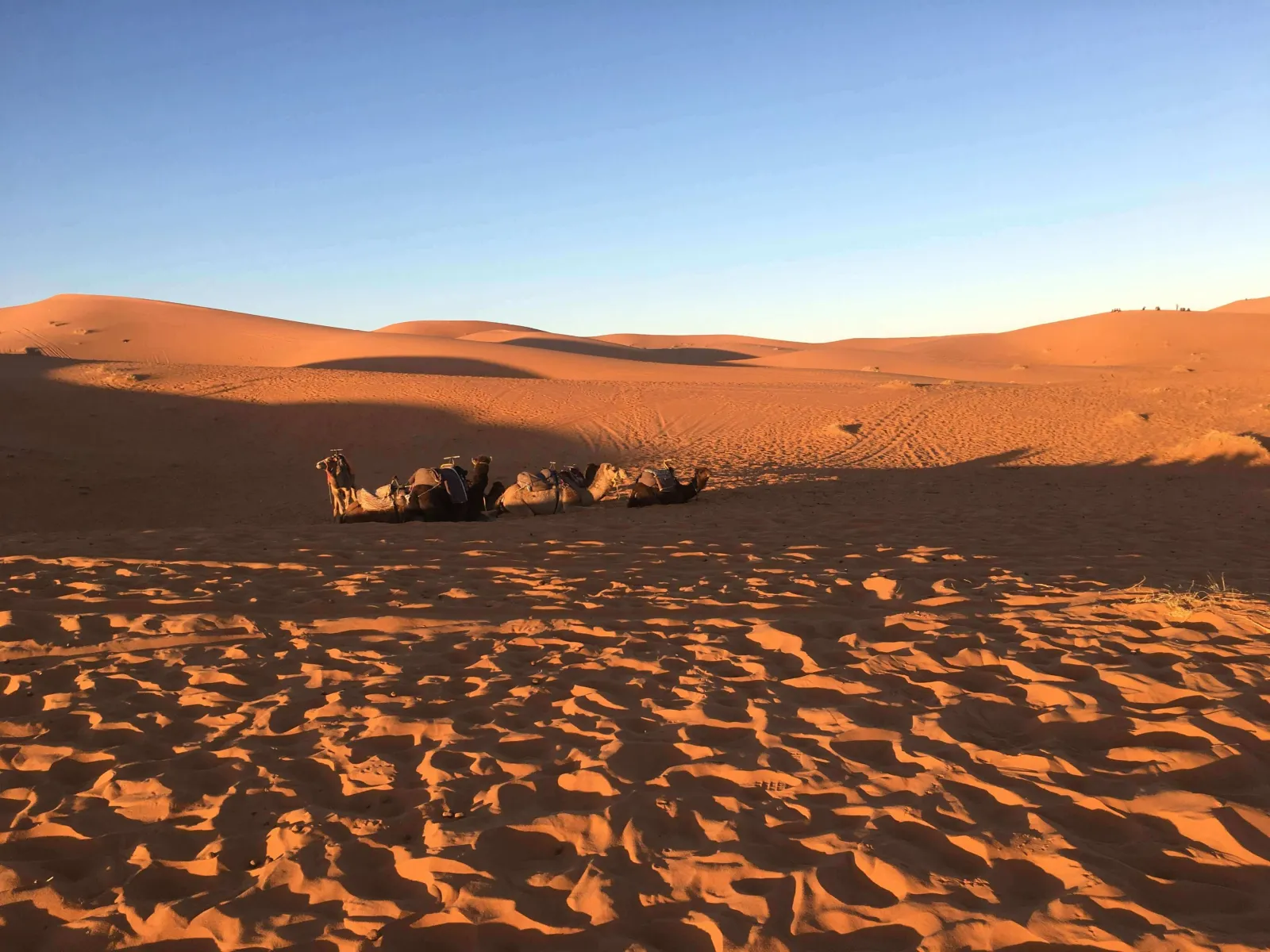
The total driving distance covers approximately 900km with comfortable rest stops strategically placed to minimize fatigue while maximizing sightseeing opportunities. Modern, well-maintained vehicles ensure safe travel across varied terrain, including mountain passes, valley roads, and desert tracks. The journey from Fes to Merzouga and back includes long drives through the Middle Atlas Mountains and offers opportunities for scenic photo stops. Professional drivers familiar with local conditions handle all navigation and vehicle maintenance concerns.
Physical activity requirements remain moderate throughout the tour, making it suitable for participants of most ages and fitness levels. The camel trekking experience requires the ability to mount and dismount camels with assistance, while walking portions involve gentle terrain suitable for standard mobility levels. Participants with specific mobility concerns should discuss requirements with tour operators to ensure appropriate accommodations.
Group sizes typically range from 2-15 people for shared tours, creating intimate experiences that allow for personalized attention from guides while maintaining cost efficiency. Private tour options accommodate smaller groups seeking maximum flexibility in scheduling and itinerary customization, including opportunities to explore additional sites or spend extended time at preferred locations.
Alternative routes become necessary during winter months when mountain passes may be blocked by snow, particularly the higher elevations of the Middle Atlas. Experienced operators maintain contingency plans that ensure tour completion while prioritizing participant safety. These alternative routes often provide unique perspectives on different regions while maintaining core desert experience elements.
Essential packing recommendations include sunscreen with high SPF protection, wide-brimmed hats for sun protection, comfortable walking shoes suitable for sandy and rocky terrain, and layered clothing for dramatic temperature variations between day and night. Desert nights can be surprisingly cold even during summer months, making warm clothing essential for camp comfort.
The infrastructure supporting tourism in this region has developed significantly over recent decades, with improved road conditions, reliable accommodation standards, and established safety protocols. Medical facilities are available in larger towns along the route, though serious emergencies may require evacuation to major cities like Fes or Errachidia.
This comprehensive 3-day tour from Fes to Merzouga represents more than simple desert tourism—it’s an immersive journey through Morocco’s cultural and natural diversity that creates lasting memories while supporting local communities. From the moment you ride camels across Erg Chebbi’s golden dunes to the final sunset over the Atlas mountains, every element combines to create an authentic Sahara desert tour experience that captures the magic of Morocco’s most iconic landscape.
The transformation from bustling Fes medina to silent desert vastness provides perspective on Morocco’s incredible diversity, while interactions with Berber communities offer insights into traditions that have sustained life in challenging environments for centuries. Whether seeking adventure, cultural enrichment, or simply the profound peace of the Sahara Desert, this tour delivers experiences that resonate long after returning home.
What is the best time to visit the Sahara Desert?
The most pleasant times for a desert tour are from March to May and September to November, when the weather in the Sahara Desert is mild and comfortable for outdoor activities.
What should I wear on the desert tour?
It’s best to dress in light, breathable layers, with a wide-brimmed hat, sunglasses, and sunscreen for sun protection. Sturdy shoes or boots are recommended for walking on the dunes and exploring Berber villages.
Can I bring my own food and drinks on the tour?
While you’re welcome to bring personal snacks or drinks, the tour includes most meals—breakfast, lunch, and dinner—featuring delicious local cuisine and drinks like mint tea. Sampling the food and drinks provided is a highlight of the experience.
Are the desert camps comfortable and secure?
Absolutely. The luxury desert camps offer comfortable accommodation, fine dining, and modern amenities such as electricity outlets, ensuring a secure and relaxing stay in the heart of the Sahara.
Can I cancel or change my tour booking?
Yes, changes and cancellations are possible, but policies vary by operator. It’s recommended to review the cancellation policy before booking your desert tour to understand any potential fees or restrictions.
If you have more questions about your upcoming adventure in the Sahara Desert, our expert team will be happy to provide detailed information and support to ensure a smooth and memorable journey.
A visit to Kasbah Ait Ben Haddou is a true highlight of any desert tour, offering a captivating journey into Morocco’s storied past. This UNESCO World Heritage Site stands as one of the most iconic examples of traditional Berber villages, with its houses built from sun-dried earth and straw, designed to withstand the harsh desert climate. As you approach the kasbah, the landscape transforms into a scene straight out of various Hollywood movies—Ait Ben Haddou has famously appeared in films such as Gladiator and Game of Thrones, making it a must-see for cinema enthusiasts and history lovers alike.
Exploring the kasbah is like stepping back in time. Wander through narrow alleys, climb ancient stairways, and marvel at the intricate architecture that has sheltered generations of Berber families. The entrance fees are included in your tour package, so you can focus on soaking up the atmosphere and learning about the kasbah’s significance in Moroccan culture. As part of your Marrakech desert tour, the visit to Ait Ben Haddou offers a unique opportunity to witness the enduring legacy of traditional Berber villages and the artistry of houses built to harmonize with the desert environment. Whether you arrive by vehicle or enjoy a scenic camel ride nearby, this stop is a testament to Morocco’s rich heritage and the timeless beauty of the desert.
One of the most rewarding aspects of your desert tour is the chance to immerse yourself in the vibrant local culture and traditions of Morocco. Throughout your journey, you’ll have the opportunity to engage with local inhabitants in traditional Berber villages nestled among the Atlas Mountains. These encounters offer a genuine window into daily lives shaped by centuries-old customs, where hospitality and community are at the heart of Berber culture.
Sharing a glass of mint tea with your hosts is more than a simple refreshment—it’s a cherished ritual that symbolizes friendship and welcome. As evening falls, gather around a campfire beneath a starry sky to enjoy the soulful rhythms of Berber music, a tradition passed down through generations. The tour also includes visits to palm groves and lush date palms, which are vital to the region’s agriculture and way of life. With most meals included, you’ll savor authentic Moroccan cuisine while learning about the ingredients and techniques that define local cooking. The dramatic backdrop of the High Atlas mountains adds to the experience, creating unforgettable moments as you explore the landscapes and traditions that make Morocco so unique.
In summary, the desert tour from Fes to Merzouga is a once-in-a-lifetime adventure that seamlessly blends comfort, culture, and natural wonder. From the thrill of a camel ride across the golden dunes to the serenity of a luxury desert camp under the vast Sahara sky, every moment is designed to immerse you in the magic of Morocco. The journey through the Middle Atlas Mountains, the lush Ziz Valley, and the dramatic Todra Gorges reveals the country’s breathtaking diversity, while the visit to Kasbah Ait Ben Haddou offers a fascinating glimpse into its rich history.
As a tour from Fes, this experience is perfect for travelers seeking a comprehensive exploration of Morocco’s landscapes and traditions. With two nights' accommodation and most meals included, you can relax and focus on the adventure, knowing that every detail is taken care of. Encounters with Barbary apes in the cedar forest, strolls through ancient cedar forests, and evenings spent in the company of Berber hosts make this desert tour truly unforgettable. Whether you’re drawn by the allure of the mountains, the mystery of the desert, or the warmth of Moroccan hospitality, this journey promises memories that will last a lifetime.
Ready to embark on your Fes to Merzouga desert tour? Contact us today at [insert contact information] to reserve your spot or to learn more about our range of tour packages. Whether you’re interested in a luxury camp experience, a private tour, or a group adventure, we offer options to suit every traveler’s needs and preferences. Our boutique guest house and luxury camp accommodations ensure comfort and authenticity, with amenities like electricity outlets and breakfast included to make your stay as enjoyable as possible.
Our knowledgeable team is here to answer your questions and help you plan every detail of your Merzouga desert tour. Please note that personal expenses, such as lunches and drinks, are not included in the tour package. However, you’ll have plenty of opportunities to explore the daily lives of local inhabitants and enjoy the best of Morocco’s hospitality. Book your desert adventure today and discover the magic of the Sahara!
Before setting off on your desert tour, make sure you’re fully prepared for an unforgettable journey:
Pack comfortable clothing and sturdy shoes for your camel ride and walking excursions.
Bring sun protection essentials: a hat, sunglasses, and high-SPF sunscreen.
Don’t forget a power adapter for the electricity outlets at your accommodations.
Take a camera and a charger to capture the stunning sunset and desert landscapes.
Carry a water bottle or refillable container to stay hydrated throughout the tour.
Confirm your pick-up and drop-off arrangements with your tour operator.
Ensure you have travel insurance and emergency contact information on hand.
Show respect for local culture and traditions, including appropriate dress and customs.
Familiarize yourself with the High Atlas and Middle Atlas mountains for a deeper appreciation of the region.
Learn a bit about North Africa and Morocco to enrich your travel experience.
With these essentials in place, you’ll be ready to fully enjoy the wonders of the desert, the majesty of the Atlas Mountains, and the warmth of Moroccan hospitality on your unforgettable tour.
Compare Morocco group tour agencies by trip style, reviews, pace, transport and inclusions. Learn wh...
Read this article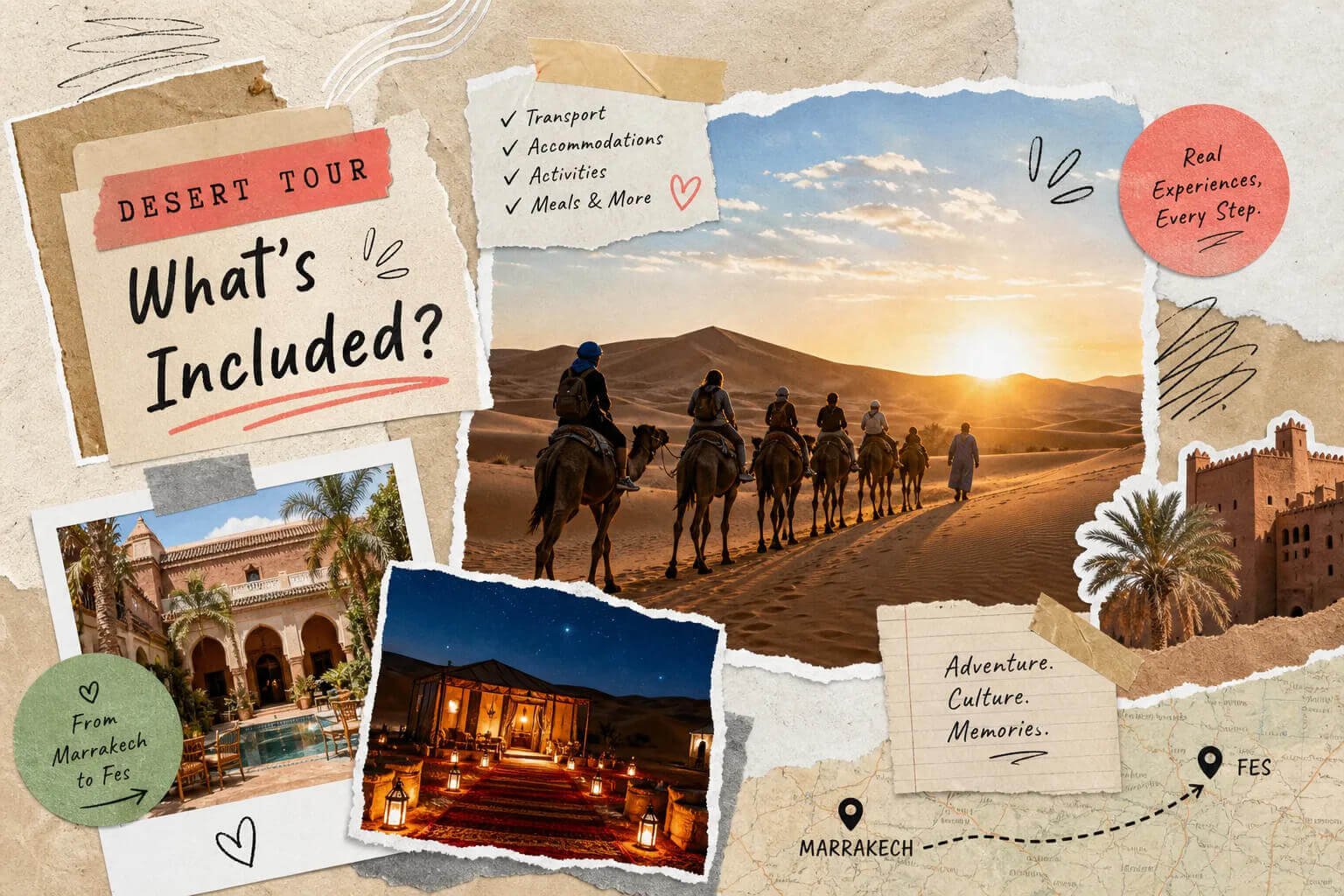
Uncover what a Marrakech to Fes desert tour offers, including camel rides, desert camps, and rich cu...
Read this article
Join our Merzouga Overnight Tour for an authentic desert experience. Enjoy camel rides, comfortable ...
Read this articleWant cool tour deals and tips about Morocco? Enter your email and we’ll send them to you each month!
