Group Tour Agencies in Morocco: How to Pick the Right One
Compare Morocco group tour agencies by trip style, reviews, pace, transport and inclusions. Learn wh...
Read this article

Private, custom Morocco trips planned in Fez by AZ-ZDDINE, working in Moroccan tourism since 2012. Sahara, Atlas, medinas and coast, arranged around you.
This guide is for travelers planning a trip to Morocco who want to understand when and where mosquitoes are most active, what health risks exist, and how to stay comfortable and safe during their visit. We cover the presence of mosquitoes in Morocco, their seasonality, the actual health risks they pose, and practical prevention tips. Whether you’re visiting Marrakech, Fez, the Sahara, or the coast, knowing what to expect can help you enjoy your trip with greater comfort and peace of mind. This topic matters because mosquito bites can affect your travel experience, sleep, and—though rarely—your health, so a little preparation goes a long way.
Yes, there are mosquitoes in Morocco, but for most people they are a minor nuisance rather than a major health concern.
Morocco is largely malaria-free, successfully eradicated malaria in 2005, and has no known local Zika transmission as of 2026, so the general public health risk from mosquito-borne diseases in Morocco is considered low.
Mosquito activity peaks during the hot and humid months from May to October in Morocco, especially near standing water, agricultural irrigation, gardens, pools, rivers, and cities.
Marrakech, Fez, Agadir, Tangier, Casablanca, Essaouira, the High Atlas, and the Sahara Desert all have different mosquito patterns, so your trip route matters.
Pregnant travelers and families can usually stay safe with insect repellent, light colored clothing, long pants, screened or air-conditioned rooms, and common sense travel planning.
Yes, there are mosquitoes in Morocco, but they are usually not “swarm-level” like in tropical rainforest countries. In popular cities such as Marrakech, Fez, Casablanca, Agadir, Tangier, Essaouira, and Sahara gateway towns, mosquito bites are most common in warmer months, especially at dusk, dawn, and overnight.
For most people, mosquitoes are an irritation rather than a serious health threat because Morocco has no endemic malaria and no known local Zika transmission. Morocco Classic Tours, a Fez-based travel operator, helps guests choose riads, hotels, and desert camps with good airflow, AC, screens, or nets so bites are less likely.
Below, you’ll find the month-by-month breakdown, city notes, health concerns, and practical tips on insect repellent, mosquito repellent, clothing, and how to stay safe.
What is 'mosquito season'?
Mosquito season refers to the times of year when mosquitoes are most active and likely to bite, typically during warmer and more humid months. In Morocco, this is usually from late spring through early autumn, especially in areas with standing water or lush vegetation.
Mosquitoes exist in Morocco, but they are generally a minor nuisance rather than a major health threat. The general public health risk from mosquito-borne diseases in Morocco is considered low.
Morocco’s climate changes sharply by region: Atlantic coast, red city Marrakech, the north, the High Atlas, rural areas, urban areas, and the desert all behave differently. Broadly speaking, mosquitoes surge during warm weather combined with agricultural irrigation, standing water, and humid micro-climates.
Month-by-Month Mosquito Activity in Morocco:
January: One of the cooler months. Bites are rare, though Casablanca and Tangier may see mosquitoes after rain.
February: Still quiet. Coastal gardens and sheltered courtyards may have a few mosquitoes after wet weather.
March: Early spring. As sunny days warm up, mosquitoes appear near riad fountains, gardens, rivers, and irrigation canals.
April: More activity, especially in Marrakech, Fez, inland valleys, and greener rural areas. Start carrying repellent.
May: Start of the main season. Use insect repellent regularly, especially for outdoor restaurants and rooftop terraces.
June: Warmer; mosquitoes are prevalent near bodies of water, agricultural fields, and in cities during warmer months.
July: Very hot inland. Midday heat reduces activity, but after the sun sets, bites can happen near pools and gardens.
August: Remains active at night, especially in humid hotels, oases, and irrigated zones. Coastal areas are often easier.
September: A peak travel month and a peak mosquito month, especially after late-summer rain.
October: Stays active in many regions. Repellent and long sleeves at dusk are advisable.
November: Cools down, but mild coastal cities and wet courtyards can still produce occasional bites.
December: Low season for mosquitoes. Winter months are not completely mosquito-free, but most travelers notice far fewer bites.
The best time to visit Morocco is during spring, from mid-March to May, and autumn, from September to November, when temperatures are mild and pleasant for outdoor activities. In summer, particularly from June to August, temperatures can soar, making coastal areas more favorable for travel to escape the heat. Winter in Morocco can be quite cold, especially in the High Atlas Mountains where snow can persist from November to July, making it a less favorable time for travel in those regions.
How bad are mosquitoes in Morocco? Usually manageable. The difference between a breezy beach town, a lush riad garden, an irrigated palm grove, and a dry dune camp can be huge.
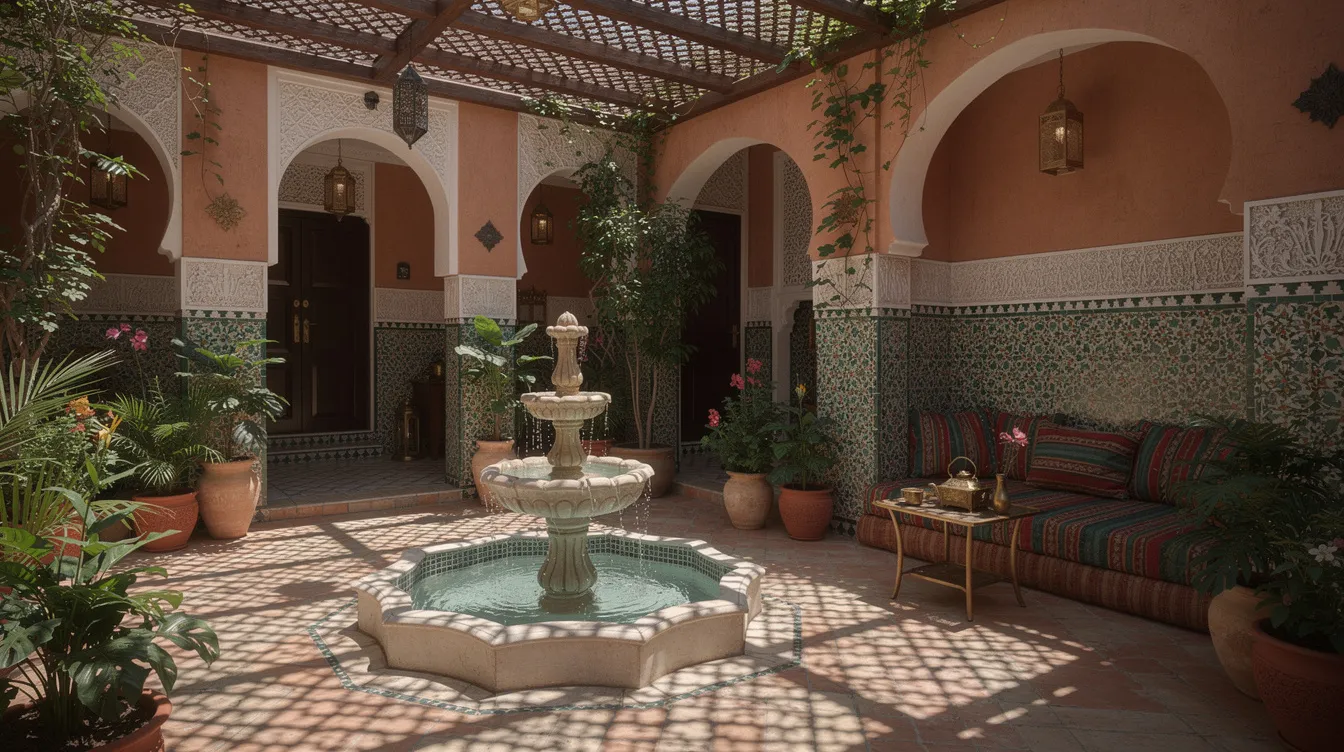
Marrakech: The semi-arid climate means mosquitoes are mostly a night issue. Mosquitoes in Marrakesh are prevalent from early September to late June, with their activity primarily occurring at night. The climate in Marrakesh, characterized by hot, dry summers and mild, wet winters, significantly influences mosquito breeding, as they thrive in wetter conditions, especially around riads with pools, fountains, and gardens.
Fez: Fez has greener surroundings and river valleys, so spring to autumn can bring more bites. Use repellent in the medina at night and in the countryside around Fez.
Casablanca & Rabat: These Atlantic cities have moderate mosquito activity in summer and after rain. The Asian tiger mosquito, Aedes albopictus, has been detected in urban areas like Rabat.
Agadir: Are there mosquitoes in Morocco Agadir? Yes, especially from May to October around irrigated hotel gardens and pools, but sea breeze often keeps numbers manageable.
Tangier & northern coast: Are there mosquitoes in Morocco Tangier? Yes. Atlantic and Mediterranean humidity plus higher rainfall create breeding sites, especially in spring and late summer evenings.
Essaouira: Are there mosquitoes in Morocco Essaouira? Yes, but usually fewer. The wind helps, though sheltered riads and rainy spells can still bring bites.
Sahara Desert & oases: Are there mosquitoes in Morocco Sahara desert? In open dunes, they are rare. Around Merzouga, Erg Chebbi, Zagora, the Draa Valley, palm oases, irrigation channels, and lakes after rare rains, mosquitoes can appear.
Atlas Mountains: The High Atlas and Middle Atlas are cooler, with flowing streams. Mosquitoes can appear near rivers and lakes from late May to September, but chilly nights often reduce bites.
Coastal and wetland areas of Morocco have a higher prevalence of mosquito species such as Aedes detritus and Anopheles labranchiae. If you are very sensitive, Morocco Classic Tours can plan more time in breezy Essaouira, Agadir, the mountains, or the open desert.
As of 2026, Morocco is considered malaria-free for routine travelers, and most people visiting only Morocco do not need antimalarial medication. The World Health Organization certified Morocco malaria-free in 2010 after local transmission was eliminated.
Malaria: Morocco successfully eradicated malaria in 2005, and there is no endemic malaria in Marrakech, Fez, Casablanca, Agadir, or Sahara tourist areas. Is there a risk of Malaria in Morocco? For normal tourist itineraries, the risk is extremely low.
Zika: Is there malaria or Zika in Morocco? There is no known local Zika transmission in Morocco. The CDC Zika destination guidance does not list Morocco as a Zika-risk country as of 2026.
Dengue & West Nile: Dengue fever is not a primary concern for typical tourists, though travelers should ask a doctor about dengue fever and other regional health precautions. While there is a minor risk of the West Nile virus, cases are infrequent, making Marrakesh not a hotspot for mosquito-borne diseases.
Pregnancy: Is it safe to travel to Morocco while pregnant? In terms of Zika and malaria, Morocco is generally considered safe, but pregnant women should consult their doctor or midwife before travel and still avoid bites.
Bite reactions: Some travelers get large local swelling from mosquito bites. Pack antihistamines and soothing cream.
Medical planning: Travelers to Morocco are advised to consult their doctor or a local travel clinic before their trip to discuss necessary vaccinations and health precautions, including the risks of parasitic infections and dengue fever. Ask for vaccine advice early.
Other basics: Tap water is not safe for travelers to drink in Morocco and should be avoided; use bottled water instead. Stray dogs and cats are common in Moroccan cities, and rabies is present, necessitating caution around these animals.
Travelers should also ensure they have adequate supplies of any prescription medications for the duration of their stay in Morocco, as well as insect repellent and sunscreen to protect against sun exposure and insect bites.
What bugs bite in Morocco? Mosquitoes are the main topic, but travelers occasionally meet other insects, especially outdoors, near water, or in rural areas.
Sandflies: Tiny and irritating, often near rivers, oases, and moist soil. The same repellent used for mosquitoes helps.
Midges and gnats: Common around lakes, wetlands, and humid coastal spots at dusk. Usually annoying rather than dangerous.
Fleas: Flea bites can occur where stray animals gather. Avoid petting stray cats and dogs, even if locals seem relaxed around them.
Bed bugs: Quality hotels, riads, and Morocco Classic Tours’ vetted desert camps rarely have bed bugs, but budget hostels and unvetted lodgings should be checked.
Overall, bugs in Morocco are manageable with closed-toe shoes, repellent, and reputable accommodation.
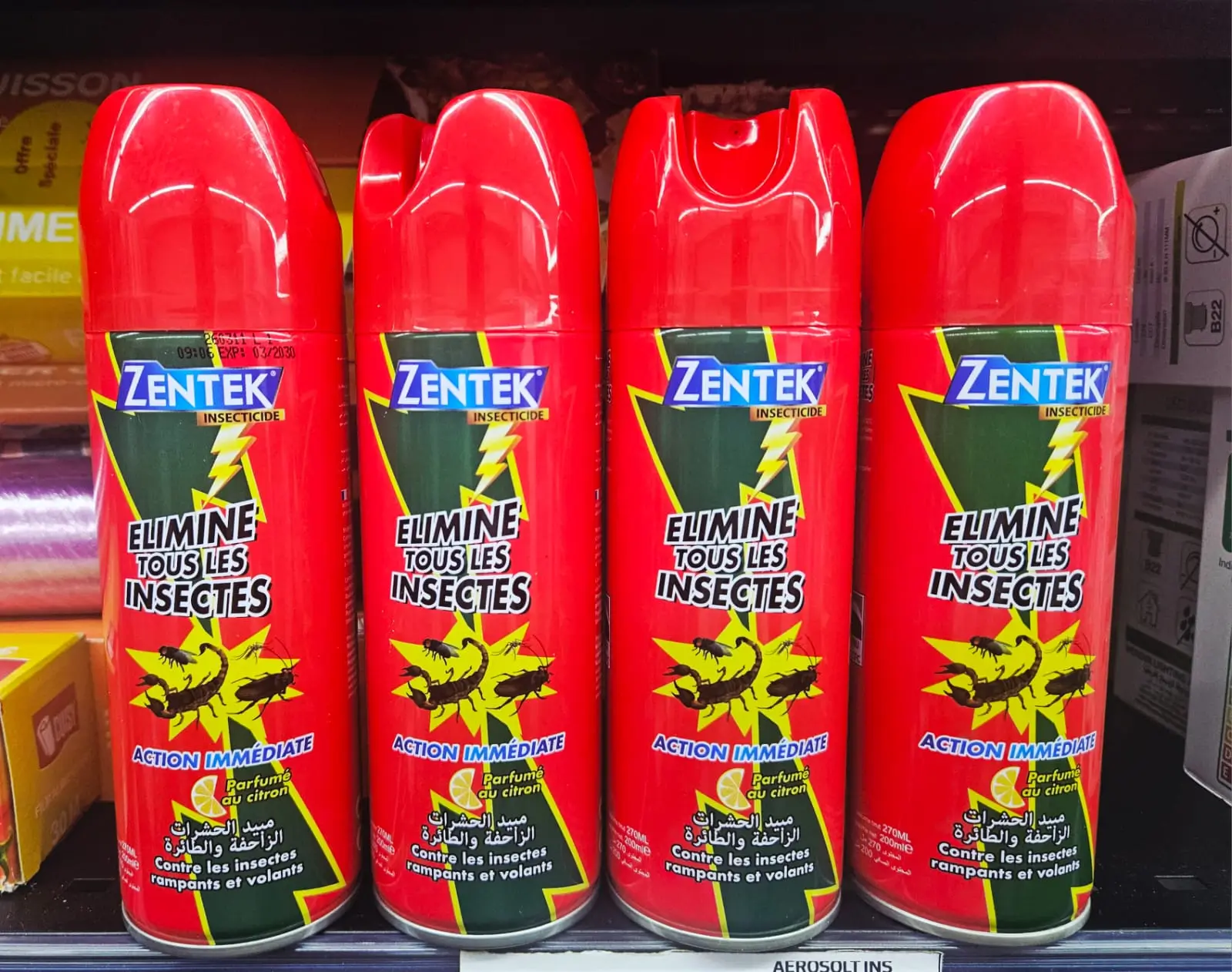
Yes. Do I need bug spray for Morocco? Insect repellent is strongly recommended from roughly April to October, and it is useful any time of year for people who attract bites.
Even though malaria and Zika are not major health concerns, repellent prevents itchy bites, interrupted sleep, and rare viral infections. The CDC recommends basic bite avoidance measures for travelers in Morocco.
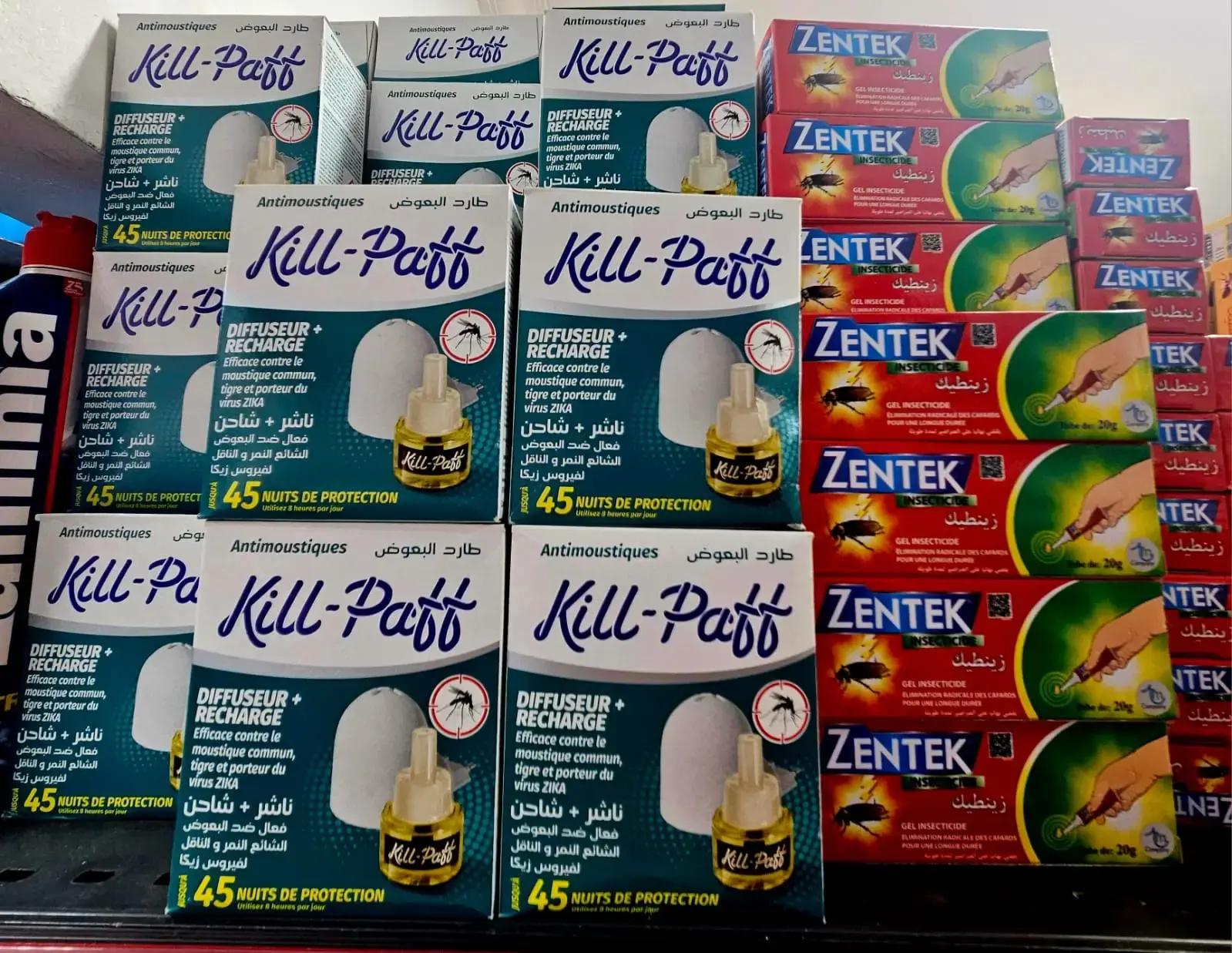
Bring enough from home if you have a favorite brand, because local pharmacies may have limited formats. You’ll use it most at rooftop restaurants, food tours, beach bars, outdoor campfires, and evening walks after the sun sets.
What is the best mosquito repellent for Morocco? International guidance focuses on active ingredients, not brand names.
DEET: Travelers should use insect repellents containing at least 20% DEET when in mosquito-prone areas. A 20–30% DEET product is strong enough for warm evenings without being excessive for a malaria-free country.
Picaridin: Also called icaridin, picaridin is a good alternative with less smell and a lighter feel.
Oil of lemon eucalyptus: Travelers can use alternatives like picaridin or oil of lemon eucalyptus when in mosquito-prone areas. Natural options can help, but often need more frequent reapplication.
IR3535: Another useful option for many travelers.
Format: Sprays work well for ankles and legs; lotions or roll-ons are easier for hands, face edges, and children’s exposed skin.
Sensitive-skin travelers should test products at home. Families should follow pediatric guidance for babies and small children.
Here are the practical tips that make the biggest difference on tour:
Clothing: Wear light colored clothing, loose long-sleeved shirts, long pants, or maxi skirts at dusk. This also helps you dress modestly and respect local customs in a muslim country.
Rooms & camps: Choose hotels and riads with AC, fans, screens, or nets. Many desert camps can provide mosquito nets on request.
Timing: Apply repellent 20–30 minutes before sunset and reapply if you stay outside into the night.
Environment: Keep balcony doors closed when lights are on. Standing water in plant pots, buckets, fountains, or roof terraces can attract mosquitoes.
Food & drink: Cover sweet juices outdoors. This also keeps flies and wasps away when trying street food.
After a bite: Wash the area, apply aloe or anti-itch cream, and avoid scratching. Seek a clinic for fever, severe swelling, or spreading redness.
Broader safety: Use bottled water, be aware in taxis, check that wi fi works if you need medical or guide contact, and use common sense around drinking alcohol, especially at night.
Morocco has European influences in some cities, but everyday life is shaped by Moroccan culture, respect, and local rhythm. A little preparation helps tourists enjoy the country without letting insects create stress.
Because there is no malaria or Zika transmission in Morocco, the main mosquito issue for pregnant women and children is usually discomfort rather than serious disease.
Expecting parents should confirm travel plans with their doctor before booking flights. Pregnant travelers are also more affected by heat, so plan city walks in the morning and late afternoon, then rest indoors during hot midday hours.
For children, use age-appropriate repellents, light cotton cover, and nets over cots or travel beds. Family-friendly hotels with AC, good sealing, and higher-floor rooms often have fewer mosquitoes than garden-level rooms.
Morocco Classic Tours can design slower-paced private Morocco trips with shorter driving days, child-friendly desert camps, camel rides, beach stays in Essaouira or Agadir, Atlas Mountain tours, cultural immersion, ATV experience options, and food tours that suit your season and comfort level.
Mosquitoes are only one part of comfortable travel. Morocco Classic Tours is based in Fez and uses local knowledge of weather, seasons, micro-climates, and accommodation standards to plan smoother tours across Morocco.
We select riads, hotels, and Sahara desert camps known for cleanliness, airflow, and practical mosquito-reducing features such as screens, fans, nets, or AC where possible. Guides brief guests on heat, sun exposure, possible insect activity, local customs, and route timing so travelers can adjust clothing, apply repellent, and avoid mosquito-heavy spots.
To discuss your route, pace and accommodation preferences, contact our local team to plan your Morocco trip. Our 7-day Marrakech, Sahara and Fes itinerary is one starting point for a journey planned around your interests.
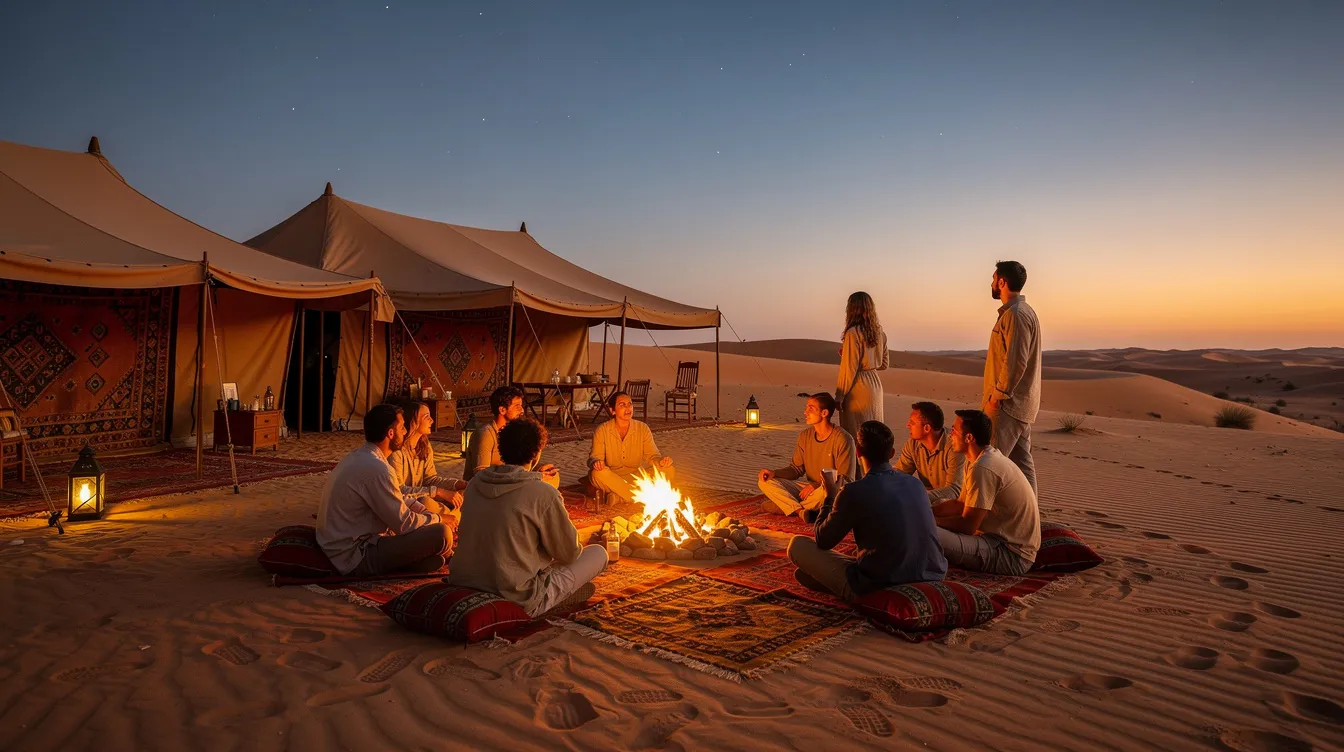
One place you will barely think about mosquitoes is the desert. The air at Erg Chebbi is dry and the nights are cool, which is part of why nights out in the Sahara are easier than people expect.
Routine tourists visiting only Morocco, including Marrakech, Fez, Casablanca, Agadir, Tangier, the Sahara, the Atlas Mountains, and Essaouira, do not usually need antimalarial tablets because the country is malaria-free. If your trip also includes other parts of Africa or the wider world, follow health authority guidance for those destinations and speak to a travel clinic.
Yes, they can be. Riads and hotels with pools, fountains, and lush gardens can attract more mosquitoes because of moisture and shade, especially in Marrakech and Fez. Reputable properties circulate and clean water, but you should still use repellent and close room doors at night.
No. Winter greatly reduces mosquito numbers but does not eliminate them everywhere. Sensitive travelers may still want a small bottle of repellent in January or February, especially after rain in coastal cities or sheltered courtyards. Still, winter travelers usually report far fewer bites than late spring, summer, or autumn visitors.
Yes, pharmacies in major cities usually stock basic repellents, including DEET-type products, but brand choice, strength, and format may be limited compared with North America or Europe. Bring your preferred product from home if you have sensitive skin, children, or specific needs. If you run out, your Morocco Classic Tours guide can help you find a replacement.
Usually not much. In open Sahara dune areas, dryness keeps mosquitoes low, and most guests enjoy clear skies, cool air, and few insects. If recent rain has created temporary pools near oases or lakes, short-lived mosquito activity can happen at dusk, but repellent on ankles and wrists is usually enough.
Compare Morocco group tour agencies by trip style, reviews, pace, transport and inclusions. Learn wh...
Read this article
Uncover what a Marrakech to Fes desert tour offers, including camel rides, desert camps, and rich cu...
Read this article
Join our Merzouga Overnight Tour for an authentic desert experience. Enjoy camel rides, comfortable ...
Read this articleWant cool tour deals and tips about Morocco? Enter your email and we’ll send them to you each month!
