Group Tour Agencies in Morocco: How to Pick the Right One
Compare Morocco group tour agencies by trip style, reviews, pace, transport and inclusions. Learn wh...
Read this article

Private, custom Morocco trips planned in Fez by AZ-ZDDINE, working in Moroccan tourism since 2012. Sahara, Atlas, medinas and coast, arranged around you.
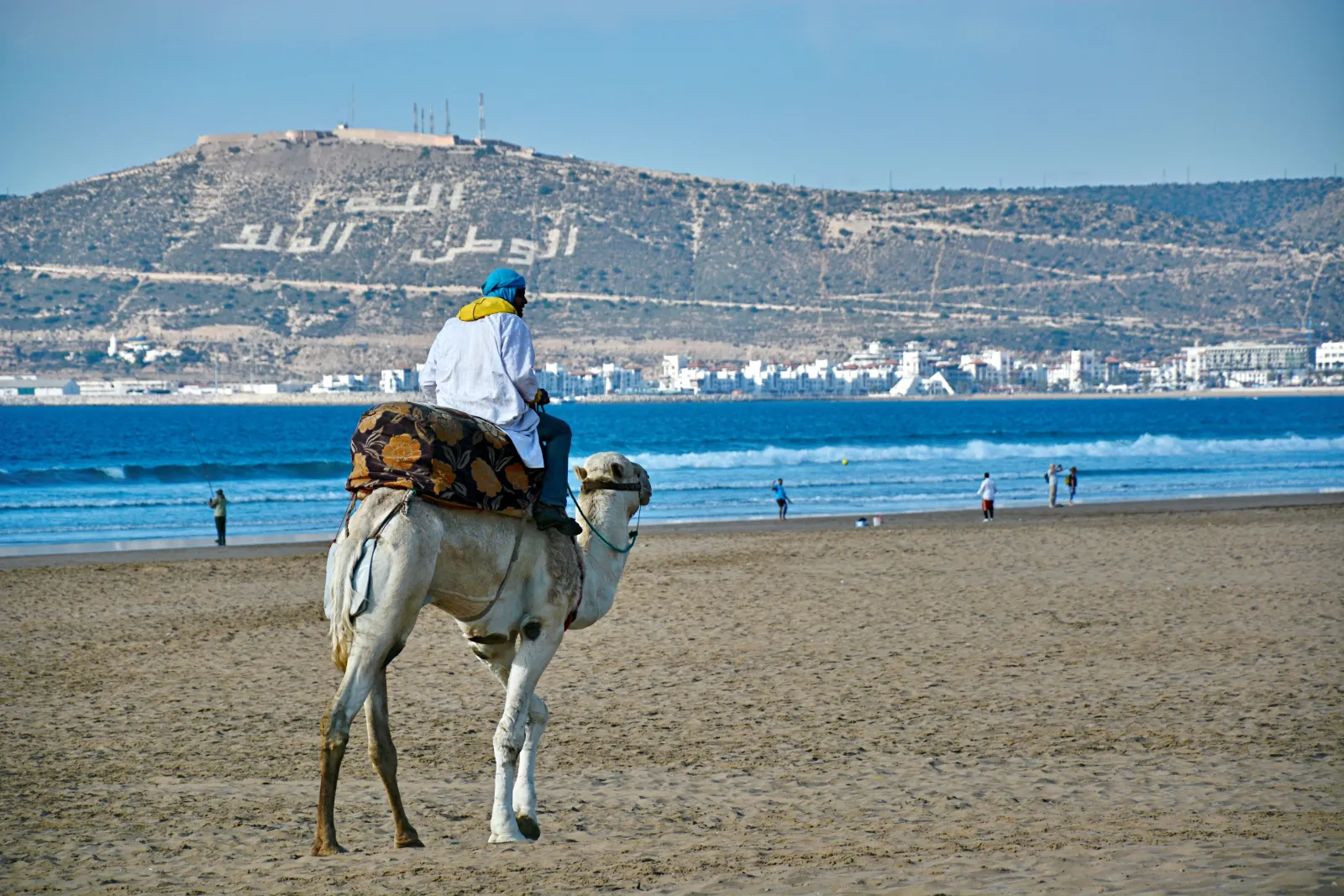
Live conditions in Agadir right now, plus long-term monthly climate averages for every season. Find the perfect time to visit Morocco's sunshine capital.
Live data from Open-Meteo · Updated when this page loads
Monthly climate averages based on long-term means for Agadir. Live data: Open-Meteo. © Morocco Classic Tours.
Planning a trip to Agadir? Understanding Agadir's weather by month is essential for travelers who want to make the most of their visit. This comprehensive guide is designed for anyone preparing a journey to Agadir, Morocco—whether you’re seeking the perfect beach holiday, cultural excursions, or outdoor adventures. Here, you’ll find a detailed monthly weather breakdown, practical packing tips for every season, and expert advice on the best times to visit. Knowing how Agadir’s climate shifts throughout the year helps you choose the right month for your travel style, pack efficiently, and avoid surprises—ensuring your trip is as enjoyable and comfortable as possible.
Summers in Agadir (June–September) are warm, dry, and sunny, with average daytime highs around 26–30°C and ocean temperatures ideal for swimming from June to October.
Winters (December–February) are mild rather than cold, with daytime highs around 18–22°C, cool nights near 9–11°C, and light, short-lived rain showers.
The driest months are June–September; the main rainy period is November–February, with December typically the wettest month.
The best time to visit for a classic beach holiday is June–October; for sightseeing, Atlas foothill excursions, and cultural tours with Morocco Classic Tours, March–May and late September–November are more comfortable.
Pack light layers year-round: a light jacket or sweatshirt for evenings even in summer, and a compact rain layer for November–February.
To help you quickly compare Agadir weather by month, here’s a summary table covering temperature highs/lows, rainfall, and sea temperature for each month. This overview ensures you can easily match your travel plans to the climate conditions you’ll experience.
Month | Avg High (°C) | Avg Low (°C) | Avg Temp (°C) | Rainfall (mm/in) | Sea Temp (°C) | Notes |
|---|---|---|---|---|---|---|
January | 20 | 11 | 14–15.5 | 30 (1.2) | 17 | Mild, fresh; coolest month |
February | 20 | 9 | 14–15 | 28 (1.1) | 17 | Coolest month; mild, some rain |
March | 22 | 11 | 16 | 20 (0.8) | 18 | Warming spring, occasional showers |
April | 23 | 13 | 17–18 | 10 (0.4) | 18 | Comfortable, dry, longer days |
May | 24 | 15 | 19 | 5 (0.2) | 19 | Warm, dry beach season starts |
June | 26 | 17 | 21 | 2 (0.1) | 20 | Summer begins, dry, prime swimming |
July | 28 | 19 | 23 | 0 (0) | 21 | Hottest, driest, peak beach weather |
August | 31 | 20 | 25 | 0 (0) | 22 | Hottest month, warmest sea |
September | 28 | 18 | 23 | 3 (0.1) | 22 | Warm, balanced, ideal for swimming |
October | 26 | 16 | 21 | 15 (0.6) | 21 | Pleasant start of the rainy season |
November | 23 | 13 | 18 | 25 (1.0) | 20 | Cooling down, more rain |
December | 21 | 10 | 16 | 35 (1.4) | 18 | Mild winter, wettest month |
Key facts:
January has an average temperature of 14–15.5°C, with a high of 20°C and a low of 11°C.
The hottest month is August, with an average daily maximum of 31°C and a low of 20°C.
The coolest month is February, with an average high of 20°C and a low of 9°C.
The wettest month is December (up to 1.4 inches of rain); the driest is July (no rainfall).
Sea temperatures peak in August at 22°C and are coolest in February at 17°C.
Agadir has a subtropical oceanic climate, which means it enjoys mild winters and warm, dry summers, with most rainfall occurring from October to April. This climate is characterized by moderate temperatures year-round, thanks to the Atlantic Ocean’s influence. Unlike inland cities like Marrakech, where summer heat can exceed 40°C, Agadir rarely pushes past 31°C even in August. Annual rainfall totals just 250–300mm, concentrated mostly between November and February.
Sea breezes keep humidity comfortable, though occasional desert “chergui” winds can briefly push temperatures above 35–38°C in July through September. Morning coastal mist sometimes appears in late spring and summer but clears by late morning, leaving plenty of sunshine—over 3,000 hours annually.
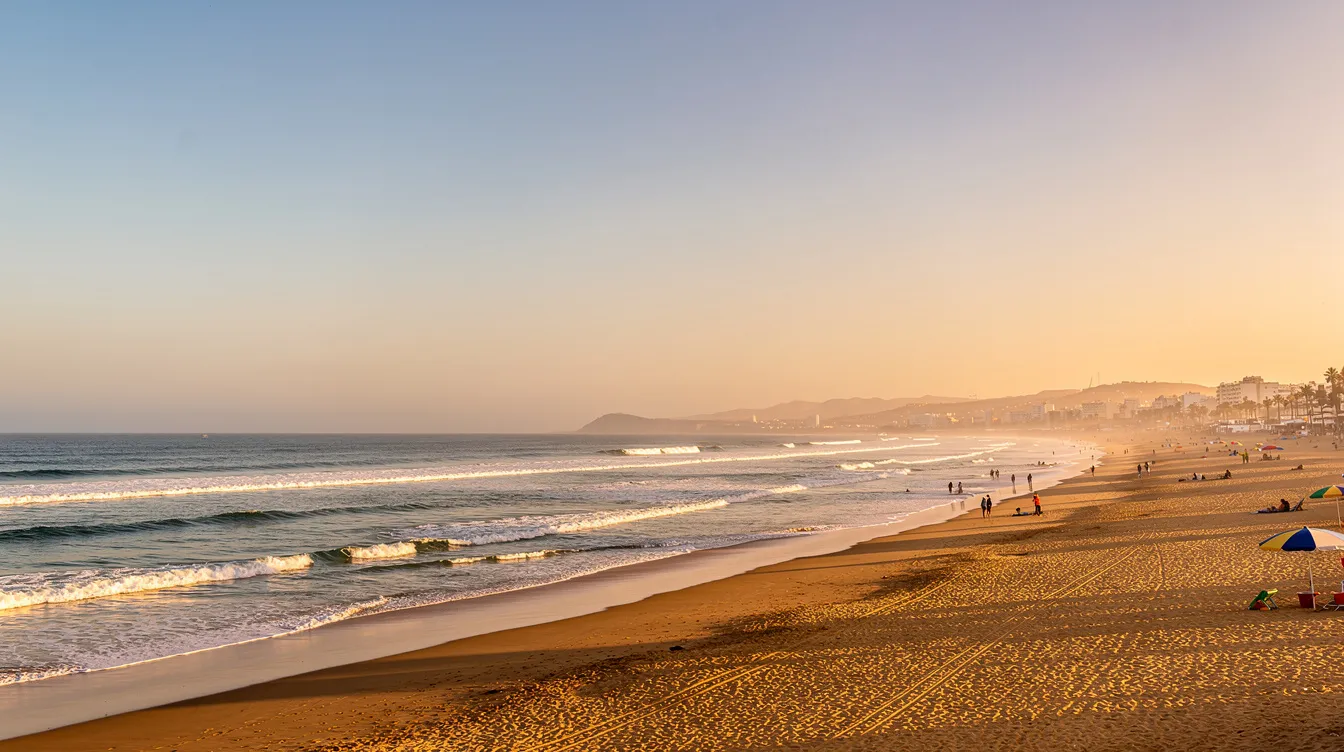
Understanding monthly averages helps you plan what to expect when you visit Agadir. Here’s how temperature patterns look across the year:
Month | Average High | Average Low | Feel |
|---|---|---|---|
January | 20°C | 9°C | Mild, fresh |
February | 21°C | 10°C | Cool, pleasant |
March | 22°C | 11°C | Warming spring |
April | 23°C | 13°C | Comfortable |
May | 24°C | 15°C | Warm days |
June | 26°C | 17°C | Summer begins |
July | 28°C | 19°C | Hot but breezy |
August | 29°C | 20°C | Hottest month |
September | 27°C | 18°C | Warm, balanced |
October | 26°C | 16°C | Pleasant autumn |
November | 23°C | 13°C | Cooling down |
December | 21°C | 10°C | Mild winter |
January marks the coldest month, while August is typically the hottest month. Coastal humidity makes nights feel cooler than thermometer readings suggest in winter and pleasantly fresh in summer.
Agadir is one of Morocco’s driest coastal cities. Average rainfall from May through September often registers 0–5mm, with many months completely dry. The rainy period runs from November to February, with December typically recording 35–40mm, though still across just 5–6 actual rain days.
Even during the wettest month, expect plenty of sunny intervals. Humidity stays moderate (70–80%) but feels comfortable thanks to constant wind off the coast. Sunshine averages 8–10 hours daily from spring through autumn, with 7+ hours even in winter months.
Each month brings distinct conditions for beach time, exploring, and water sports. Here’s what to expect:
The coldest month still feels mild: highs around 20°C, lows near 8°C. Sea temperatures sit around 17°C—fine for hardy swimmers, but most visitors prefer beach walks. Pack light layers, a warm sweater for the night, and a compact umbrella. Ideal for city sightseeing and day trips into the Souss Valley with Morocco Classic Tours.
Similar to January, with highs around 21°C and some of the year’s higher rain probabilities. The ocean remains cool at 17–18°C, yet sunny afternoons suit short dips. Budget-conscious travellers enjoy quiet beaches and cultural immersion.
Spring arrives with warmer days reaching 22°C and decreasing rainfall. Sea temperatures edge toward 18°C; some travellers start swimming regularly. Excellent for coastal walks, surfing lessons, and quad biking excursions.
Pleasantly warm at 22–23°C with longer daylight hours and mostly dry conditions. Camel rides at sunset and ATV experiences work perfectly. Sea temperature reaches 18–19°C—increasingly comfortable for swims.
Early summer brings highs of 24–25°C with very little rain. Sea temperatures reach about 19–20°C; beach clubs come alive. The sweet spot for balanced holidays combining beach and medina walks without intense summer heat.
Fully into summer with highs around 26°C and almost no rain. Ocean temperatures (20–21°C) mark the start of prime swimming season. Light summer outfits plus a thin cardigan for evening sea breeze work best.
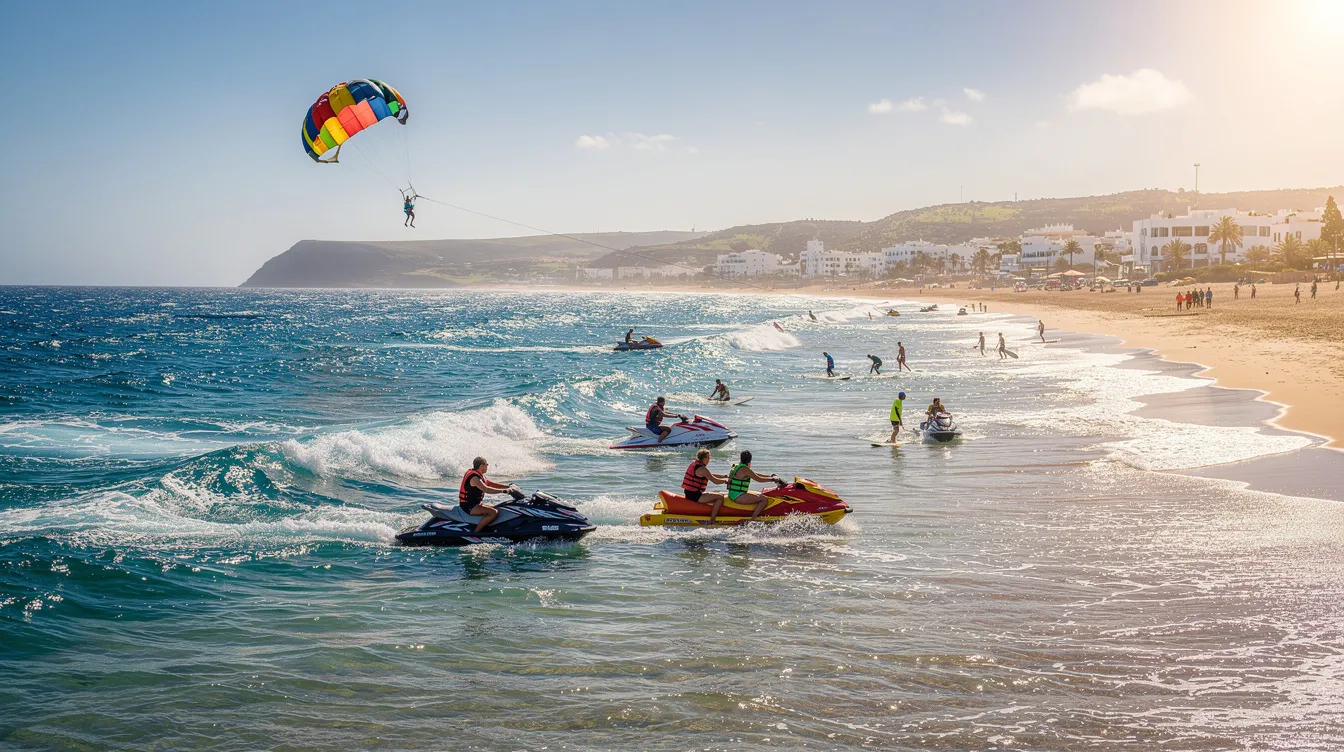
One of the sunniest periods with highs reaching 28–30°C. Sea temperatures hit 21–22°C—ideal for long swims. Brief heat waves above 35°C can occur when desert winds blow, but coastal breezes usually moderate conditions quickly.
Typically, the hottest month is 29–31°C with virtually no rain. Ocean temperatures peak at 22–23°C—one of the best months for swimming and surfing. Morocco Classic Tours schedules earlier morning excursions during hotter spells.
Still summery but slightly softer at 27–28°C. Sea temperatures remain inviting at 22–23°C, making September arguably the best month for combined swimming and sightseeing. More comfortable for walking tours than peak August.
October weather brings early autumn with highs around 25–26°C and rising chances of short showers later in the month. Sea temperatures hold at 21–22°C, so swimming remains pleasant while beaches grow quieter.
Mild and changeable at 22–23°C with more rain days than summer, though many remain dry and bright. Sea temperatures around 20°C suit hardy swimmers. Excellent for culture-focused trips and food tours with fewer tourists.
Cool but far from harsh winter: highs around 20–21°C, lows near 10°C. Agadir rainfall peaks this month, but typically across just a few wet days. Sea temperatures (~18°C) feel brisk; many visitors prefer hammams and beach walks over long swims.
The best time depends on your priorities:
Beach & swimming: June to October (peak July–September)
Sightseeing & active tours: March–May and late September–November
Winter sun escape: December to February
September stands out as the most balanced period—warm air, warm sea, manageable heat for excursions. Marrakech runs several degrees warmer year-round, with hotter summers and colder winter nights. Many Morocco Classic Tours guests start in breezy Agadir, then move inland for more intense heat or desert experiences.
Atlantic sea temperatures in Agadir stay cooler than Mediterranean resorts but remain swimmable much of the year:
Season | Sea Temperature |
|---|---|
Winter (Dec–Feb) | 17–18°C |
Spring (Mar–May) | 18–20°C |
Summer (Jun–Aug) | 20–23°C |
Autumn (Sep–Nov) | 20–22°C |
June to October offers the prime swimming period, with August and September delivering the warmest water. Wetsuits extend the surf season year-round.
Light sweater or fleece
Long trousers
Closed shoes
Light waterproof jacket
T-shirts for sunny midday
Scarf for evenings
Mix of T-shirts and light long sleeves
One warmer layer for evenings
Sunhat and sunglasses essential
Breathable cotton or linen
Shorts, dresses
Strong sun protection
Light cover-up for wind at night
Summer clothes during the day
Light jacket for evenings
Rain layer, especially in November
Modest lightweight clothing is appreciated away from beach and resort areas.
All seasons essentials:
Lightweight breathable clothing
Walking shoes and sandals
Swimwear and beach cover-up
Sunhat, sunglasses, SPF50+ sunscreen
Reusable water bottle and daypack
Warm jumper
Light rain jacket
Umbrella
Socks
Optional scarf
Long-sleeve tops
Packable windbreaker
Extra swimwear
After-sun lotion
Quick-dry clothing for water activities
Is it safe to walk around Agadir at night?
Agadir ranks among Morocco’s calmer resort cities. The beachfront promenade and central areas are generally safe with standard precautions—avoid poorly lit backstreets and keep valuables discreet.
Is Agadir cheap or expensive?
More affordable than most European beach resorts. Local food and transport offer good value; high-end resorts and imports cost more. Morocco Classic Tours tailors packages across budget ranges.
Is the weather better in Agadir or Marrakech?
Agadir delivers milder, more stable conditions thanks to the coast. Marrakech runs hotter in summer (often 38–42°C) and colder at night in winter despite sunny days. Many travellers combine both on the same itinerary.
Season | Avg High | Avg Low | Rainfall | Humidity |
|---|---|---|---|---|
Winter | 19–21°C | 8–10°C | 30–40mm | 75–80% |
Spring | 21–25°C | 11–16°C | 4–20mm | 70–75% |
Summer | 26–31°C | 17–20°C | 0–3mm | 70–75% |
Autumn | 22–26°C | 13–16°C | 2–30mm | 72–78% |
Daylight ranges from about 10 hours in December to 14 hours in June. Constant breezes keep even higher humidity readings comfortable.
Short heat waves driven by desert winds can push temperatures above 35–38°C, most likely July through September. These episodes typically last one to a few days before the sea breeze restores milder conditions. Morocco Classic Tours adjusts activity timing during such periods.
January averages around 19–20°C days and 8–9°C nights. Coastal wind can make evenings feel cooler than numbers suggest—pack a warm layer even if daytime feels like pleasant spring.
Absolutely. Mild sunny coast days pair well with desert camps where daytime is pleasant but nights can drop to near 0°C. Pack broader layers, including a hat and gloves for the desert leg.
Regular sea breezes blow especially from late spring through early autumn, keeping summer heat comfortable and creating excellent conditions for kitesurfing and windsurfing.
Serious storms are rare. Most “bad weather” means short showers in late autumn or winter, followed by clearing skies. Morning coastal fog in summer typically burns off by late morning. Morocco Classic Tours monitors forecasts and adjusts plans when needed.

Compare Morocco group tour agencies by trip style, reviews, pace, transport and inclusions. Learn wh...
Read this article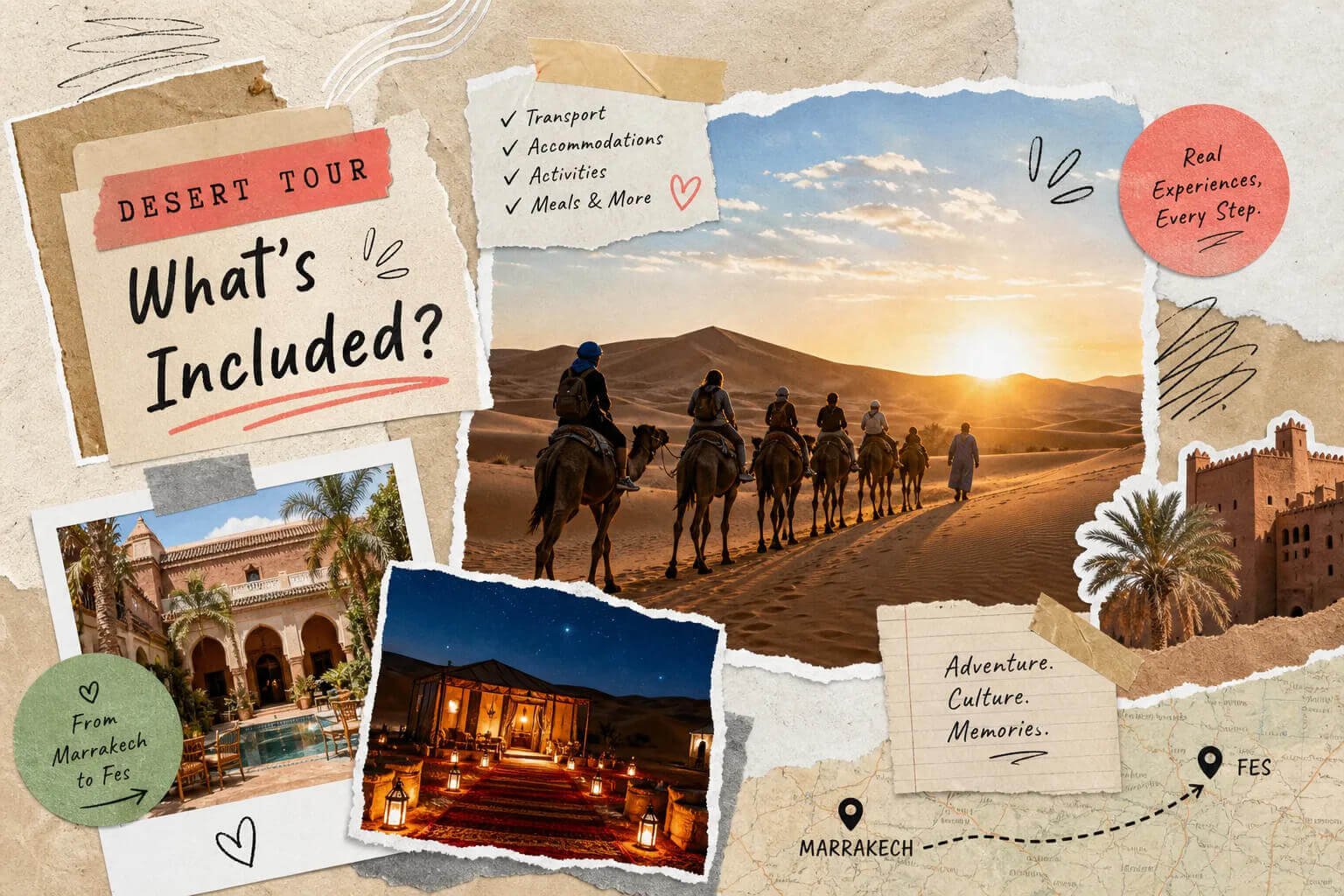
Uncover what a Marrakech to Fes desert tour offers, including camel rides, desert camps, and rich cu...
Read this article
Join our Merzouga Overnight Tour for an authentic desert experience. Enjoy camel rides, comfortable ...
Read this articleWant cool tour deals and tips about Morocco? Enter your email and we’ll send them to you each month!
