Group Tour Agencies in Morocco: How to Pick the Right One
Compare Morocco group tour agencies by trip style, reviews, pace, transport and inclusions. Learn wh...
Read this article

Private, custom Morocco trips planned in Fez by AZ-ZDDINE, working in Moroccan tourism since 2012. Sahara, Atlas, medinas and coast, arranged around you.
Are you planning to spend 4 days in Morocco and wondering how to make the most of your short trip? This comprehensive guide is designed specifically for:
First-time visitors seeking a memorable introduction to Morocco’s culture, food, and history
Travelers with limited time who want to maximize enjoyment and minimize travel fatigue
Those interested in city breaks, mountain adventures, or a taste of the Sahara Desert
Anyone looking for practical travel tips, sample itineraries, and expert advice on the best times to visit
Morocco is a country of vibrant medinas, dramatic mountain landscapes, and sweeping deserts. With only four days, it’s essential to plan a focused itinerary that allows you to experience the country’s highlights without feeling rushed or overwhelmed. This guide covers:
Sample 4-day itineraries for city, mountain, and desert experiences
Travel tips for getting around, where to stay, and what to do
Best times to visit for each type of trip
Frequently asked questions to help you plan with confidence
Why focus your 4-day Morocco trip?
A four-day trip to Morocco is best when focused on one city or region to avoid excessive travel. A 4-day itinerary in Morocco can provide a great introduction to the culture, food, and history of the country. By concentrating on a single area—whether it’s Marrakech and its surroundings, the Atlas Mountains, the Atlantic coast, or a Sahara taster—you’ll maximize your enjoyment and minimize travel fatigue.
Quick Tip: Planning Your 4-Day Morocco Trip
A four-day trip to Morocco is best when focused on one city or region to avoid excessive travel. A 4-day itinerary in Morocco can provide a great introduction to the culture, food, and history of the country.
Four days in Morocco works best when focused on one region—either a Marrakech city break with day trips, a Marrakech–Atlas–Essaouira loop, or a compact Sahara desert tour from Marrakech.
Morocco Classic Tours offers customizable private 4-day Morocco tours starting in Marrakech or Fes, with English-speaking driver-guides, pre-arranged accommodation, and flexibility for families and couples.
Realistic drive times matter: Marrakech to Essaouira takes 2.5–3 hours, Marrakech to Ourika Valley about 1 hour, and Marrakech to Merzouga requires 9–10 hours of driving.
A private driver-guide eliminates complex logistics, maximizes sightseeing time, and lets you skip the hassle of navigating bus stations or bargaining for taxis.
This guide outlines three concrete 4-day itineraries, plus practical advice on the best time to visit, transport options, where to stay, and answers to common questions.
The direct answer: Yes, 4 days in Morocco is enough for a focused itinerary around one region, but not enough to see the whole country. Morocco spans over 446,000 square kilometers with four imperial cities, Africa’s highest peaks, and the vast Sahara Desert—no short trip can cover it all.
A 4-day trip is best focused on one city or region to avoid excessive travel. This approach allows you to truly experience Morocco’s rich and diverse offerings—historic cities, stunning landscapes, and authentic culture—without spending most of your time in transit. A 4-day itinerary in Morocco can provide a great introduction to the culture, food, and history of the country, making it ideal for first-time visitors or those with limited time.
Here’s what realistic travel distances look like from Marrakech:
Destination | Approximate Drive Time |
|---|---|
Ourika Valley (Atlas) | 1–1.5 hours |
Essaouira (coast) | 2.5–3 hours |
Ait Benhaddou (kasbah) | 3.5 hours |
Zagora (desert edge) | 6 hours |
Merzouga (Erg Chebbi dunes) | 9–10 hours |
With only four days, you must choose between deeper city immersion (spending all 4 days in Marrakech with local day trips), a varied city–mountain–coast loop, or a highlight-style Sahara experience with long drives.
Booking a private 4-day Morocco tour with Morocco Classic Tours offers several advantages: door-to-door transfers from the airport, local guides at monuments and medinas, pre-arranged desert camps, and the flexibility to adjust pace for families or couples. About 70% of tourists visiting Morocco focus on the Marrakech orbit, and with good reason—it provides a great introduction to the country’s rich history, Moroccan cuisine, and vibrant souks without logistical headaches.
A 4-day trip to Morocco suits:
Long-weekend travelers flying in from Europe on budget airlines
Stopover visitors breaking up journeys between continents
Those combining Morocco with Spain or Portugal and wanting a first visit taste
Travelers testing whether Morocco deserves a longer return trip
This guide presents three ready-to-use 4-day itineraries, all starting from Marrakech with options to customize through Morocco Classic Tours. Each plan suits different traveler priorities, from food and culture lovers to adventure seekers dreaming of a camel ride at sunset.
How to use this guide:
Choose your focus:
City immersion (Marrakech city break)
City–mountain–coast loop (Marrakech–Atlas–Essaouira)
Sahara taster (overnight desert camp)
Review the day-by-day outlines for each itinerary, including specific sights, suggested timing, and how Morocco Classic Tours can host or guide the experience.
Mix and match elements from these itineraries when building your custom 4-day Morocco tour.
The three sample plans:
4-day Marrakech city break: No long drives, ideal for those who want to spend time exploring the medina, visiting palaces, taking cooking classes, and relaxing in hammams.
4-day Marrakech–Atlas Mountains–Essaouira loop: City highlights, mountain scenery, and Atlantic coast in one varied trip.
4-day Sahara taster from Marrakech: Overnight desert camp with camel trek, crossing the High Atlas Mountains via dramatic passes and ancient kasbahs.
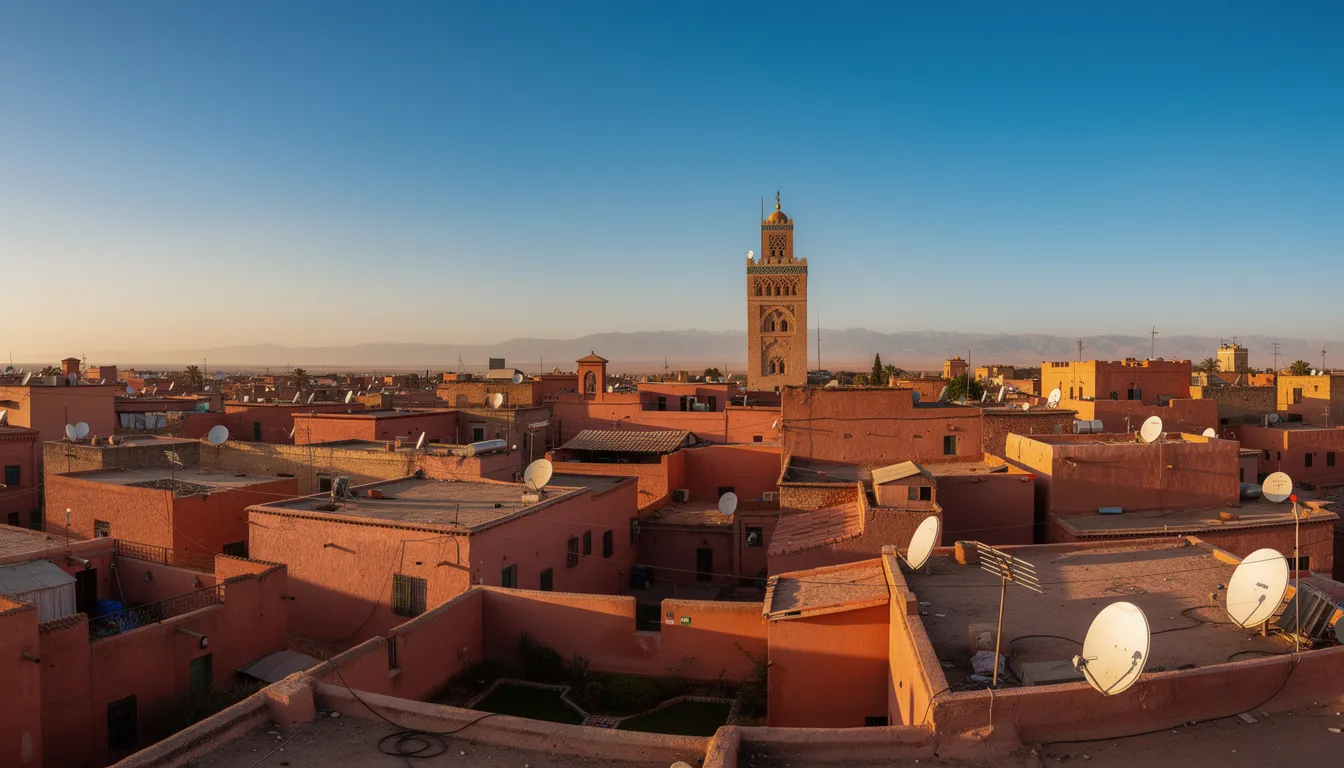
This “4 days in Marrakech” itinerary is designed for travelers who prefer staying in one place, trading long transfers for immersive walking tours, food tastings, and spa time. You’ll still experience variety—palaces, gardens, souks, and possibly a nearby mountain or desert excursion—without the fatigue of daily hotel changes.
Morocco Classic Tours can arrange private guides in the medina, airport transfers, riad bookings, hammam experiences, and cooking classes throughout your four days. This itinerary works especially well in winter when the medina is less crowded or in summer when rooftop terraces and shaded courtyards offer refuge from the heat.
Most travelers arrive at Marrakech Menara Airport in late morning or afternoon. A Morocco Classic Tours driver meets you at arrivals and transfers you to a traditional riad—those courtyard guesthouses that define accommodation in the old city.
After checking in and enjoying welcome Moroccan mint tea, take a relaxed orientation walk as the afternoon cools. Head toward Jemaa el-Fnaa square as sunset approaches. Taste fresh fruit and orange juice from the stalls, watch storytellers gathering crowds, and capture your first photos of the Koutoubia Mosque from outside (the 12th-century minaret stands 77 meters tall and dominates the skyline).
For dinner, choose a rooftop restaurant overlooking the square or dine in a nearby riad. Try lamb tagine with prunes, vegetable couscous, or pastilla (sweet-savory pigeon pie). Afterward, return to the square to see it fully animated with musicians, henna artists, and food vendors.
Practical tip: Pace yourself if arriving from a distant time zone. Cooler evenings (especially October through March) call for a light jacket. Having a local guide “decode” the square’s chaos on your first night helps you navigate confidently throughout the trip.
Start the morning with a guided tour arranged by Morocco Classic Tours. Your first stop: Bahia Palace, a lavish 19th-century residence sprawling over 8,000 square meters with painted cedarwood ceilings, marble fountains, and serene courtyards.
Continue to the Saadian Tombs, intricate 16th-century mausoleums featuring ornate tilework and housing 66 members of the royal dynasty.
Walk past the exterior of the Koutoubia Mosque (non-Muslims cannot enter Moroccan mosques but can admire the architecture) before plunging into the souks. Souk Semmarine and surrounding alleys overflow with leather goods, brass lanterns, spices, and textiles. Bargaining is expected—your guide can teach basic etiquette and direct you toward cooperative workshops where artisans receive fair wages.
In the afternoon, visit Jardin Majorelle and the YSL Museum. The garden, established in the 1920s by French artist Jacques Majorelle, spans 9,000 square meters of cobalt-blue accents and over 300 plant species. It draws up to 1,000 visitors daily, so arrive early or purchase combo tickets in advance to skip queues.
End the day with a hammam and massage experience. Morocco Classic Tours can book a session at your riad or a trusted local spa for black soap scrubs and ghassoul clay treatments—a perfect antidote to a day of walking. Dinner in the kasbah area or Jewish quarter rounds out the evening.
Day 3 offers a chance to escape the city with a private day trip operated by Morocco Classic Tours. Choose based on your interests:
Atlas Mountains (Ourika Valley or Imlil):
Drive about 1–1.5 hours into the High Atlas Mountains.
Ourika Valley sits 50 kilometers south of Marrakech at 1,700 meters elevation, offering temperatures 10–15°C cooler than the city.
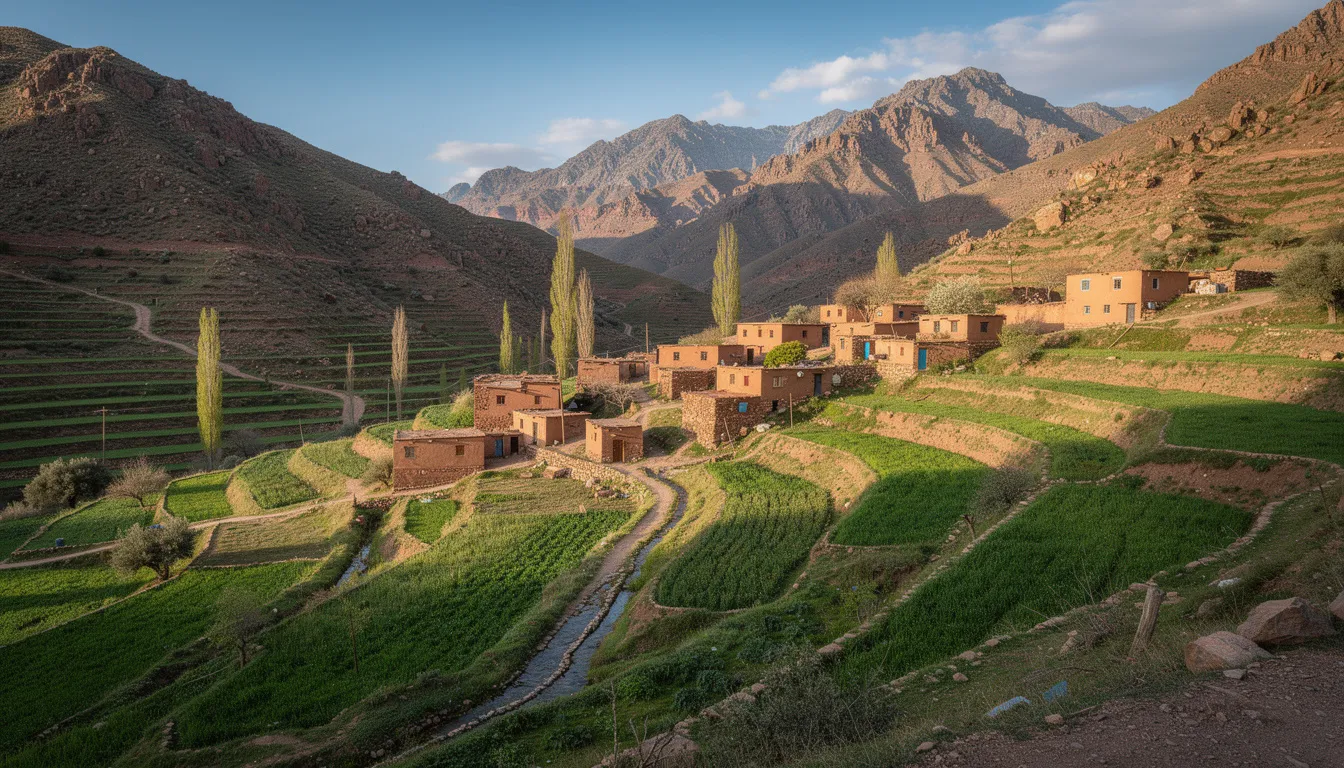
Walk through Berber villages, visit an argan oil cooperative to see women extracting oil by hand, and hike 30–45 minutes to the Setti Fatma waterfalls.
Lunch in a family guesthouse features tagine with views of terraced fields.
For more dramatic scenery, head to Imlil village beneath Mount Toubkal, Africa’s highest peak at 4,167 meters.
Agafay Desert:
If you crave a desert atmosphere without the long Sahara drive, the Agafay stone desert lies just 45 minutes from Marrakech.
A late-afternoon 4x4 or camel ride across the rocky landscape leads to sunset tea at a desert camp.
You return to Marrakech by evening, having experienced the silence and space of Morocco’s arid interior.
Ouzoud Waterfalls:
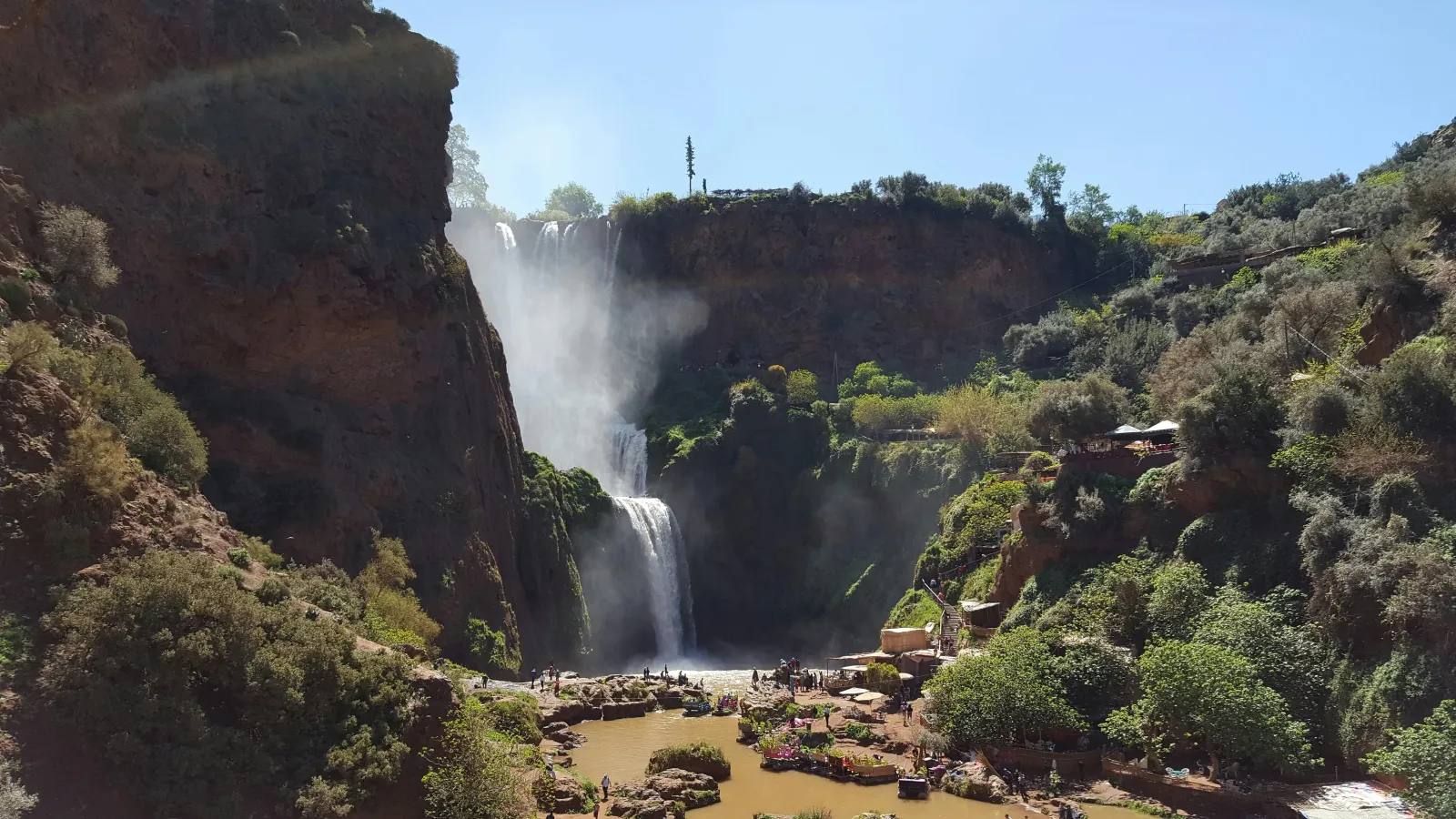
About 2.5 hours northeast, these falls cascade 110 meters through olive groves.
It’s a longer day trip but rewards you with lush scenery, resident Barbary macaques, and swimming opportunities.
Morocco Classic Tours provides an English-speaking driver-guide, handles lunch reservations, and adjusts activity levels for children or older travelers.
Dedicate your morning to a Moroccan cooking class organized by Morocco Classic Tours. You’ll shop for ingredients in a local market—selecting spices, preserved lemons, and fresh vegetables—then learn to prepare tagine, zaalouk (eggplant salad), and proper Moroccan mint tea. It’s a hands-on way to bring flavors home.
Use remaining time for final shopping in the souks. Rugs, ceramics, leather, and argan oil make excellent souvenirs. Ask vendors for secure packaging for fragile items, and leave space in your luggage.
Enjoy a late lunch in the medina or at a café in the modern Gueliz district before your Morocco Classic Tours driver transfers you back to Marrakech Airport for an evening flight. Allow roughly 2 hours before international departures for check-in and security.
Those with flights the following day can use the extra evening for another hammam session or sunset drinks on a rooftop terrace, watching the sun paint the Red City in golden hues.
This balanced 4-day Morocco itinerary combines city life, mountain scenery, and the Atlantic coast. It’s the most popular loop for first-time visitors who want variety without a desert camp, covering roughly 350 kilometers with Morocco Classic Tours handling all transfers in private, air-conditioned vehicles.
The route:
Day 1: Marrakech
Day 2: Atlas Mountains day trip
Day 3: Transfer to Essaouira
Day 4: Return to Marrakech and departure
This itinerary works year-round but is ideal March–June and September–November for pleasant temperatures in both mountains and coast.
After arrival and riad check-in, enjoy welcome mint tea before a half-day guided walk through the medina. Your Morocco Classic Tours guide leads you through Jemaa el-Fnaa, down narrow alleys lined with shops, and past artisans at work.
Visit Bahia Palace or the Saadian Tombs (or both, time permitting), then climb to a rooftop café for panoramic views of the Red City at golden hour. The sprawl of terracotta buildings and distant Atlas Mountains creates an unforgettable first impression.
For dinner, join a food-tasting tour sampling harira soup, grilled brochettes, msemen flatbread, and traditional pastries. It’s a delicious way to end your first day and discover hidden gems beyond the tourist restaurants.
Depart after breakfast for a full-day private excursion to the High Atlas Mountains. Morocco Classic Tours tailors the trip based on your fitness level and interests—options include:
Ourika Valley:
Follow the river path through terraced gardens to the Setti Fatma waterfalls.
Stop for tea in a Berber house, where families have lived for generations.
Imlil:
Walk loop trails with views of snow-capped Mount Toubkal (visible in winter and spring)
Visit the kasbah that once housed the village’s governing family.
Other valleys:
Asni or Ouirgane for quieter, less-visited scenery.
A traditional tagine lunch at a village restaurant overlooking the river is included. Your guide handles all arrangements, explains local customs, and ensures you’re back in Marrakech by late afternoon.
Use the evening to explore the mellah (Jewish quarter) and spice merchants, then enjoy a relaxed dinner near your riad.
Depart early from Marrakech toward the Atlantic coast. About an hour into the drive, stop at a certified argan oil cooperative. Women crack argan nuts by hand—100 kilograms yield just one liter of oil—and you can purchase authentic products while supporting local livelihoods.
Arrive in Essaouira by late morning. This UNESCO World Heritage site, known as Africa’s “Windy City,” greets you with whitewashed walls, blue shutters, and Atlantic breezes. Walk the ramparts of Skala de la Ville, built by the Portuguese in 1760, and photograph the ocean-facing cannons that once defended the port.
Lunch means fresh seafood by the harbor—select your fish and have it grilled on the spot. Spend the afternoon wandering artisan workshops selling thuya wood carvings, textiles, and artwork. Essaouira’s medina feels calmer than Marrakesh, with fewer tourists and more space to browse.
Check into a riad arranged by Morocco Classic Tours, then take an evening stroll on the stunning beaches or watch kitesurfers from a café terrace (winds of 25–40 km/h make this a global kitesurfing hub).
Wake for a sunrise walk on the wide sandy beach—Essaouira’s beautiful beaches stretch for miles. Enjoy coffee in a medina café and pick up last-minute ceramics or handmade jewelry.
Depart around late morning to reach Marrakech in time for evening Marrakech flights. The 2.5–3 hour drive passes through argan forests where you might spot goats climbing trees to eat the nuts.
Morocco Classic Tours adjusts timing if your flight departs the following day. Extra time in Essaouira could mean a cooking class, argan spa treatment, or horse riding on the beach.
This 4-day Morocco itinerary provides an excellent “city–mountain–sea” snapshot—ideal for a first visit when you want variety without the commitment of a desert tour.
For travelers dreaming of the Sahara Desert, this 4-day Morocco desert tour reaches the edge of the dunes with at least one night in a desert camp, camel trekking, and starry skies. It requires acceptance of long drives but rewards you with landscapes unlike anywhere else on Earth.
Comparison: Zagora Route vs Merzouga Express
Route | Dunes | Drive Time (each way) | Experience Highlights |
|---|---|---|---|
Zagora route | Smaller | ~6 hours | More time to relax, shorter drives |
Merzouga express | Towering | 9–10 hours | Erg Chebbi’s 150m dunes, longer days |
Morocco Classic Tours typically recommends the Zagora option for those with exactly 4 days, or the Merzouga route for travelers who can stay overnight in Marrakech on Day 4 before a Day 5 departure flight.
Leave Marrakech after breakfast, crossing the Tizi n’Tichka Pass at over 2,200 meters. The winding road through the High Atlas Mountains offers photo stops at panoramic viewpoints and roadside Berber villages selling fossils and minerals.
By midday, reach the UNESCO-listed ksar of Ait Benhaddou—an ancient fortified village of mudbrick kasbahs used as filming locations for productions including “Gladiator” and “Game of Thrones.” A guided tour walk takes you through narrow alleys with views across the palm-lined river.
Continue to Ouarzazate, known as “the door of the desert,” where you’ll stay overnight in a guesthouse or hotel. Time permitting, visit the Taourirt Kasbah or a film studio before dinner.
Morocco Classic Tours arranges accommodation, meals, and ensures safe driving on mountain roads.
Your route depends on which desert experience you’ve chosen:
Merzouga (express route):
Drive via the Skoura palm grove and the Valley of Roses to Dades Valley.
Walk among kasbahs with dramatic “monkey fingers” rock formations rising above, then overnight in a riverside hotel.
Zagora:
Follow the Draa Valley south through Morocco’s longest oasis—200 kilometers of date palms, ancient ksour, and quiet villages.
Stop at local farms or small kasbahs, and reach Zagora by late afternoon.
In Zagora, a sunset camel ride takes you into the desert camp where you’ll stay overnight under the stars.
Dinner around the campfire, traditional Berber drumming, and unobstructed views of the Milky Way await.
Morocco Classic Tours uses trusted camps with proper bedding and can upgrade to luxury tents with private bathrooms for added comfort.
Merzouga travelers:
Drive from Dades through Todgha Gorge, where 300-meter canyon walls tower above a narrow passage popular with rock climbers.
Continue to the Erg Chebbi dunes near Merzouga, arriving in late afternoon.
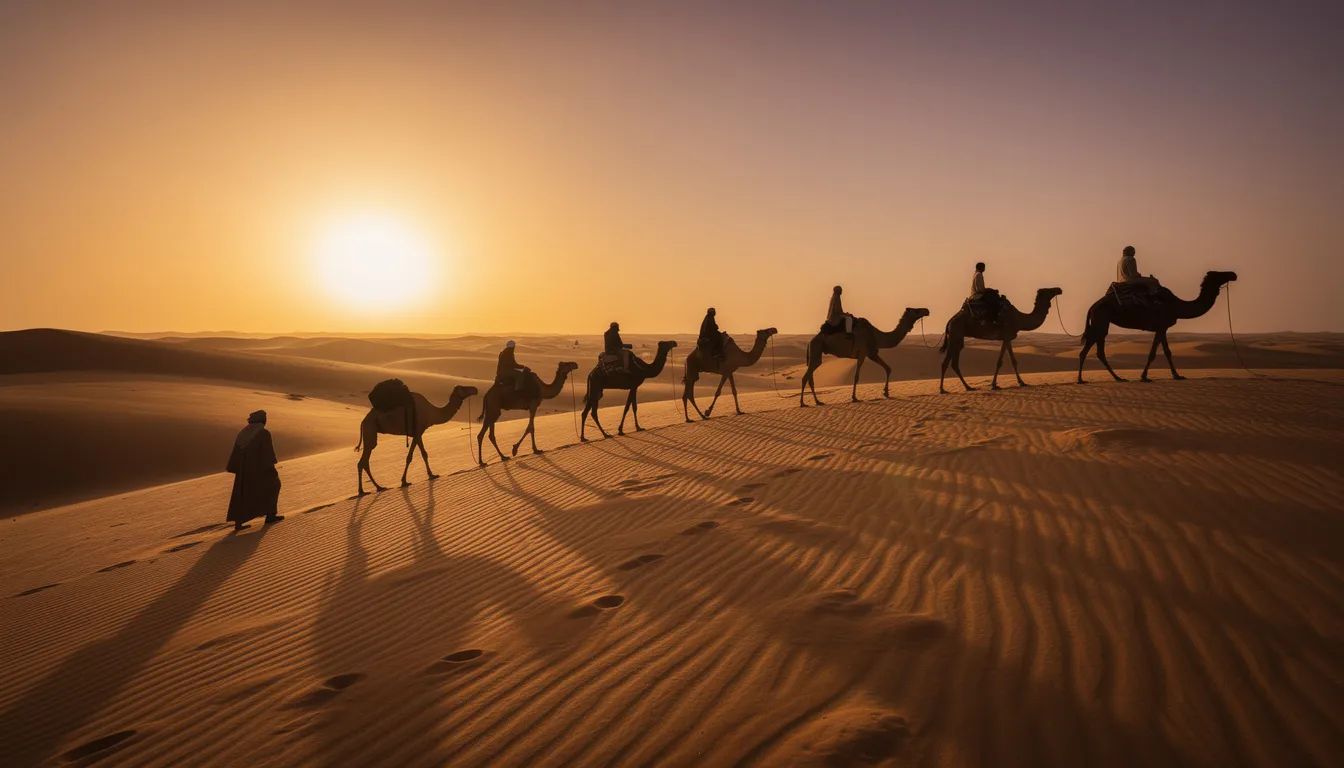
Mount your camel for a 1–2 hour trek into the dunes, watching the sunset paint the sand orange and pink.
Arrive at a Berber-style camp as stars emerge. Dinner, drumming, and silence follow—the Sahara at night offers some of the clearest skies on the planet.
Zagora travelers:
After a desert sunrise and breakfast at camp, begin the return journey toward Marrakech with additional kasbah or oasis stops along the way.
Wake early to climb a sand dune for sunrise—the colors shifting from deep blue to fiery orange make the early alarm worthwhile. After breakfast, ride camels back to the 4x4 or transfer directly by vehicle.
This is a long driving day back to Marrakech (8–9 hours from Merzouga with stops), but scenic. You’ll cross back through the Atlas Mountains, stopping for lunch at a roadside restaurant serving coal-slow-cooked tagines.
Morocco Classic Tours plans rest stops, photo breaks, and meals, timing arrival in Marrakech according to your schedule. For travelers on the Merzouga route, staying one more night in the city before flying out the next morning is advisable.
Those with tight flight schedules should consider the shorter Zagora option or an Agafay day trip for a “desert feel” without the long Sahara drive.
March–May and September–November offer the most comfortable conditions for a 4-day trip to Morocco. Temperatures in Marrakech hover in the mid-20s Celsius, the Atlas Mountains are accessible, and coastal areas are pleasant without extreme heat.
Season | Conditions | Best For |
|---|---|---|
Spring (Mar–May) | Mild, occasional rain, wildflowers | All itineraries |
Summer (Jun–Aug) | Hot inland (35–45°C), pleasant coast | Essaouira, beaches, mountains |
Autumn (Sep–Nov) | Warm, stable weather | All itineraries |
Winter (Dec–Feb) | Cool days, cold nights, snow in Atlas | City breaks, desert (with warm layers) |
Winter works well for city breaks and desert tours with clear skies, but nights in the desert camp get cold (bring thermal layers). Atlas peaks may be snow-capped, limiting high-altitude hikes but creating dramatic scenery.
Summer suits the Atlantic coast (Essaouira, Agadir) and higher mountains, but Marrakech exceeds 32°C and the Sahara can hit 45°C midday. Morocco Classic Tours adapts by scheduling sunrise and sunset activities with midday rest.
Ramadan and Eid affect opening hours and restaurant availability but don’t prevent travel. Many tourists find the atmosphere fascinating, with evening iftar meals creating communal energy.
Most 4-day Morocco itineraries start and end in Marrakech, with Marrakech Menara Airport (RAK) the easiest hub for Red City, Atlas, and desert trips. Fes is an alternative starting point for travelers wanting to explore the North Africa imperial cities.
Direct flight connections serve Marrakech from major European cities including Paris, London, Madrid, and Lisbon. Budget airlines like Ryanair and EasyJet offer affordable fares. Travelers from North America typically connect via Casablanca (CMN) or European hubs.
Intercity transport options:
Trains: Link Marrakech with Casablanca (2.5 hours), Rabat, and Tangier; comfortable but don’t reach Essaouira or the desert
Buses (CTM, Supratours): Connect Marrakech to Essaouira, Agadir, Fes, and other cities; budget-friendly but time-consuming
Domestic flights: Useful for combining distant cities like Marrakech and Fes in a short trip
Rental car: Possible but challenging in medinas and mountain roads; not recommended for first-time visitors
For a tight 4-day itinerary, a private driver-guide with Morocco Classic Tours is often the most time-efficient choice. You skip bus station logistics, avoid haggling for taxis, and gain local knowledge throughout the journey.
Both Marrakech and Essaouira medinas are largely walkable, but taxis or arranged transfers are useful for airports and out-of-town sites like Jardin Majorelle or bus stations.
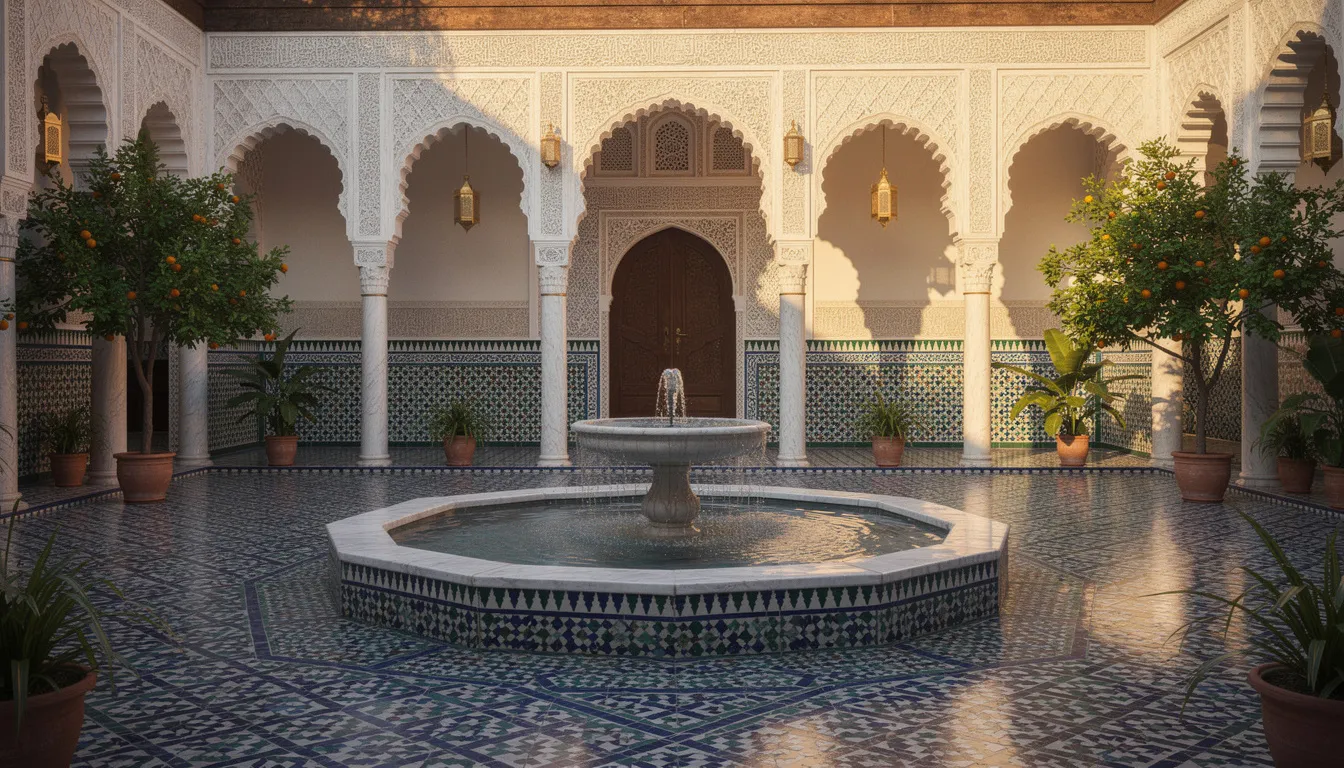
Morocco’s traditional riads—courtyard houses converted into guesthouses—offer an experience no hotel can match. Waking to birdsong in a tiled courtyard, enjoying breakfast under lemon trees, and returning each evening to genuine hospitality makes a trip memorable.
Marrakech:
Stay in or just outside the medina for easy walking access to main sights.
Neighborhoods like Riad Laarous, Bab Doukkala, the Kasbah area, or near Jemaa el-Fnaa suit different budgets and vibes.
Gueliz (the modern district) offers contemporary hotel options.
Essaouira:
Riads inside the historic medina walls or along the seafront provide charm and rooftop terraces facing the ocean.
The compact medina means everything is walkable.
Desert itineraries:
Overnight styles include kasbah-style hotels in valleys like Dades or Skoura (traditional architecture with modern comforts) and desert camps near Merzouga or Zagora (Berber tents with shared or private bathrooms).
Morocco Classic Tours uses vetted properties across all categories.
Share your budget and comfort preferences when contacting Morocco Classic Tours—the team matches riads and camps to couples, families with kids, or small groups.
Beyond the itineraries above, Morocco Classic Tours can integrate these experiences into your trip:
Cultural experiences:
Moroccan cooking classes (make tagine, pastilla, and proper mint tea)
Traditional hammam and spa sessions
Calligraphy or pottery workshops
Music evenings featuring gnawa or Andalusian traditions
Adventure activities:
Quad biking in Agafay desert
Hot air balloon flights over Marrakech at sunrise
Hiking deeper into the High Atlas from Imlil
Ride camels at sunset without a full desert tour
Coastal add-ons (if basing in Essaouira or Agadir):
Surf lessons on beginner-friendly beaches
Horseback riding along the shore
Visiting nearby argan forests
These add-ons work within a 4-day Morocco itinerary depending on your pace and arrival/departure times.
With 5–10 days, richer routes become possible: combining imperial cities (Marrakech, Fes, Meknes, Rabat), spending multiple nights in the Sahara, and allowing more relaxed time at the coast.
Example extensions:
Add a night in the desert (making it 5 days) for a proper Merzouga experience without rushed driving
Include Fes and Chefchaouen with a domestic flight or train plus private driver
A classic 7–10 day Imperial Cities and Sahara loop starting in Casablanca or Marrakech
Consider your first 4-day trip as an introduction. Most travelers return—Morocco rewards repeat visits with deeper exploration. Contact Morocco Classic Tours with your dates, interests, and arrival airport to receive a tailored multi-day itinerary rather than a one-size-fits-all package.
In four days, focus on one iconic route rather than the whole country. Begin in Marrakech exploring the medina, gardens, and historic palaces. Cross the Atlas Mountains to visit Berber villages and scenic valleys, then continue to the Sahara Desert for camel trekking and a night in a desert camp. Return with stops at kasbahs and palm oases. This route offers culture, landscapes, and adventure in a short but memorable trip.
Spend day one discovering the souks and landmarks of Marrakech. Day two travel through the Atlas Mountains, stopping at viewpoints and traditional villages. Day three experience the Sahara Desert with camel rides, sunset dunes, and a camp overnight. Day four return through valleys and kasbah towns. This plan balances sightseeing and travel time, giving a real Moroccan experience without rushing between distant cities.
Yes, four days is enough for a meaningful introduction but not for the entire country. Morocco has many regions, so short trips work best when centered around Marrakech and nearby landscapes like the Atlas Mountains and the Sahara Desert. You’ll experience culture, food, architecture, and nature, but cities such as Fes or the coast require more time. Think of four days as a highlights trip enough to fall in love with Morocco and plan a longer visit later.
In four days you can explore markets, taste local cuisine, and visit historic sites in Marrakech. Then travel across the Atlas Mountains to discover villages and scenic landscapes. Continue to the Sahara Desert for camel trekking, stargazing, and traditional music around a campfire. Finish with visits to kasbahs and valleys on the return drive. This combination of culture and adventure makes four days active yet manageable for first-time travelers.
Four days allows a “taster” of the Sahara—especially via the shorter Zagora route or a compressed Merzouga trip—but not an in-depth experience with multiple nights in the dunes. You’ll have one night in camp, a sunset and sunrise camel ride, and long driving days. Travelers who want to truly savor the desert (free time on dunes, visits to nomadic communities, relaxed mornings) should plan 5–7 days. That said, Morocco Classic Tours can arrange a memorable one-night camp within a 4-day plan that satisfies many travelers.
This depends on your travel style. If you dislike long drives and prefer slower cultural immersion—exploring souks, taking cooking classes, relaxing in hammams—4 days in Marrakech (plus a day trip to the Atlas or Agafay) is ideal. If the desert is a lifelong dream and you’re comfortable with early starts and 8+ hours in a vehicle, a compact Marrakech–desert 4-day itinerary works with Morocco Classic Tours. Neither choice is wrong; it’s about what matters most to you.
Budgets vary widely. A mid-range 4-day trip might cost $400–800 per person including riad accommodation, private driver-guide, entrance fees, and most meals—excluding international flights. Luxury options (upscale riads, premium desert camps) can reach $1,000+ per person. Budget travelers using public transport and simple guesthouses might spend under $300. Share your approximate budget per day with Morocco Classic Tours so the team can propose realistic options.
Morocco is generally safe for tourists, especially in established destinations like Marrakech, Essaouira, and the main desert routes. Normal travel precautions apply: watch belongings in crowded souks, agree on taxi prices before riding, and use registered guides. Traveling with a licensed local agency like Morocco Classic Tours adds reassurance through vetted drivers, trusted accommodation, and on-the-ground support for any issues.
Absolutely. A 4-day Morocco trip works well for families when paced correctly. Choose child-friendly riads with courtyards for running around, build in flexible meal times, and avoid multiple consecutive long driving days. Family-friendly versions include Marrakech plus a gentle Atlas excursion, or Marrakech plus Essaouira where kids can play on beaches. Morocco Classic Tours provides appropriate car seats and adapts activities for different ages—from short camel rides to medina scavenger hunts.
Compare Morocco group tour agencies by trip style, reviews, pace, transport and inclusions. Learn wh...
Read this article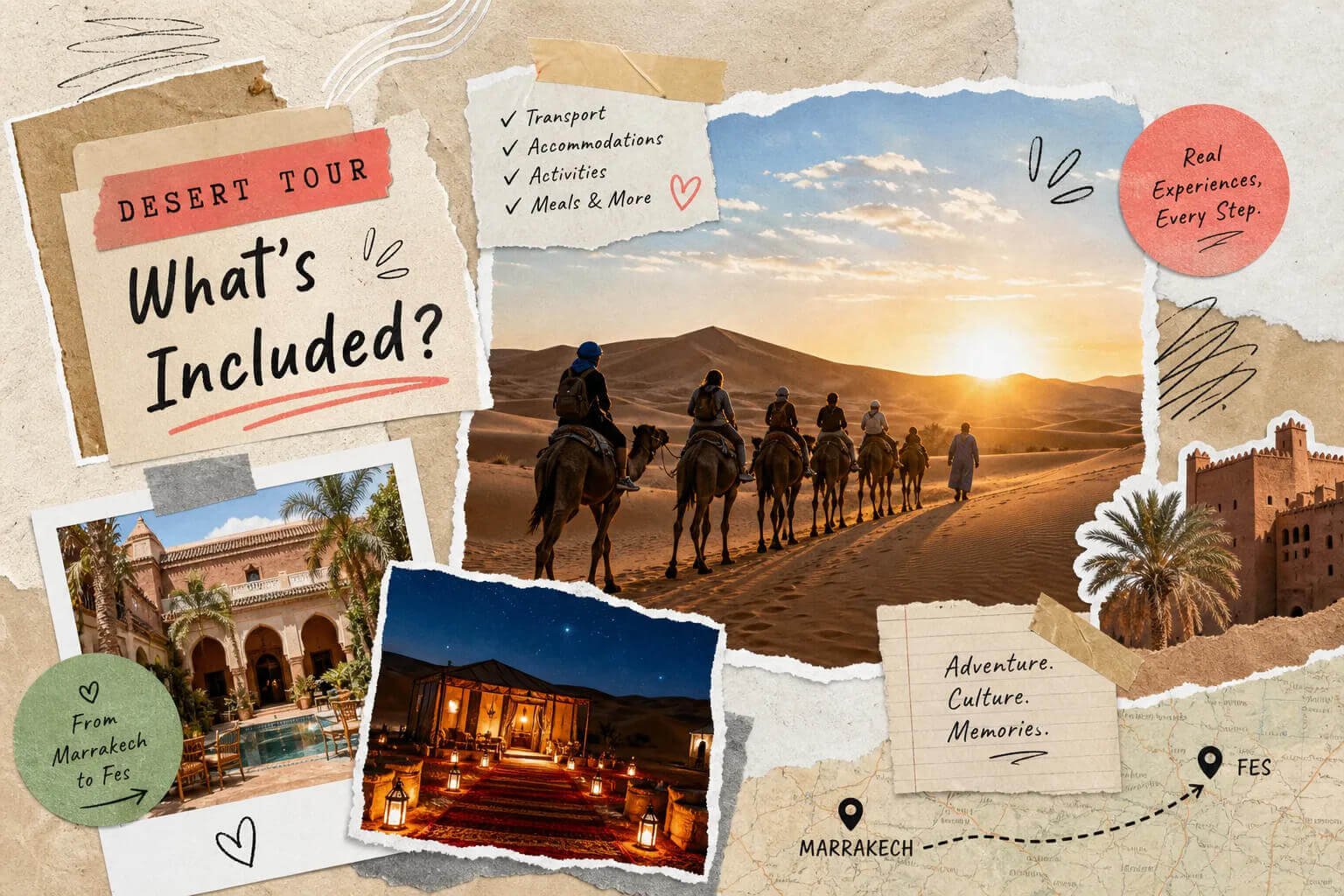
Uncover what a Marrakech to Fes desert tour offers, including camel rides, desert camps, and rich cu...
Read this article
Join our Merzouga Overnight Tour for an authentic desert experience. Enjoy camel rides, comfortable ...
Read this articleWant cool tour deals and tips about Morocco? Enter your email and we’ll send them to you each month!
